When I walk through the arcade of the Procuratie Vecchie in Venice at twilight, I often find myself looking at the way light interacts with history. If our footsteps across these 16th-century stones could glow, how bright would our streets be? It’s a romantic thought, perhaps, but it is exactly the kind of poetic tension—between the weight of the past and the ethereal nature of light—that defines the most significant movement in interior design for 2026: Material Alchemy.
As we look toward the 2026 design season, the industry is witnessing a definitive departure from the clinical, "invisible" lighting of the past decade. The era of the recessed spotlight is yielding to the era of the sculptural anchor. Designers are now forecasting a 35% increase in the integration of 'Material Alchemy' lighting, where luxury is no longer defined by minimalist concealment but by the presence of noble, authentic materials—specifically, hand-blown Murano glass and hand-finished metals.
At the heart of this shift stands the Profilo Chandelier, a breathtaking piece of "lighting as jewelry" designed by Luca Nichetto for the legendary house of Barovier & Toso.
The Evolution of Illumination: Why 2026 is the Year of 'Material Alchemy'
For years, the trend in high-end residential design was toward the "unseen." We hid our light sources in coves and ceilings, prioritizing the effect of light over the object itself. However, for 2026, the pendulum has swung back with vigor. We are craving texture, history, and a sense of the human hand.
Why is Murano glass trending for 2026? The resurgence of Murano glass is driven by a global shift toward 'Material Alchemy.' In an age of mass-produced, industrial fixtures, luxury is being redefined by authentic craftsmanship and "hand-blown imperfections." Today's homeowners are looking for pieces that offer a narrative. Murano glass, with its thousand-year history, provides a sensory experience—what I call "kinetic stillness"—where the glass appears to be in motion even when static.
This trend isn't just aesthetic; it’s emotional. By utilizing noble materials like Murano glass and brushed gold, we are creating spaces that feel grounded and permanent. The fixture becomes the "jewelry" of the room, a singular piece that dictates the mood of the entire architectural envelope.
Introducing the Profilo Chandelier: Kinetic Stillness in Glass
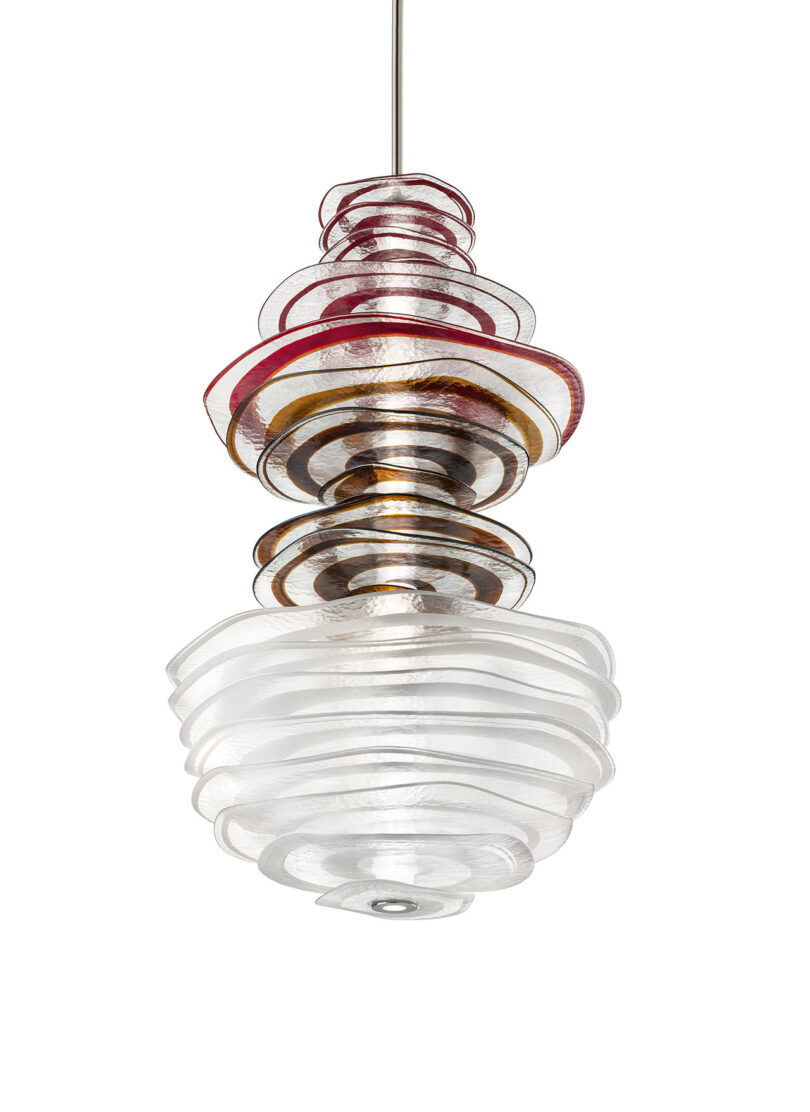
So, what is the Profilo Chandelier? At its core, it is a contemporary lighting masterpiece designed by Luca Nichetto for Barovier & Toso. It utilizes a series of concentric, "centrifuged" glass discs to create a silhouette that feels both ancient and futuristic.
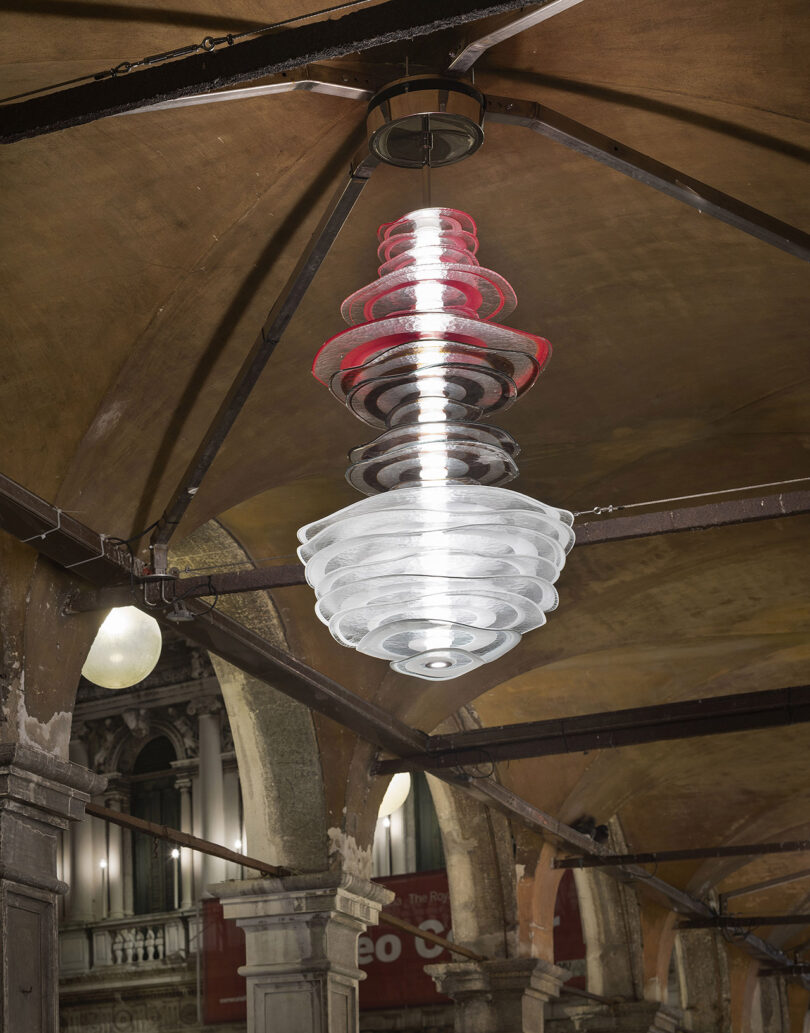
The technical mastery behind Profilo is what sets it apart. The glass is not simply blown; it is "centrifuged." Imagine the molten glass being spun at high speeds, using centrifugal force to flatten and shape the material into discs. This process creates a snapshot of the force that shaped it—an organic, irregular surface that captures and diffuses light in a way that perfectly smooth, machine-made glass never could.
From a designer’s perspective, the aesthetic breakdown of the Profilo is a study in color theory. The chandelier often features a transition of tones—starting with rings of deep amber, red, or brown at the top, which then explode into a "milky" white at the base. This gradient isn't just for show; it mimics the way natural light filters through the Venetian lagoon, creating a sense of "luminous movement" within the room.
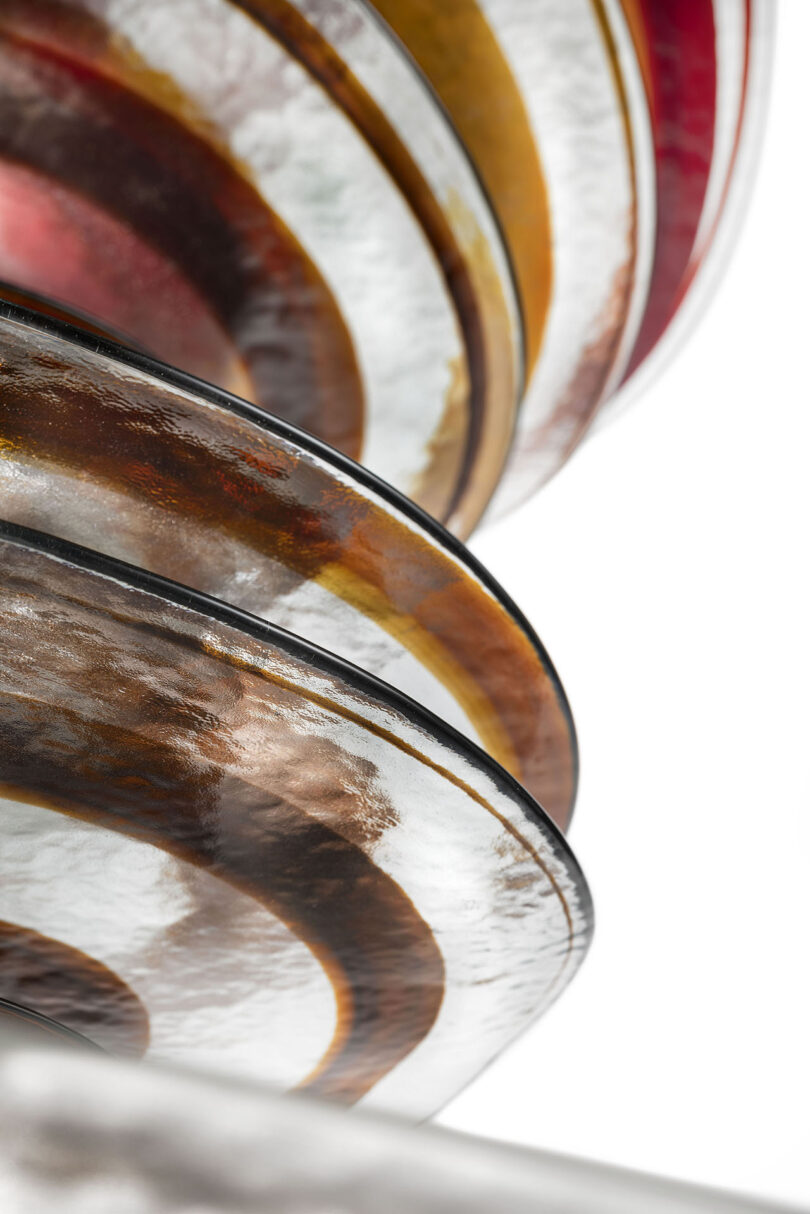
"The Profilo is a dialogue between the centrifugal force of the glass-making process and the architectural stillness of the spaces it inhabits. It is frozen poetry." — Luca Nichetto
A Historic Debut: 'Murano Illumina il Mondo' at the Procuratie Vecchie
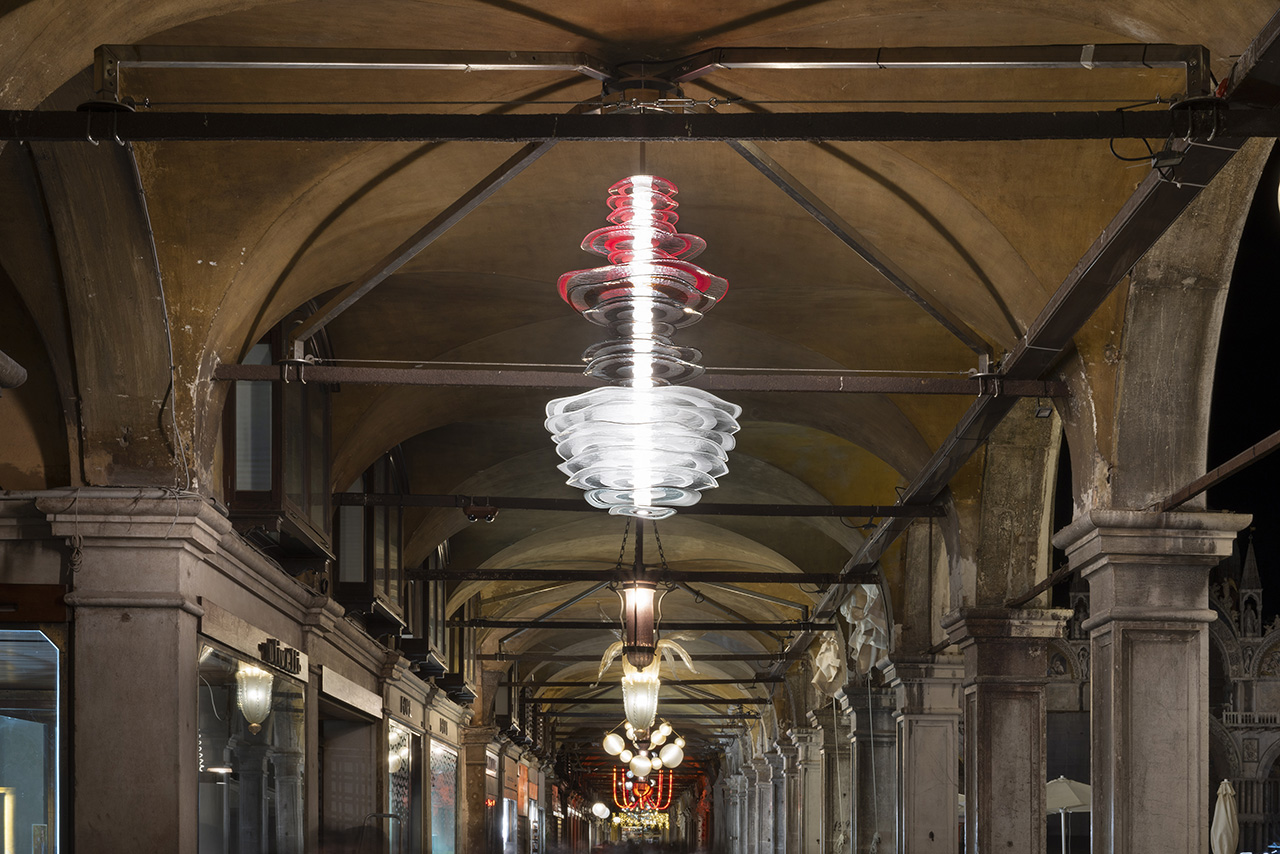
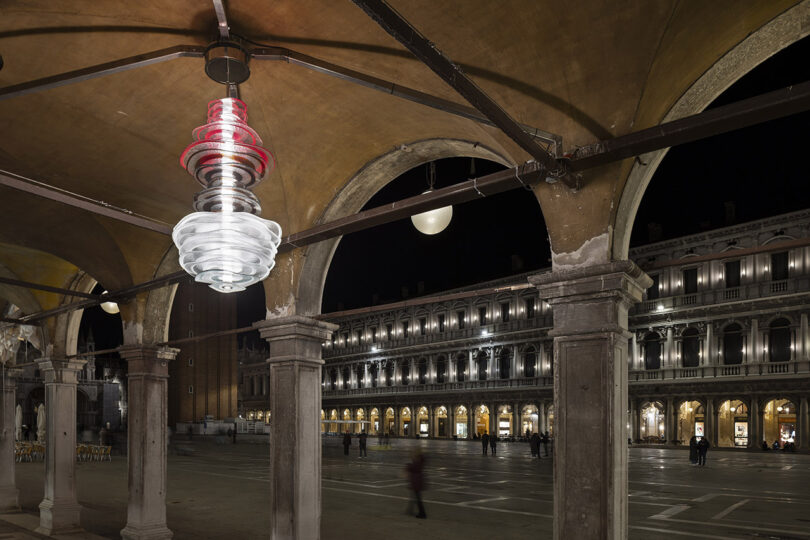
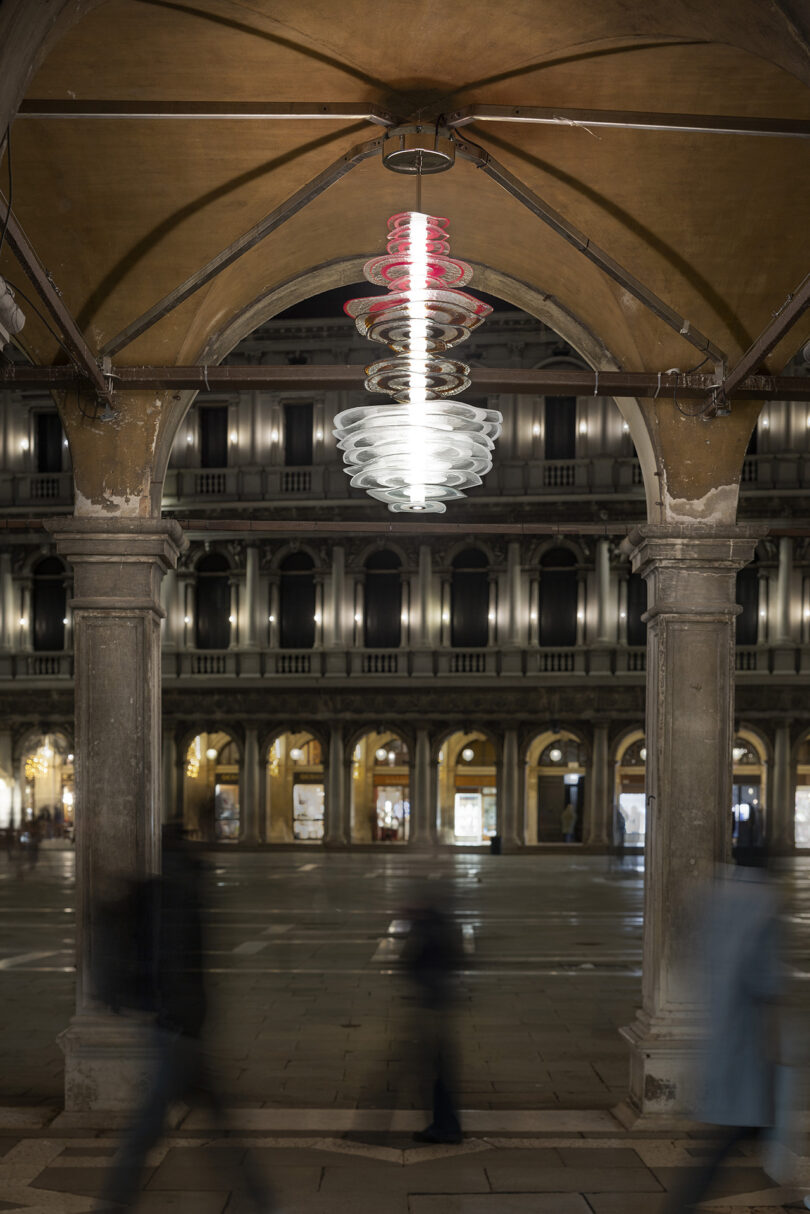
One cannot discuss the Profilo without discussing its debut. As part of the 'Murano Illumina il Mondo' (Murano Lights up the World) initiative, the Profilo was prominently installed in the historic arcade of Piazza San Marco’s Procuratie Vecchie in Venice.
Where is the Profilo chandelier installed? While designed for the world’s most exclusive private residences, its most famous public appearance was within the 16th-century arches of Venice’s most iconic square. This placement was intentional. By hanging a 21st-century innovation against the backdrop of Renaissance architecture, Nichetto highlighted how modern lighting can breathe new life into heritage structures.
The installation demonstrates a key principle of 2026 lighting design: Structural Illumination. Rather than washing a room in uniform light, the Profilo illuminates specific architectural ribs while allowing shadows to create contrast. This "chiaroscuro" effect is essential for creating an atmosphere that feels intimate yet grand.
The Nichetto Era: 730 Years of Heritage Meets Swedish Modernism
The Profilo marks a significant moment in the history of Barovier & Toso. Founded in 1295, the company leverages over 730 years of glassmaking heritage. However, the appointment of Luca Nichetto as the first-ever external Artistic Director signaled a new "Design DNA" for the brand.
Nichetto’s story is a "return home" narrative. Born in Murano, he spent his childhood surrounded by the furnaces of the lagoon. After making a name for himself in Sweden—where he embraced the clean lines of Scandinavian modernism—he returned to his roots to merge those two worlds. The Profilo is the first major collection under his tenure, and it perfectly encapsulates this duality: the raw, fiery passion of Venetian glass-blowing refined by the disciplined minimalism of Nordic design.
The 2026 Lighting Shift: A Comparison
| Feature | 20th Century Recessed Lighting | 2026 Sculptural Lighting (Profilo) |
|---|---|---|
| Material | Plastic, Aluminum, Glass | Murano Glass, Brushed Gold, Bronze |
| Goal | Disappear into the ceiling | Act as a 'Sculptural Anchor' |
| Atmosphere | Uniform, Bright, Utilitarian | Layered, Emotional, Circadian-supportive |
| Technique | Mass-produced industrial | Hand-crafted Material Alchemy |
Styling the Future: Lighting as the 'Jewelry' of the Home
How do we take a piece as significant as the Profilo and integrate it into a modern living space? As an editor, I always tell my readers to think of these overscaled statement pieces as the "jewelry" of the home. You wouldn't wear a diamond necklace with a neon tracksuit; similarly, a Murano chandelier needs the right "outfit" to shine.
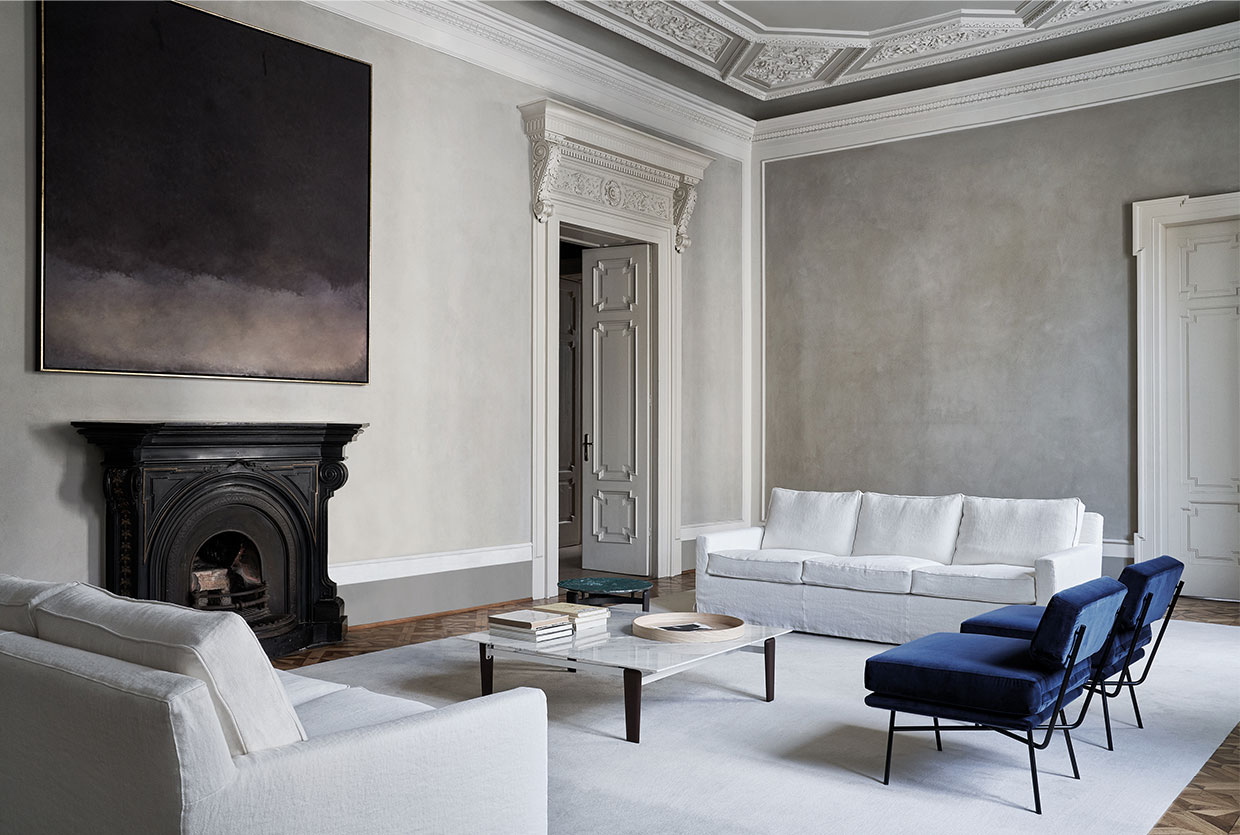
1. Pairing with 'Quiet' Textures To allow the "Material Alchemy" of the glass to take center stage, pair the Profilo with quiet, matte surfaces. Think of linen-clad sofas, lime-wash walls, or raw oak floors. The contrast between the shimmering, translucent glass and the opaque, tactile fabrics creates a sophisticated balance.
2. The Importance of 'Emotional Light' In 2026, we are moving toward lighting systems that support our circadian rhythms. The Profilo isn't just a static object; when integrated with modern dimming systems, it can transition from a bright, invigorating morning glow to a warm, candle-like amber in the evening. This is "Emotional Light"—design that understands how you feel.
3. Scaling for Impact Don't be afraid of the "overscaled" look. In a minimalist loft, a large-scale Profilo chandelier acts as an architectural anchor, defining the dining or lounge area without the need for walls. It creates a "room within a room" through its luminous presence.
FAQ
Q: Is Murano glass lighting suitable for minimalist modern homes? A: Absolutely. In fact, the "Material Alchemy" trend thrives in minimalist spaces. A piece like the Profilo provides the necessary warmth and "soul" that purely minimalist rooms often lack, serving as a singular focal point that prevents the space from feeling cold.
Q: How do you maintain the luster of centrifuged glass discs? A: Because the surfaces are organic and irregular, they are remarkably forgiving compared to perfectly flat glass. A simple dusting with a microfiber cloth or a specialized glass cleaner used sparingly is all that is needed to maintain the "luminous movement" of the piece.
Q: What makes Barovier & Toso different from other Murano brands? A: It is a matter of unmatched lineage. Founded in 1295, they are the fifth oldest family business in the world still in operation. This longevity grants them access to "secret" glass recipes and techniques—like the centrifuge method used in Profilo—that newer furnaces simply cannot replicate.
Conclusion
As we look toward 2026, the Profilo Chandelier stands as more than just a light fixture; it is a manifesto for the future of luxury. By blending 730 years of Venetian heritage with Luca Nichetto’s forward-thinking vision, it proves that the most modern thing we can do is honor the ancient art of the hand.
In your own home, I encourage you to look beyond the utility of light. Seek out pieces that offer "kinetic stillness," pieces that tell a story of fire and force. After all, the right light doesn't just show us where we are—it tells us who we are.