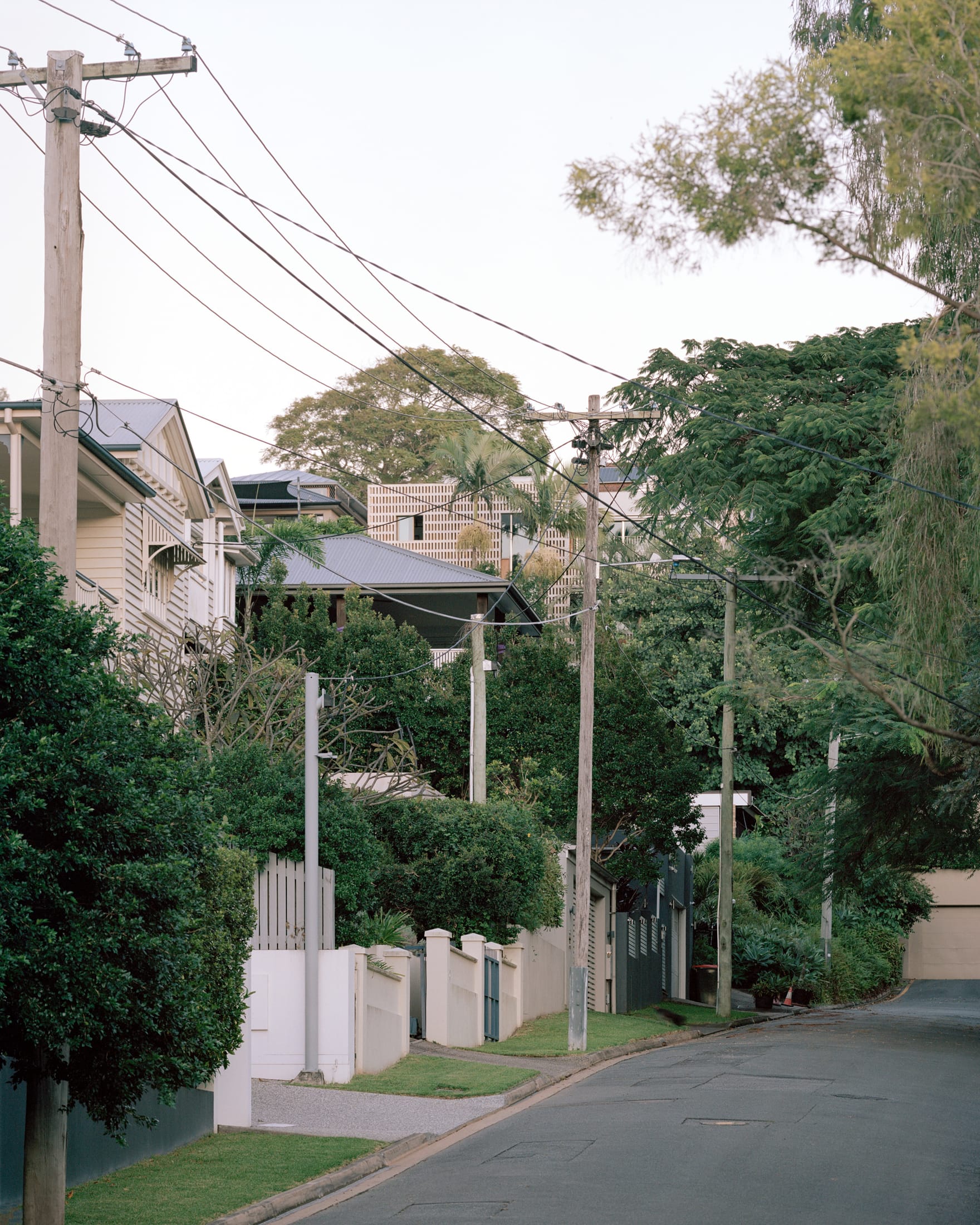
In the evolving landscape of sustainable architecture, we often hear that the "greenest" building is the one already standing. But what happens when we must build anew? The answer lies in a radical responsibility toward materials. In the shadows of Brisbane’s Mount Coot-tha—traditionally known as the ‘Place of Honey’—architect Peter Besley has delivered a masterclass in this philosophy. The Birdwood house isn't just a residence; it is a 2025 benchmark for subtropical design that challenges our reliance on high-energy industrial cycles by turning to the forgotten fragments of the city's industrial past.
Besley’s approach moves beyond the superficial aesthetics of "eco-friendly" design to address the core of environmental impact: embodied carbon and thermal performance. By prioritizing salvaged masonry over new-build synthetics, the project achieves a rare trifecta of sculptural beauty, climate resilience, and carbon neutrality.
The Provenance of Material: Salvaging History from a Defunct Brickworks
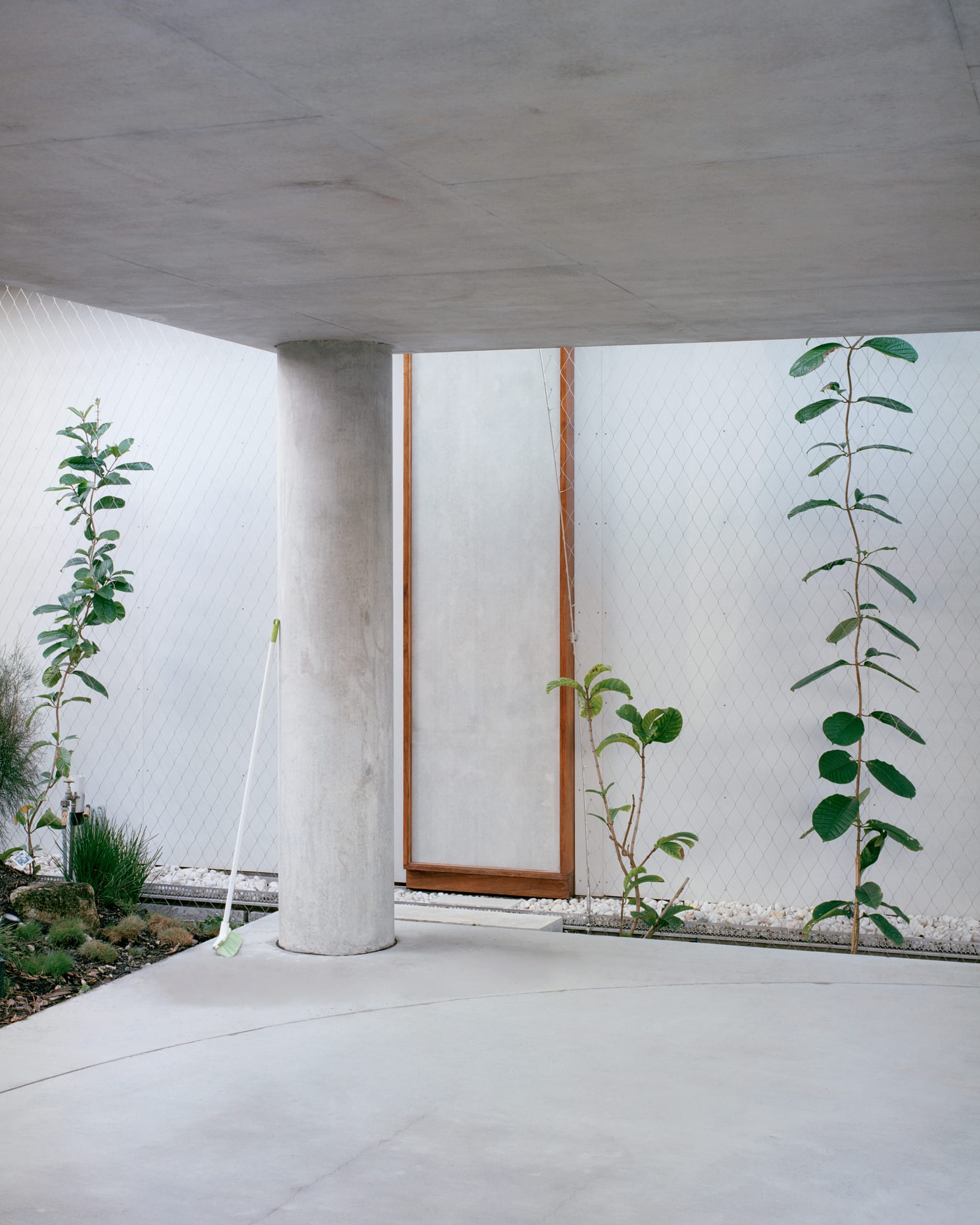
At the heart of the Birdwood project is a profound respect for provenance. Rather than ordering pallets of uniform, factory-fresh blocks, Peter Besley embarked on a mission to salvage an extensive collection of refractory clay and metallurgical ceramics from a defunct local brickworks. These materials, originally designed to withstand the extreme temperatures of industrial furnaces, possess a density and character that modern mass-produced bricks often lack.
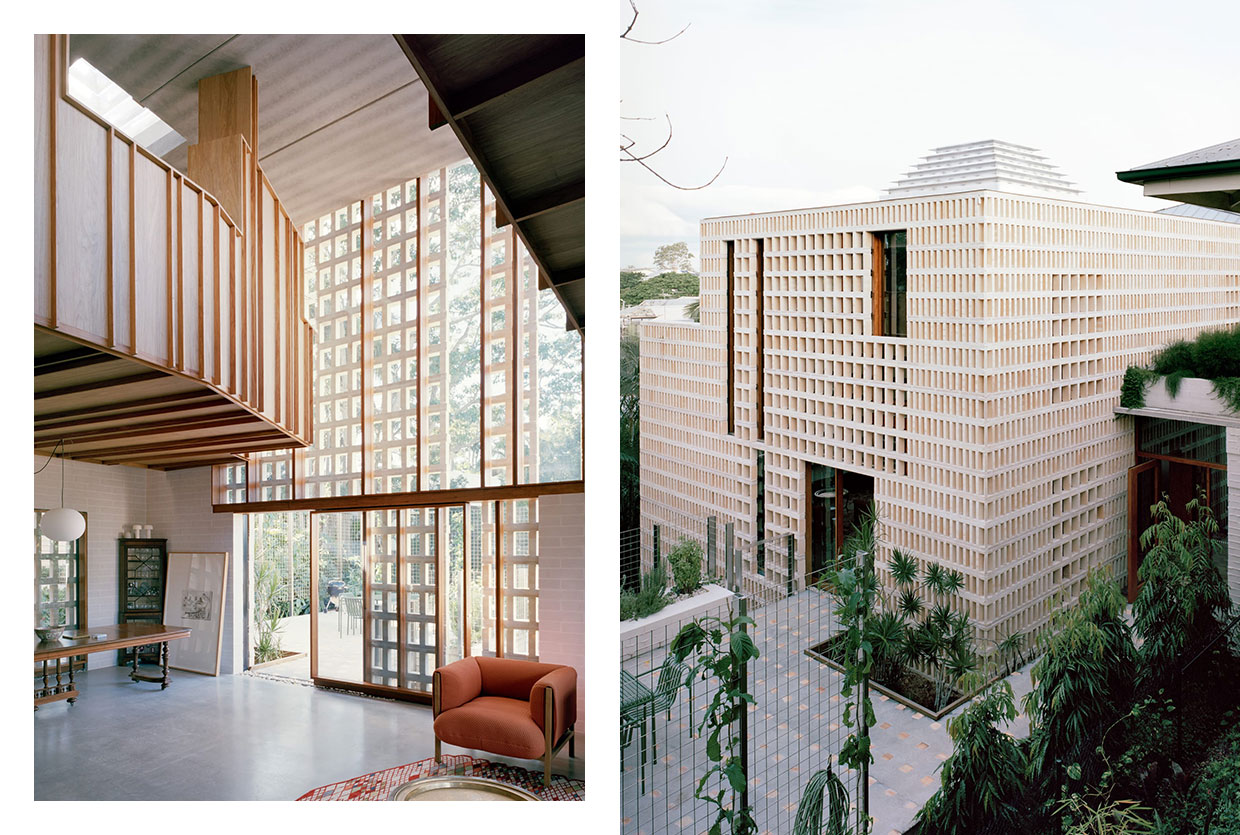
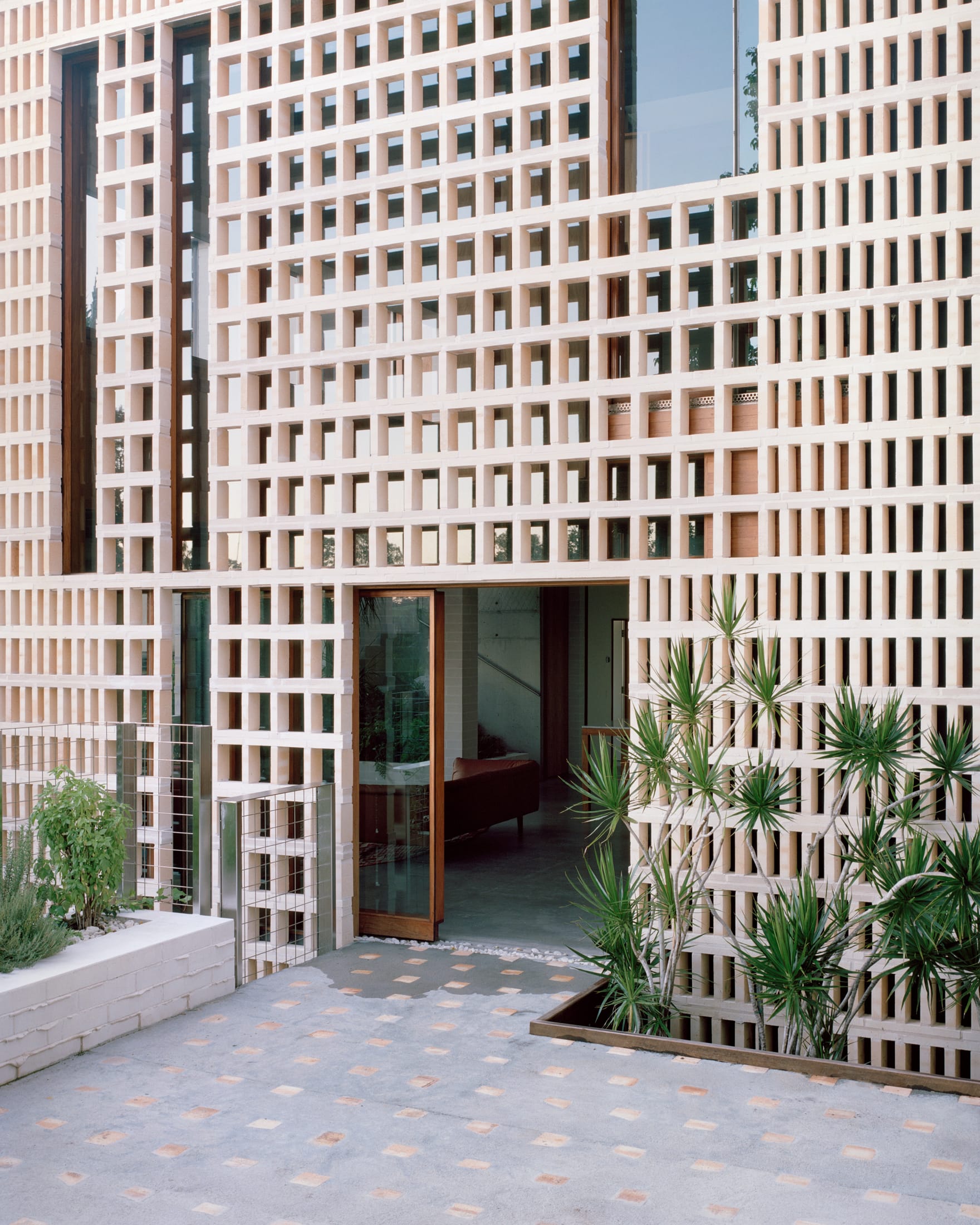
Besley integrated these salvaged elements into the home’s external walls, towering columns, and intricate paving. The result is a structure that feels less like a new house and more like a permanent piece of the landscape. The "frayed" edges of the brickwork and the varied patinas of the fired clay create a tactile, sculptural quality that changes with the light of the Queensland sun.
This wasn't merely a stylistic choice. By reusing these materials, the project bypassed the massive energy expenditure required to mine, process, and fire new clay. It is a form of architectural "upcycling" that respects the energy already embedded in the material decades ago.
Why Reclaimed Brick? The Embodied Carbon Argument
As an editor focused on energy efficiency, I cannot overstate the importance of the "Embodied Carbon" argument. While the industry often obsesses over solar panels and smart thermostats, the most significant environmental impact of a home often occurs before the front door is even installed.
Unlike glass, steel, or aluminum, reclaimed brick does not require energy-intensive reprocessing. When we recycle steel, it must be melted down at temperatures exceeding 1,500°C. When we recycle glass, it is crushed and re-fired. Reclaimed brick, conversely, only requires cleaning and transport. It is the ultimate "low-impact" material.
Expert Insight: According to the 2025 Clay Masonry Products Industry Average EPD (Environmental Product Declaration), utilizing reclaimed bricks avoids approximately 100% of the energy consumption typically required for the secondary manufacturing and melting of alternative materials like steel or aluminum.
Technical Comparison: Reclaimed Brick vs. Modern Alternatives
To visualize the carbon savings, consider the following lifecycle comparison:
| Material Type | Primary Energy Demand (Production) | Carbon Footprint (CO2e) | Recyclability Method |
|---|---|---|---|
| Reclaimed Clay Brick | Near Zero (Cleaning only) | Extremely Low | Direct Reuse |
| New Steel Studs | High (Smelting/Refining) | High | Melting/Reshaping |
| New Aluminum Framing | Very High (Electrolysis) | Very High | Melting/Reshaping |
| Glass Windows | Moderate to High | Moderate | Crushing/Re-firing |
By choosing masonry that had already served its industrial life, Besley effectively "locked in" the carbon of the Birdwood house, making it one of the most responsible residential structures in the Brisbane region.
Subtropical Mastery: Designing for the Queensland Climate
Brisbane’s climate is a unique challenge: intense humidity, scorching summer sun, and occasional torrential rain. The Birdwood house addresses these through "Subtropical Mastery"—a design language that prioritizes passive cooling over mechanical air conditioning.
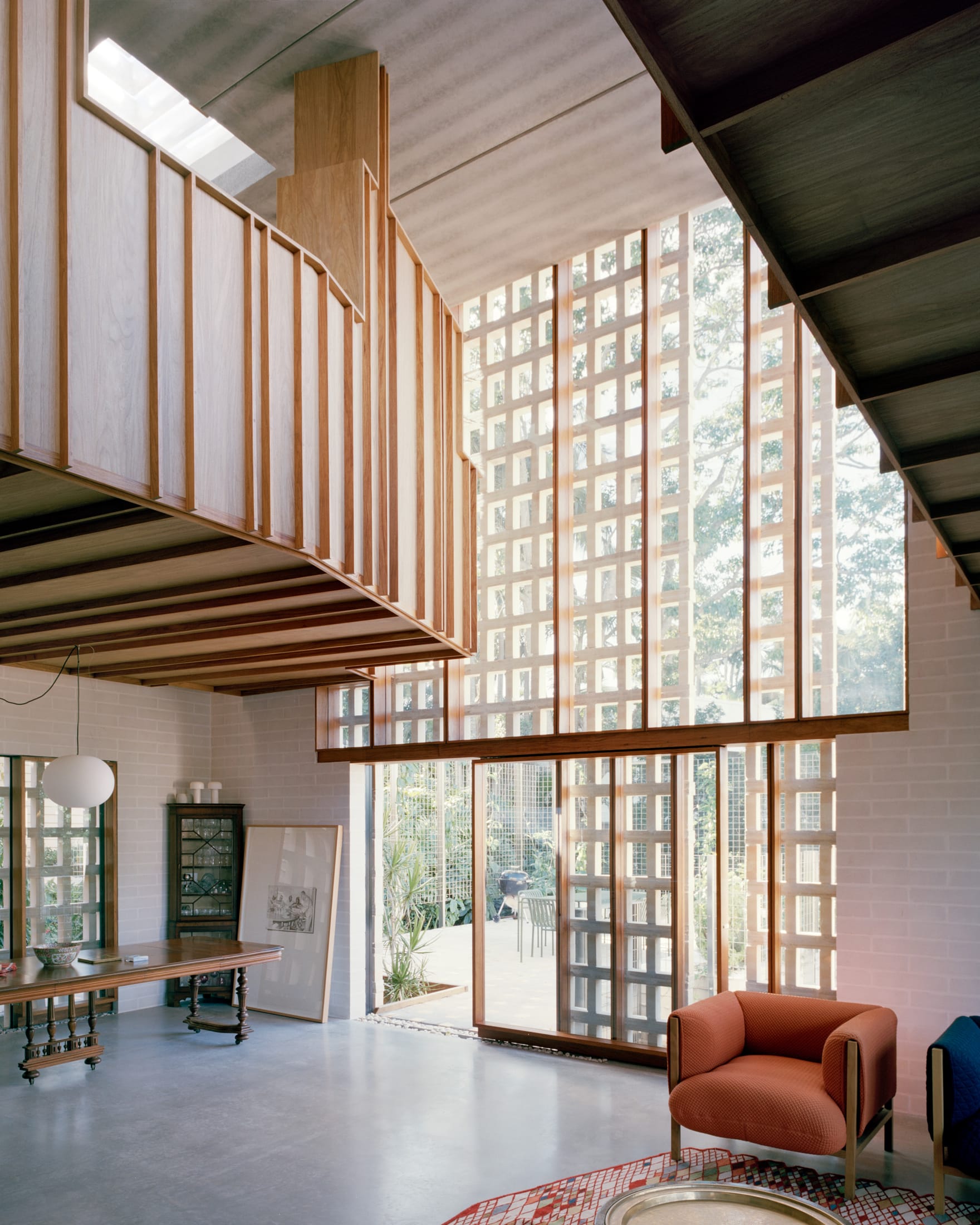
The architecture is defined by independent volumes and a dramatic, ziggurat-like roof. This stepped roof structure isn't just a nod to ancient forms; it acts as a sophisticated sunlight filtration system, allowing soft, indirect light to permeate the interior while blocking the harsh midday heat.
Key features of this climate-responsive design include:
- The Tall Brise Soleil: A massive vertical screen of reclaimed brick that shields the interior living spaces from the western sun while allowing natural breezes to flow through the "frayed" masonry gaps.
- High Thermal Mass: The thick brick walls act as a thermal sponge, absorbing the heat of the day and releasing it slowly during the cooler nights, keeping the indoor temperature stable.
- Natural Ventilation: The layout encourages cross-ventilation, utilizing the chimney effect to pull cool air from the lower levels up through the ziggurat roof.
Beyond the Walls: The Holistic 'Zero-Plastic' Policy
What truly elevates the Birdwood house is its commitment to indoor environmental quality. In a world where residential construction is increasingly reliant on synthetic glues, plastic membranes, and VOC-heavy paints, Besley implemented a strict 'zero-plastic' finish policy.
This means that every surface the occupants touch or breathe near is derived from nature. The interior is a symphony of natural textures:
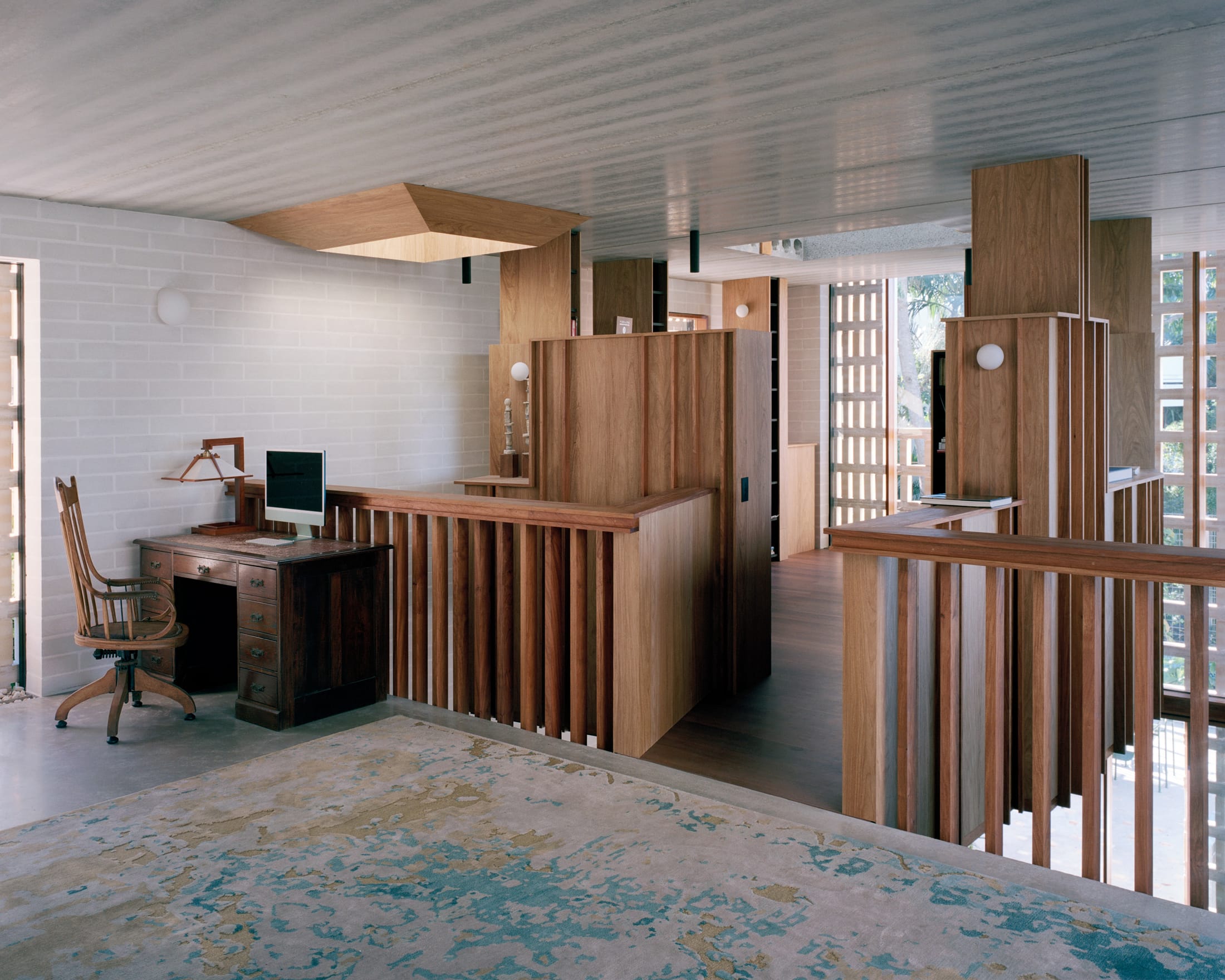
- Recycled Hardwood: Ceilings and joinery utilize salvaged timber, providing warmth and sequestering carbon.
- Lime Washes: Instead of acrylic paints, the walls are finished with natural lime washes that are breathable and anti-microbial.
- Hemp and Stone: Insulation and flooring rely on natural composites that do not off-gas harmful chemicals.
By avoiding plastics and synthetics, the home achieves superior indoor air quality, reducing the risk of respiratory issues and creating a living environment that feels fundamentally different—calmer, cooler, and more grounded.
Resilience and Longevity: A 150-Year Vision
In my years as an editor, I’ve seen countless "sustainable" homes built with lightweight claddings that require replacement every 15 to 20 years. This is not true sustainability. True sustainability is building something that will last for generations.
The Birdwood house is designed with a 150-year service life. Clay masonry is naturally non-combustible, making it ideal for the bushfire-prone fringes of Mount Coot-tha. Furthermore, in the humid Queensland climate, brick is resistant to mold and rot—issues that frequently plague timber-framed and synthetic-clad homes.
The home also meets rigorous resilience standards:
- Flood Resistance: The masonry structure is designed to meet National Flood Insurance Program (NFIP) standards, ensuring the building remains intact even during Brisbane's extreme weather events.
- Low Maintenance: Unlike painted surfaces, the patinated brick requires virtually no maintenance, saving the homeowners significant costs over the building’s lifecycle.
- Integrated Systems: A sculptural cylindrical pool acts as a heat sink, while solar panels and large-scale rainwater tanks ensure the home remains semi-autonomous in terms of energy and water.
Final Thoughts: The Future is Reclaimed
The Birdwood project by Peter Besley is a powerful reminder that our future does not have to be made of plastic and glass. By looking back at the materials that built our industrial past, we can find the solutions for a sustainable, resilient, and beautiful future. This house is a testament to the idea that responsible living doesn't mean sacrifice—it means better air, lower bills, and a home that tells a story.
FAQ
1. Is it more expensive to use reclaimed bricks than new ones? While the material cost of reclaimed bricks can sometimes be lower, the labor involved in cleaning and hand-laying them can be higher. However, when you factor in the 150-year lifecycle and zero maintenance costs, reclaimed masonry is significantly more cost-effective over the long term than lightweight claddings.
2. How do reclaimed bricks contribute to better indoor air quality? Reclaimed bricks are inert and natural. By using them in place of synthetic materials, you eliminate the source of Volatile Organic Compounds (VOCs) and microplastics that are common in modern drywall, paints, and plastic-based insulation.
3. Can salvaged bricks be used in any climate? Yes. While the Birdwood house is optimized for the subtropics, the thermal mass of brick is equally beneficial in cold climates, where it can store heat from the sun or internal heating systems to keep the home warm during the night.