In the shifting landscape of high-end interior design, we are witnessing a profound transition. The era of disposable, mass-produced luxury is receding, making way for what I call "functional art"—pieces that serve as both daily utility and cultural artifact. As we move into 2026, collectors and homeowners alike are no longer just looking for a chair or a table; they are seeking a dialogue between the past and the present.
The Roop Aroop collection, the latest tour de force from Ahmedabad-based studio Design ni Dukaan, stands at the vanguard of this movement. It is a masterful contemporary furniture series that seamlessly integrates traditional Indian crafts with the uncompromising precision of modern materials like solid milled brass and sustainable teakwood. By collaborating with master artisans from regions such as Gujarat and Tamil Nadu, lead architect Veeram Shah has created a collection that doesn’t just modernise heritage techniques—it enshrines them within a modular, architectural framework.
The Philosophy of Roop and Aroop: Form Meets Essence
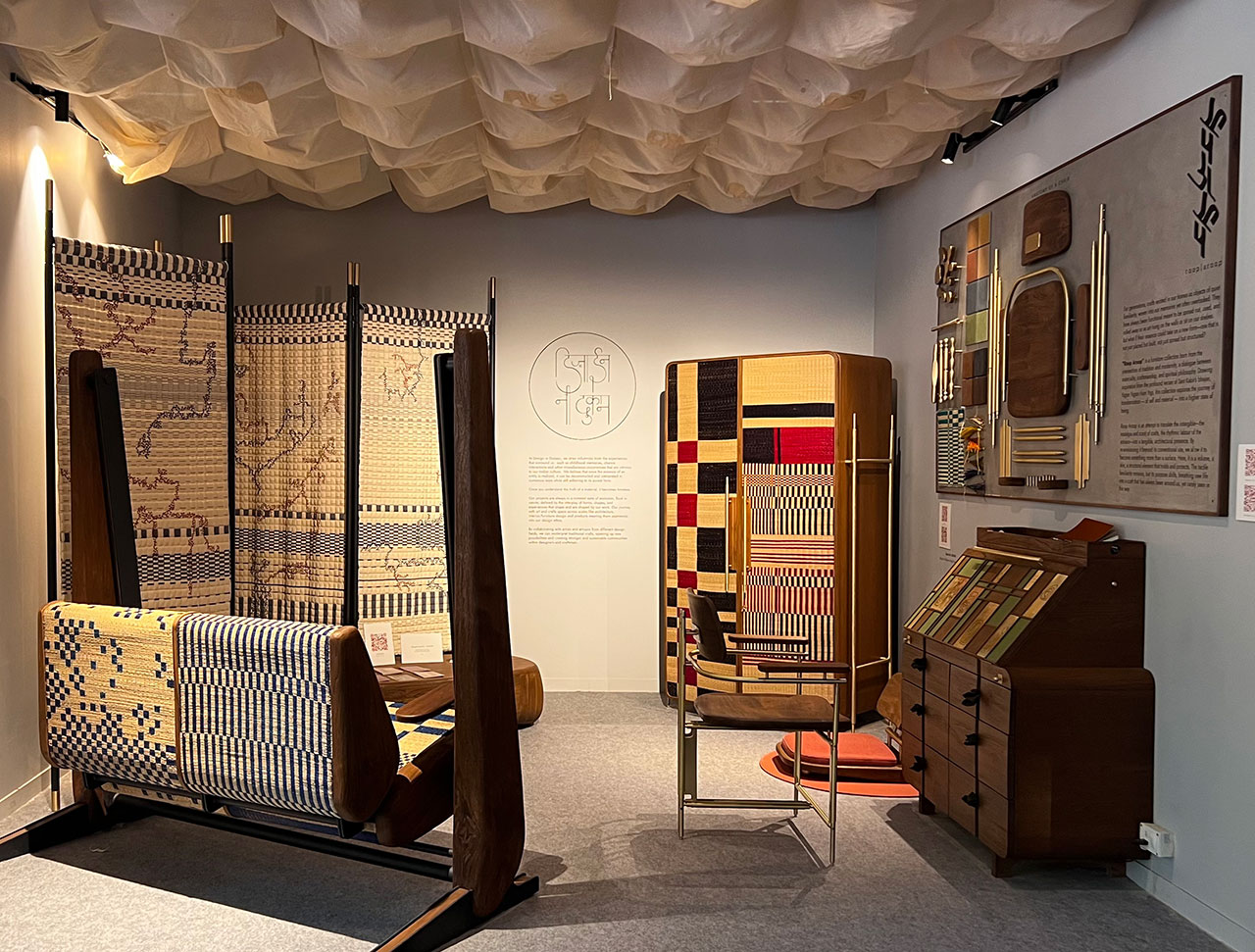
The collection’s name is derived from the Sanskrit concepts of Roop (Form) and Aroop (the Formless or Essence). This philosophical dualism is more than a marketing tag; it is the heartbeat of the design process. Shah draws inspiration from the verses of the 15th-century mystic poet Sant Kabir, who often spoke of the divine as both having a form and being beyond it.
In the context of contemporary Indian furniture design, "Roop" represents the tangible—the sharp lines of the brass, the weight of the teak, and the visible geometry. "Aroop" represents the intangible—the centuries of generational knowledge held in the hands of a weaver, the tactile memory of a quilt, and the emotional resonance of a piece that feels like it has a soul. This collection serves as a living dialogue, proving that ancestral techniques are not museum relics but vital components of a modern lifestyle.
Material Alchemy: The ‘Kit of Parts’ Construction
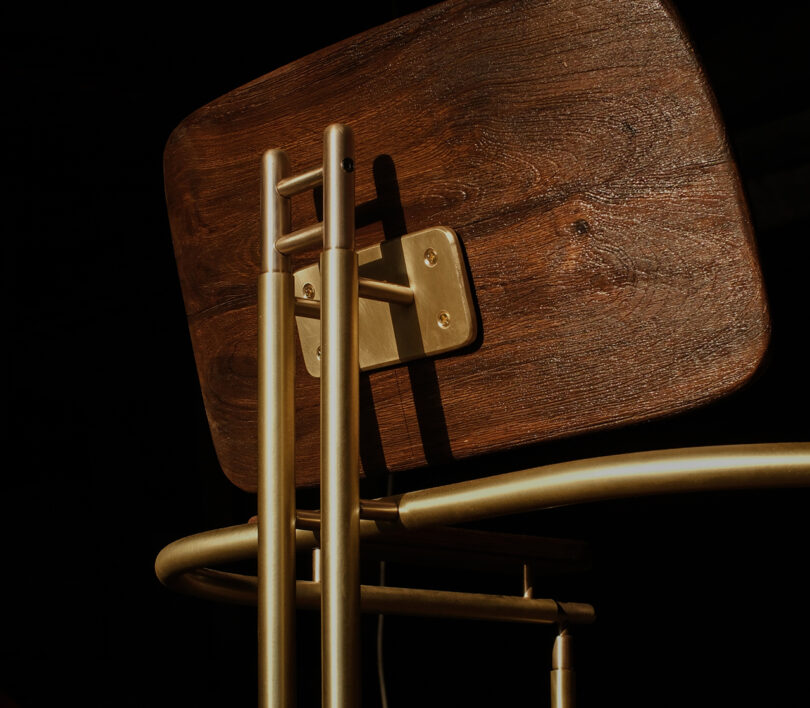
What sets the Roop Aroop collection apart from other heritage-focused lines is its technical rigor. Design ni Dukaan has moved away from traditional joinery in favor of a sophisticated "kit of parts" philosophy. This modular approach utilizes precision-milled brass connectors that allow the furniture to be assembled and disassembled without the need for permanent welding or invasive adhesives.
The material palette is a study in contrasts:
| Material | Role in Collection | Aesthetic Impact |
|---|---|---|
| Solid Milled Brass | Structural Connectors | Provides industrial precision and a golden, reflective warmth. |
| Sustainable Teakwood | Main Framework | Offers organic grounding and a durable, "Honey Oak" finish. |
| Textile Inlays | Surfaces & Screens | Softens the architectural lines with tactile, hand-woven stories. |
Reflecting 2026 furniture trends, the investment in such hand-crafted heirloom furniture is seeing a significant rise. Collectors are increasingly prioritizing sustainability and the "story" behind the material. The 7 unique pieces in this collection each represent a high-stakes collaboration between modern industrial designers and master artisans, ensuring that every bolt and weave is intentional.
Spotlight on Craft Collaborations: Sujani and Pathamadai Pai
The soul of Roop Aroop lies in its modernization of endangered crafts. Design ni Dukaan partnered with specialized studios like RaasLeela Textile and Majja Design to bring two distinct Indian traditions into the architectural fold: Sujani quilting and Pathamadai pai weaving.
The Rafiq ni Sujani Partition
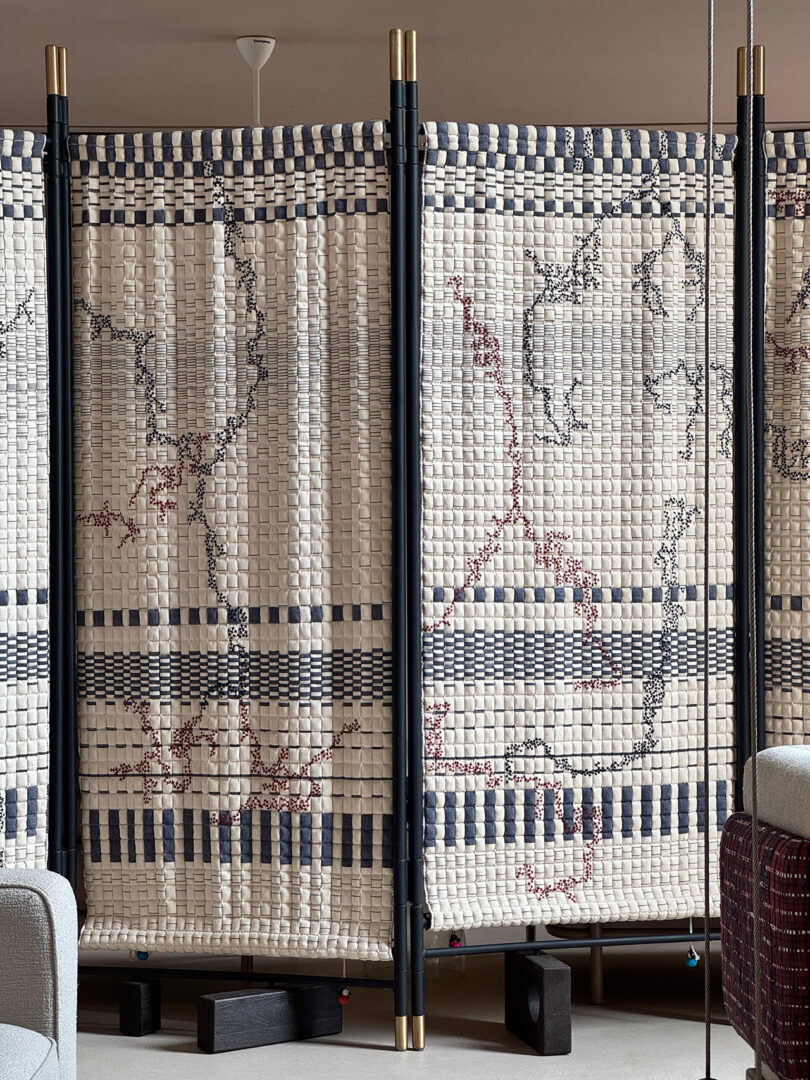
The Sujani craft of Bharuch, Gujarat, is a rare technique of double-cloth weaving where two layers of fabric are woven simultaneously with a cotton stuffing in between. Traditionally used for quilts, it has been reimagined here as the Rafiq ni Sujani Partition.
By applying this technique to a room screen, the designers have created a tactile, translucent barrier. It manages to be both structurally sound and visually weightless. In an open-plan living space, this partition acts as a soft architectural element, catching the light and revealing the intricate geometry of the weave.
The Beevi Pai Swing & Banu Pai Cabinet
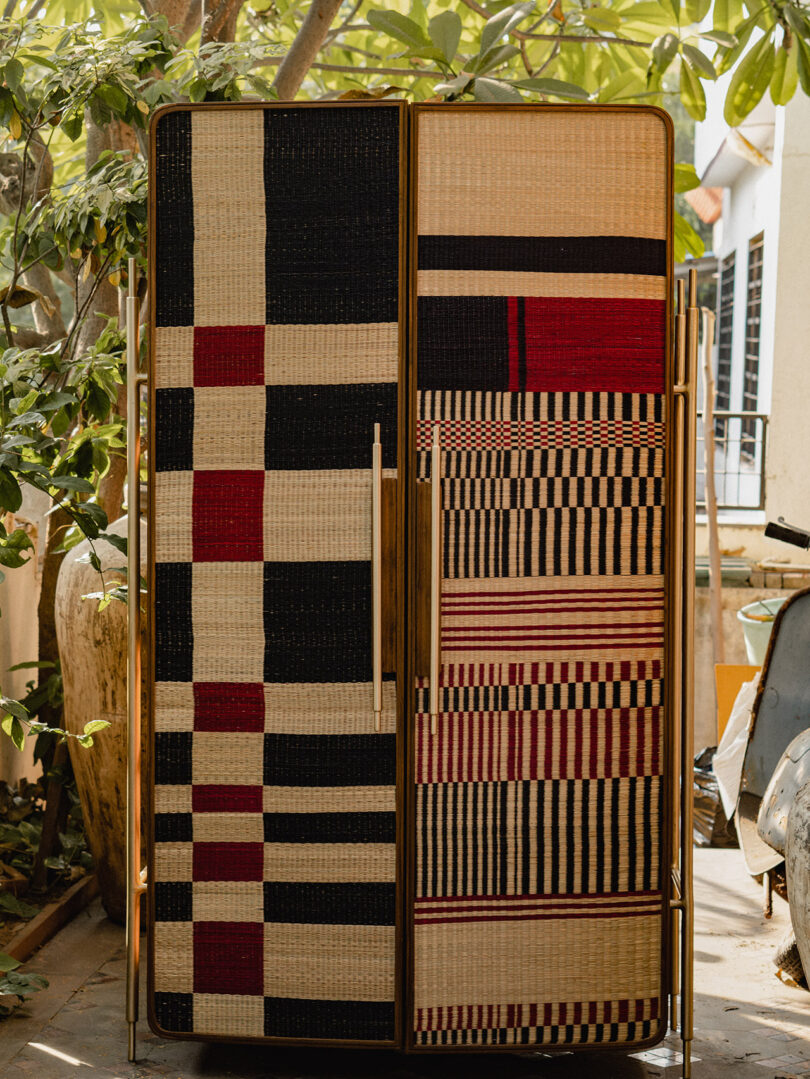
Pathamadai pai weaving hails from Tamil Nadu, where the superfine Korai grass is hand-woven into mats so supple they feel like silk. In the Roop Aroop collection, these mats are no longer just floor coverings; they are transformed into the "skin" of the furniture.
The Beevi Pai Swing and Banu Pai Cabinet use these weaves to create architectural volumes. There is a certain "material alchemy" in seeing a soft, organic grass mat wrapped around a rigid teak and brass frame. It challenges our perception of what "heavy" furniture should look like, replacing solid wood panels with breathable, textured surfaces.
Iconic Pieces: A Study in Balance and Adaptation
The collection is characterized by a "symmetrical axis" in its design, a nod to classical proportions updated for a contemporary eye.
- Ras Bhari Chair: This piece is a masterclass in precision joinery. The chair’s frame feels almost skeletal, yet its strength is undeniable. The contrast between the cool touch of the brass and the warmth of the teak provides a sensory experience every time you sit.
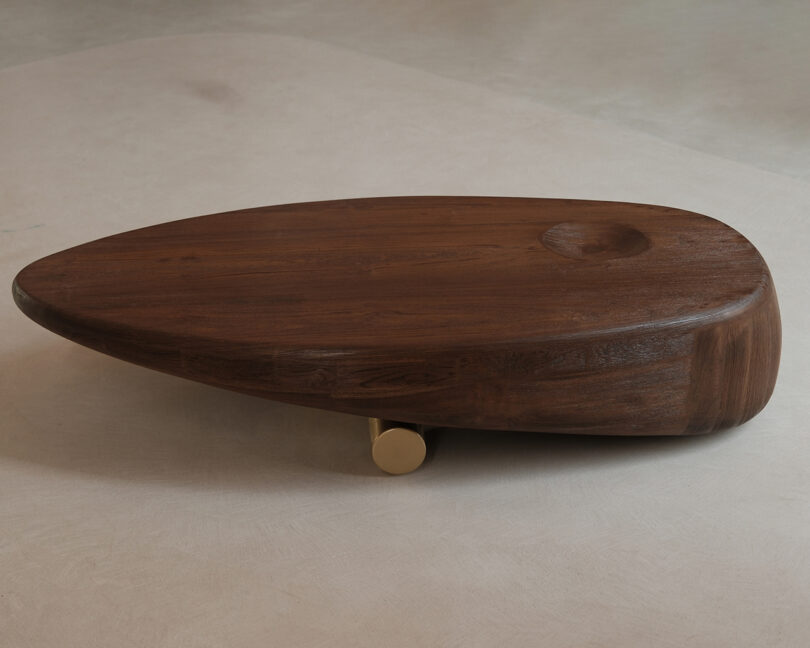
- Sangat Manch Center Table: This is perhaps the most visually arresting piece in the series. It explores the tension between fluid, organic wooden curves and the rigid, industrial nature of its brass supports. It’s a centerpiece that demands conversation.
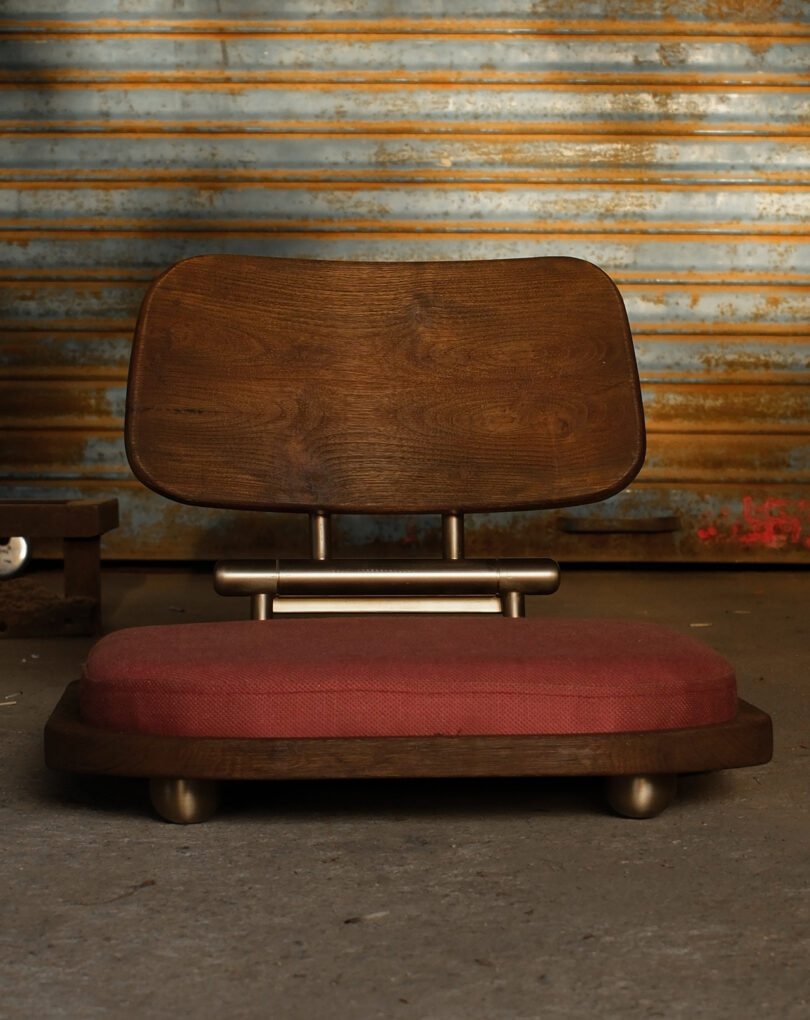
- Sukh Asan Floor Seat: Addressing the 2026 trend of "wellness-centered interiors," this low-slung seat is designed for slow living and meditation. It adapts traditional Indian floor-seating habits—which are inherently more grounded and communal—for a minimalist, modern apartment.
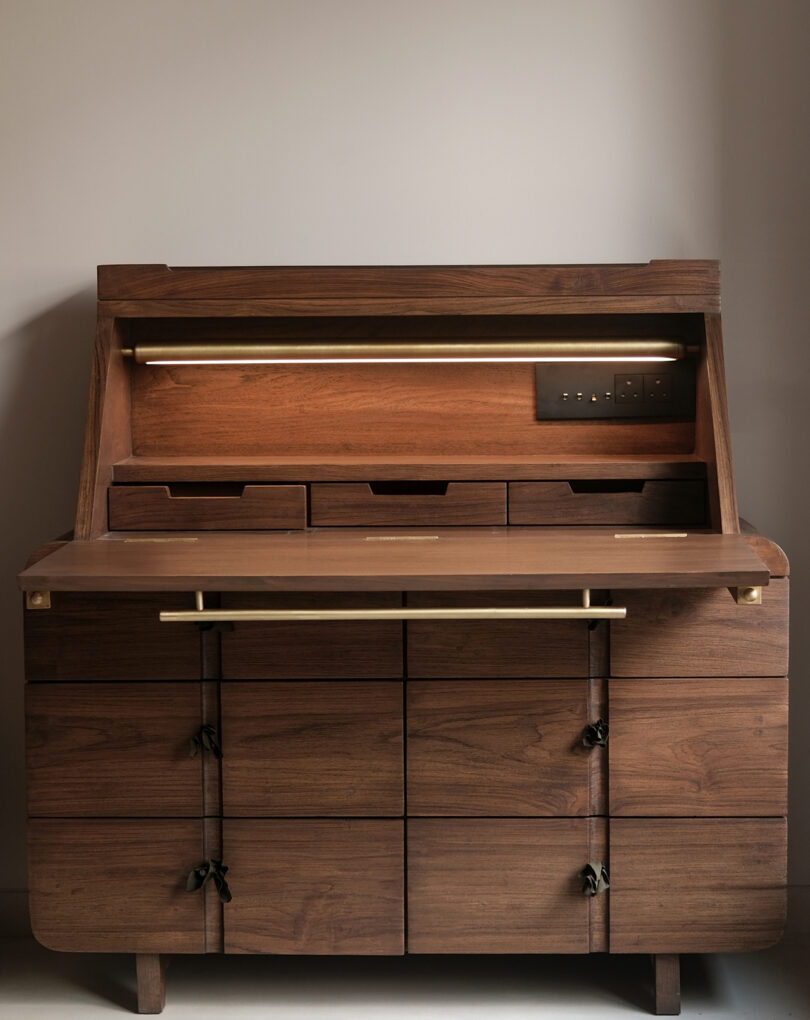
- Gyaan Peeu Study Table: For the home office, this table introduces a sense of ritual. It features hidden storage and "Button Masala" fabric handles—a clever, no-stitch fastening technique—making the act of working feel more personal and less clinical.
Styling the New Traditionalism: 2026 Interior Trends
As we look toward the interior palettes of 2026, the "New Traditionalism" is all about layering. The Roop Aroop collection fits perfectly into this aesthetic. Here is how I recommend styling these pieces:
- Embrace Mid-Tone Woods: Move away from ultra-dark wenge or bleached scandi-pines. The "Honey Oak" and rich teak tones of this collection provide a mid-range warmth that anchors a room without making it feel heavy.
- Metallic Accents as Neutral: Treat the brass detailing as a neutral. It pairs beautifully with Sage Green, Terracotta, or Deep Navy, acting as a highlight that ties different textures together.
- Layered Tactility: Don't be afraid to place a contemporary, high-pile rug under the Pathamadai pai pieces. The contrast between the smooth grass weave and a soft wool rug creates the "sensory richness" that modern collectors crave.
Collectors are increasingly seeking "sustainable heirlooms"—furniture that won't end up in a landfill in a decade. Because of the "kit of parts" construction, these pieces are inherently repairable and adaptable, fitting the 2026 mandate for longevity in design.
Conclusion: Preservation through Innovation
The Roop Aroop collection by Design ni Dukaan is more than just a furniture line; it is a manifesto on the future of craft. By refusing to let traditional Indian techniques be relegated to the past, Veeram Shah has ensured their survival through innovation. These pieces don't just occupy space; they tell a story of regional identity, industrial precision, and the enduring beauty of the handmade.
In a world that is increasingly digital and fleeting, there is an immense, lasting value in furniture that possesses both Roop and Aroop—form and soul.
FAQ
What is the Roop Aroop collection? The Roop Aroop collection is a contemporary furniture series by the Ahmedabad-based studio Design ni Dukaan. It features 7 unique pieces that blend traditional Indian craftsmanship with modern materials like brass and teakwood using a modular, "kit of parts" construction.
Which traditional Indian crafts are featured in Design ni Dukaan’s new series? The collection highlights Sujani quilting from Bharuch, Gujarat, and Pathamadai pai (fine grass mat) weaving from Tamil Nadu. It also incorporates "Button Masala" joinery techniques for textile elements.
Is the furniture in the Roop Aroop collection sustainable? Yes. The collection uses sustainable teakwood and celebrates slow-made, handcrafted techniques that support local artisan communities. Its modular design also ensures the pieces are durable and repairable, aligning with long-term sustainability goals.