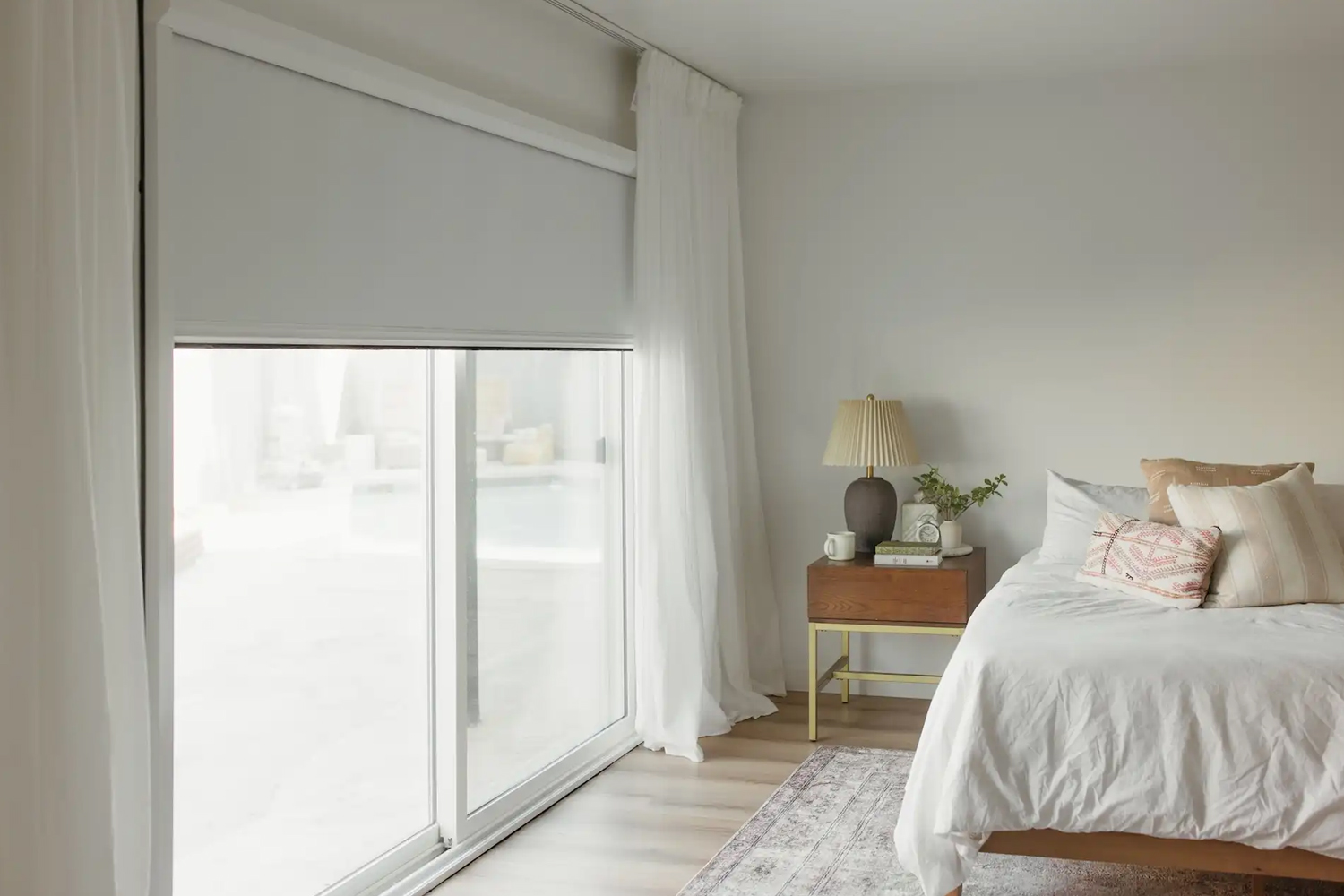
In the heart of Manhattan, where the concrete jungle hums with a relentless, 24/7 vibration, the concept of "home" is shifting. It is no longer enough for a residence to simply be functional or aesthetically pleasing; in an age of sensory overload, the home must serve as a biological and spiritual sanctuary. This is the realm of Gala Magriñá, a designer who has spent the last several years redefining the New York City interior by blending high-end "cool" with deep-rooted holistic principles.
Gala Magriñá founded her eponymous firm in 2018, bringing a unique background that spans from high-octane visual displays at Diesel to the quiet, disciplined practice of Vedic meditation. Her approach, which she terms "Mindful Interior Design," isn't just a stylistic choice; it is a rigorous, 12-pillar framework designed to elevate the energy of a space and its inhabitants. By integrating ancient wisdom like Feng Shui with cutting-edge wellness technology and biophilic trends, Magriñá is crafting the next generation of urban living.
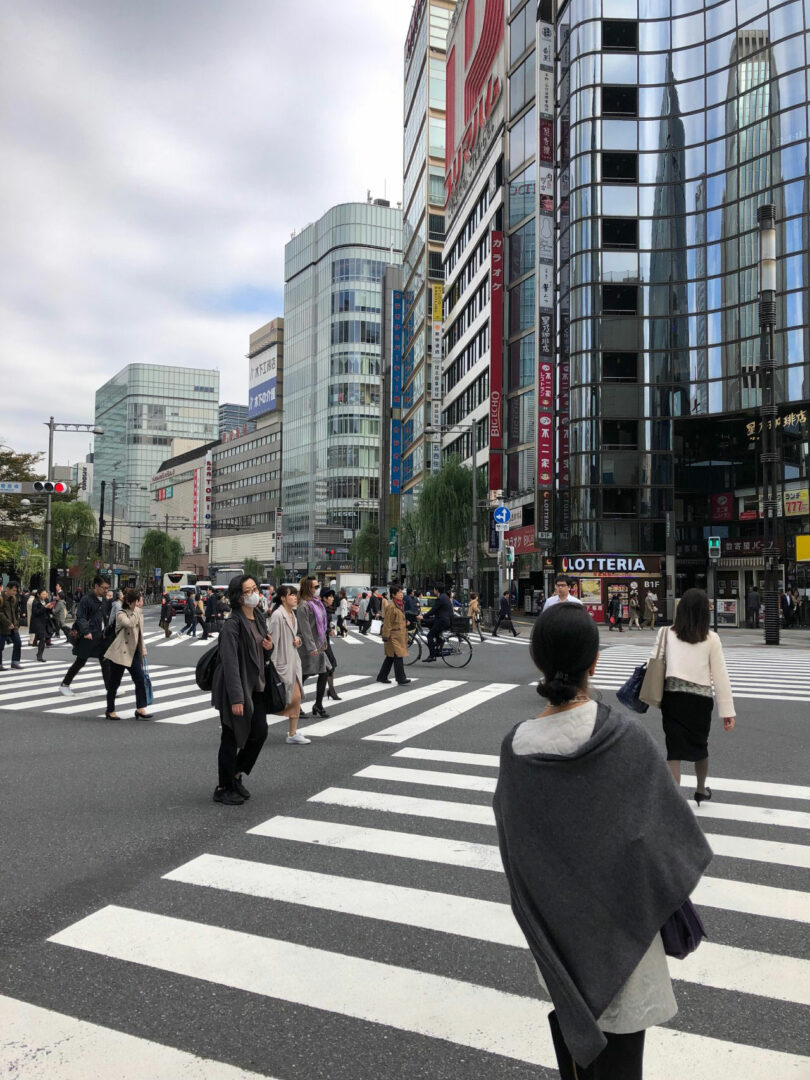
The 12-Pillar Framework: Defining Holistic Interior Design
Mindful interior design goes far beyond the surface level of "Zen" aesthetics. While many associate the term with minimalism or neutral palettes, Magriñá’s 12-pillar framework is a comprehensive guide to human-centric environments. It addresses the invisible elements that dictate our well-being—the air we breathe, the light that regulates our circadian rhythms, and the materials that touch our skin.
The core pillars of the Magriñá method include:
- Biophilia: Integrating natural elements like indoor plants and organic shapes to reduce cortisol levels.
- Light Regulation: Utilizing smart lighting systems that mimic the natural path of the sun to improve sleep and focus.
- Air & Water Quality: Installing medical-grade filtration systems to combat urban pollutants.
- EMF Reduction: Strategic placement of technology and shielding to minimize electromagnetic frequency exposure.
- Non-Toxic Materials: Selecting low-VOC paints, formaldehyde-free cabinetry, and natural fibers.
- Vedic Meditation Principles: Creating dedicated areas for stillness and mindfulness.
- Feng Shui: Optimizing the flow of "Qi" or energy through intentional furniture placement and spatial flow.
"A mindful home is a living organism," says Magriñá. "When we design for the soul as much as the eye, the result is a space that doesn't just look beautiful—it heals."
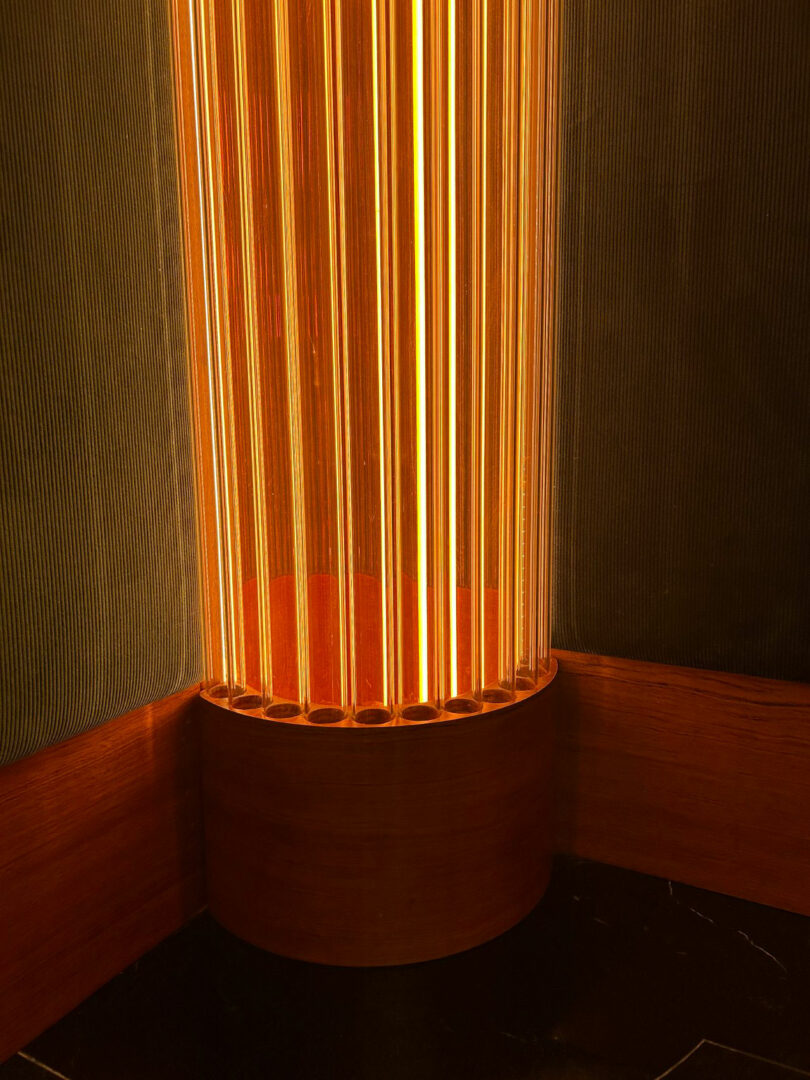
2026 NYC Renovation Trends: Mindful Meets Modern
As we look toward 2026, the New York City market is seeing a pivot toward "Newstalgia"—a trend that blends high-end modernism with soulful, vintage finds from global travels. This aesthetic serves as a visual representation of a life well-lived, grounding modern apartments in history and texture.
However, the most significant shift is the rise of "Quiet Comfort." This trend prioritizes the invisible infrastructure of a home. High-net-worth buyers in NYC are increasingly looking for properties that offer a retreat from urban stressors. This includes specialized HVAC systems, advanced sound control, and high-quality air purification. In a city where square footage is king, the quality of that square footage is becoming the ultimate luxury.
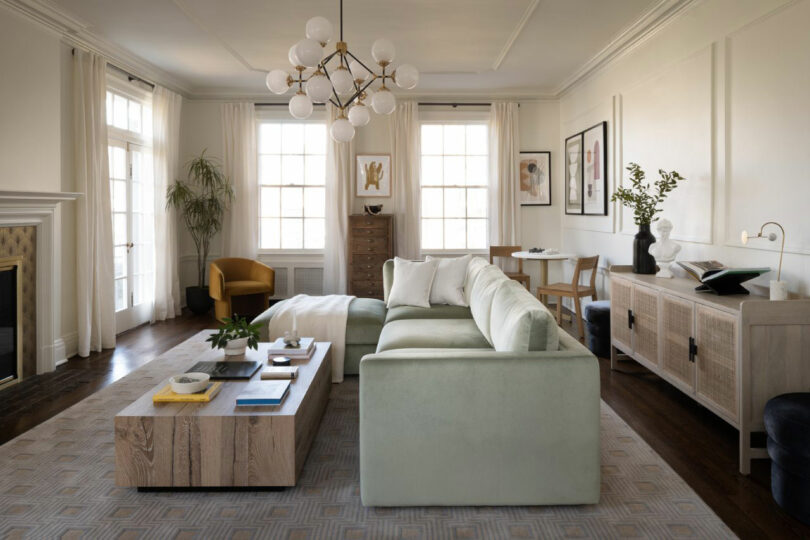
Maximizing Property Value in the 2026 NYC Market
For property owners looking to increase their investment value, a holistic renovation is no longer a niche choice—it’s a financial imperative. The 2026 market rewards "move-in ready" aesthetics that prioritize health and efficiency.
One of the most critical factors for NYC owners is compliance with Local Law 97, which mandates strict carbon emission limits for buildings. Renovations that focus on energy-aware improvements—such as triple-paned windows, induction cooktops, and energy-efficient lighting—not only future-proof the asset against fines but also appeal to the eco-conscious buyer.
The ROI of Mindful Upgrades
| Upgrade Category | Key Features | Market Impact (Estimated Value Increase) |
|---|---|---|
| Kitchen & Bath | Steam ovens, quartz surfaces, 6’ x 8’ spa showers | 10% - 15% |
| Quiet Comfort | Mineral wool insulation, specialized HVAC, sound seals | 7% - 12% |
| Wellness Tech | Whole-home air/water filtration, circadian lighting | 5% - 8% |
| Storage & Flow | Custom millwork, hidden pantries, optimized floor plans | 8% - 10% |
Storage remains a primary driver of value. In NYC, a well-designed custom closet or a hidden "mudroom" nook can be the difference between a quick sale and a stale listing. When combined with "Newstalgia" finishes—think brushed oak floors and tactile, hand-plastered walls—these functional upgrades create a powerful emotional connection for potential buyers.
Case Studies: From Commercial HQs to Residential Estates
The versatility of the 12-pillar framework is best seen in Gala Magriñá Design’s diverse portfolio, which ranges from 4,000 sq ft commercial spaces to sprawling 6,100 sq ft estates.
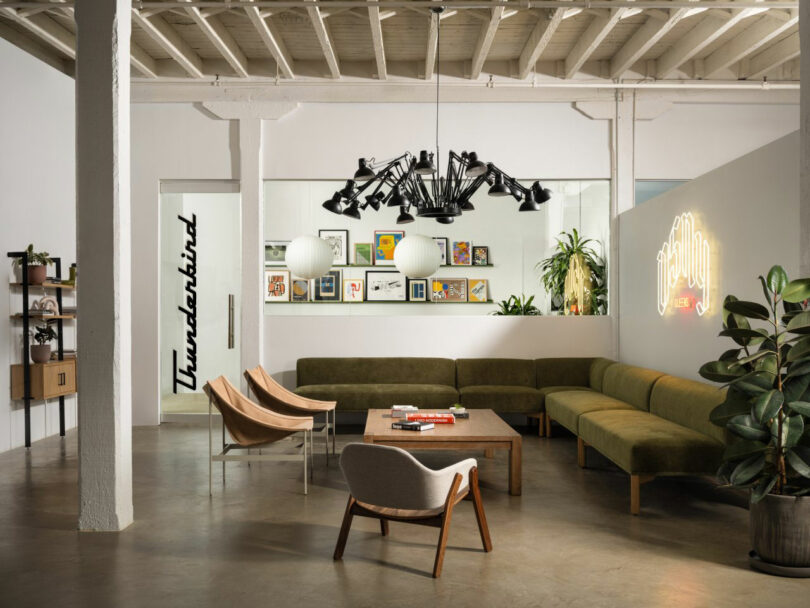
DesignStudio, Long Island City
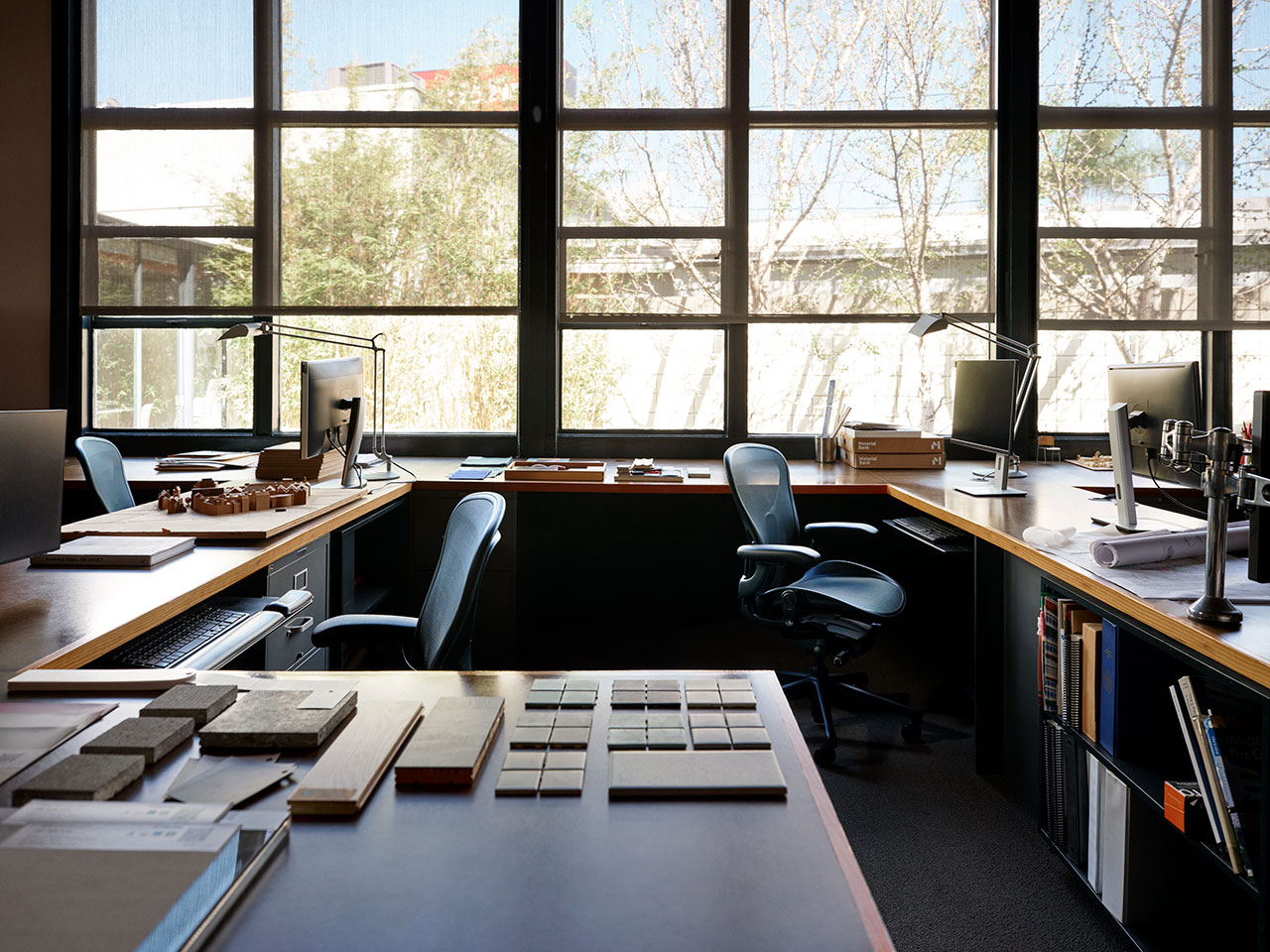
In this 4,000 sq ft commercial headquarters, Magriñá married brand identity with a high-energy lounge vibe. By incorporating "neighborhood" zones for collaboration and quiet "zen pods" for deep work, the space fosters both productivity and employee well-being. The use of biophilic walls and natural textures softens the industrial architecture of LIC.
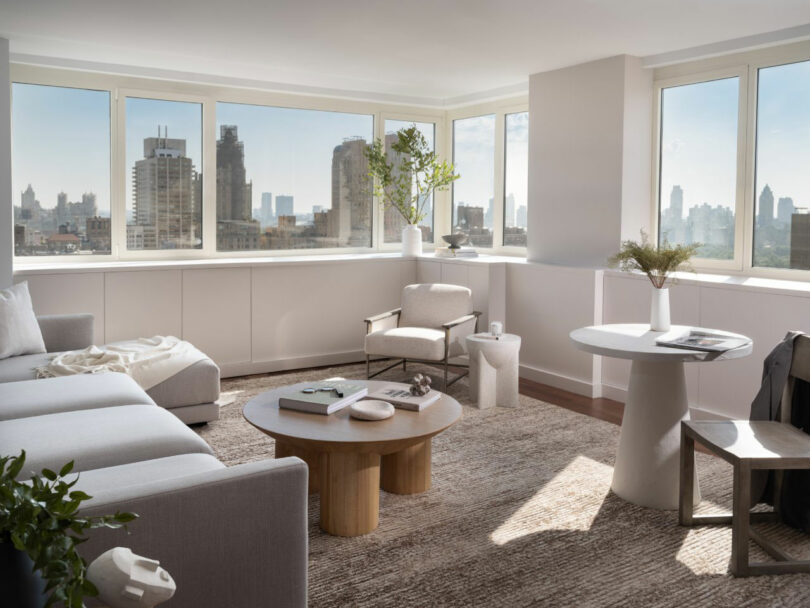
West 67th Street Apartment, Manhattan
For this residential remodel, the goal was to frame the iconic NYC skyline while maintaining an interior of utter serenity. Magriñá utilized light woods, Carrara marble, and a minimalist color palette to create a "cloud-like" atmosphere. The renovation focused heavily on soundproofing and air quality, ensuring the bustle of the streets remained a visual experience only.
Irvington, NY Estate
Moving outside the city, the Irvington project involved a 6,100 sq ft colonial estate. Here, Magriñá introduced "eclectic modern pop," mixing traditional architecture with bold art and contemporary furniture. The project utilized the full 12-pillar framework, including extensive landscape integration to bring the outdoors in, proving that mindful design scales beautifully to large-format luxury homes.
Practical Tips for Your Own Mindful Renovation
You don't need a 6,000-square-foot estate to begin integrating mindful design. Whether you are doing a full gut renovation or a weekend room makeover, these principles can be applied at any budget.
- Prioritize "Quiet" Over "Loud" Trends: Instead of following fleeting Instagram aesthetics, choose "Warm, Timeless" finishes. Think unlacquered brass, natural linen, and reclaimed wood. These materials age gracefully and provide a tactile richness that synthetic materials lack.
- Invest in Soundproofing: If you are opening up walls, use mineral wool insulation. It provides superior fire resistance and exceptional sound dampening. Even smaller changes, like adding heavy velvet drapes or thick wool rugs, can significantly reduce the "echo" of city life.
- Integrate Biomorphic Shapes: Humans are evolutionary hardwired to find comfort in the curves of nature. Look for wallpaper with organic patterns, curved sofas, or custom millwork with rounded edges. These "biomorphic" shapes are psychologically soothing compared to the sharp 90-degree angles of standard urban architecture.
FAQ
What is the difference between sustainable design and mindful design? Sustainable design focuses on the health of the planet (energy efficiency, recycled materials), while mindful design focuses on the health of the inhabitant. However, the two often overlap, as non-toxic, natural materials are usually better for both the user and the environment.
How does Feng Shui fit into a modern NYC apartment? Feng Shui is about the flow of energy. In a modern context, this translates to optimizing spatial layouts to ensure you aren't "blocked" by clutter or poor furniture placement. For example, placing your bed in a "command position" (where you can see the door but aren't directly in line with it) creates a subconscious sense of safety and better sleep.
Is air purification really necessary if I have a standard HVAC? Standard HVAC filters are designed to protect the machinery, not your lungs. Mindful design suggests adding medical-grade HEPA filtration or PECO technology to remove ultrafine particulates, VOCs, and allergens, which are prevalent in dense urban environments like New York.
Conclusion and Consultation
The future of interior design in New York City is no longer just about the "look"—it is about the "feel." As Gala Magriñá has demonstrated, by combining the precision of modern architecture with the wisdom of holistic pillars, we can create spaces that do more than just house us; they support us.
Whether you are preparing a property for the 2026 market or seeking to transform your current residence into a personal sanctuary, the path forward is one of intention. By focusing on quality, wellness, and timeless design, you are not just renovating a space—you are upgrading your life.