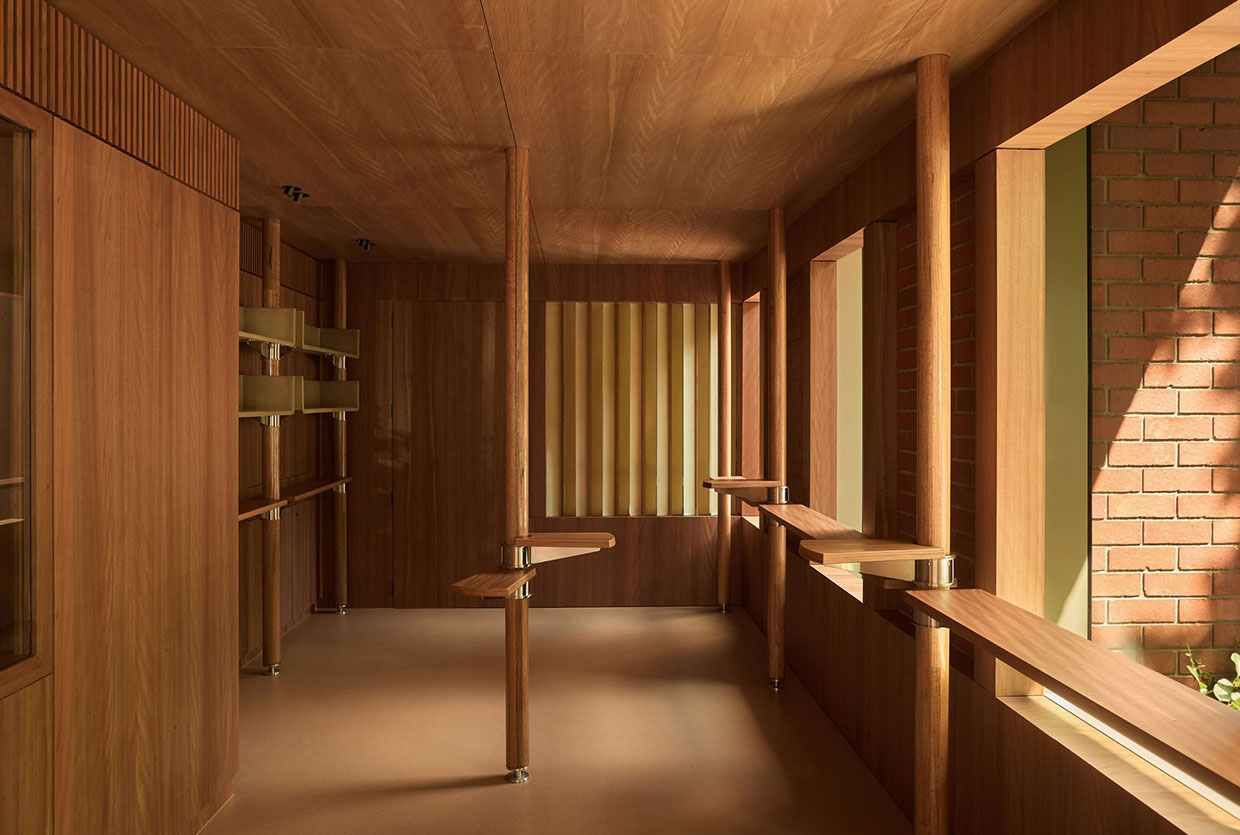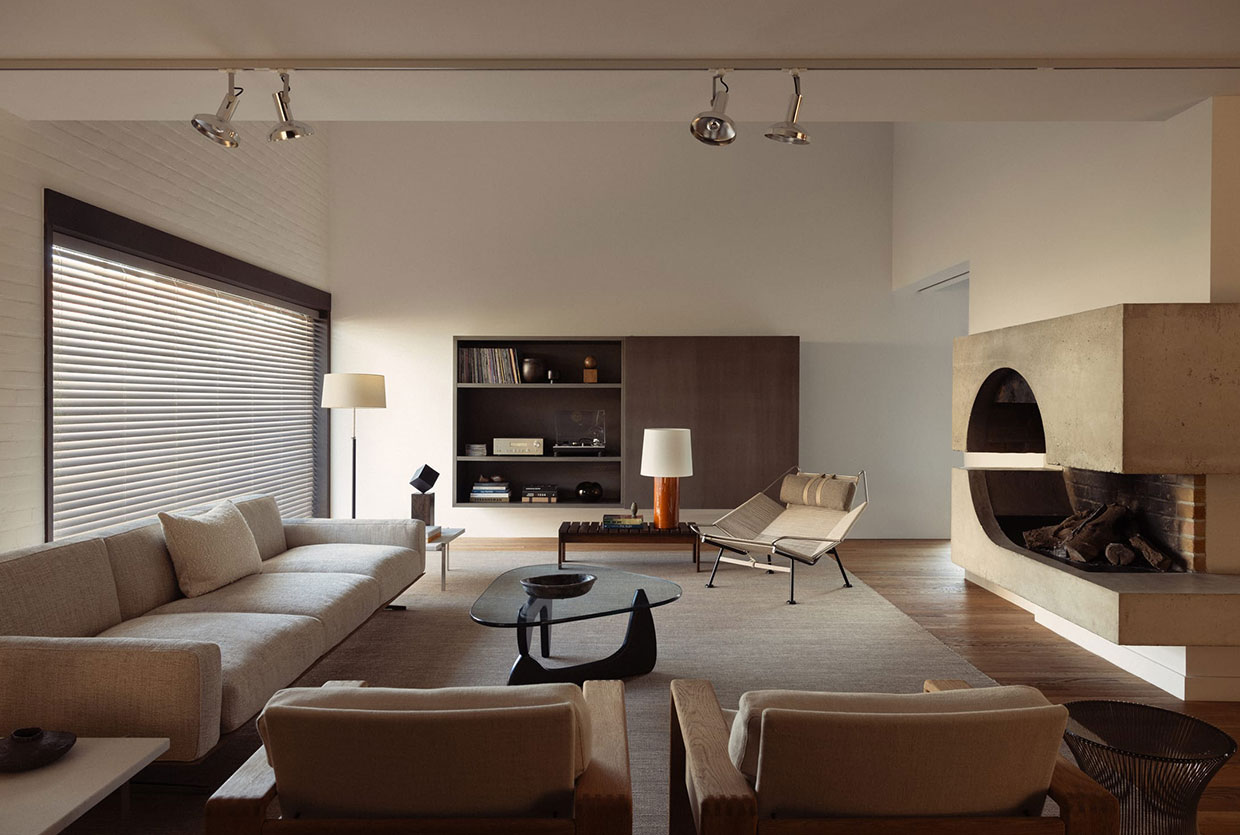
There is a specific kind of architectural destiny that awaits those who stumble upon a weathered 1970s coastal home. To the untrained eye, these structures might appear as relics of a misunderstood era—defined by heavy concrete, dark wood paneling, and a floor plan that feels strangely disconnected from the sea it overlooks. But to the visionary, these are "Coastal Icons." They possess a structural honesty and a sculptural soul that modern "cookie-cutter" builds often lack.
As we look toward Coastal Modernism 2026, the design world is moving away from the "knock-down-rebuild" culture. Instead, we are entering the era of the Respectful Revival. A successful renovation today isn’t about erasing the past; it’s about balancing the preservation of original sculptural elements—such as brutalist concrete fireplaces and floating travertine staircases—with contemporary updates. By improving thermal performance and introducing organic materials like micro-cement and light marble, we can transform a "concrete bunker" into a fluid, light-filled sanctuary.
The Philosophy of Respectful Revival
Why choose a revival over a new build? Beyond the romanticism of history, the data speaks to a new standard of luxury: sustainability. Recent reports from leading designers indicate that 'respectful revival' projects can retain up to 75% of a 1970s home's original high-value structural materials. By working with the existing concrete and brickwork, we significantly reduce the carbon footprint of the home while maintaining an architectural character that simply cannot be replicated today.
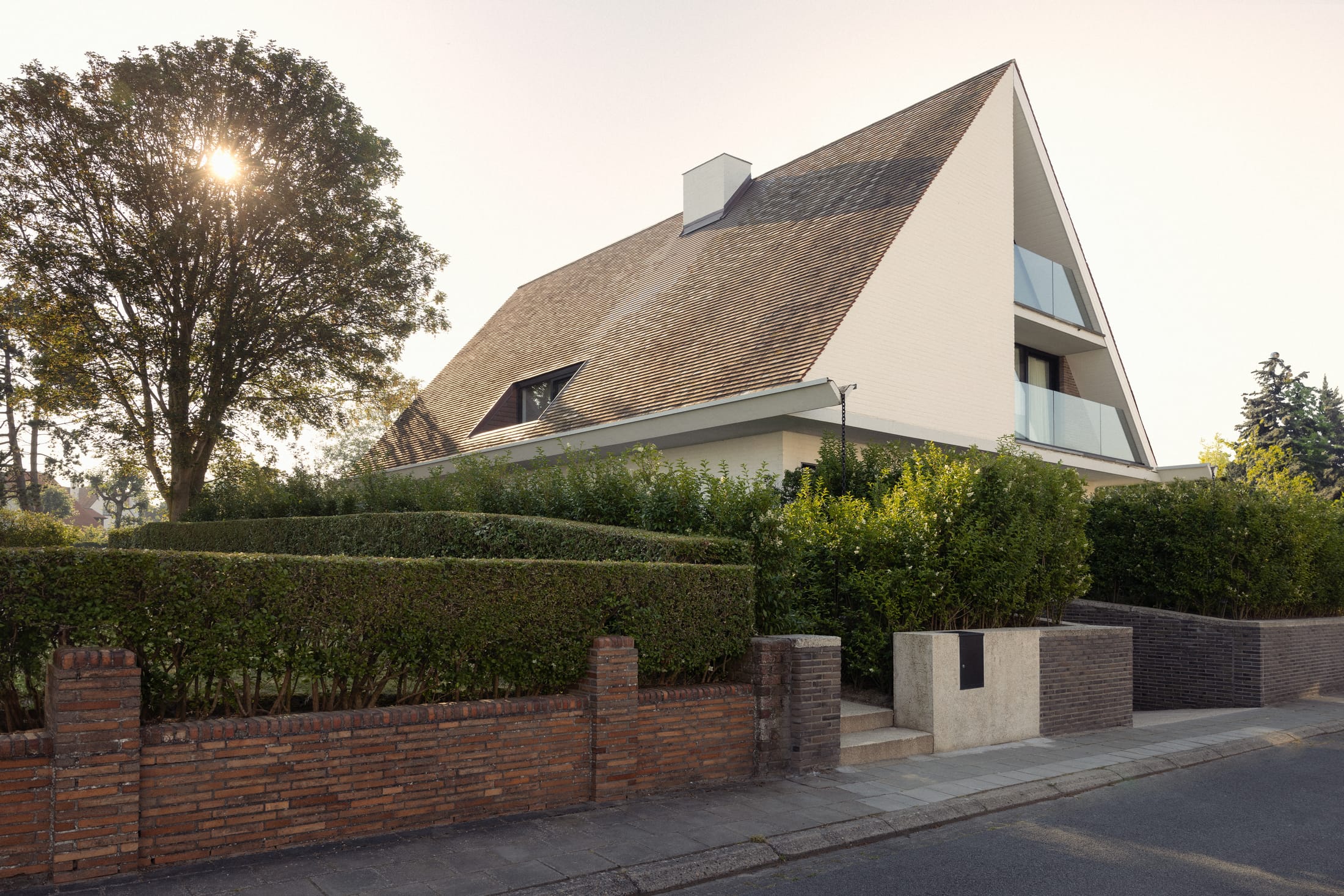
Understanding the original architect's intent is paramount. The 1970s was an era of experimentation with form and volume. Take, for example, the work of Stef Claes and the renowned Duinbergen seaside project. Claes didn’t shy away from the home’s original weight; instead, he leaned into it. By treating the architecture as a piece of sculpture, the renovation becomes a dialogue between the old-world mass and new-world transparency.
Ivy’s Design Insight: When approaching a 1970s house renovation, don’t start with a sledgehammer. Start with a sketchbook. Identify the "bones" that have a voice—the way light hits a curved wall or the raw texture of a chimney breast. These are your anchors.
Reconfiguring the 'Inverse Tardis' Layout
One of the most common complaints about 70s coastal architecture is the "Inverse Tardis" effect: the house looks expansive from the beach but feels surprisingly cramped and dark once you step inside. This was often due to a focus on compartmentalized living and small, high windows designed for privacy rather than views.
To modernize a 70s seaside house, you must re-engineer the flow. The goal is to dissolve the dark corridors and reunite the living spaces with the horizon.
- The Attic Revolution: One of the most impactful moves in 2026 Coastal Modernism is the conversion of underutilized attics into glazed retreats. By replacing traditional pitched roofing with expansive skylights or glass gables, homeowners see an average 30% increase in natural light optimization.
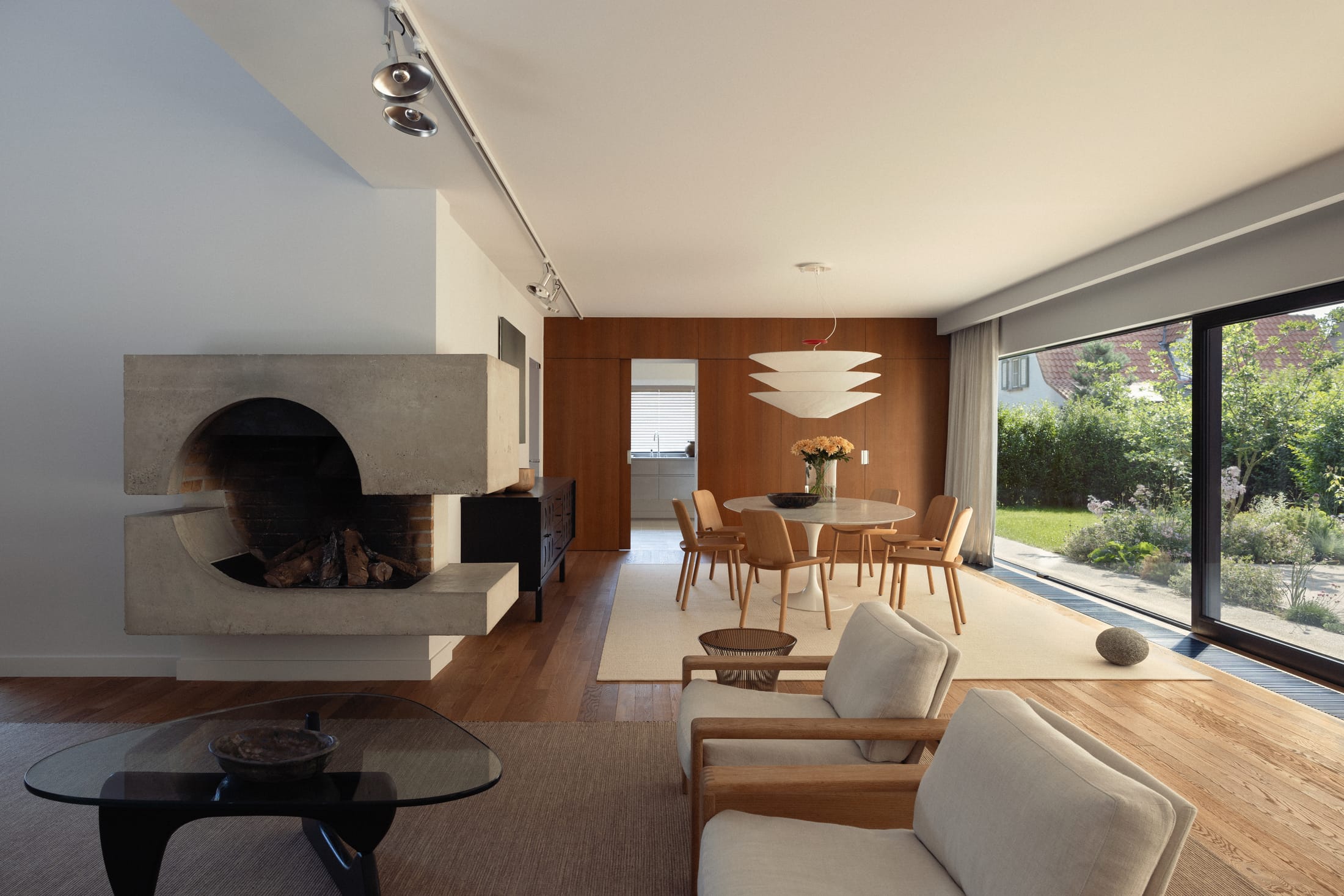
- The Sculptural Core: Keep the concrete fireplaces or travertine staircases, but strip away the surrounding clutter. These elements should stand as monolithic art pieces within an otherwise open floor plan.
- Visual Continuity: Use the same floor material from the kitchen through to the terrace. This trick of the eye makes the interior feel as vast as the coastline itself.
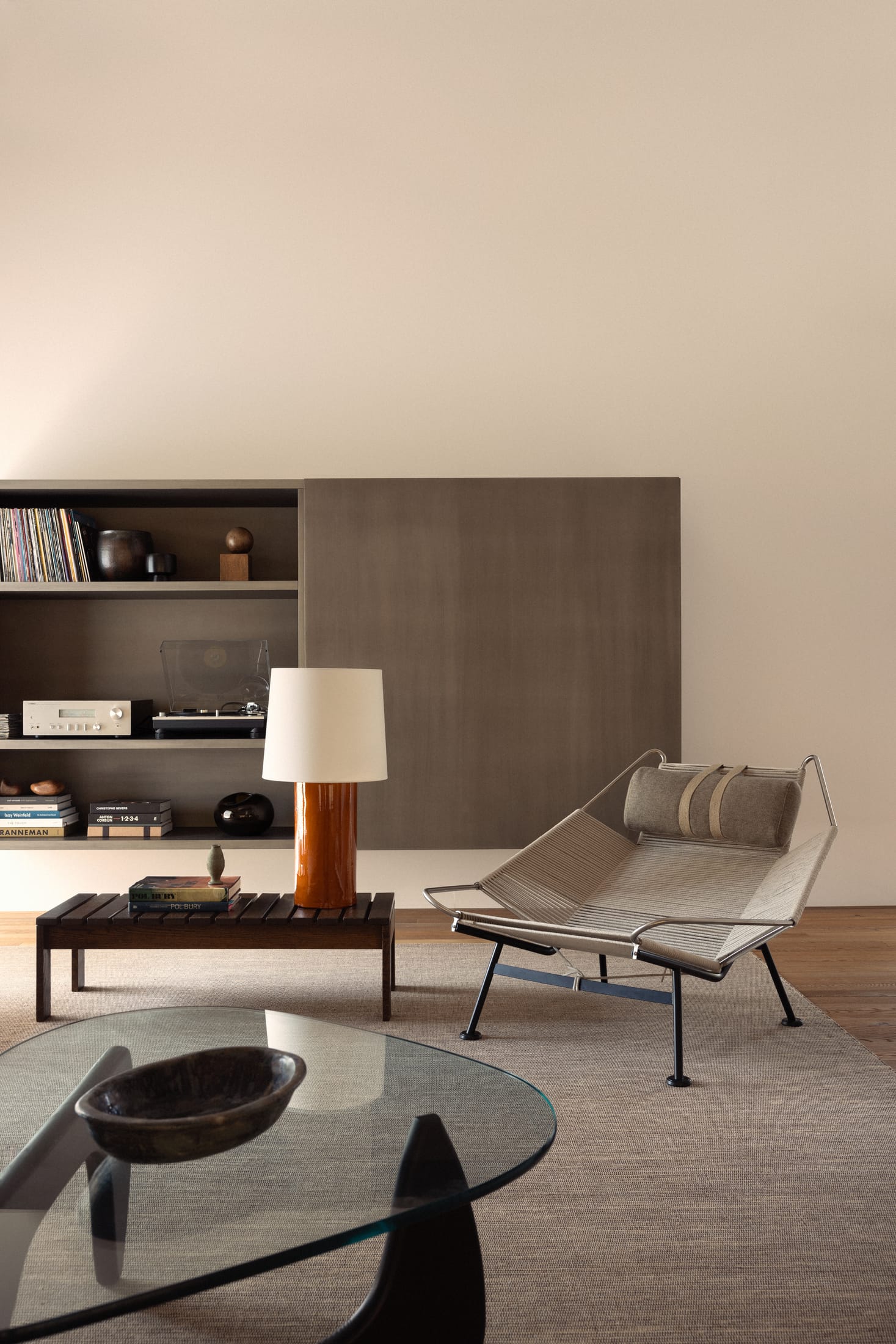
The 2026 Coastal Material Palette
The aesthetic of 2026 is defined by "tactile minimalism." We are moving away from the cold, clinical whites of the 2010s toward a palette that feels like a warm embrace from the dunes. To achieve a respectful architectural revival, your material choices must honor the original structural intent while providing a modern sensory experience.
| Material | Application | Design Intent |
|---|---|---|
| Reclaimed Travertine | Flooring & Feature Walls | Provides continuity with mid-century roots while adding organic warmth. |
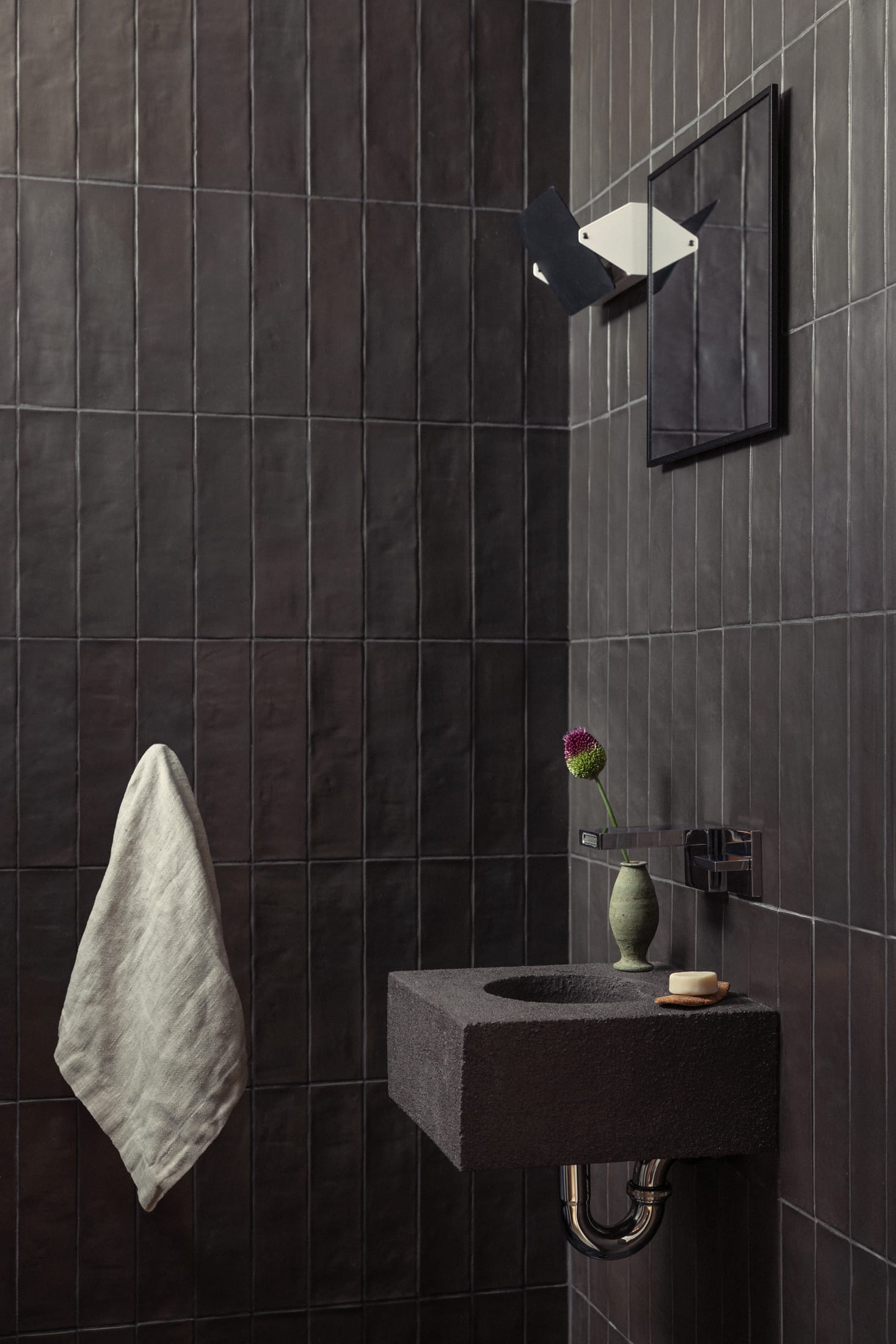
| Micro-cement | Bathrooms & Countertops | Offers a seamless, contemporary finish that mimics the raw coastal cliffs. |
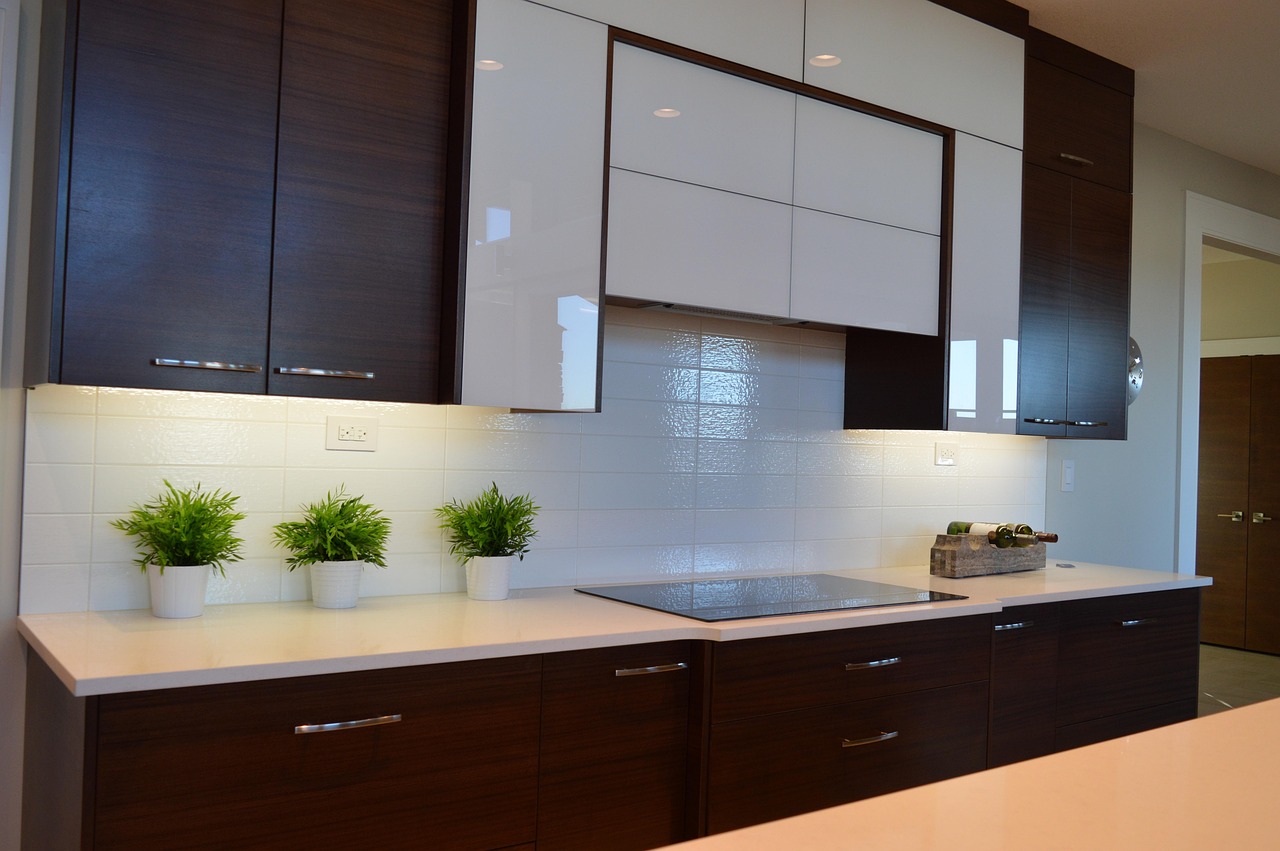
| Reeded Wood | Cabinetry & Wall Paneling | Adds vertical rhythm and breaks up large flat surfaces with subtle shadows. |
| Untreated Timber | External Cladding | Designed to patina over time, silvering out to match the surrounding driftwood. |
The best materials for a respectful revival include warm parquet for textural contrast and modern render materials like metal accents to enhance kerb appeal. By pairing a brushed concrete floor with a soft, honey-toned oak, you create a tension between the "hard" architecture of the 70s and the "soft" comfort of modern living.
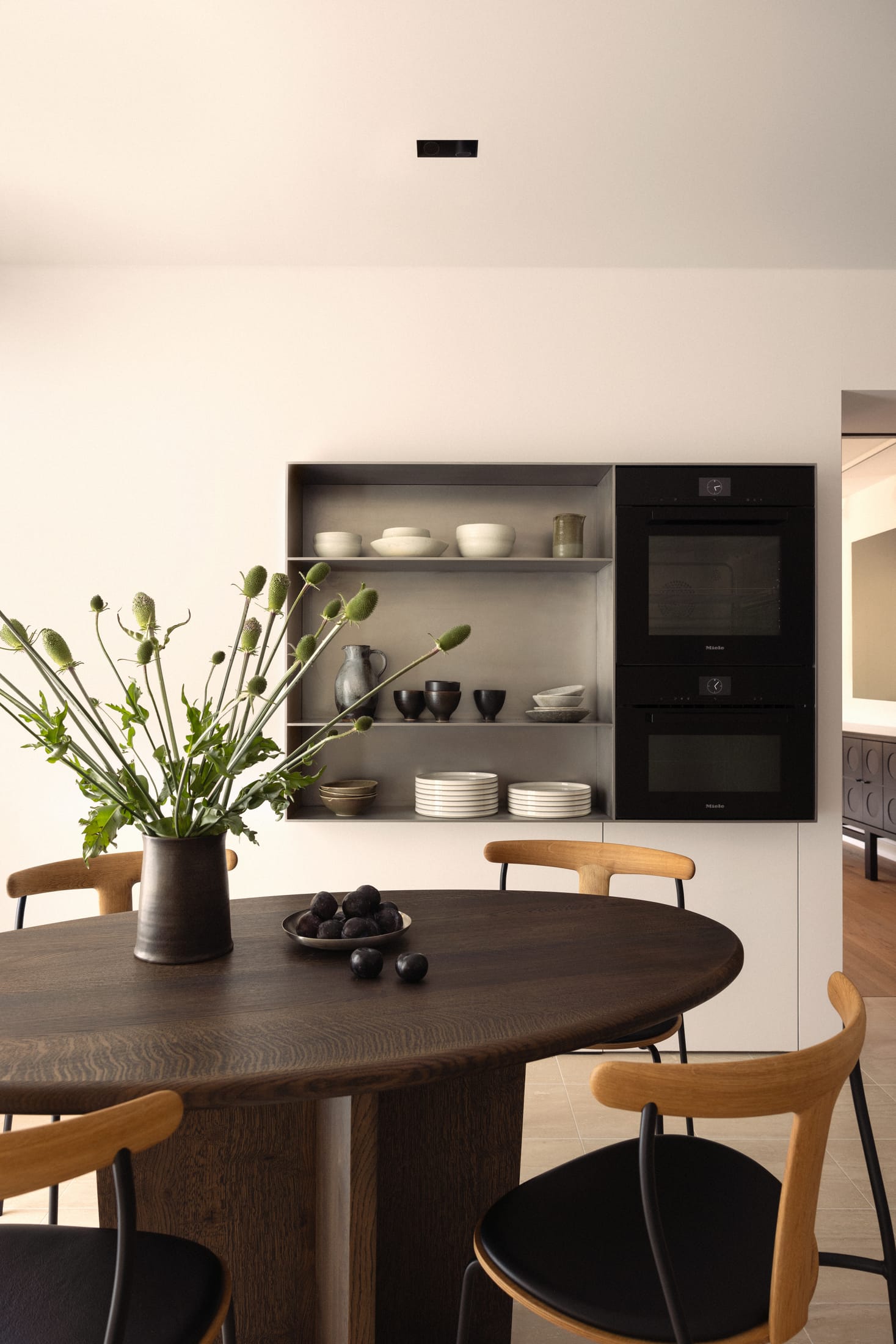
Interior Styling: Texture over Motif
In the past, coastal decor was synonymous with "seashell kitsch"—anchors, navy stripes, and jars of sand. In 2026, we trade motifs for textures. The interior should feel like a curated extension of the landscape outside.
The Design Formula for Refined Calm:
- Base: 'Cloud Dancer' white walls to maximize light reflection.
- Accent: A palette of sand, mushroom, and ochre.
- Form: Use curved silhouettes in furniture (think bouclé sofas or rounded oak coffee tables) to soften the 70s rectilinear architecture.
- Layer: Linen textiles and sea-tinted glass to add depth without weight.
When styling these homes, think of the furniture as an architectural intervention. A low-slung, modular sofa allows the eye to travel straight through to the ocean view, ensuring the architecture remains the star of the show.
Dissolving Boundaries: Indoor-Outdoor Flow
The final piece of the modern revival puzzle is the dissolution of the boundary between the home and the horizon. 1970s homes were often built with sturdy, thick walls that felt like a fortress. Modernizing these icons requires a biophilic approach—strengthening our emotional connection to nature.
We achieve this through the installation of slim-profile sliding glass walls and the use of natural wood decking that sits at the exact same level as the interior floor. This creates a "seamless transition," a hallmark of the 2026 aesthetic. Sustainability also plays a role here; by choosing materials that patina beautifully over time, such as copper hardware or untreated cedar, the house begins to look like it grew out of the dunes rather than being placed upon them.
Investing in Architectural Longevity
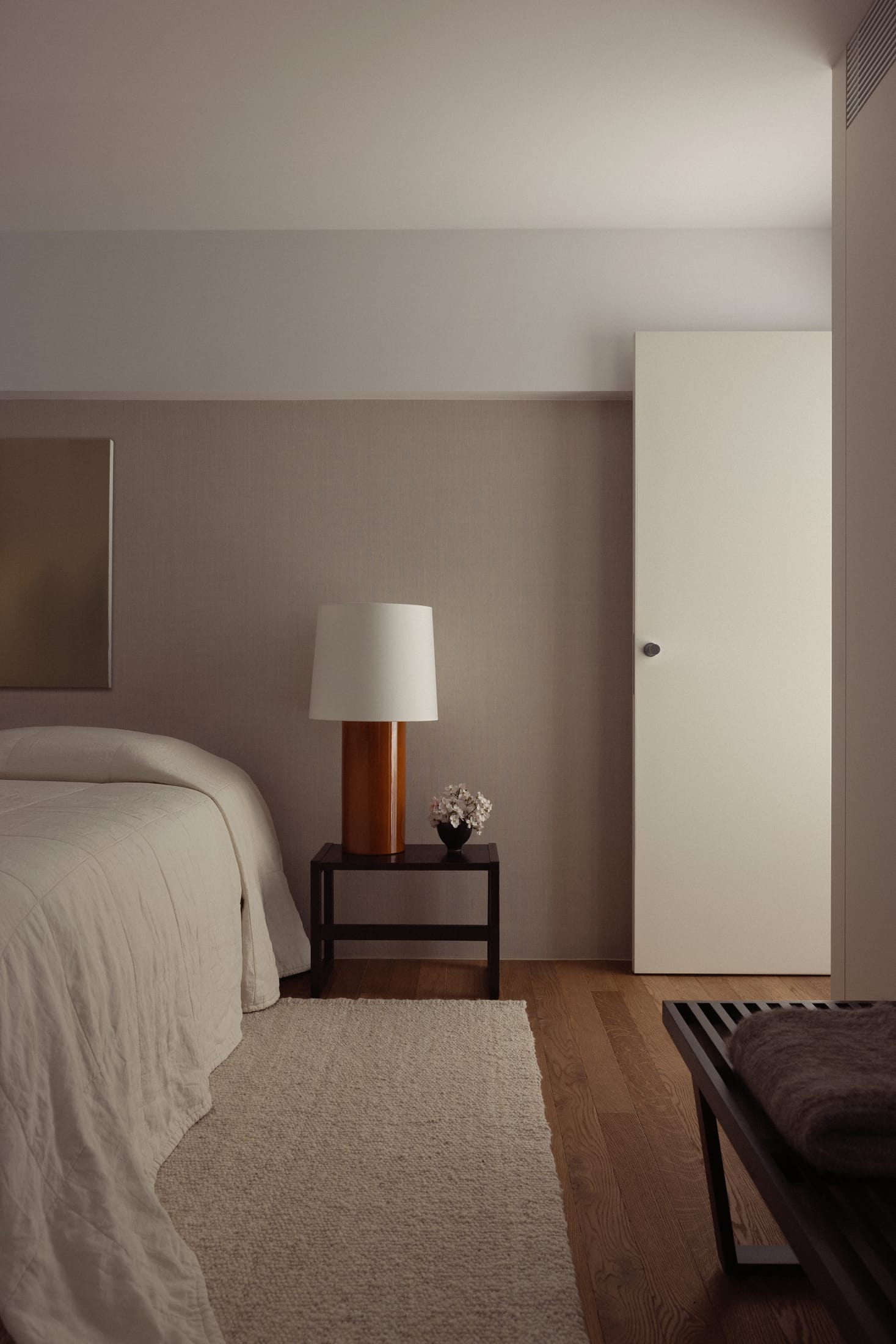
Mastering the modern revival of a 1970s coastal icon is an exercise in restraint. It is a shift from seeking perfection to seeking balance. The most successful renovations are those where the guest can’t quite tell where the 1974 structure ends and the 2026 intervention begins.
By prioritizing original structural materials, optimizing natural light, and adhering to a tactile, organic palette, we do more than just update a house. We preserve an architectural legacy for the next fifty years. Sometimes, the best design move isn't what you add—it's knowing exactly what to keep.
FAQ
How do I handle the "popcorn ceilings" often found in 70s coastal homes? While original textures are sometimes worth keeping, popcorn ceilings are rarely one of them. The modern approach is to skim-coat them with a smooth plaster or, for a more high-end architectural look, apply a thin layer of micro-cement to echo the home's original concrete elements.
Is it expensive to replace 70s aluminum window frames? It is a significant investment, but it is the single most important factor for thermal performance and aesthetics. Switching to slim-line black or bronze-toned thermal-break frames can improve energy efficiency by up to 40% and completely transform the "kerb appeal" of a coastal icon.
Can I still use color in a Coastal Modernism 2026 interior? Absolutely. While the base should be neutral (sand and cream), we recommend "environment-derived" colors. Think of the deep teal of the ocean at dusk or the muted sage of coastal scrubland. Use these in upholstery or hand-cut tiles for a sophisticated pop of color.