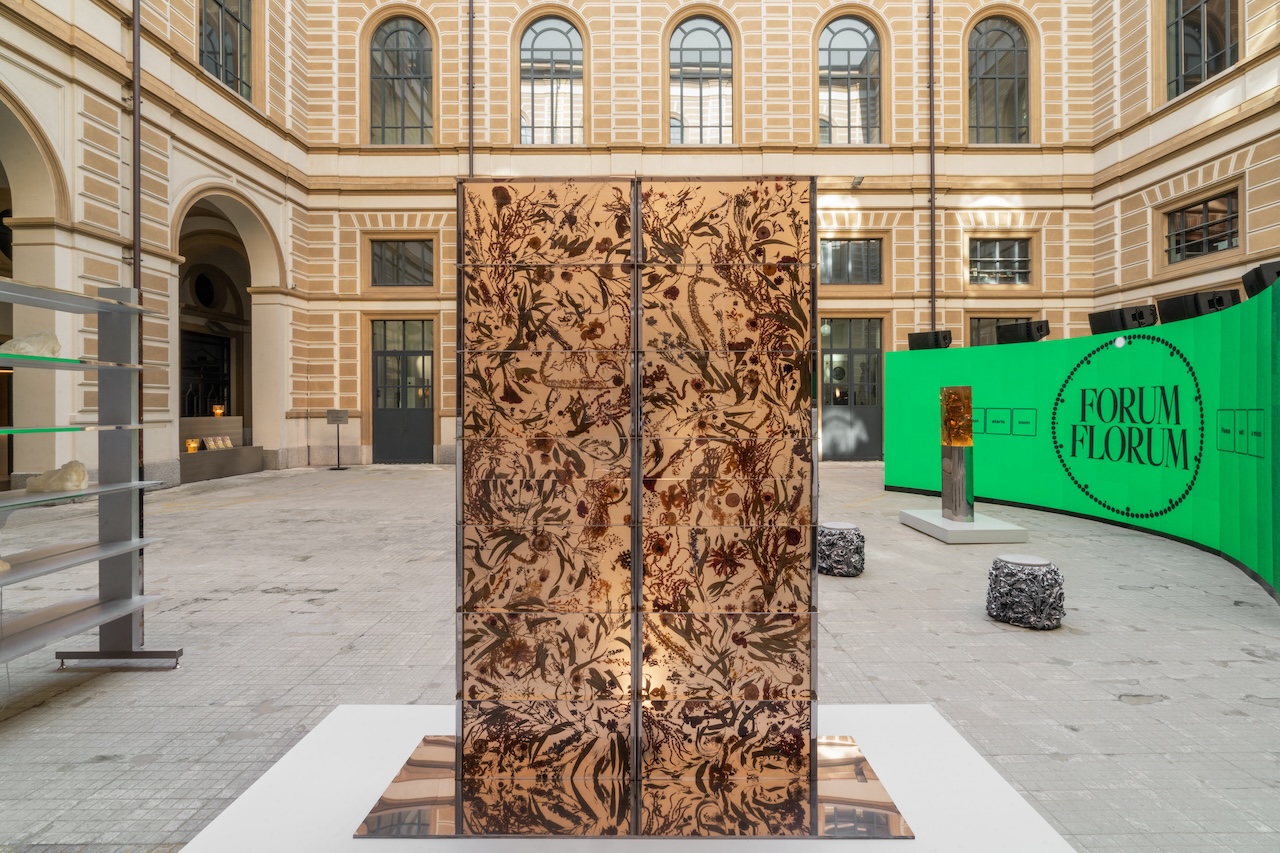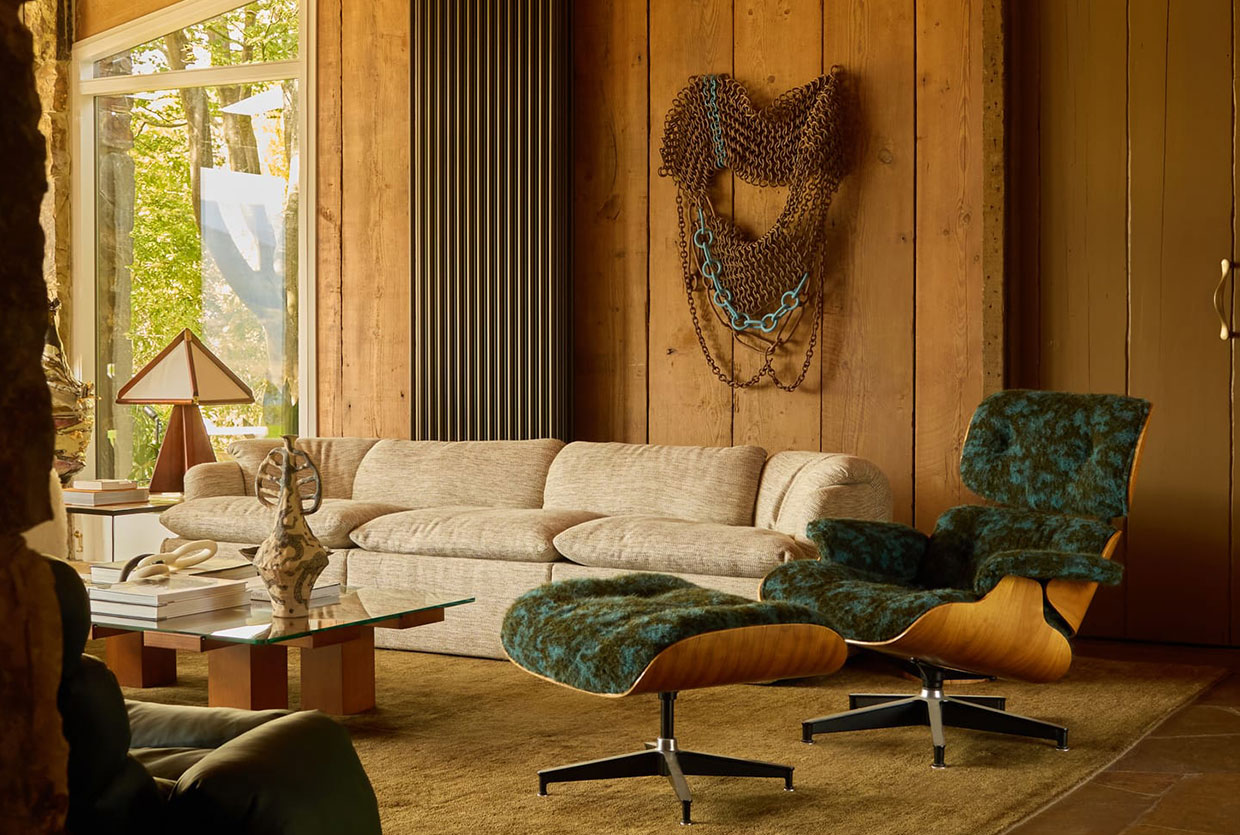
The 1986 home is a curious architectural creature. It stands at the threshold where the geometric rigor of mid-century modernism met the bold, sometimes brash, experimentalism of the late eighties. To walk into a house from this era today is to be greeted by a symphony of heavy cedar beams, expansive glazing that blurs the line between garden and gallery, and the unmistakable—if currently divisive—presence of the sunken lounge. However, it is also likely a space trapped in a cocoon of "orange" oak, dusty glass blocks, and a fragmented floor plan that feels more like a maze than a sanctuary.
Modernizing a 1986 home while preserving its mid-century soul requires a delicate balance of what I call "Bones and Breath." To honor the architecture’s bones, we must protect the structural integrity and the dialogue with the landscape. To give it breath, we must purge the dated finishes of the eighties—replacing honey-toned timbers with a nature-inspired palette like terra verte and soft fallow, and upgrading original single-pane windows to high-performance double-glazing. The goal isn't to erase 1986, but to refine it for 2024, ensuring the home performs with contemporary efficiency while retaining its unique architectural character.
1. Structural Soul: The Sunken Lounge and Spatial Flow
The sunken lounge, or "conversation pit," is the quintessential 1980s architectural feature that has found a second life in 2024. While many renovators are tempted to fill these pits in to create a flush floor, doing so often robs the room of its tectonic drama. Instead, we look to update the pit through smart material transitions. In 1986, these were often cold, hard spaces lined with slate or thin pile carpet. Today, we elevate them by transitioning from a perimeter of hardwood into a pit lined with plush, high-pile textiles or bespoke upholstery that invites a slower pace of life.
The challenge of 80s architecture often lies in its tendency to compartmentalize space using decorative but obstructive elements. I often tell my clients that the strategic removal of 1980s-era room dividers and glass blocks can increase perceived interior light and spatial flow by up to 25% without ever altering the home’s external footprint. By stripping away these unnecessary visual hurdles, you allow the original expansive glazing to do its job: pulling the outside in.

Expert Tip: When updating a sunken lounge, consider the "edge." Replacing a hard timber lip with a soft, rounded stone bullnose or a continuous wrap of the flooring material creates a seamless visual descent that feels intentional rather than accidental.
2. Erasing the 'Orange' Era: A 2024 Color and Material Palette
The most common "villain" in a 1986 remodel is the ubiquitous orange-toned oak. From cabinetry to ceiling cladding, this high-gloss finish often suffocates the natural light. Our 2024 antidote is a palette grounded in the earth—a move away from artificial stains toward raw, tactile honesty.
We are seeing a significant shift toward Terra Verte (a muted, grayish green), warm fawns, and unbleached linens. These tones harmonize beautifully with the original heavy timber "bones" once they have been stripped and refinished in a matte, clear oil. The goal is to create a "Material Board" that feels like an extension of the garden.
| Feature | 1986 Standard | 2024 Upgrade |
|---|---|---|
| Primary Timber | Glossy "Orange" Oak | Matte Smoked Oak or Recycled Blackbutt |
| Accents | Polished Chrome / Brass | Raw, Unlacquered Brass or Bronze |
| Surfaces | Laminated Chipboard / Tile | Terrazzo, Honed Travertine, or Quartzite |
| Paint Palette | Stark White or Peach-Beige | Terra Verte, Soft Fallow, or Warm Ochre |
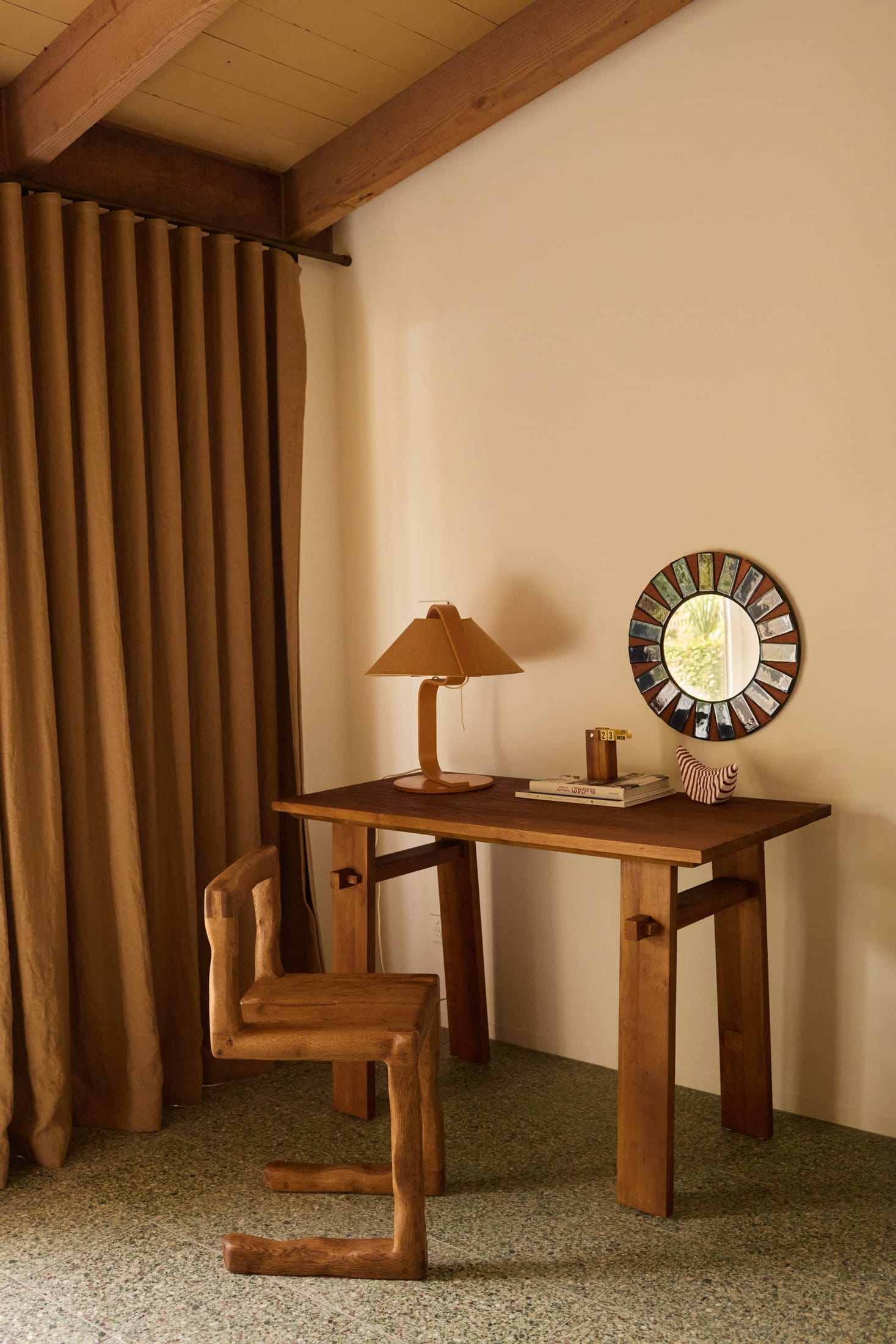
By introducing materials like terrazzo and raw brass, you introduce a sense of "patina" that will age gracefully alongside the house. Raw brass, in particular, is a favorite of mine; it starts bright but eventually deepens into a chocolatey brown that echoes the natural variations in the home's timber structure.
3. Unifying the Surface: Flooring as a Design Anchor
The 1980s was an era of "material salad." It wasn't uncommon to see a single home feature linoleum in the kitchen, slate in the entry, three different carpets in the bedrooms, and a different tile in the bathroom. This fragmentation creates visual noise that makes even the largest homes feel cluttered and small.
One of the most impactful changes you can make is consolidating these fragmented surfaces into a single, consistent floor material. Consolidating into a single consistent surface—such as wide-plank engineered hardwood or a continuous poured concrete—reduces visual noise by approximately 40%. This consistency acts as a canvas, allowing the architectural volumes of the 1986 structure to speak clearly.
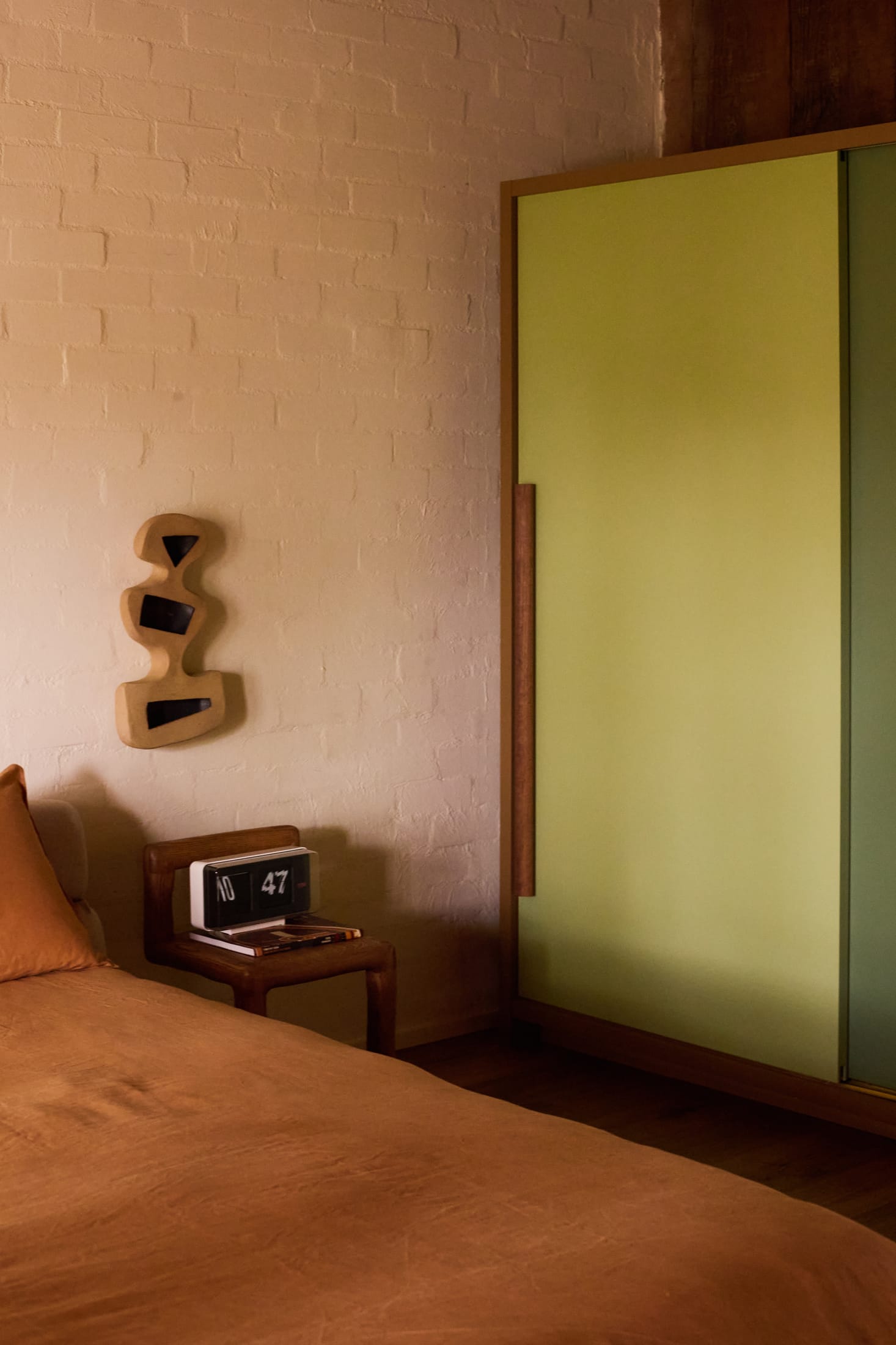
When selecting your flooring, consider the indoor-outdoor transition. Mid-century design is rooted in the "threshold," and 1986 architecture often features large sliding doors. By using a similar stone or timber paving for both the interior and the adjacent patio, you effectively double the perceived size of your living area, creating a seamless flow that is the hallmark of modern luxury.
4. The 2024 Decorative Layer: Vintage Meets Sculptural
Once the "bones" are cleaned and the palette is set, the decorative layer provides the "breath." In 2024, we aren't looking for a period-perfect 1986 recreation. Instead, we are looking for a curated dialogue between mid-century icons and contemporary sculptural pieces.
The heavy, often dark volumes of 80s rooms need "lightness." We achieve this through furniture with tapered legs and geometric silhouettes. An Eames Lounge Chair is a classic anchor, but it needs to be paired with something modern to avoid looking like a museum. Think of a sculptural lighting fixture from Lana Launay or a Muuto pendant that hangs like a piece of art.
- The Anchor: A vintage Cassina Cab chair or an Eames plywood chair provides historical weight.
- The Modern Twist: Pair these with raw brass wall sconces or oversized ceramic vessels with organic, irregular shapes.
- The Balance: Use "softness" (bouclé fabrics, velvet cushions) to counteract the hard lines of 1980s timber and glass.
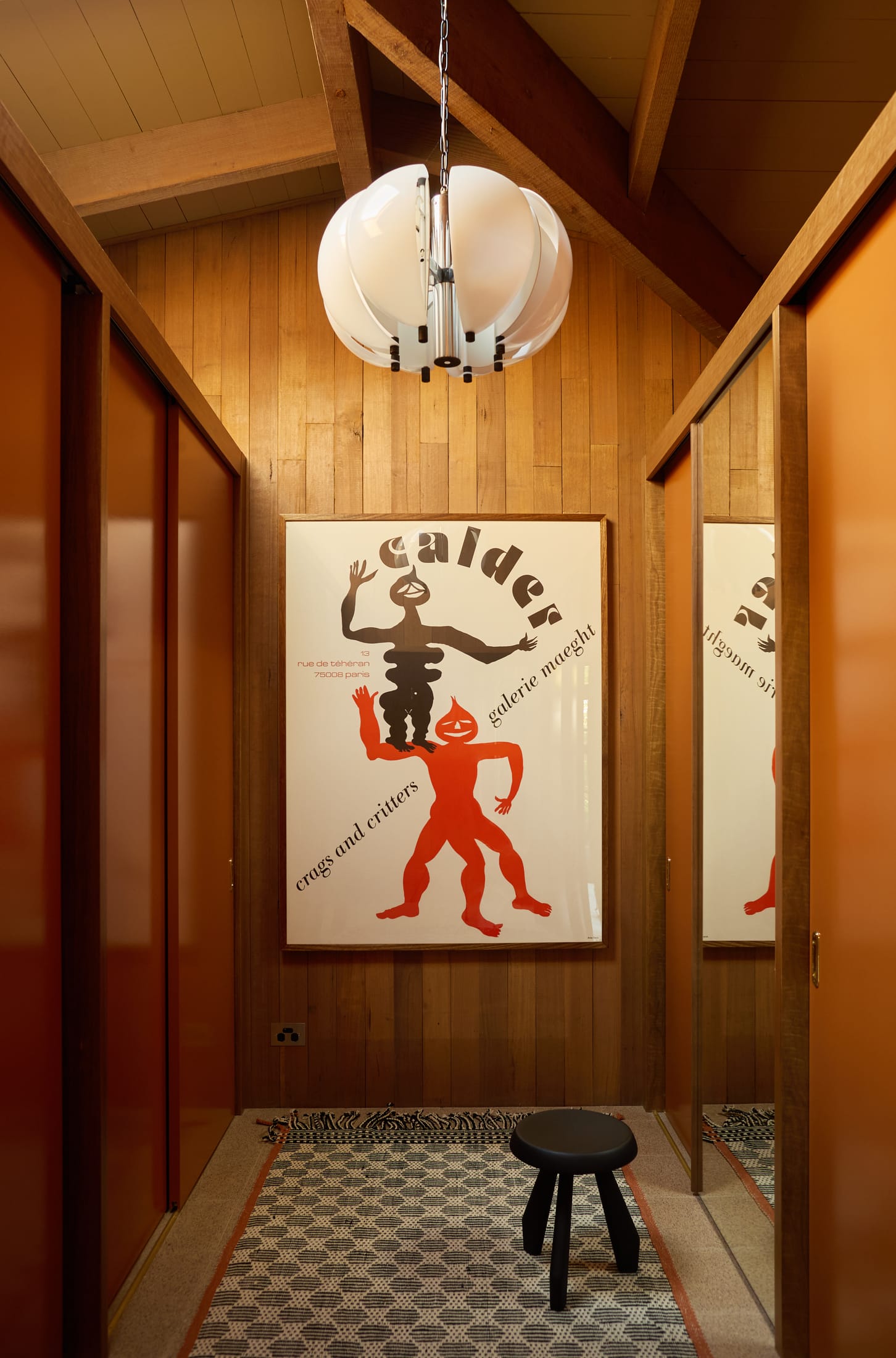
This curation principle ensures the home feels lived-in and layered. It’s about finding the tension between the structured architectural shell and the fluid, artistic nature of contemporary decor.
5. Modern Performance: Sustainability and Comfort
While we love the aesthetic of 1986, we rarely love its thermal performance. These homes were built before the rigorous energy standards of today. Large expanses of single-pane glass look beautiful but can turn a living room into a greenhouse in summer and an icebox in winter.
The most essential "invisible" upgrade you can make is the move to double-glazed windows. Modern window technology allows us to maintain the expansive, thin-profile glazing that defines mid-century style while dramatically improving thermal efficiency. Combining this with panel heating or integrated climate control systems ensures that the home is as comfortable as it is beautiful.
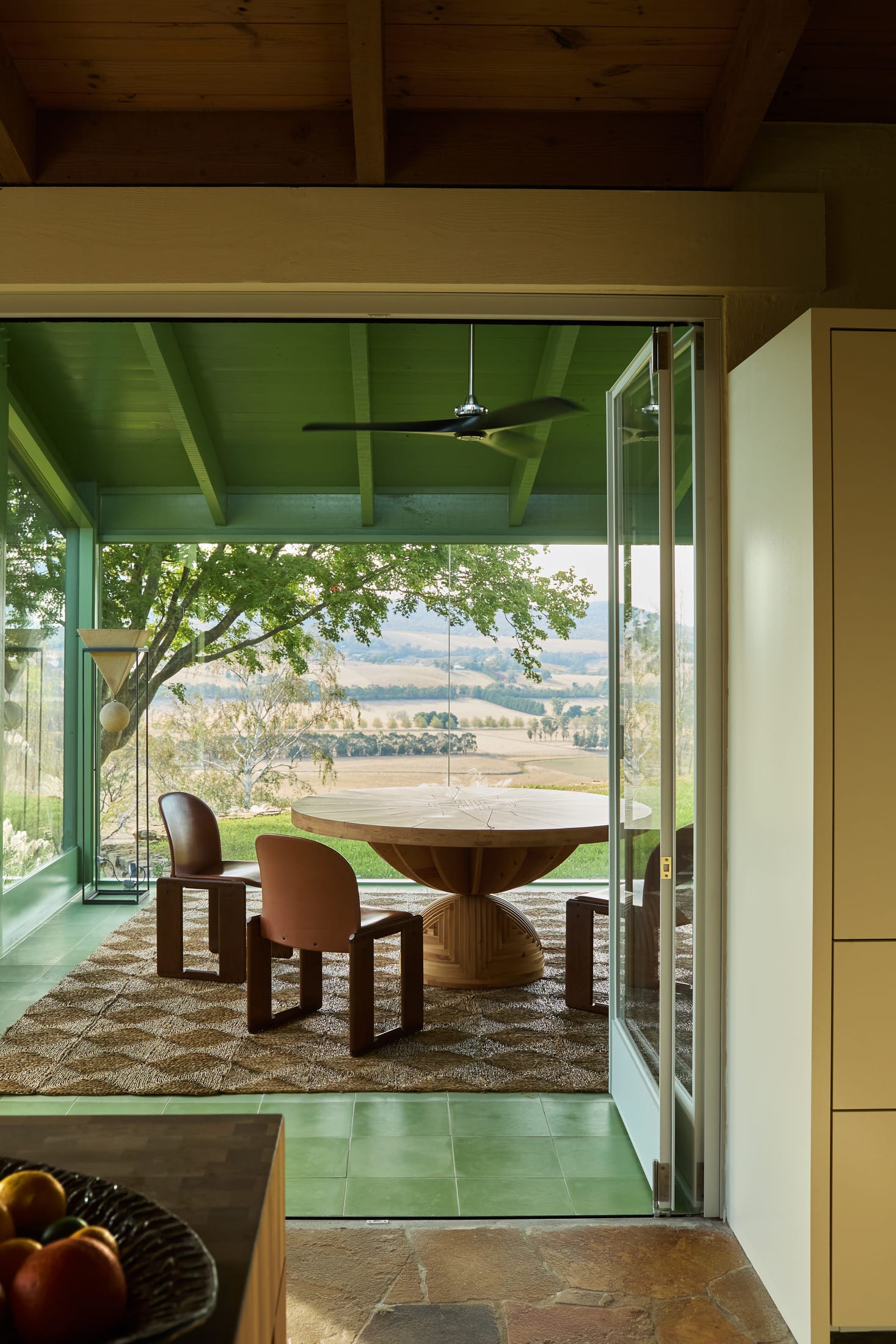
When you upgrade the glazing, you also have the opportunity to reconsider the window frames. Swapping out dated, thin aluminum frames for thermally broken black or charcoal frames can provide a sharp, modern outline to the landscape outside, acting like a frame for a living painting.
FAQ
Q: Should I remove my 1986-era wood-burning fireplace? A: If it is a structural masonry fireplace, keep it! It is a key architectural "anchor." You can modernize it by replacing a dated brass screen with a minimalist black one or by lime-washing the brick to bring it into your 2024 palette. However, ensure the chimney is inspected and cleaned for safety.
Q: How do I handle 1980s popcorn ceilings without a full renovation? A: While professional removal is the best option for a clean look, if budget is a concern, you can "skim coat" the ceiling with plaster to create a smooth surface. This immediately lifts the room and allows your new lighting fixtures to take center stage without being distracted by dated texture.
Q: Is terrazzo too "trendy" for a 1986 remodel? A: Not at all. Terrazzo has roots in mid-century Italian design and was a popular high-end choice in the 80s. In 2024, it acts as a perfect bridge between the two eras. Choose a neutral base with subtle stone inclusions to ensure it remains timeless.
The beauty of a 1986 home is its inherent confidence—its big windows, its bold levels, and its connection to the earth. By stripping away the "noise" of the decade and introducing the refined materials and performance of 2024, you aren't just renovating; you are revealing the house it was always meant to be.