The city of light is famously resistant to change. In the historic 10th arrondissement, where the limestone facades of 1830s apartments whisper stories of a bygone era, the challenge of modernization is often met with a delicate tension. How do we introduce the demands of 21st-century living—light, flow, and personality—without erasing the soul of a 19th-century duplex? The answer lies in a philosophy we call "Playful Minimalism," a signature approach perfected by the visionaries at Heju Architecture.
To modernize a historic 1830s Parisian home, designers today are pivoting away from strict period restoration in favor of "insertion" strategies. This involves combining open-plan living layouts with a soft, pastel-infused aesthetic. By utilizing custom-built Baltic birch cabinetry and specialized textures like Mercadier paint, one can bridge the gap between heritage and contemporary functionality. This isn't about hiding the past; it’s about creating a dialogue between the old and the new through a "collage of time."
The Philosophy of ‘Insertion’ vs. Replication
When approaching a historic renovation, many homeowners feel pressured to replicate every crown molding and parquet slat. However, the architectural landscape in Paris is shifting. Current trends suggest that approximately 65% of renovations in historic French districts now prioritize contemporary "insertion"—the act of placing modern, often contrasting, elements within a historic shell—over direct replication.
This architectural layering treats the home as a living organism rather than a museum. By stripping away the labyrinth of small, dark rooms typical of the 1830s, we invite light to travel through the space. Beyond the aesthetic appeal, there is a clear financial incentive for this approach: market analysis shows that 19th-century Parisian duplexes utilizing open-plan conversions see a 15-20% higher valuation compared to traditional, compartmentalized layouts. It turns out that the modern buyer craves the "volume" of a loft with the "history" of a Haussmann-era building.
The Open-Plan Kitchen: A Study in Materials
The kitchen is often the hardest room to get right in an 1830s home. The original kitchens were functional afterthoughts, tucked away for staff. In a modern renovation, the kitchen becomes the hearth, and the choice of materials is what defines its success.
We recommend a "tiered" material strategy:
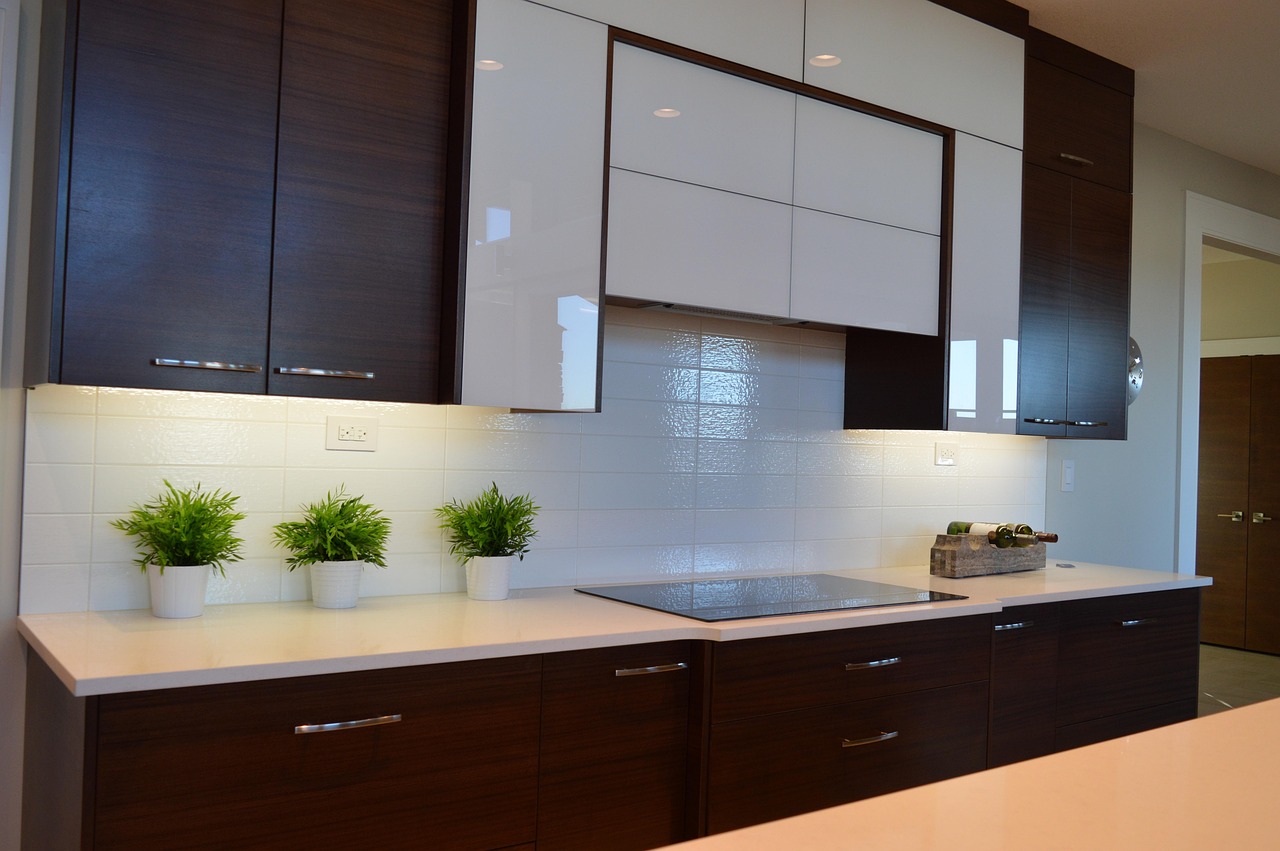
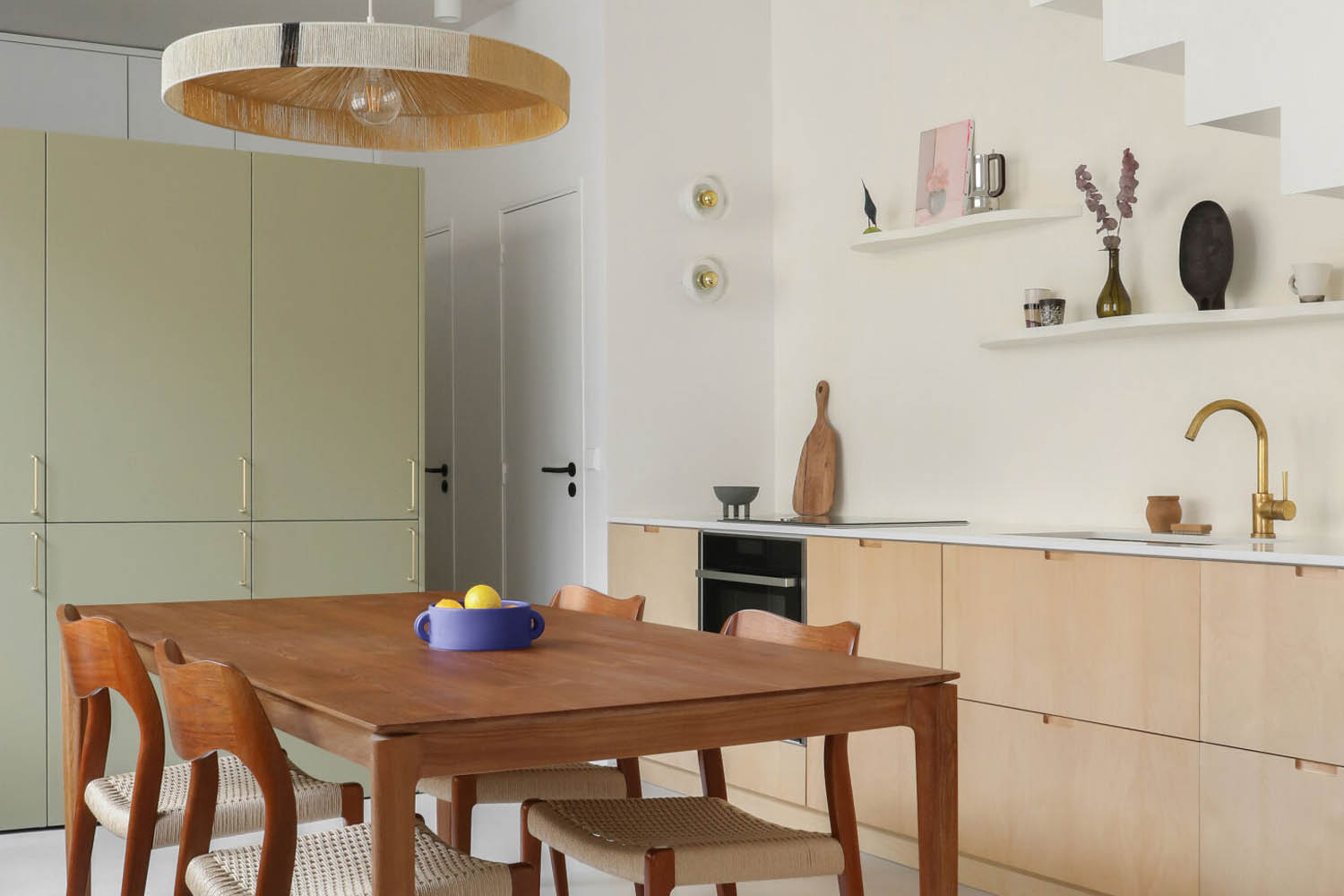
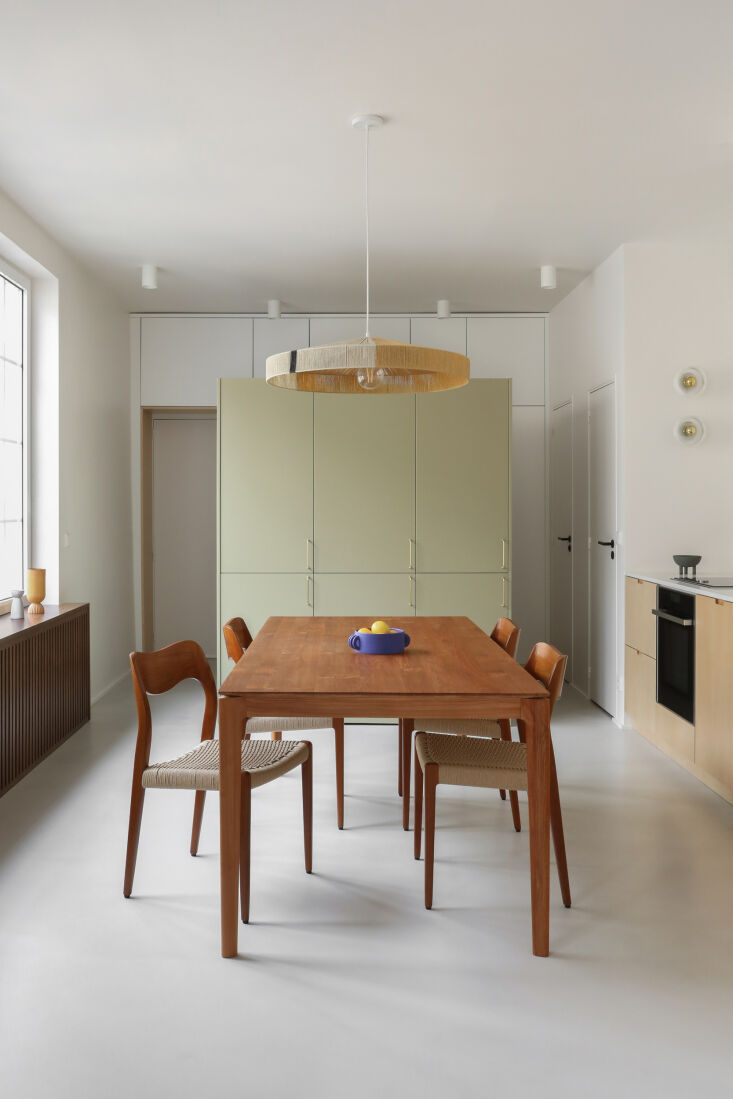
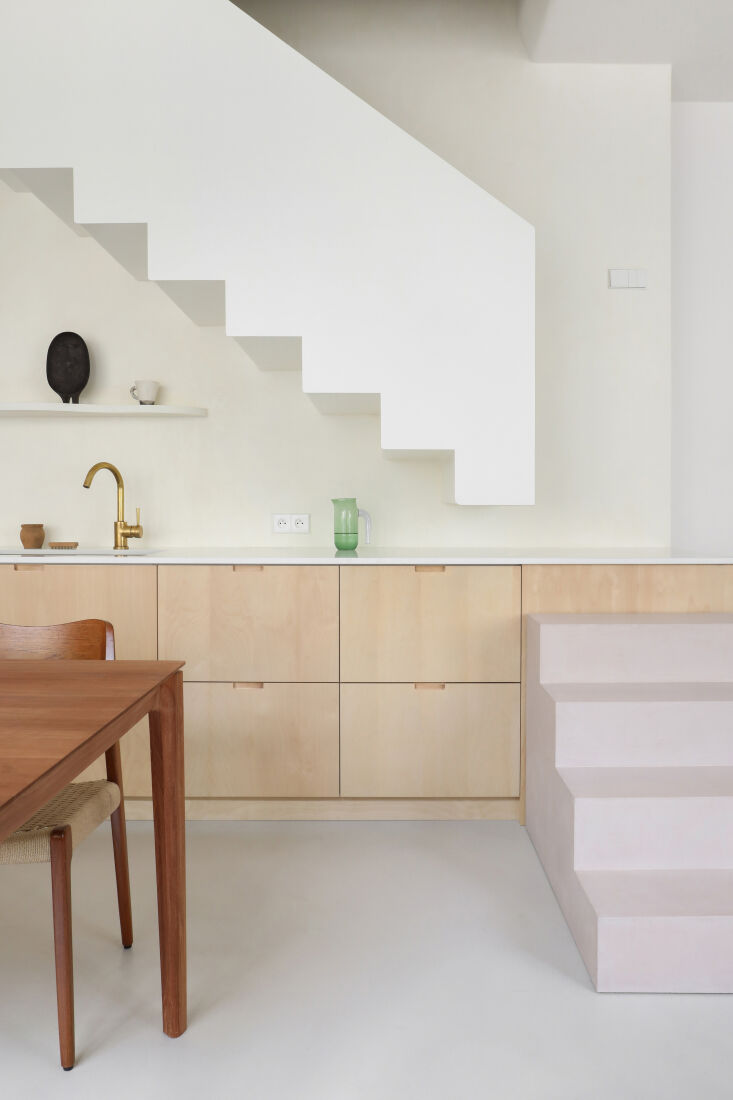
- Lower Cabinets: Use Baltic birch plywood. Its visible grain and pale hue offer a warmth that lacquered MDF cannot match. In the Heju style, we see carved recessed handles—simple circular or pill-shaped cutouts—that eliminate the need for visual "noise" like hardware.
- Upper Cabinetry: To prevent the wood from feeling too heavy, upper units can be finished in a sleek, matte lacquer.
- The Countertops: While marble is the traditional choice, we often suggest engineered quartz. It provides the same sophisticated stone look but offers the durability required for a high-traffic modern kitchen.
The color palette is equally vital. Moving away from stark gallery white, we look toward the Argile Kaolin palette. These are "non-white" whites—soft, chalky tones that respond beautifully to the shifting Parisian light. Pairing this with Heju Ressource ‘Washi’ paint creates a space that feels airy yet grounded.
| Material | Traditional Choice | Modern Playful Minimalism | Benefit |
|---|---|---|---|
| Cabinetry | Dark Oak / Raised Panels | Baltic Birch / Flush Cut-outs | Warmth without the visual weight. |
| Countertops | Carrara Marble | Engineered Quartz | Stain resistance and uniform aesthetic. |
| Wall Finish | Standard Flat Latex | Mercadier Textured Paint | Adds depth and "softness" to the walls. |
| Flooring | High-Gloss Parquet | Matte Waxed Concrete or Light Oak | A modern "base" that reflects light. |

Architectural Elements: The Staircase and Storage
In a duplex, the staircase is more than just a transition; it is a structural sculpture. To lean into the "playful" side of minimalism, we often look for one bold architectural gesture. In many Heju projects, this is achieved by finishing structural elements in specialized Mercadier colors. A soft, dusty pink or a muted sage staircase can transform a utilitarian object into the home’s primary focal point.
Furthermore, storage should be treated as architecture. Instead of standalone armoires, we utilize floor-to-ceiling bookshelves built into the walls. These "stocked bookshelves" act as secondary walls, defining zones (like the transition from a dining area to a reading nook) without blocking the flow of light.
Lighting the Void
Lighting in a historic home must be both functional and atmospheric. Because 1830s ceilings can be uneven, we often avoid excessive recessed lighting in favor of statement pieces that draw the eye.
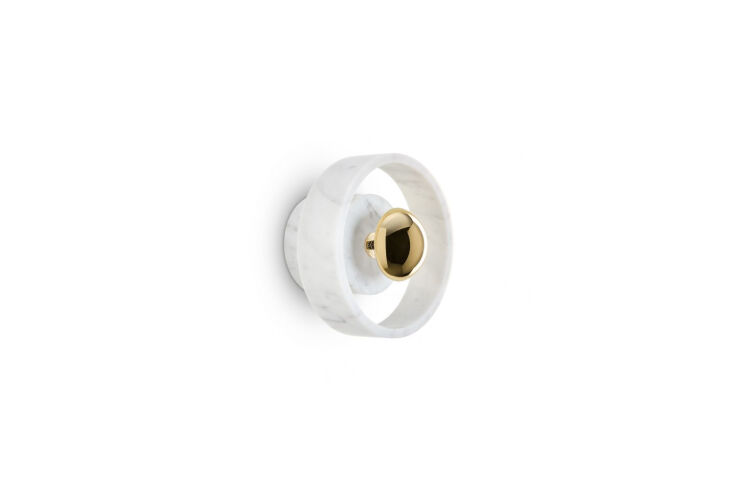
- Wall Accents: The Tom Dixon Stone LED Wall Light ($368), carved from Morwad marble, provides a hard-edged luxury that contrasts beautifully against soft-painted walls.
- Pendants: Over a dining table or in a double-height void, the HKLiving Terra Raffia Pendant introduces a natural, artisanal texture that softens the clean lines of the renovation.
Curating the Furniture: Vintage Meets Modern
The final layer of Playful Minimalism is the furniture. A historic Parisian home should never feel like a showroom; it should feel like a collection gathered over time. We lean heavily on the mid-century modern era to bridge the gap between 1830 and 2024.
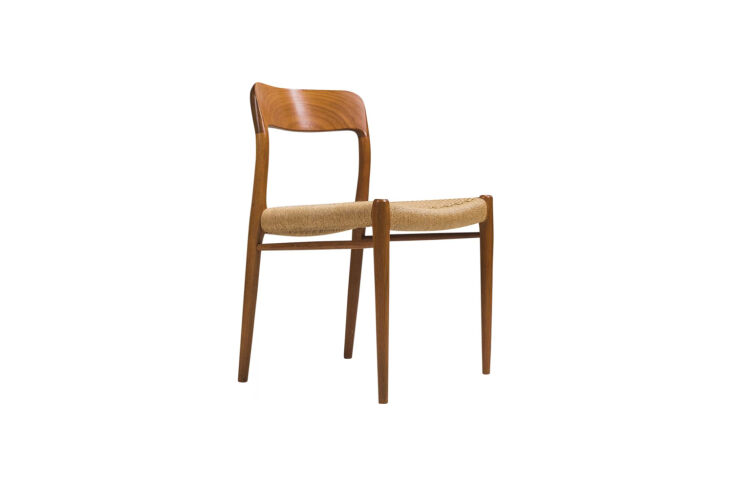
The Dining Scene: Nothing anchors a Parisian dining room like the Niels Otto Møller Vintage 75 Chairs. Sourcing a set of four (typically around €2,050 at Design Market) provides organic curves and a sense of history that mass-produced furniture simply lacks. Pair these with an Ethnicraft Teak Bok Extendable Table—its clean lines are modern, but the solid wood construction respects traditional craftsmanship.
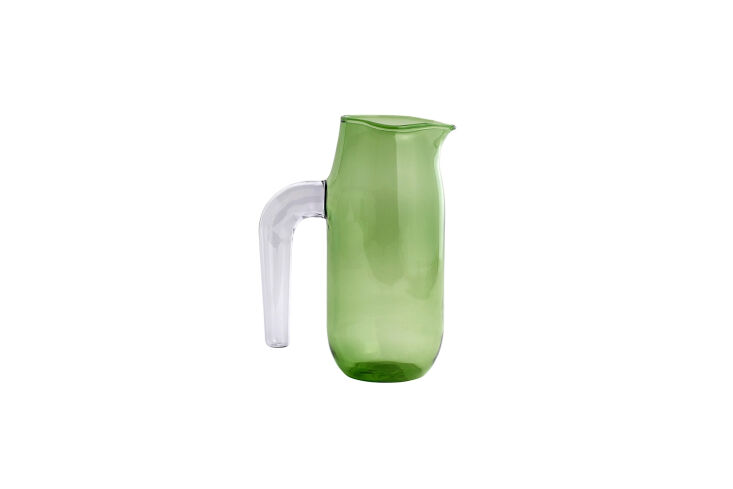
The Decorative Details: The "playful" element comes from the small things. We love sourcing ceramics from local artisans like Laura Ceramic or Léontine Furcy. Their irregular shapes and tactile glazes provide a human touch to the minimalist backdrop. For a pop of color, a Hay Jug ($63.70) in a vibrant yellow or blue adds just enough whimsy to keep the space from feeling too "serious."
Navigating Paris Renovation Regulations
Before you pick up a sledgehammer, it is crucial to understand the regulatory environment of Paris. Any home built in the 1830s likely falls under the jurisdiction of the Architectes des Bâtiments de France (ABF).
If you are changing windows, altering external walls, or working in a protected district, you must balance your contemporary desires with strict design controls, specifically the POS (Plan d'Occupation des Sols) and ZPPAU (Zones de Protection du Patrimoine Architectural, Urbain et Paysager).
Working with an architect like Heju is often a necessity rather than a luxury here; they understand how to frame "modern insertions" in a way that the ABF will approve—emphasizing that contemporary quality materials actually protect the long-term value of the city's heritage.
FAQ
Q: Can I achieve Playful Minimalism on a budget? A: Absolutely. Focus on the "bones" first. Invest in a high-quality textured paint (like Mercadier or a similar lime wash) and use Baltic birch for your joinery. You can then mix high-end lighting (like Tom Dixon) with more affordable vintage finds from the Puces de Saint-Ouen flea market.
Q: Is open-plan living always better for historic homes? A: While it increases valuation and light, it’s important to keep some "architectural anchors." Retain original fireplaces or a section of the original cornicing to remind the viewer of the home's 1830s origins. It’s the contrast that makes the design successful.
Q: How do I choose the right "pastel" without it looking like a nursery? A: Look for "muddy" or "dusty" pastels. These are colors with a high grey or brown undertone. Think Sage, Ochre, or Terracotta rather than Mint or Lemon. They feel sophisticated and adult while still adding the warmth that minimalism requires.