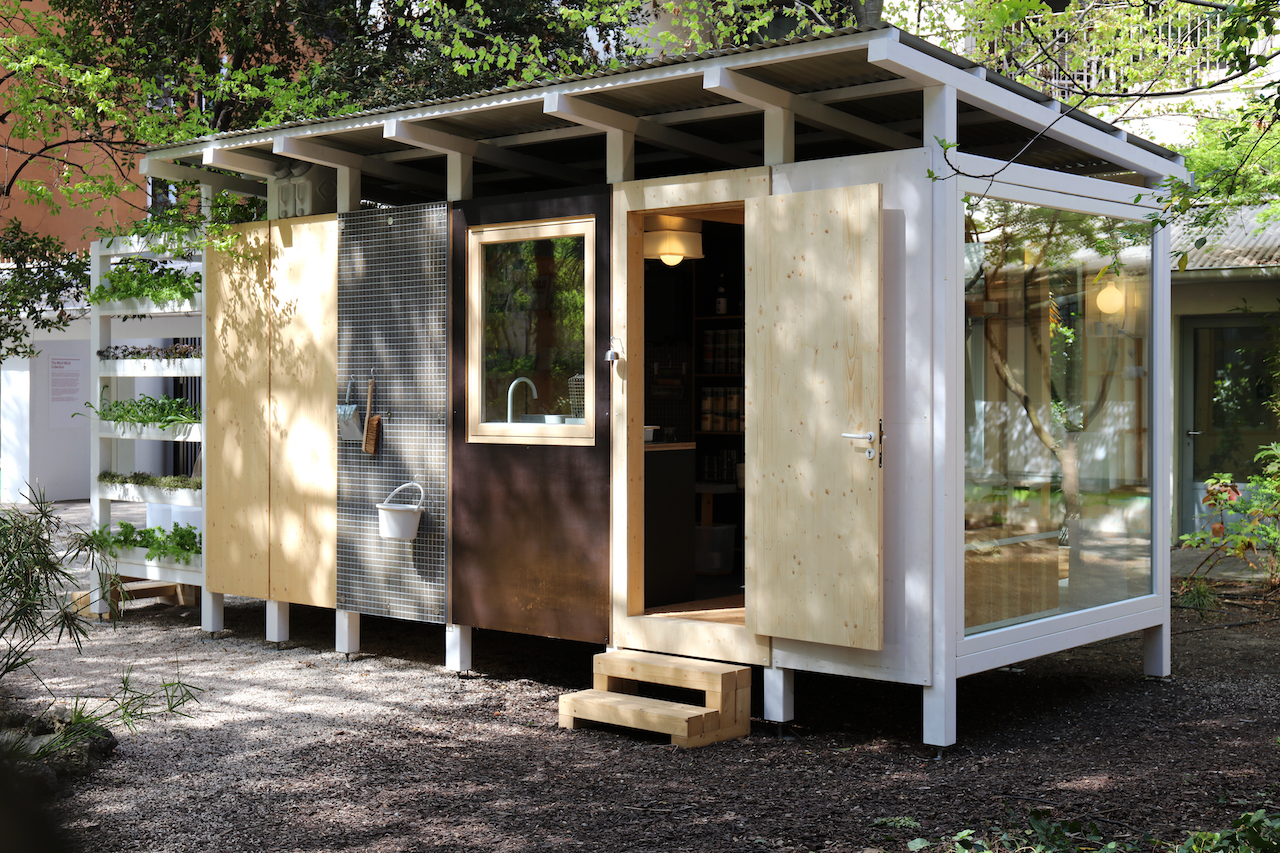
In the high-velocity hum of our modern existence, we often find ourselves searching for a "deep breath"—a way to strip back the noise and return to what truly matters. This collective longing for intentionality has a name: Downshifting. It is the art of choosing calm over chaos, quality over quantity, and essentialism over accumulation. At Milan Design Week 2025, this philosophy found its physical form in the MUJI Manifesto House, a groundbreaking collaboration with Studio 5∙5.
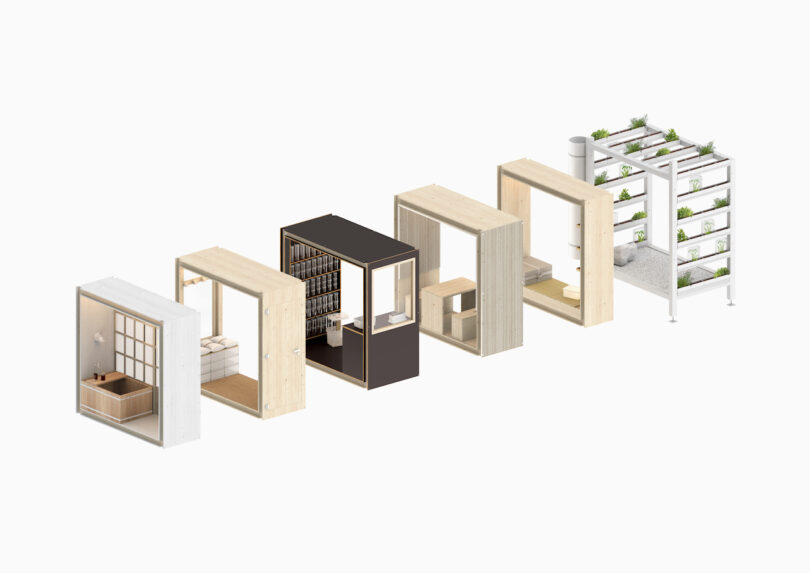
The MUJI Manifesto House is more than just a dwelling; it is a modular micro-architecture project consisting of six specialized modules—Genkan, Ofuro, Daidokoro, Kintsugi, Tatami, and Niwa—designed specifically to facilitate a sustainable, downshifted lifestyle. By reimagining the home not as a fixed monument but as a flexible system, MUJI and Studio 5∙5 offer a blueprint for the future of urban living.
The Philosophy of Downshifted Living
To understand the Manifesto House, we must first understand the concept of "Downshifting." It is a lifestyle transition that favors personal well-being and environmental consciousness over the traditional markers of success. In the context of home organization, downshifting means moving away from "managing clutter" toward "eliminating the unnecessary."
MUJI’s approach has always been rooted in kanketsu—simplicity that is not merely minimal but also highly functional. The Manifesto House takes this a step further by utilizing modular micro-architecture. Here, the house is a skeleton, and your life is the infill. It acknowledges that our needs change, and our homes should be agile enough to change with us.
Engineering the Minimalist Prefab: Sustainability and Speed
As an editor focused on systems, I am often asked why prefabricated modular homes are gaining such momentum. The answer lies in the intersection of ecological responsibility and logistical efficiency. Adopting prefabricated modular designs like the Manifesto House can reduce construction waste by approximately 40% compared to traditional building methods. Because the components are manufactured in a controlled environment, precision is maximized and material excess is minimized.
Furthermore, the transition to prefabricated home assembly results in build times that are 50% to 70% faster than conventional on-site construction. This isn't just about speed; it's about reducing the disruption to the local environment and the carbon footprint associated with long-term construction sites.
MUJI’s modular prefab homes prioritize sustainability through several key features:
- Recycled Textile Insulation: Utilizing shredded garment waste to provide high-thermal performance without the chemical load of traditional fiberglass.
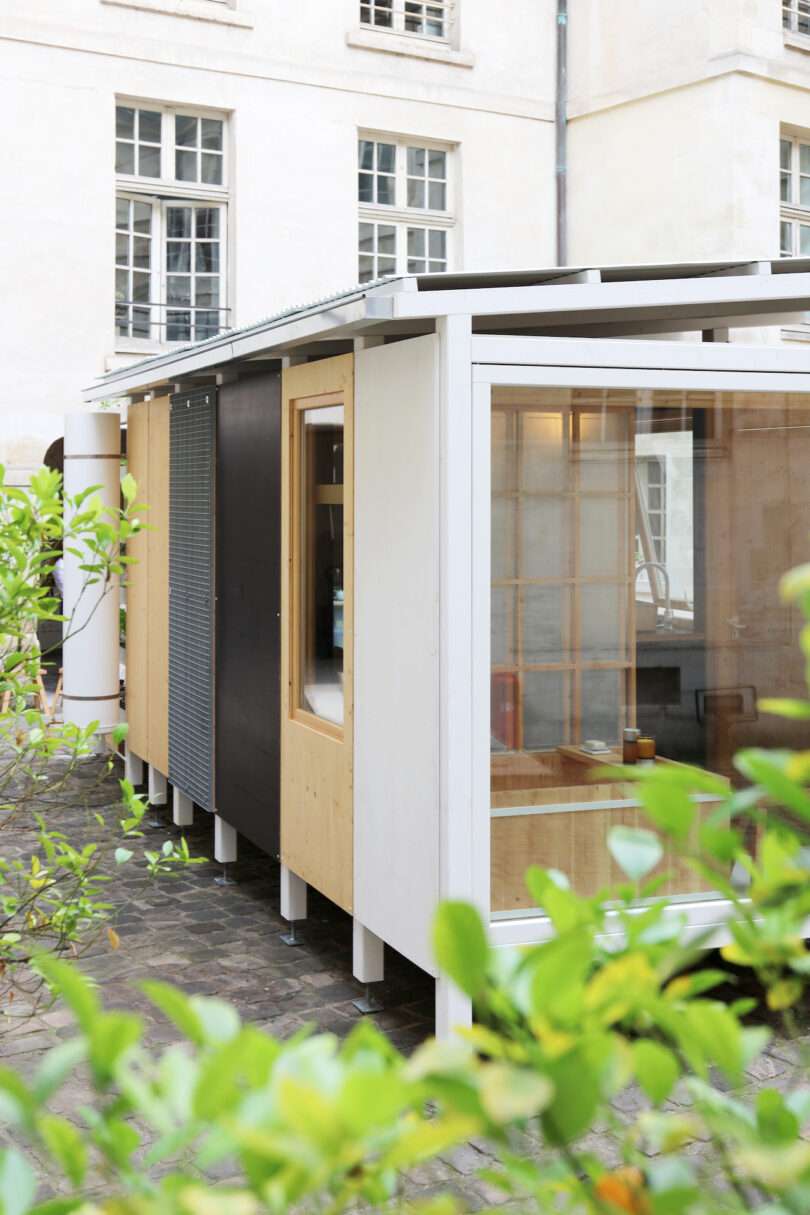
- White Reflective Roofs: These "cool roofs" reflect sunlight and absorb less heat, significantly reducing the energy required for cooling.
- Rainwater Harvesting Systems: Integrated gutters and storage modules that allow for the greywater to be repurposed for irrigation.
- Raised Structures: By elevating the home on piers, the design enables passive cooling and minimizes the impact on the soil and local biodiversity.
Expert Insight: "True sustainability in architecture isn't just about the materials you use; it's about how long the building remains relevant to its inhabitants. A modular home that can grow or shrink is a home that never needs to be demolished." — Sophie Wang
Inside the Manifesto: The Six Specialized Modules
The genius of the Manifesto House lies in its breakdown of daily life into six core "rituals." Rather than open-plan layouts that often lead to visual clutter, each module is a dedicated vessel for a specific function.
1. Genkan: The Threshold
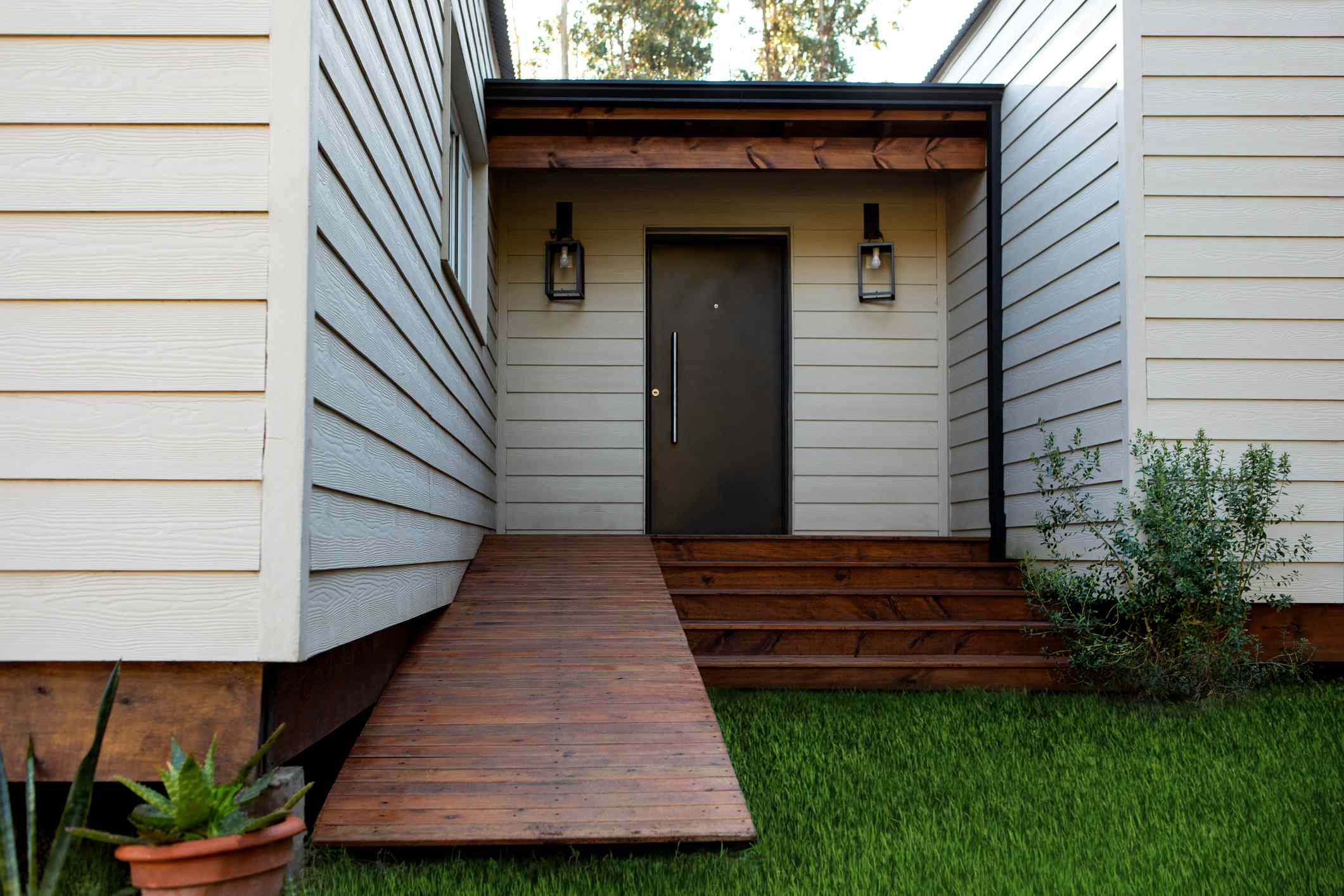
The Genkan is the traditional Japanese entryway, but in the Manifesto House, it serves as a psychological airlock. It is a dedicated space for shoe storage and coat hanging, ensuring that the "dust of the world" is left at the door. It sets the tone for a home that remains clean and composed.
2. Ofuro: The Ritual of Cleansing
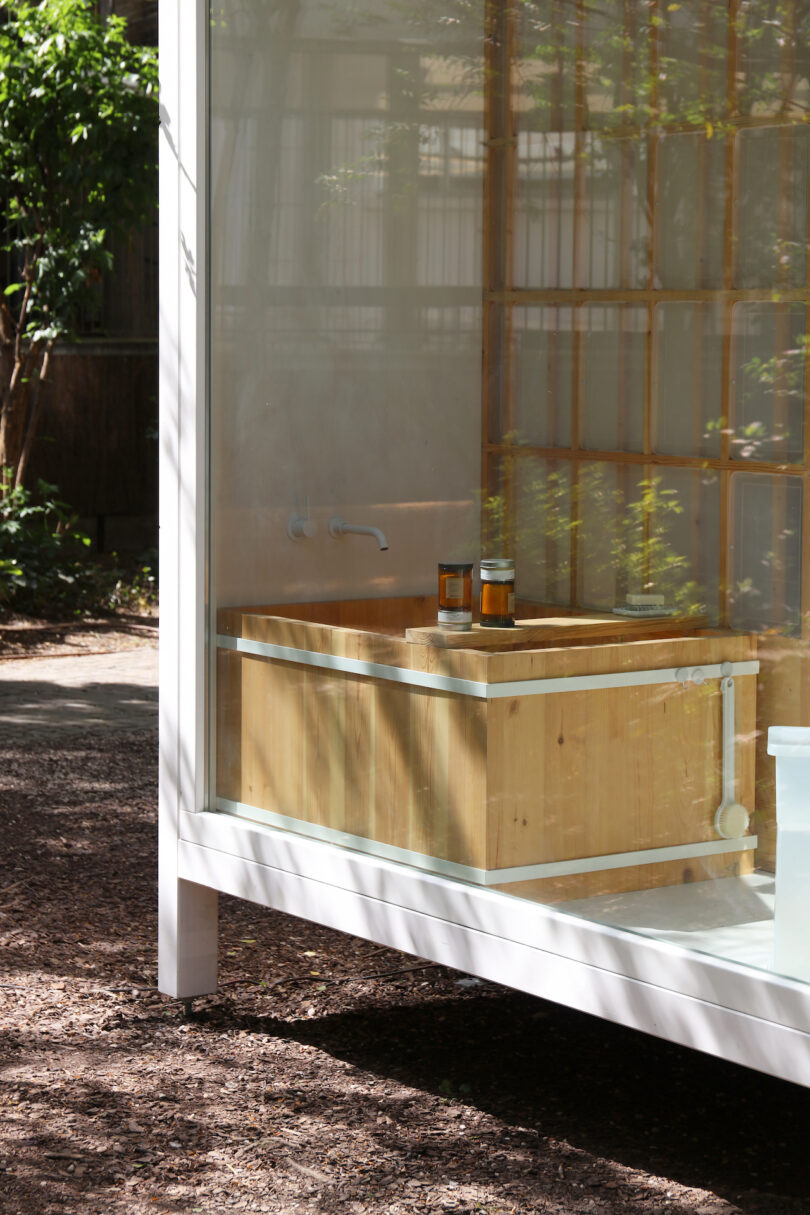
In a downshifted life, bathing is not a chore; it is a restorative ritual. The Ofuro module reimagines the traditional Japanese soaking bath for modern well-being. It is a compact, spa-like environment where the focus is on sensory relaxation and water conservation.
3. Daidokoro: The Heart of Preservation
The kitchen module, or Daidokoro, is designed to celebrate the art of fermentation and the beauty of organized essentials. Instead of a sprawling kitchen filled with gadgets, it features a streamlined wall that prioritizes fresh ingredients and long-term preservation methods like pickling and drying.

4. Kintsugi: The Workshop
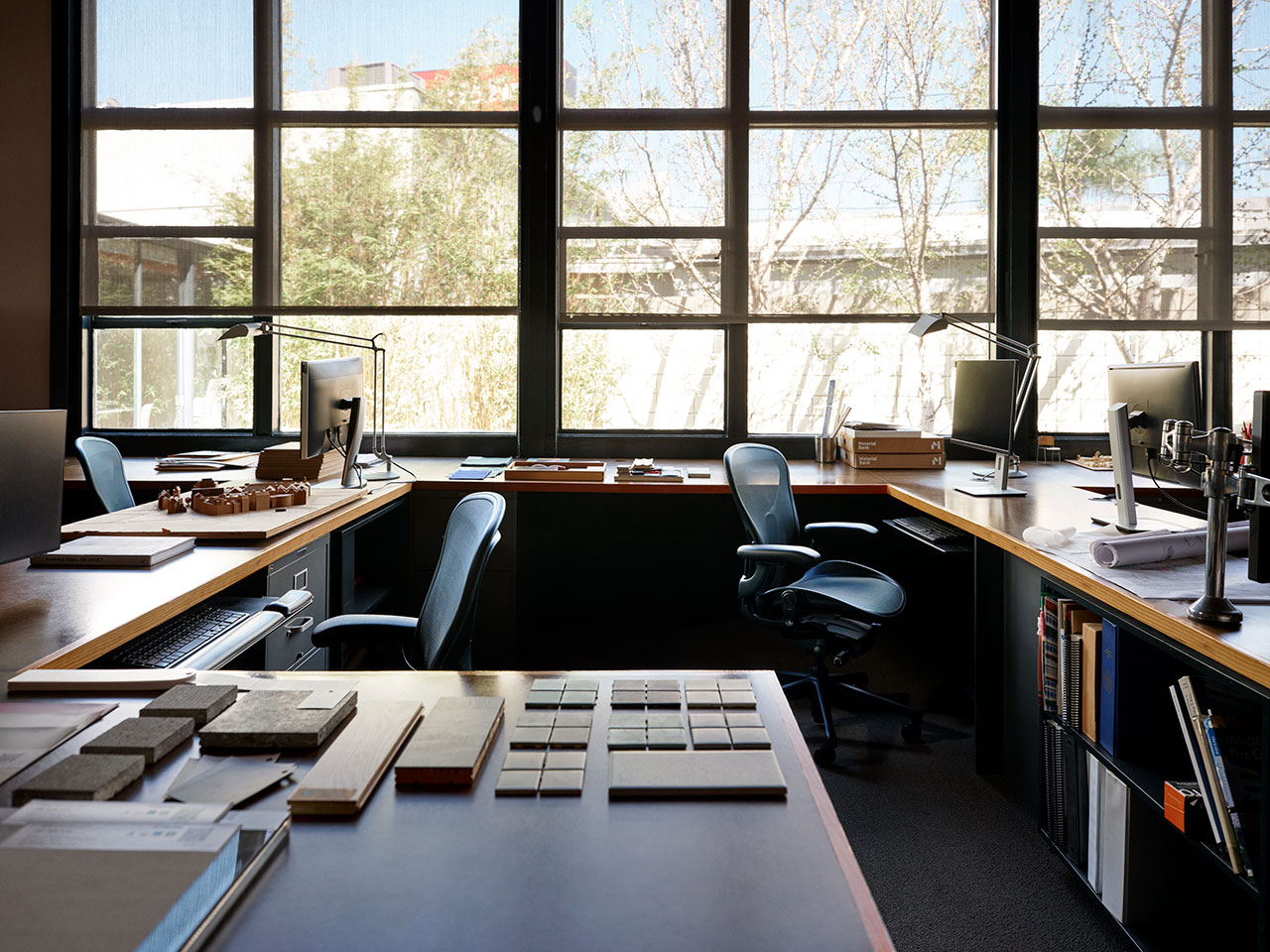
Named after the Japanese art of repairing broken pottery with gold, this module is a space for creativity and repair. It encourages a "mend and make do" attitude, providing a dedicated workbench and tool storage to prolong the life of our belongings.
5. Tatami: Maximum Flexibility
The Tatami module uses traditional proportions to create a multifunctional living area. By using foldable sleeping mats and low-profile furniture, this single room can transform from a home office by day into a serene bedroom by night.
6. Niwa: The Internal Garden
The Niwa, or courtyard garden, serves as the "lungs" of the house. It provides a space for meditation and a direct connection to nature, even in the densest urban environments.
| Module | Core Function | Downshifting Benefit |
|---|---|---|
| Genkan | Entrance/Storage | Reduces visual clutter and maintains hygiene. |
| Ofuro | Bathing/Ritual | Encourages mindfulness and mental health. |
| Daidokoro | Cooking/Fermenting | Promotes sustainable eating and waste reduction. |
| Kintsugi | Repair/Workshop | Discourages consumerism through maintenance. |
| Tatami | Sleeping/Living | Optimizes square footage through flexibility. |
| Niwa | Nature/Meditation | Provides essential access to light and air. |
The MUJI MUJI 5∙5 DIY Collection: Resourcefulness in Small Spaces
A house is only as functional as the objects within it. To accompany the Manifesto House, the MUJI MUJI 5∙5 initiative was launched. This DIY collection is a masterclass in resourcefulness, providing instructions for repurposing standard MUJI products into new functional objects.
This initiative shifts the consumer's role from "buyer" to "maker." For example, the collection shows how to transform storage boxes into modular lamps or steel bookends into minimalist birdhouses. It’s about seeing the potential in the "raw materials" of everyday objects.
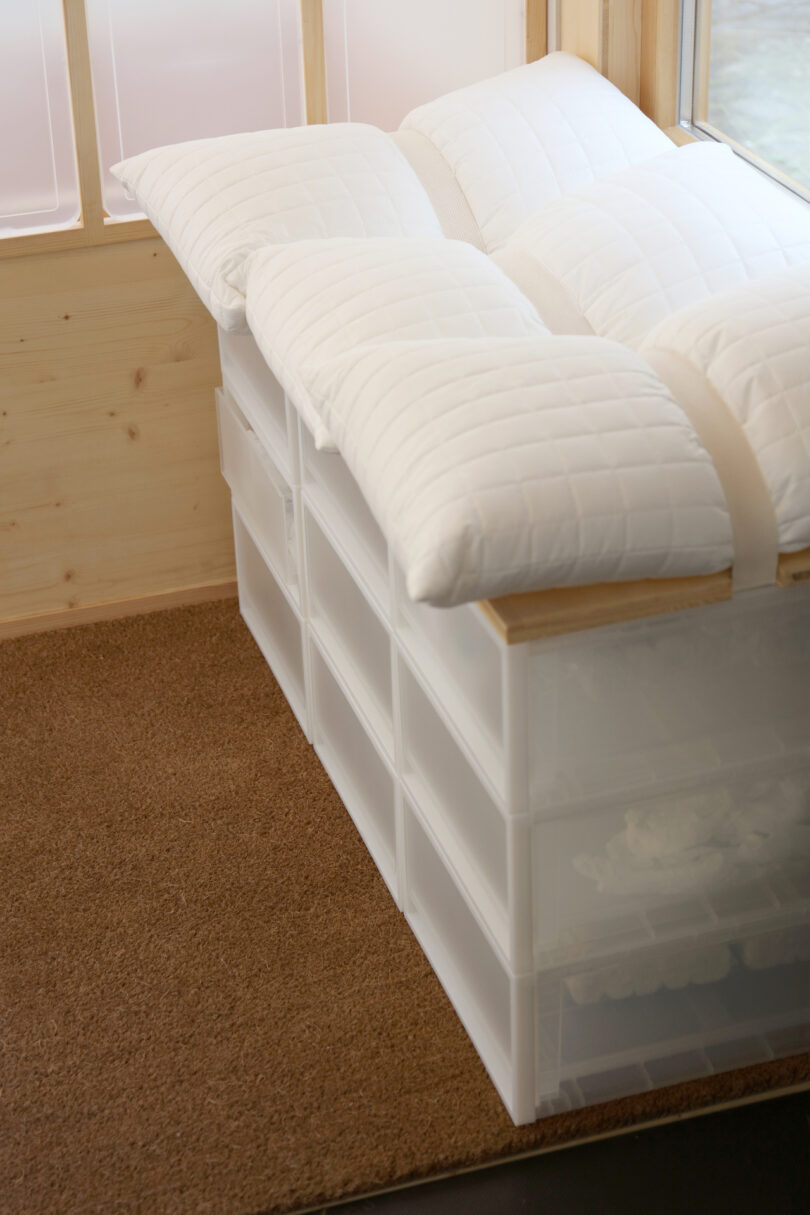
By repurposing standard items—like transforming storage drawers into a daybed—we reduce the need for new furniture and embrace a more circular economy. This promotes a deep sense of ownership and connection to the items in our homes.
Designing Your Own Unique Lifestyle
The most profound lesson from the Manifesto House is the "One-Room House" concept. It challenges the idea that a high quality of life requires high square footage. Instead, it suggests that constraints are fertile ground for creativity. When you have less space, you are forced to choose more wisely.
As we look toward the future of modular micro-architecture, we see a shift away from "standardization" toward "customization." Because the house is modular, you can choose only the units you need. A writer might prioritize the Kintsugi and Niwa modules, while a chef might double down on the Daidokoro.
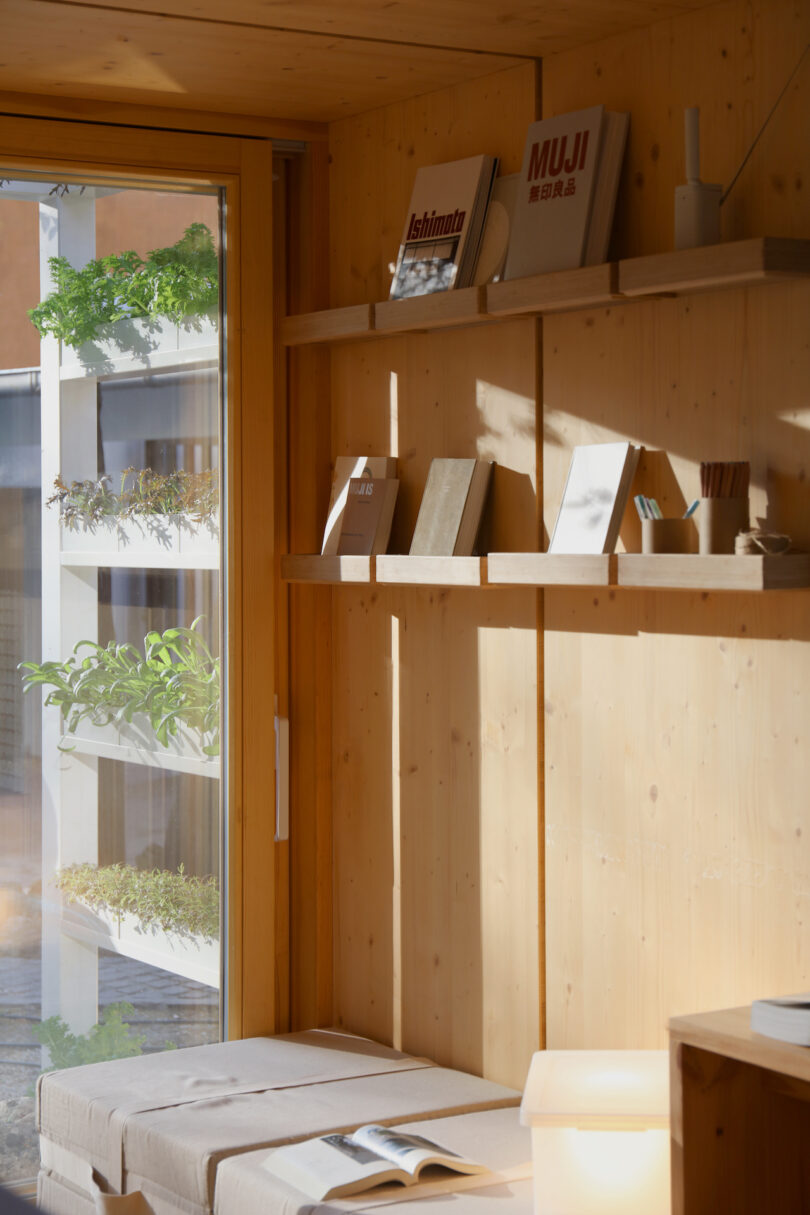
In my years of editing home organization systems, I’ve found that the happiest readers aren’t those with the biggest houses, but those with the most functional ones. The MUJI Manifesto House is a reminder that a calm, intentional life is built from the ground up, one module at a time.
FAQ
Can the MUJI Manifesto House be expanded later? Yes. One of the primary benefits of modular micro-architecture is its scalability. Owners can start with a basic configuration (such as the Tatami and Daidokoro) and add modules like the Kintsugi or Ofuro as their needs or budget grow.
How does the DIY collection help with small-space living? The MUJI MUJI 5∙5 DIY collection encourages multi-functional furniture. In small spaces, every item must earn its keep. By repurposing items like storage boxes into seating or lighting, you reduce the physical footprint of your belongings while maintaining full functionality.
Is this home suitable for cold climates? While the Manifesto House emphasizes passive cooling and white reflective roofs for heat reduction, its recycled textile insulation provides high thermal resistance. With the addition of energy-efficient heating modules, the prefab system is designed to be adaptable to various climates.
Start Your Downshifting Journey
If you’re not ready to move into a prefab home just yet, you can still adopt the principles of the Manifesto House today:
- Define your rituals: What are the 3-5 most important activities in your home?
- Audit your "Infill": Remove objects that don't support those rituals.
- Embrace the "Mend": Before buying something new, see if an existing item can be repurposed or repaired.
Creating a calm, functional home isn't about the space you have; it's about the system you build within it.