There’s a specific kind of magic that happens when a design feels both like a relic of the past and a blueprint for the future. In the world of Danish design, few names evoke as much playful sophistication as Nanna Ditzel. Known as the "Grande Dame of Danish Design," Ditzel had an uncanny ability to turn rigid materials into fluid, organic forms. Today, as we lean further into the "Warm Maximalism" trend, Fredericia’s relaunch of her iconic 1989 Bench for Two feels less like a reissue and more like a timely homecoming.
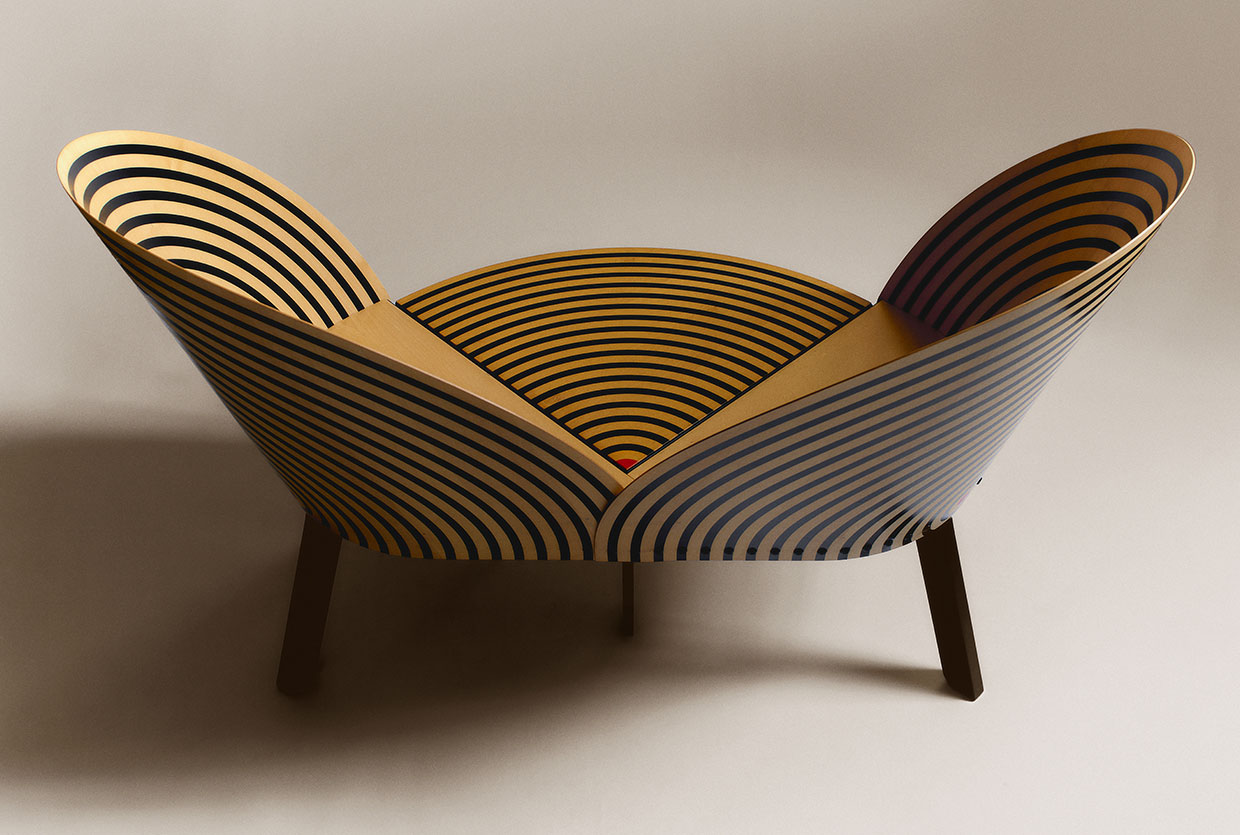
The Bench for Two is a sculptural seating piece originally designed in 1989, characterized by its concentric circle backrest and intimate, inward-sloping design that encourages dialogue. More than just a seat, it is a functional manifesto on how furniture can foster human connection.
A Drawing Brought to Life: The Artistry of the Bench for Two
The genesis of the Bench for Two is almost as poetic as the piece itself. Legend has it that Ditzel, inspired by the symmetry of a butterfly, sketched the design with a marker directly onto a prototype. The result is a biomorphic silhouette that feels remarkably light despite its structural complexity. The inward-sloping seat isn't just an aesthetic choice; it’s a deliberate "conversational" shape designed to tilt two sitters toward one another, subtly nudging them into an intimate exchange.
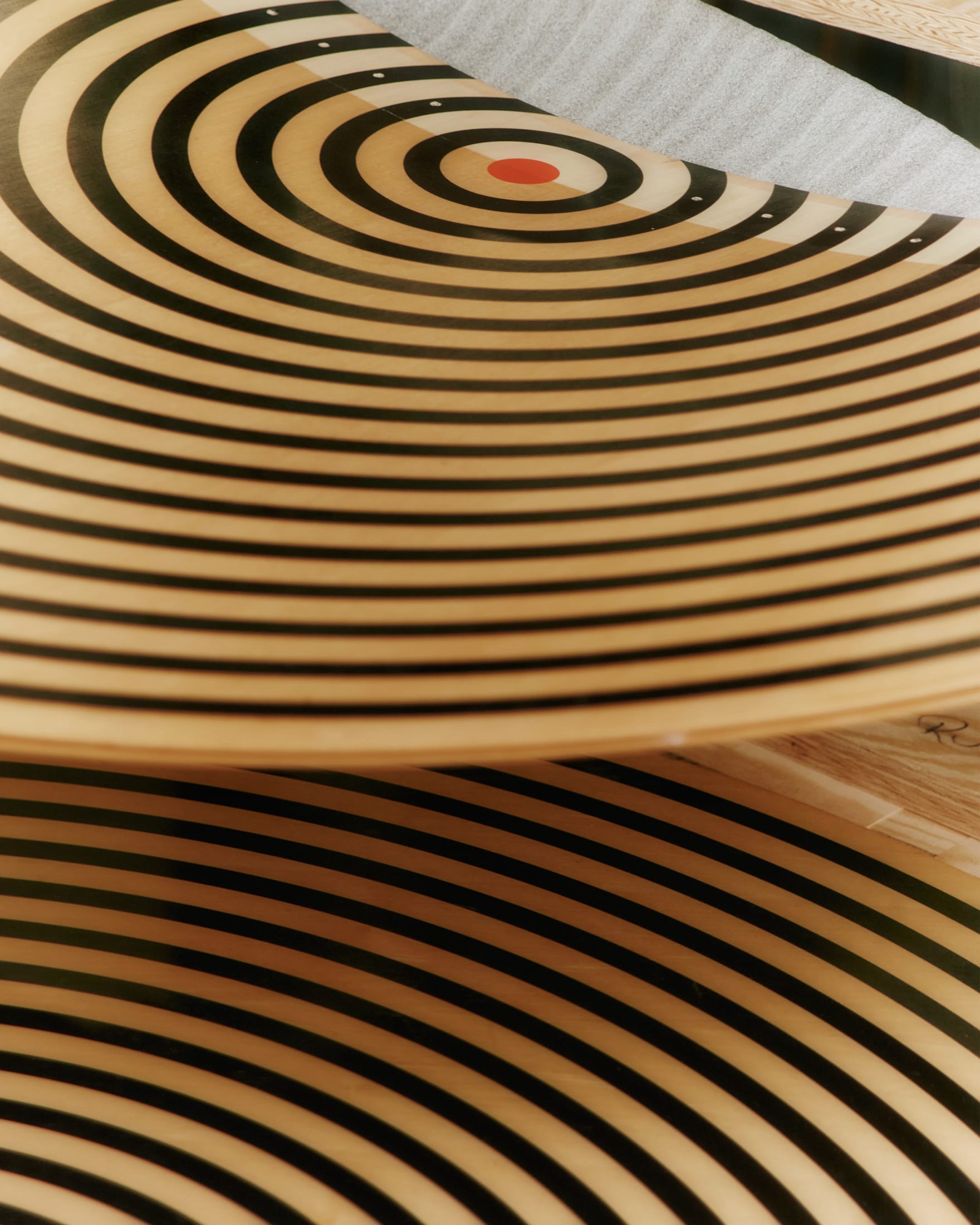
The graphic elements of the bench—the concentric circles radiating from the backrest—pay homage to the Bauhaus movement while maintaining a distinctly Scandinavian warmth. These silk-screened lines aren't just decorative; they emphasize the curvature of the wood, drawing the eye toward the "dot" that anchors the entire composition.
Technical Mastery: Craftsmanship Behind the Curves
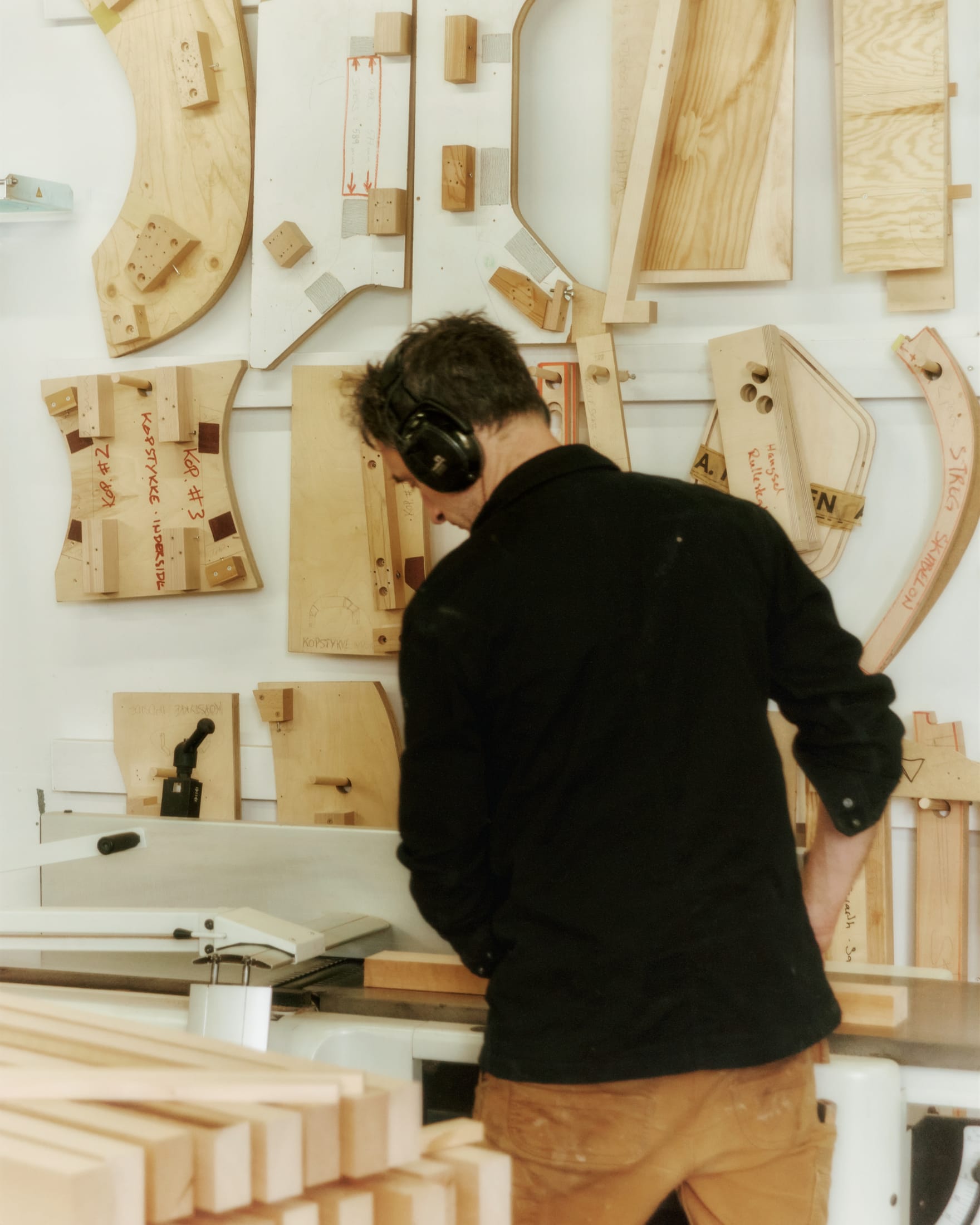
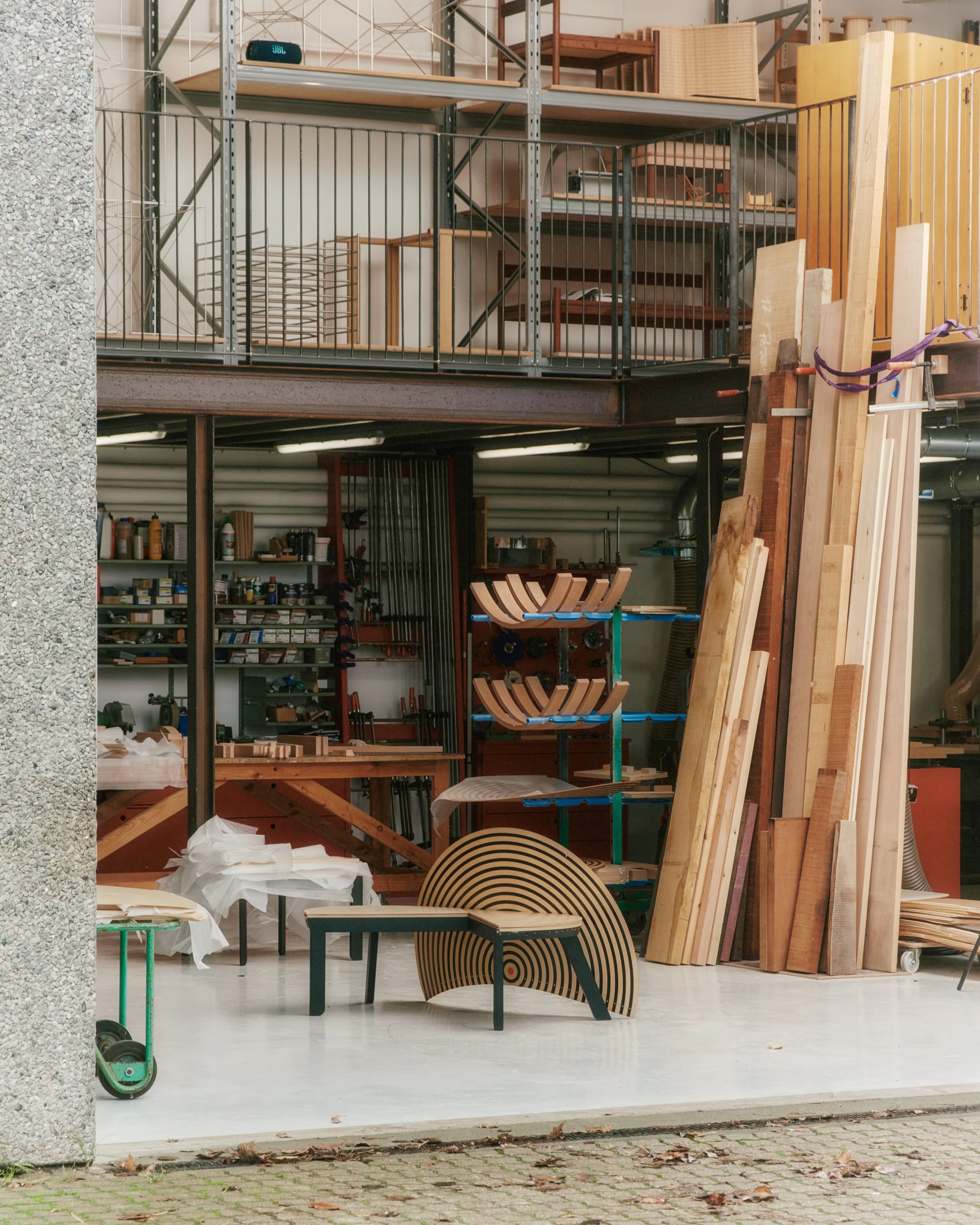
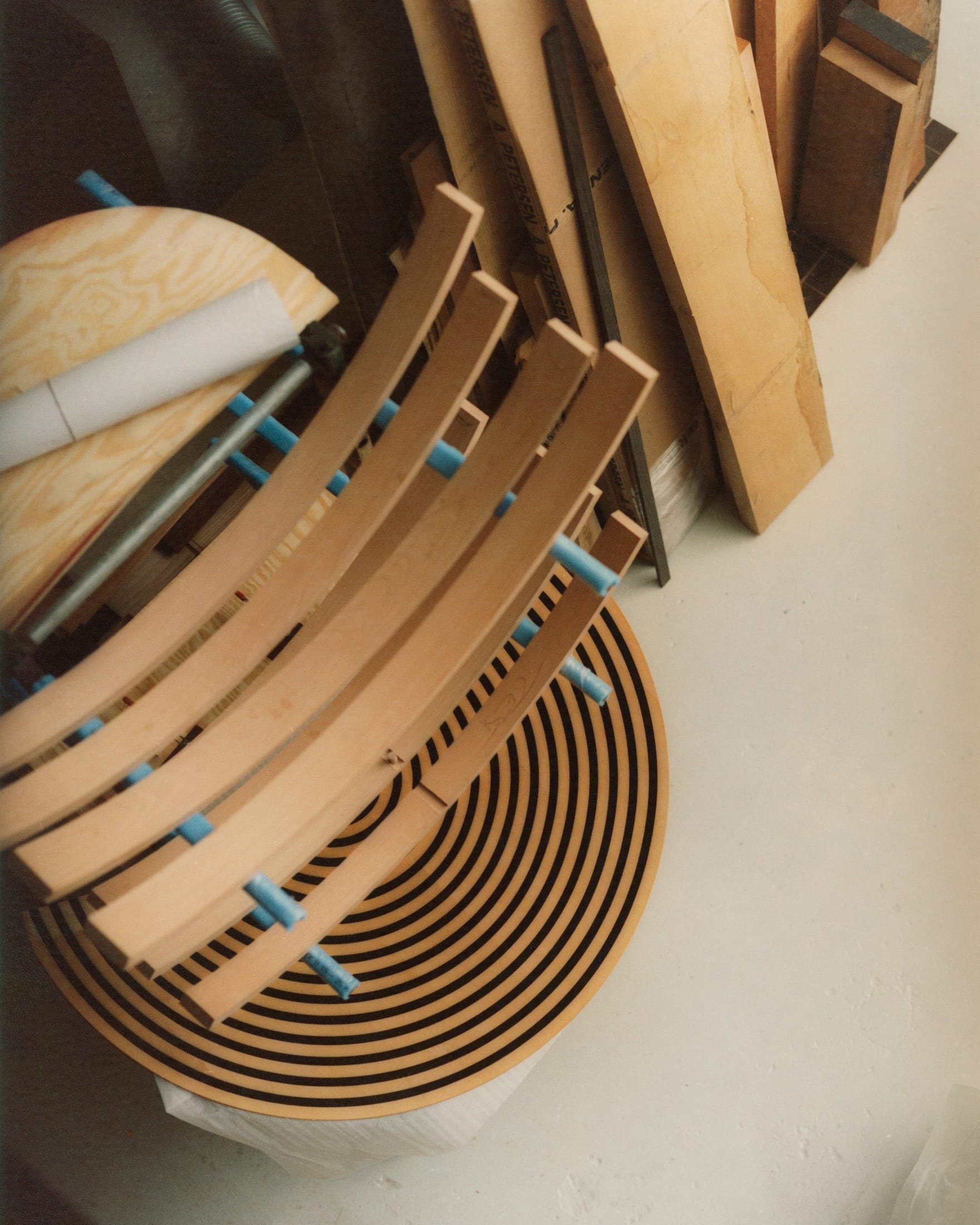
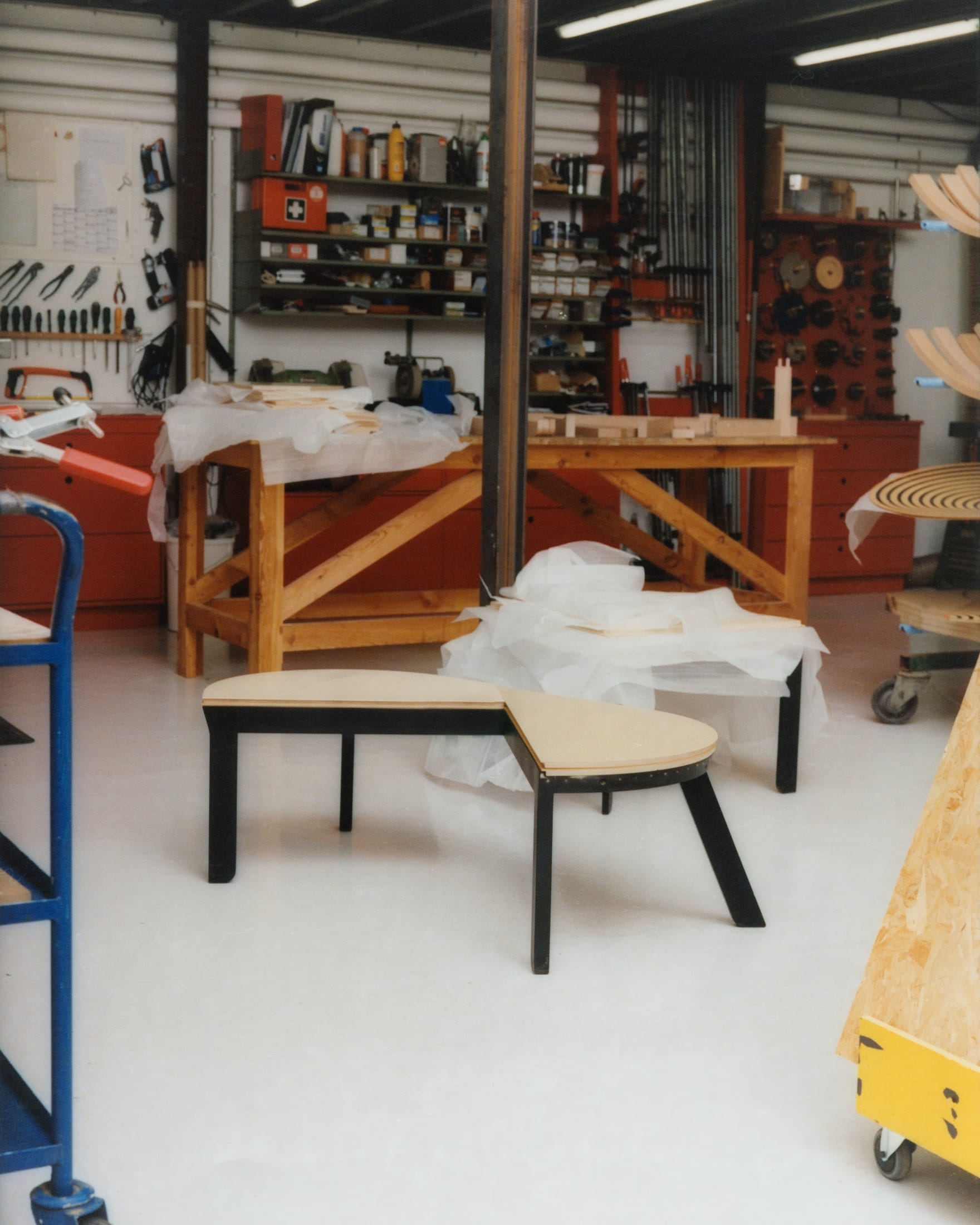
To the untrained eye, the Bench for Two looks effortlessly simple. However, achieving those dramatic curves requires a level of technical precision that few manufacturers can master. The Bench for Two is manufactured in Denmark by Fredericia in partnership with A. Petersen, utilizing high-quality materials such as solid maple and 1.5-millimeter aircraft-grade maple veneer.
The choice of aircraft-grade veneer is critical. It allows the backrest to maintain its structural integrity and flexibility while supporting the intricate silk-screened or digitally printed graphic designs. Every bench is finished by master cabinetmakers who ensure the transition from the solid maple legs to the delicate backrest is seamless.
| Feature | Specification |
|---|---|
| Frame Material | Solid Maple |
| Backrest Material | 1.5mm Aircraft-grade Maple Veneer |
| Manufacturing | Hand-crafted in Denmark |
| Designer | Nanna Ditzel (1989) |
| Key Dimensions | W: 150 cm, D: 71 cm, H: 98 cm |
Design Tip: When investing in sculptural furniture like this, look for "structural storytelling." The way the grain of the maple interacts with the silk-screened circles tells you everything you need to know about the quality of the veneer.
The 2026 Color Story: From Original Black to Vibrant Pink
For years, the Bench for Two was primarily seen in its classic 1989 palette: a sleek black finish with a singular red dot. While that version remains a staple of modern minimalism, Fredericia’s latest relaunch introduces a vibrant energy that aligns with future interior forecasts.
The relaunch features four distinct colorways:
- The Original Black with a red dot.
- Radiant Red with a black dot.
- Sunshine Yellow with a black dot.
- Soft Pink with a black dot.
These colors aren't just a nod to Ditzel’s own love for bold hues; they are a response to a shifting design landscape. Design forecasts for 2026 indicate a significant shift toward 'Warm Maximalism,' with an estimated 25% increase in consumer interest for sculptural, color-forward mid-century modern heritage pieces. We are moving away from the "sad beige" era and into a time where furniture serves as a primary source of joy and personality in the home.
Styling the Bench in Modern Interiors
As an editor, I often see readers struggle with how to "place" a piece this bold. The Bench for Two isn't a piece you hide against a wall. It demands space and perspective.
- The Living Room Anchor: Use the bench as a sculptural focal point in a large foyer or at the foot of a grand staircase. Its height and graphic backrest act as a room divider without blocking sightlines.
- The Conversation Nook: Pair it with its companion circular table and a low-pile neutral rug. The bench does the heavy lifting visually, so keep the surrounding accessories minimal—a single glass vase or a stack of art books will do.
- The Gallery Wall Alternative: If you have a large, empty wall, placing the bench in front of it can often be more impactful than a series of small framed prints. The bench itself is the art.
Legacy and Longevity: An Investment in Danish Design
The Bench for Two has a decorated history, having won the Gold Medal at the International Furniture Design Competition in Asahikawa, Japan, shortly after its debut. Ditzel’s collaboration with Fredericia (spanning from 1989 to 2005) was one of the most fruitful in Danish history, resulting in pieces that challenged the "form follows function" rule by proving that form could be just as emotional as it is functional.
Why do these pieces survive while others fade? It comes down to the durability of the bent plywood technology and the timelessness of Ditzel’s vision. While the colors may change to suit the trends of 2026, the silhouette remains an untouchable icon of 20th-century craftsmanship.
FAQ
Is the Bench for Two comfortable for long periods of sitting? While the bench is highly sculptural, its design is ergonomic. The 1.5mm maple veneer provides a slight "give" or flex in the backrest, and the inward slope of the seat is specifically angled to support a relaxed, conversational posture. However, it is primarily designed as a "perch" or occasional seat rather than a lounge sofa.
How do I clean the silk-screened graphics on the backrest? Because the graphics are applied to high-quality maple veneer and then sealed, they are quite durable. We recommend using a soft, dry microfiber cloth for dusting. For minor marks, a slightly damp cloth with a mild, pH-neutral soap is sufficient. Avoid abrasive cleaners that could scratch the veneer.
Where is the bench manufactured? The bench is proudly hand-crafted in Denmark through a collaboration between Fredericia and the master cabinetmakers at A. Petersen, ensuring that the original 1989 specifications and quality standards are strictly upheld.