Imagine this: It’s a crisp October evening, the light is turning amber, and you’re craving the comforting, earthy sweetness of roasted vegetables. But then you look at that massive butternut squash on your counter and think about the struggle ahead—the peeling, the hacking, the risk to your fingertips. This is where the Delicata squash enters the chat as the undisputed MVP of the autumn kitchen. Often referred to as the "sweet potato squash," its velvety flesh and honey-like profile make it a seasonal staple. But its real magic lies in its accessibility; it is the ultimate low-maintenance, high-reward vegetable that bridges the gap between a quick weeknight side and a centerpiece-worthy dish.
| Feature | Quick Recipe Summary |
|---|---|
| Prep Time | 10 Minutes |
| Cook Time | 20-30 Minutes |
| Oven Temp | 425°F (218°C) |
| Key Benefit | No peeling required; 100% edible skin |
| Flavor Profile | Sweet, nutty, and buttery |
The beauty of creamy texture meets edible skin.
Why Delicata Saves Your Kitchen Time
If you’ve ever spent twenty minutes wrestling with a peeler and a rock-hard acorn squash, the Delicata will feel like a gift from the culinary gods. One of the most common questions home cooks ask is: Do you need to peel delicata squash? The answer is a resounding no. Unlike its thicker-skinned cousins, the Delicata has a thin, delicate rind that softens beautifully in the oven, becoming tender and completely edible.
Choosing Delicata squash isn't just a matter of preference; it’s a matter of efficiency. When you factor in the lack of peeling and its relatively soft texture, you are looking at a 60% reduction in active preparation time compared to butternut or Hubbard squash. You can go from the cutting board to the oven in under ten minutes, making this the perfect "easy roasted delicata squash recipe" for those who want gourmet results without the labor-intensive prep.
Expert Tip: Look for squash that feels heavy for its size with creamy yellow skin and deep green or orange stripes. Avoid any with soft spots or dull, shriveled skin, as these are signs the squash is past its prime and may have lost its signature sweetness.
Step 1: Prepping for the Perfect Slice
While the prep is minimal, a few professional touches will elevate your roast from "good" to "restaurant-quality."
- The Scrub: Because you are eating the skin, cleanliness is paramount. Use a firm vegetable scrub brush under cold running water to remove any dirt trapped in the characteristic ridges of the squash.
- The "Grapefruit Spoon" Hack: After halving the squash lengthwise, skip the standard dinner spoon. A serrated grapefruit spoon is the secret weapon here; its jagged edges grab the stringy pulp and seeds with surgical precision, leaving you with a clean, smooth interior in seconds.
- The Slicing Strategy: You have two main options here. Half-moons (slicing the halves into 1/2-inch thick semi-circles) offer the most surface area for caramelization. Rings (slicing the whole cylinder) look stunning on a platter but require a bit more care during the seeding process.
Step 2: The Science of Caramelization
The difference between a "boiled-tasting" squash and a transcendent one comes down to heat. The best oven temperature for roasting delicata squash is 425°F (218°C).
Why such high heat? It comes down to chemistry. Roasting at 425°F increases surface caramelization by approximately 40% compared to roasting at a more modest 375°F. This temperature is the "sweet spot" where the natural sugars in the squash undergo the Maillard reaction, creating that golden-brown, slightly crispy exterior while the inside remains creamy and custard-like. If the temperature is too low, the squash will soften before it browns, leading to a lackluster texture.
Step 3: Master the Roast (Avoid the Sogginess)
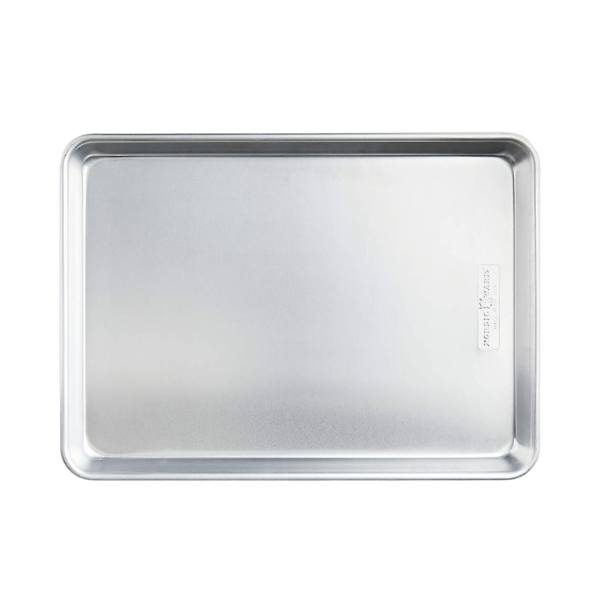
We’ve all been there: you pull a tray out of the oven only to find a pile of mushy, steamed vegetables. To prevent roasted delicata squash from being soggy, you must respect the "Single Layer Rule."
When vegetables are overcrowded on a sheet pan, they release moisture that gets trapped between the slices. Instead of roasting in dry heat, they end up steaming in their own juices. To ensure a perfect roast, spread your squash slices out so they aren't touching. If you’re cooking for a crowd, use two pans rather than cramming everything onto one.
For that signature "nearly burnt" edge—the bits that taste like vegetable candy—don't be afraid to let them go for the full 30 minutes. Flip them halfway through to ensure even browning on both sides of the crescent.
Editor's Note: Use a high-smoke-point oil like avocado oil or refined olive oil. Extra virgin olive oil can sometimes smoke or turn bitter at 425°F over a 30-minute roast.
Beyond the Basics: Flavor Variations
While a simple toss in olive oil, salt, and pepper is divine, the Delicata’s mild, nutty flavor makes it a versatile canvas for different culinary directions.
The Sweet Route
Lean into the squash's natural sugars by tossing the slices in a tablespoon of maple syrup and a pinch of cinnamon before roasting. Five minutes before they’re done, throw a handful of pecan halves onto the tray. The result is a side dish that flirts with the line between dinner and dessert.
The Savory Route
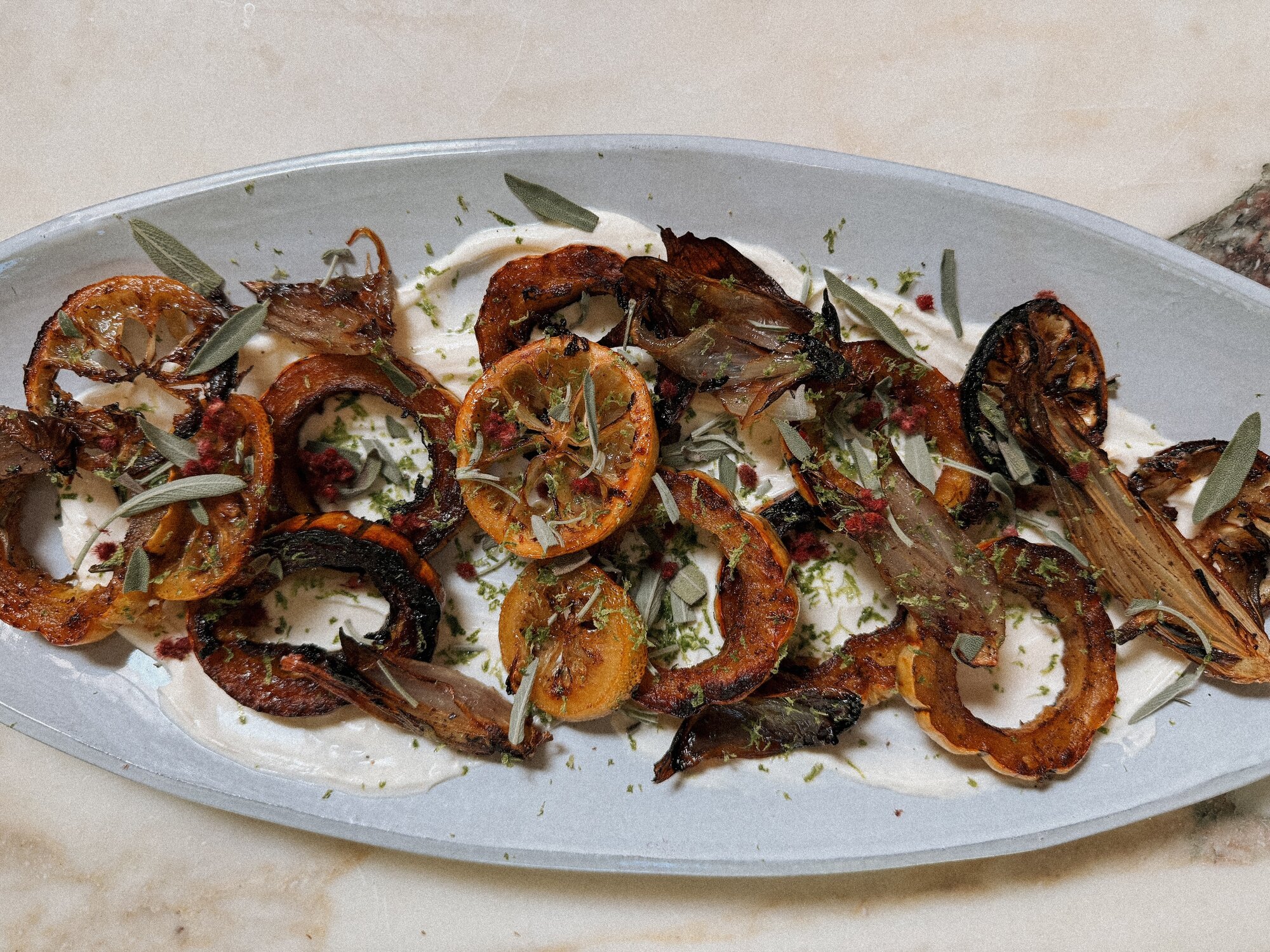
Inspired by the likes of Athena Calderone, try roasting your squash with sliced shallots and thin rounds of lemon. The lemon slices become jammy and edible, while the shallots crisp up into savory morsels. Dust the finished dish with sumac for a bright, acidic pop that cuts through the richness of the squash.
The Zesty Route
For a modern twist, finish your hot-out-of-the-oven squash with fresh lime zest and finely diced Fresno chiles. The heat of the chile and the zing of the lime provide a brilliant contrast to the mellow sweetness of the squash.
How to Serve and Store
Roasted Delicata is the ultimate "utility player" in your fall menu. It’s hearty enough to serve as the base of a vegetarian grain bowl paired with farro, massaged kale, and a tahini dressing. It also holds its own alongside a Thanksgiving turkey or a Sunday roast chicken.
Storage and Reheating: If you have leftovers (a rare occurrence!), store them in an airtight container in the fridge for up to four days. To regain that roasted crispness, avoid the microwave. Instead, reheat the slices in an air fryer at 350°F for 3-5 minutes or in a dry skillet over medium heat until warmed through and the edges sizzle again.
FAQ
Can you eat the seeds of a Delicata squash? Yes! Much like pumpkin seeds, Delicata seeds are delicious when roasted. Clean them, toss them with a bit of oil and salt, and roast them on a separate small tray at 325°F until crunchy.
Why is my squash still tough after 20 minutes? This usually happens if the slices are too thick or if your oven isn't properly calibrated. Ensure your slices are no thicker than 1/2 inch and use an oven thermometer to verify you’ve actually hit that 425°F mark.
Is Delicata squash healthier than other varieties? It is comparable to other winter squashes, being rich in Vitamin A and fiber. However, because you eat the skin, you actually consume more fiber per serving than you would with a peeled butternut squash.
Conclusion
Mastering the roasted Delicata squash is less about complex technique and more about respecting the ingredients. By choosing the right temperature, avoiding the crowded pan, and embracing the "no-peel" lifestyle, you unlock a seasonal side dish that is as elegant as it is effortless. Whether you’re a seasoned chef or a weeknight warrior, this squash deserves a permanent spot in your autumn rotation.
Now, grab your scrub brush and your grapefruit spoon—it’s time to roast.