To walk into a home that breathes is perhaps the greatest luxury of the 2026 urban landscape. As our cities grow denser and our digital lives more invasive, the concept of the home has undergone a radical metamorphosis. We are no longer merely "living" in our apartments; we are seeking shelter within them. This shift is beautifully captured by the Japanese concept of Amayadori—the art of taking shelter from the rain. In architectural terms, it describes a space that protects not just the body, but the psyche. In a world that demands constant presence, the 2026 interior mandate is clear: your home must be a sanctuary first, and a functional unit second.
Creating a sanctuary in a small space requires a pivot from traditional "space-saving" gimmicks to a philosophy of "restorative volume." It is achieved by focusing on the art of shelter—using warm timber to ground the senses, concealed joinery to surgically remove visual clutter, and low-profile furniture to maintain open, unencumbered sightlines. Recent 2026 urban design surveys indicate that 78% of dwellers in apartments under 60 square meters now prioritize these "restorative wellness zones" over traditional workspace setups. We are witnessing the death of the "home office" in favor of the "home retreat."
I. Spatial Strategy: Mastering the Studio Flow
In a compact footprint, the most significant source of stress isn't the lack of square footage; it is "spatial friction." This occurs when the physical path between your morning coffee and your meditation corner is blocked by a poorly placed chair or a visual "dead zone." To solve this, I recommend the Path Test: walk through your home and identify every moment your shoulder brushes a wall or your foot hits a furniture leg. A sanctuary must have a "fluid spine"—a clear, unobstructed route that allows air and light to circulate as freely as you do.
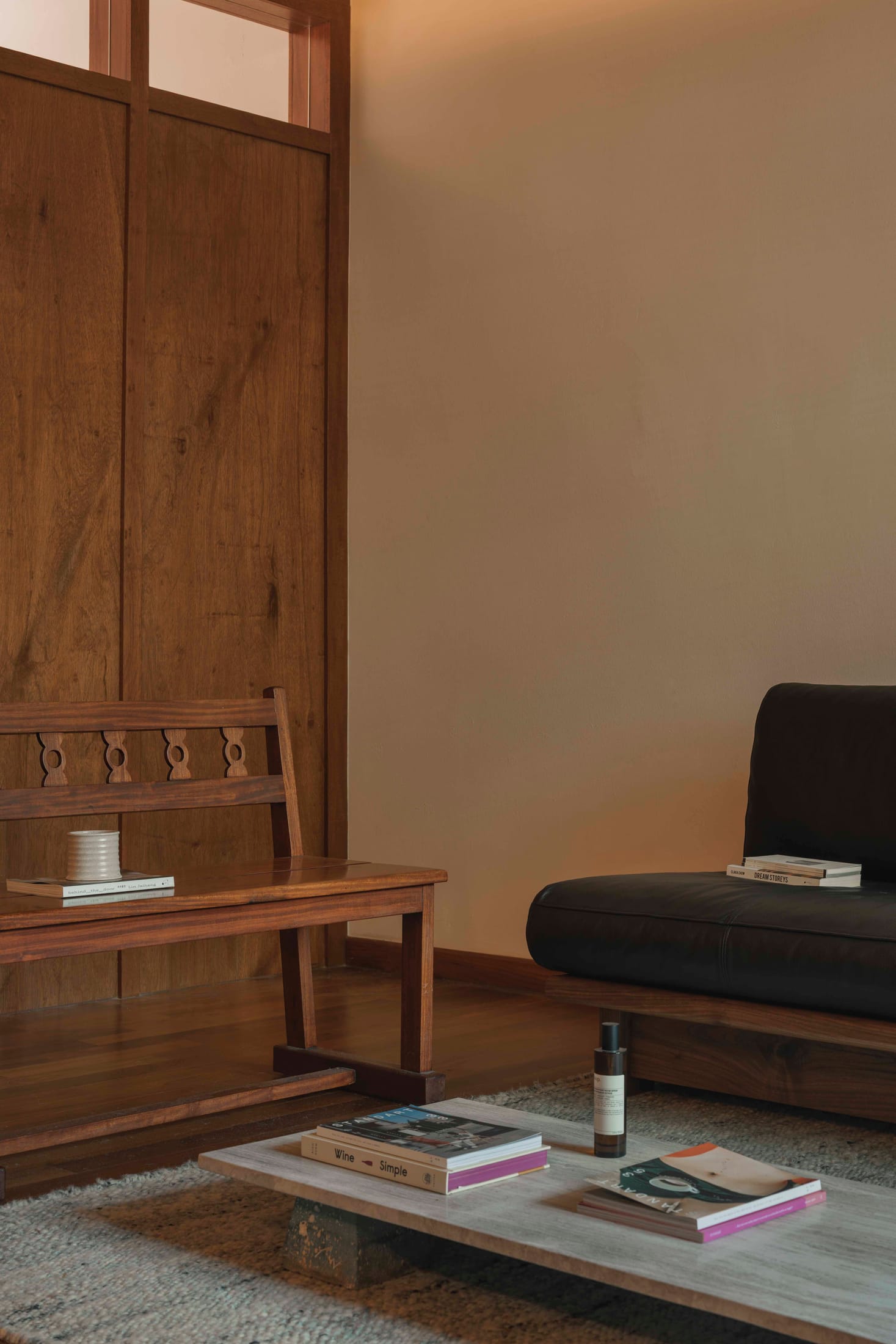
Zoning without walls is the key to maintaining this flow. In 2026, we are moving away from heavy room dividers. Instead, use textural cues like low-pile wool rugs or subtle changes in flooring material to define boundaries. Low-profile furniture—pieces that sit closer to the ground—creates a psychological sense of "height" by leaving the top two-thirds of the room open. This preserves your sightlines, ensuring that even in a 40-square-meter studio, your eye can always find the horizon.
The concept of "visual air" is a designer’s secret weapon. Choosing a sofa with slender, tapered legs rather than a blocky, skirted base allows the floor to extend underneath the piece. When the eye can see the floor meeting the wall, the brain perceives the room as significantly larger. It is the difference between a space that feels crowded and one that feels curated.

II. Material Honesty: Reducing Visual Noise
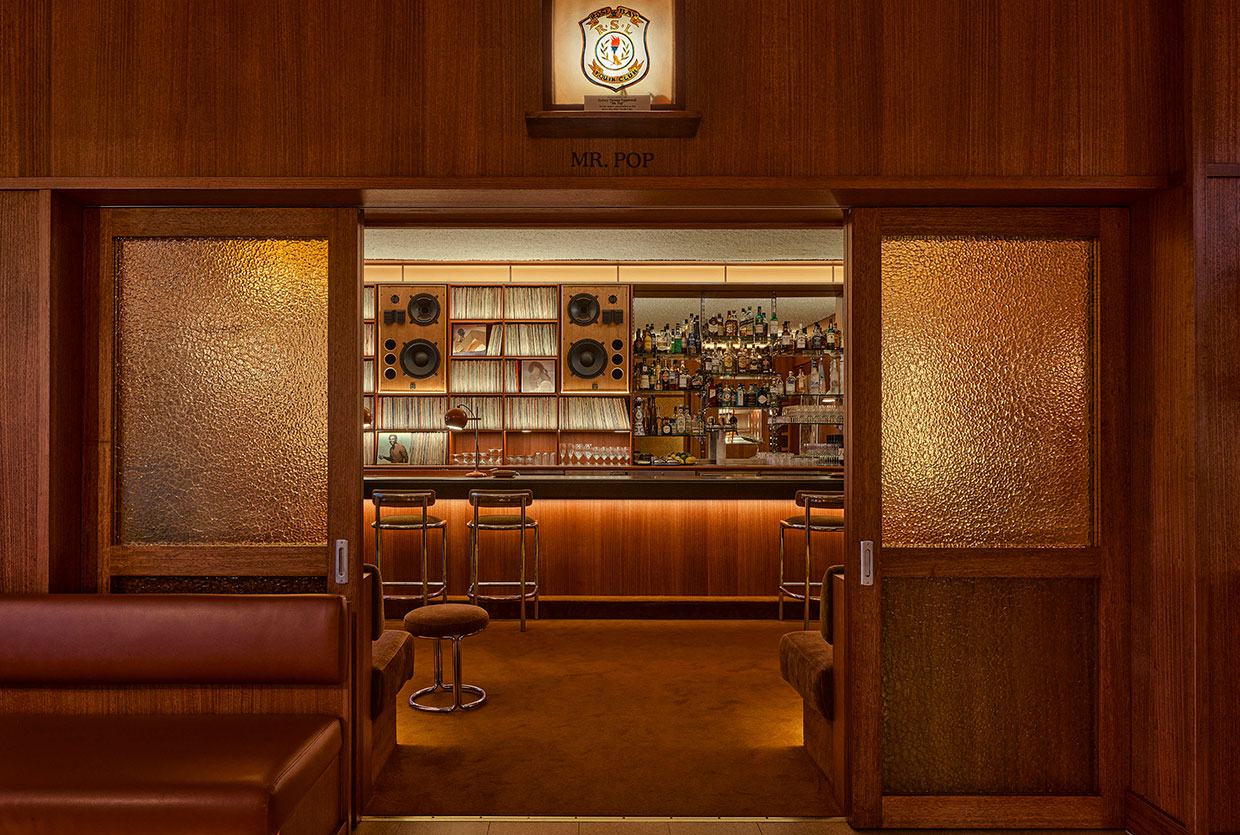
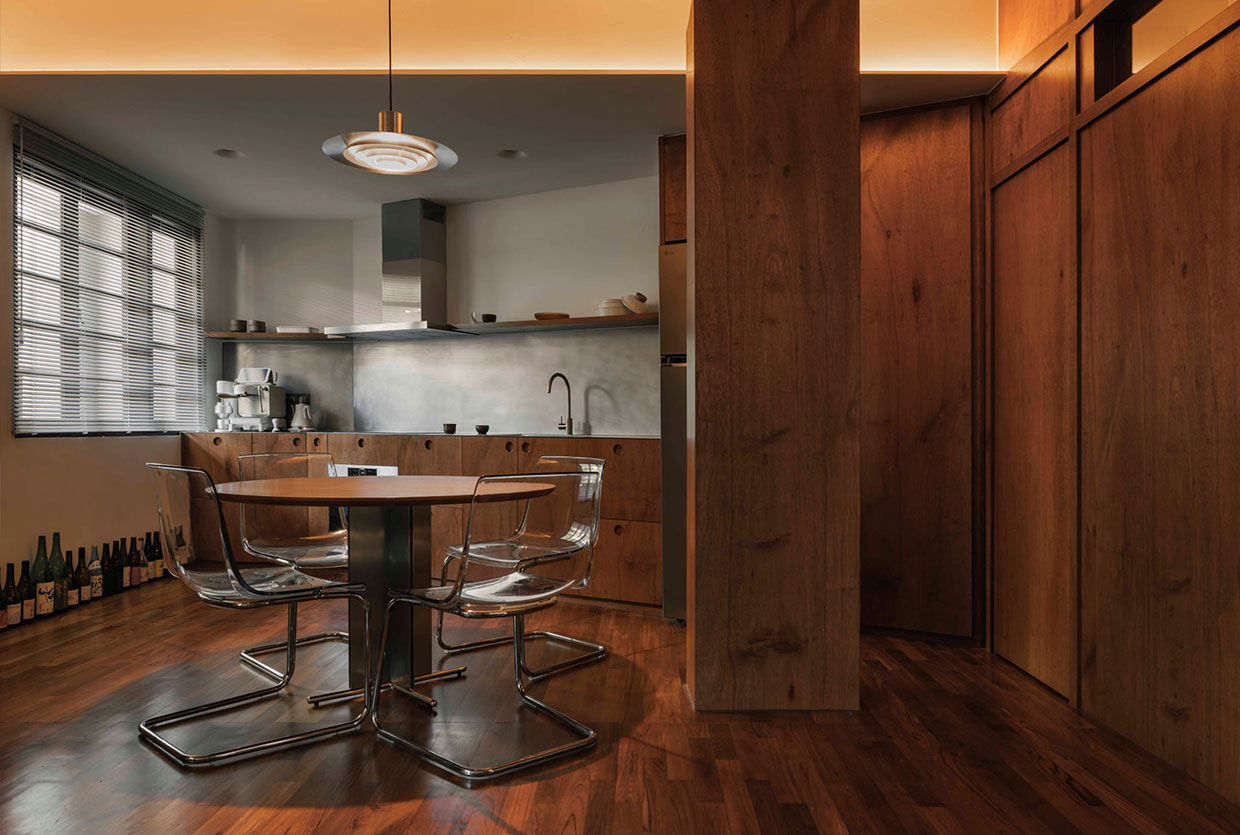
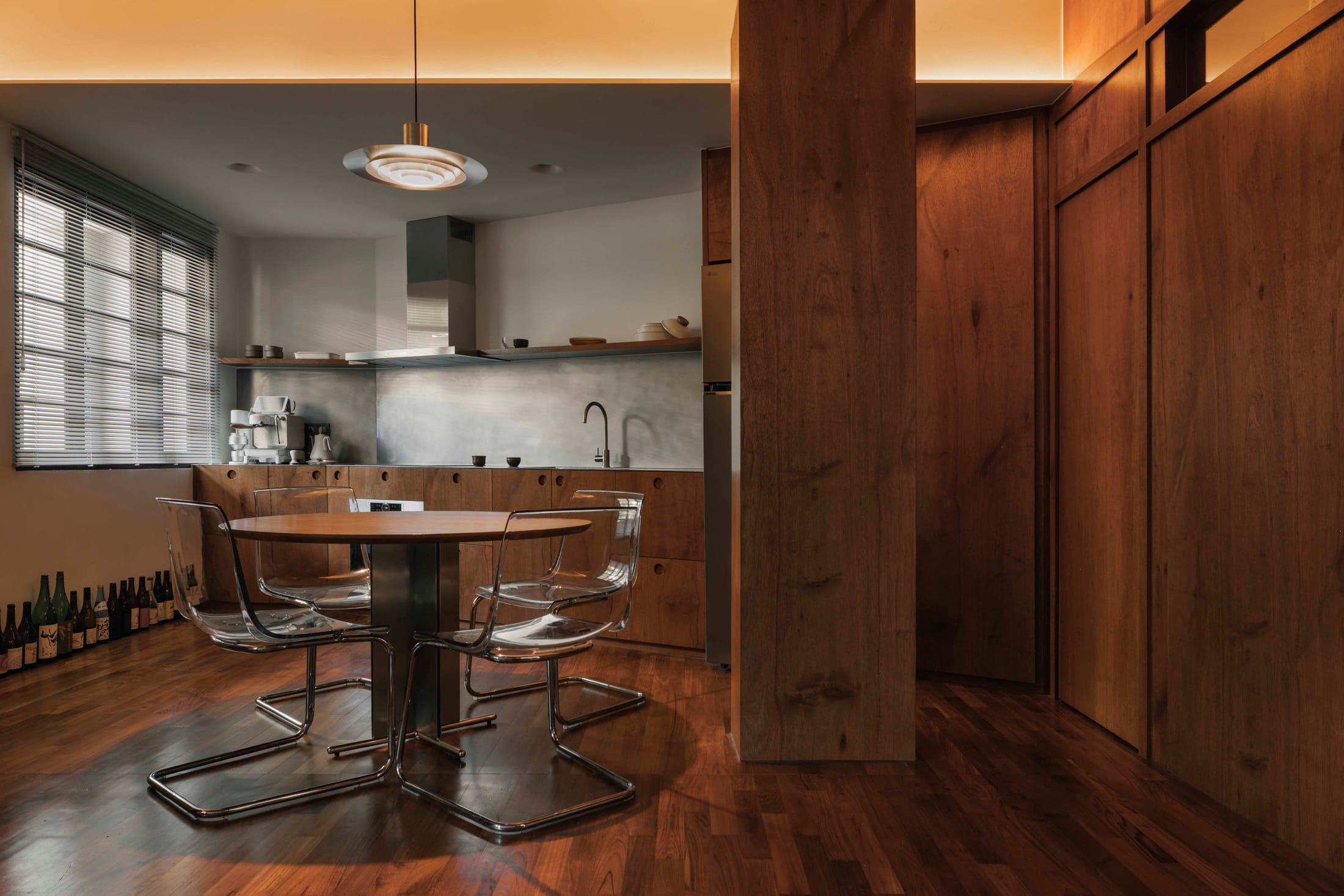
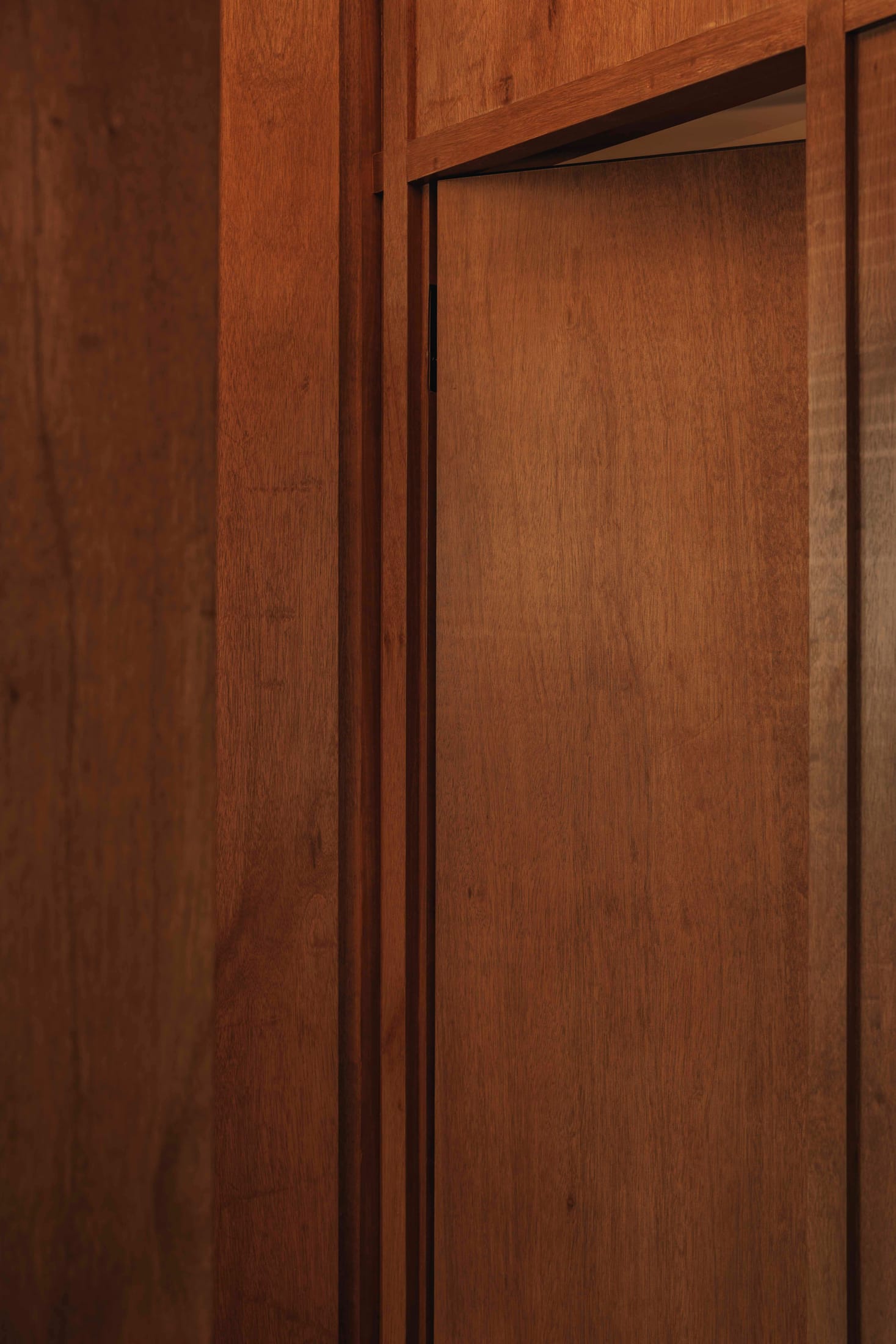
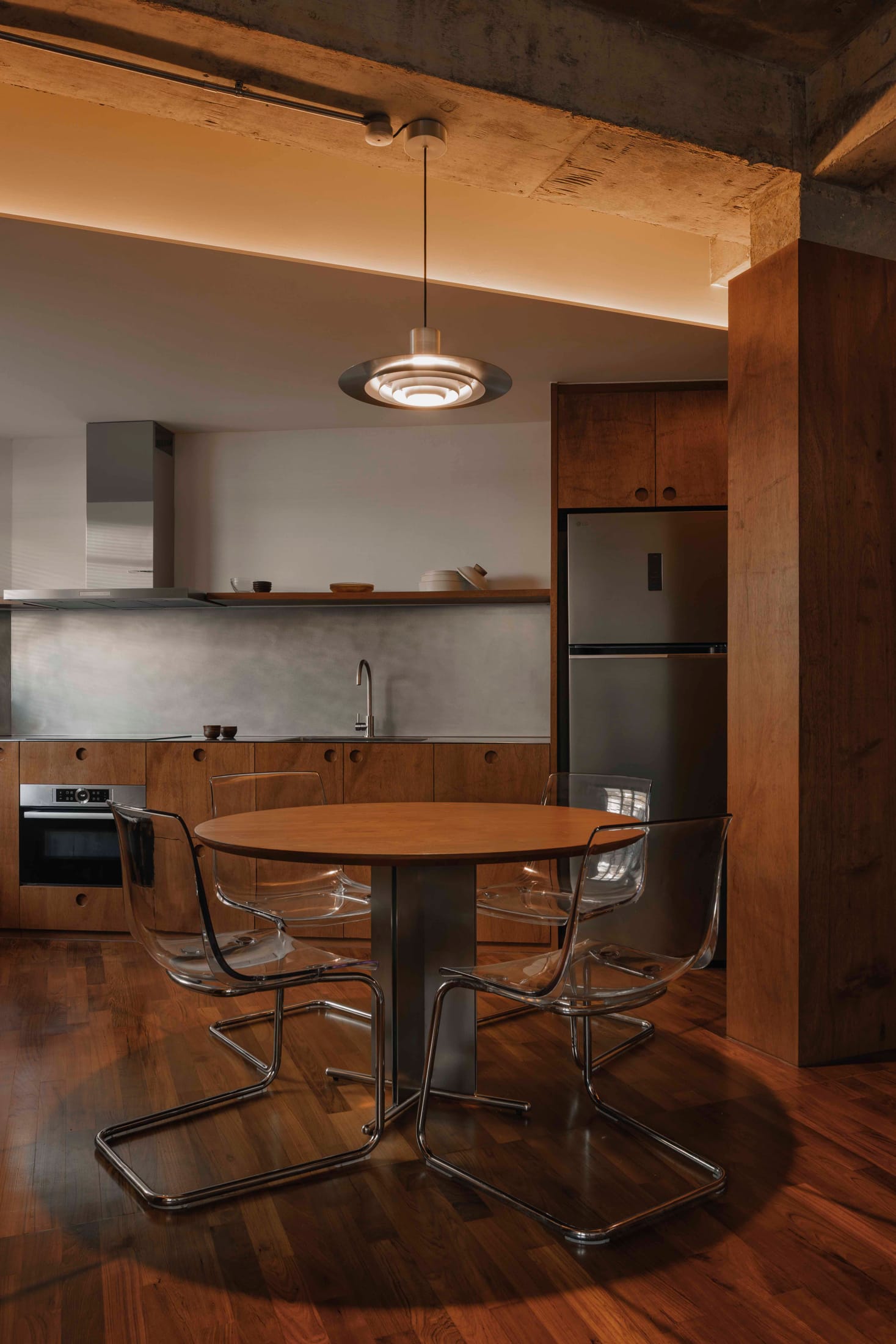
The palette of a sanctuary must be tactile and grounding. For 2026, we are seeing a definitive departure from the "clinical white" and "cool gray" era. We are entering the age of Post-Gray Warmth, characterized by walnut timbers, brushed champagne metals, and soft terracottas. These materials don’t just look good; they possess a "material honesty" that calms the nervous system.
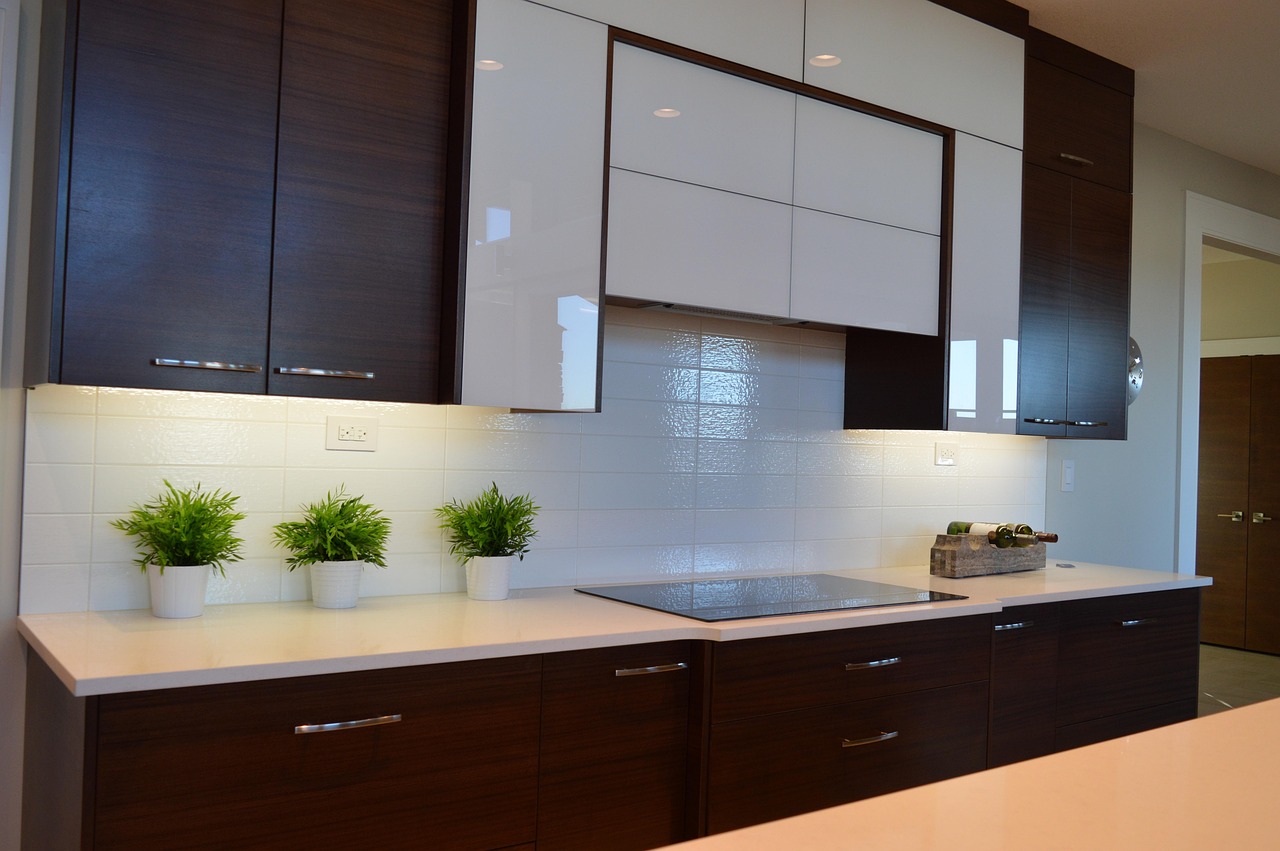
One of the most effective ways to lower stress is through concealed joinery. In small spaces, every exposed shelf is a demand for your attention. Spatial data suggests that implementing hidden cabinetry can reduce perceived visual clutter by up to 40%. This reduction in "visual noise" has a direct biological impact, significantly lowering cortisol levels for residents who spend more than six hours a day indoors.
Ivy’s Pro-Tip: Follow the "One Large Piece" rule. Residents often make the mistake of buying "tiny furniture for a tiny home." This creates a dollhouse effect that feels cluttered. Instead, choose one high-quality, full-scale statement piece—like a plush, oversized lounge chair or a large-scale piece of art—to anchor the room. It gives the space authority and prevents it from feeling "temporary."
III. Immersive Ecosystems: Bringing Nature Home
The "Cocooning" trend of 2026 is perhaps the most vital evolution in modern interior design. Cocooning is the practice of transforming rooms into intimate sanctuaries for disconnection. It moves beyond mere aesthetics to include soft acoustics (think felt wall panels or heavy linen drapes) and dedicated meditation nooks. In a small space, a cocoon might be as simple as a corner window seat framed by air-purifying greenery.
Nature is not a luxury; it is a biological requirement. However, in small apartments, floor space is at a premium. The solution lies in vertical integration and "biological-first" lighting. We are seeing a move toward museum-quality growth lights that allow lush, tropical plants to thrive in the darkest corners of a studio.
Integrating greenery isn't just about placing a pot on a table. It's about creating an ecosystem. By using track systems that double as sculptural elements, you can illuminate your plants while providing the full spectrum of light they need to produce oxygen and filter indoor toxins. Brands like Soltech with their Aura™ and Highland™ Track systems have become the gold standard for designers looking to blend high-end aesthetics with botanical health.
IV. Sensory Expansion: Light, Mirrors, and Wallpaper
To make a tiny home feel bigger without sacrificing peace, we must manipulate sensory perception. This starts with the walls. While white is the default for small spaces, it can often feel cold and "cheap." Instead, look toward warm neutrals—think oatmeal, parchment, or sand. These colors absorb light in a soft, diffused way that mimics the feel of a larger, sun-drenched villa.
The "Illusion of Reflection" remains the most powerful tool for doubling visual square footage. However, in 2026, we are moving away from the "mirrored wall" of the 1980s. The modern approach is strategic placement: a floor-to-ceiling mirror placed at the end of a hallway or opposite a window to "pull" the outside in.
| Feature | Standard Small Space Design | 2026 Restorative Design |
|---|---|---|
| Color Palette | Clinical White / Cool Gray | Warm Neutrals / Walnut / Terracotta |
| Furniture | Multi-piece "Mini" sets | "One Large Piece" + Leggy profiles |
| Storage | Open shelving / Plastic bins | Concealed Joinery / Integrated cabinetry |
| Lighting | Flat LED recessed lights | Layered "Functional Drama" / Biological growth lights |
| Priority | Maximum Utility / Home Office | Emotional Shelter / Restorative Zones |
Functional drama is the final layer. Every light fixture in a small sanctuary must fulfill a dual mandate: it must provide warmth, and it must act as a piece of sculpture. Choosing lighting with organic shapes helps break up the "boxy" feel of standard apartment architecture, adding a layer of sophistication that makes the space feel intentionally designed rather than merely "occupied."
V. The Daily Ritual: Maintaining the Sanctuary
The most beautiful design in the world cannot survive a lack of discipline. In a small footprint, the ritual of maintenance is what preserves the peace. The secret to a clutter-free home isn't just throwing things away; it is Storing by Frequency, not Category.
Items you use daily (coffee beans, keys, skincare) should be at arm's reach but tucked into "high-frequency" concealed zones. Items you use monthly should be relegated to higher, less accessible joinery. This "tiered storage" ensures that the surfaces you interact with most remain clear and calming.
Furthermore, high-end space-saving solutions have matured. We are no longer looking at clunky fold-out beds. The 2026 sanctuary utilizes disappearing desks that blend seamlessly into wood-paneled walls and Murphy beds that, when retracted, reveal a sophisticated library or art wall. In these spaces, every item must earn its place through both beauty and utility.
FAQ: Navigating Small Space Design in 2026
How can I make a tiny home feel bigger without losing the "cozy" feeling? The key is to avoid "tiny" decor. Small objects create visual clutter. Use "visual air" by choosing furniture with legs and stick to a palette of warm neutrals rather than clinical whites. One or two large, high-quality statement pieces will make the room feel expansive and anchored.
What is the 'cocooning' trend for 2026? Cocooning is the intentional practice of turning a room into an intimate sanctuary for mental disconnection. It often features soft acoustics, meditation nooks, and a heavy emphasis on air-purifying greenery and biological lighting to create a restorative indoor ecosystem.
How does concealed cabinetry affect my mental health? Visual clutter acts as a constant "to-do list" for the brain, raising cortisol levels. By using concealed joinery to hide 40% of perceived clutter, you allow your brain to enter a state of "soft fascination," which is essential for stress recovery and mental clarity.
CTA: Start Your Sanctuary Transformation
Are you ready to redefine your living space? A sanctuary isn't built in a day; it's curated through intentional choices. Start by clearing one corner, introducing a piece of "material honesty" like a walnut side table, and adding the restorative power of biological lighting. Your small space isn't a limitation—it's an opportunity to build a more focused, peaceful life.