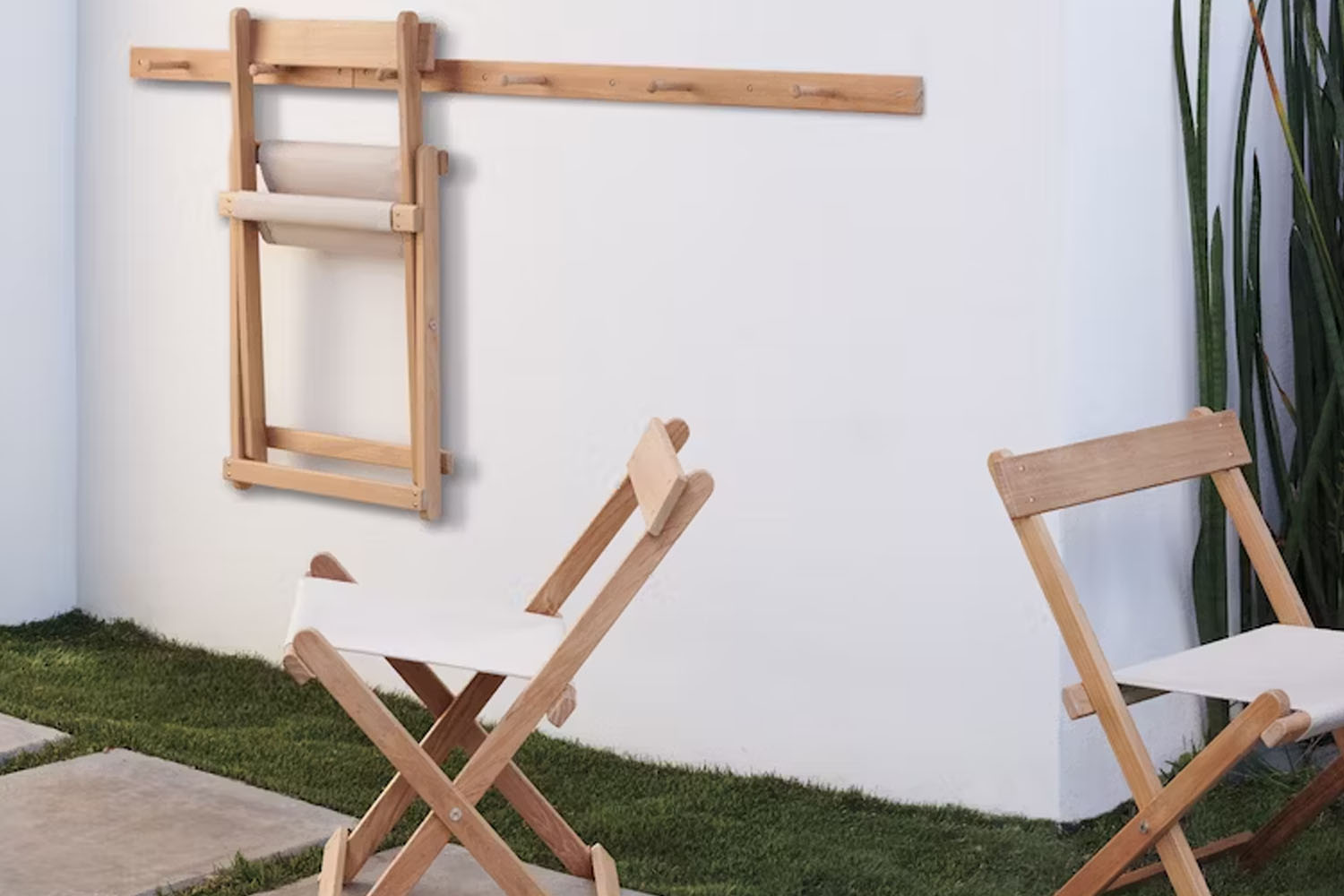
I remember the sharp, brittle snap of a mass-produced plastic lawn chair during a family gathering several years ago. It was a humid July afternoon, and the chair, weakened by just two seasons of exposure to the sun, finally gave up. As it was tossed into a dumpster—destined for a landfill where it would persist for centuries—the hidden cost of "cheap" outdoor furniture became painfully clear. In the world of sustainable living, we often talk about energy efficiency and carbon footprints, but the philosophy of "buy once, buy well" is perhaps our most potent tool against the tide of environmental degradation.
Today, top-tier designers and environmentally conscious homeowners are staging a quiet revolution. They are turning away from the petroleum-based convenience of modern plastics and returning to a combination of materials that has served humanity for millennia: wood and canvas. This isn't merely a nostalgic retreat; it is a calculated choice based on material intelligence, longevity, and a refusal to participate in the "throwaway" culture that defines our modern era.
The Longevity Gap: 50 Years vs. 5 Years
When we evaluate the sustainability of a product, we must look beyond its manufacturing process and consider its entire lifecycle. Why are wood and canvas preferred over plastic for folding chairs? Designers prioritize these natural materials because of their superior durability and aesthetic longevity. While a standard plastic chair might cost less upfront, it carries an invisible "plastic tax"—the necessity of replacement every few years.
High-quality solid wood and canvas chairs offer a staggering lifespan of 50 to 100 years. In contrast, mass-produced plastic options typically fail within two to five years of regular outdoor use. The primary culprit is Ultraviolet (UV) radiation. Plastic is a polymer that, when exposed to sunlight, undergoes a process called photodegradation. It becomes brittle, loses its color, and eventually loses its structural integrity.
Natural materials react to the environment with far more grace. Wood, particularly when treated with natural oils, develops a "patina"—a weathered character that tells the story of its use without compromising its strength. Canvas, though it may fade slightly, remains structurally sound and tactilely pleasant long after plastic has begun to flake and crack. Statistics show that high-quality solid wood chairs outperform plastic by at least 10 times in outdoor longevity, making them not just an ecological choice, but a financially savvy one for the discerning homeowner.
Material Intelligence: Why Wood and Canvas Win
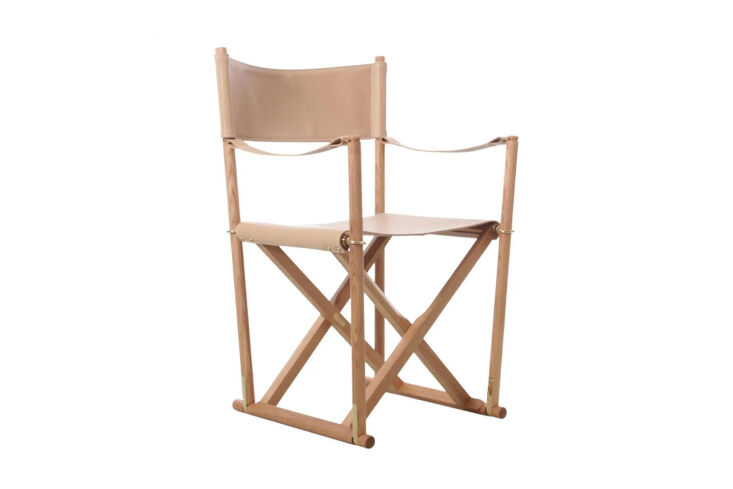
The synergy between wood and canvas is a masterclass in structural engineering. To understand why designers are obsessed with this pairing, we have to look at the "Material Intelligence" of the components.
The Wood Advantage Designers often specify hardwoods like oil-treated beech, teak, or mahogany for sustainable seating. These woods are naturally resistant to rot and pests. Teak, for instance, contains high levels of natural oils that act as a built-in preservative. Beyond the chemistry, wood provides a rigid structural integrity that plastic simply cannot mimic without excessive bulk. Wood can be precision-machined to allow for intricate folding mechanisms that remain smooth for decades.
The Canvas Component The "seat" of these chairs is usually a heavy-duty organic canvas made from cotton, hemp, or linen. Unlike the sweaty, non-breathable surface of a plastic chair, canvas offers remarkable breathability and tactile comfort. It molds to the user’s body over time, creating a bespoke seating experience. Furthermore, high-grade canvas is incredibly strong; a single layer of double-fill duck canvas can support hundreds of pounds without the risk of sudden tearing.
Lucas’s Tip: One of the most overlooked benefits of wood and canvas is repairability. If a plastic chair leg snaps, the chair is garbage. If a wood frame is scratched, it can be sanded and re-oiled. If the canvas eventually wears out after twenty years of use, it can be unbolted and replaced with a new sling. This modularity is the hallmark of truly sustainable design.
Comparing the Impact: Wood & Canvas vs. Plastic
| Metric | Wood and Canvas | Modern Plastic (PVC/Polypropylene) |
|---|---|---|
| Lifespan | 50 - 100 Years | 2 - 5 Years |
| Primary Resource | Renewable Timber / Natural Fiber | Petroleum / Natural Gas |
| UV Resistance | High (Develops Patina) | Low (Becomes Brittle/Cracks) |
| Repairability | High (Sanding, Sewing, Parts) | Non-existent |
| End of Life | Biodegradable / Recyclable | Landfill / Microplastic Pollution |
| Indoor Air Quality | Low/No VOCs | Potential Off-gassing |
Sustainability and the 'Bamboo' Revolution
While traditional hardwoods are excellent, the modern designer’s palette has expanded to include one of the most remarkable plants on Earth: bamboo. Is bamboo a sustainable choice for outdoor furniture? The answer is a resounding yes.
Bamboo is technically a grass, not a tree, and this biological distinction is what makes it a sustainability powerhouse. Bamboo materials used in sustainable furniture can mature 10 times faster than traditional hardwoods, reaching harvestable age in just three to five years. For comparison, an oak tree might take 50 years to reach the same level of maturity.
Beyond its growth rate, bamboo is a master of carbon sequestration. It absorbs more CO2 and produces up to 35% more oxygen than an equivalent stand of trees. Because it grows from a complex root system (rhizomes), it regenerates without the need for replanting after harvest, preventing soil erosion and maintaining the local ecosystem. For eco-friendly camping gear and luxury portable seating, bamboo offers a strength-to-weight ratio that rivals steel, allowing for chairs that are both incredibly light and exceptionally sturdy.
Choosing bamboo or sustainably harvested wood over petroleum-based plastic is a direct vote against the expansion of the fossil fuel industry. Every plastic chair produced represents a chain of carbon-intensive extraction, refining, and manufacturing that leaves a permanent scar on the planet.
Design Icons: From 1932 to 2026
The preference for wood and canvas isn't a fleeting trend; it’s rooted in a heritage of design excellence that spans nearly a century. Are designer camp chairs worth the investment? To answer that, we look at the icons.
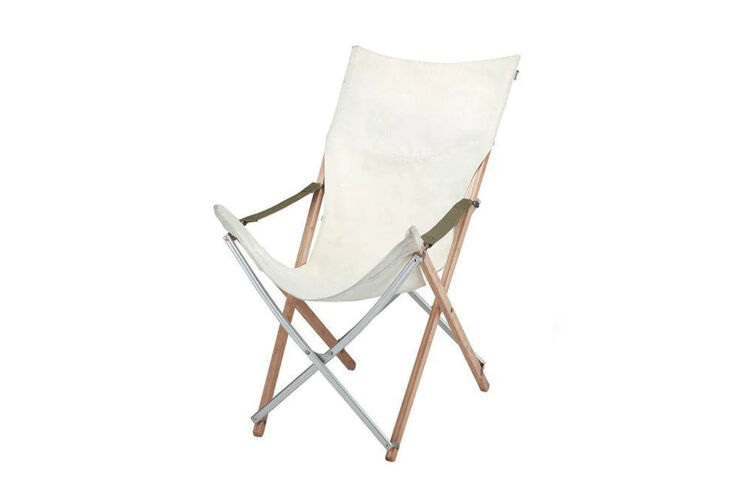
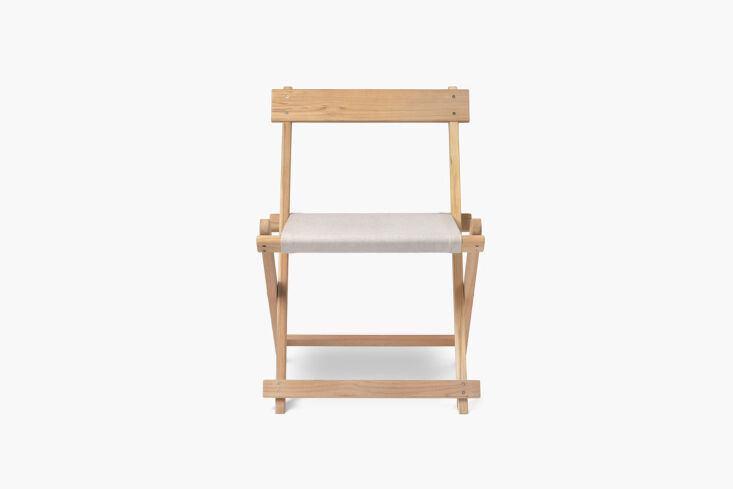
In 1932, Mogens Koch designed his legendary Folding Chair. It was a response to a competition for additional seating in the Church of the Holy Ghost in Copenhagen. Koch’s design used solid beech and heavy canvas, creating a piece that was elegant enough for a cathedral but functional enough to fold away. Today, those original chairs are highly sought-after collector's items—still functional, still beautiful.
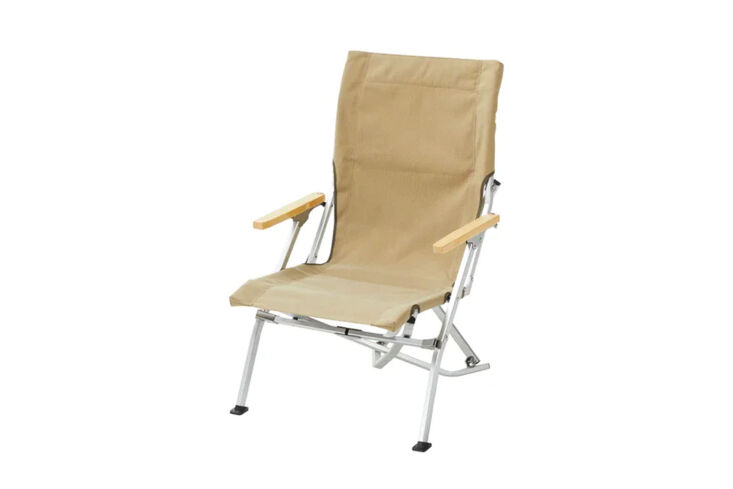
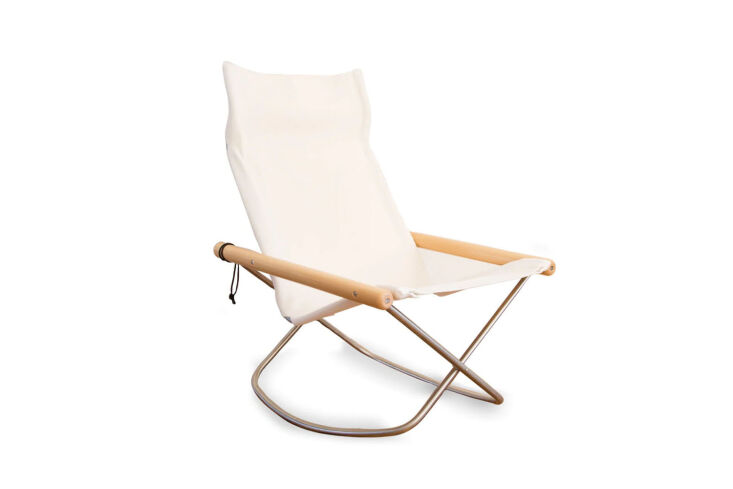
Similarly, Børge Mogensen’s Deck Chair (1971) showcased how a "utilitarian" object like a folding chair could be elevated through honest materials. This "Operacore" movement—where functional, heritage-inspired gear meets high-end aesthetic—is driving the current demand for natural textures. These pieces are not just furniture; they are investments. When you purchase a chair by a renowned house that uses FSC-certified wood and organic textiles, you aren't just buying a place to sit; you are acquiring a piece of design history that will likely be passed down to your children.
Biophilic Integration: Aesthetics That Breathe
Beyond the environmental metrics, there is the human element. Biophilic design—the practice of connecting occupants to nature through the use of natural materials, light, and plants—is more than just an aesthetic choice; it’s a wellness strategy.
Wood and canvas integrate seamlessly into biophilic spaces. The grain of the wood and the weave of the canvas provide visual and tactile variety that synthetic materials cannot match. Furthermore, choosing natural materials significantly improves indoor air quality. Many plastic furniture pieces and synthetic coatings release Volatile Organic Compounds (VOCs) into the air through a process called off-gassing, which has been linked to various respiratory issues and headaches. By opting for oil-treated wood and organic canvas, you create a living environment that is as healthy as it is beautiful.
Conclusion: Making the Sustainable Investment
As we navigate an era of climate uncertainty, our consumption habits must shift from quantity to quality. The "Designer's Choice" of wood and canvas is more than a stylistic preference; it is a commitment to a circular economy.
While the initial investment in a high-quality wood and canvas chair may be three to four times that of a plastic alternative, the long-term cost-effectiveness is undeniable. If you replace a $50 plastic chair every three years, you will spend $500 over 30 years and create a mountain of waste. If you spend $400 on a designer wood and canvas chair once, you save money, enjoy a superior product, and leave a lighter footprint on the earth.
True luxury is found in items that grow more beautiful with age, that can be repaired if broken, and that connect us to the natural world. This season, choose the materials that breathe, that last, and that tell a better story for our future.
FAQ
How do I maintain wood and canvas furniture to ensure it lasts 50 years? For the wood, a light sanding and a fresh coat of natural linseed or teak oil once a year is usually sufficient. For the canvas, avoid leaving it out in prolonged heavy rain; if it gets wet, ensure it dries completely to prevent mildew. Most canvas seats can be spot-cleaned with mild soap and water.
Is it safe to use wood and canvas chairs in coastal environments? Yes, but material choice is key. Teak is the gold standard for coastal areas due to its high oil content, which resists salt air and moisture. Ensure all metal hardware (hinges and screws) is made of stainless steel or brass to prevent corrosion.
Can bamboo chairs really hold as much weight as plastic? In many cases, they can hold more. Bamboo has a higher compressive strength than wood, brick, or concrete and a tensile strength that rivals steel. A well-constructed bamboo folding chair is incredibly robust while remaining much lighter than solid oak or teak.