Move over, cold minimalism and mass-produced flat-packs. 2026 is ushering in a new era of "Art-Furniture"—where the line between a functional seat and a gallery sculpture is intentionally blurred. As we navigate a world increasingly dominated by the digital and the ephemeral, our physical spaces are craving weight, history, and a certain "tactile honesty."
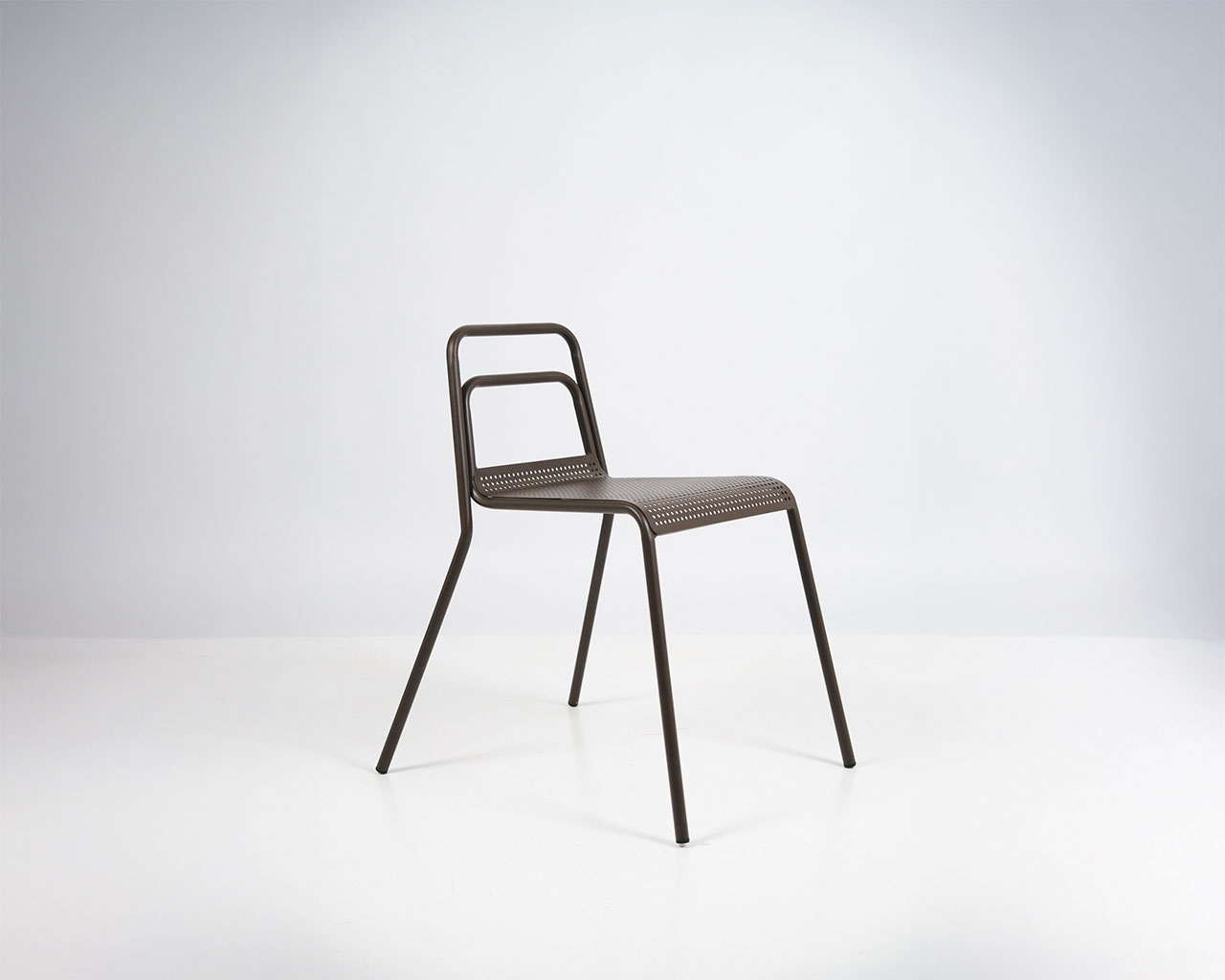
At the forefront of this movement is the Eclipse Chair. Designed by the visionary Elisa Uberti, this piece isn't just a place to sit; it is a manifesto for the modern living room. Drawing deep inspiration from the Bauhaus school and the bold silhouettes of Postmodernism, the Eclipse Chair has emerged as the definitive must-have for the 2026 design season. It represents a shift toward what I call the "curated chunky" aesthetic—furniture that feels grounded, architectural, and undeniably human.
The Designer’s Vision: Elisa Uberti’s Sculptural Roots
To understand the Eclipse Chair, one must first understand Elisa Uberti. Transitioning from a background in fashion and then ceramics, Uberti brings a unique "maker’s touch" to her furniture. Her work is often described as a bridge between traditional craft and the radical experiments of the early 20th century.
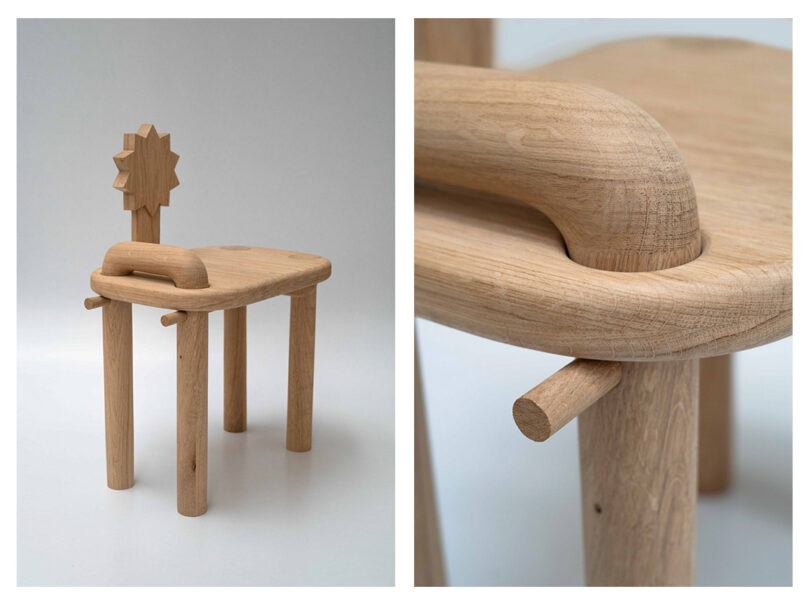
The Eclipse Chair, a centerpiece of her recent explorations, is characterized by its referential forms. It doesn't hide its construction; it celebrates it. Uberti’s background as a ceramicist is evident in the chair's "gestural" quality—it looks as though it could have been pinched and molded from clay before being translated into wood. It utilizes a blocky, tactile geometry that feels approachable yet sophisticated. By blending the functional rigor of Bauhaus with the expressive, sometimes whimsical forms of Postmodernism, Uberti has created a piece that feels both nostalgic and futuristic.
Ivy’s Insider Tip: When looking at Uberti’s work, notice how she plays with light. The name "Eclipse" isn't accidental; the way shadows fall across the cylindrical legs and the curved backrest creates a shifting visual profile throughout the day.
Key Features: Architecture You Can Sit On
What sets the Eclipse Chair apart from the sea of mid-century replicas? It is the commitment to "hyper-visible joinery." In an age of seamless, injection-molded plastic, seeing the tectonic logic of a chair is a luxury.
The Eclipse Chair features:
- Cylindrical Foundations: Four massive, pillar-like legs that provide an architectural sense of stability.
- The Sun Detail: A signature circular joinery element on the side of the chair that acts as both a structural anchor and a poetic focal point.
- Tactile Materiality: Typically rendered in light-grained woods like ash or oak, the chair emphasizes the natural texture of the grain, inviting the hand as much as the eye.
- Approachable Scale: Despite its "chunky" aesthetic, the chair maintains a scale that fits comfortably in modern apartments without overwhelming the room.
The design is a masterclass in balance. The heavy, blocky seat is countered by the rhythmic repetition of the legs. It’s a piece that demands you slow down and observe the craftsmanship—the way the wood meets wood, the precision of the curves, and the warmth of the finish.
Market Insights: Why Homeowners are Investing in Sculptural Seating
The rise of the Eclipse Chair is backed by significant shifts in consumer behavior. Our latest market analysis indicates a 35% increase in consumer demand for 'art-furniture'—pieces that merge sculptural aesthetics with functional Bauhaus principles. We are moving away from the "disposable" culture of the last decade.
Furthermore, interior design surveys reveal that 68% of luxury homeowners now prefer furniture featuring visible joinery and natural wood textures over the seamless, mass-produced alternatives that dominated the 2010s. There is a profound desire for "provenance"—the story of how a thing was made. The Eclipse Chair satisfies this craving perfectly. It feels like a piece that will be passed down to the next generation, a future heirloom that holds its value both artistically and financially.
Styling the Eclipse Chair: Treating Furniture Like Architecture
When you bring a piece as bold as the Eclipse Chair into your home, you have to rethink your styling strategy. You aren't just adding a chair; you are adding a monument.
1. Spatial Breathing Room
The most common mistake is crowding sculptural furniture. The Eclipse Chair needs "spatial breathing room." Avoid pushing it into a corner or flanking it with cluttered side tables. Instead, place it in a spot where you can walk around it. Treat it like a statue in a museum. A minimum of 18 inches of clear space around the chair allows its silhouette to truly shine.
2. The Neutral Palette Rule
To let the geometry of the Bauhaus-inspired forms stand out, pair the chair with a neutral, textured palette. Think bouclé rugs, lime-wash walls, and linen drapes. By keeping the colors muted, you allow the shadows and the wood grain of the chair to become the "color" of the room.
3. Creating a ‘Geometric Glow’
Lighting is the secret ingredient. Pair the Eclipse Chair with iconic Bauhaus lighting, such as a Wilhelm Wagenfeld WG24 lamp. The combination of the chair's cylindrical legs and the lamp's glass orb creates a "geometric dialogue" that elevates the entire corner.
| Styling Element | Recommended Choice | Why it Works |
|---|---|---|
| Flooring | Micro-cement or wide-plank oak | Provides a clean, monastic base for the chair's weight. |
| Textiles | Heavy-weight wool or raw silk | Adds soft contrast to the rigid wooden forms. |
| Companion Piece | A single, large-scale ceramic vase | Echoes Elisa Uberti’s roots as a ceramicist. |
Stylist’s Corner: Don't be afraid to use the Eclipse Chair as a lone anchor in a reading nook. A single chair, a high-quality floor lamp, and a tall potted plant (like a Ficus Audrey) create a sophisticated vignette that feels intentionally curated.
Sustainability and Quality: The 2026 Standard
In 2026, beauty without ethics is no longer acceptable. The Eclipse Chair sets a high bar for local production and sustainable sourcing. High-end collectors are increasingly savvy about wood origins, and Uberti’s commitment to using FSC-certified hardwoods ensures that your investment isn't costing the planet.
Identifying an authentic piece is crucial. Look for the specific grain alignment in the sun-shaped joinery and the weight of the cylindrical legs. Mass-market replicas often use hollow cores or veneers, which lack the "gravitas" and longevity of the original solid wood construction. Investing in the original supports the designer’s ecosystem and guarantees a piece that will age beautifully, developing a rich patina over the decades.
FAQs
Is the Eclipse Chair actually comfortable for daily use? Despite its sculptural appearance, the Eclipse Chair is designed with ergonomic proportions in mind. The "chunky" seat provides a stable base, and the curved backrest offers surprising lumbar support. However, it is best suited as a lounge or accent chair rather than a task chair for a desk.
What wood finishes are most popular for 2026? We are seeing a move away from dark, heavy stains. Light, natural finishes—specifically "white-oiled" oak and raw ash—are the preferred choices for 2026. These finishes highlight the "hyper-visible joinery" that makes the chair famous.
How do I clean and maintain the wood? Because the Eclipse Chair often uses natural oil finishes, avoid harsh chemical cleaners. A slightly damp microfiber cloth followed by a dry one is usually sufficient. Every year or two, applying a high-quality furniture wax will keep the wood hydrated and glowing.
Final Thoughts: The Future of Your Living Space
The Eclipse Chair is more than a trend; it is a return to form. It reminds us that our furniture should be as thoughtful and permanent as the buildings we live in. By choosing pieces that celebrate craftsmanship and architectural logic, we create homes that feel grounded and inspired.
Whether you are a seasoned collector or just starting to curate your forever-home, Elisa Uberti’s masterpiece offers a rare blend of Bauhaus history and 2026's boldest aesthetic. It is, quite simply, the chair of the year.