For years, the areas surrounding major European transit hubs have suffered from a peculiar kind of urban anonymity—vast, concrete "non-places" where people pass through but never linger. Breda, a city in the southern Netherlands with a rich historical tapestry, faced exactly this challenge near its Central Station. The site was a neglected strip of land, a void between the railway tracks and the city center. Today, that void has been replaced by 5TRACKS, a sustainable mixed-use district that serves as a masterclass in urban adaptive reuse.
By integrating housing, high-end office spaces, and a hotel into a cohesive architectural ecosystem, 5TRACKS has revitalized the station area into a vibrant urban heart. This project isn’t just about filling space; it’s a blueprint for the future of Dutch urbanism, achieving rigorous sustainability standards like "Paris Proof" energy levels and WELL Platinum certification. As an editor focused on the intersection of environmental impact and long-term value, I see 5TRACKS as more than a development—it is a proof of concept for how we can live more densely, more sustainably, and more socially.
The Architectural Blueprint: Platforms A, B, and C
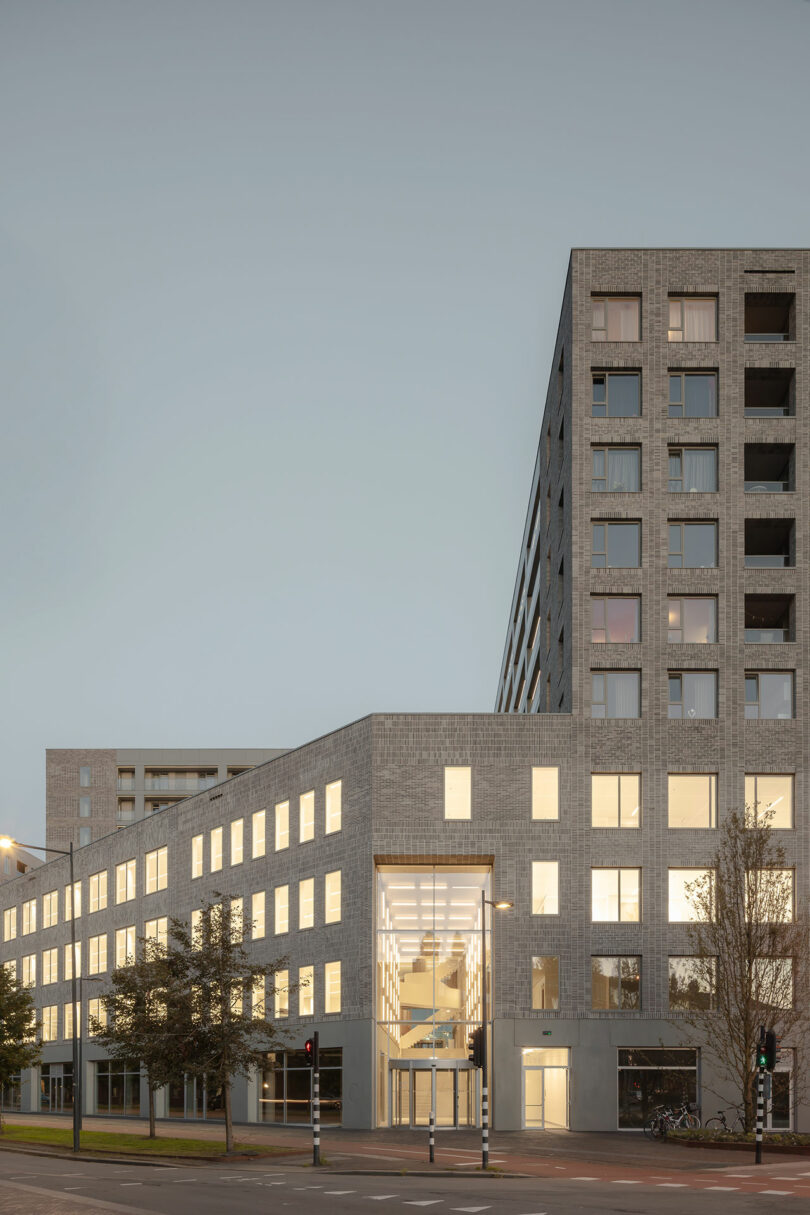
The spatial logic of 5TRACKS is deeply rooted in its railway context. Designed through a collaboration between Shift architecture urbanism and Powerhouse Company, the development is organized into three distinct triangular volumes, fittingly named Platforms A, B, and C. This nomenclature is a nod to the adjacent train platforms, but the design itself is anything but industrial.
The project features a unique "sandwich" typology. At the ground level, active "plinths" house commercial spaces, lobbies, and social hubs. Above these, the development integrates 168 modern apartments, ranging from compact studios to expansive penthouses. By stacking these functions, the architects have maximized the utility of a narrow, 400-meter-long site.
| Feature | Specification |
|---|---|
| Total Apartments | 168 Modern Units |
| Office Space | ~15,000 m² (divided across three platforms) |
| Hotel Capacity | 174 Rooms (integrated into Platform C) |
| Parking | Shared underground facility with EV charging |
The transition between the commercial and residential levels is marked by shared green courtyards. These elevated gardens provide a buffer between the buzz of the city and the privacy of home. From a resident’s perspective, the design offers the best of both worlds: the convenience of being seconds away from a high-speed rail link and the tranquility of a secluded, plant-filled sanctuary.

Sustainability as the Design Core: Beyond the Certification
In my years evaluating "green" buildings, I’ve found that many developments treat sustainability as a late-stage add-on. 5TRACKS, however, treats it as its DNA. The project was designed to be "Paris Proof," a Dutch standard that aligns building energy consumption with the goals of the Paris Climate Agreement—not by 2050, but right now.
The technical specifications are impressive, but their real-world impact on operating costs and resident well-being is what truly stands out:
- Energy Resilience: The buildings are entirely gas-free, relying instead on a sophisticated geothermal storage system (ATES) combined with high-efficiency heat pumps.
- Solar Power: Rooftop surfaces that aren't dedicated to gardens are covered in solar arrays, offsetting a significant portion of the district's communal energy needs.
- The WELL Platinum Standard: 5TRACKS is one of the few mixed-use developments in the region to target WELL Platinum certification. This focuses on human health—air quality, natural lighting, thermal comfort, and acoustic performance—ensuring that the "inner environment" is as healthy as the outer one.
One of the most innovative features is the retention roof. In an era of increasingly volatile weather, urban water management is critical. The 5TRACKS roof system is designed to capture more than 100,000 gallons of rainwater. Rather than overwhelming the city’s drainage system, this water is stored and reused to irrigate the biodiversity-focused gardens, creating a self-sustaining cycle that cools the building and supports local flora and fauna.
The 'Urban Living Room': Fostering Social Connection
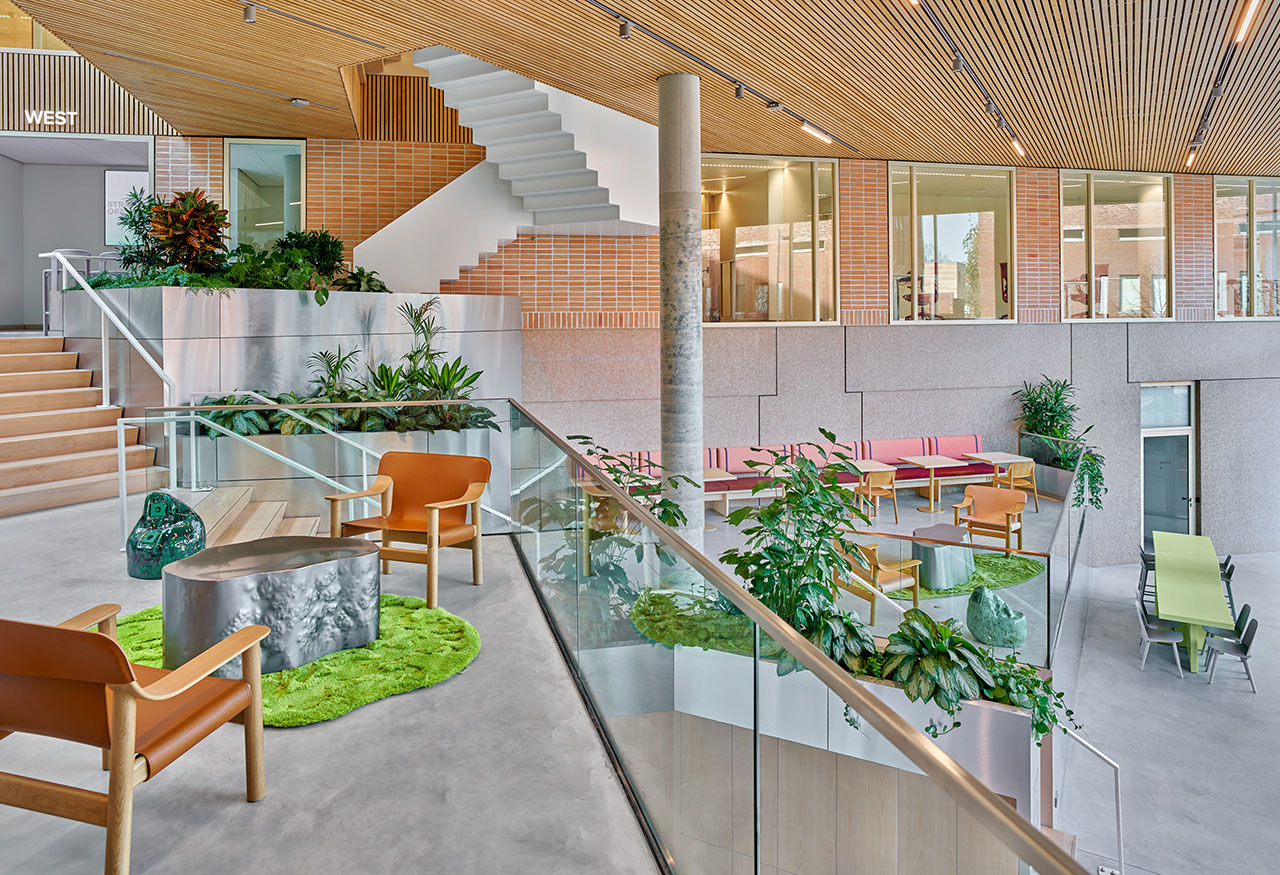
Urban density often risks social isolation—the "lonely in a crowd" phenomenon. To counter this, the designers of 5TRACKS introduced the concept of the 'Urban Living Room.' These are not just lobbies; they are expansive, multi-level atriums and shared courtyards designed to facilitate "planned spontaneity."
By positioning the office entrances, cafe spill-outs, and residential access points around these central hubs, the project ensures that the 'passerby, entrepreneur, and resident' naturally intersect. This social "cross-pollination" is what turns a group of buildings into a community.

The landscape design, led by Buro Lubbers, plays a pivotal role here. The greenery isn't just ornamental; it’s a Nature-Based Solution (NBS) that mitigates the urban heat island effect. The garden "pulls" the vegetation down from the rooftops to the street level, creating a lush, permeable environment that invites people to sit, talk, and stay.
Lucas’s Pro Tip: When looking for a sustainable home or office, look past the solar panels. Ask about "social sustainability"—does the building have shared spaces that you actually want to spend time in? True sustainability includes the longevity of the community itself.
Interior Innovation: The Workscape Experience
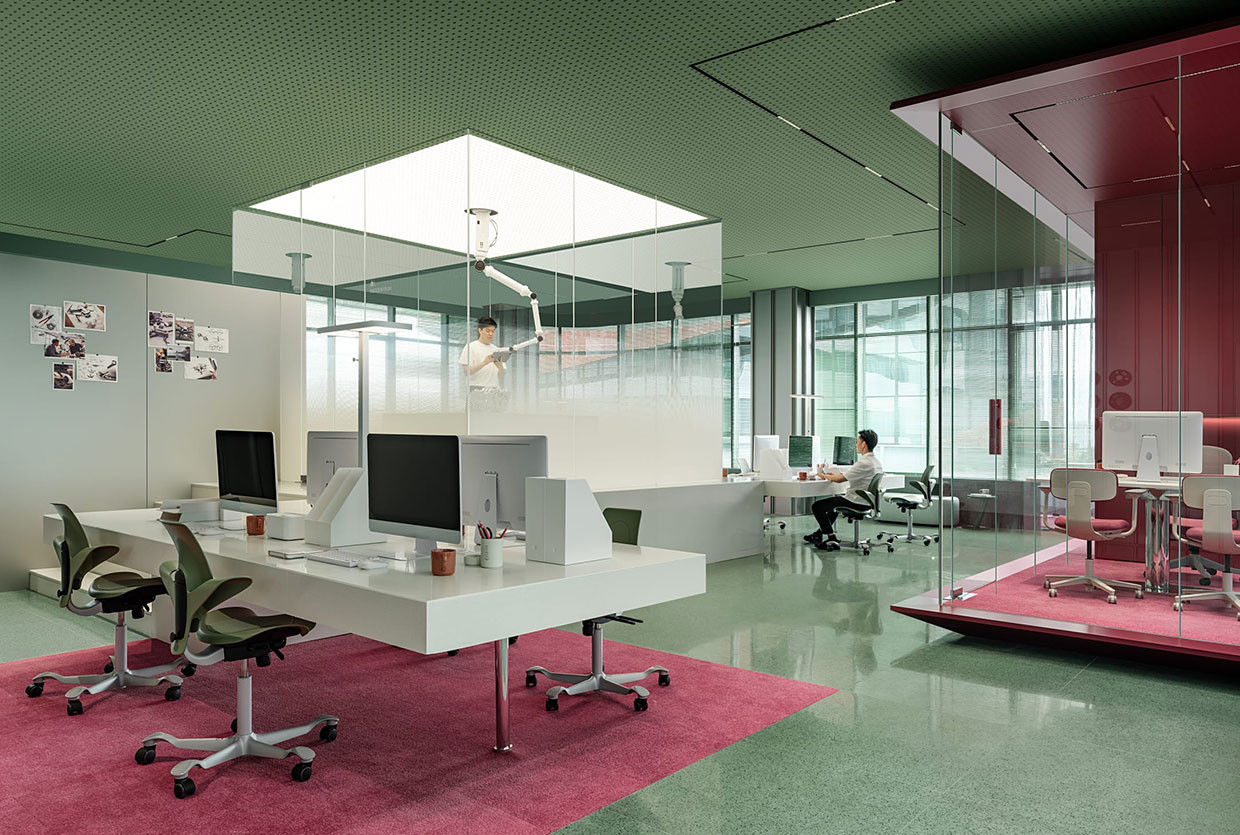
The commitment to well-being extends deep into the interior design. For the office and public spaces, the developers collaborated with Dutch Invertuals, a design collective known for its sensory-driven approach.
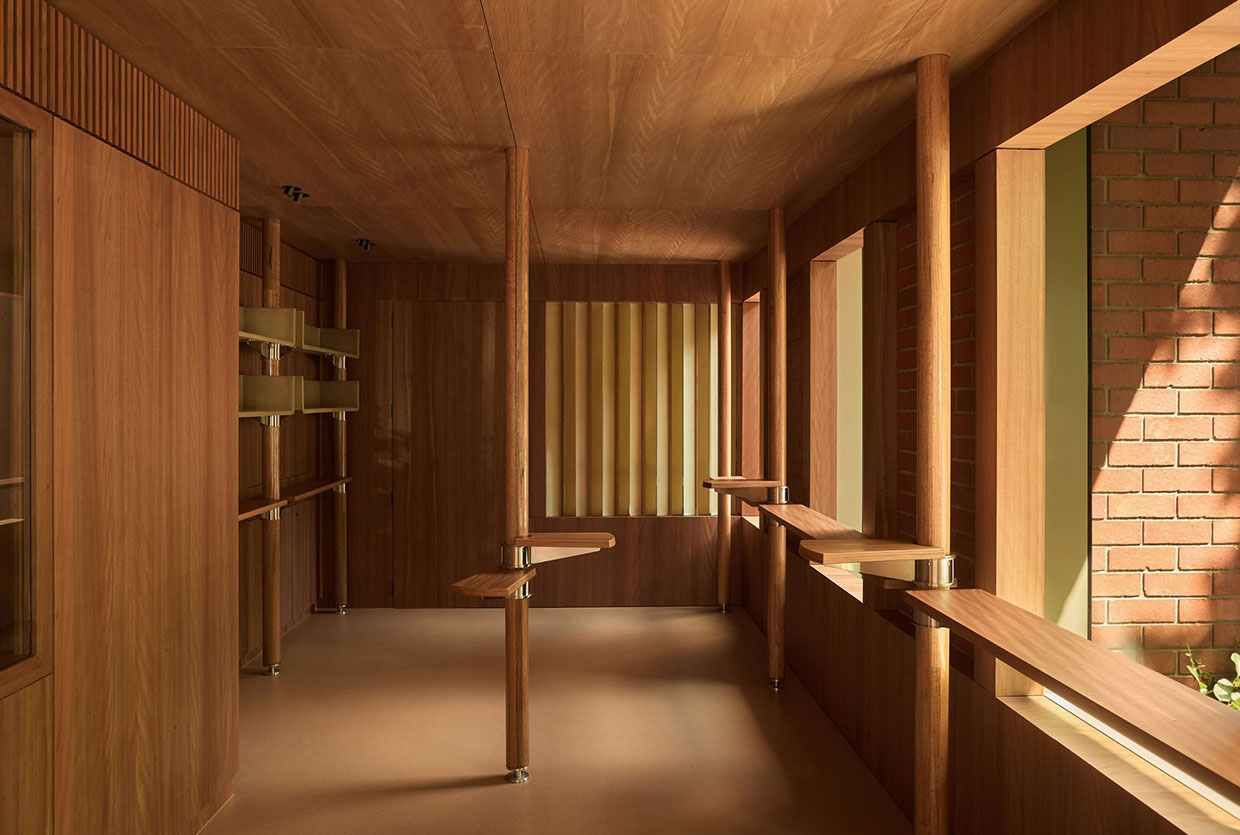
The goal was to move away from the sterile, "grey" office environment of the past. Instead, the interiors use a "Nature-Informed" palette. You’ll find carpets with meadow motifs that soften acoustics and provide a tactile connection to the outdoors, and curtains with cloud-print gradients that modulate natural light.
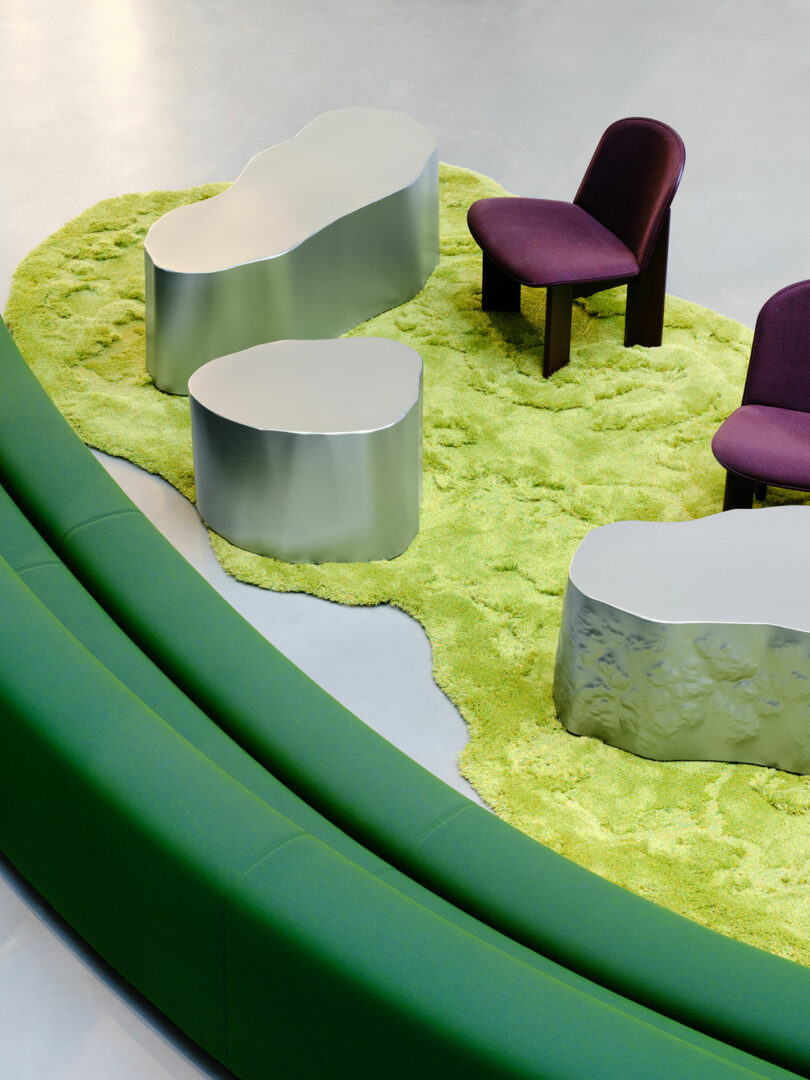
This sensory stimulation isn't just for aesthetics; research shows that biophilic design—incorporating nature into the workspace—can increase productivity by 15% and significantly reduce stress levels. Furthermore, the floor plates are designed with maximum flexibility. Walls can be shifted and layouts adapted as businesses grow or change, preventing the need for energy-intensive renovations in the future.
Conclusion: A New Standard for Dutch Urbanism
5TRACKS Breda is a testament to what can happen when city planners, architects, and environmentalists align on a singular vision. It successfully bridges the gap between the macro-scale of the city skyline and the micro-scale of a resident’s morning coffee on a green terrace.
By transforming a neglected transit void into a high-density, low-impact hub, Breda has elevated its international standing. More importantly, it has provided a tangible example of how urban adaptive reuse can be the primary engine for sustainable growth. As we look to solve the global housing crisis while staying within our planetary boundaries, projects like 5TRACKS aren't just an option—they are the necessity.
FAQ
What makes 5TRACKS "Paris Proof"?
A "Paris Proof" building meets the energy consumption targets required to limit global warming to 1.5°C, as outlined in the Paris Agreement. For 5TRACKS, this means an extremely low energy use intensity (kWh/m²), achieved through superior insulation, gas-free heating (geothermal), and on-site renewable energy production.
How does the rainwater management system work at 5TRACKS?
The development features a "retention roof" that acts like a sponge. During heavy rainfall, it captures and stores over 100,000 gallons of water. This water is then slowly released to nourish the site's extensive greenery or used for non-potable building needs, reducing the strain on the city’s sewers and preventing local flooding.
What is the significance of WELL Platinum certification?
While LEED or BREEAM certifications focus on the building's environmental impact, WELL focuses on the people inside. Platinum is the highest tier, requiring rigorous testing of air and water quality, light levels, fitness accessibility, and mental health-focused design elements.
Is 5TRACKS open to the public?
Yes. While the apartments are private, the "urban living rooms," ground-floor commercial spaces, and the hotel are designed to be permeable parts of the city, inviting travelers and Breda residents to use the facilities and enjoy the green spaces.