We’ve all been there: that heart-stopping second when a glass of red wine tilts toward the cream-colored rug, or the moment your golden retriever bounds into the living room with mud-caked paws after a rainy walk. In the world of interior design, we often talk about "high-traffic areas" as if they are abstract concepts, but in reality, they are the hallways where your kids race, the entryways where groceries are dropped, and the mudrooms that see the best and worst of every season.
As a designer, I’m frequently asked how to balance a "Pinterest-perfect" aesthetic with the gritty reality of a busy household. My answer is almost always the same: look to the fiber. While heirloom wool has its place and synthetics offer low entry prices, 100% cotton rugs have emerged as the unsung heroes of the modern, high-traffic home. They represent the perfect marriage of durability, hygiene, and that coveted organic texture that makes a house feel like a home.
Direct Answer: Why are 100% cotton rugs good for high-traffic areas? Cotton rugs are ideal because they are naturally durable, flat-woven to prevent tripping, and most importantly, machine-washable. This makes them incredibly easy to clean after frequent spills, pet accidents, or heavy foot traffic, ensuring your space remains both stylish and sanitary.
The Cotton Solution: Why Natural Fibers Win
When you walk into a big-box store, you’re often met with a sea of polypropylene and polyester. At first glance, they look fine, but the "vibe" often clashes with the "reality." Synthetic rugs frequently have a "plastic-like" sheen and a stiff, chemical-laden backing that can scratch hardwood floors.
100% cotton, on the other hand, offers an organic, matte finish that synthetic fibers simply cannot replicate. It feels soft underfoot—not "squishy" in a synthetic way, but firm and breathable. From a health perspective, cotton is a game-changer. Most high-traffic cotton rugs are flat-woven, meaning they typically feature a pile height of less than 0.25 inches. This isn't just a design choice; statistics show that this lower profile can reduce the accumulation of trapped dust, pet dander, and allergens by up to 40% compared to high-pile synthetic alternatives.
Furthermore, cotton is a sustainable choice. Unlike petroleum-based synthetics that will sit in a landfill for centuries, cotton is a biodegradable natural fiber. For the eco-conscious homeowner, choosing cotton means your home’s high-traffic solution doesn't come at the cost of the planet’s health.
Cotton vs. The Competition: A Smart Financial Strategy
In my years as an editor, I’ve seen many homeowners fall into the trap of buying an expensive heirloom wool rug for their living room, only to live in constant fear of a "smoothie spill" disaster. Wool is beautiful, but it is an investment—one that often requires professional steam cleaning that can cost hundreds of dollars per session.
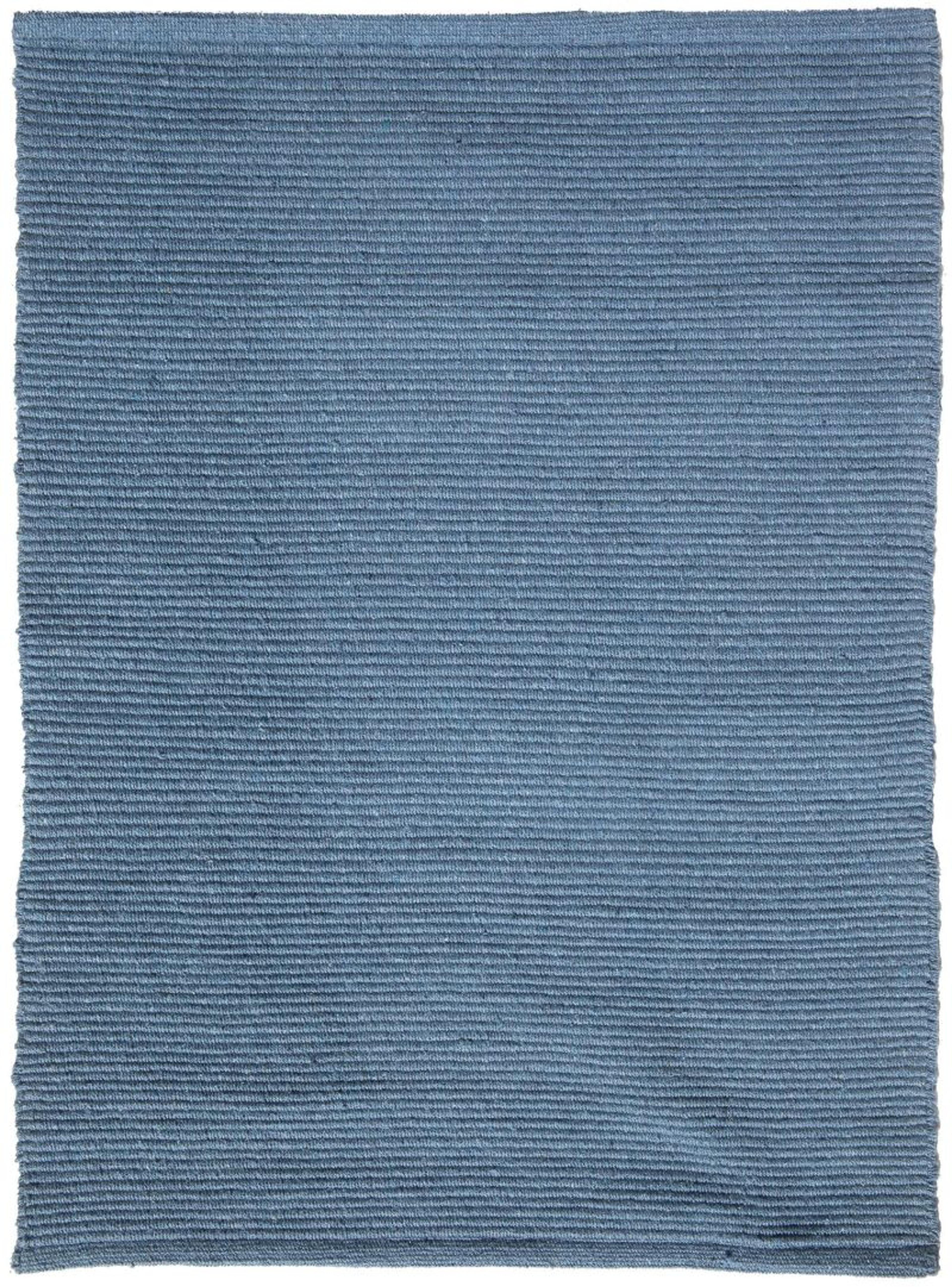
Cotton rugs provide what I like to call "Champagne taste on a beer budget." They offer a similar natural fiber aesthetic to wool but provide an average cost saving of 60-80%. This allows you to decorate for the "season of life" you are currently in. If you have toddlers or puppies, you can invest in a high-quality cotton piece knowing that if the absolute worst happens, you haven’t lost a four-figure heirloom.
| Feature | 100% Cotton Rugs | Wool Rugs | Synthetic (Polypropylene) |
|---|---|---|---|
| Cleaning | Machine Washable | Professional Only | Spot Clean/Hose Off |
| Texture | Soft, Organic, Matte | Luxurious, Soft | Plastic-like, Shiny |
| Durability | High (Flat-weave) | Very High | Medium (Fibers break down) |
| Cost | $ - $$ | $$$$ | $ |
| Eco-Friendly | Yes (Natural) | Yes (Natural) | No (Petroleum-based) |
Direct Answer: How does cotton compare to synthetic washable rugs? Unlike synthetic rugs that can feel 'plastic-like' and suffer from curling corners due to stiff backings, 100% cotton rugs offer an organic texture, age gracefully, and provide a soft feel underfoot at a similar or lower price point. Because they are natural fibers, they also breathe better and don't trap odors like oil-based synthetics.
Why Washability is the Ultimate Game Changer
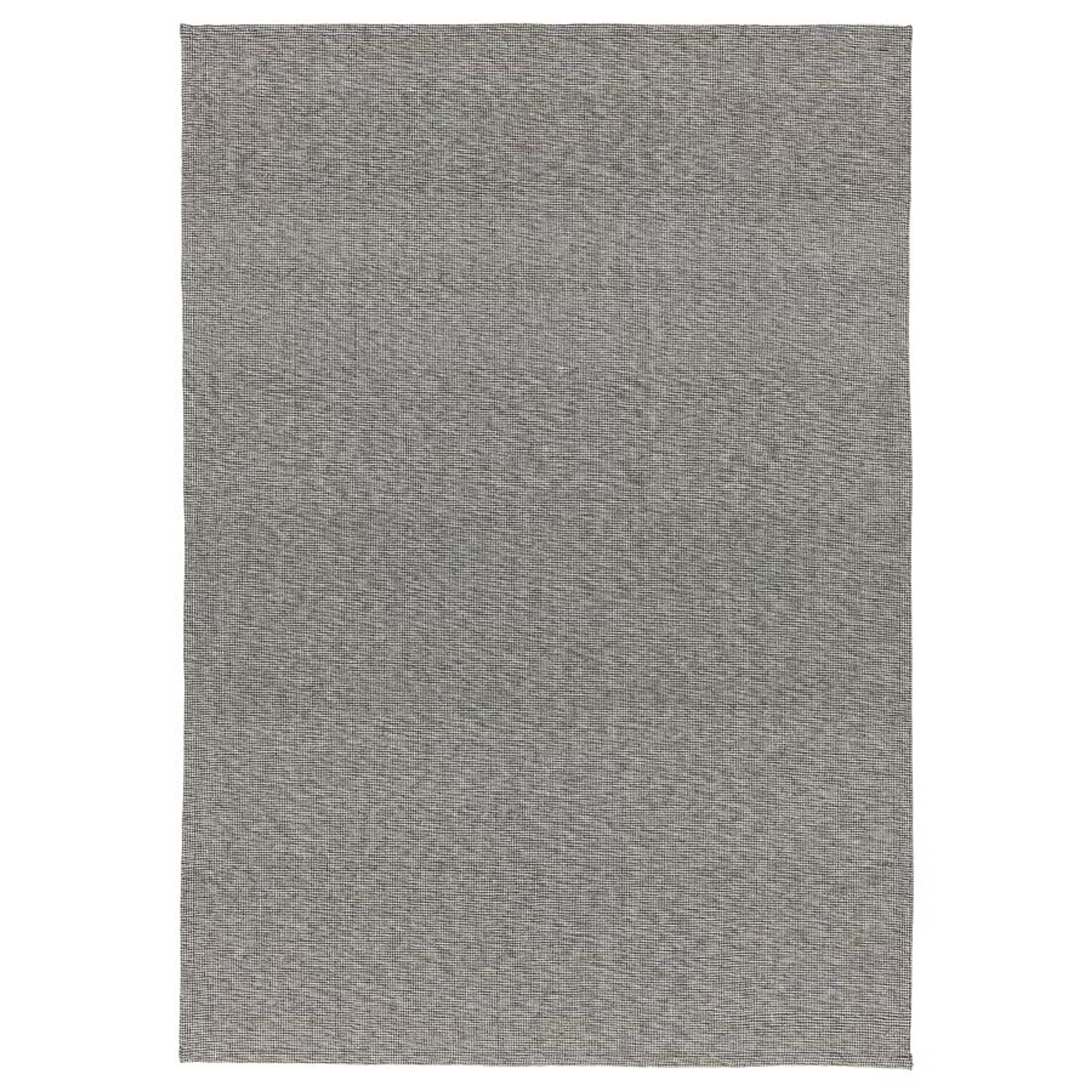
The word "washable" is often thrown around in marketing, but with 100% cotton, it’s a built-in feature of the fiber itself. Cotton is one of the few materials that actually gets stronger when wet, which is why it handles the washing machine like a champ.
For real-world living, this is the ultimate peace of mind. When your rug lives in a mudroom or under a kitchen table, it isn't a matter of if it will get dirty, but when. The ability to fold up an 8x10 rug and toss it into a standard home washing machine saves not only money on professional cleaning but also the time and stress of manual scrubbing.
Moreover, cotton rugs don't have the heavy, glued-on rubber backings found on many "washable" synthetic brands. Those backings often degrade in the dryer, leading to the dreaded "curled corner" syndrome. A 100% cotton rug stays supple, wash after wash, aging gracefully much like your favorite pair of denim jeans.
Expert Selection Tips for High-Traffic Cotton Rugs
Not all cotton rugs are created equal. When selecting one for a high-traffic area, keep these professional styling tips in mind:
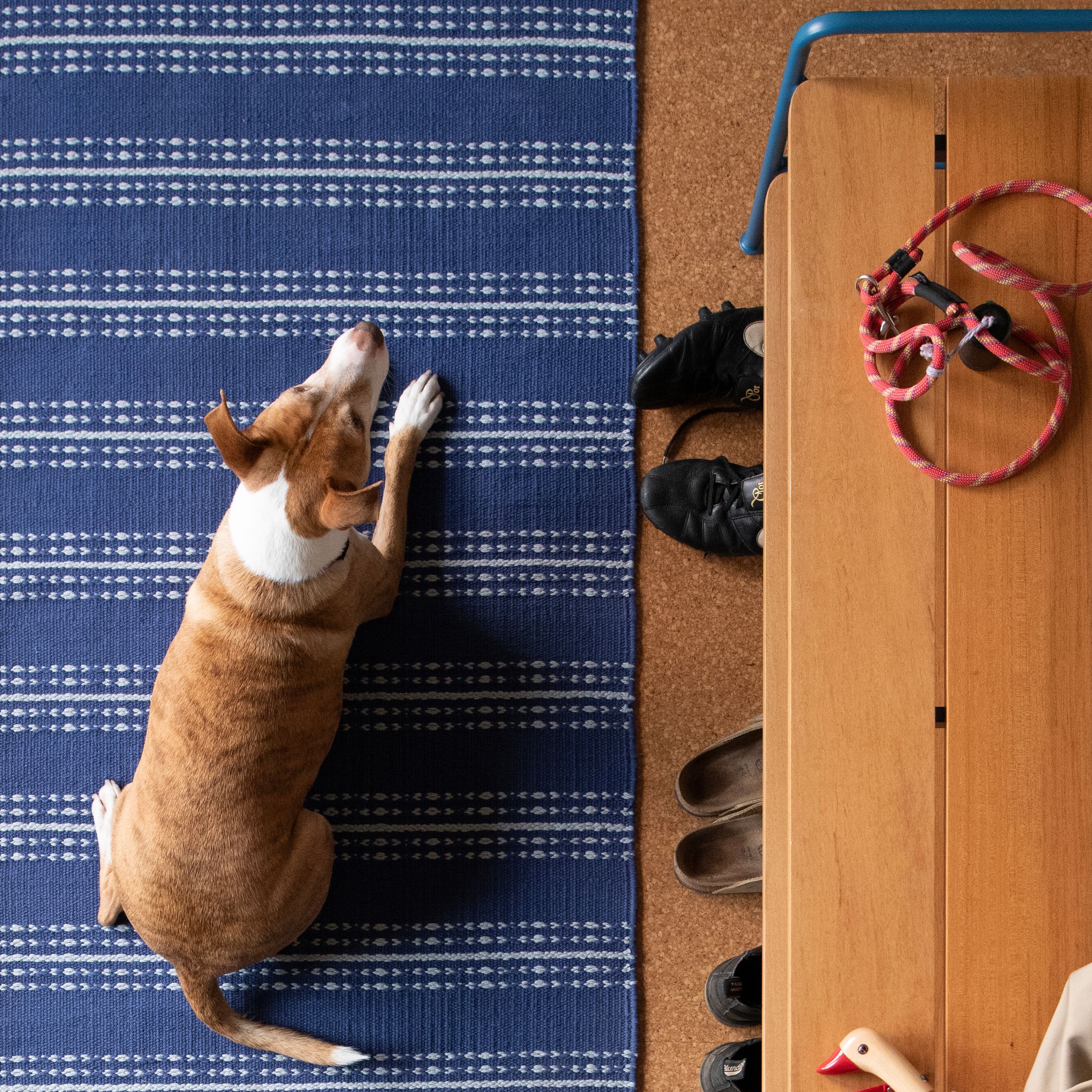
- Choose the Right Weave: For areas with pets, I always recommend a tight flat-weave. Looped cotton rugs (like some bath mats) can snag on cat or dog claws. A flat-weave is virtually snag-proof and allows doors to glide over it easily due to the low clearance.
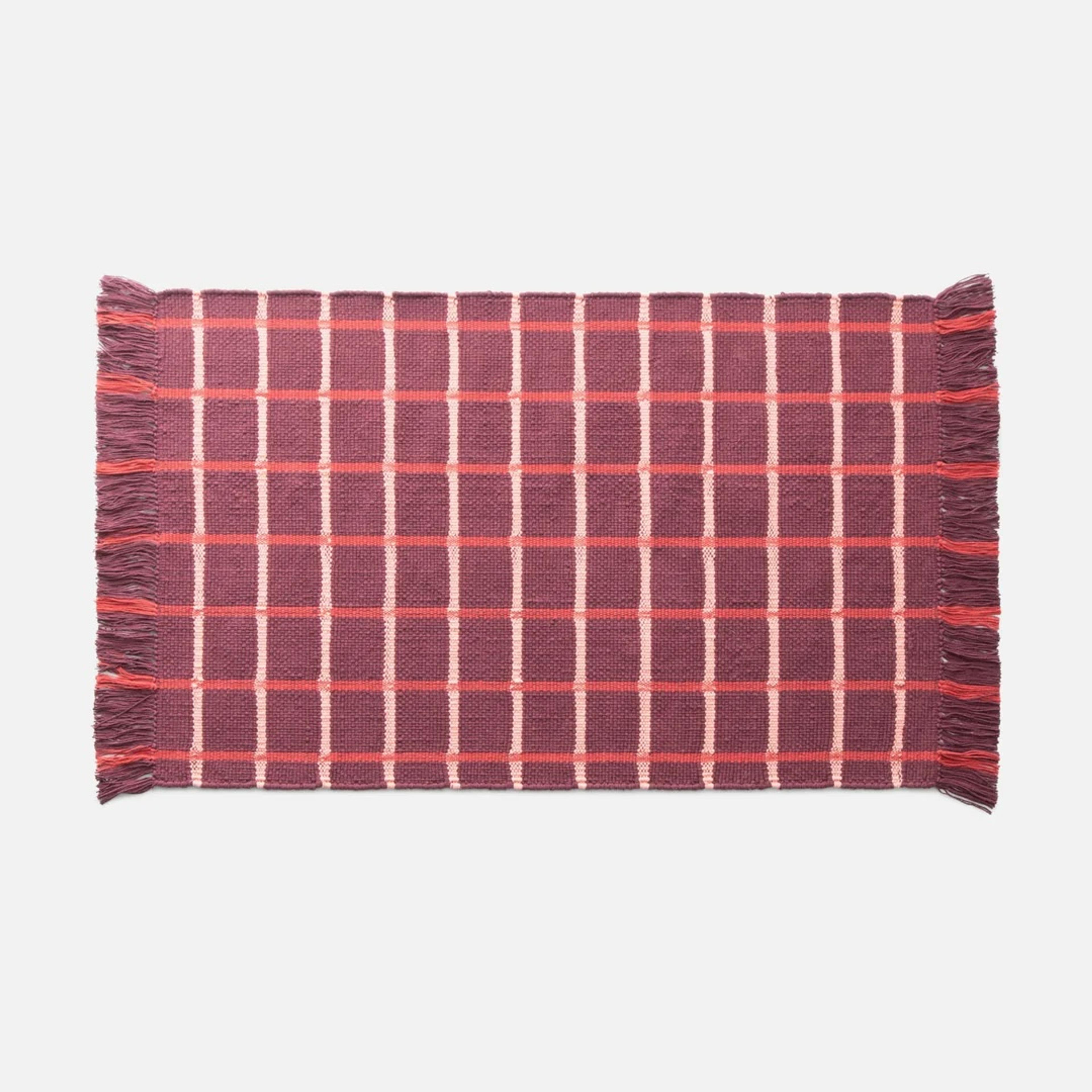
- The Psychology of Pattern: While a solid white cotton rug is technically washable, you'll be washing it every three days. For high-traffic zones, lean into busy motifs—geometric grids, distressed Persians, or dark-toned stripes. These patterns act as "visual camouflage" for the minor debris that accumulates between washes.
- The Necessity of a Rug Pad: Because cotton rugs are lightweight and don't have heavy rubber backings, they can slide on hardwood or tile. A high-quality, non-slip rug pad is non-negotiable. It provides the necessary cushioning to make a flat-weave feel plush and ensures the rug stays safely in place.
Maintenance Guide: Keeping Your Cotton Rug Like New
To ensure your cotton rug lasts through years of heavy use, you need a maintenance routine that respects the natural fibers.
Direct Answer: What are the best maintenance tips for high-traffic cotton rugs? To maximize longevity, choose a dark color or busy pattern to hide stains, and always use a high-quality rug pad for cushioning. When cleaning, wash in cold water with a mild detergent and use a low-heat drying cycle (or air dry) to protect the natural fibers from shrinking or becoming brittle.
Washing Instructions
- Temperature: Always use cold water. High heat can cause natural cotton fibers to shrink slightly, which might distort the shape of the rug.
- Detergent: Use a gentle, liquid detergent. Avoid bleach, which can weaken the fibers and fade the dyes.
- Drying: While many cotton rugs can handle a low-heat dryer setting, I often recommend "tumble dry low" for 20 minutes to remove wrinkles, followed by air drying over a railing. This prevents the edges from losing their crispness.
Spot Treating
Between full washes, spot treat spills immediately with a mixture of water and a drop of dish soap. Blot, don't scrub! Scrubbing can fray the flat-weave fibers, creating a "fuzzy" patch that catches more dirt over time.
When to Visit the Laundromat
If you have a large 9x12 cotton rug, your home machine might struggle with the weight when wet. In these cases, a quick trip to the laundromat to use an industrial-sized front-loader is a small price to pay for a rug that looks brand new again.
Conclusion: Decorating for the Season of Life You’re In
At the end of the day, your home should be a sanctuary, not a museum. You shouldn't have to choose between a beautiful interior and the freedom to let your kids play or your pets roam. 100% cotton rugs offer a rare middle ground: they provide the sophisticated, natural look of high-end materials with the "toss-it-in-the-wash" practicality that real life demands.
By choosing cotton, you aren't just buying a floor covering; you're buying peace of mind. You're choosing a material that ages gracefully, stays hygienic, and respects your budget. So go ahead—host that dinner party, get the puppy, and let the kids be kids. Your rug can handle it.
FAQ
Can 100% cotton rugs go in the dryer? Yes, but with caution. Most can be tumble-dried on a low-heat setting. However, to prevent any potential shrinkage and to preserve the vibrancy of the dyes, air-drying or a combination of low-heat and air-drying is the safest bet.
Are cotton rugs durable enough for a front entryway? Absolutely. Because they are often flat-woven, they don't "crush" or mat down under heavy foot traffic like synthetic pile rugs do. Just ensure you use a sturdy rug pad to prevent slipping and to add a layer of protection between the rug and the floor.
Do cotton rugs fade in the sun? Like all natural fibers, prolonged exposure to direct, harsh sunlight can cause fading over several years. If your rug is in a very sunny spot, consider rotating it every six months to ensure any fading happens evenly.