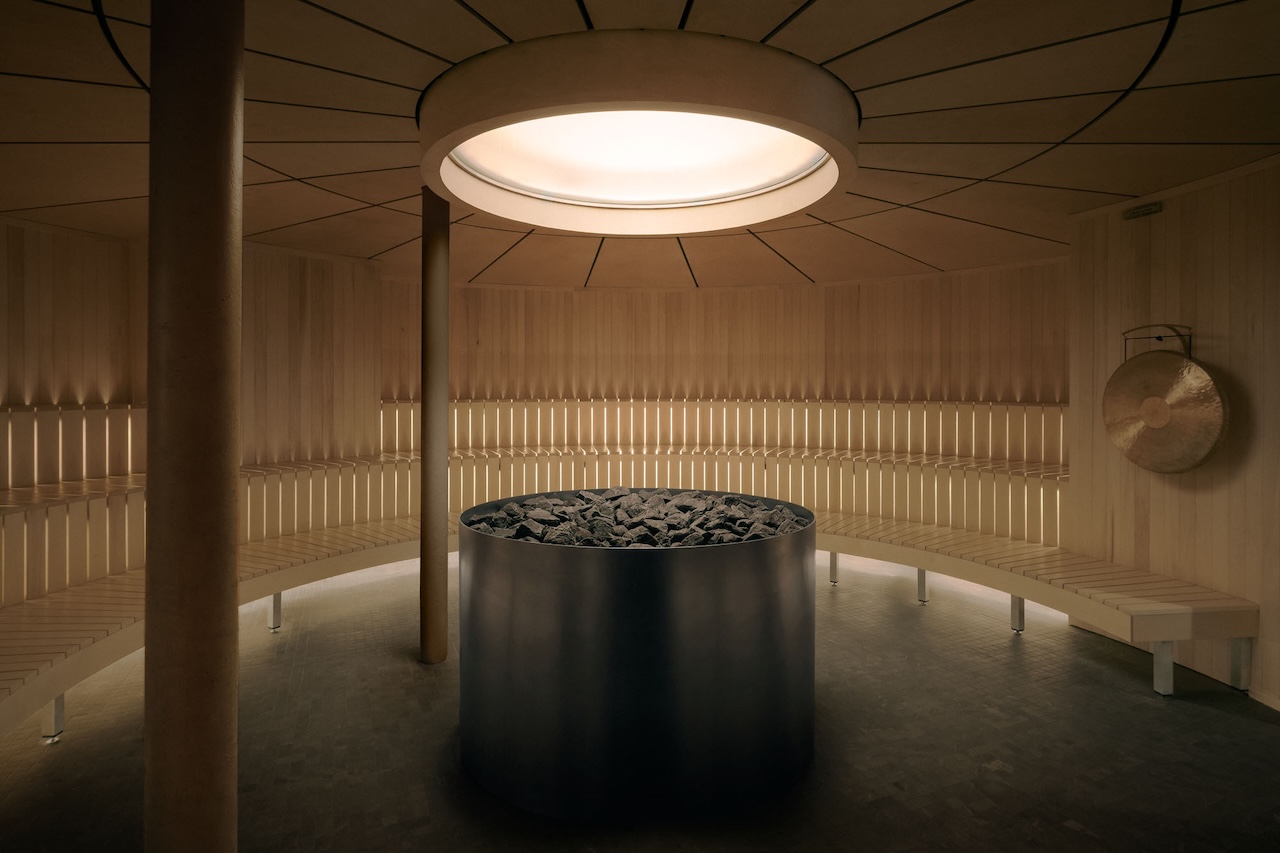
Imagine walking into a minimalist, sun-drenched living room. It features soaring concrete ceilings, expansive glass walls, and a curated selection of mid-century furniture. Visually, it is a masterpiece. But then, a conversation begins, or a coffee cup is placed on a marble island, and the illusion of serenity shatters. The sound bounces, multiplies, and lingers—a phenomenon known as reverberation. In modern design, we often prioritize what we see while neglecting what we hear, yet the acoustic quality of a space is what truly defines its "feeling."
Acoustic lighting is the interior design world’s response to this sensory imbalance. It is a dual-purpose solution that integrates high-quality illumination with sound-absorbing materials like felt, wool, or recycled plastic fiber to reduce echo and ambient noise. By utilizing porous, soft materials to trap sound waves, these fixtures minimize reverberation, making them particularly effective in rooms with hard surfaces. Whether you are looking to improve speech clarity in a dining room or reduce auditory fatigue in a home office, acoustic lighting bridges the gap between industrial utility and high-end decor.
The Science of Quiet: How Lighting Softens Sound
To understand why a lamp can change the acoustics of your home, we have to look at the physics of a room. Sound waves in open environments travel at approximately 1,100 feet per second. In a space filled with hard surfaces—concrete floors, tiled walls, and large windows—those waves strike a surface and bounce back almost instantly. This creates a "muddy" acoustic environment where background noise feels amplified.
Acoustic lighting acts as a disruptor. When sound waves hit the soft, porous surface of an acoustic fixture, the energy isn't reflected; it is absorbed and converted into a tiny amount of heat energy within the material. This is where the "rug analogy" comes in: just as you would add a plush area rug to soften the sound of footsteps on a hardwood floor, you add acoustic pendants to soften the "chatter" reflecting off a ceiling.
The effectiveness of these fixtures often comes down to the density and surface area of the materials used.
- Porous Fibers: Materials like micro-polyester and recycled PET felt are engineered with millions of tiny air pockets that trap sound.
- Strategic Volume: Large-scale acoustic pendants, often exceeding 40 inches in diameter, provide a significant surface area to capture mid-to-high frequency tones, which are the frequencies most associated with human speech.
Why Acoustic Lighting is Trending for 2025/2026
As we move into 2025 and 2026, the "open-plan" trend is undergoing a sophisticated evolution. We still love the light and flow of open spaces, but we are becoming increasingly aware of "noise pollution" within our own homes. The rise of the permanent home office and the "working-from-anywhere" lifestyle has made auditory wellness a top priority.
We are seeing a shift away from industrial-looking acoustic foam panels—which often feel like they belong in a recording studio—toward sculptural, high-design fixtures that serve as focal points. Today’s acoustic lighting doesn't just solve a problem; it makes a statement. Designers are experimenting with unexpected textures like lamb’s wool and Tyvek to create fixtures that feel organic and soft, providing a necessary counterpoint to the coldness of modern architecture.
Ivy’s Pro-Tip: When choosing a fixture for noise reduction, look for the NRC (Noise Reduction Coefficient) rating. A rating of 0.7 means the fixture absorbs 70% of the sound that hits it. For a standard dining area, a rating between 0.5 and 0.8 is the "sweet spot" for noticeable comfort.
Top Sound-Absorbing Fixtures for a Peaceful Interior
If you're ready to integrate these solutions into your home, the market now offers everything from minimalist domes to avant-garde sculptures. Here are the standouts currently defining the category.
Large-Scale Pendants
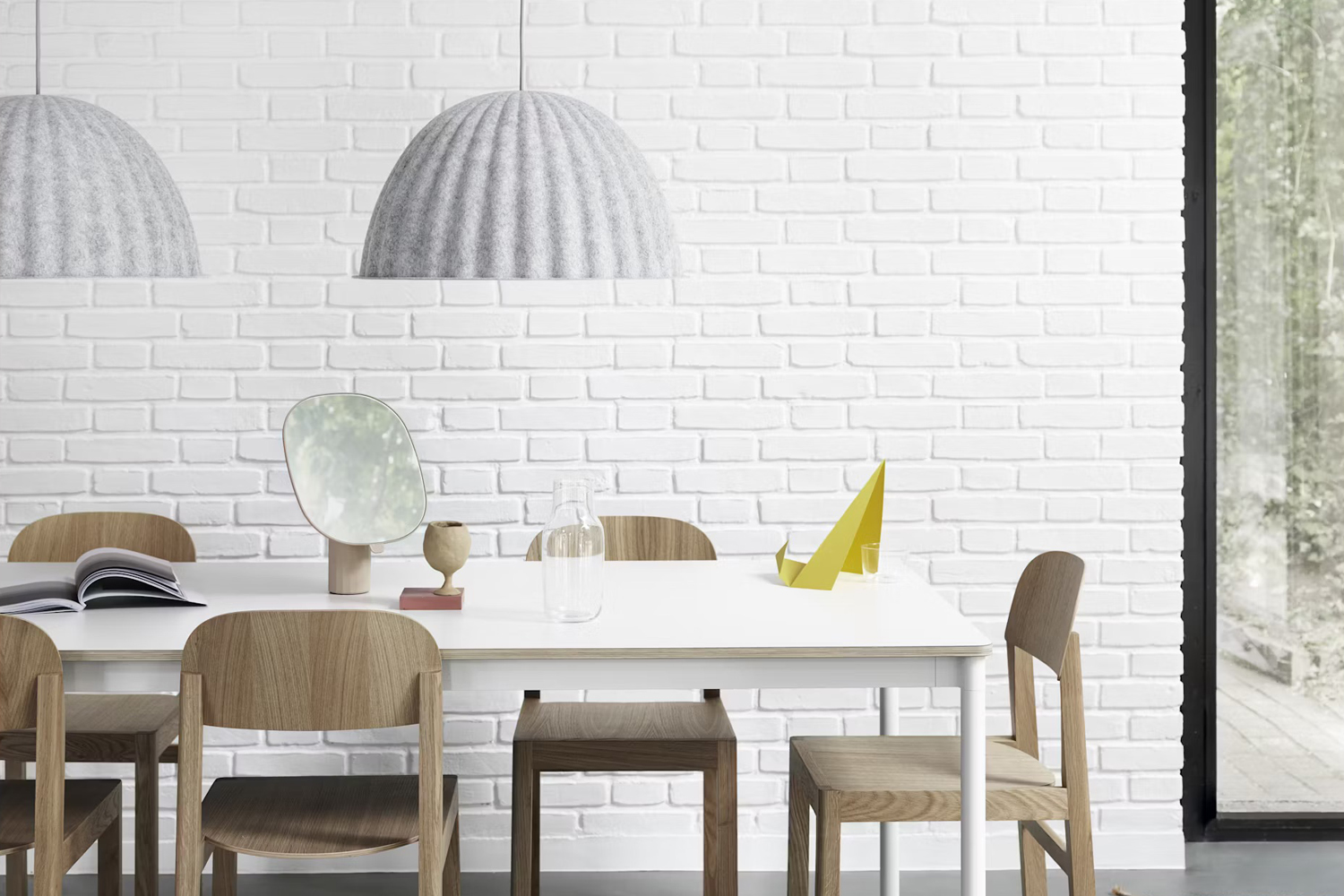
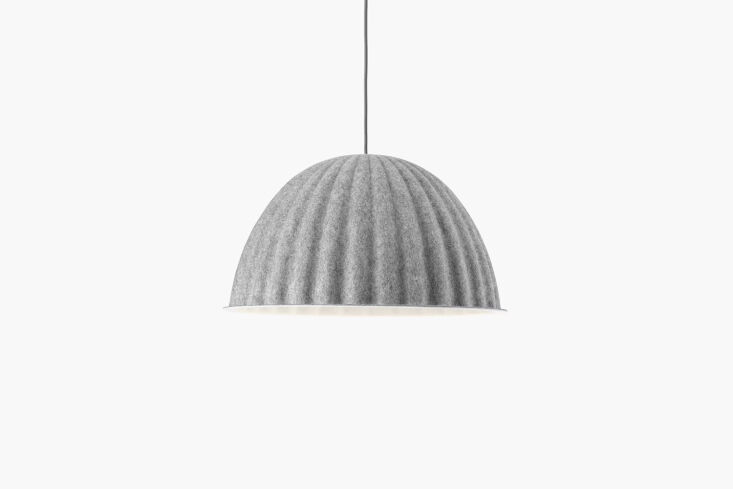
For maximum impact, size matters. The Muuto ‘Under the Bell’ is perhaps the most iconic example in this category. Crafted from recycled plastic fiber, its deep dome creates a "room within a room" feel, physically and acoustically sheltering those sitting beneath it.
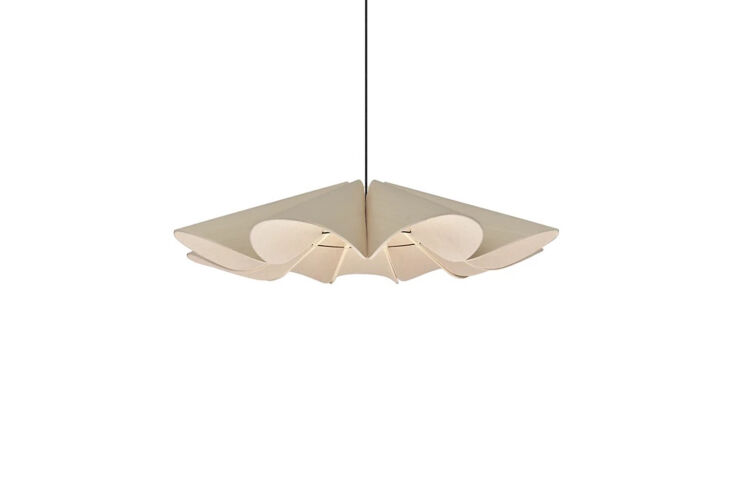
For those who prefer natural materials, the Bruck Lighting ‘Delfina’ is a masterclass in luxury acoustics. It utilizes fine lamb’s wool, offering a tactile softness that synthetic materials struggle to replicate.
Sculptural Elements
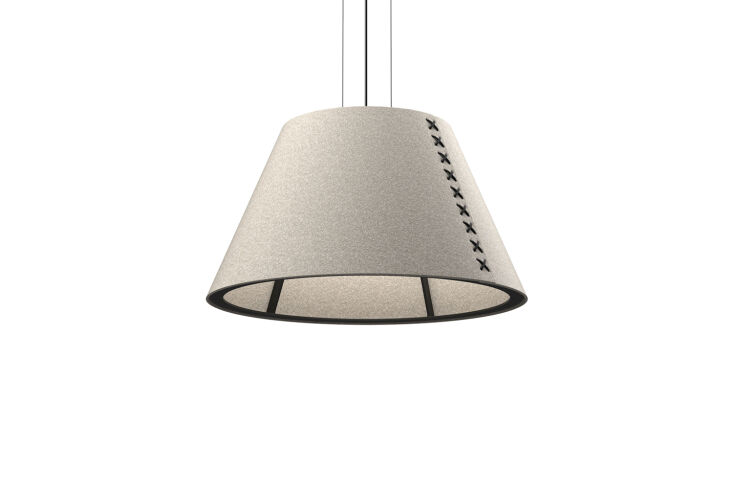
Acoustic lighting doesn't have to be a simple dome. Brands like BuzziSpace have pioneered the use of pleated felt to create geometric interest. The BuzziShade is a classic example, using a thick felt shade that captures sound both inside and outside the "bell" of the lamp.
Modern Textures and Innovation
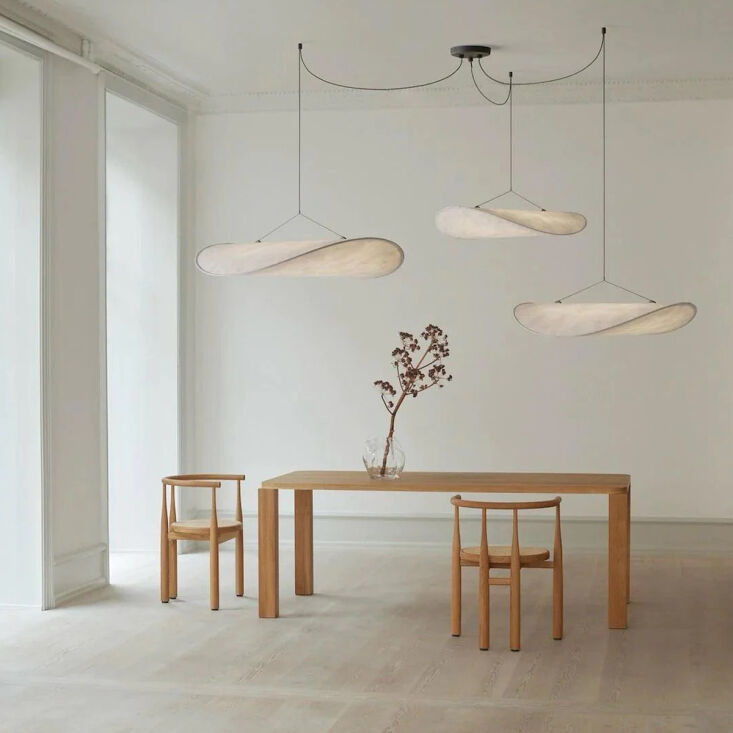
If felt feels too heavy for your aesthetic, consider newer materials. The Tense Pendant uses DuPont Tyvek paper to create a cloud-like, ethereal look that still offers subtle sound-dampening qualities. It’s a perfect choice for those who want a "light" look but need to soften a "bright" sounding room.
Room-by-Room Application Guide
Selecting the right fixture is only half the battle; placement is what ensures the "peaceful" part of the equation.
The Dining Room: Conversation Clarity
The dining room is often the most acoustically challenged space in the home. You have a hard table, hard chairs, and likely a hard floor. An acoustic pendant hung 30-36 inches above the table doesn't just provide intimate light; it creates an "acoustic umbrella" that makes it easier to hear the person sitting across from you without raising your voice.
High-Ceiling Lobbies and Lofts
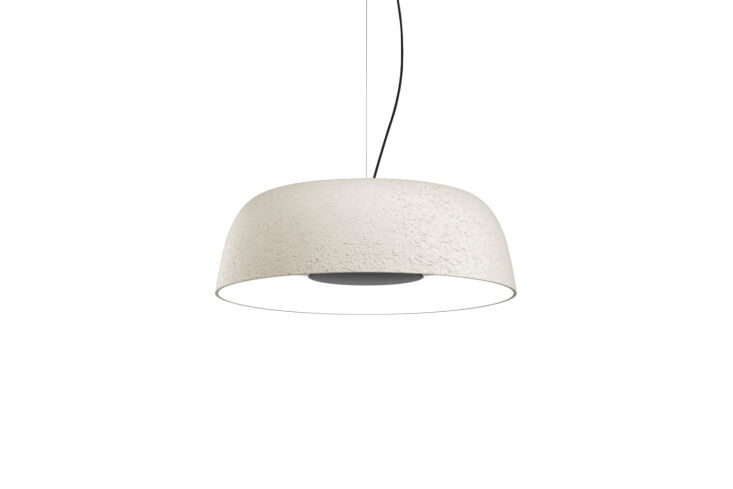
In spaces with ceilings over 12 feet, sound tends to get lost in the rafters and then return as a hollow echo. Use 40-inch+ diameter pendants, like the Marset ‘Djembe’. Its textured, stone-like polyethylene interior is designed to diffuse light while the sheer mass of the fixture dampens reverberation.
The Home Office: Focus and Professionalism
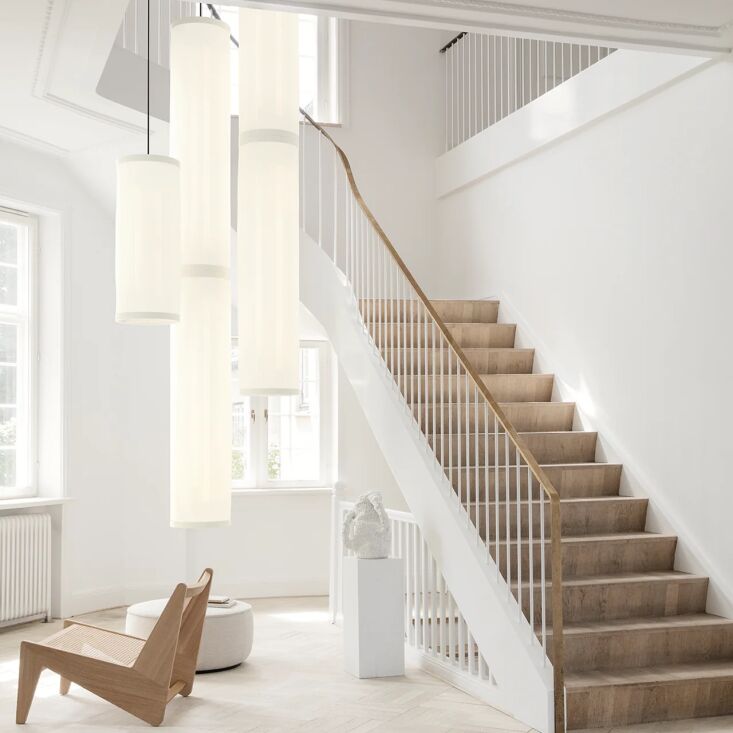
If you find yourself frequently on video calls, you know the frustration of an "echoey" room. It sounds unprofessional and leads to listener fatigue. The Astep Isol, featuring Snowsound fabric technology, is engineered specifically for these environments. It captures the mid-frequencies of the human voice, ensuring your audio is as crisp as your lighting.
How to Choose the Right Fixture for Your Space
Before you buy, take a moment to audit your room's "soundscape."
| Feature | Best For | Material Recommendation |
|---|---|---|
| High Frequency (Hiss/Clicks) | Kitchens, Tech hubs | Recycled PET Felt |
| Mid Frequency (Speech) | Dining Rooms, Offices | Wool or Thick Pleated Fabric |
| Low Frequency (Bass/Hum) | Large Lofts, Home Theaters | Large-volume, double-walled fixtures |
Balancing Lumens and NRC Don't forget the primary job of the fixture: light. Many acoustic pendants use integrated LEDs. Ensure the Lumens (brightness) are sufficient for the task—around 800-1000 lumens for a dining table—while checking the NRC rating for absorption.
FAQ
Does acoustic lighting replace the need for acoustic panels? In many residential settings, yes. A few well-placed, high-NRC pendants can provide enough absorption to make a room comfortable without the need for wall-mounted panels. However, in very large or professional studio spaces, they are best used as a supplement to wall treatments.
What are the best materials for pet-friendly homes? If you have pets, stay away from low-hanging natural wool, which can attract fur and dander. Opt for recycled PET fiber (recycled plastic). It is non-porous at a microscopic level, making it easier to dust or vacuum, and it doesn't hold odors like natural fibers might.
Can these fixtures be used in wet areas like bathrooms? Generally, no. Felt and wool are highly absorbent and will trap moisture, leading to mold or mildew. For bathrooms with heavy tile and glass, look for acoustic solutions made from treated polyethylene or metal fixtures with specialized acoustic coatings.
Designing for All the Senses
The most beautiful homes are those that cater to our well-being on every level. By choosing acoustic lighting, you are making a conscious decision to value your peace of mind as much as your aesthetic. It’s about creating a space where the light is warm, the design is bold, and the silence is, quite literally, golden.
Next time you're planning a room makeover, don't just ask how it will look. Ask how it will sound.