Walk into most modern homes after sunset, and you are greeted by a clinical, shadowless glare. We have become obsessed with the idea that "more light is better light," turning our sanctuaries into operating theaters with the flick of a switch. This is what I call "Fluorescent Fatigue"—a state of sensory overload where the mind never quite receives the signal that it’s time to rest.
It was this very phenomenon that led me to the work of Kenichi Kandatsu, the visionary behind Flame, a lighting atelier based in Ashiya, Japan. For Kandatsu, lighting is not a utility meant to conquer the night; it is an art form meant to invite the night in. His philosophy revolves around the profound realization that inner peace isn’t found in the absence of darkness, but in the intentional management of it. By focusing on soft, candle-like illumination and artisanal materials, Flame of Japan creates a meditative environment that doesn't just light a room—it calms the soul.
The Philosophy of ‘Embracing the Dark’
In Western design, shadows are often treated as a problem to be solved. In Japanese aesthetics, however, shadows are the very thing that give life its depth. This is rooted in the concept of Ma (the pure space between things) and Wabi-sabi (finding beauty in imperfection).
Kenichi Kandatsu’s guiding principle is radical in its simplicity: "As long as you have the necessary light where you need it, that is enough." This "Rule of Thumb" challenges the modern instinct to flood every corner of a room with lumens. When we reproduce daytime brightness at night, we inhibit our natural evening transition, keeping our brains in a state of high alert.
What makes Flame of Japan’s lighting unique is this commitment to "embracing the dark side." Instead of harsh, omnidirectional light, Flame fixtures produce a directed, gentle glow. It is the difference between being under a spotlight and sitting beside a fireplace. By allowing shadows to exist, the mind can finally rest, focusing only on the immediate, tranquil "pools" of light.
The Materials of Peace: Hand-Crafted Serenity
The quality of light is dictated by the materials it passes through. Mass-produced plastic and thin metal shades often create "hard" edges to light that feel aggressive to the eye. Flame of Japan differentiates itself by using tactile, organic materials that modulate light into something almost liquid.
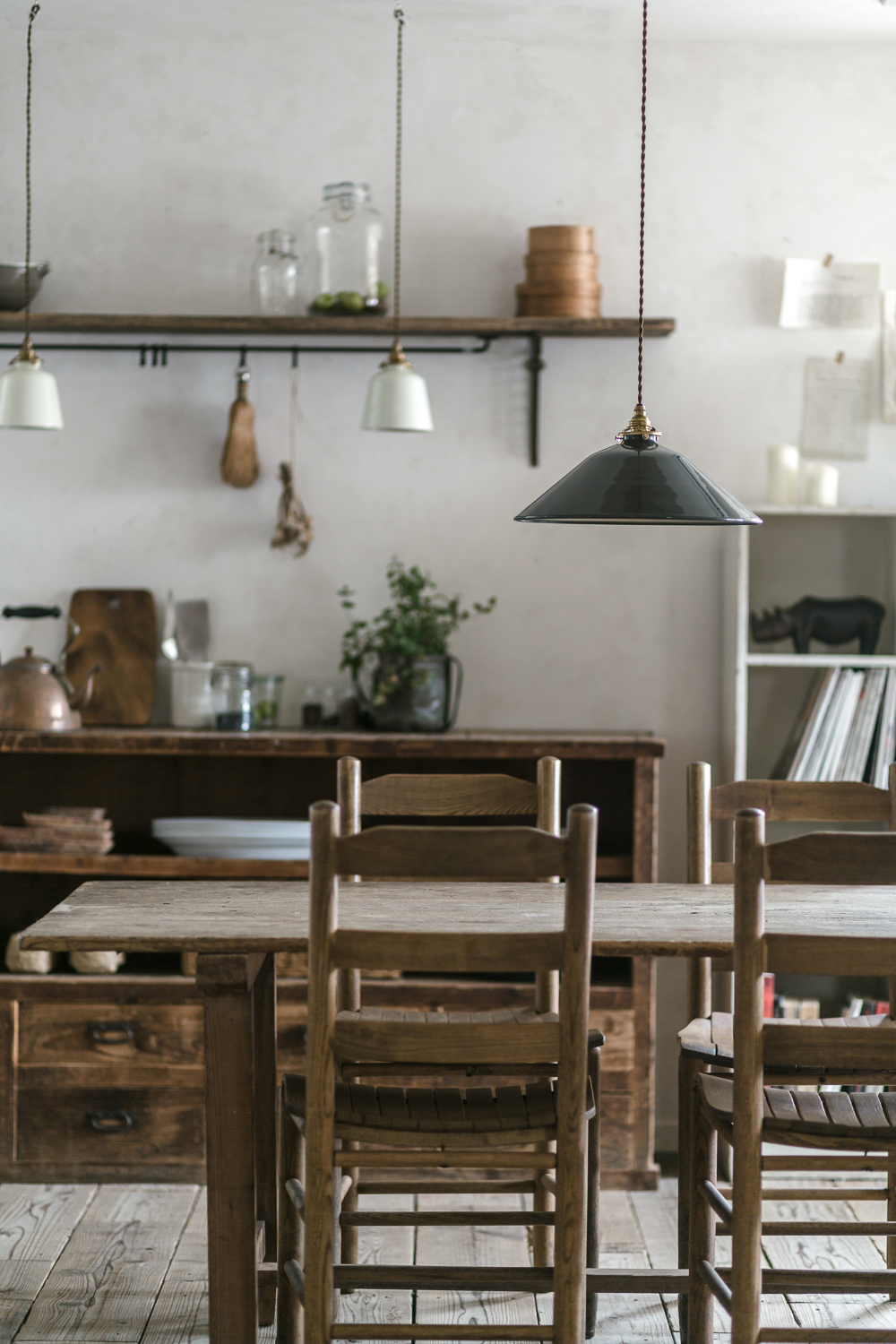
The Luster of Enamel and Glass
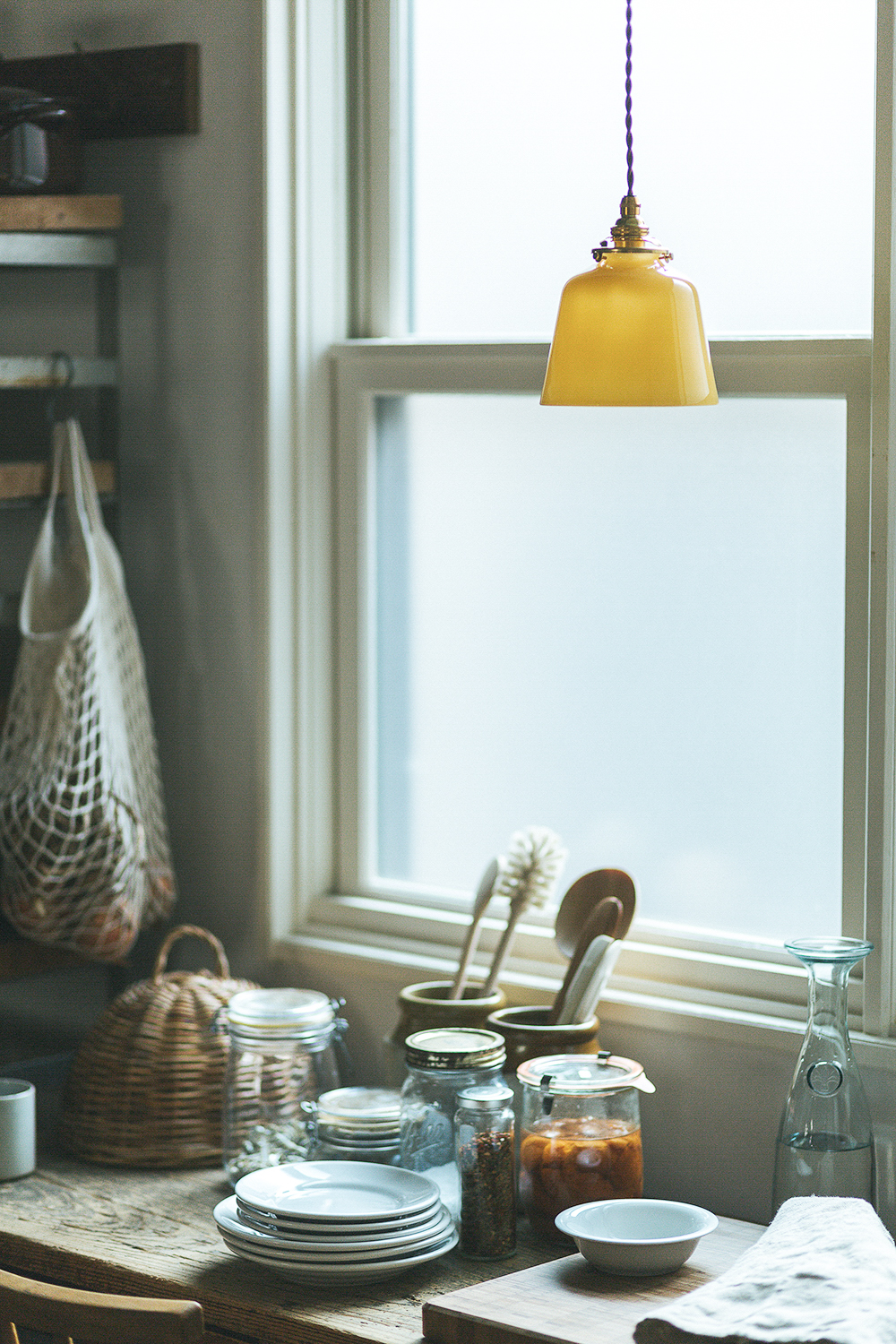
The "Basque" collection is perhaps the finest example of this. These pendants are hand-enameled to a high luster, a process that gives the material a "plump" appearance. When light hits the interior, it doesn't just reflect; it warms up, gaining a rich, textured quality that softens the atmosphere of a kitchen or dining area.
The Linen Factor
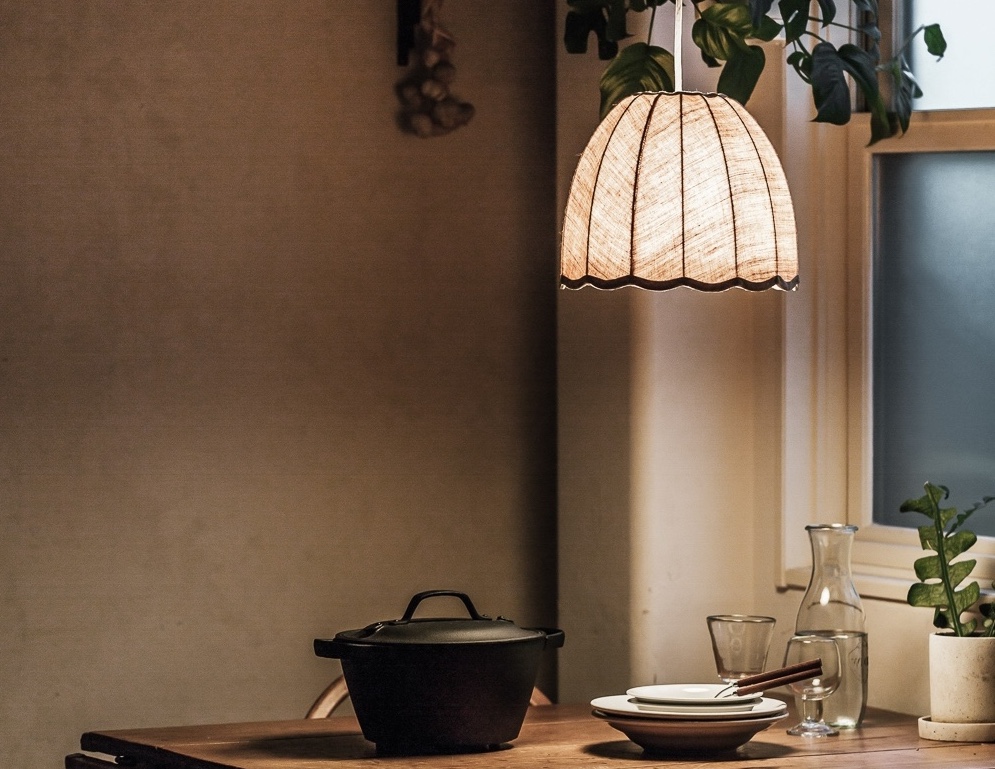
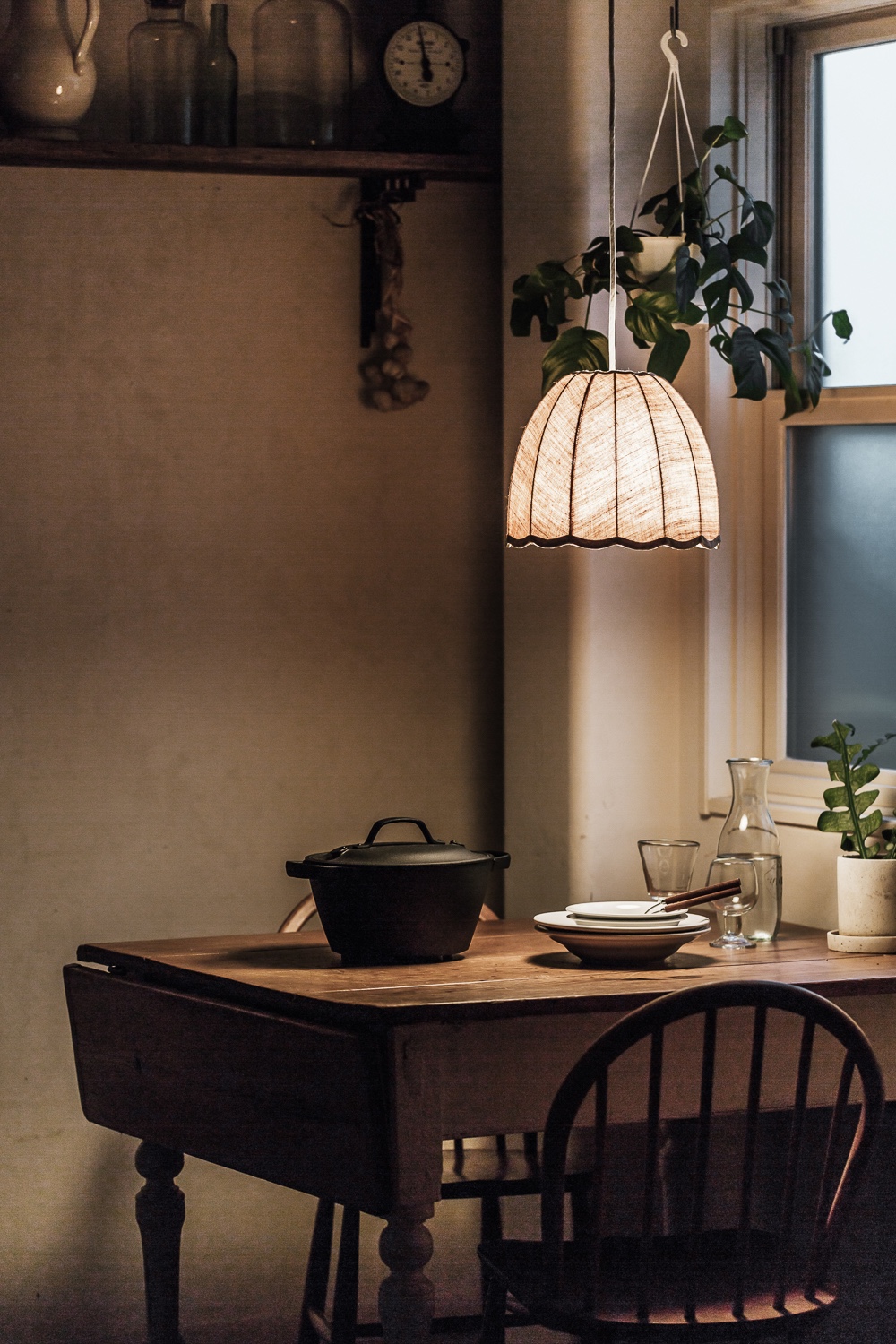
In the search for transparency that feels natural rather than clinical, Flame utilizes woven linen in their "Amande" collection. Linen has an inherent irregularity in its weave, which filters light in a way that mimics the sun passing through clouds.
Handicraft and Human Connection
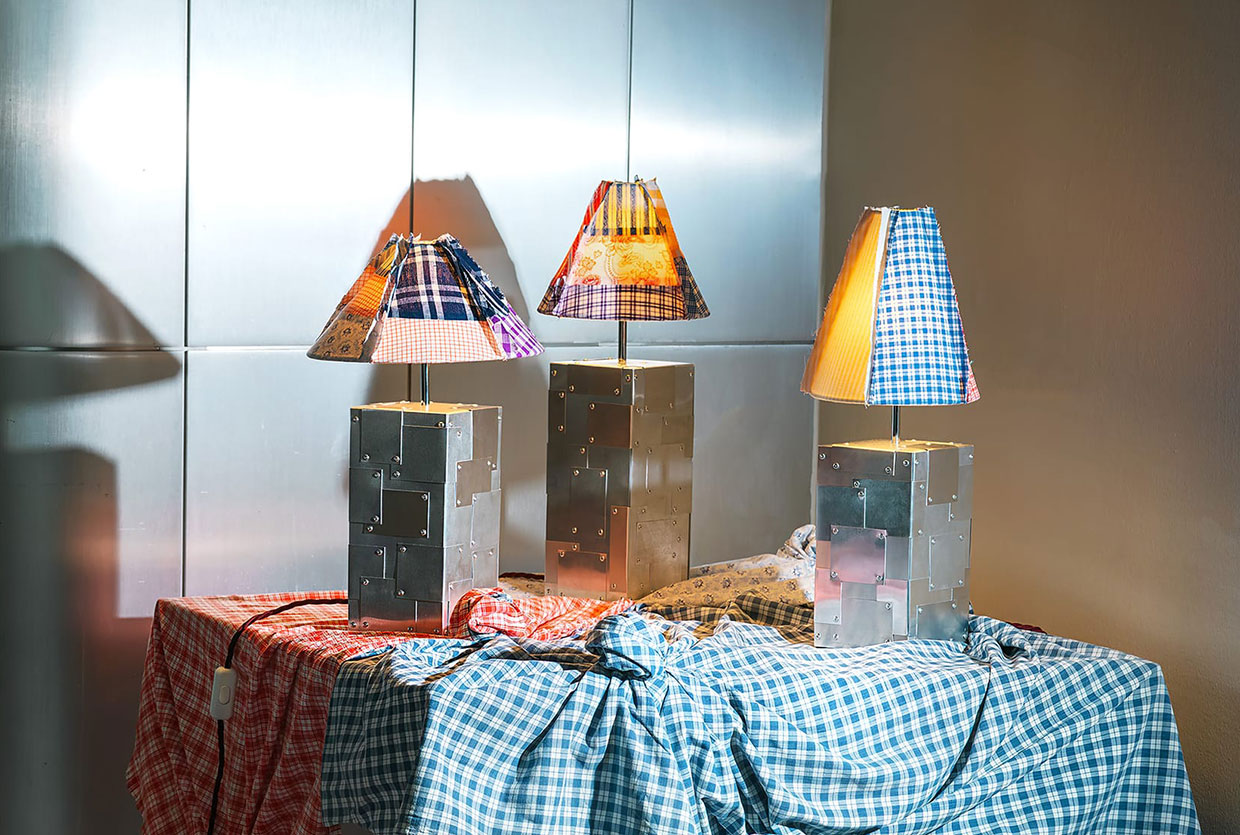
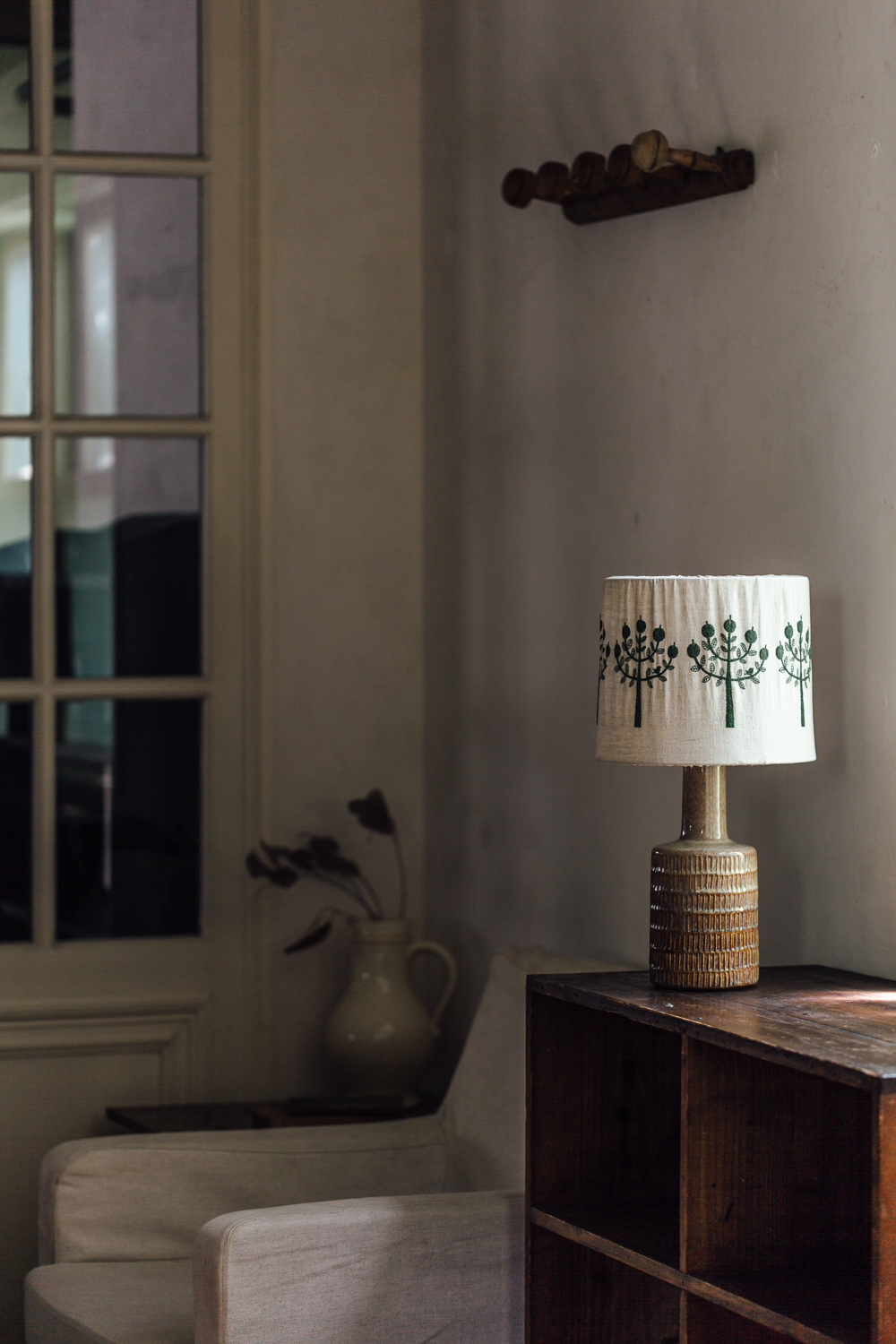
Flame often collaborates with other masters of Japanese craft, most notably Minä Perhonen. These collaborations, such as the Tone table lamp, emphasize "handicraft warmth." By incorporating textiles and patterns that feel human-centric, these pieces act as grounding objects in a room, even when the light is turned off.
The Science of Softness: Cortisol and Circadian Rhythms
The pursuit of "inner peace" through lighting isn't just a poetic concept; it’s grounded in biological reality. Our bodies are hardwired to respond to the color and intensity of light.
Research indicates that transitioning from harsh, blue-toned fluorescent lighting to warm, diffused Japanese-style lamps can reduce cortisol levels by up to 25% during evening routines. Cortisol is the body's primary stress hormone; when it remains high at night due to bright artificial light, we experience anxiety and poor sleep quality.
The "Goldilocks Zone" of Color Temperature
To achieve home tranquility, you must look at the Kelvin (K) scale:
- Clinical Light (5000K+): High blue light, suppresses melatonin, increases alertness.
- The Goldilocks Zone (2700K–3000K): Flame’s signature "warm glow." This range mimics the setting sun and firelight, signaling the nervous system to shift from "fight or flight" to "rest and digest."
While clinical 10,000-lux lamps are used for therapy, they are for morning use. At night, the soul requires the opposite—a "kinder, gentler light" that Flame provides.
Layering Light Like a Japanese Minimalist
A common mistake in interior design is relying on a single overhead light source. Approximately 90% of Japanese minimalist interiors utilize the concept of "layered lighting." This technique enhances the perceived depth of a room without increasing visual noise. It’s about creating a landscape of light rather than a blanket of it.
1. The Ambient Layer
Start with diffused sources that provide a soft "base" of light. Think of these as the lanterns of the home. They shouldn't be bright enough to read by, but they should eliminate total darkness.
2. The Task Layer
These are low-level pendants or desk lamps. Flame often designs these to be hung at eye level or lower, creating an intimate "room within a room."
3. The Accent Layer
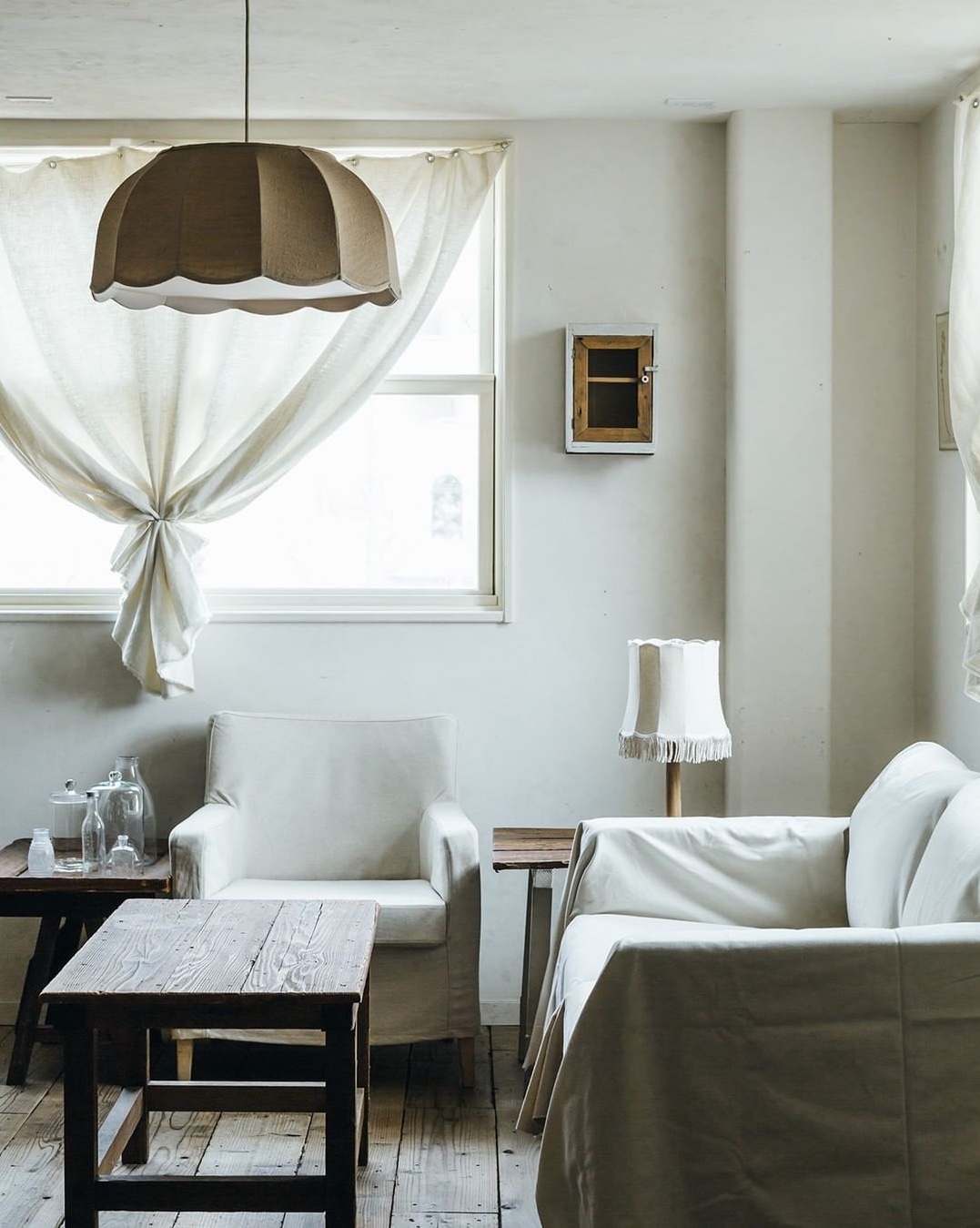
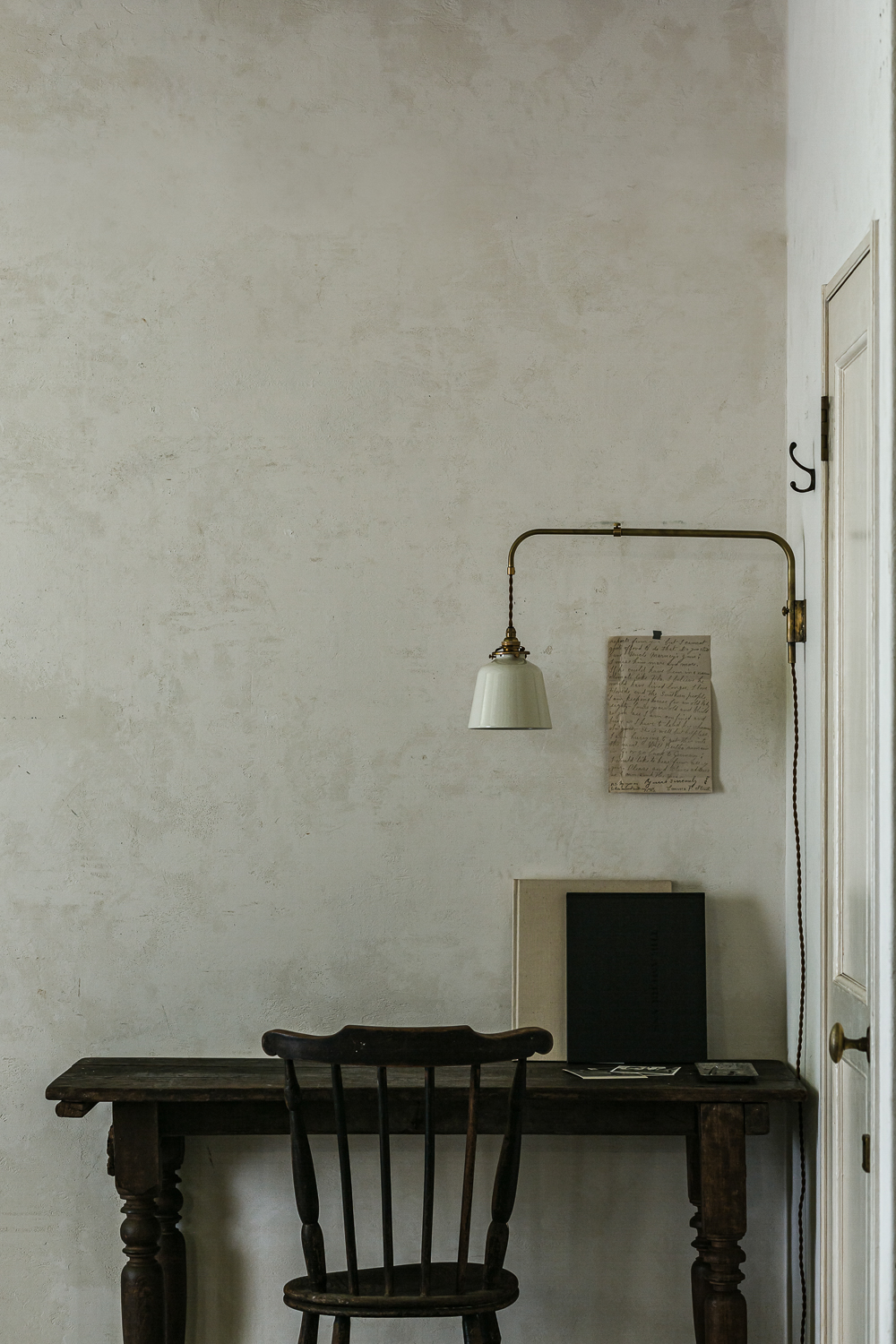
This is where the Japanese philosophy of Ma truly shines. Using small brass lights like the Hanger Mini, you can highlight a single object—a vase, a painting, or a quiet alcove. This draws the eye to a specific point of beauty, allowing the rest of the room to fade into a peaceful shadow.
Room-by-Room Guide to a Tranquil Home
Transforming your home into a sanctuary doesn't require a full renovation. It requires a strategic replacement of harsh sources with thoughtful placements.
| Room | Lighting Strategy | Flame Recommendation |
|---|---|---|
| Living Room | Create "Islands of Light." Avoid central ceiling fixtures. | A mix of the Amande floor lamp and a low-hung Basque pendant over the coffee table. |
| Bedroom | Eliminate all overhead light. Focus on bedside warmth. | The Tone table lamp with Minä Perhonen fabric for tactile comfort. |
| Entryway | A "decompression" zone. Soft light to transition from the world. | The Hanger Mini or a small brass wall sconce. |
In the Living Room: Focus on the "chill zone." By mixing floor lamps and soft pendants, you create a sense of enclosure. The light should "caress" the furniture rather than blast it.
In the Bedroom: This is your most sacred space. Japanese lighting design emphasizes that you should never see the bare bulb from the bed. Shoji-style or fabric shades filter the light so that the last thing you see before sleep is a soft, rhythmic glow.
Conclusion: Turning Your Home into a Sanctuary
We live in an age of constant digital noise and visual overstimulation. Our homes should be the antidote to that chaos. The secret to inner peace doesn't lie in more gadgets or more space, but in the quality of the atmosphere we breathe and see.
The Flame approach teaches us a valuable life lesson: Light is like a candle, not a utility. When we stop trying to eliminate every shadow, we find that the shadows themselves bring out the presence and beauty of the things we love. By choosing hand-crafted materials, warm color temperatures, and intentional layering, you aren't just decorating a room—you are creating a space where your mind can finally arrive at home.
Let some darkness descend tonight. You’ll be surprised at how much more clearly you can see.
FAQ
Q: Can I use Flame lighting with smart home systems? A: Yes. While the fixtures are handcrafted and traditional in spirit, they are compatible with modern dimmable LED bulbs and smart dimmers. To maintain the "Flame" aesthetic, always select bulbs with a color temperature between 2200K and 2700K.
Q: Why is Japanese lighting hung lower than Western lighting? A: In Japanese design, life often happens closer to the floor (on tatami or low sofas). Hanging pendants lower creates a more intimate "pool" of light that defines a specific area, contributing to the sense of Ma and preventing the light from feeling lost in the ceiling height.
Q: I live in a small apartment. Will "layered lighting" make it feel smaller? A: On the contrary. By creating different "islands" of light and leaving some corners in shadow, you create an illusion of depth and architectural complexity, making a small space feel more expansive and sophisticated.