We’ve all been there: waking up at 3:00 AM, tangled in a swamp of damp cotton or suffocating synthetic blends, flipping the pillow to find a cool spot that doesn’t exist. For many of my clients, the bedroom is a masterpiece of aesthetic design, yet their sleep quality remains a struggle. The culprit? It’s often hiding in plain sight—the very sheets you’re sleeping on. If you are a "hot sleeper" or someone who craves that elusive "hotel-cool" feeling, the answer isn’t just a better mattress or a lower thermostat setting. It’s a return to one of the world’s oldest, most misunderstood textiles: linen.
Linen is experiencing a modern renaissance, and it’s not just because it looks stunning in a sun-drenched Instagram post. It is arguably the best cooling sheet for hot sleepers because its unique, loose weave creates natural air pockets that allow heat to escape, wicking moisture away from the skin up to 20% faster than traditional cotton. Beyond temperature regulation, linen bedding is naturally hypoallergenic and highly breathable, making it the gold standard for anyone with sensitive skin or those prone to night sweats.
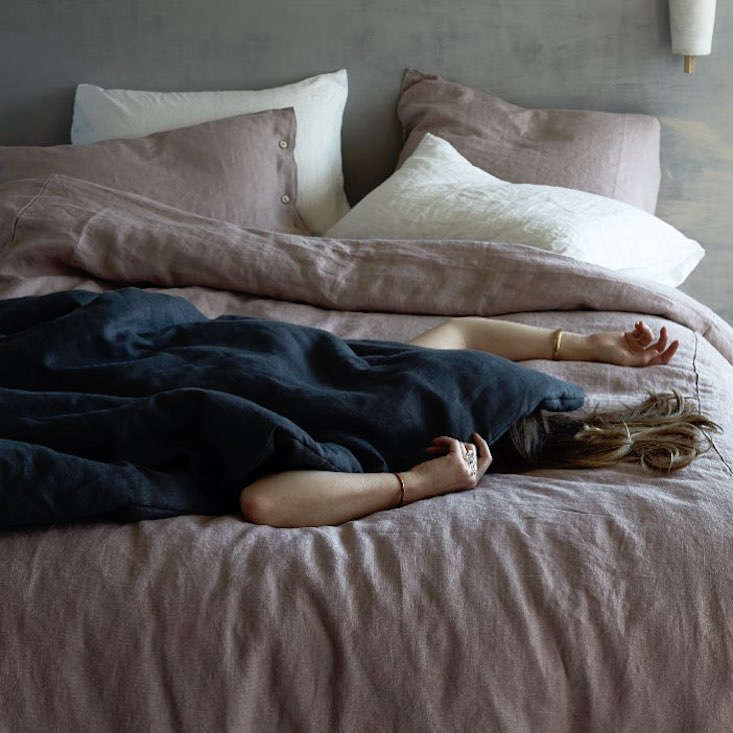
The Science of Cool: Why Linen Wins for Hot Sleepers
To understand why linen outperforms every other fabric on the market, we have to look at the fiber itself. Unlike cotton, which is derived from the fluffy boll of a cotton plant, linen is made from the stalks of the flax plant. These fibers are longer, thicker, and wrapped in a unique cellulose structure.
This structure is the secret to its moisture-wicking mastery. Linen can absorb up to 20% of its own weight in moisture before it even begins to feel damp to the touch. In the world of textiles, we call this "vapor permeability." Because the fibers are larger and the weave is inherently more open, air moves through the fabric with ease. While a high-thread-count cotton sheet can actually trap heat by creating a dense barrier, linen acts like a built-in ventilation system for your bed.
Furthermore, linen is naturally hypoallergenic. It possesses mild antiseptic properties and resists bacteria, which is why it has been used for centuries in everything from bandages to heirlooms. For those with eczema or skin sensitivities, switching to linen can significantly reduce the "prickly" heat feeling that often accompanies synthetic blends or chemically treated cotton.
Pro Tip: If you’re skeptical about the breathability, try the "Light Test." Hold a linen sheet up to a window or a lamp. You’ll see the characteristic "slubs" (small knots) and the visible gaps in the weave. This is exactly where the heat escapes, ensuring you stay dry and cool all night long.
Linen vs. Cotton: Which is Right for Your Sleep Style?
When choosing between linen vs. cotton for sleep, it often comes down to a choice between two different definitions of luxury. Cotton is the "crisp hotel" look—smooth, uniform, and initially soft. Linen is the "relaxed haven"—textured, matte, and effortlessly chic. However, from a functional perspective, the differences are stark.
| Feature | Linen Bedding | High-End Cotton (Percale/Sateen) |
|---|---|---|
| Breathability | Exceptional; loose weave allows maximum airflow. | Moderate; dense weave can trap body heat. |
| Moisture Wicking | Absorbs 20% of weight; dries 20% faster than cotton. | Absorbs moisture but can feel "clammy" when damp. |
| Durability | Becomes stronger and softer over decades. | Can thin out or pill after a few years of washing. |
| Skin Feel | Textured and earthy; gets "slithery" and soft with age. | Smooth and soft initially; can feel "suffocating" to some. |
| Maintenance | Naturally wrinkle-prone (the "lived-in" look). | Requires ironing for a crisp appearance. |
While cotton certainly has its place, especially if you prefer a slippery, sateen finish, linen is the undisputed champion for humidity regulation. It prevents that dreaded "stuck to the sheets" feeling by maintaining a consistent micro-climate around your body.
Shopping Guide: How to Spot High-Quality Linen
Not all linen is created equal. If you’ve ever touched a linen shirt that felt scratchy or stiff, you likely encountered low-quality flax or poor processing. To ensure your investment leads to better sleep, look for these three markers of quality:
1. The Origin Story: European Flax
The world’s finest linen comes from the "Flax Belt" in Western Europe (specifically France, Belgium, and the Netherlands). The climate there is perfect for growing flax with long, sturdy fibers. Look for labels that specify "European Flax" or "Belgian Linen" to ensure the raw material is top-tier.
2. Understanding "Garment Washed"
Many modern brands use a process called "garment washing" or "stone washing." This uses natural enzymes or volcanic stones to pre-soften the fibers. If you want that buttery, lived-in feel from night one, ensure your sheets are pre-washed. If they feel a bit stiff out of the box, don't worry—linen contains pectin, which breaks down with every wash, meaning your sheets will actually get softer every single year you own them.
3. Weight Matters
Linen is measured in grams per square meter (GSM). For year-round comfort, look for a mid-weight linen (around 160-180 GSM). This provides enough weight to feel cozy in the winter while remaining breathable enough for the height of summer.
Creating Your Bedroom Haven: Expert Tips from the Pros
As an editor, I look at the bedroom as a holistic sensory experience. Once you’ve selected your linens, the way you style and maintain them can further enhance your sleep hygiene.
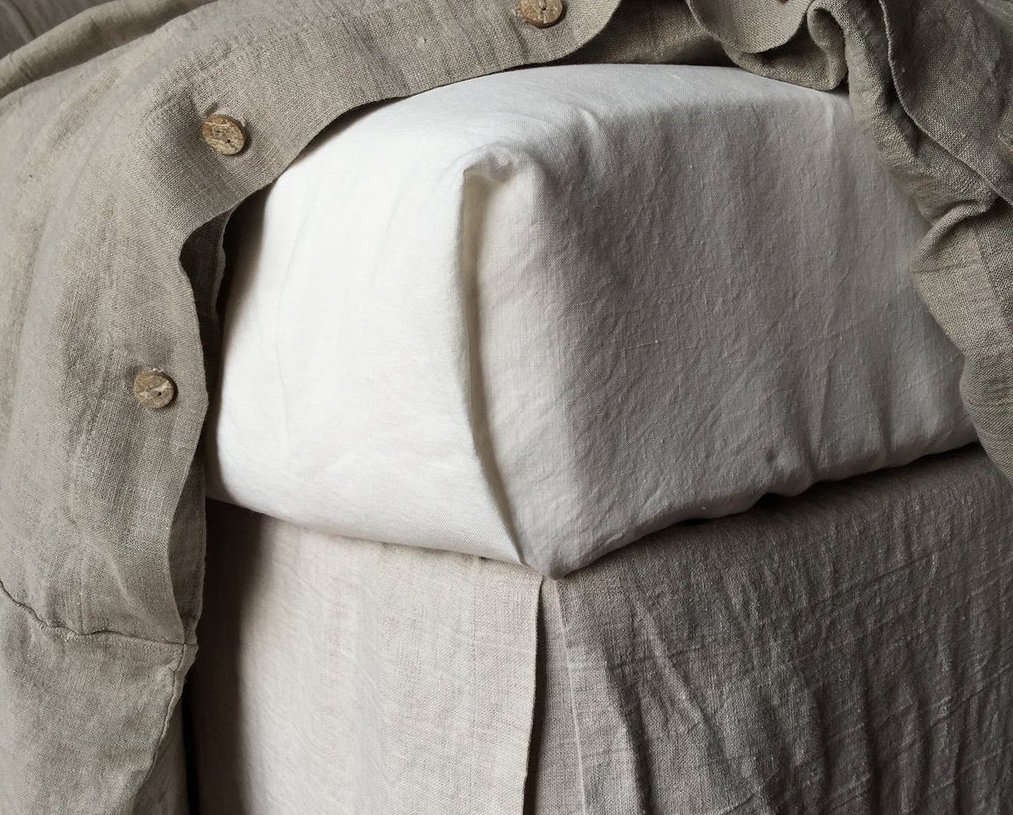
One of my favorite "insider" secrets comes from textile expert Tricia Rose: Ditch the fitted sheet. Most fitted sheets have elastic that wears out, and they never quite lay flat, which can be irritating to the skin. Instead, use an oversized flat sheet and learn the art of the "hospital corner." It creates a taut, smooth surface that feels far more luxurious.
Lighting & Scent: The Final Layers
To complement the organic, tactile nature of linen, you must address the atmosphere. Soft, amber-toned lighting mimics the sunset and signals to your brain that it's time to produce melatonin. Avoid harsh overhead "blue" lights at all costs.
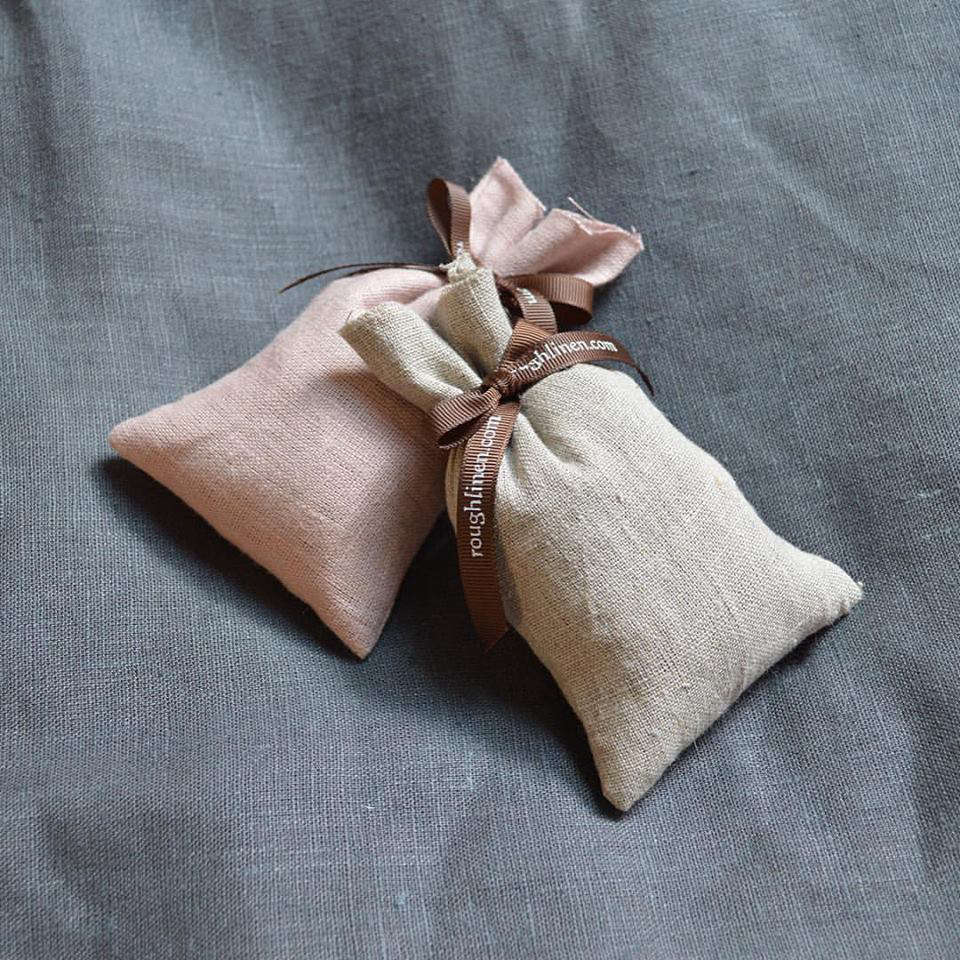
Scent is the most overlooked element of sleep. While synthetic sprays can be overwhelming, natural infusions work wonders.
The Yin-Yang Palette
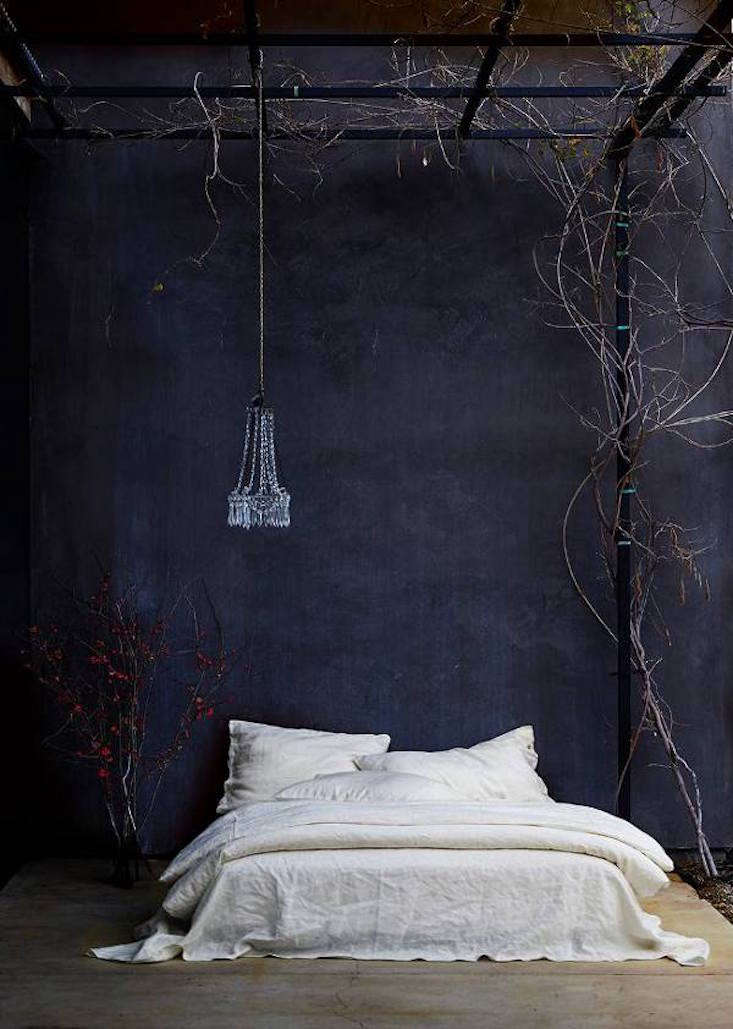
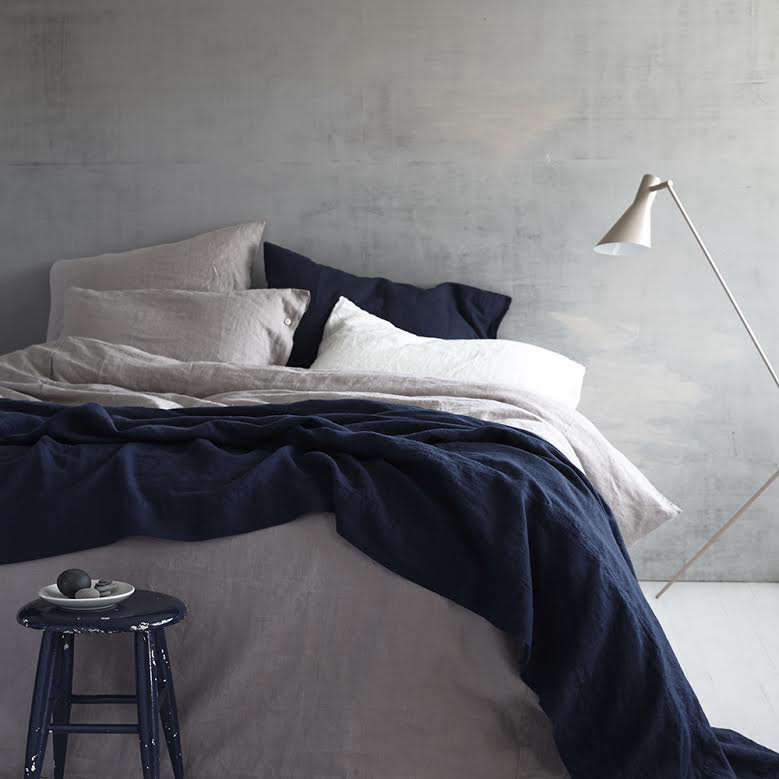
From a design perspective, linen offers a unique opportunity to play with color. Because the fabric has a matte, slightly heathered texture, it absorbs light beautifully. I always recommend a "Yin-Yang" palette—mixing deep, grounding tones like charcoal or forest green with lighter, "ethereal" shades like dusty rose, oat, or bone. This visual balance creates a sense of calm that prepares the mind for rest.
Conclusion: Making the Switch Tonight
Switching to linen is more than just a bedroom makeover; it is a functional upgrade to your health. By regulating your body temperature and providing a hypoallergenic environment, you are removing the physical barriers that lead to restless nights.
Remember, the goal isn't just to have a bed that looks like it belongs in a design magazine—though linen certainly achieves that—the goal is to wake up feeling restored. With its ability to wick moisture 20% faster than cotton and its incredible durability, linen is the "secret" that has been hiding in plain sight for centuries.
FAQ
Does linen really get softer? Yes, absolutely. Linen contains a natural polymer called pectin. Every time you wash your sheets, these fibers break down slightly, becoming more supple and "slithery." Within five to ten washes, you will notice a significant increase in softness.
How do I wash linen without ruining it? Linen is incredibly durable, but it hates high heat. Wash your sheets in lukewarm or cold water on a gentle cycle. The biggest mistake people make is over-drying. Take them out of the dryer while they are still slightly damp and lay them flat or hang them to finish drying. This prevents the fibers from becoming brittle and reduces deep wrinkles.
Is linen worth the price compared to high-end cotton? While the upfront cost is higher, linen is a long-term investment. Cotton sheets typically last 3-5 years before they begin to thin. High-quality linen can last for decades, often being passed down as "heirloom" bedding. When you factor in the cost-per-sleep and the improvement in sleep quality, linen is exceptionally high-value.