The corporate landscape is undergoing a tectonic shift, moving away from the sterile, fluorescent-lit cubicles of the past toward spaces that prioritize the human element. In the heart of Tbilisi, Georgia, the Tegeta Marketing department has unveiled a new office that isn't just a place to work—it’s a masterclass in the intersection of sustainable architecture, ergonomic science, and psychological well-being. For a company like Tegeta, which operates at the forefront of the automotive and service industry, this transition signals a profound understanding of the modern workforce: productivity is no longer measured by hours spent at a desk, but by the physical and mental vitality of the people sitting behind them.
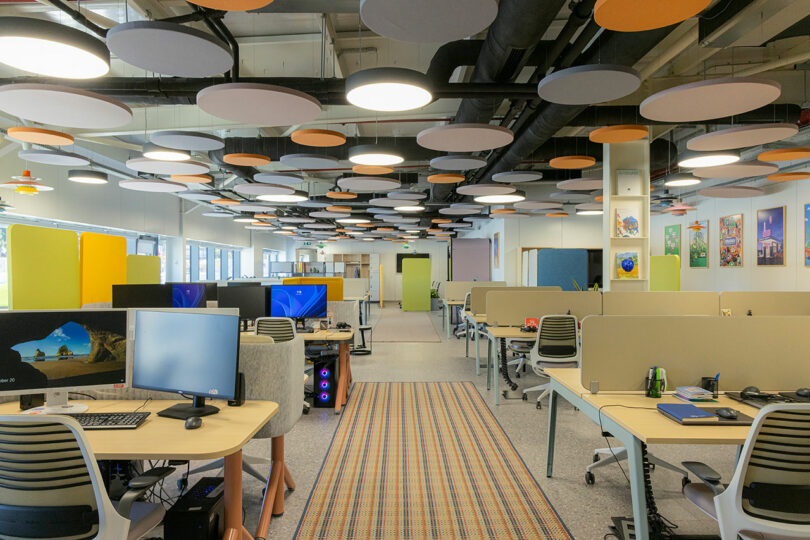
As we look toward 2026, the strategic imperative for talent retention has evolved. Top-tier professionals are no longer choosing employers based solely on salary; they are evaluating the "environmental health" of their potential daily lives. Tegeta’s new office addresses this head-on, blending a bold Bauhaus-inspired aesthetic with a rigorous commitment to employee health. This isn't just about pretty colors—though the peach-toned ceiling ducts and vibrant yellow accents are certainly striking—it's about creating a "performance habitat" that reduces physical strain and maximizes creative output.
Personalized Comfort: How Tegeta Solves the Posture Crisis
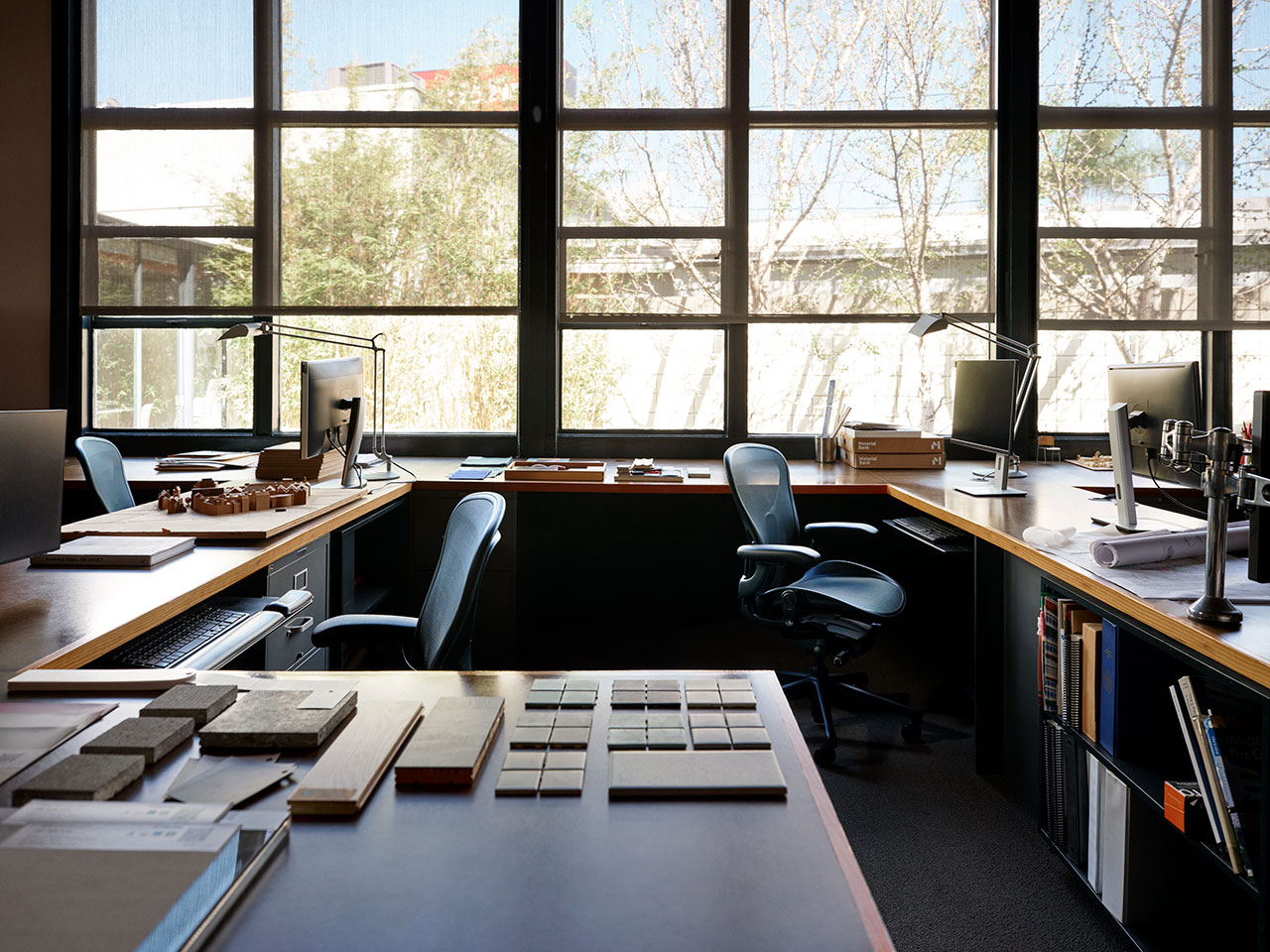
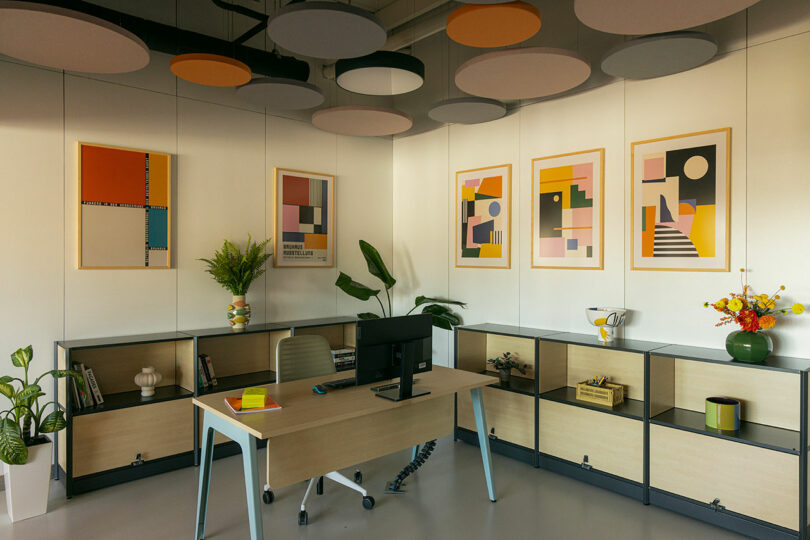
The cornerstone of Tegeta’s health-first philosophy is the acknowledgement that "one size fits none." In a traditional office, the sedentary nature of the work is a primary driver of musculoskeletal disorders, which account for a significant portion of workplace injuries globally. Tegeta’s ergonomic office improves employee health by utilizing height-adjustable desks and flexible mesh chairs that support proper posture and reduce physical strain during long hours.
These "sit-stand" desks are more than just a trend; they are a vital tool for metabolic health. By allowing employees to transition seamlessly between sitting and standing, the office helps combat the "sitting disease"—a cluster of conditions ranging from increased blood pressure to chronic lower back pain. When an employee can adjust their workstation to the millimeter, they aren't just more comfortable; they are more engaged.
Furthermore, the customization doesn't stop at height. The integration of flexible mesh seating ensures that every body type receives the lumbar support it needs. Unlike traditional foam chairs that trap heat and offer static support, these mesh solutions adapt to the user's movements, promoting micro-movements that keep the spine lubricated and the blood flowing. This level of personalization allows employees to curate their own working style, whether they prefer a high-energy standing stance for a morning brief or a supportive, reclined position for deep-focus analysis.
The Open-Plan Evolution: Managing Noise and Collaboration
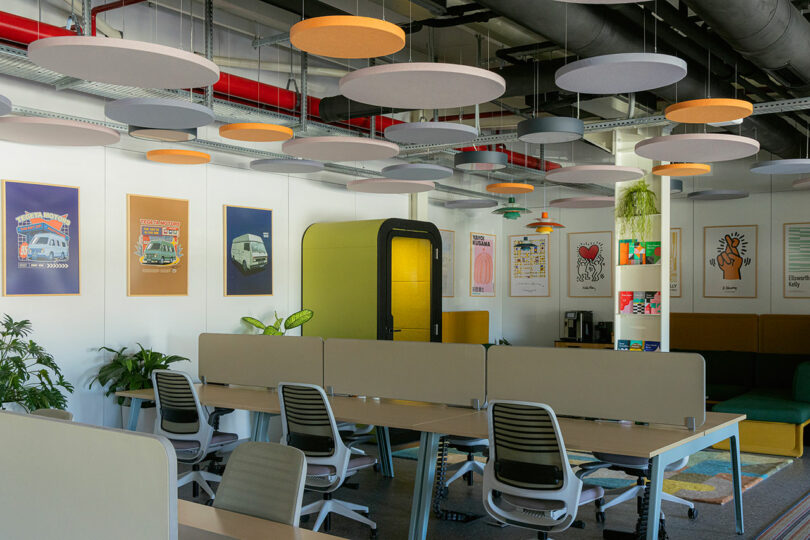
The open-plan office has often been criticized for its "noise pollution," which can shatter focus and increase cortisol levels. However, Tegeta has solved this puzzle through a "Systems Perspective." The office design balances collaboration and focus by using an open-plan layout integrated with sound-absorbing acoustic panels and private phone booths to manage noise levels.
To visualize this, think of the office as a "LEGO-like" modular system. Everything is designed to be rearranged or utilized based on the task at hand. Instead of a monolithic block of desks, the space is divided into activity-based zones. High-traffic collaborative areas are separated from deep-work zones by clever spatial planning and the strategic placement of acoustic materials.
- Acoustic Panels: These aren't just grey felt squares. In the Tegeta office, they are integrated into the ceiling design and wall art, dampening the "hum" of conversation without creating a sterile, silent-as-a-tomb atmosphere.
- Aesthetic Functionality: The exposed peach-colored ducts and industrial elements serve as a canvas for these acoustic treatments, turning a functional necessity into a design statement.
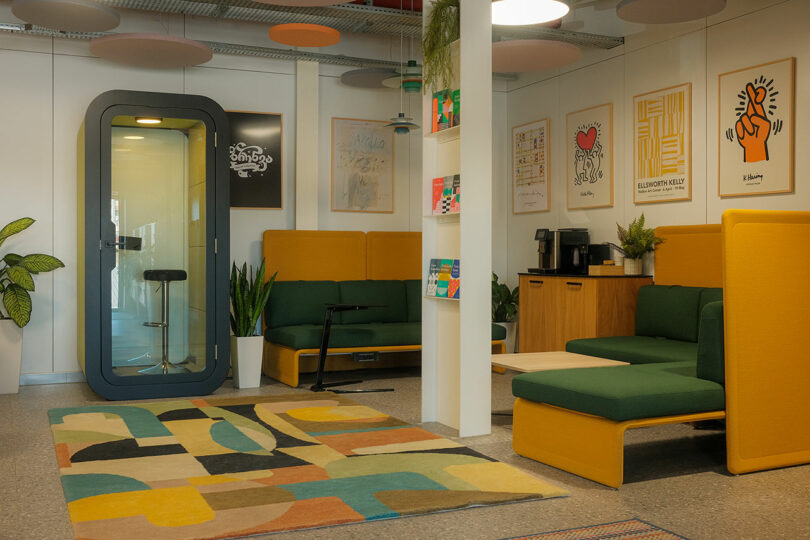
- Privacy Pods: For high-focus tasks or sensitive calls, private phone booths provide an immediate escape from the open floor, ensuring that privacy is always an option, never a luxury.
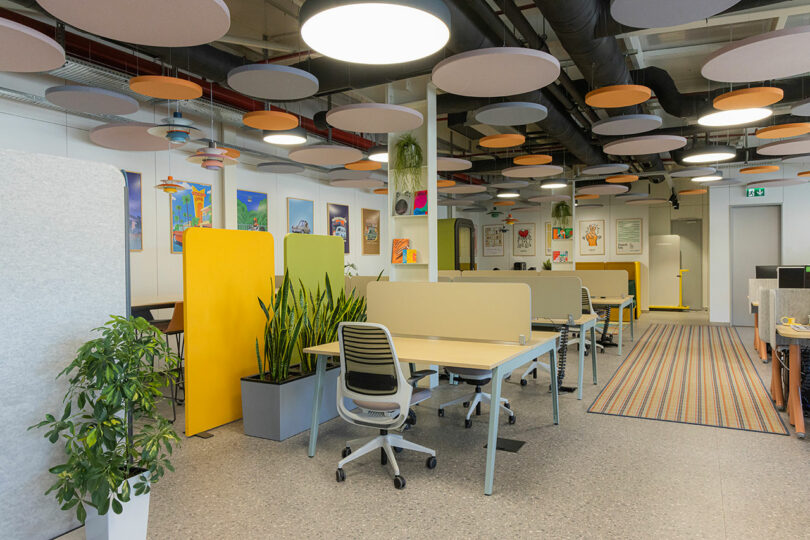
This modularity allows for quick transitions between brainstorming and focus work. It recognizes that a marketing team needs both the synergy of a group and the quietude of an individual. By managing the "soundscape," Tegeta reduces the cognitive load on its employees, preventing the mental fatigue that often sets in by mid-afternoon in poorly designed offices.
Nature at Work: The Biophilic and Sustainable Win
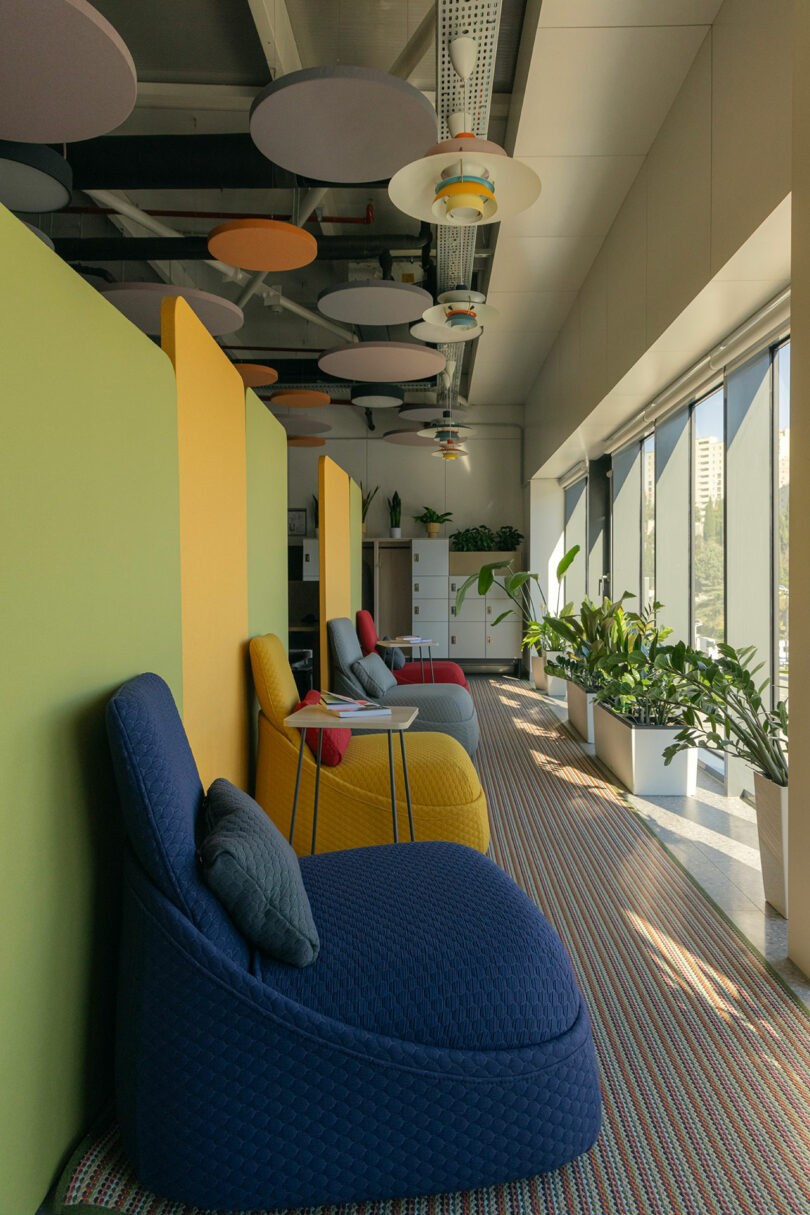
As a sustainable living advocate, I find the biophilic elements of the Tegeta office to be its most impressive feat. Biophilic design, including natural light and indoor greenery, is a key health win for Tegeta employees as it improves air quality and significantly reduces workplace stress.
The science behind this is undeniable. Integrating biophilic elements like natural wood and living walls can improve workplace productivity by 6% and boost creativity by up to 15%. Humans have an innate biological connection to nature, and when we are stripped of it—trapped in windowless rooms with recycled air—our health suffers. Tegeta counters this by flooding the workspace with natural light through expansive windows and strategically placed greenery that acts as a natural air filtration system.
The sustainability focus extends to the materials chosen for the furniture and finishes. Eco-friendly materials and energy-efficient lighting create a "refreshing ambiance" that feels clean and restorative.
- Natural Light Optimization: Workstations are oriented to maximize the reach of sunlight, reducing the need for harsh artificial lighting and helping to regulate employees' circadian rhythms.
- Indoor Greenery: Plants aren't just decoration; they increase humidity in dry, air-conditioned environments and absorb volatile organic compounds (VOCs), making the air literally easier to breathe.
- Eco-Aesthetics: The use of sustainable wood and recycled textiles reinforces the brand's commitment to a circular economy, proving that luxury and responsibility can coexist.
Beyond 2026: Trends Shaping the Future Office
Tegeta isn't just designing for today; it is building for the future. Modern ergonomic office trends for 2026 indicate that personalized workstations with adjustable lighting and air quality controls are becoming standard for top-tier talent retention. The "one-size-fits-all" HVAC system is being replaced by smart technology—IoT sensors and automated environmental controls that ensure optimal thermal comfort for every corner of the room.
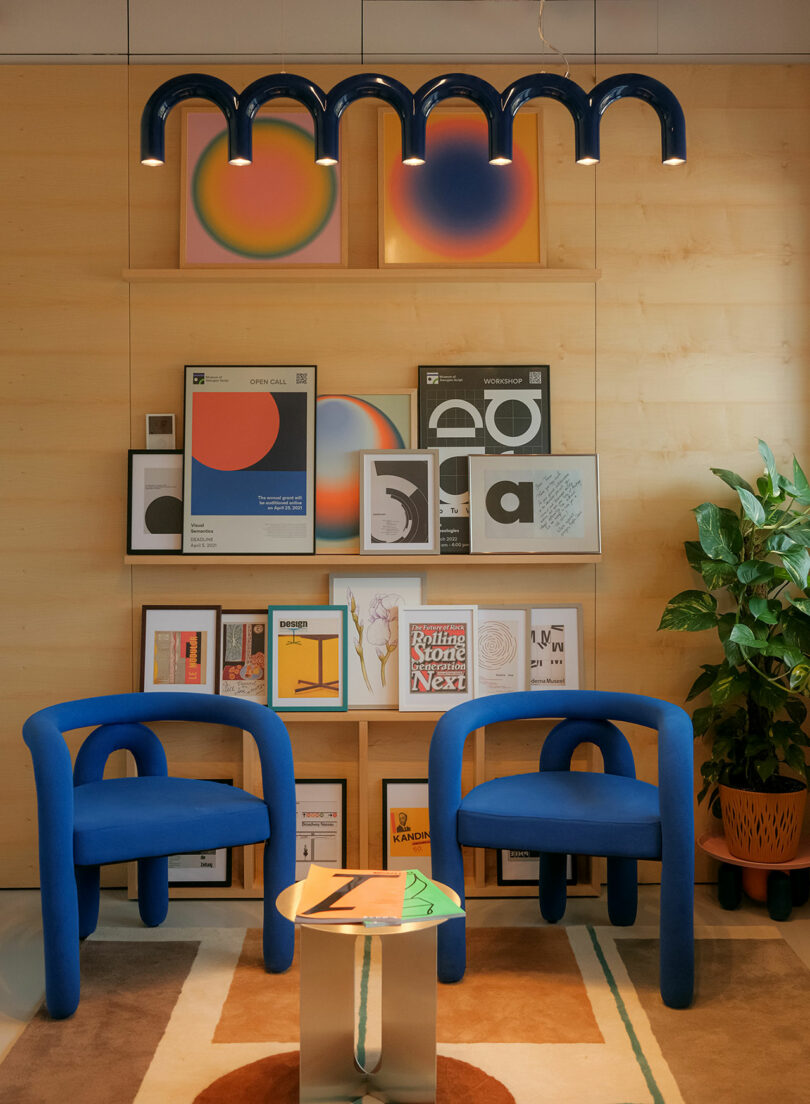
We are also seeing a shift toward a "Soft Residential Feel." Tegeta embraces this by moving away from the cold, sterile corporate designs of the early 2000s toward warmer, upholstered textures and curated art. The goal is to make the office feel less like a factory and more like a high-functioning home.
This trend recognizes that the "psychological comfort" of a space is just as important as its physical ergonomics. When an employee feels at home in their workspace, their sense of belonging and loyalty to the company increases. By incorporating comfortable seating, warm color palettes, and residential-style lighting fixtures, Tegeta creates an environment where people want to spend time, rather than a place they are forced to inhabit.
The ROI of a Health-First Workspace
For many business leaders, the question remains: does this investment pay off? The data suggests an emphatic "yes." Research shows that companies investing in ergonomics see a 67% decrease in absenteeism. When employees aren't dealing with chronic back pain, eye strain, or stress-related burnout, they show up more often and bring their full selves to their work.
Tegeta’s office is a forward-thinking model for contemporary workplace trends. It demonstrates that a focus on employee health is not a "soft" benefit, but a hard-edged business strategy. By reducing physical strain through ergonomic furniture, managing noise through smart acoustics, and boosting mental health through biophilia, Tegeta has created a workspace that functions as a catalyst for innovation.
ROI Stats at a Glance
- 67% reduction in absenteeism through ergonomic interventions.
- 6% boost in productivity via biophilic design.
- 15% increase in creativity by incorporating natural elements.
In the end, Tegeta’s new office is more than just a renovation; it’s a commitment to the most valuable asset any company has: its people. As we move further into a decade defined by the "wellness economy," spaces like this will become the gold standard for how we work, live, and thrive.
FAQ
1. What makes an office "ergonomic" beyond just the chairs? True ergonomics is a holistic approach. While chairs and height-adjustable desks are vital, it also includes the lighting (reducing glare), acoustics (reducing stress from noise), and even the layout (promoting movement). It’s about fitting the environment to the human, not the other way around.
2. How does biophilic design actually improve productivity? Biophilic design works on a psychological level to lower heart rates and cortisol (stress) levels. When we are less stressed, our prefrontal cortex—the part of the brain responsible for problem-solving and creativity—can function more effectively.
3. Is an open-plan office really healthy for employees? It can be, but only if it includes "escape valves" like the ones in the Tegeta office. Open plans facilitate collaboration, but they must be paired with acoustic treatments and private zones (like phone booths) to prevent the overstimulation and lack of privacy that leads to burnout.