Quick Facts
- Designer: Maria Bruun for Muuto.
- Key Innovation: An asymmetrical, "sail-like" silhouette that replaces traditional rectangular constraints with three convex arches.
- Design Philosophy: Human-centric and non-hierarchical; designed to eliminate the "head of the table" to foster more inclusive social dynamics.
- Materiality: Form-pressed FSC™-certified birch plywood with water-based lacquers and PFAS-free finishes.
- Market Context: Aligns with the 2026 shift toward multifunctional furniture, as demand for versatile dining sets grows by 2.4% annually.
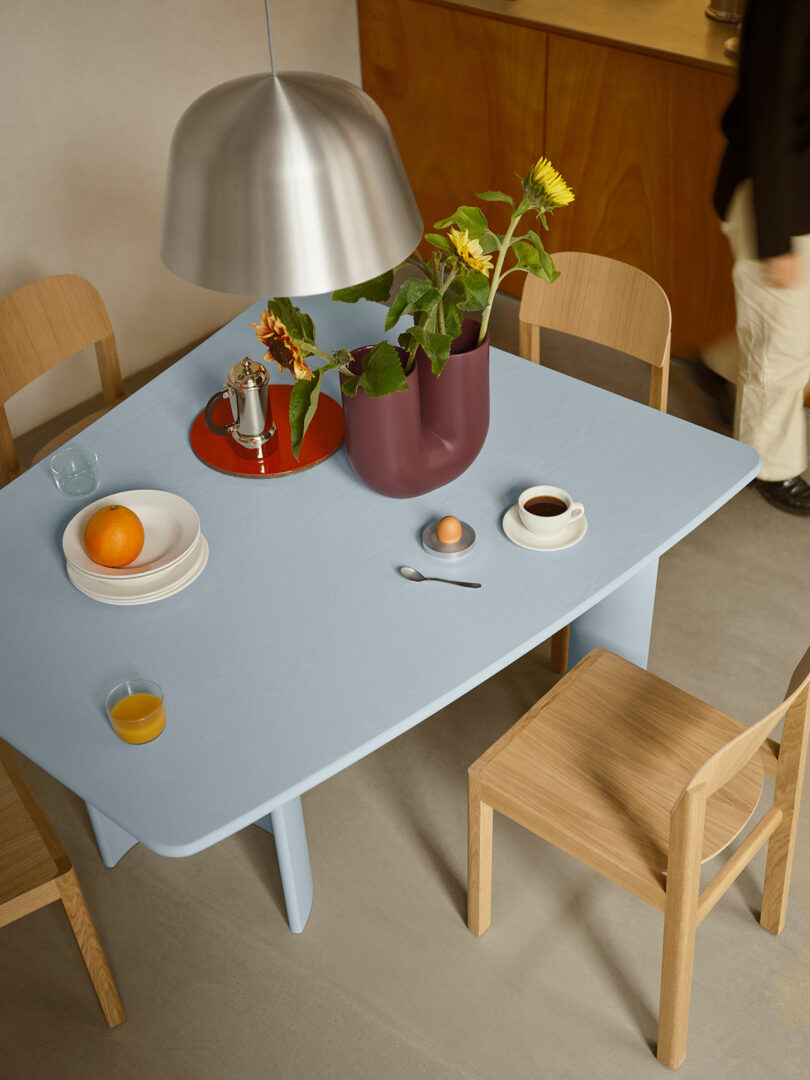
- Visual Appeal: Available in Oak, Walnut, and a signature Light Blue that serves as a contemporary spatial anchor.
The traditional dining table has long been a symbol of rigid hierarchy. For centuries, the rectangular board dictated where we sat, who spoke first, and how we interacted with our meals. But as we move toward 2026, the domestic landscape is undergoing a radical "re-norming." We are no longer looking for a static surface to eat on; we are seeking a social tool that adapts to the messy, fluid, and multi-layered reality of modern life. Enter the Re-norm Table by Maria Bruun for Muuto—a piece of furniture that is quite literally reshaping our understanding of the communal hub. By trading sharp corners for soft, asymmetrical curves, Bruun hasn’t just designed a table; she has drafted a new manifesto for human-centric living.
The Philosophy of 'Re-norming': Maria Bruun’s Vision
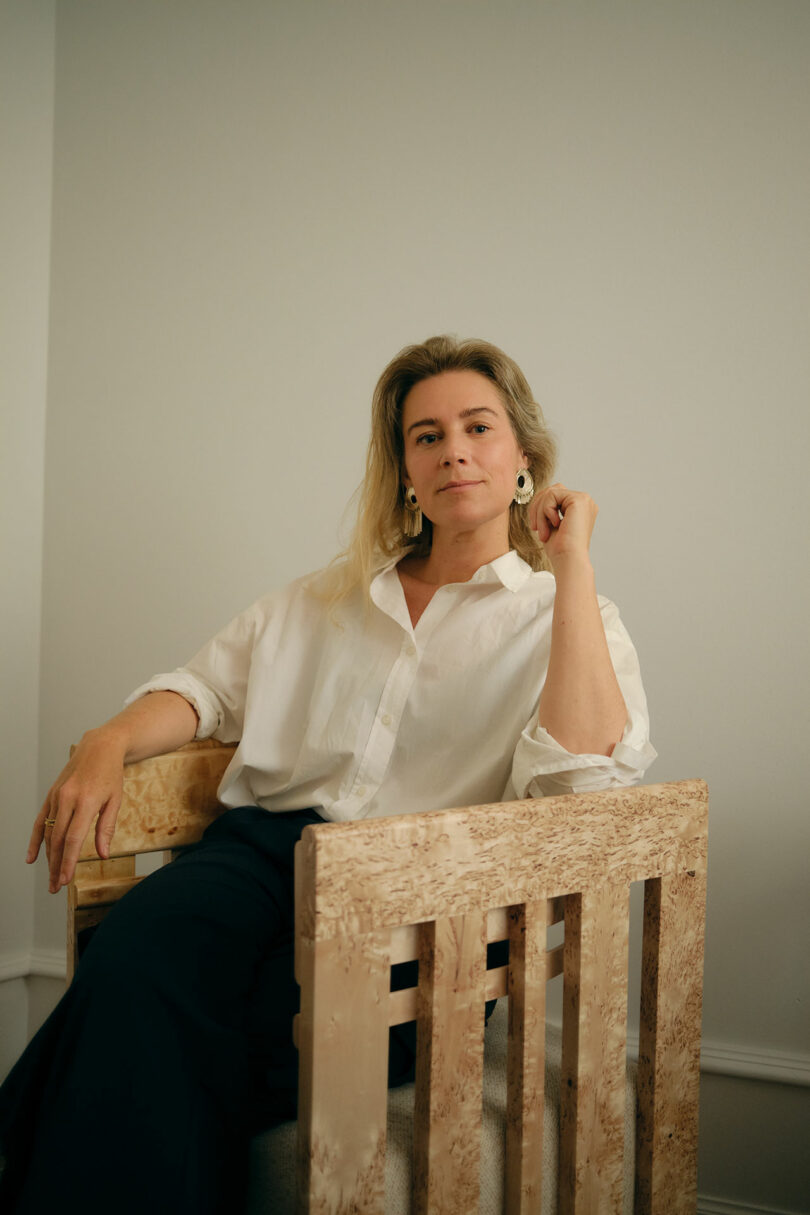
To understand why the Re-norm Table is such a disruptor, one must first look at the intent behind its creator. Maria Bruun, a designer known for her empathetic approach to form, approached this project by questioning the very "norm" of the dining experience. Traditional tables are often designed around the object first and the human second. They prioritize the grid of the room over the comfort of the body.
Bruun’s "re-norming" philosophy views the table as a dynamic participant in social life. The asymmetrical silhouette is a deliberate departure from the formal rigidity of the past. By utilizing three distinct convex arches rather than four equal sides, the table eliminates the designated "head" position. This shift is deeply psychological; it levels the social playing field, allowing for more spontaneous, informal gatherings where everyone is an equal participant. In 2026, where "quiet luxury" meets "soft minimalism," this move toward inclusivity is exactly what the modern home demands.
The Science of the Shape: From Cardboard to Culmination
The beauty of the Re-norm Table lies in its deceptive simplicity. While it looks like a single, organic gesture, the development process was an intensive exercise in ergonomic engineering. Bruun and the Muuto team didn't rely solely on digital renders; they utilized extensive 1:1 scale cardboard prototyping to perfect the placement of the legs and the sweep of the arches.
This "hands-on" R&D was essential for optimizing legroom—a common pain point in unconventional table designs. By precisely calculating the "smile" connections where the three convex arches meet, the design ensures that users can move fluidly around the table without bumping into structural obstacles. This fluidity isn't just about aesthetics; it’s about supporting the way we actually use our homes today—walking around the table to grab a laptop, leaning in for a shared secret, or squeezing in an extra guest at a moment's notice.
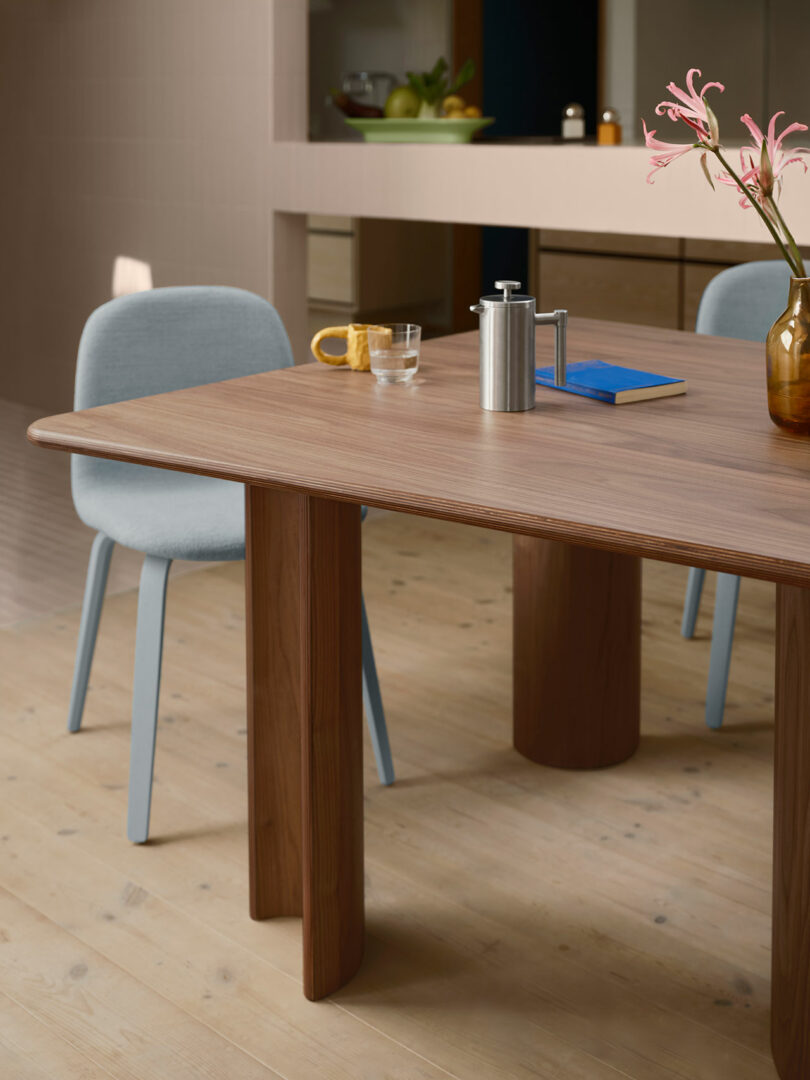
Designer Insight: "The goal wasn't just to make something that looked different," Bruun notes. "It was about creating a form that invited people to sit differently—to claim their own personal territory without being boxed in by the corners of a rectangle."
Materiality and Sustainability: The 2026 Baseline
In the current design climate, aesthetics are inseparable from ethics. The Re-norm Table meets the 2026 baseline for sustainable luxury through its thoughtful use of materials. The primary structure is crafted from form-pressed birch plywood, a material that offers an exceptional balance of organic softness and structural resilience.
Muuto’s commitment to eco-conscious specifications is evident in every detail:
- FSC™-certified wood: Ensuring the materials are sourced from responsibly managed forests.
- Water-based lacquers: Reducing harmful emissions and ensuring a safer indoor air quality.
- PFAS-free finishes: A non-negotiable standard for health-conscious consumers in the coming years.
Color as a Spatial Tool
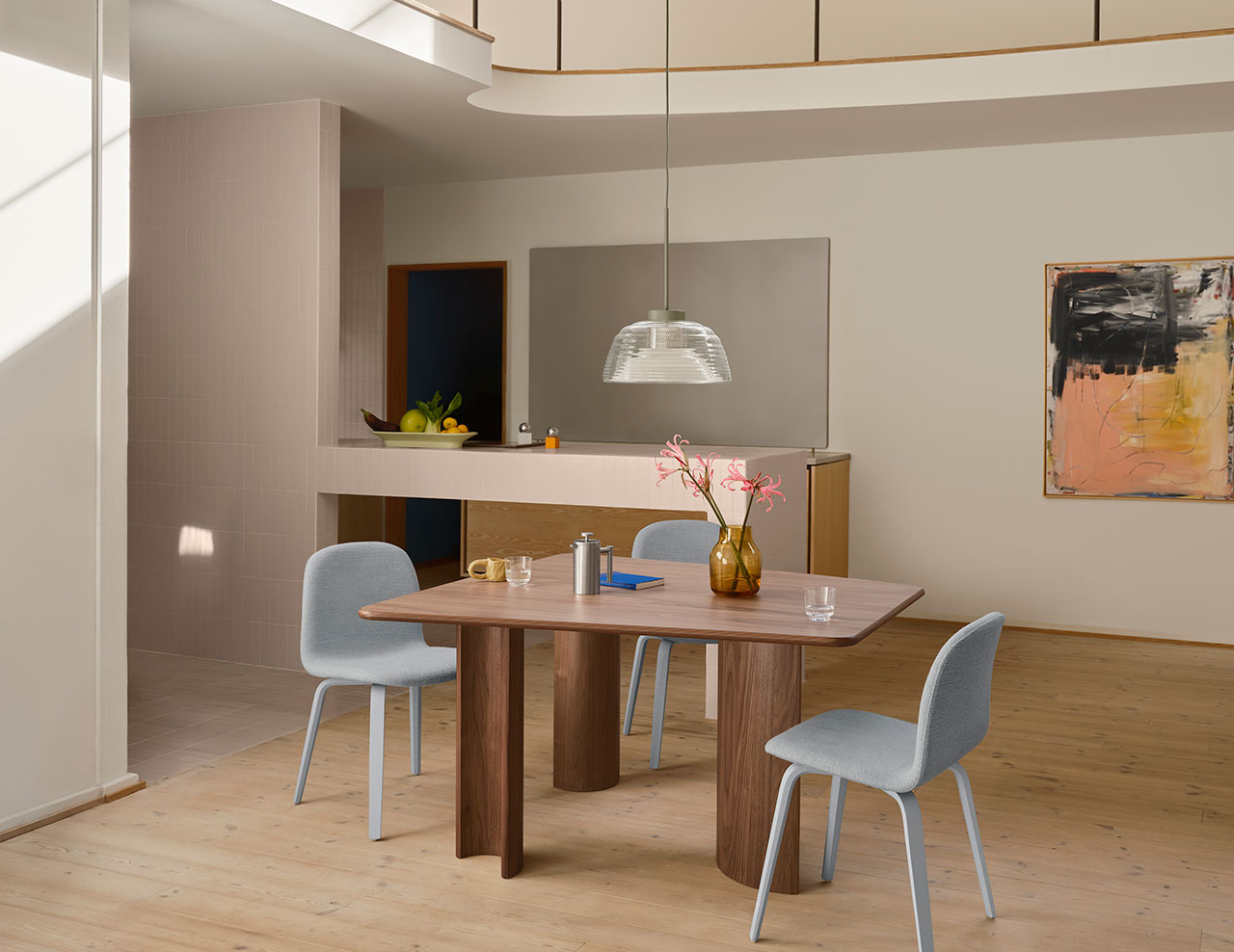
While the Oak and Walnut finishes offer a timeless, grounding presence, it is the signature Light Blue that truly defines the Re-norm’s modern identity. In interior styling, color is no longer just a decorative choice; it’s a tool for defining zones within an open-plan home. The Light Blue finish acts as a soft focal point, contrasting beautifully against warmer wood tones or industrial concrete floors.
2026 Trends: The Rise of the Multi-Functional Hub
We are witnessing a significant shift in how we perceive domestic space. Market research indicates a 2.4% annual growth in demand for multifunctional dining sets through 2026. This isn't just a statistical blip; it’s a reflection of the permanent integration of remote work into our daily lives.
The dining table is now the morning boardroom, the afternoon homework station, and the evening social lounge. The Re-norm Table is perfectly positioned for this "multi-hub" lifestyle. Its lack of sharp edges makes it a safer, more inviting surface for a variety of tasks, while its sculptural presence ensures it doesn't look like an "office" piece when the workday ends. It fits seamlessly into the burgeoning "Japandi" and "Soft Minimalist" aesthetics, where every object must earn its keep through both beauty and utility.
Integrating the Re-norm: Layout Ideas for Modern Homes
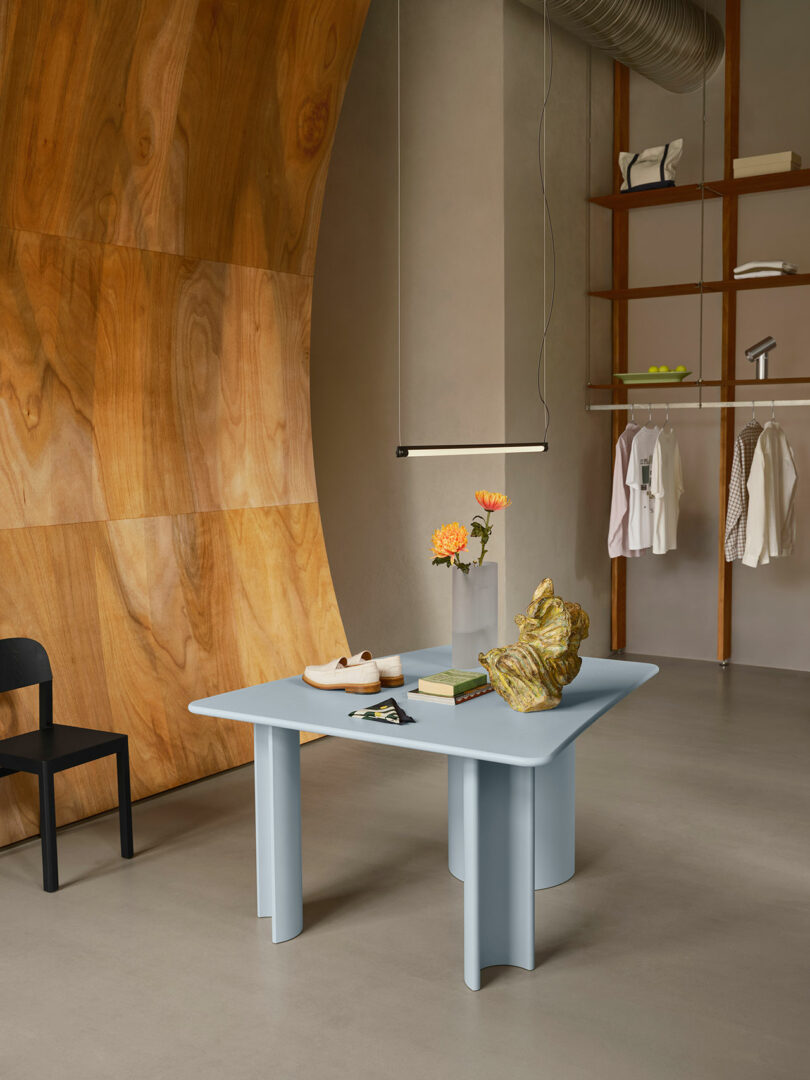
Integrating an asymmetrical piece into a room often requires a "break the grid" mindset. Traditional layouts rely on alignment with walls, but the Re-norm Table thrives when it's allowed to float.
1. The Open-Concept Flow
In an open-concept floor plan, a rectangular table can often feel like a barricade. The Re-norm’s sail-like silhouette encourages an organic "S-flow" through the room. Position it slightly off-center to create a natural pathway between the kitchen and the living area. The curved edges soften the transition between different functional zones.
2. Pairing with 2026 Seating Trends
To lean into the human-centric theme, consider moving away from a matching set of chairs.
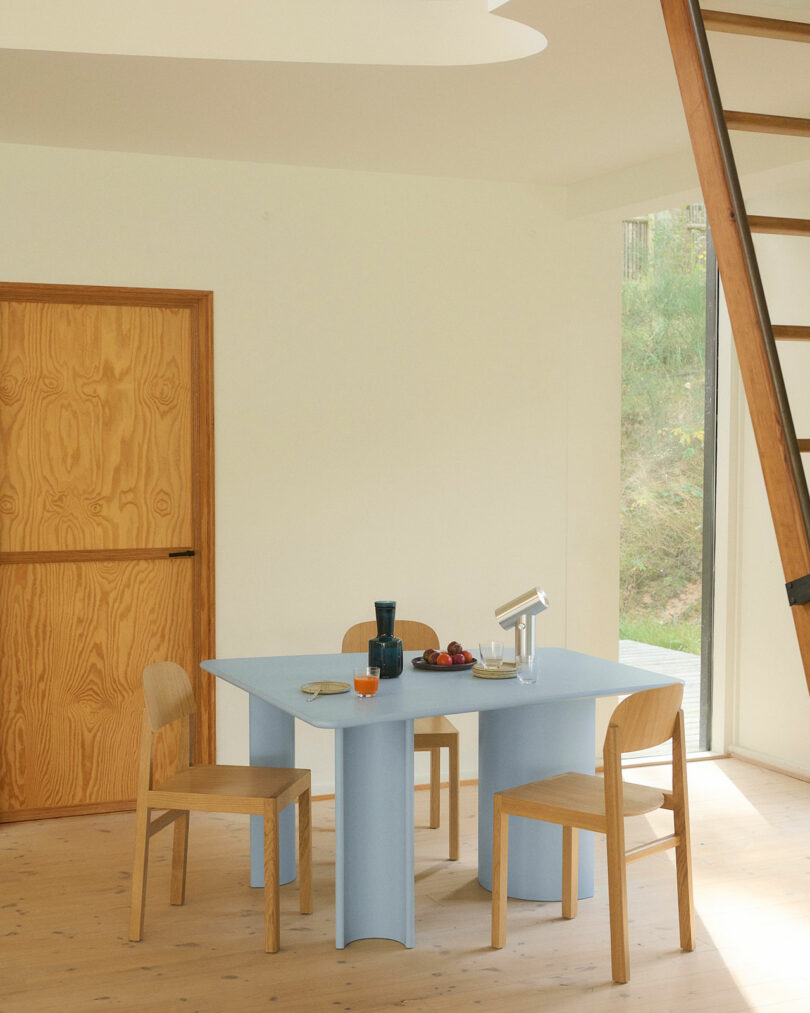
- Mix-and-Match: Pair the Oak Re-norm with a mix of sculptural wooden chairs and upholstered seats in tonal colors.
- The Curved Bench: A curved bench along one of the convex arches maximizes seating for kids or informal gatherings, reinforcing the table's inclusive nature.
3. Lighting the Silhouette
An asymmetrical table needs an anchor from above. Use an oversized, rounded pendant light—like Muuto’s own Strand or Rime series—to mirror the table’s curves. By hanging the light slightly lower than usual, you create an intimate "cocoon" effect that highlights the unique silhouette of the birch plywood below.
Comparison: Traditional vs. Re-norm Layouts
| Feature | Traditional Rectangular Table | Re-norm Asymmetrical Table |
|---|---|---|
| Social Dynamic | Hierarchical (Head of table) | Democratic (Non-hierarchical) |
| Spatial Impact | Static, rigid grid-based | Dynamic, encourages organic flow |
| Ergonomics | Limited by 4 corner legs | Optimized legroom via 3 convex arches |
| Versatility | Formal dining focus | Multi-functional (Work/Social/Display) |
| Safety | Sharp corners in high-traffic zones | Soft, rounded edges for fluid movement |
FAQ
Q: Is the Re-norm Table stable despite its asymmetrical legs? A: Absolutely. The stability of the Re-norm Table was a primary focus during the 1:1 scale prototyping phase. The placement of the legs is mathematically calculated to support the three convex arches, providing a rock-solid foundation that handles everything from heavy laptops to elaborate dinner spreads.
Q: How do I choose the right size for my space? A: Because the table is asymmetrical, it often feels less "bulky" than a rectangular table of the same surface area. Measure your space, but keep in mind that you need about 90cm (35 inches) of clearance around the curves to truly appreciate the "flow" the design intends to create.
Q: Is the Light Blue finish hard to maintain? A: The Light Blue finish uses a high-quality, water-based lacquer that is designed for daily domestic use. It is just as durable and easy to wipe down as the Oak or Walnut versions. It’s a great choice for families who want a pop of color without sacrificing the ease of maintenance.
Conclusion: The New Normal is Personal
The Re-norm Table is more than just a beautiful object; it is a response to a changing world. As we head into 2026, our homes are becoming more fluid, our social structures more democratic, and our design choices more intentional. By challenging the traditional "rules" of the dining room, Maria Bruun and Muuto have given us a piece that doesn't just sit in a room—it transforms the way we live within it.
Whether you're using it as a sleek workspace during the day or a communal hub for an eight-course dinner at night, the Re-norm Table invites you to sit down, let go of the hierarchy, and find your own space at the table. It’s time we stopped designing for the grid and started designing for the human.