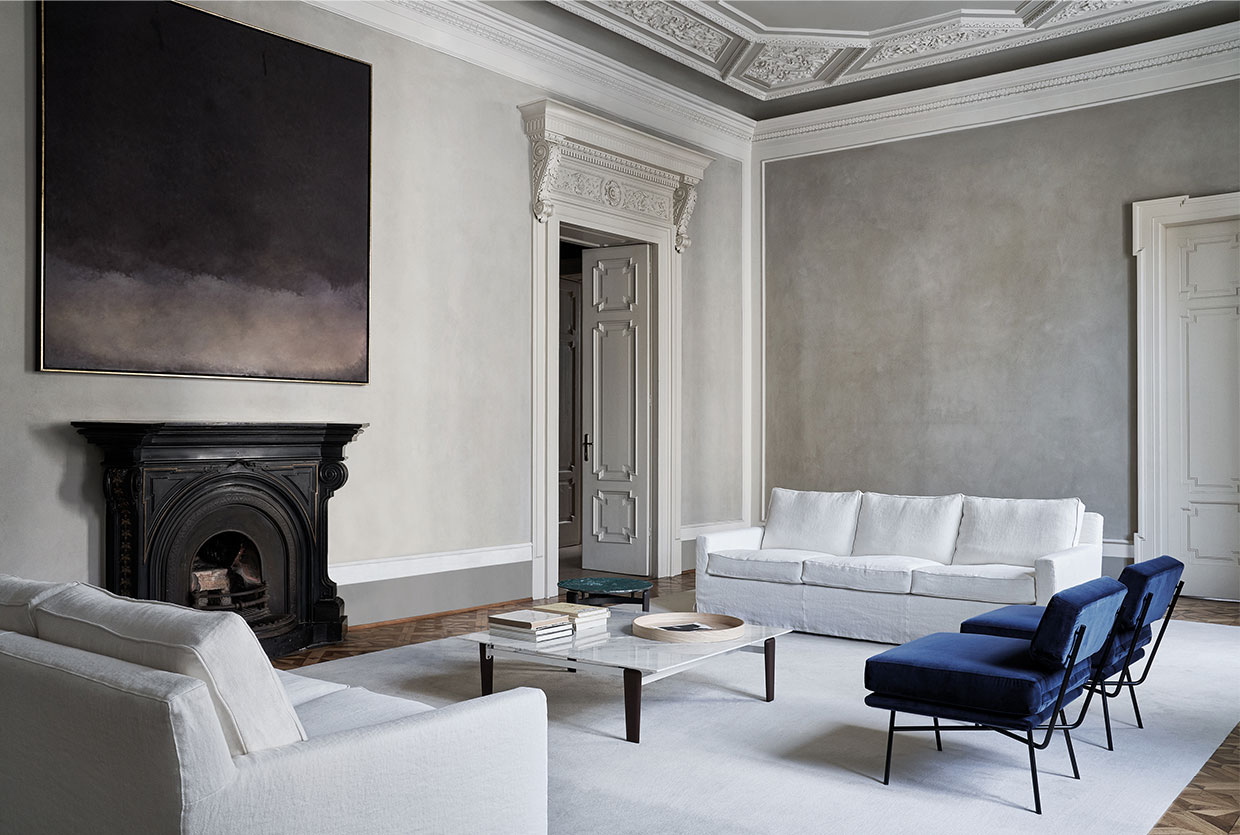
For the past decade, the interior design world has been held captive by a specific shade of "quiet." We’ve called it many things—Scandi-chic, organic modernism, or more derisively, "Sad Beige." It was a movement defined by what was absent: a lack of color, a lack of visual friction, and ultimately, a lack of personality. But as we move toward 2026, the pendulum is swinging with decisive intent. The modern homeowner is no longer satisfied with a home that looks like a high-end gallery with nothing on the walls. We are entering the era of "Expressive Minimalism," a philosophy that retains the clean lines and functional integrity of traditional minimalism while introducing an unapologetic architectural personality through color.
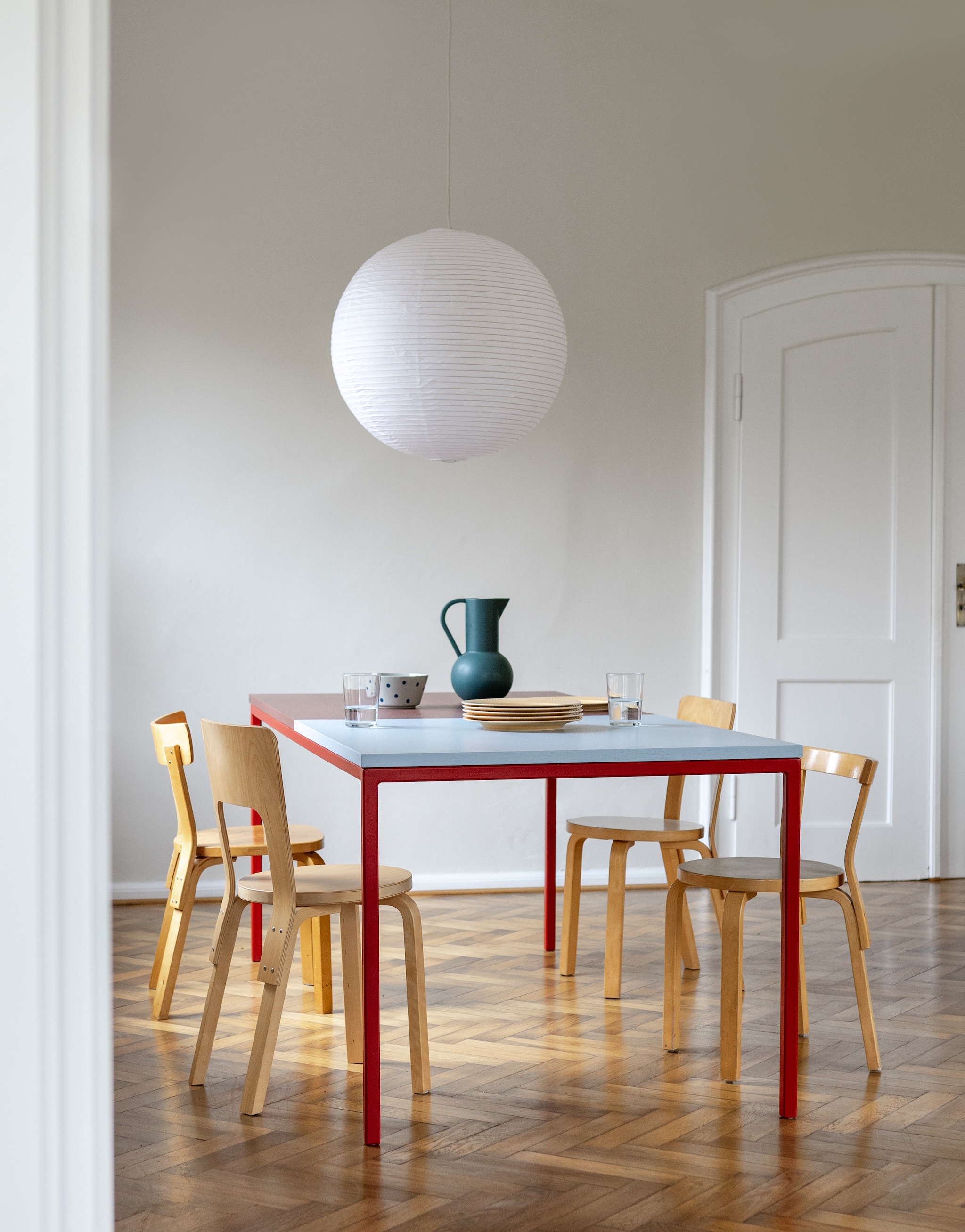
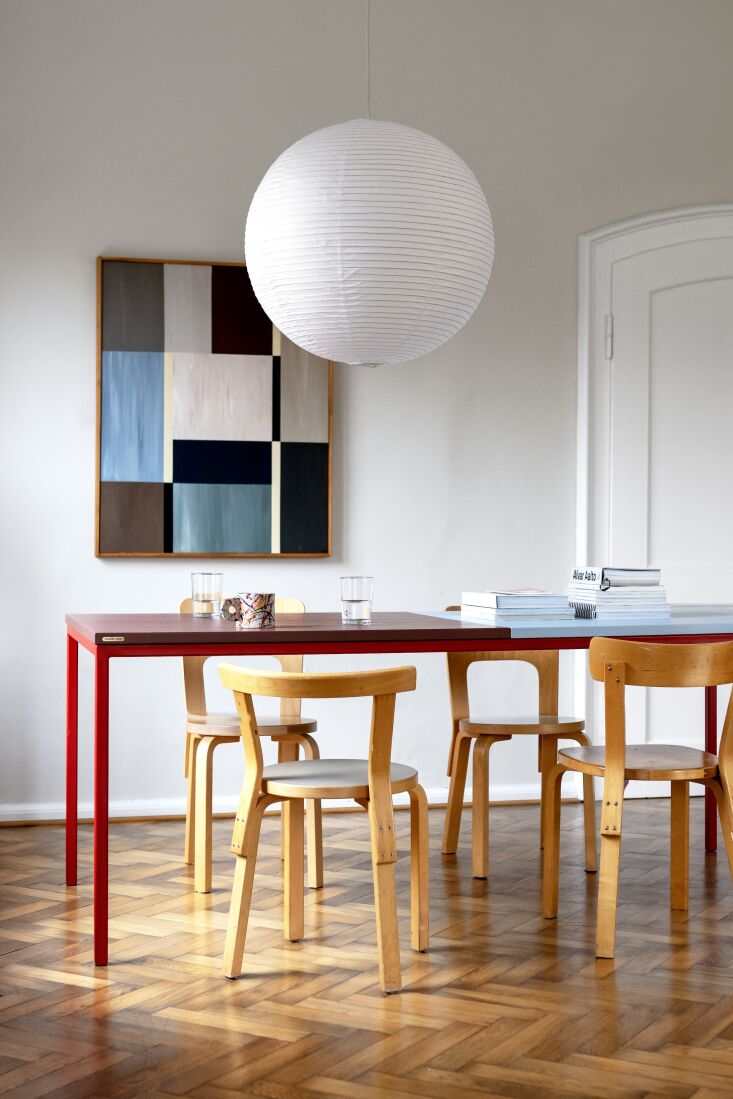
At the forefront of this shift is the Friis dining table. A masterful collaboration between graphic designer Swantje Hinrichsen and the Münster-based workshop Donnerblitz Design, the Friis is not just a piece of furniture; it is a manifesto for the next decade of interior styling. By utilizing sophisticated color-blocking and high-precision German engineering, it offers a "bold yet controlled" alternative to the monochromatic status quo.
The 2026 Sentiment: Why We’re Craving Color-Blocking Now
The shift we are seeing isn't merely a fleeting trend; it’s a documented psychological pivot in how we inhabit our spaces. According to a recent 2026 designer sentiment report, there has been a staggering 64% increase in consumer preference for furniture that utilizes multi-tonal color palettes over traditional monochromatic sets. People are tired of the sterile; they are looking for "anchor pieces" that provide a sense of joy without contributing to the visual clutter that often accompanies maximalist decor.
Color-blocking serves this need perfectly. It utilizes the principles of geometry to create visual interest. Instead of adding a vase, a runner, and a centerpiece to a plain wooden table—items that eventually become "clutter"—the Friis table incorporates that visual hierarchy into its very structure. It allows the architecture of the furniture to do the heavy lifting. In 2026, minimalism isn't about having less; it’s about making the pieces you do have work harder for your aesthetic.
The Collaboration: Swantje Hinrichsen x Donnerblitz Design
The soul of the Friis table lies in its pedigree. Swantje Hinrichsen, a designer known for her keen eye for graphic compositions and color theory, has managed to translate a 2D sensibility into a 3D functional object. This isn't a table that was designed by a furniture corporation’s committee; it was conceived by an artist who understands how color interacts with light and shadow in a living space.

Donnerblitz Design, based in the design hub of Münster, Germany, provides the technical rigor required to execute such a precise concept. The "Münster aesthetic" is often characterized by a blend of Bauhaus-inspired functionality and a playful, contemporary edge. In the case of the Friis, this means every joint is seamless, every powder-coated surface is flawless, and the multi-toned oak veneer is applied with the kind of artisan precision that mass-market luxury brands often sacrifice for scale.
Design Breakdown: Materials, Geometry, and Craftsmanship
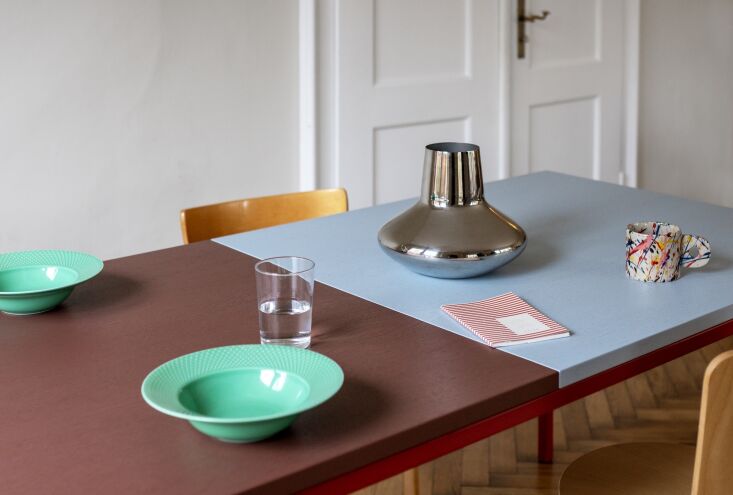
When you examine the Friis table up close, the first thing you notice is the interplay of materials. The frame is constructed from powder-coated steel, providing a slender yet incredibly rigid foundation. This choice of material allows for a much thinner profile than traditional wood legs, contributing to the "floating" appearance of the multi-toned top.
The tabletop itself is the star. Crafted from oak-veneered chipboard with solid oak edges, it offers the tactile warmth of natural wood while providing a stable canvas for the color-blocked segments. Unlike solid wood, which can warp over time—especially in varying climates—this high-quality veneered construction ensures that the geometric lines of the color-blocking remain perfectly aligned for decades.
Key Specs: The Friis Table
| Feature | Details |
|---|---|
| Designer | Swantje Hinrichsen |
| Manufacturer | Donnerblitz Design (Münster, Germany) |
| Materials | Powder-coated steel frame, Oak-veneered top, Solid oak edges |
| Variants | Four distinct color combinations (Variant One to Four) |
| Customization | Custom sizing available upon request |
| Base Price | Starting at €2,170 |
The market is currently seeing a massive flight to quality. Recent analysis indicates that 72% of high-end furniture buyers are prioritizing artisan-made European pieces over mass-market "fast furniture" luxury. The Friis table caters specifically to this demographic—those who view furniture as a long-term investment in both utility and art.
Comparing Minimalisms: The 2026 Evolution
| Feature | Standard Minimalism (2015-2023) | Expressive Minimalism (2026+) |
|---|---|---|
| Color Palette | Monochromatic (White, Beige, Grey) | Multi-tonal (Color-blocked, Ochre, Sage, Cobalt) |
| Materials | Single-material focus (All wood, All stone) | Hybrid materials (Steel + Wood + Resin) |
| Visual Interest | Derived from textures (Bouclé, Linen) | Derived from architectural geometry |
| Atmosphere | "Quiet Luxury" | "Intentional Personality" |
Styling the Friis Table: From Scandi-Modern to Mid-Century Fusion
One of the most common questions I get as an editor is: "How do I style a table that is already so colorful?" The answer is simpler than you might think. Because the Friis table is so architecturally "loud," the surrounding elements should be classic, structural, and somewhat understated.
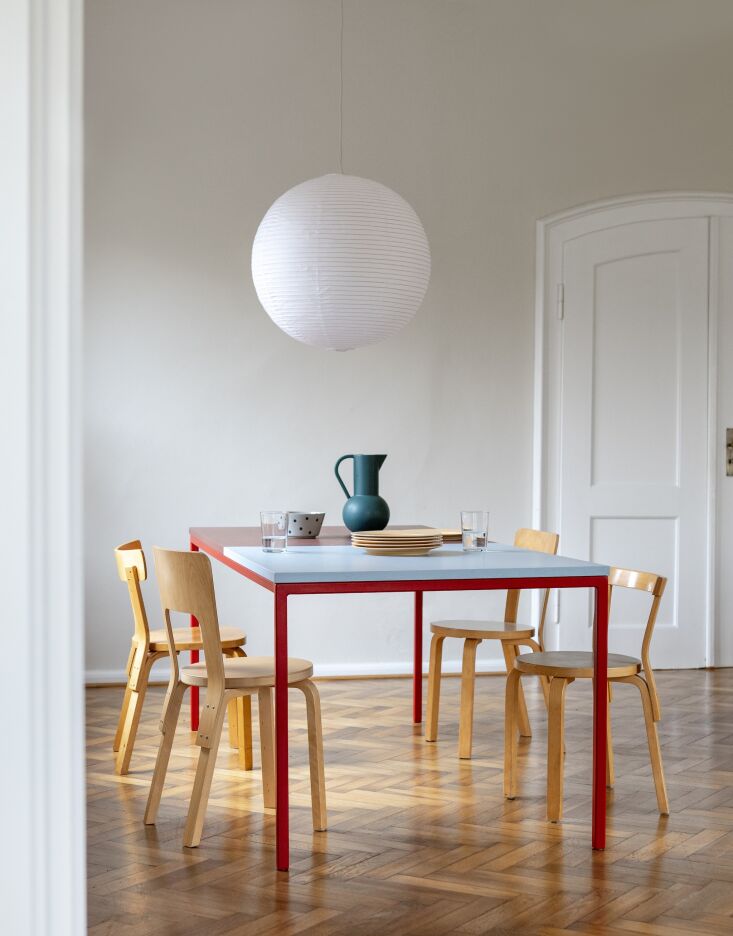
I always recommend pairing the Friis with iconic seating that shares its functionalist DNA. Alvar Aalto’s 1935 Artek chairs—specifically the Chair 66 or the Stool 60—remain the perfect companions. Their bentwood curves provide a soft contrast to the Friis’s sharp steel legs, bridging the gap between 1930s functionalism and 2026’s color-forward trends.
Lighting is the final piece of the puzzle. To truly highlight the table's multi-toned surface, you need light that comes from a sculptural source. A Muller Van Severen hanging lamp, with its thin lines and primary colors, complements the table's geometry without overwhelming it. The goal is to create a "dialogue" between the horizontal lines of the table and the vertical elements of the room.
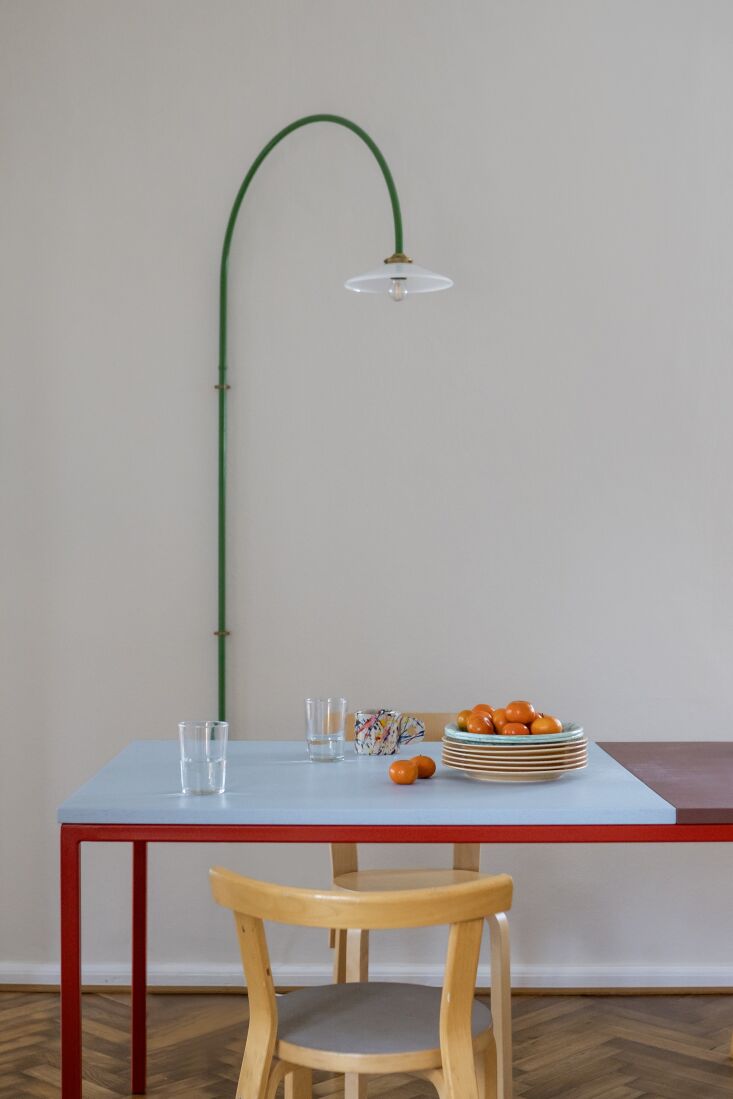
Ivy's Pro-Tip: When styling a color-blocked table, avoid using a tablecloth. If you must use linens, opt for high-quality leather placemats or felt coasters in a neutral tone that matches one of the secondary colors in the tabletop to keep the geometry visible.
Is it a Workhorse? Durability for Real Life
While the Friis table looks like a piece of art, it is designed for the rigors of a modern home. In the 2026 market, we are seeing a lot of "sintered stone" and "ceramic" tops in mass-market brands. While durable, these materials can feel cold and clinical.
The oak veneer used by Donnerblitz Design offers a warmer, more "human" experience. The surface is treated with high-quality lacquers that protect the wood from spills and heat, though I always recommend using coasters for hot items. Unlike the "fast furniture" versions of color-blocked tables, the solid oak edges on the Friis mean that the corners—the most high-traffic parts of a table—won't chip or peel. It is a piece built for dinner parties, homework sessions, and morning coffees.
Conclusion: Investing in the 'New Minimalist' Era
The Friis color-blocked dining table represents more than just a change in furniture trends; it represents a change in how we value our domestic environment. We are moving away from the "disposable" aesthetic of the 2010s and toward a more curated, artisan-focused future. By choosing a piece that balances German engineering with an expressive, graphic soul, you aren't just buying a table—you are defining the character of your home for the next decade.
In 2026, the most beautiful homes won't be the ones that are perfectly white; they will be the ones that aren't afraid to show their true colors.
FAQ
1. Can the Friis table be customized for smaller apartments? Yes. While the standard dimensions are designed for spacious dining areas, Donnerblitz Design offers custom sizing options. Since each table is made to order in their Münster workshop, they can adjust the steel frame and oak top to fit your specific spatial requirements.
2. How do I maintain the multi-toned oak surface? Maintenance is straightforward but requires consistency. Use a soft, damp cloth for daily cleaning and avoid abrasive chemical cleaners which can strip the protective lacquer. For long-term care, a specialized wood furniture polish applied every six months will keep the oak veneer supple and the colors vibrant.
3. Does the color-blocking limit my future decor choices? Actually, it does the opposite. Because the Friis table usually incorporates three to four different tones (depending on the variant), it gives you a much broader palette to pull from for your chairs, rugs, and wall art. It acts as a "bridge" piece that can tie together disparate colors in a room.