Quick Facts
- The Core Concept: Human sustainability in design posits that a product is only truly sustainable if it meets the physiological needs of the user; otherwise, the materials used are essentially wasted.
- The 3S’s Pattern: A research-backed cycle of 20 minutes sitting, 8 minutes standing, and 2 minutes of stretching or moving.
- The Microgravity Effect: Frequent posture changes mimic the physiological benefits of space travel, lowering heart rates and reducing muscle strain.
- The Health Warning: Poor upper body posture is the leading driver of Musculoskeletal Disorders (MSDs), the primary cause of workplace absenteeism.
- Design Trend 2026: A shift toward "intuitive ergonomics"—furniture that adapts to the body automatically rather than requiring complex manual adjustments.
For years, the design world focused on the "green" aspect of sustainability—recycled plastics, FSC-certified woods, and low-VOC finishes. While these are vital, we are witnessing a paradigm shift toward a more holistic definition: Human Sustainability. As an editor who has spent a decade curating beautiful interiors, I’ve seen countless "aesthetic" workspaces that look stunning on Instagram but fail the person sitting in them. If a desk is made of reclaimed oak but causes chronic lumbar pain, or if a chair is a mid-century icon but restricts circulation, is it truly sustainable?
The answer is a resounding no. Human sustainability in the workspace means that the environment must support the physiological and psychological health of the occupant. If a design fails to support your health and efficiency, the high-quality materials used to build it are rendered ineffective. We are moving into an era where the "wellness" of a room is just as important as its carbon footprint. It’s time we treat our bodies as the most important element in the room.
The Science of the '3S's Ideal Work Pattern'
To understand why an upgrade is urgent, we have to look at the biology of work. We weren't built to be static. Research led by Professor Alan Hedge at Cornell University has revolutionized our understanding of how movement impacts the professional body. The "3S's Ideal Work Pattern" is the gold standard for modern ergonomic health.
The 3S pattern is a rhythmic cycle: 20 minutes of sitting in a neutral posture, followed by 8 minutes of standing, and concluding with 2 minutes of stretching or movement. This isn't just a suggestion; it’s a physiological necessity. When we follow this 20-8-2 cycle, we trigger what researchers call the "Microgravity Effect." By constantly shifting our relationship with gravity, we mimic the benefits observed in space travel research—significantly lowering heart rates, improving circulation, and drastically reducing muscle strain compared to prolonged sitting or standing.
Statistic-wise, the data is staggering. Studies by Hedge indicate that users who adhere to the 3S pattern report significantly higher energy levels and a decrease in musculoskeletal discomfort. It turns out that movement is the ultimate "bio-hack" for the modern professional.
Essential Gear: Top-Tier Ergonomic Furniture for 2026
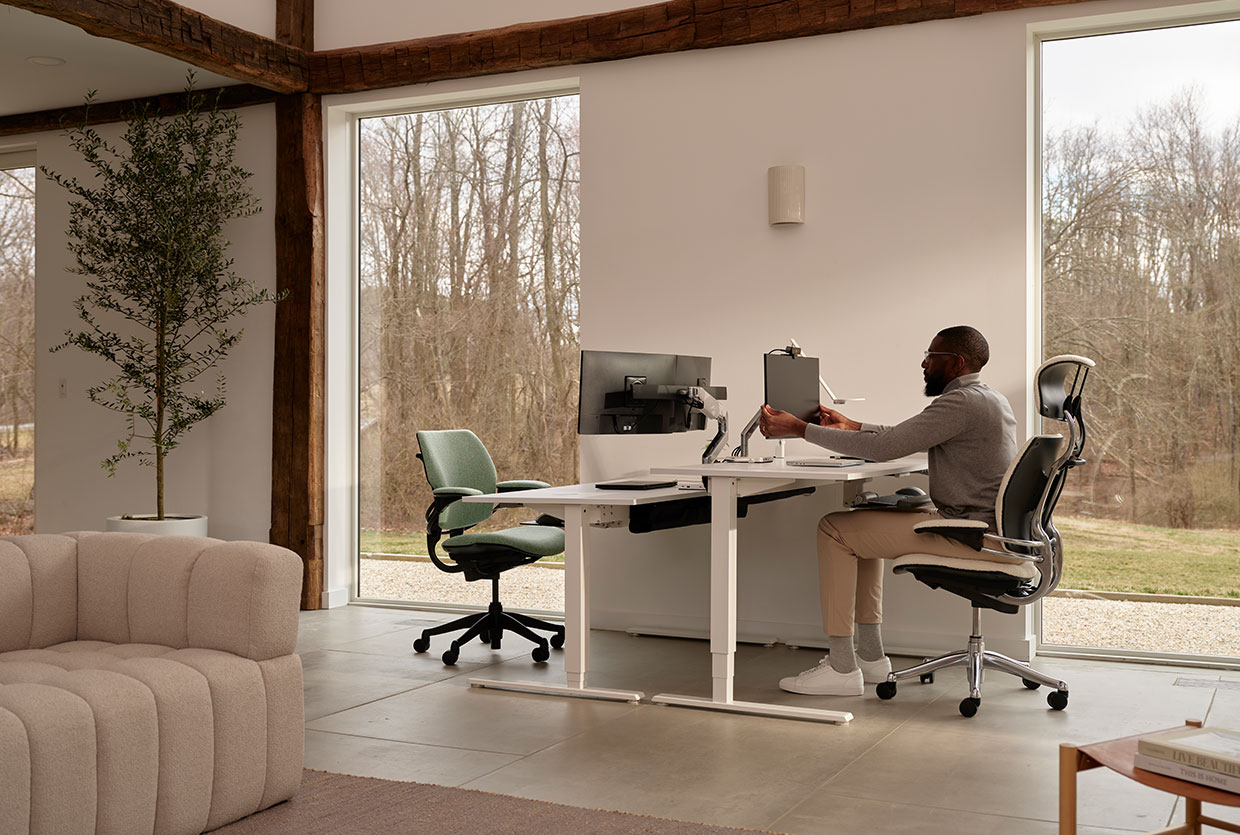
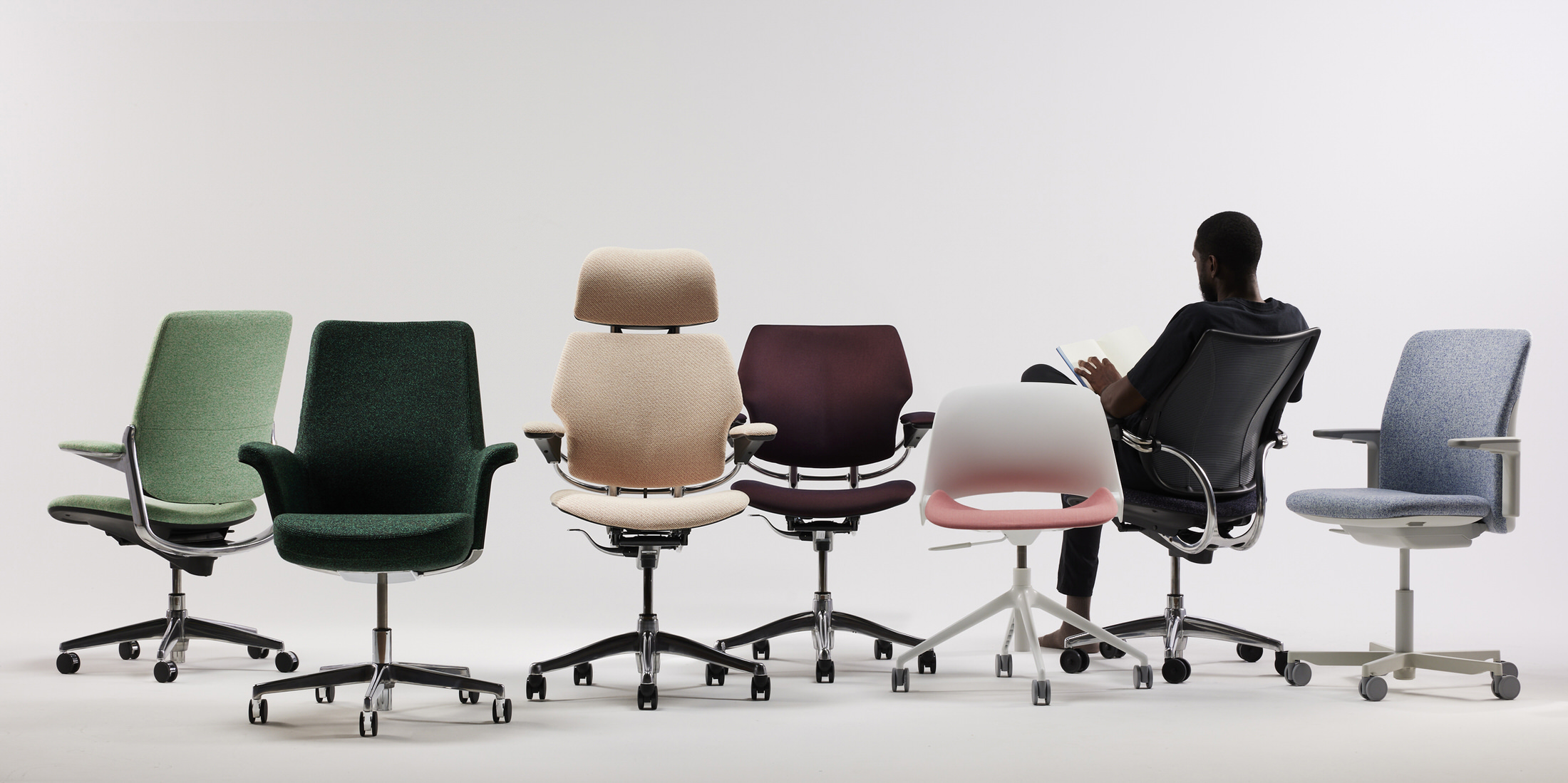
The market for office furniture has evolved. In 2026, we are seeing a rejection of the "cockpit" style of chair—those daunting designs covered in twenty different knobs and levers. Instead, the focus has shifted toward simplicity and intuition.
Ergonomic Chairs: Beyond Knobs and Levers
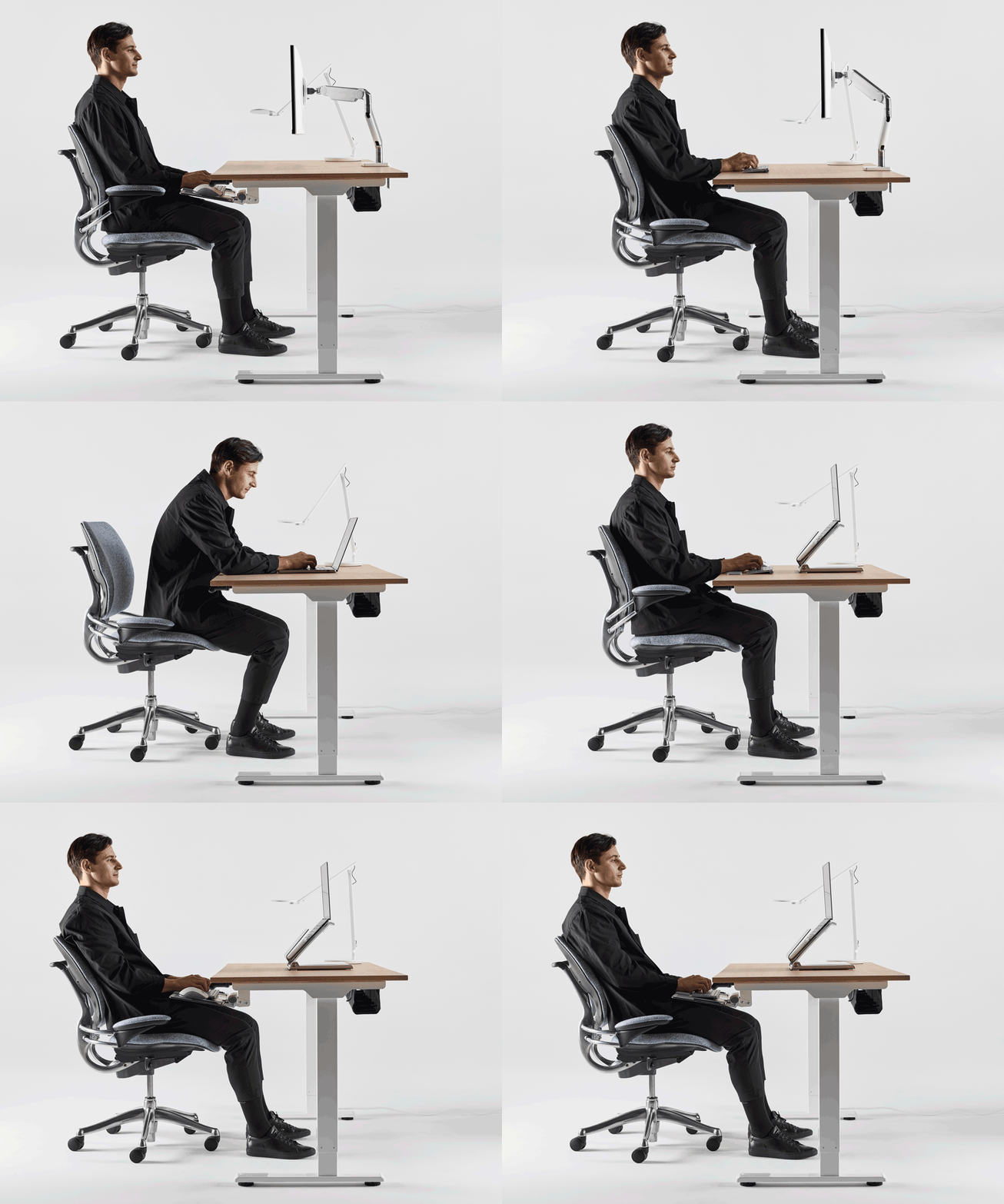
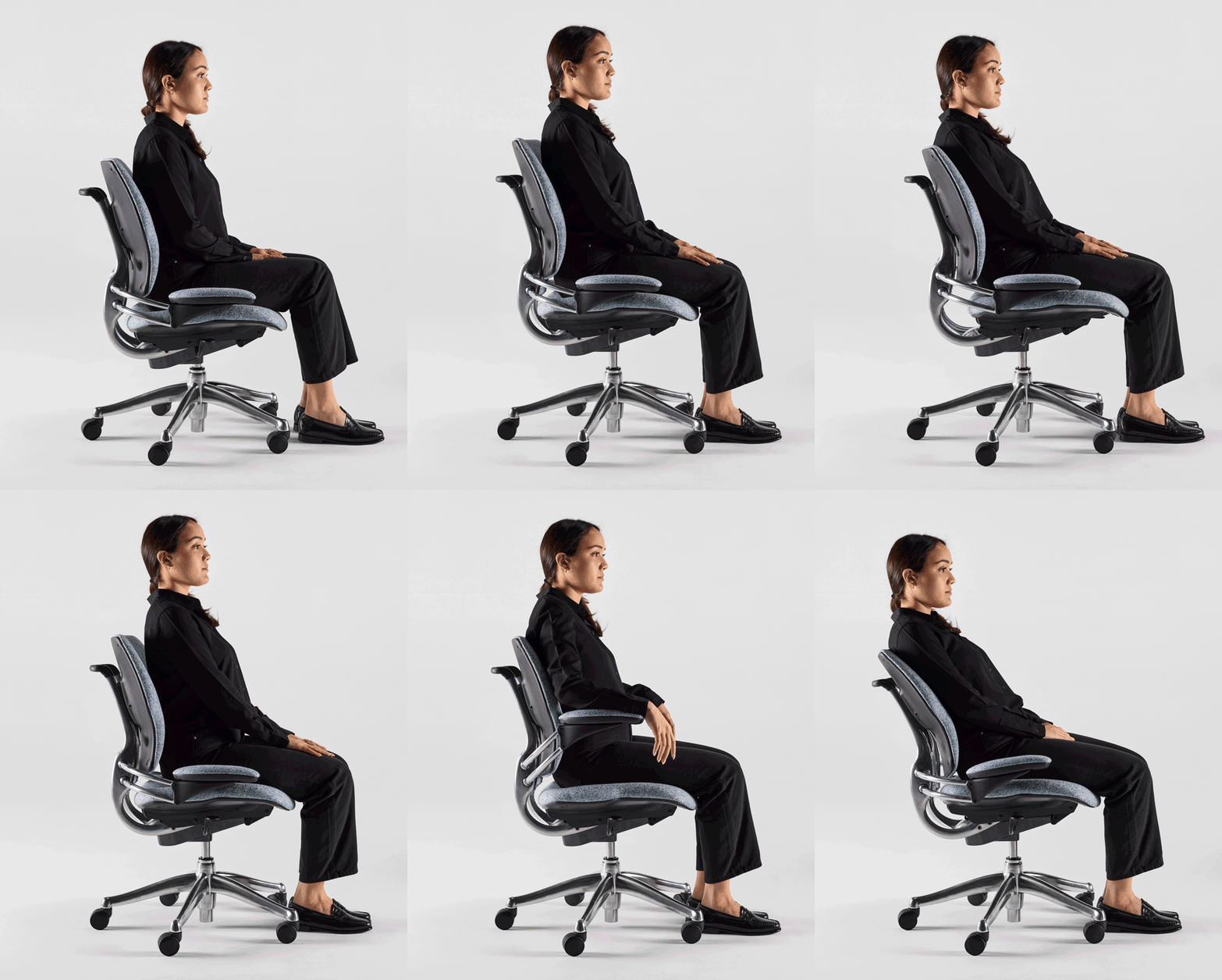
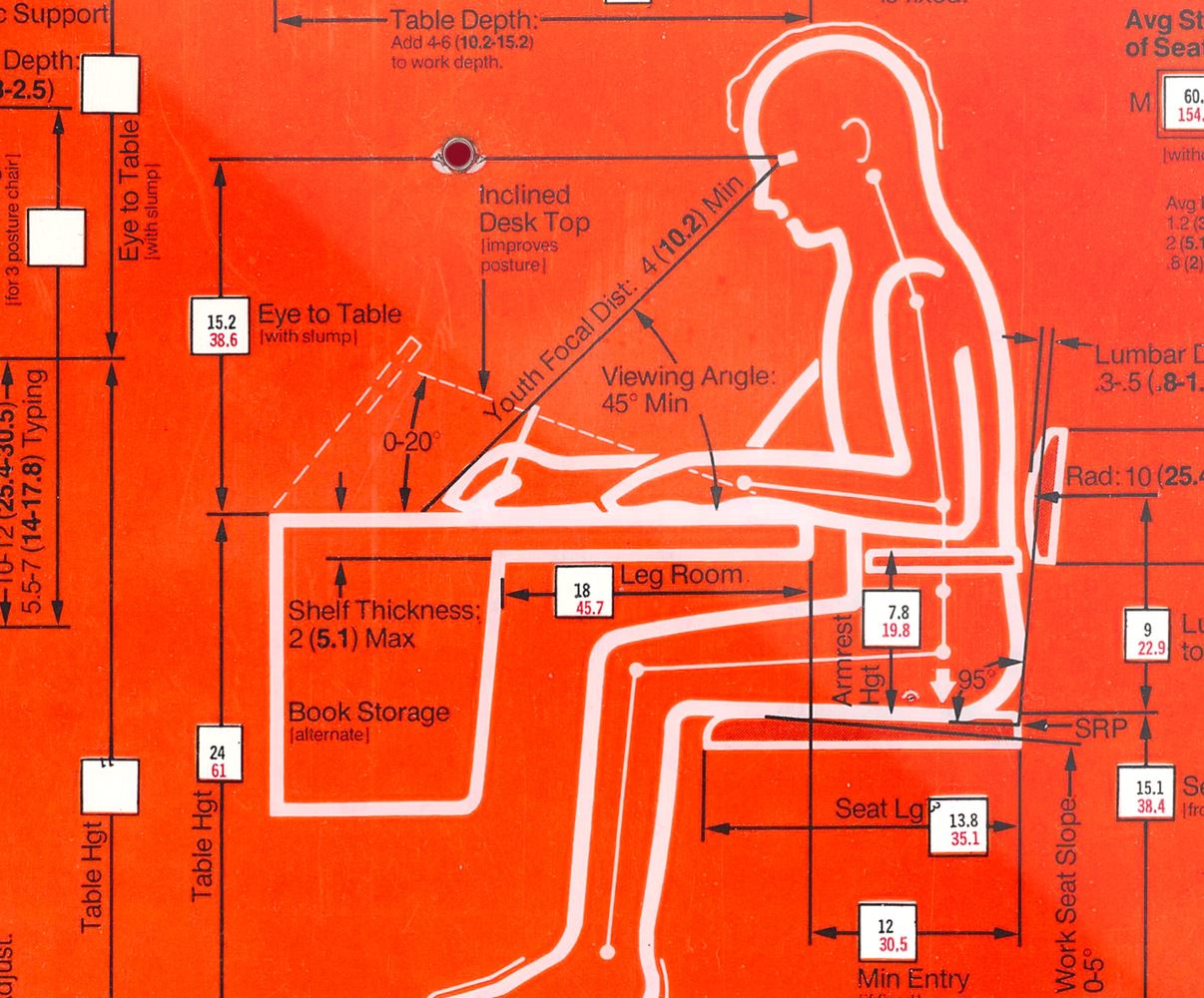
A truly ergonomic product should adapt to the user automatically. When you sit down, the chair should respond to your weight and height without a manual. The goal is a "neutral posture"—shoulders relaxed, elbows at 90 degrees, and the spine maintaining its natural S-curve.
| Feature | Branch Ergonomic Chair Pro | Herman Miller Aeron |
|---|---|---|
| Best For | Best Overall Value / Modern Aesthetics | The Design Icon / Breathability |
| Adjustment Style | Intuitive, weight-sensitive recline | Manual, highly granular |
| Warranty | 7 Years | 12 Years |
| Price Point | $$$ (Mid-range) | $$$$$ (Premium) |
| Human Sustainability | High (High recycled content + comfort) | Exceptional (Cradle to Cradle certified) |
The Branch Ergonomic Chair Pro has become my top recommendation for the home office because it marries a high-end aesthetic with effortless support. It’s designed to support 90% of body types with minimal fiddling. On the other hand, the Herman Miller Aeron remains the gold standard for those who prefer a firmer, mesh-based support system and have a larger budget for long-term durability.
Standing Desks: Finding Your Height Range
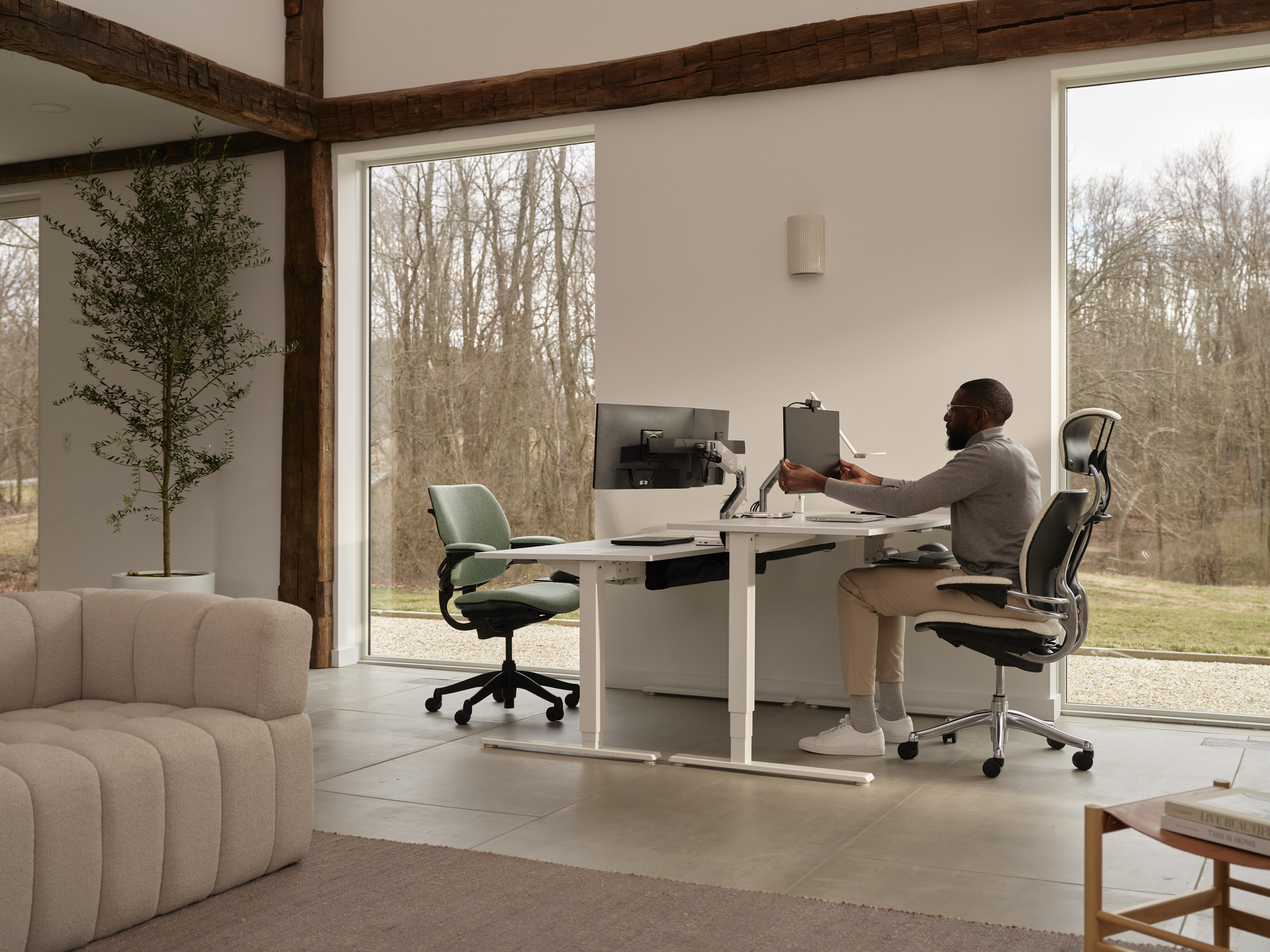
A standing desk is only as good as its range. For a desk to be truly inclusive—supporting users from 4’9” to 6’8”—it needs a three-stage lifting column. As we integrate more movement into our days, the speed and stability of these transitions become paramount.
- Uplift V3 (Best for Customization): With hundreds of desktop options and incredible stability even at max height, this is for the power user who wants their desk to be a statement piece.
- Branch Duo (Best for Small Spaces): It’s compact, incredibly quiet, and features a streamlined design that doesn't scream "office furniture," making it perfect for a corner of a living room.
The 'Ecosystem' Approach: Smart Tech and Biophilia
Ergonomics is more than just a chair and a desk; it’s an ecosystem. To truly achieve human sustainability, we must address the sensory environment. Cognitive fatigue is often caused by factors we can’t "feel" immediately, such as poor lighting or acoustic clutter.
Biophilic Design is no longer just a trend—it’s a clinical tool. Integrating living walls, or even high-quality preserved moss, can reduce stress levels by up to 15%. Natural light is the most effective regulator of our circadian rhythms, but for those working in darker corners, Responsive Lighting (IoT) is the solution. Smart bulbs that shift from cool blue light in the morning to warm amber in the late afternoon can prevent the digital eye strain and headaches that often accompany long work hours.
Furthermore, Sound Management is becoming a focal point. Using acoustic felt panels or directional audio can create "focus zones" in an open-plan home. By dampening the ambient noise of a household, we lower the cortisol levels associated with constant interruption, allowing for deeper, more sustainable work sessions.
The Economics of Ergonomics: A Business Necessity
If the health benefits haven't convinced you, perhaps the economics will. We often view high-end office furniture as a luxury, but when viewed through the lens of human sustainability, it becomes a critical business investment.
Poor upper body posture is the leading cause of Musculoskeletal Disorders (MSDs), which remain the primary driver of workplace absenteeism and preventable healthcare costs worldwide. When we sit in a poorly designed environment, we aren't just uncomfortable; we are decreasing our cognitive output.
Expert Insight: "The ROI on a $1,000 ergonomic investment is realized within less than a year when you factor in the gain of just 15 minutes of productive 'flow state' per day that would otherwise be lost to physical discomfort."
Investing in your workspace is an investment in your most valuable asset: your ability to think and create without pain. Whether you are a freelancer or a corporate leader, the shift toward ergonomic excellence is the only way to ensure long-term professional viability.
Final Checklist for a 2026-Ready Workspace
To move toward a truly sustainable work life, use this quick audit for your current setup:
- Monitor Height: Is the top third of your screen at eye level? (Use a monitor arm to prevent "tech neck.")
- Feet Placement: Are your feet flat on the floor or on a footrest? (Dangling feet lead to lower back strain.)
- Light Source: Is your primary light source to the side of your monitor to prevent glare?
- Movement Timer: Do you have a prompt to remind you of the 20-8-2 rule?
- Tactile Comfort: Does your chair provide "intuitive" lumbar support that moves with you?
FAQ
What is the best chair for someone with chronic back pain? Look for a chair with dynamic lumbar support and a "weight-sensitive" recline mechanism, such as the Branch Ergonomic Chair Pro or the Humanscale Freedom. These chairs adapt to your micro-movements, which is crucial for relieving pressure on spinal discs.
How often should I switch from sitting to standing? According to the 3S's pattern developed by Alan Hedge, you should aim for a transition every 20-30 minutes. The ideal cycle is 20 minutes of sitting, followed by 8 minutes of standing.
Are standing desks actually better than ergonomic chairs? Neither is a "silver bullet" on its own. The best setup is a combination of both. A standing desk allows for movement, while a high-quality ergonomic chair provides the necessary support for the periods when your body needs to rest in a neutral posture.
Conclusion
The workspace of the future isn't just about sleek lines and hidden cables; it's about a deep, respectful partnership between the environment and the human body. By embracing the principles of Human Sustainability and the 3S's Ideal Work Pattern, we do more than just design a room—we design a better way to live.
Your workspace should be a place that gives you energy rather than depleting it. If you’ve been waiting for a sign to upgrade your setup, this is it. Your body—and your career—will thank you.