If you’ve noticed Australian homes looking a little warmer, more intentional, and perhaps a bit more "ungroomed" lately, you’re witnessing a quiet revolution in our outdoor spaces. We are moving away from the era of stark, high-maintenance minimalism and toward a philosophy I like to call "curated wildness." For 2026, modern Australian garden design is defined by curved geometry, mass planting that reduces weeding time, and multi-seasonal functional zoning that treats the backyard not as an afterthought, but as the most important "room" in the house.
This shift isn't just about what looks good on a mood board; it’s about how we live. In a world that feels increasingly digital, our gardens are becoming our tactile anchors. Whether it’s a sprawling coastal estate or a compact urban courtyard, the 2026 aesthetic prioritizes grounded comfort over showroom perfection.
The 'Long Game' in Landscape Architecture
To understand where we are going, we must look at the pioneers who have spent decades watching plants grow. The firm Dangar Barin Smith recently released Natural Order, a monograph documenting 30 years of residential projects. This work has fundamentally altered the Australian design psyche by championing the "long game."
The core philosophy is simple yet radical: a garden should not look its best on the day the turf is laid. Instead, the best landscapes are designed to reach their aesthetic optimum over decades. This requires a sophisticated understanding of the intersection between nature and order—allowing indigenous species to spill over structured stone walls or softened concrete edges.
In 2026, we are seeing homeowners embrace this patience. We are moving away from "instant gardens" filled with thirsty, fast-growing fillers and toward "legacy gardens" that use slow-growing, climate-resilient species. This approach doesn't just benefit the environment; it creates a sense of permanence and soul that a brand-new build often lacks.
Pro-Tip: When planning your renovation, allocate 20% of your budget to mature specimen trees. They provide the "skeleton" of the garden, making a new space feel established and private from day one while the rest of the underplanting matures.
20 Projects That Define the Modern Australian Style
Across the continent, 20 standout residential projects are currently setting the blueprint for the next decade of outdoor living. These can be broadly categorized into four design movements:
1. The Urban Refuge
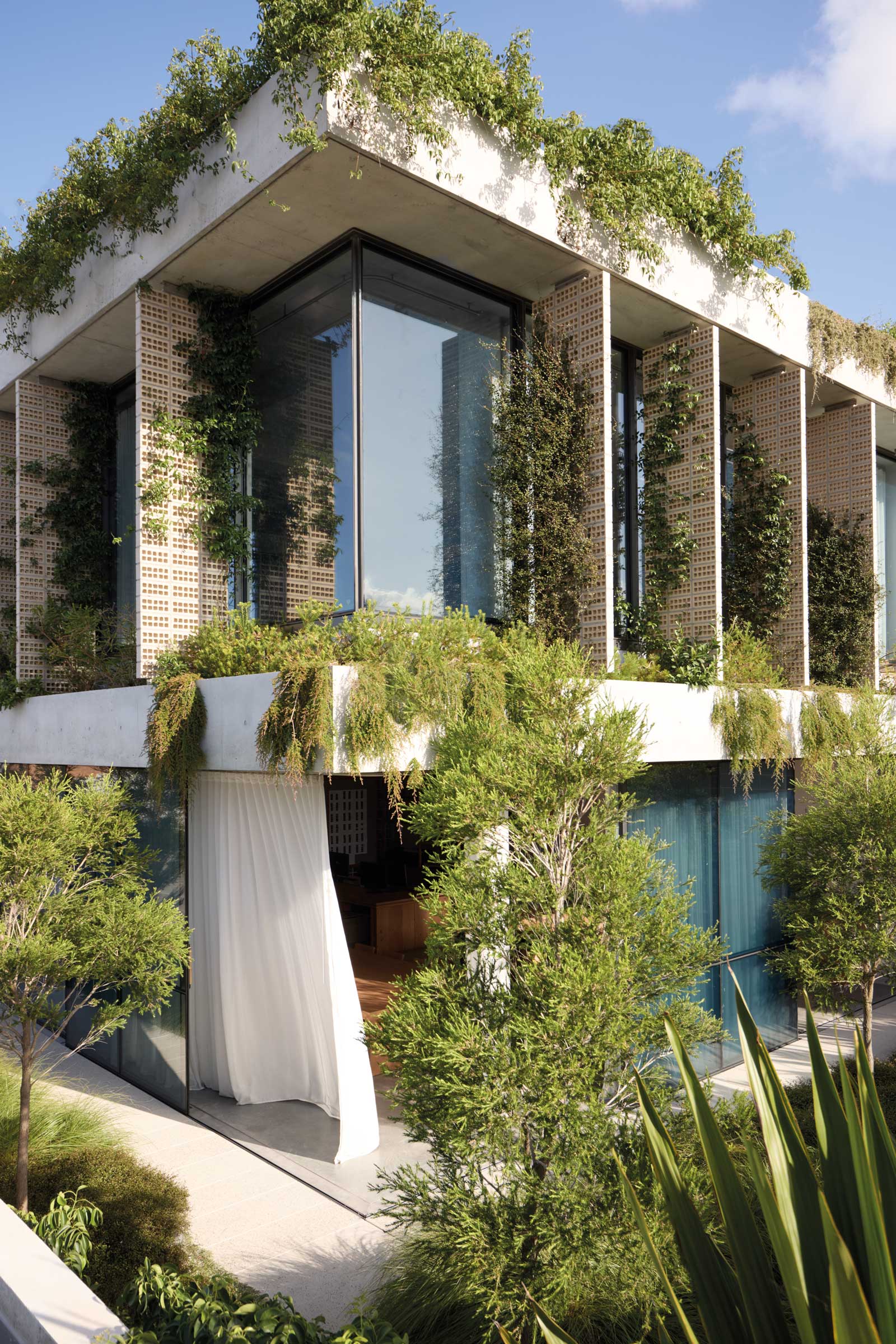
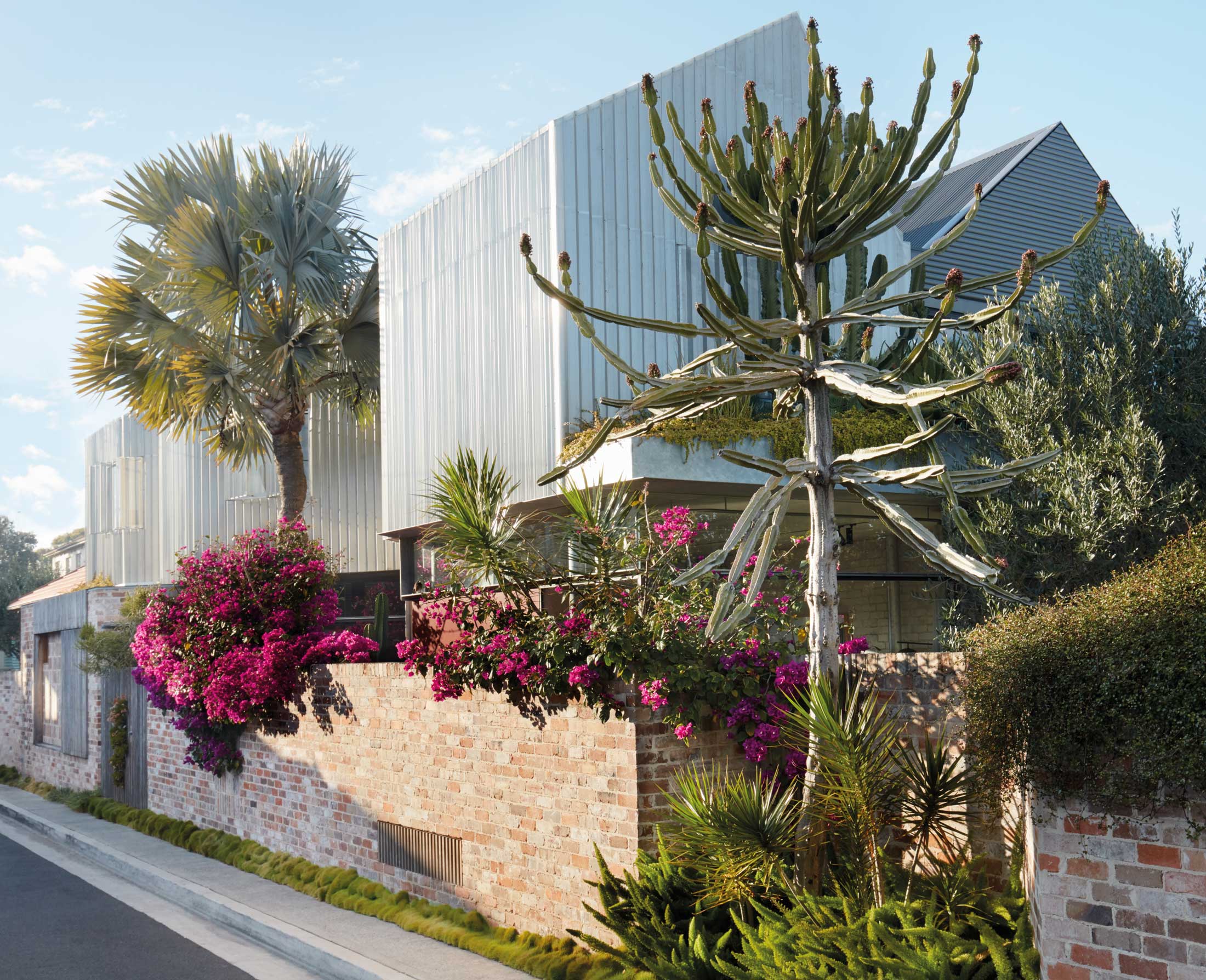
In our densifying cities, the garden is a sanctuary against noise and heat. Projects like Bismarck House in Bondi demonstrate how tactile materials—reclaimed brick, galvanized steel, and off-form concrete—can be softened by a chaotic, lush palette of greenery. Here, the boundaries between the living room and the garden are intentionally blurred.
2. Native Geometry
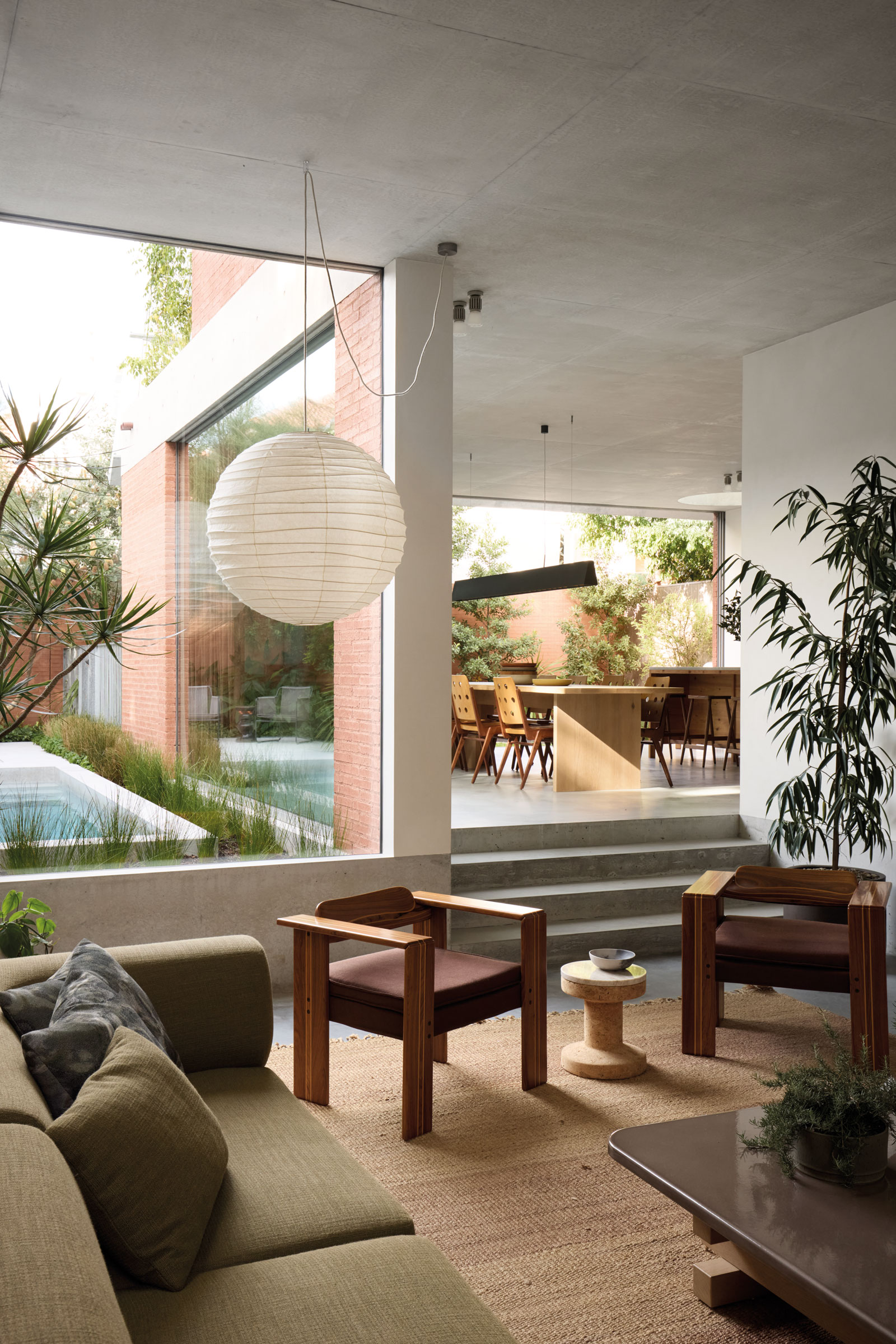
Moving away from the "bush garden" look of the 70s, Glenayr is a masterclass in using indigenous Australian plants within a highly structured framework. It proves that you can have a formal, sophisticated garden using Banksia, Grevillea, and Westringia rather than traditional European box hedges.
3. Coastal Brutalism
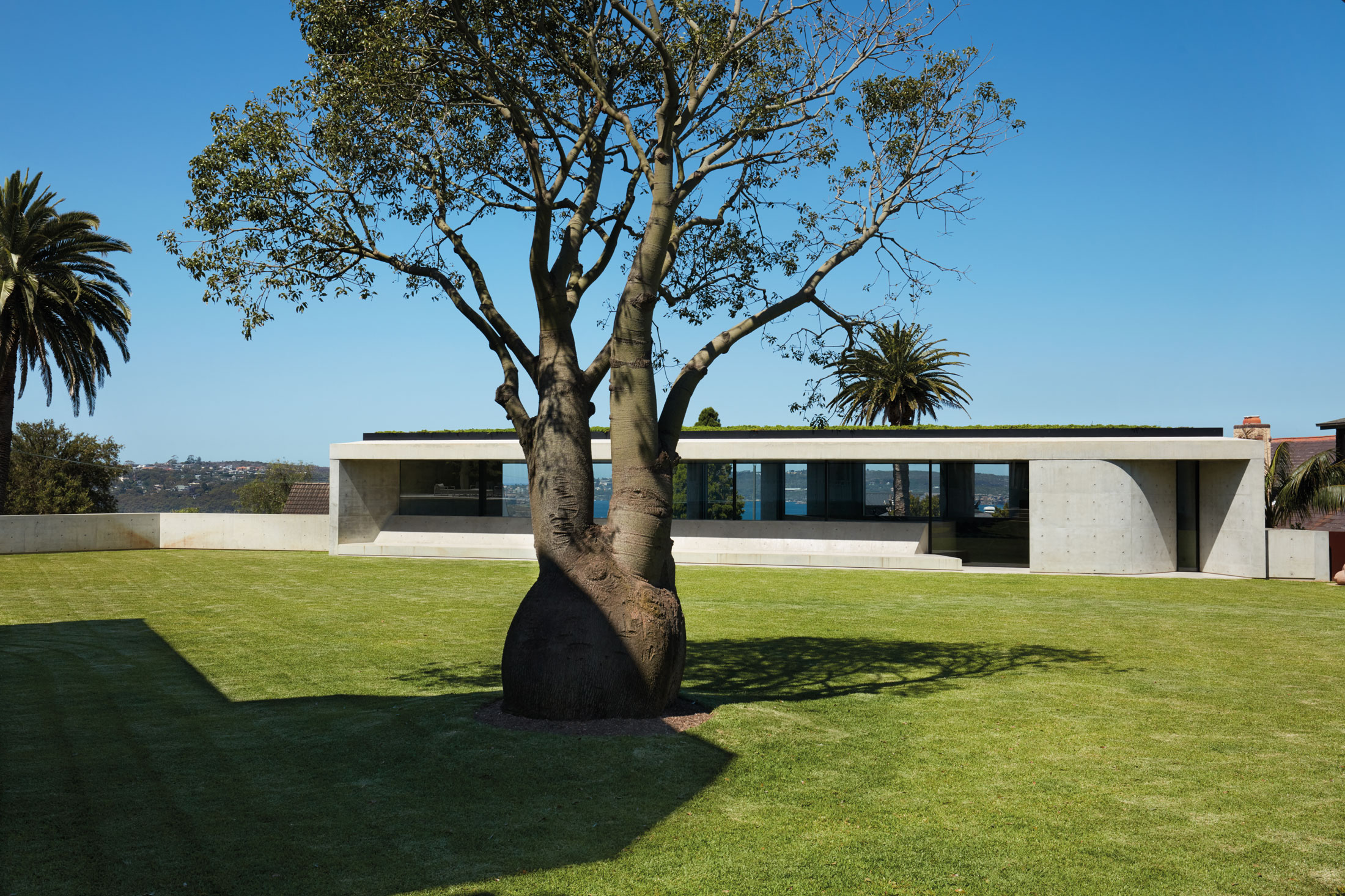
In coastal NSW and Victoria, we are seeing gardens that mirror the ruggedness of the shoreline. These spaces use mass-planted grasses like Lomandra and Poa to create movement, contrasted against heavy stone masonry that can withstand salt spray and harsh winds.
4. Terraced Seascapes
For steeply sloped blocks, the 2026 trend is to move away from single, massive retaining walls. Instead, designers are creating a series of "outdoor rooms" at different levels, each with its own purpose—a fire pit on one level, a plunge pool on another, and a quiet reading nook at the top.
2026 Design Trends: The Aesthetic Toolkit
As an editor, I’m seeing several specific elements migrate from high-end landscape architecture into the everyday residential toolkit. If you are looking to refresh your space, these are the four pillars to focus on:
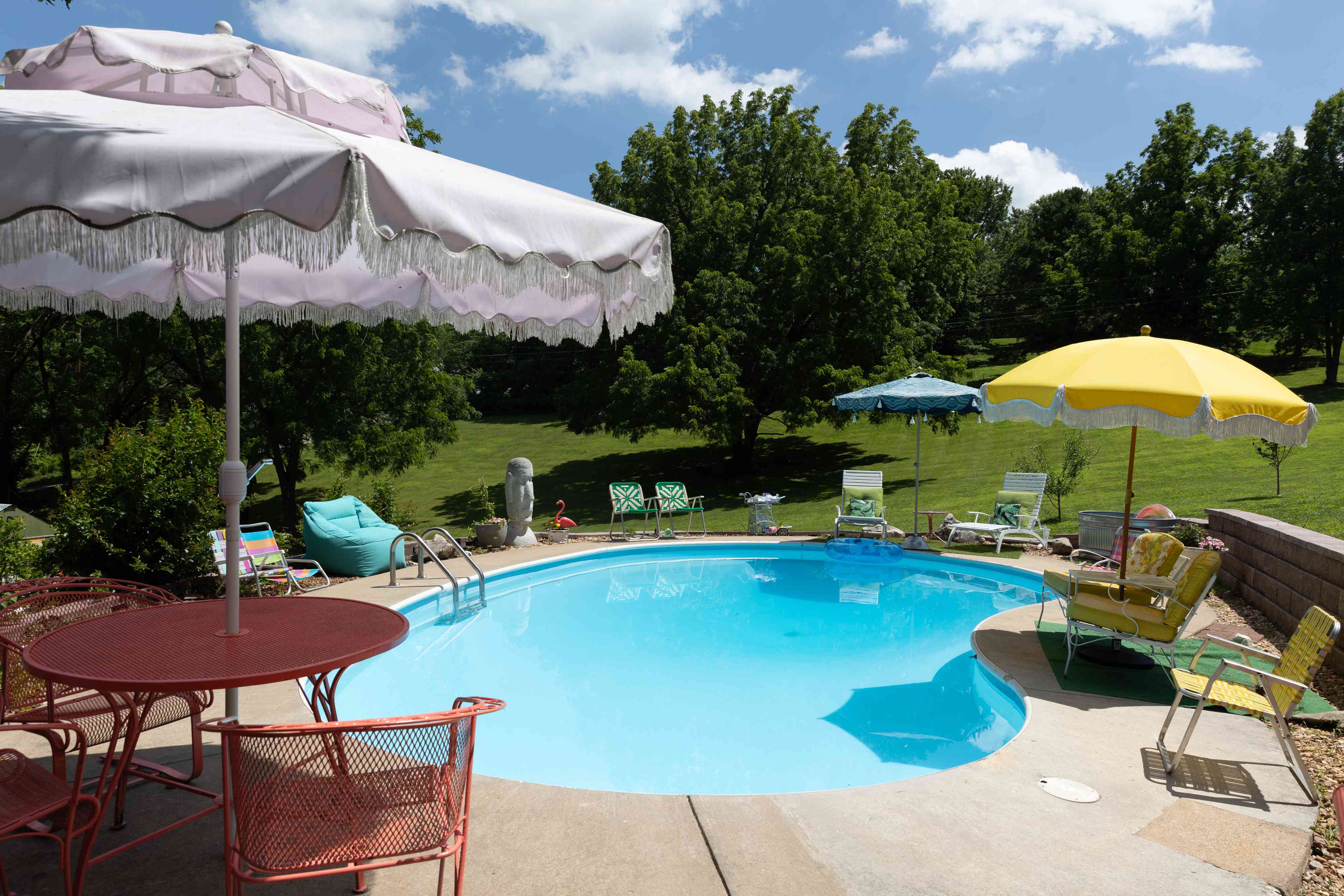
- Curved Geometry: The "hard edge" is officially out. Whether it’s the radius of a pool corner, the sweep of a garden path, or the silhouette of a custom-built bench, curves are being used to create a "kinder," more organic flow.
- Tactile Textures: 2026 is the year of touch. Think brushed limestone, grooved timber cladding, and hand-tumbled cobbles. These materials catch the light differently throughout the day, adding depth to even the smallest spaces.
- Earthy Palettes: We are saying goodbye to stark white renders and charcoal grey fences. The new palette is inspired by the Australian landscape: terracotta, ochre, sandy beiges, and deep, desaturated greens.
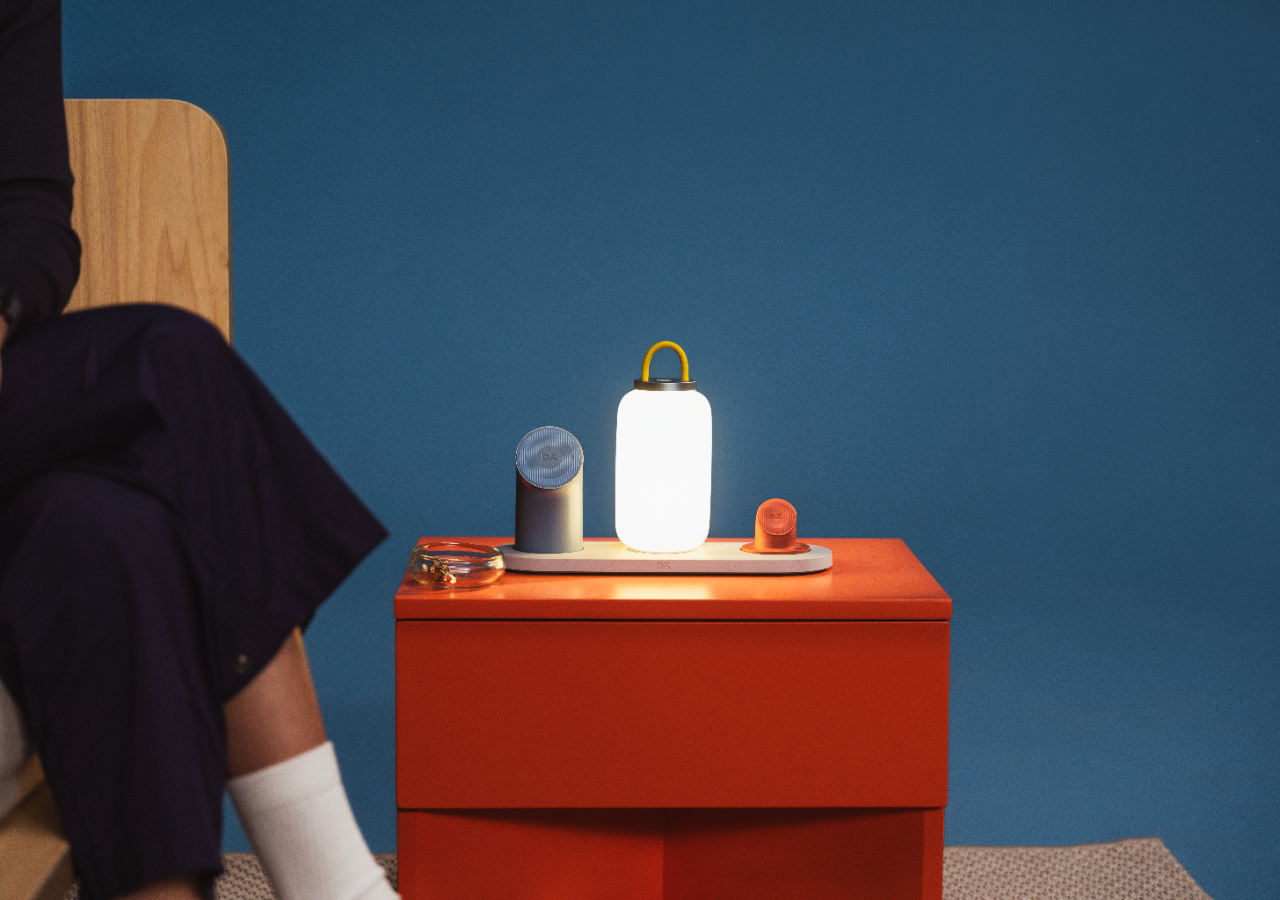
- Sculptural Lighting: Lighting has moved beyond the functional "floodlight" phase. We are now seeing gardens treated like galleries.
Modern lighting design focuses on "uplighting" the architectural bark of a tree or using soft, directional bollards to guide the eye along a path. The goal is to create an atmospheric evening environment that feels like an extension of the interior’s mood lighting.
Functional Zoning: More Than Just a Yard
The modern Australian garden is a multi-tasker. We no longer just have a "backyard"; we have zones. Statistics show that the average Australian spends 15% more time in their outdoor spaces than they did five years ago, leading to a demand for high-spec functional areas.
The Entertainer’s Garden
Outdoor kitchens have evolved. In 2026, they are fully integrated into the architecture, featuring pizza ovens, bar seating, and integrated herb gardens for "pick-as-you-cook" convenience. The focus is on creating generous gestures—large-scale seating that accommodates big groups comfortably.
Wellness Zones
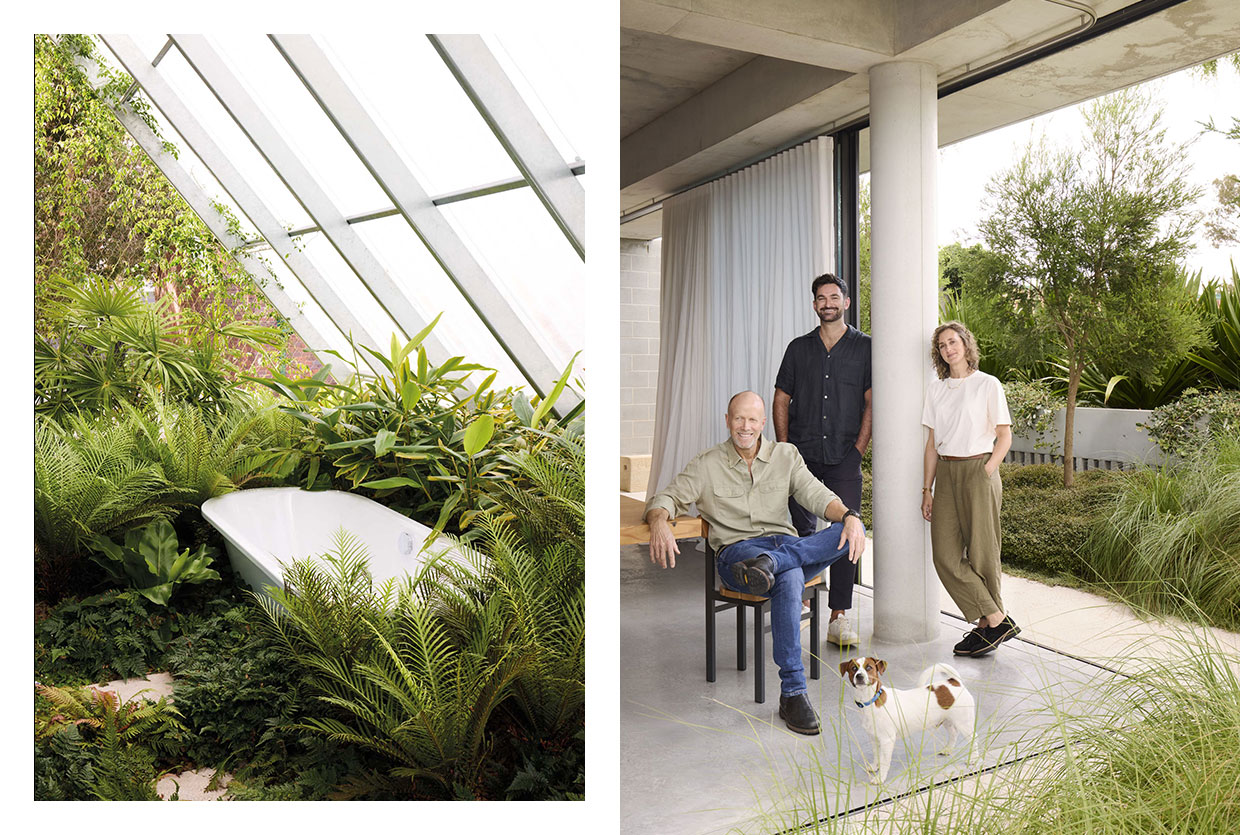
The "wellness" trend has moved outdoors. Saunas, cedar cold plunge tubs, and dedicated meditation platforms tucked into fern-filled corners are becoming standard in high-end residential designs. These zones prioritize privacy and sensory experiences—the smell of damp earth, the sound of trickling water, and the feel of natural stone underfoot.
Edible Landscapes
Sustainability meets style. Approximately 45% of Australian households are now growing a portion of their own food. However, instead of messy vegetable patches hidden in the back corner, we are seeing "edible ornaments." Native finger limes, lemon myrtle, and saltbush are being used as structural hedging and specimen plants, proving that your garden can be both beautiful and productive.
| Traditional Choice | 2026 Trend Replacement | Why it Works |
|---|---|---|
| English Box Hedge | Westringia fruticosa | Drought-tolerant, native, and easy to clip. |
| Grey Concrete Pavers | Tumbled Travertine or Limestone | Adds warmth and a tactile, premium feel. |
| Thirsty Lawns | Dichondra 'Silver Falls' or Mass Grasses | Low maintenance and uses 70% less water. |
| Standard Spotlights | Hidden LED Strips & Uplights | Creates drama without the glare. |
Sustainable and Climate-Resilient Solutions
With Australia's unpredictable climate, resilience is no longer optional. 2026 design is leaning heavily into Xeriscaping—a style of landscape design that requires little to no irrigation.
This doesn't mean a garden full of cactus (unless that’s your vibe). It means choosing the right plant for the right spot. We are seeing a massive resurgence in "Modern Bush" gardens, where native plants are arranged with formal precision. This provides the biodiversity our local birds and bees need while maintaining the clean lines modern homeowners crave.
Furthermore, autonomous technology is making sustainability easier. Smart irrigation systems now sync with local weather stations to ensure you aren't watering the garden during a rainstorm, and soil sensors can alert your phone when your lemon tree needs a nutrient boost.
Small Space Masterclass: Courtyards & Balconies
For those living in urban centers like Sydney or Melbourne, the "garden" might only be a few square meters. The 2026 approach to small spaces is about maximizing the vertical plane and maintaining a consistent material palette to avoid visual clutter.
To make a small space feel expansive, designers are using "Vertical Grottos"—living walls that use varied textures of ferns and mosses to create a sense of depth. Using the same stone for the interior flooring and the outdoor terrace trick the eye into thinking the room continues forever.
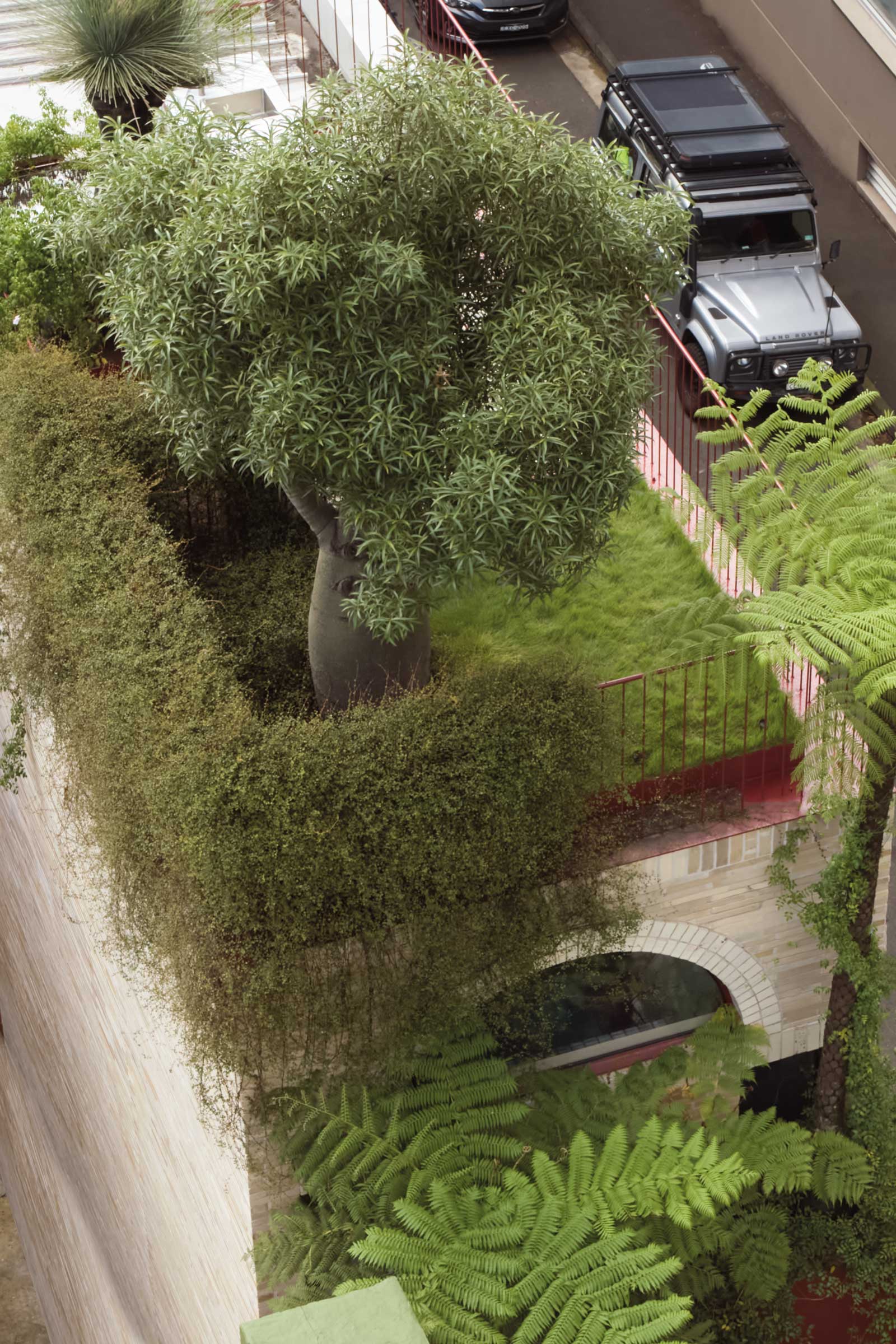
By focusing on sculptural lighting and a few "hero" plants rather than dozens of small pots, even a tiny balcony can feel like a curated sanctuary.
FAQ
Q: How do I achieve the 'curated wildness' look without it looking messy? A: The secret is the "frame." If you have a clean, structured edge—like a rendered wall, a steel garden edge, or a paved path—the plants inside can be as wild as you like. The contrast between the straight line and the spilling foliage is what creates the high-end designer look.
Q: What are the best low-maintenance native plants for an Australian garden in 2026? A: Look for Lomandra 'Tanika' for soft, flowing greenery, Leucadendron for winter color, and Carpobrotus (Pigface) for a hardy, flowering groundcover that requires almost zero water once established.
Q: Is it expensive to install sculptural lighting? A: It's an investment, but it doesn't have to break the bank. Focus on three "hero" elements: one large tree to uplight, a wash of light over a textured wall, and low-voltage path lights. Using a 12V system is often something a savvy DIYer can manage safely.
The Australian garden in 2026 is a celebration of our unique landscape, our love for entertaining, and our need for a personal retreat. By playing the "long game" and choosing quality materials over quick fixes, you can create an outdoor space that doesn't just look stunning today but grows more beautiful with every passing season.