There is a specific kind of magic in a fresh calendar—a clean slate of 365 days that haven't yet been cluttered by missed appointments or overwhelming to-do lists. As we look toward 2026, the way we organize our time is undergoing a sophisticated evolution. It is no longer just about tracking dates; it is about curateing a visual environment that fosters focus and calm. Whether you are a devotee of the tactile scratch of a fountain pen on paper or a power user of digital ecosystems, the "perfect" system is likely a blend of both.
Recent market trends for 2026 indicate a 35% growth in consumer preference for hybrid organization, a method that pairs decorative physical wall calendars with large-format digital command centers. This dual approach acknowledges a fundamental truth of modern life: we need the high-level visual roadmap of a physical calendar to anchor our space, and the real-time, syncing capabilities of a digital display to manage our family’s moving parts.
The best modern calendars for 2026 prioritize this balance of aesthetics and function. For those seeking high-design physical pieces, the minimalist Karst Stone Paper Wall Calendar and the iconic Stendig Wall Calendar remain the gold standards for professional workspaces. Meanwhile, families are increasingly turning to large-format electronic organizers like the Dragon Touch 21.5-inch and the Skylight 27-inch, both of which offer seamless syncing with Google, Apple, and Outlook. Prices in 2026 reflect a diverse market, ranging from $12 artist-designed mini risographs to $399+ premium smart displays, though the average price for a high-quality designer paper calendar has stabilized at a respectable $38.50.
| Feature | Physical Wall Calendar | Electronic Smart Display |
|---|---|---|
| Primary Aesthetic | Minimalist Art / Statement Piece | High-Tech Glass / Digital Frame |
| Sync Capability | None (Tactile entry) | Auto-sync (Google, Apple, Outlook) |
| Maintenance | Manual monthly updates | Zero (Updates automatically) |
| Best For | Deep work, focus, and decor | Family coordination and busy households |
| Price Range | $12 – $99 | $250 – $600 |
The Icons: Best Minimalist Wall Calendars for High-Design Workspaces
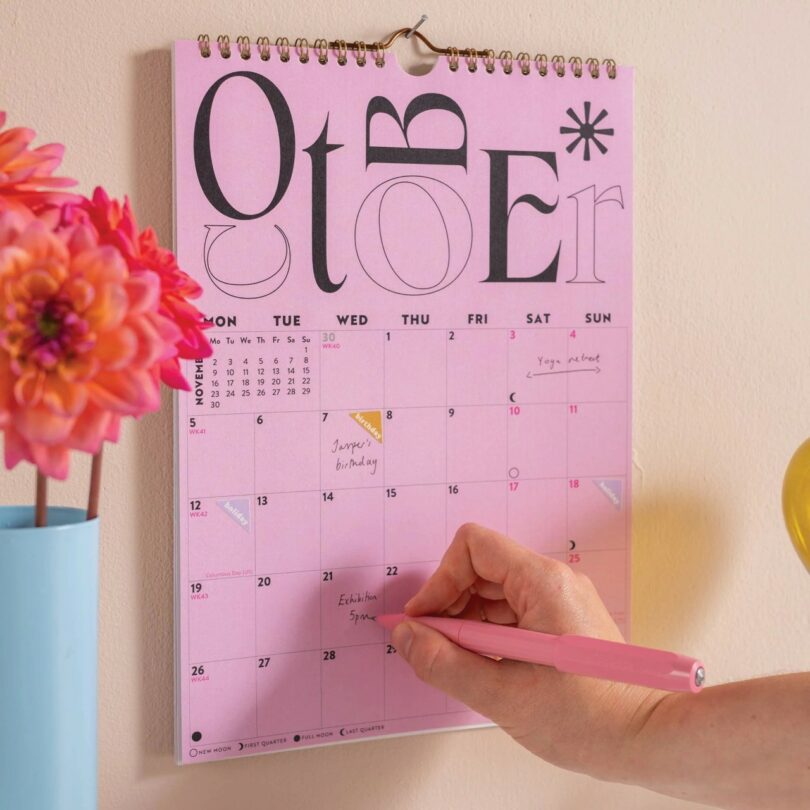
In the world of interior design, a calendar is often the only piece of "functional art" that changes its look every month. For 2026, the trend leans heavily toward oversized, high-contrast layouts that provide a clear visual anchor for a room.
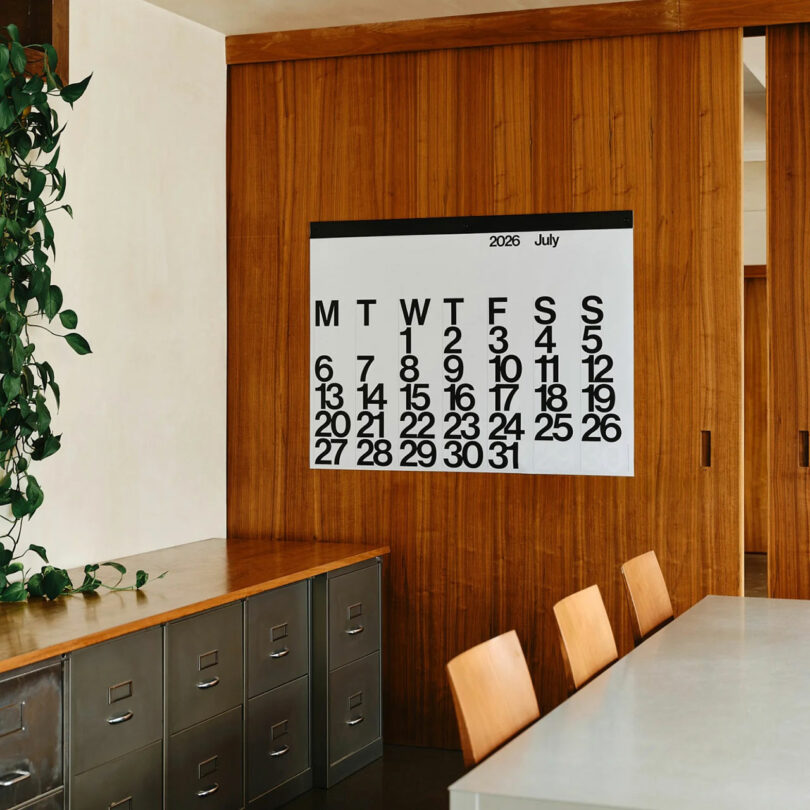
The Stendig Wall Calendar ($60) Designed by Massimo Vignelli in 1966, the Stendig remains the quintessential choice for architects and designers. Its massive 3-foot by 4-foot footprint and iconic Helvetica font make it more of a mural than a scheduling tool. The "tear-off" tradition—where you remove the previous month to reveal the next—has become a monthly ritual for many, signaling a fresh start. The sheets are so high-quality that many of my clients repurpose the old pages as sophisticated gift wrap.
Karst Stone Paper Monthly Wall Calendar ($99) If the Stendig is about scale, the Karst is about materiality. This is a premium $99 stone paper edition that feels impossibly smooth to the touch. Because it's made from recycled stone rather than wood pulp, it is waterproof and tear-resistant. Its minimalist aesthetic—plenty of white space and subtle typography—is designed to lower your cortisol levels every time you look at it.
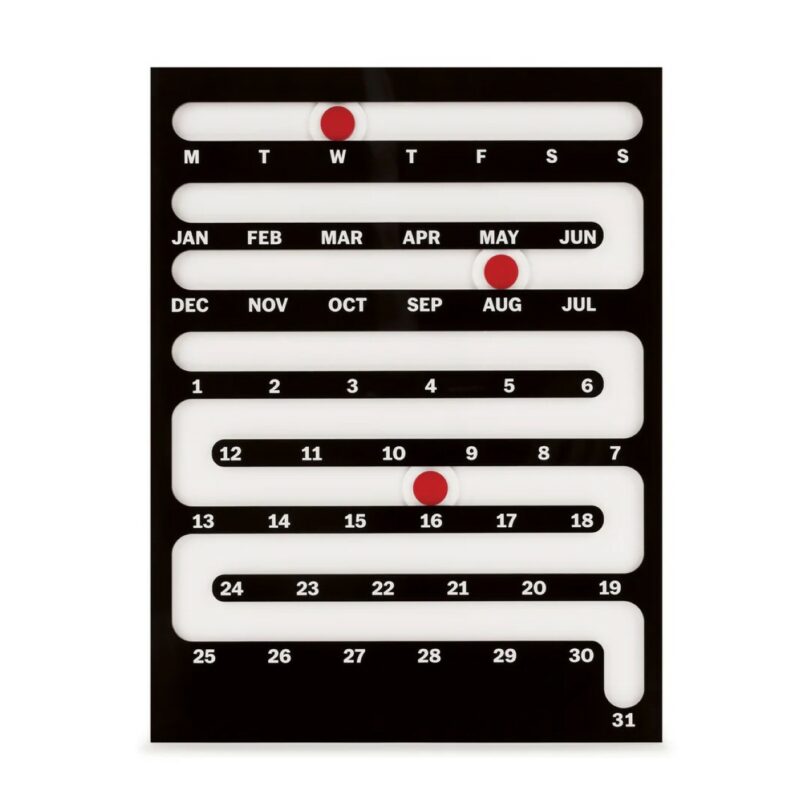
Octàgon Design Horizontal Calendar ($34) For those with limited vertical space, the Octàgon Design offers a horizontal layout that sits perfectly above a wide monitor or a sideboard. It’s a favorite for project managers who need to see a linear progression of time rather than a boxed grid.
The Command Centers: Best Electronic & Digital Family Organizers
While paper offers focus, digital offers agility. The rise of the "Digital Command Center" has transformed the kitchen or mudroom into a high-tech hub. These devices are designed to end the "mental load" of checking five different phone apps to see who is picking up the kids.
Skylight Calendar 27-inch ($399+) The Skylight is frequently cited as the gold standard for wall-mounted family sync. Its massive 27-inch touchscreen acts as a central nervous system for the home. It doesn't just show dates; it categorizes chores, meal plans, and grocery lists. The 2026 model features an even thinner bezel and improved integration with Outlook and Apple calendars, ensuring that "ghost events" are a thing of the past.
Dragon Touch 21.5-inch Digital Calendar A slightly more budget-conscious entry into the large-format market, the Dragon Touch offers excellent visibility and an intuitive interface. It’s particularly effective for tracking recurring chores. I often recommend this for families with teenagers who need a clear, un-ignorable visual of their responsibilities.
Cozyla 24-inch Smart Display The Cozyla stands out for its customization. Beyond the calendar, you can dedicate portions of the screen to weather widgets, meal plans, or a rotating photo slideshow. It bridges the gap between a productivity tool and a digital memory box.
Key Technical Specs to Look For:
- Display: IPS HD touchscreens are essential for viewing from wide angles (important if it's mounted in a kitchen).
- Connectivity: Dual-band Wi-Fi for uninterrupted syncing.
- Orientation: Most modern digital calendars allow for both portrait and landscape mounting to fit your specific wall space.
Productivity Powerhouses: Top 2026 Paper Planners
Despite the digital revolution, the science of handwriting remains compelling. Research suggests that the physical act of writing down a goal improves neural connectivity and retention. For 2026, the best planners are those that act as life-design systems rather than mere datebooks.
Roterunner Purpose Planner ($30) This is the ultimate system for those who think in "roles." The Roterunner helps you balance personal goals, work projects, and health habits in a single weekly spread. It’s a structured approach that prevents the "work-life blur" so many of us experience.
Hobonichi Techo & Cousin ($41-$65) A cult favorite for a reason, the Japanese Hobonichi uses Tomoe River paper—thinner than a strand of hair but remarkably resistant to ink bleed. Its daily layout encourages "interstitial journaling," where you capture thoughts and tasks throughout the day. It’s a planner that becomes a keepsake of your year.
Kokuyo Jibun Techo First Kit The Jibun Techo is a modular 3-book system: "DIARY" for the current year, "LIFE" for long-term dreams and permanent records, and "IDEA" for sketches. It’s the perfect system for someone who wants to separate their daily "to-dos" from their life's "to-be."
Sophie’s Pro-Tip: The "One-In, One-Out" Rule When your new 2026 calendar arrives, don't just stack it on top of the old one. Use the transition as a decluttering trigger. Archive your 2025 planner if it contains memories you want to keep, but recycle those generic wall calendars immediately. A clean wall is the first step to a clean mind.
Budget-Friendly Art: Designer Calendars Under $30
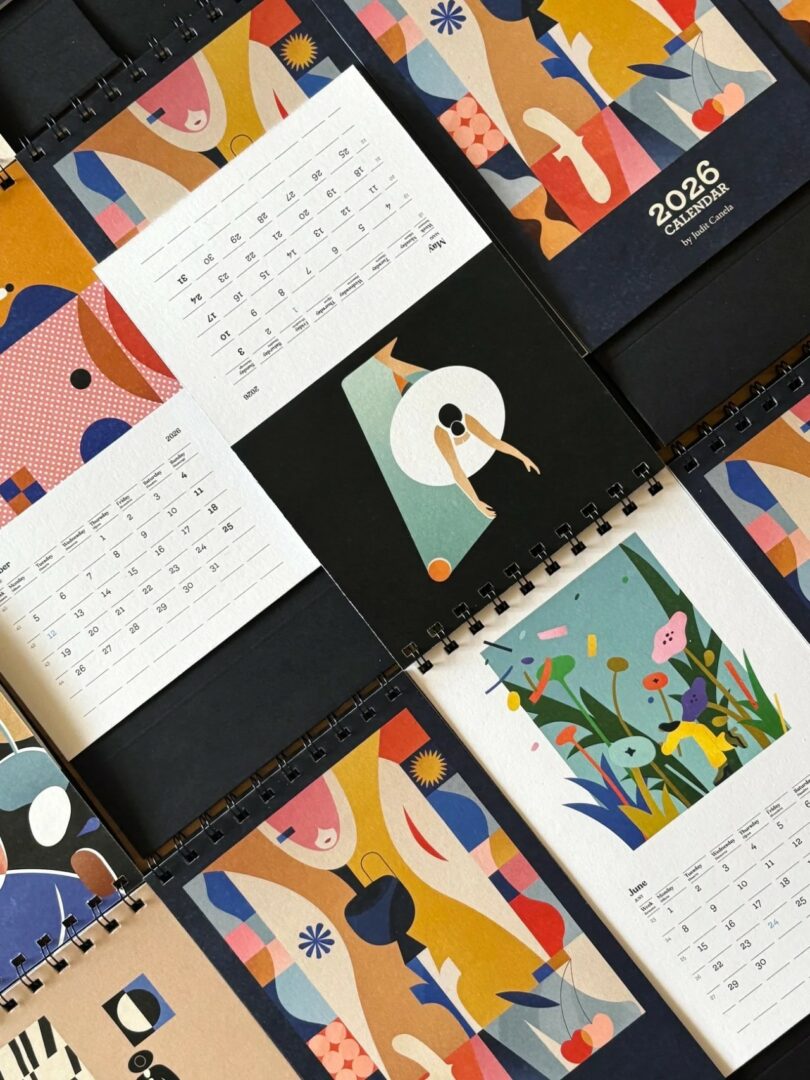
Good design shouldn't be a luxury. Some of the most inspiring workspace additions for 2026 are also the most affordable. Designer calendars under $30 often feature bold, maximalist illustrations that bring personality to a home office, proving that you can organize your life without sacrificing your aesthetic.
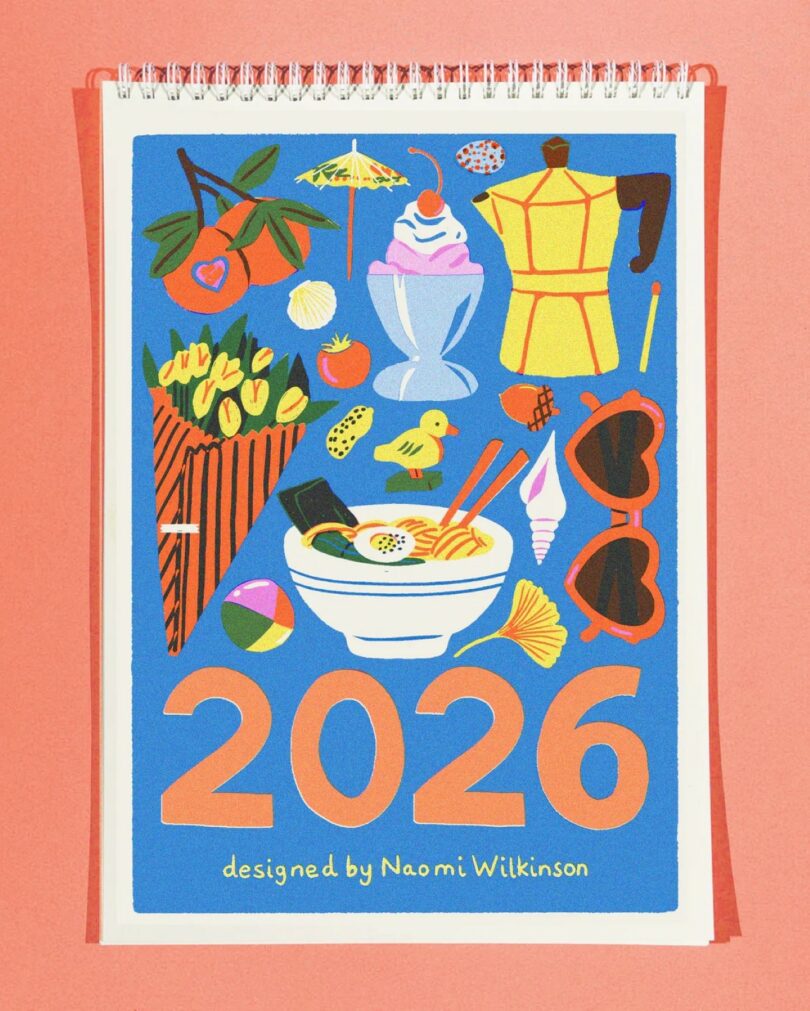
Risotto Studio Mini Risograph ($12) Based in Scotland, Risotto Studio produces vibrant, neon-inked calendars using the risograph printing process. These mini calendars have a tiny footprint, making them perfect for small desks or even inside a locker. They are high-energy pops of color for a minimalist setup.
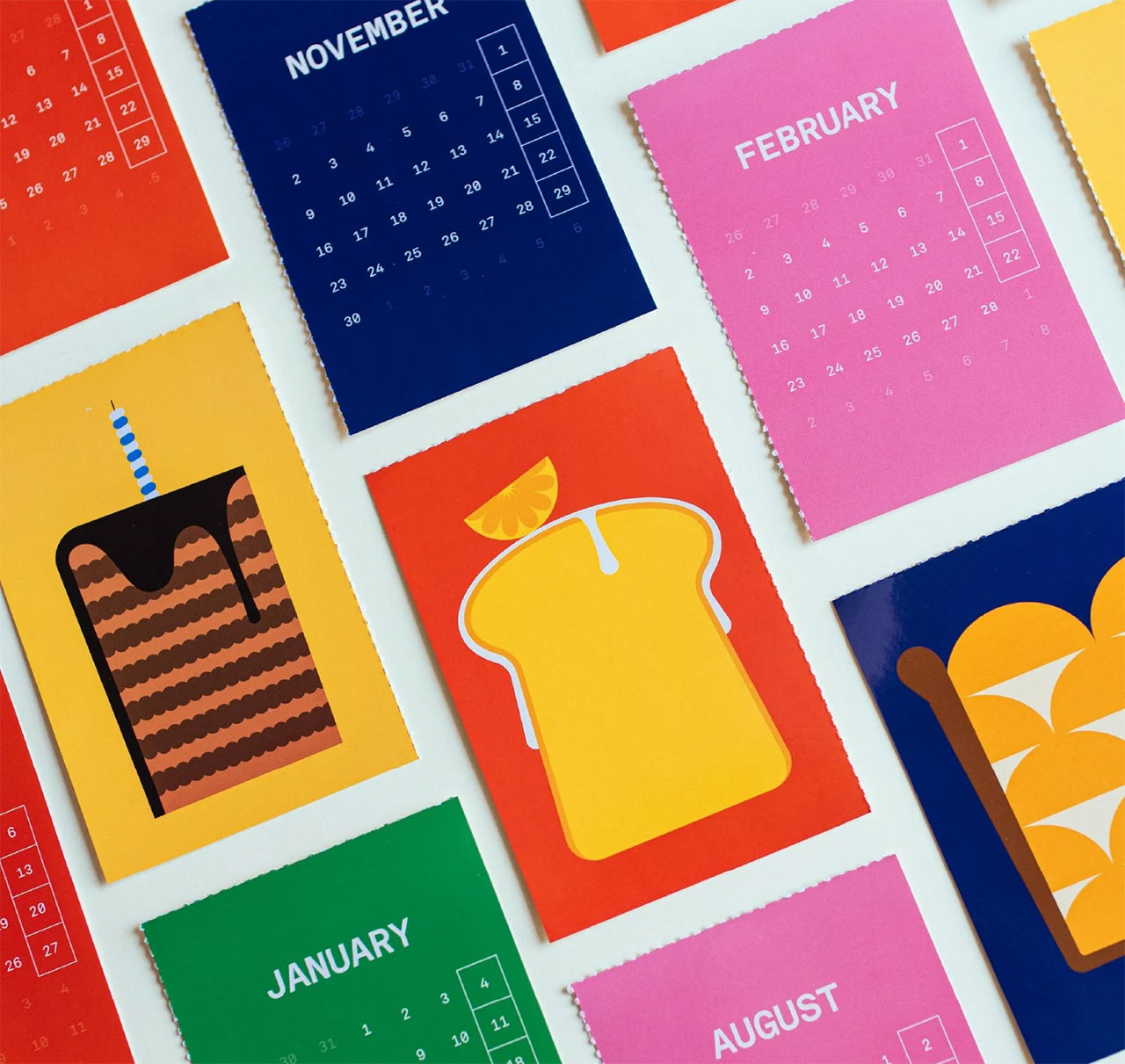
Rocío Egío Cake Calendar ($28) For those who want their workspace to feel joyful, the Cake Calendar by illustrator Rocío Egío is a delight. Each month features a different architectural cake illustration. It’s whimsical, stylish, and serves as a reminder to celebrate small wins.
Ban.do 2026 Planners ($28) Ban.do remains the go-to for those who love a "maximalist" planning experience. Their 2026 editions are packed with stickers, astrology charts, and vibrant patterns. It’s a planner that feels like a best friend, keeping you organized while making you smile.
The Smart Choice: How to Build Your 2026 Organization System
Choosing the right calendar requires an honest look at your "Planning Personality." Are you someone who needs to see the whole month at once to avoid anxiety (The Strategist), or are you someone who can only handle one day at a time (The Executor)?
For The Strategist, an oversized wall calendar like the Stendig or the Octàgon is essential. It provides the "macro" view that helps you pace your energy throughout the month. For The Executor, a daily planner like the Hobonichi is better, as it allows you to zoom in on the next 24 hours without the distraction of next week’s deadlines.
Our analysis of 2026 designer stationery shows that the average price for a premium artist-designed calendar has stabilized at $38.50. This reflects a shift in consumer behavior: people are willing to pay a bit more for a calendar that doubles as high-quality home decor. When choosing, consider the "cost per day"—a $40 calendar costs about 10 cents a day to keep you focused and inspired.
When mounting digital calendars, consider the "Eye-Level Rule." Large displays like the Skylight should be mounted so the center of the screen is at eye level for the primary user. If you are using it as a family command center, ensure it’s low enough for children to see their chore lists but high enough to stay away from kitchen splashes.
FAQ
Q: Why should I buy a physical calendar if I have everything on my phone? A: Visual cues in your physical environment act as "external memory." Seeing your month laid out on a wall reduces the cognitive load of having to open an app, which often leads to digital distractions like checking email or social media.
Q: Are digital wall calendars hard to install? A: Most modern systems like Skylight or Dragon Touch are designed for easy mounting. They usually require a single power outlet. For a truly "sleek" look, many users choose to hide the cord behind the wall (similar to a wall-mounted TV) or use decorative cord covers that match their paint color.
Q: Is stone paper really better than regular paper? A: From a sustainability and durability standpoint, yes. Stone paper (like in the Karst calendars) uses no trees and significantly less water in production. It’s also incredibly durable—perfect if you’re prone to spilling coffee on your desk!
Ready to Design Your Best Year?
The way you structure your workspace is a reflection of how you value your time. As you head into 2026, don’t just settle for a generic calendar. Choose a tool that inspires you, whether that’s a massive Helvetica wall statement or a 27-inch digital hub that keeps your family in sync.
Don't wait until January—the most iconic designs sell out by mid-December. Start building your 2026 system today and give "Future You" the gift of a calm, organized start.