Quick Facts
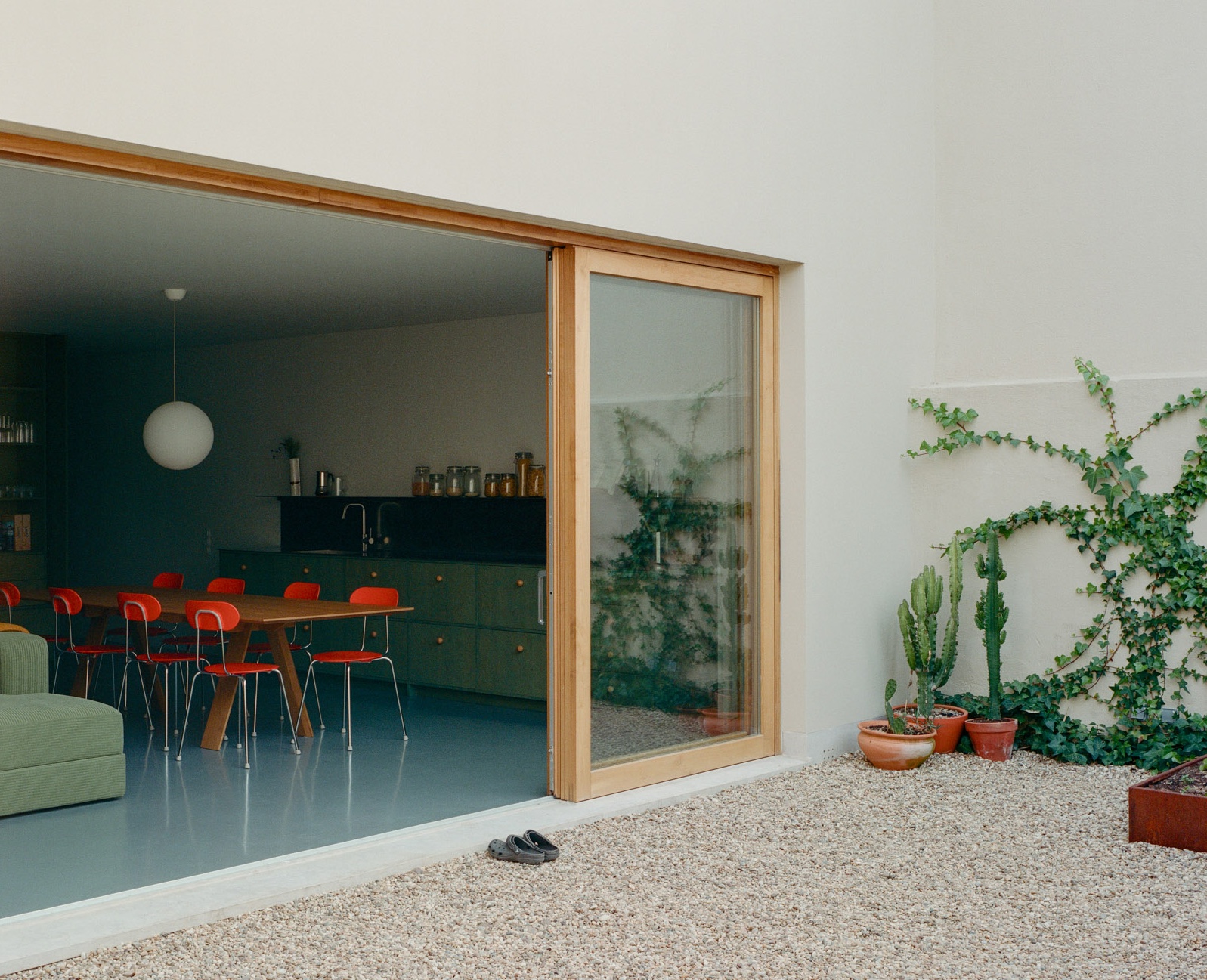
- Location: Marvila, Lisbon, Portugal
- Architect: José Andrade Rocha
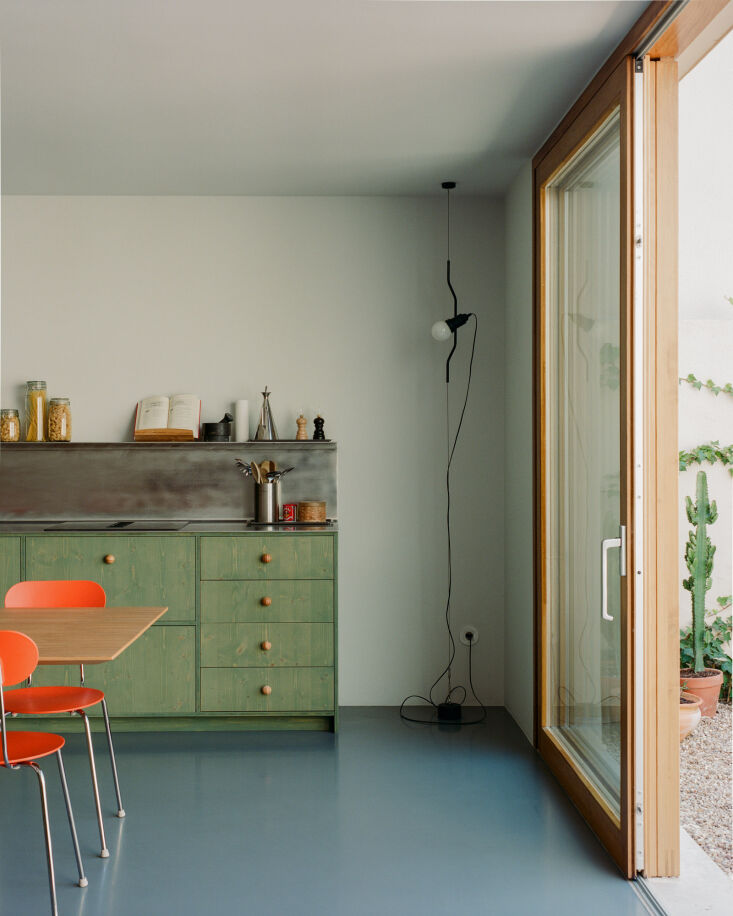
- Key Materials: Green-stained structural wood, North Sea Blue linoleum, and custom stainless steel.
- The Aesthetic: Warm Minimalism / Industrial-Traditional Hybrid.
- Standout Feature: A seamless flow between the indoor kitchen and a private gravel courtyard.
There is a specific kind of magic that happens when an architect decides to stop overcomplicating. We often see kitchens laden with rare marbles and bespoke finishes that cost more than a small apartment, but the most inspiring spaces are frequently those that elevate the everyday. In the heart of Lisbon’s creative Marvila district, architect José Andrade Rocha has designed a kitchen that is a masterclass in what he calls a "universe of conventional materials." By taking three humble, utilitarian staples—wood, linoleum, and steel—and reimagining them through a bold, Mediterranean lens, he has created a space that feels both avant-garde and deeply nostalgic.
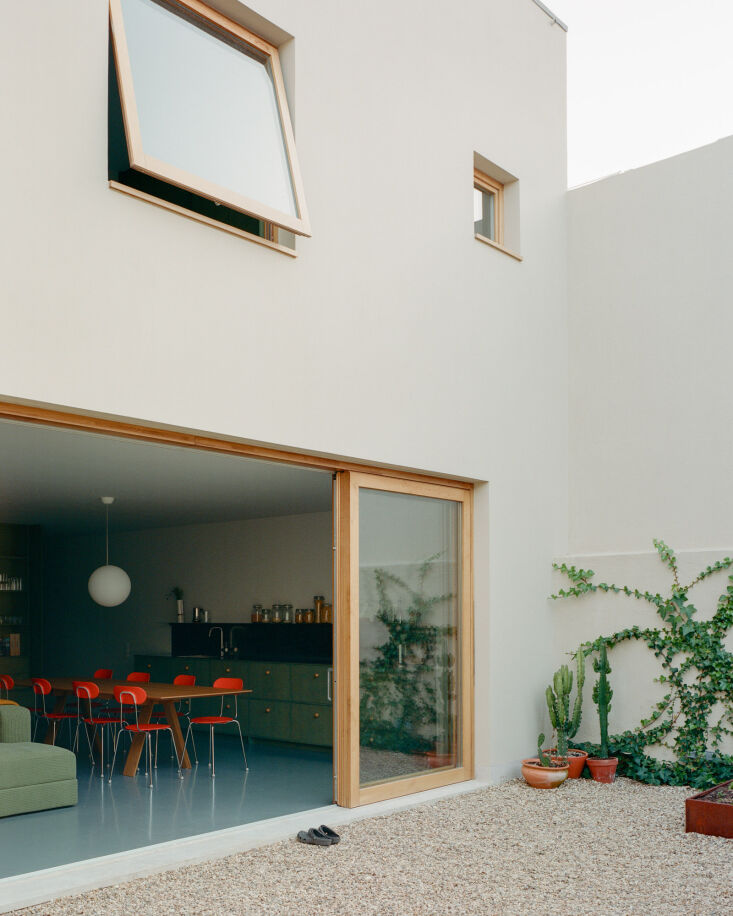
The philosophy behind this Lisbon kitchen design is "Warm Minimalism." It’s a response to the stark, clinical kitchens of the early 2010s, moving instead toward a tactile environment where color and texture do the heavy lifting. The result is a highly functional single-wall layout that opens entirely to the outdoors, blurring the line between a domestic workspace and a garden sanctuary.
Material 1: Structural Wooden Panels with a Green Stain
The most striking element of the Marvila House kitchen is undoubtedly the cabinetry. Rather than opting for expensive hardwoods or high-gloss lacquers, Rocha utilized structural wooden panels. But the secret isn't just the material; it’s the treatment.
Using green painted wood cabinets has become a hallmark of the new Portuguese aesthetic. However, this isn't a thick, opaque coat of paint. Instead, it’s a semi-transparent stain that allows the natural wood grain to remain visible. This choice leans into the "Organic Modernist" trend we expect to dominate through 2026, where the goal is to celebrate the "perfectly imperfect" nature of timber.

"The use of stained wood over painted wood is a pivot toward honesty in materials. We want to see the knots and the whorls; we want the kitchen to feel alive." — Ivy Chen
To achieve this look at home, we recommend a diluted wash technique. By mixing a muted green pigment—think sage or "Winter Moss"—with a clear wood conditioner, you can achieve that sophisticated Lisbon depth without losing the organic texture of the wood.
Material 2: Blue Industrial Linoleum Flooring
While tile is the traditional choice for a Mediterranean home, Rocha subverted expectations by looking toward industrial environments. The floor is clad in a deep, saturated blue linoleum, specifically a product like Forbo's Marmoleum in 'North Sea Blue.'
Design trend reports indicate a 42% increase in the use of eco-friendly Marmoleum flooring in European urban kitchen renovations over the last two years. This shift isn't just about the "cool factor"; it’s about sustainability and comfort. Linoleum is biodegradable, low-VOC, and significantly softer underfoot than ceramic or stone—a crucial factor in a room where you’ll be standing for hours preparing bacalhau.
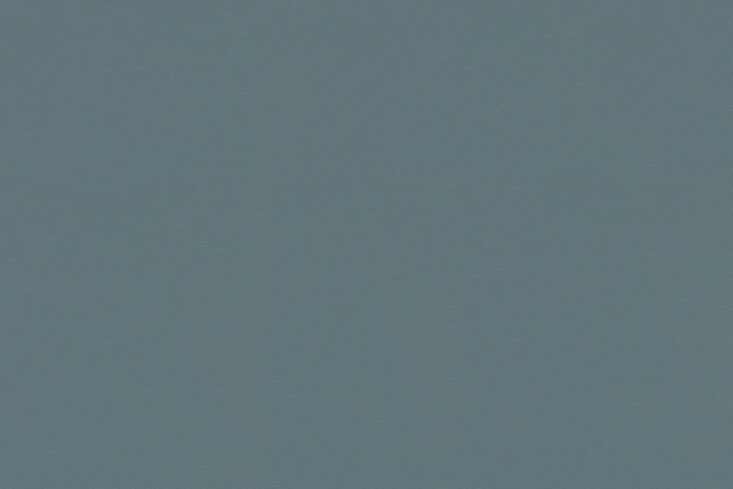
The choice of blue creates a "color-blocked" foundation that grounds the room. When paired with the green cabinetry, it creates an analogous color scheme (colors next to each other on the wheel) that feels inherently calm and sophisticated. It’s a departure from the "all-white" kitchen, proving that high-contrast color can still feel peaceful when the materials are matte and tactile.
Material 3: Custom Stainless Steel Countertops
To prevent the space from feeling too "country" or "rustic" due to the wood, Rocha introduced a sharp, industrial edge: stainless steel. Recent architectural surveys suggest that 60% of modern Portuguese kitchen designs now incorporate mixed-material cabinetry, blending industrial steel with traditional wood finishes to create what we call "material tension."
The stainless steel countertop acts as a bridge. It reflects the abundant Lisbon light and provides a professional-grade surface that is virtually indestructible. In the Marvila House, the steel doesn't just sit on top of the cabinets; it wraps around the sink area, creating a seamless, hygienic zone.
If you're looking to replicate this, consider custom fabrication. While off-the-shelf steel-topped islands are available from retailers like Stainless Supply, a truly integrated custom top allows for the "concealed" look where the sink and drainboard are part of a single, continuous sheet of metal.
Beyond Materials: Furniture and Lighting to Complete the Look
A kitchen is more than its surfaces; it’s about how we inhabit the space. Because the Marvila kitchen uses a single-wall layout, the center of the room is anchored by a large, communal dining table. This layout reflects the social nature of Portuguese culture, where the kitchen is never just for cooking—it’s for living.
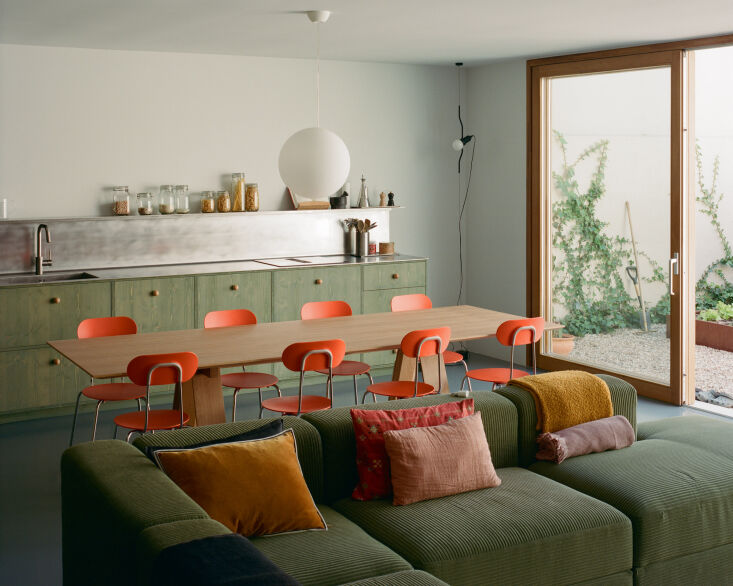
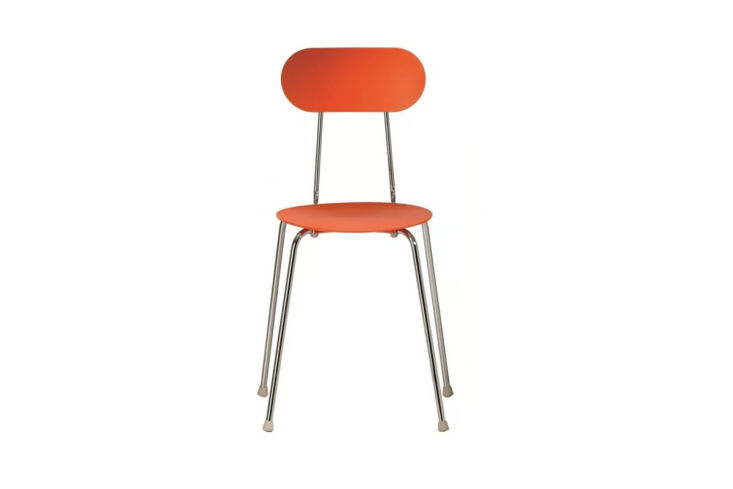
To break up the cool blues and greens, Rocha introduced a pop of complementary color: vibrant orange. The use of Enzo Mari ‘Mariolina’ chairs provides a playful, modernist energy that keeps the room from feeling too serious.
The Lisbon Kitchen Shopping List
| Item | Brand/Source | Why It Works |
|---|---|---|
| Dining Table | Keaton Communal Table | Large, solid wood to match the "warm" side of the design. |
| Chairs | Mariolina by Enzo Mari (Orange) | Provides a necessary "pop" against the blue and green. |
| Flooring | Forbo Marmoleum (North Sea) | Sustainable, soft, and offers high-saturation color. |
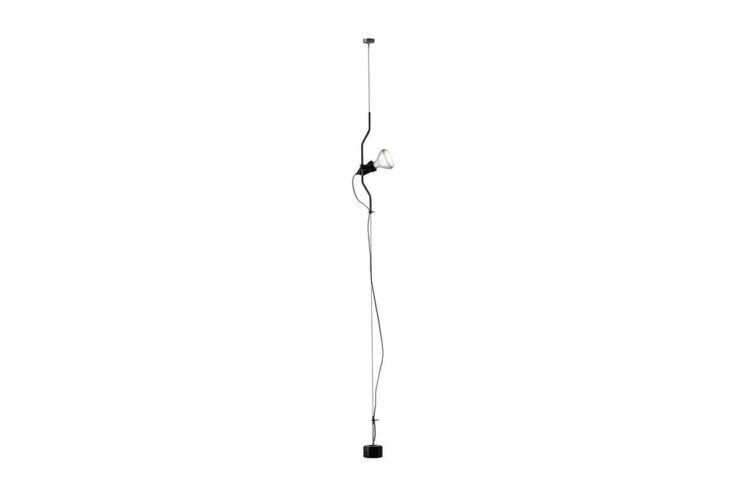
| Suspension Lamp | Flos Parentesi | Adds a vertical, architectural element. |
| Pendant Light | Sfera Pendant | Softens the industrial lines of the steel. |
Lighting plays a pivotal role in anchoring the high ceilings of this extension. The Flos Parentesi lamp, a classic of Italian design, runs on a tensioned wire from floor to ceiling, acting as a functional piece of sculpture.
Aligning the Lisbon Look with 2026 Kitchen Trends
What makes the José Andrade Rocha kitchen so relevant for the coming years is its alignment with the "Organic Modern Revival." We are seeing a definitive shift away from "hidden" kitchens and toward "task-zoned" layouts that prioritize the user's experience.
- Concealed Functionality: Note how the appliances are integrated or tucked away, allowing the materials to be the star.
- Japandi Comfort: The blend of Portuguese warmth with clean, minimalist lines mirrors the Japandi trend, but with a more colorful, soulful Mediterranean twist.
- Indoor-Outdoor Fluidity: As urban living spaces become smaller, the ability to open a kitchen to a courtyard or balcony (as seen in Marvila) is becoming a non-negotiable for modern homeowners.
FAQ
Q: Is linoleum flooring durable enough for a high-traffic kitchen? A: Absolutely. Modern linoleum (like Marmoleum) is incredibly durable, water-resistant, and actually hardens over time. Unlike vinyl, the color goes all the way through the material, so scratches are less visible.
Q: How do I choose the right green for my cabinets without it feeling too dark? A: The key is the "muted" quality. Look for greens with grey or brown undertones rather than bright primary greens. Always test your stain on a scrap piece of the same wood you'll be using for the cabinets, as the base wood color will significantly affect the final hue.
Q: Is stainless steel hard to keep clean? A: It does show fingerprints, but it is one of the most hygienic surfaces available. For a "Lisbon look," don't be afraid of a few scratches—in professional-style kitchens, a "patina of use" is considered part of the charm.
Are you ready to transform your kitchen with a bolder color palette? Whether you're planning a full renovation or just a weekend cabinetry refresh, the Lisbon look proves that you don't need exotic materials to create a world-class space—you just need a visionary approach to the conventional.