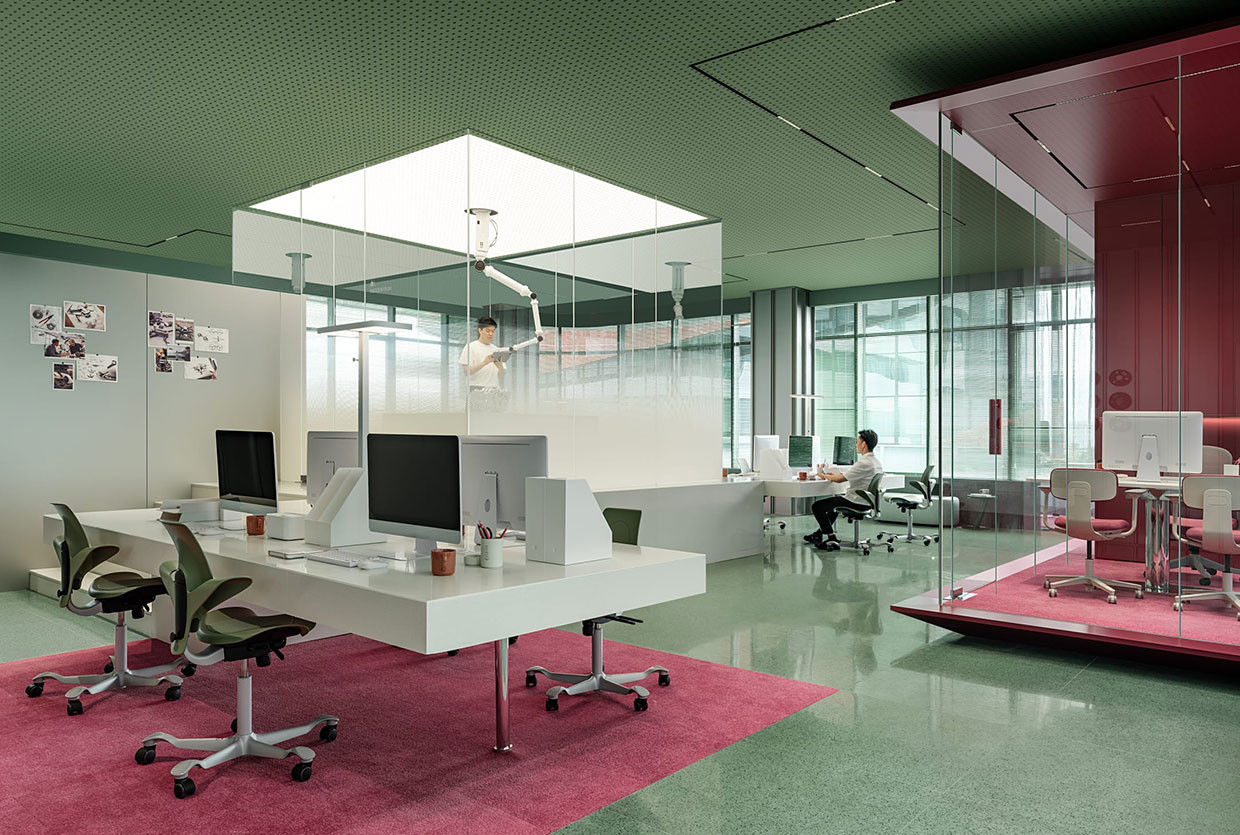
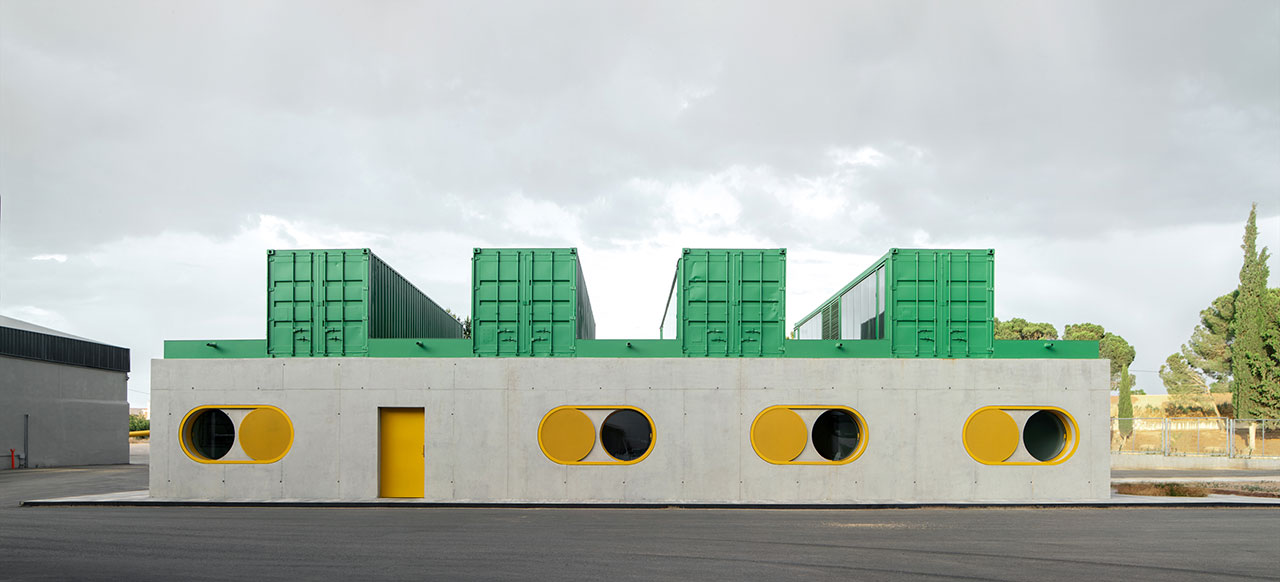
As industrial operations pivot toward sustainability in 2026, container offices have emerged as the premier solution for building scalable, eco-friendly hubs. These modular units offer unmatched durability and speed of deployment, effectively transforming how we perceive industrial architecture. By repurposing steel structures that have already lived a full life at sea, developers are finding they can create sophisticated, high-performance workspaces in a fraction of the time required for traditional builds.
Quick Facts
- Cost Range: $14,000 to $85,000+ per unit depending on finishing and utility integration
- Build Time: 8-12 weeks from design to site delivery, representing a 30% to 70% faster timeline
- CO2 Savings: Reduction of 20-25 tons of CO2 equivalent per 200 square meters of floor space
- Steel Conservation: Saves 3,500kg to 4,000kg of steel per 40-foot container by avoiding the energy-intensive melting process
- Durability: High-grade corrugated steel construction designed to withstand extreme weather and heavy site traffic
- Scalability: Modular design allows for vertical stacking and easy horizontal expansion as operations grow
Container offices offer significant advantages for industrial hubs, including enhanced durability against harsh weather and site traffic due to their steel structure. Their modular nature allows for scalable designs—such as integrated laboratories, storage zones, and office spaces—that can be easily expanded. Compared to traditional construction, these units provide a faster, more cost-effective setup while supporting circular economy goals through the adaptive reuse of materials.
Site Preparation and Zoning: The 2026 Regulatory Roadmap
One of the most significant hurdles in modular development is navigating the complex landscape of site logistics and compliance. Industry data suggests that nearly 70% of project delays in the modular sector are caused by zoning oversights rather than construction issues. For industrial properties, the challenge is twofold: ensuring the ground can support the concentrated weight of steel containers and verifying that the structure aligns with local container office zoning laws for industrial properties.
Successful installation begins with a thorough site assessment. Unlike traditional buildings that distribute weight across a wide foundation, container offices require specific load-bearing points. We recommend the use of a concrete plinth system. This provides a level foundation while allowing airflow beneath the unit, which is crucial for preventing moisture buildup and corrosion of the underside.
The Essential Site Prep Checklist:
- Clearing and Grading: Remove all debris and vegetation to ensure a completely level surface.
- Soil Compaction: Use a layer of compacted gravel or a concrete pad to prevent the structure from sinking over time.
- Drainage Planning: Design the site so that water flows away from the structure to prevent pooling around the steel base.
- Crane Access: Verify that there is at least 14 feet of vertical clearance and a wide enough path for delivery trucks and cranes to maneuver.
- Utility Stub-outs: Ensure that electrical, water, and sewage lines are marked and ready for connection before the unit arrives.
When looking at used shipping container offices for sale, always request a structural integrity report. Even a minor dent in a load-bearing corner can complicate the permit process. In 2026, most municipalities require structural calculations that prove the modified container still meets local building codes for wind load and seismic activity.
Designing Multi-Functional Industrial Hubs
The shift toward industrial hubs requires a rethink of how we use space. Gone are the days of the "construction trailer" aesthetic. Modern designing shipping container offices for industrial environments focuses on a three-band grid layout. This organization separates heavy logistical flows from quiet research zones and communal service areas.
A high-functioning industrial hub often needs to accommodate diverse needs under one roof—or at least within the same modular cluster. This might include high-tech laboratories with specialized ventilation, secure storage zones for sensitive equipment, and comfortable administrative spaces. For remote job sites or large-scale factories, the inclusion of a shipping container office with bathroom is no longer a luxury but a standard requirement for operational productivity.
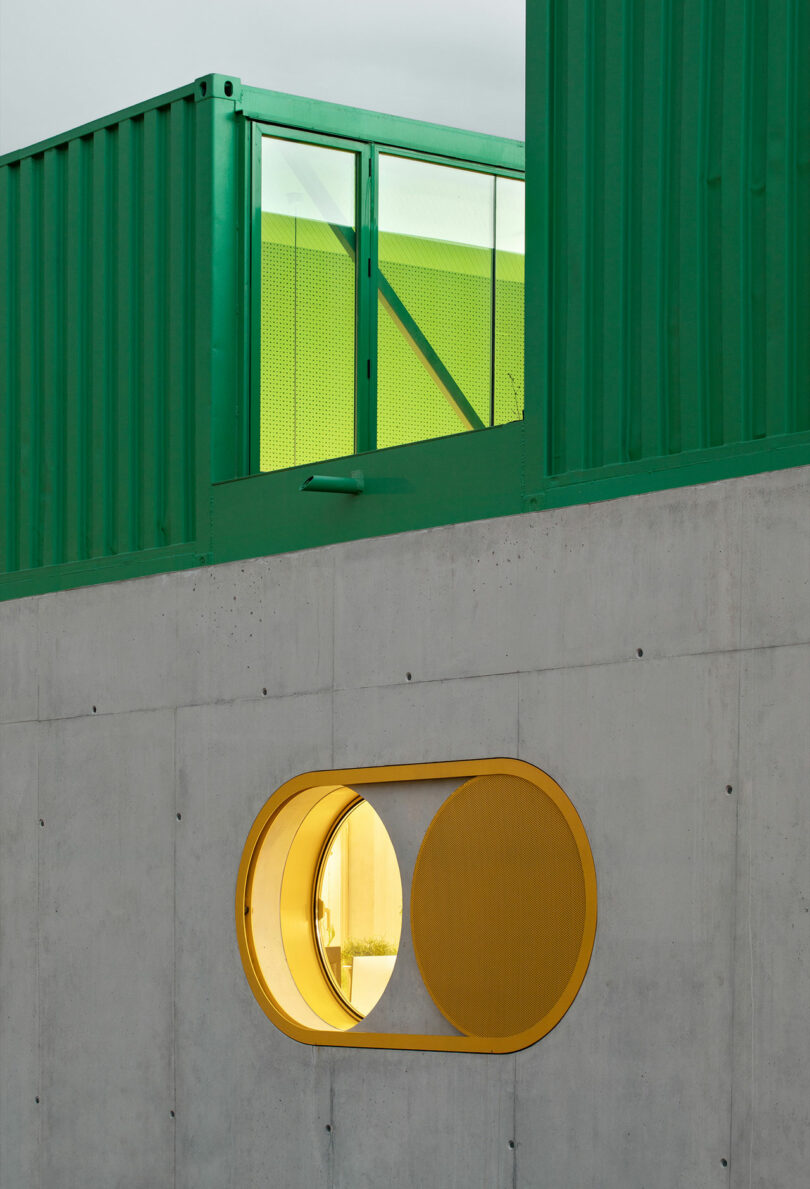
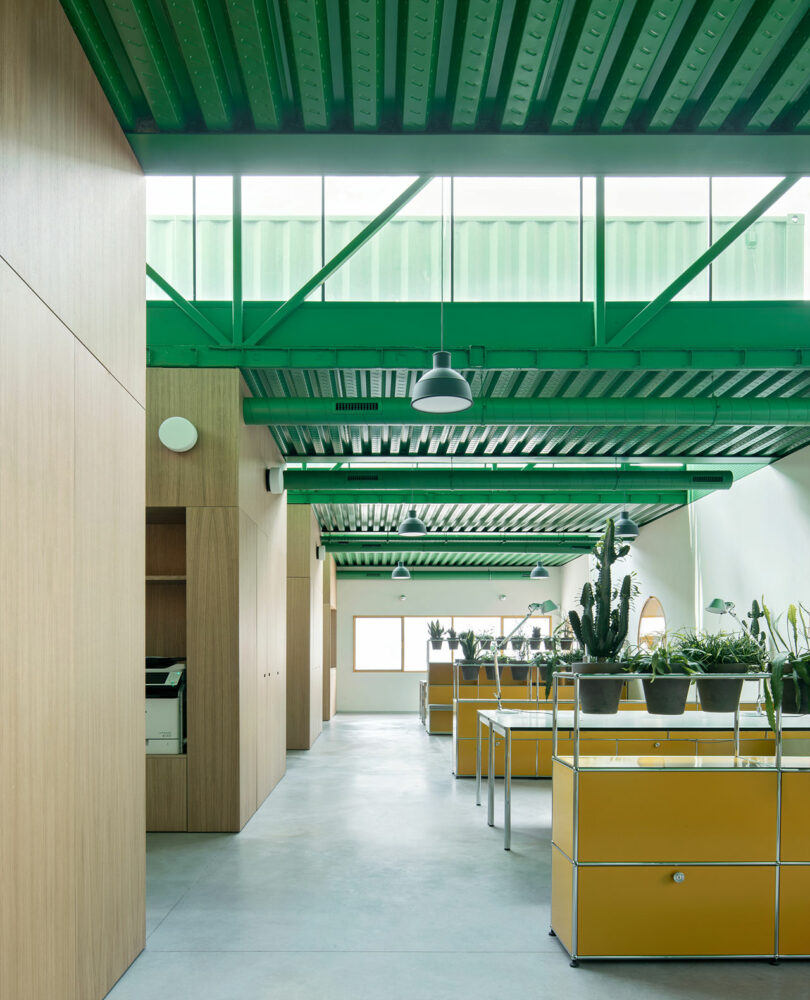
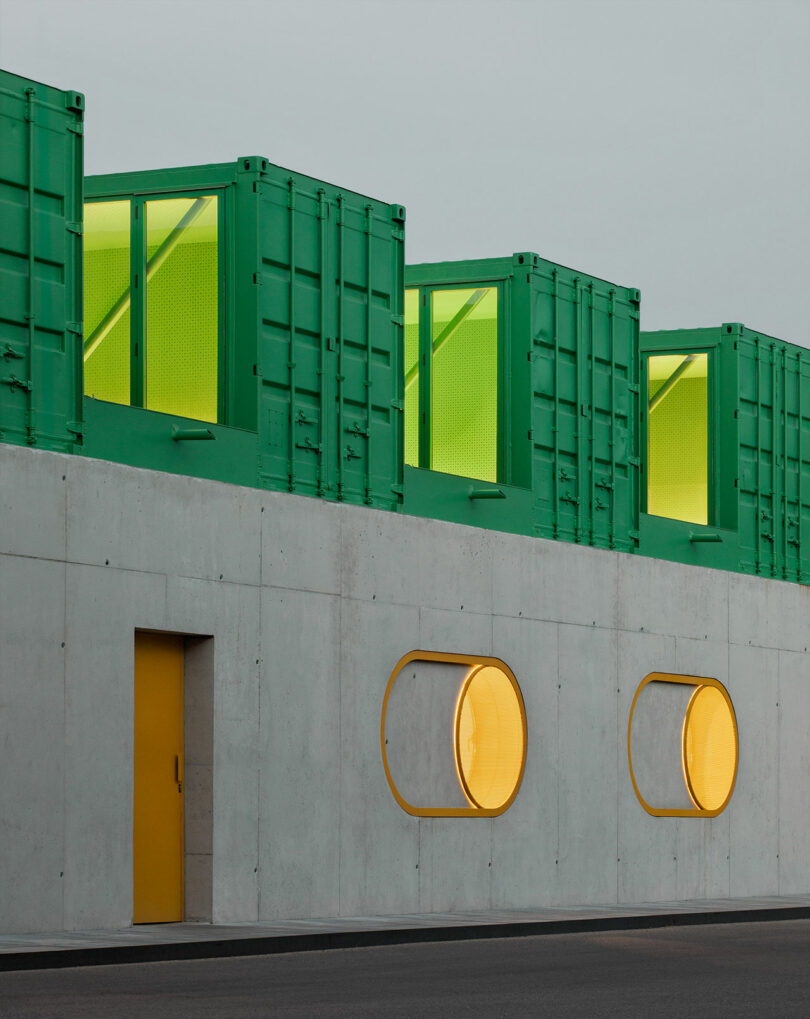
To maximize the potential of these steel shells, architects are increasingly using natural illumination. By cutting large, reinforced portals and installing high-efficiency skylights, you can transform a dark steel box into a vibrant workspace. This reduces the energy load for artificial lighting and significantly improves the well-being of the staff. Furthermore, incorporating green roof technology can help manage stormwater runoff and provide insulation, while some hubs even use these spaces for experimental crops or carbon-sequestering plants.
Modular container offices for scalable industrial hubs thrive on their ability to grow. By using standardized connection points, a company can start with a single office and gradually add laboratory or breakroom units as their budget and headcount increase. This "Lego-style" approach to architecture ensures that the facility is never larger—or more expensive—than it needs to be at any given moment.
Technical Integration: Utilities and Climate Control
The biggest technical challenge when repurposing steel is managing its high thermal conductivity. Steel is an excellent conductor of heat, meaning without proper treatment, a container office can become an oven in the summer and a freezer in the winter. Therefore, insulating steel container offices for industrial work sites is the most critical step in the assembly process.
In 2026, we are seeing a move away from traditional fiberglass batts toward more sustainable building materials like Hempcrete or high-performance spray foam. Closed-cell spray foam is particularly effective because it acts as both insulation and a vapor barrier, adhering directly to the steel walls to eliminate the air gap where condensation might form.
Technical Integration Comparison
| Feature | Standard Industrial Spec | High-Performance Sustainable Spec |
|---|---|---|
| Insulation | Rockwool or Fiberglass | Closed-cell Spray Foam or Hempcrete |
| Climate Control | Standard Window AC | Mini-split HVAC with IoT Sensors |
| Plumbing | Copper or PVC | PEX Piping (Flexible and Freeze-resistant) |
| Lighting | Standard LED | Smart LED with Daylight Harvesting |
| Connectivity | Basic Ethernet | Fiber-optic with Integrated 5G Mesh |
When connecting shipping container offices to industrial utilities, efficiency is key. Most modern hubs utilize PEX plumbing due to its resistance to the vibrations and shifts common in industrial sites. For power, integrating into the existing industrial power grid requires heavy-duty disconnects and surge protection to shield sensitive office electronics from the voltage spikes typical of heavy machinery environments.
Mini-split HVAC systems have become the industry standard for these units. They provide zoned climate control, allowing a laboratory unit to be kept at a different temperature than the administrative office. When paired with IoT-enabled climate control systems, these units can automatically adjust temperatures based on occupancy, significantly lowering the total carbon footprint of the hub.
The Economic and Environmental Case for Upcycling
As an editor focused on sustainable living, the numbers behind container upcycling are what I find most compelling. Every time we choose to repurpose a 40-foot shipping container, we are participating in a massive win for the circular economy. Upcycling a single unit for architectural use saves approximately 3,500 to 4,000 kilograms of steel and avoids the roughly 8,000 kWh of energy that would otherwise be required to melt it down for recycling.
From a financial perspective, the cost comparison of container offices vs traditional construction is equally striking. While a custom-built permanent office might cost upwards of $200 per square foot, a high-end container conversion often sits between $120 and $150. Furthermore, because these units can reduce overall construction schedules by 30% to 70%, businesses can become operational months sooner, providing a much faster return on investment.
Expert Tip: For corporations looking to meet ESG (Environmental, Social, and Governance) goals, adaptive reuse is a powerful strategy. Using upcycled shipping containers can result in a global warming potential reduction of 20 to 25 tons of CO2 equivalent per 200 square meters compared to traditional steel-framed buildings.
Beyond the raw data, there is the advantage of mobility. In the industrial world, site requirements change. A hub that is perfectly placed today might need to be five miles down the road in three years. Traditional buildings become "sunk costs" in these scenarios, but container offices can be disconnected from utilities and moved to a new location with minimal waste. This flexibility represents the ultimate form of sustainable planning.
FAQ
How much does a shipping container office cost?
A basic 20-foot unit can start around $14,000, but a fully outfitted industrial office with insulation, climate control, and professional finishes typically ranges from $25,000 to $50,000. Large, multi-container hubs with laboratory equipment and bathrooms can exceed $85,000 per section.
Do you need a permit for a container office?
Yes, in almost all industrial jurisdictions, a permit is required. Since container offices are considered structures, they must comply with local building codes, fire safety regulations, and zoning laws. Always consult with a local engineer to ensure your modifications meet structural requirements.
Are shipping container offices well insulated?
They can be, but only if designed correctly. Because steel conducts heat, standard insulation is often insufficient. High-performance builds use closed-cell spray foam or specialized exterior cladding to create a thermal break, ensuring the interior remains comfortable in both extreme heat and cold.
Are container offices cheaper than traditional buildings?
Generally, yes. While the "raw shell" is very inexpensive, the costs of professional finishing can add up. However, when you factor in the 30% to 70% reduction in construction time and the lower labor costs associated with off-site fabrication, the total project cost is usually significantly lower than traditional masonry or steel-frame construction.
Can container offices be moved easily?
One of their primary advantages is mobility. Because they are built on a standard shipping chassis, they can be loaded onto a truck and relocated with a crane. However, moving them requires disconnecting all industrial utilities and may require new permits at the destination site.