Quick Facts
- Artist Distinction: Marcin Rusak, winner of the 2015 Perrier-Jouët Arts Salon Prize and a Wallpaper Design Award.
- Core Innovation: Encasing real botanical waste in resin and architectural glass to create permanent living archives.
- 2026 Trend: A shift from flat prints to immersive 3D floral wall art trends 2026 using biodegradable materials.
- Material Longevity: Rusak’s perishable series features objects with a variable lifespan ranging from a few days to 10 years.
- Interior Design Rule: For visual balance, large scale herbarium panels for statement walls should cover 60–75% of the furniture width below them.
- Sustainability Focus: Use of bio-materials like 3D-printed bronze and PLA-enzyme composites to reduce environmental impact.
Modern herbarium art has evolved from traditional flat specimens into sophisticated wall decor that integrates botanical preservation with contemporary materials like resin and glass. In luxury interiors, these pieces often serve as living archives, capturing the ephemeral beauty of plants in permanent, large-scale formats that emphasize biophilic design and experimental craftsmanship.
Beyond the Pressed Flower: The Evolution of Herbarium Art
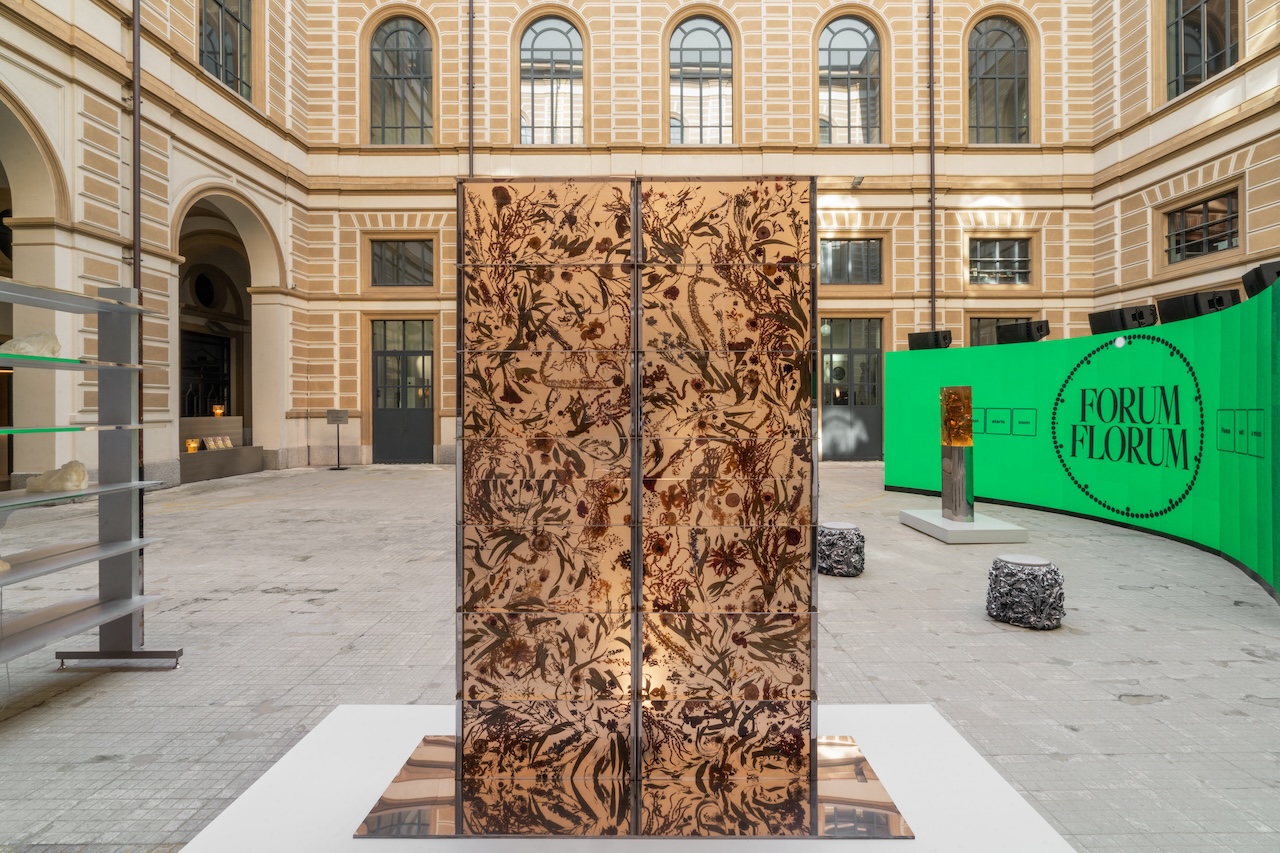
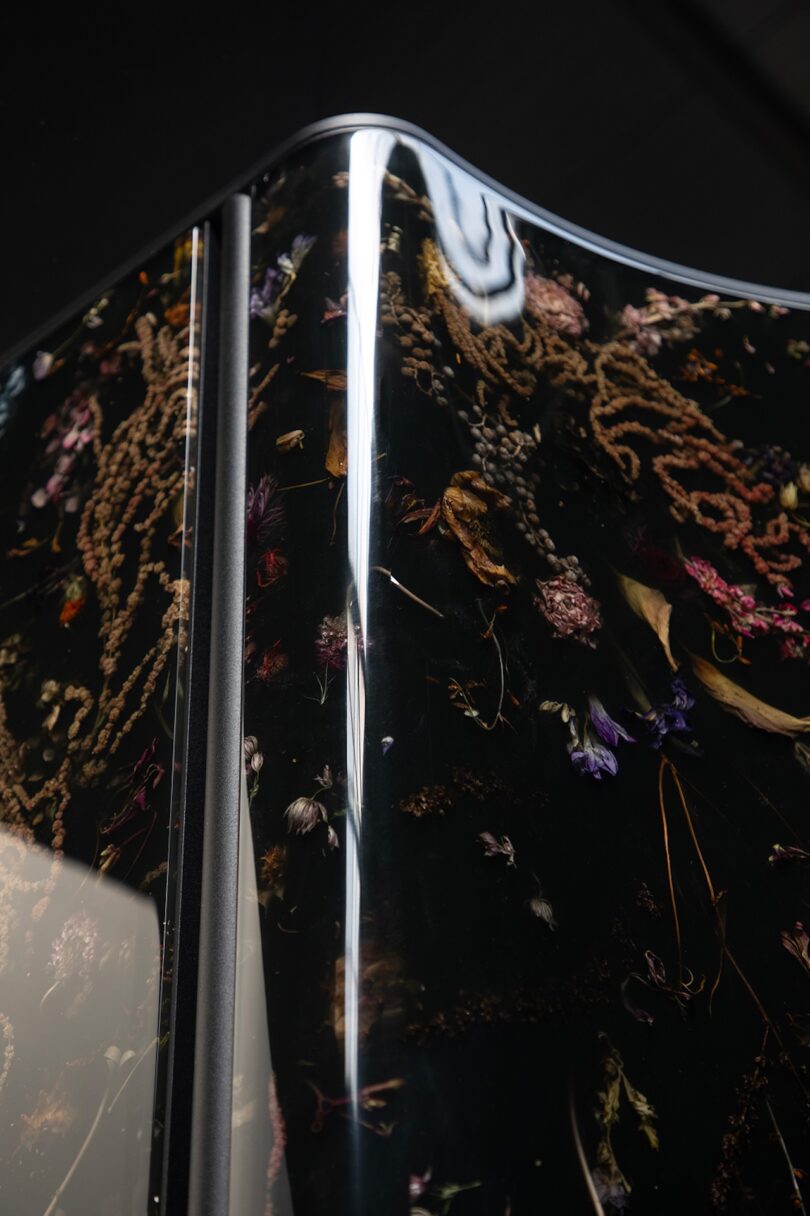
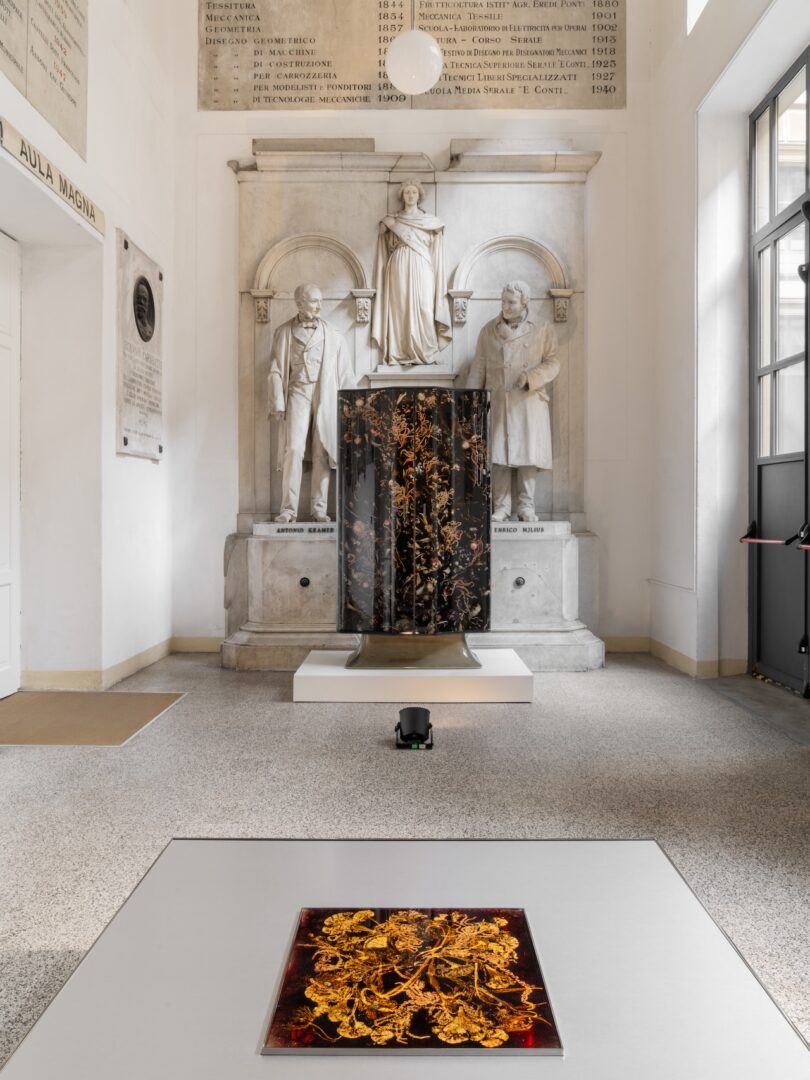
The concept of preserving plants is as old as botany itself, but today, we are witnessing a radical transformation in how we bring the outdoors in. Historically, herbarium art consisted of dried, flat specimens taped to paper—functional for scientists, perhaps, but often lacking the tactile depth required for high-end interior styling. Artist Marcin Rusak has redefined this medium by treating nature not just as a subject, but as a primary material. By laminating flora between sheets of architectural glass or casting organic forms in resin, he creates contemporary botanical art that feels like a window into a preserved ecosystem.
In modern botanical decor, the focus has shifted toward capturing the three-dimensional life of a plant. Rusak’s work often utilizes botanical waste from the global commercial flower industry, a sector that moves approximately $40 billion in revenue annually. By reclaiming these discarded blooms, he infuses his work with a narrative of consumption and rebirth. This approach aligns perfectly with the current biophilic design movement, which seeks to foster a deeper emotional connection between humans and the natural environment through experimental craftsmanship.
The Artist’s Philosophy: From Family Legacy to Collectible Design
Marcin Rusak’s relationship with flora is deeply personal, rooted in his family history as sons and grandsons of orchid growers in Poland. This background in a family nursery informs his unique material pedagogy, where the life cycle of a plant is viewed with both scientific precision and artistic reverence. During milan design week, Rusak’s installations often explore these themes, contrasting the rapid pace of modern life with the slow design movement.
Unlike mass-market floral prints that offer a generic representation of nature, Rusak’s collectible design pieces are one-of-a-kind living archives. His Flower Journey installation at SIAM Milan showcased how botanical preservation can be used to tell a story of time and decay. By choosing to work with natural materials that change over time, he challenges the traditional interior design preference for static, unchanging objects. This philosophy encourages homeowners to appreciate the ephemeral aesthetics of nature, even as it is captured in a permanent resin form.
Technical Innovation: 3D Printing and Bio-Materials
What sets Rusak apart is his willingness to experiment with advanced fabrication techniques. His Ghost Orchid project, for instance, utilizes 3D-printed bronze and bio-materials to recreate the likeness of rare flowers. This intersection of technology and nature is a hallmark of 3d floral wall art trends 2026, where digital precision meets organic unpredictability.
| Material Type | Traditional Herbarium | Rusak’s Modern Innovation |
|---|---|---|
| Base Medium | Paper or Cardstock | Architectural Glass or Resin |
| Technique | Pressing and Drying | Encapsulation and 3D Printing |
| Lifespan | Fragile, prone to fading | Variable: days to 10 years |
| Visual Depth | 2D / Flat | Immersive 3D / Sculptural |
| Sustainability | Low impact | High (Uses botanical waste) |
One of the most fascinating aspects of his work is the use of ultrasound to capture plant pulses, which are then translated into physical forms. By integrating PLA-enzyme reactions, Rusak has even created objects that are designed to biodegrade at a controlled rate, reinforcing the concept of sustainable luxury. This use of functional sculpture allows the art to participate in the natural cycle rather than merely imitating it.
Styling the 2026 Interior: Scale, Color, and Placement
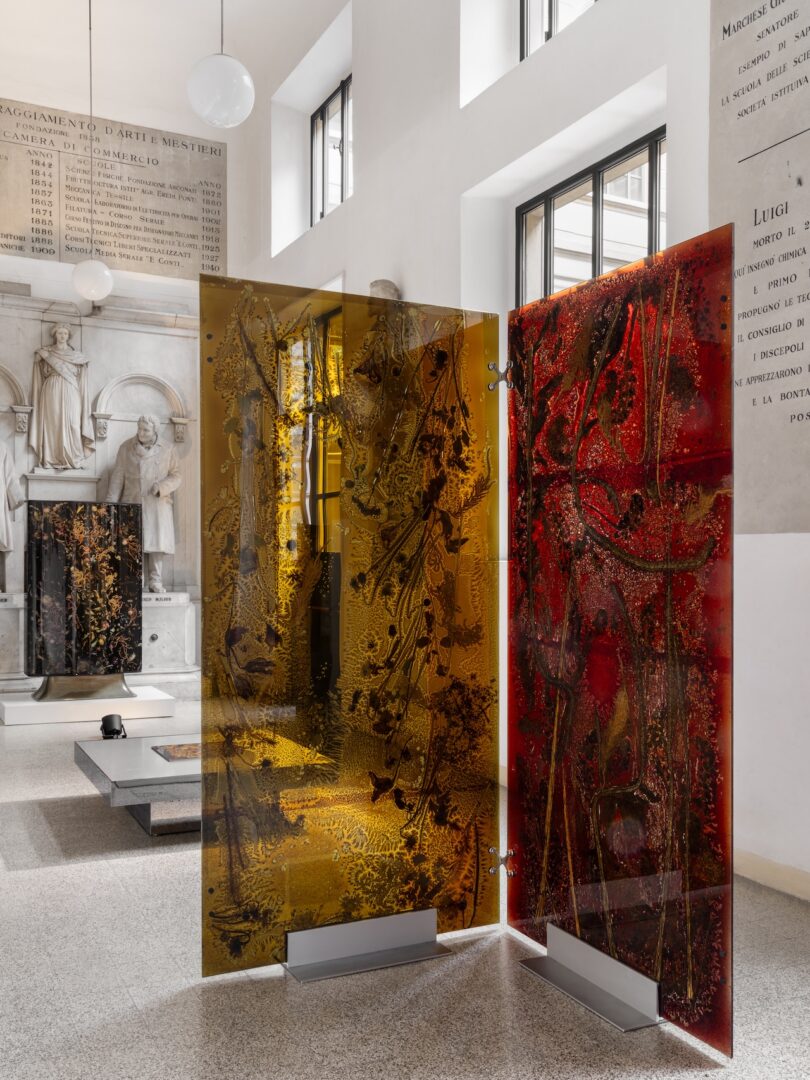
When incorporating herbarium wall art into a contemporary home, scale is everything. We are moving away from small, gallery-wall clusters and toward large scale herbarium panels for statement walls. These panels, often standing over two meters tall, act as architectural elements that define the mood of a room. For modern botanical decor for minimalist interiors, the goal is to create a focal point that feels organic rather than clinical.
The 60-75% Measurement Rule To ensure your wall art feels grounded, the width of the artwork should cover 60% to 75% of the furniture it hangs above (such as a sofa, sideboard, or bed). If the panel is larger, it should be treated as a floor-to-ceiling installation to maximize its biophilic impact.
In terms of color, the palette for 2026 is shifting toward warm, grounding tones. While the previous decade focused on bright whites and leafy greens, the upcoming trend embraces Ochre, Terracotta, and deep Moss Green. These colors mimic the natural hues found in dried specimens and aged architectural glass. When styled against neutral walls, these rich tones provide a sense of warmth and history that is essential for sustainable luxury living.
Preserving the Ephemeral: Maintenance and Longevity
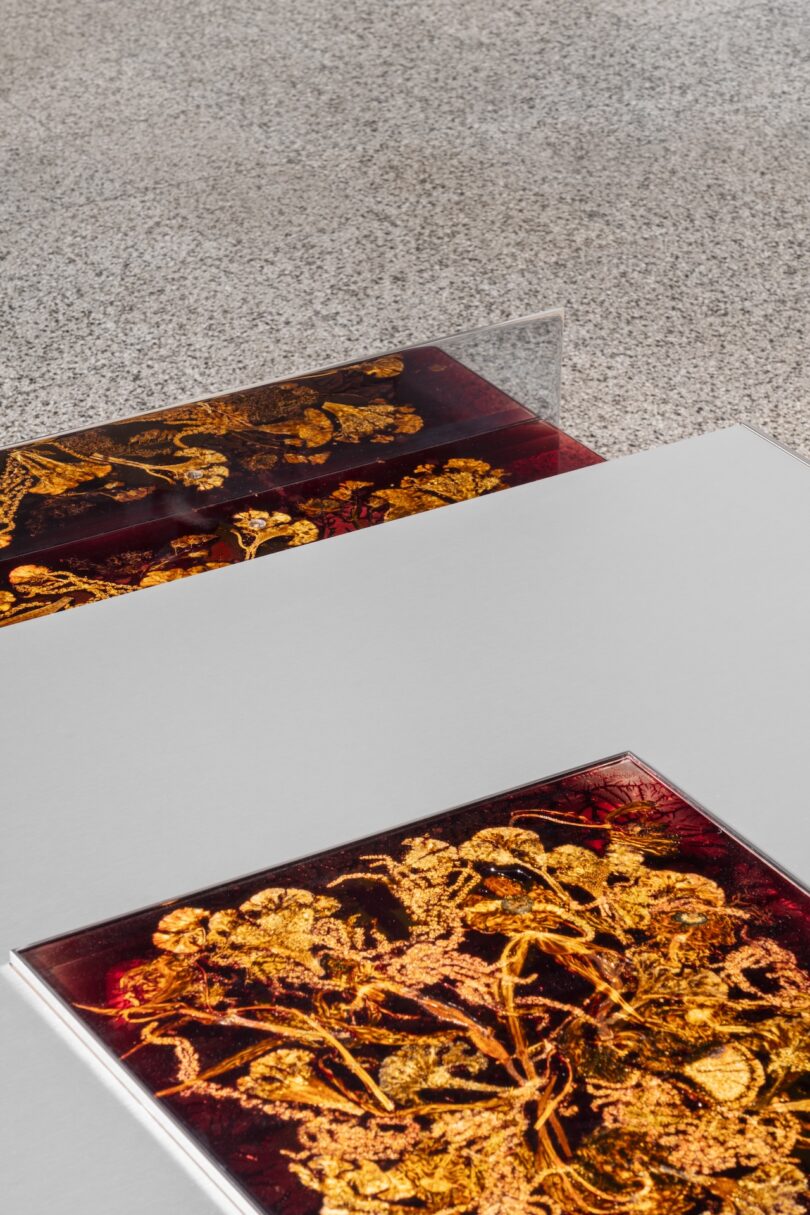
One of the most common questions regarding herbarium art is how long it will last. In his Perishable series, Rusak developed a natural composite made of flowers and tree resins that allows functional objects to have a variable lifespan ranging from a few days to 10 years. For those seeking more permanence, his resin-encased panels offer a much longer life, though they still require specific care to maintain their clarity and color.
For homeowners, following preserved plant wall art maintenance tips is essential. Because these pieces contain organic matter, they are sensitive to ultraviolet light and extreme temperature fluctuations.
- Avoid Direct Sunlight: UV rays can cause the pigments in the dried flowers to fade and may yellow the resin over time.
- Control Humidity: High humidity can affect the bond between organic materials and the resin, potentially causing cloudiness.
- Surface Care: Use a soft, microfiber cloth to dust architectural glass or resin panels. Avoid harsh chemicals that could etch the surface.
By treating these pieces as botanical preservation projects rather than just wall art, you ensure that their story remains vibrant for years to come. The intersection of time, nature, and industrial processes makes this art form a perfect fit for those who value both modern aesthetics and the natural world.
FAQ
What is herbarium art?
Herbarium art is a creative practice that involves the preservation of botanical specimens for aesthetic or scientific display. Traditionally, this meant pressing and drying plants on paper, but modern versions include encasing flowers in resin, glass, or using 3D printing to create sculptural wall art.
How do you make an herbarium?
To make a traditional herbarium, you must collect a plant specimen, dry it using a flower press or heavy books, and then mount it on acid-free paper. For a modern, high-end look like Marcin Rusak’s, specimens are dried and then cast in clear resin or laminated between sheets of glass to create a 3D effect.
What is the 70/30 rule in art?
In interior design and art composition, the 70/30 rule suggests that 70% of a space should be dominated by one style or color, while 30% consists of a contrasting element. In the context of botanical art, this might mean a minimalist room (70%) featuring a bold, organic herbarium statement piece (30%).
How long can specimens last in an herbarium?
Well-preserved specimens in a traditional herbarium can last for centuries if kept in a cool, dry, and dark environment. In modern resin-based herbarium art, the flowers are protected from air, but their color may still subtly shift over a period of 10 to 20 years depending on light exposure.
What glue to use for herbarium?
For professional botanical preservation on paper, a pH-neutral, archival-quality PVA glue is recommended. It ensures the specimen remains attached without causing chemical damage or discoloration over time. For modern resin art, the resin itself acts as the bonding agent that holds the flora in place.