I know the feeling all too well. You’ve finally found a Saturday morning with clear skies and a manageable to-do list for your backyard. You’re ready to prune, mulch, and plant. But as soon as you step outside, your toddler is trying to eat the potting soil, or your older child is asking for their tablet because they’re "bored." The battle between the screen and the soil is real, and often, the screen wins just so we can get ten minutes of actual work done.
However, getting kids outside isn't just about preserving our sanity—it’s a health imperative. Approximately 50% of the population is Vitamin D deficient, a condition that can be vastly improved with just 10 to 20 minutes of daily sun exposure during outdoor play. Beyond the vitamins, gardening offers a unique classroom for sensory exploration, patience, and responsibility. The trick is to stop trying to make them garden like adults and instead create projects that lean into their natural curiosity.
If you’re looking for the best outdoor garden projects for kids, the most successful ones involve creating sensory dirt buckets using concrete mixing tubs, decorating popsicle stick plant markers, setting up a garden tent fort, making spice-based watercolors, and planting hardy seeds like sunflowers or pumpkins. These activities turn "helping" into "playing," allowing you to work alongside them without the constant hovering.
The Developmental Magic of Gardening
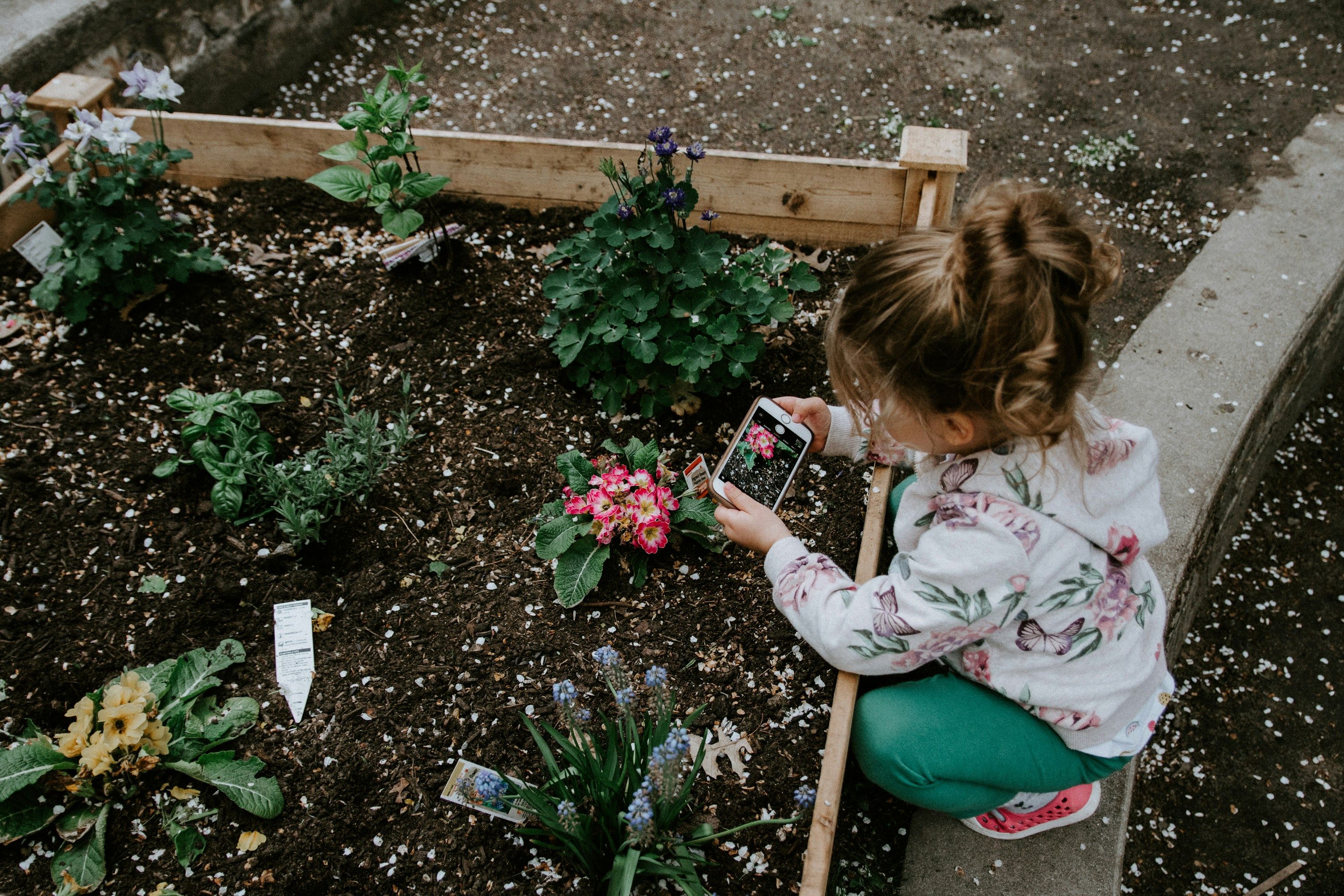
Before we dive into the "how-to," let’s talk about the "why." Gardening is one of the few activities that engages all five senses simultaneously. They feel the grit of the soil, see the vibrant greens of new shoots, hear the rustle of leaves, smell the damp earth after a rain, and eventually, taste the rewards of their labor.
This sensory exploration is vital for cognitive development. It teaches children the concept of cause and effect (if I don’t water this, it wilts) and delayed gratification (we plant the seed now to see the flower next month). It also builds a sense of environmental stewardship. A child who has nurtured a pumpkin from a tiny seed is far more likely to care about the natural world than one who only sees vegetables in a plastic grocery bag.
1. The Sensory "Dirt Bucket" Station
This is my absolute favorite "sanity hack" for parents of toddlers. If you’ve ever tried to plant a delicate row of lettuce only to have your three-year-old "help" by digging them right back up, this project is for you.
The concept is simple: give them their own dedicated space where the rules of "be careful" don't apply. I recommend heading to your local hardware store and picking up a $5 heavy-duty concrete mixing tub. These are shallow, wide, and virtually indestructible.
How to Set It Up:
- The Base: Fill the tub with a mix of potting soil and play sand.
- The Treasures: Bury "surprises" like smooth river stones, plastic dinosaurs, or old keys.
- The Tools: Provide a small hand trowel, an old measuring cup, and a sturdy paintbrush (great for "dusting off" fossils).
- The Location: Place this tub in a shaded area within your line of sight but away from your "real" garden beds.
By providing a dedicated digging zone, you protect your main garden beds while giving your children total freedom to explore. They can hunt for worms, make mud pies, and get as messy as they want without ruining your afternoon’s work.
2. DIY Popsicle Stick Plant Markers
Gardening involves a lot of waiting, which can be hard for kids. Making plant markers bridges the gap between the day you plant and the day the first sprout appears. It’s a creative art project that helps kids identify the herbs and vegetables they helped choose.
Supplies Needed:
- Jumbo popsicle sticks (wood or bamboo)
- Waterproof permanent markers or acrylic paint
- Clear outdoor-grade sealant (a spray-on version is easiest)
- Twine or stickers (optional)
The Activity:
Have your kids draw what they think the plant will look like. For a tomato plant, they can draw a big red circle. For mint, maybe they just paint the whole stick a vibrant green. Once the artwork is dry, a quick coat of clear sealant ensures their masterpieces won't wash away during the first rainstorm.
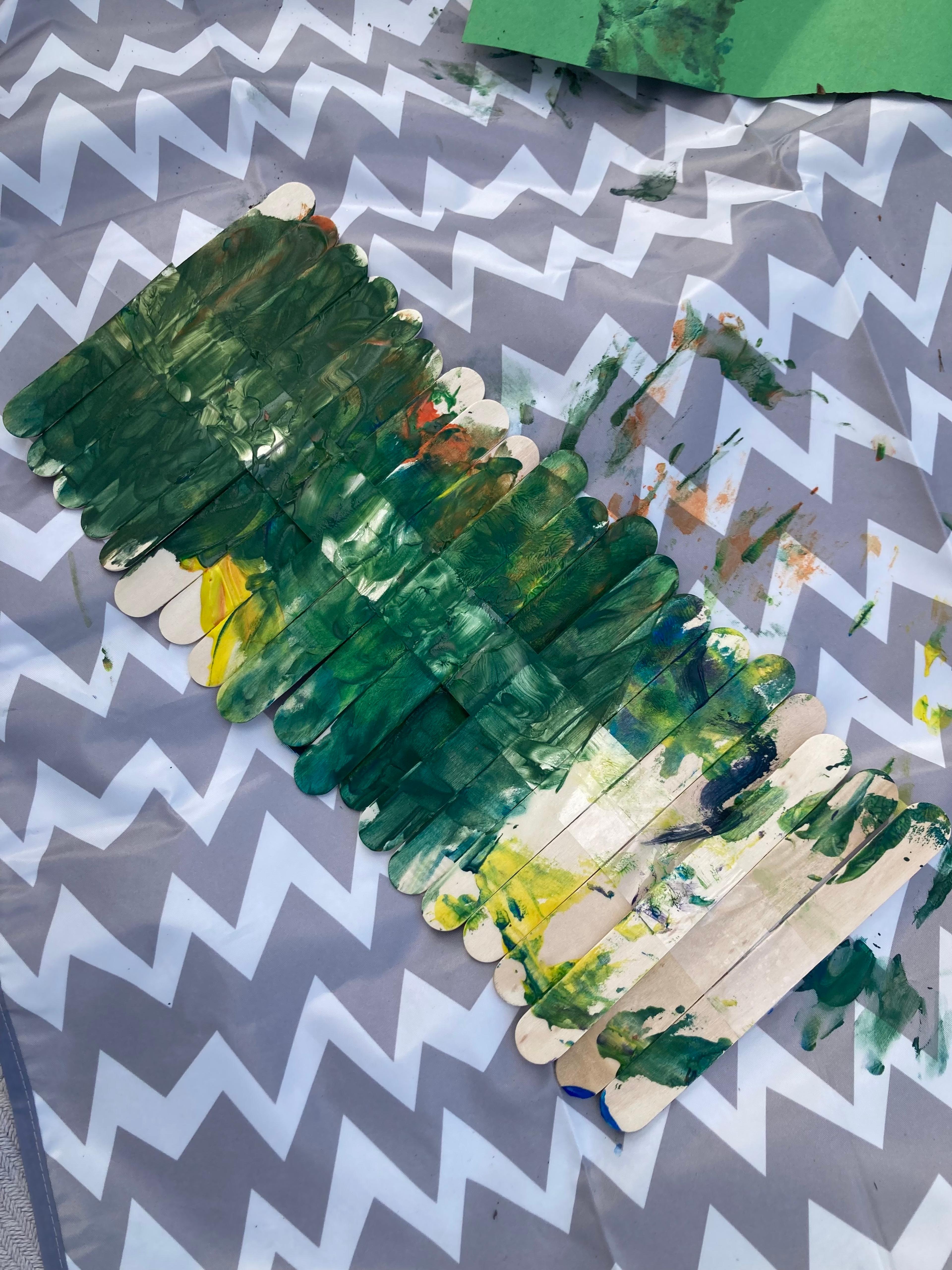
Sanity Hack: If your kids are too young to draw recognizable vegetables, let them use stickers. Just ensure you apply the clear sealant over the stickers so they don't peel off when they get wet.
3. The Garden Tent Fort Hack
Sometimes the best garden project for a kid is simply being in the garden while you work. If you have a toddler who tends to wander or get into the fertilizer, the garden tent hack is a game-changer.
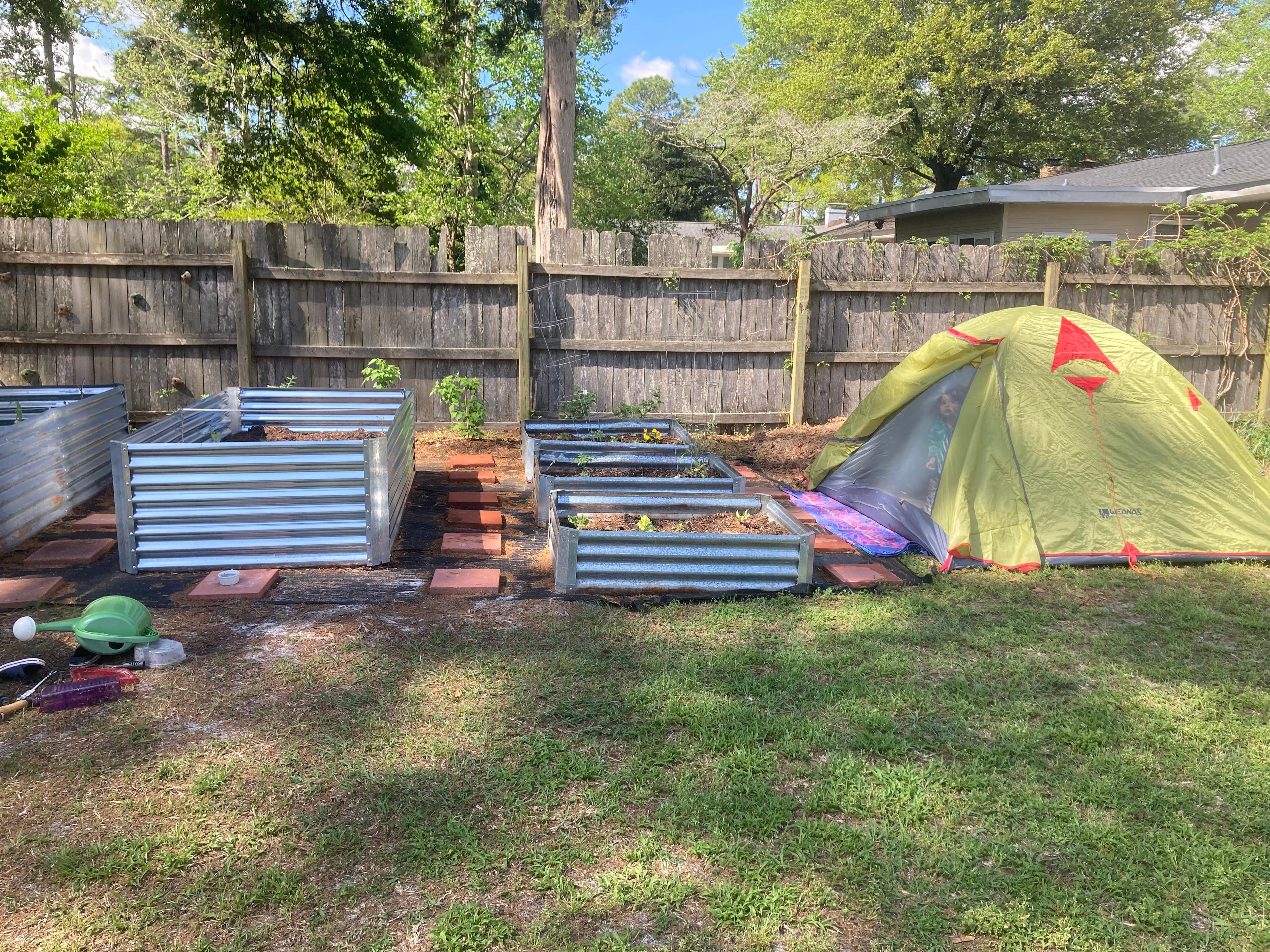
Setting up a small camping tent with mesh netting right next to your garden beds can provide parents with 20 to 30 minutes of uninterrupted gardening time. It keeps toddlers safely contained, shaded from the sun, and protected from bugs while still allowing them to feel like they are part of the outdoor action.
Making the Fort Cozy:
- The Floor: Lay down a few outdoor cushions or a thick yoga mat.
- The Entertainment: Keep a special "outdoor-only" bin of books and toys inside the tent.
- The Refreshments: A spill-proof water bottle and a small container of mess-free snacks (like grapes or crackers) will keep them occupied longer.
4. Spice-Based Watercolor Art
If you have expired spices in your kitchen, don't throw them out! They make incredible, aromatic "watercolors" for an outdoor art session. This is a fantastic way to teach kids about the science of plants—specifically, which plants produce which colors and scents.
The "Paint" Recipes:
| Spice | Resulting Color | Scent Profile |
|---|---|---|
| Turmeric | Vibrant Yellow | Earthy & Warm |
| Cinnamon | Soft Brown | Sweet & Spicy |
| Cocoa Powder | Dark Chocolate Brown | Rich & Floral |
| Paprika | Muted Orange | Smoky |
To make the paint, simply mix a tablespoon of the spice with a few drops of water until you reach a paste-like or watery consistency. Give the kids some heavy cardstock or even flat rocks, and let them paint the "colors of the earth." As they paint, talk to them about where these spices come from—turmeric is a root, cinnamon is bark, and cocoa comes from a bean!
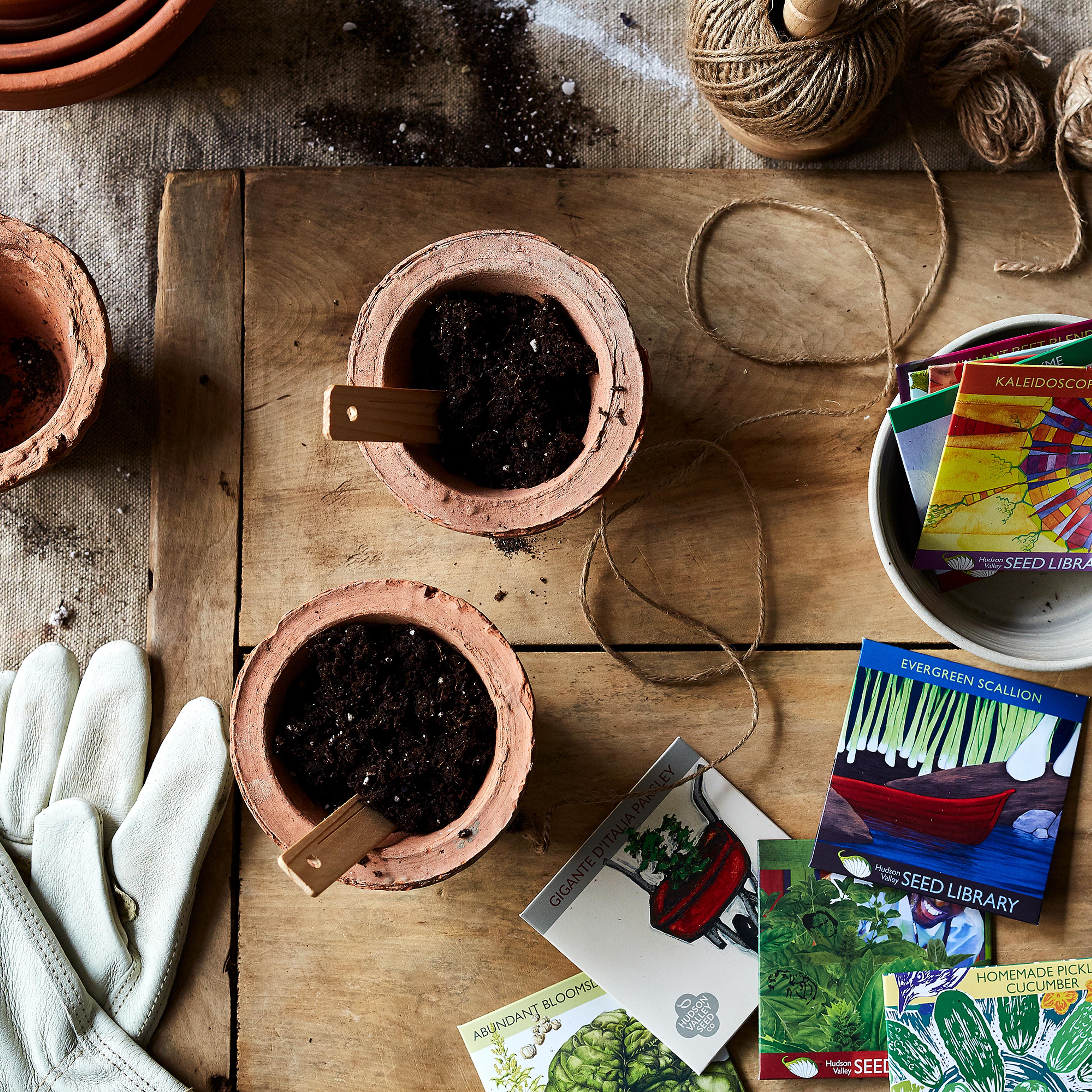
5. Planting "Indestructible" Seeds: Sunflowers and Pumpkins
For a child, there is nothing more discouraging than a plant that dies three days after it’s planted. When gardening with kids, I always recommend choosing hardy, "indestructible" seeds over delicate varieties like orchids or finicky ferns.
Sunflowers and pumpkins are the gold standard for kid-friendly gardening. The seeds are large enough for small hands to hold easily, they germinate quickly (often within 7-10 days), and they grow aggressively.
Why They Work:
- Sunflowers: They grow taller than the kids themselves, which provides a wonderful "Jack and the Beanstalk" sense of wonder.
- Pumpkins: The vines spread across the ground like a jungle, and the big leaves provide great hiding spots for "garden fairies" or toy cars.
Scaling Down the Watering:
One of the biggest risks to young plants is "over-loving" them with too much water. To make gardening easier with toddlers, teach them to use the mist setting on the hose or a small spray bottle. This prevents them from drowning young sprouts or washing away the soil with a high-pressure stream.
Pro-Tips for "Sane" Gardening with Toddlers
As a DIY editor and a parent, I’ve learned that the secret to a successful project isn’t the finished product—it’s the setup. Here’s how to keep things running smoothly:
- The Dedicated Table: Kids work better at their height. Use a small, plastic folding table for their "dirt bucket" or art projects. This keeps them from hovering over your workspace.
- Quick Water Access: Keep a bucket of clean water and a towel nearby. It’s much easier to do a quick rinse outside than to have a muddy toddler running through your kitchen to get to the sink.
- Starter Plants vs. Seeds: If your child is particularly impatient, skip the seeds and buy starter plants from a nursery. Seeing a plant that already has leaves and a stem provides instant gratification and a higher success rate for beginners.
Safety First: Creating a Kid-Friendly Garden Zone
Safety is the foundation of any DIY project. Before letting the kids loose, do a quick "safety sweep" of your yard:
- Level the Ground: Check for tripping hazards like large rocks, exposed tree roots, or holes left by pets.
- Surface Matters: For high-impact play areas (like under a swing or around a "dirt bucket"), consider adding 4-6 inches of rubber mulch. It’s much softer than grass or wood chips for those inevitable tumbles.
- Tool Safety: Store all high-powered or sharp tools (like hedge trimmers or loppers) in a locked shed or high on a pegboard. For the kids, choose tools with rounded edges and plastic or smooth wooden handles.
- Plant Check: Ensure you aren't planting anything toxic. Common garden plants like Foxglove or Oleander can be dangerous if ingested. Stick to edible herbs and classic flowers.
FAQ
Q: How do I keep my kids from pulling up my actual vegetables? A: The "Dirt Bucket" station mentioned above is the best deterrent. Additionally, you can use "psychological fencing"—a low border of stones or a brightly colored string that marks the "No-Go Zone." Explain that those plants are "sleeping" and shouldn't be touched.
Q: What are the best low-maintenance plants for kids? A: Beyond sunflowers and pumpkins, try Snap Peas (they love to climb and are fun to eat straight off the vine), Lamb’s Ear (it feels like soft velvet), and Mint (it grows like a weed and smells amazing).
Q: How young can a child start gardening? A: As soon as they can sit up and grasp an object, they can participate in sensory play with soil. By age two, they can help with watering (using a spray bottle) and "planting" large seeds with supervision.
Conclusion
At the end of the day, your garden doesn't need to look like the cover of a magazine. It’s okay if the rows are crooked, if there’s a random plastic dinosaur "guarding" the kale, and if your toddler ends up more covered in mud than the plants themselves.
The goal of these outdoor garden projects isn't just to grow vegetables; it's to grow memories and healthy habits. By scaling down the activities, prioritizing safety, and embracing the mess, you’re giving your children a gift that lasts far longer than a single growing season. So, grab a shovel, find a sunny spot, and let’s get digging.