There is a specific kind of quiet that exists only in Los Angeles during the "Golden Hour," when the light turns honey-thick and filters through the palms of Los Feliz. It is this exact atmosphere that designer Gordana Golubovic has captured within the walls of her Spanish-style sanctuary. For years, minimalism was synonymous with the "stark"—cold white galleries, sharp angles, and a clinical lack of soul. But as our homes have become our primary offices, gyms, and retreats, the trend has shifted toward "Warm Minimalism." In fact, industry design trends show that 85% of modern homeowners now prefer this softened approach over traditional minimalism to enhance mental well-being and reduce sensory overload.
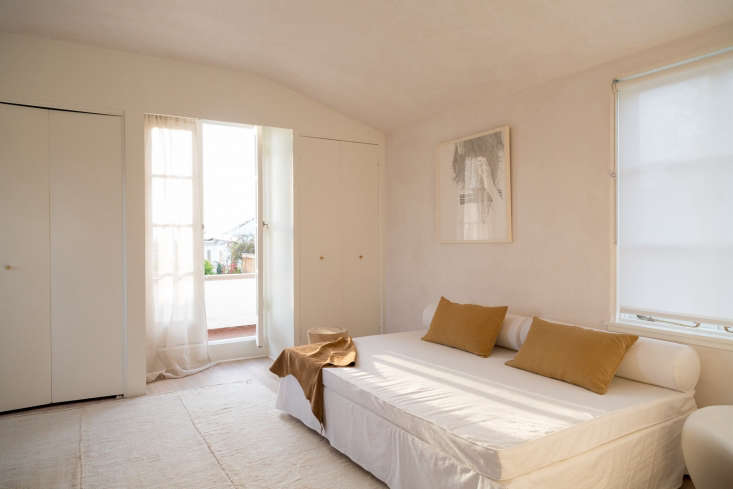
Golubovic’s guest bedroom is a masterclass in this evolution. It adheres to the Japanese philosophy of Hodo-hodo—the idea of "just enough"—balancing the discipline of a limited palette with the emotional resonance of texture. By blending high-end architectural finishes with clever, budget-conscious upcycling, she has created a space that feels both aspirational and deeply attainable.
1. A Textural Foundation: Plaster, Wood, and 'Simply White'
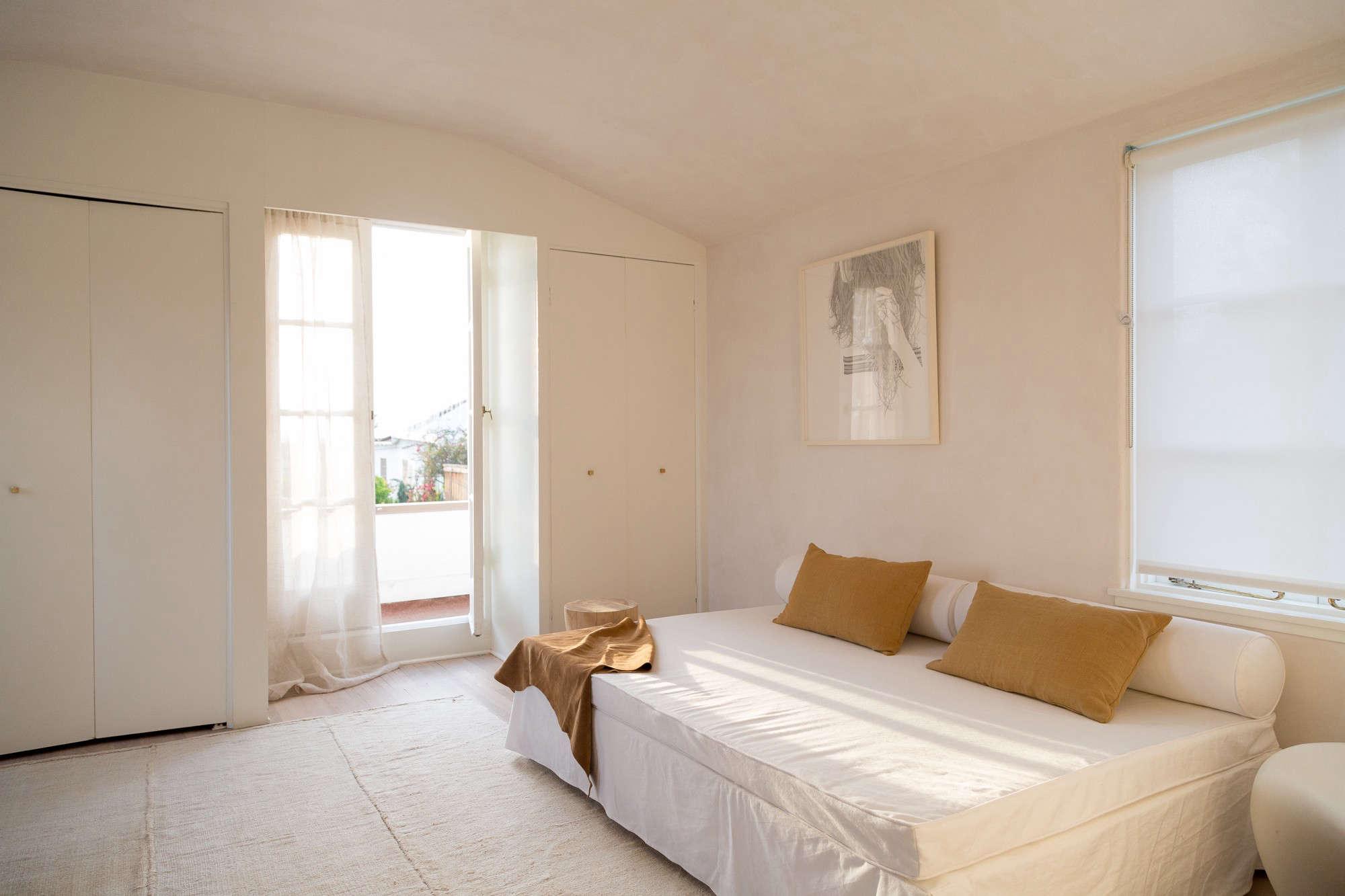
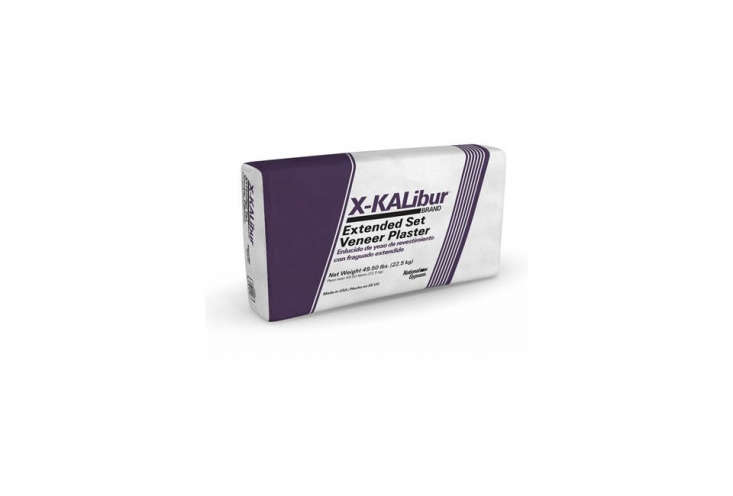
The cornerstone of any warm minimalist bedroom is the envelope of the room itself. To avoid the sterile "hospital" feel of standard white paint, Golubovic utilized a specific combination of materials that provide a soft, light-reflective foundation. The walls are finished in X-Kalibur Plaster, a material that offers a subtle, hand-troweled movement that catches the light differently throughout the day. This is paired with Benjamin Moore’s 'Simply White', a shade beloved by designers for its slight yellow undertone that keeps the space feeling sunny even on overcast days.
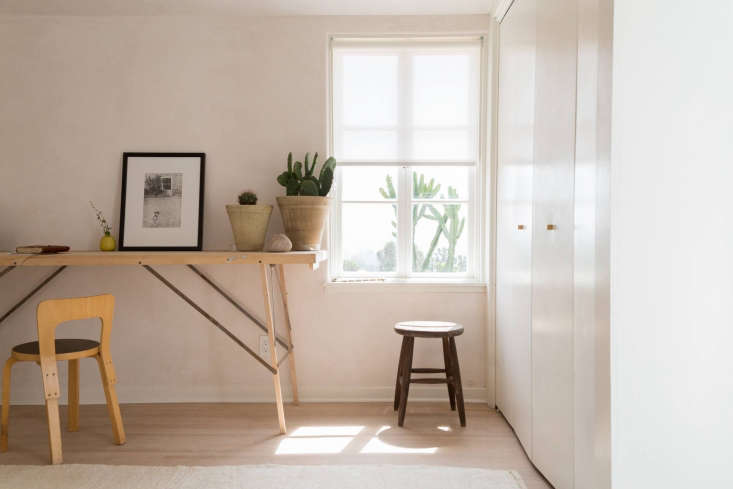
Underfoot, the original wood floors were not merely sanded; they were treated with WOCA Wood Lye and a white oil finish. This "bleaching" process removes the orange or red tannins from the wood, resulting in a pale, Scandinavian-inspired floor that feels raw and organic.
Editor’s Tip: The Perfect White Wall If plaster is out of your budget, you can achieve a similar "living wall" effect using Limewash paint (like those from Portola Paints). Limewash is breathable, carbon-neutral, and creates a mottled, matte texture that mimics centuries-old European villas.
2. High-Impact Furniture Hacks & Upcycling
One of the most refreshing aspects of Gordana Golubovic’s design philosophy is her willingness to mix high-brow architectural details with humble, repurposed items. This isn't just a stylistic choice; it’s an environmental one. Utilizing upcycled or vintage furniture in interior design projects can reduce the environmental carbon footprint of a single room renovation by as much as 60% compared to purchasing all-new items.
The centerpiece of the guest room is a brilliant "hack": an IKEA daybed that has been completely transformed. By reupholstering the standard mattress in a heavy-weight white local denim, the piece loses its "dorm room" associations and becomes a bespoke, high-end lounge. Similarly, Golubovic salvaged a slim vintage wallpaper paste table, repurposing it as a minimalist desk that fits perfectly in narrow spaces without adding visual bulk.
Get the Look: Designer vs. Budget Alternatives
| Element | The Designer Source | The Budget-Friendly 'Hack' |
|---|---|---|
| Seating | Custom Linen Daybed ($2,500+) | IKEA UTÅKER Daybed + White Denim Slipcover ($350) |
| Desk | Vintage French Trestle Table | Reclaimed Pine Wallpaper Table or Etsy Vintage ($150) |
| Wall Finish | X-Kalibur Hand-Applied Plaster | Limewash Paint (DIY Kit) ($120) |
| Flooring | WOCA Wood Lye Treatment | Light Oak Laminate or White-Washed Pine |
3. Mastering the Golden Hour: Layered Lighting
In a warm minimalist room, lighting is used as an architectural tool rather than just a utility. The goal is to regulate the body's circadian rhythm and mimic the soothing tones of a sunset. To achieve this, designers recommend avoiding the "big light" (harsh overhead fixtures) in favor of layered, warm-spectrum sources.
Specifically, look for bulbs in the 2700K to 3000K (Kelvin) range. Anything higher (4000K+) will feel blue and clinical, effectively killing the "warm" in warm minimalism. Golubovic utilizes brass casement accents and task lamps to add a touch of "jewelry" to the room, providing a metallic contrast to the matte plaster walls.
Editor’s Tip: The 3-Layer Lighting Rule
- Ambient: A soft overhead or wall-mounted globe with a dimmer.
- Task: A focused bedside lamp or a slim desk light for reading.
- Accent: A small "mood" light placed in a corner or near a plant to create depth and shadows.
4. Tactile Layering: Natural Fibers and Earthy Textures
The secret to making a minimalist room feel "cozy" rather than "empty" lies in the variety of textures. Even if every item in the room is white, using different materials creates "visual weight." In Golubovic’s LA bedroom, this is achieved through a mix of heavy and light textiles.
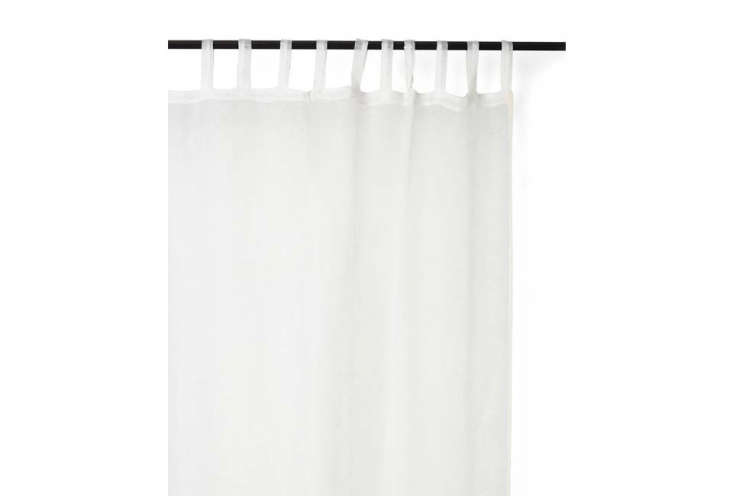
She employs netted linen curtains that allow light to filter through in a rhythmic, dappled pattern, and pairs them with heavy white denim slipcovers and hemp rugs. These natural fibers are not only sustainable but also age beautifully, gaining character over time. The addition of a chunky knit throw or a bolster pillow in a slightly different shade of cream can make the bed look inviting rather than flat.
5. Curated Nature: Greenery and Organic Accessories
The final element of the Golubovic aesthetic is the "edit." This is where the Marie Kondo influence meets California cool. Instead of cluttering the bedside table with books and chargers, the space is reserved for a few, highly intentional objects.
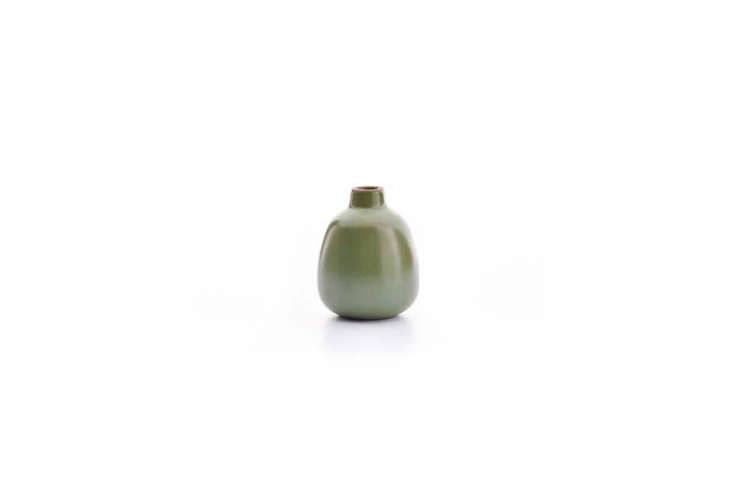
Organic accessories—such as olive-toned ceramics from local makers like Heath Ceramics—bring a necessary dose of earthiness to the room. Greenery should be sculptural and low-maintenance; think dried pampas grass, a single olive branch in a heavy vase, or a small terracotta pot. These elements connect the indoor space to the LA landscape outside, grounding the ethereal white palette in something real and living.
Conclusion: Building Your Personal Sanctuary
Gordana Golubovic’s LA bedroom proves that you don't need a sprawling mansion or a limitless budget to achieve a designer look. By focusing on the "bones" of the room—the plaster, the wood, and the light—and then layering in personal, upcycled treasures, you can create a space that feels like a perpetual embrace. Warm minimalism isn't about having nothing; it's about having exactly what you need to feel at peace. Start slow, choose natural materials, and remember that in the world of design, sometimes the most powerful statement is a whisper.
FAQ
How do I keep an all-white warm minimalist bedroom from looking dirty? The key is choosing the right materials. Use slipcovers for furniture (like the white denim used by Golubovic) that can be easily removed and bleached. For walls, use a high-quality matte or eggshell finish that can be wiped down, or embrace the "patina" of limewash and plaster which hides small imperfections better than flat paint.
Can I achieve the warm minimalist look if my room doesn't get much natural light? Yes! If you lack natural "Golden Hour" light, you must rely more heavily on your interior lighting. Use "Warm Dim" LED technology that mimics the color shift of incandescent bulbs as they dim, and use mirrors strategically to bounce whatever light you do have across your textured wall surfaces.
What is the best way to start "editing" my current bedroom for this look? Start by clearing everything out of the room except the bed. Only bring back items that serve a dual purpose of function and beauty. Replace plastic items with natural ones (e.g., a wooden tray for your phone, a ceramic mug for water) and focus on one "hero" texture, like a linen duvet cover, to set the tone.