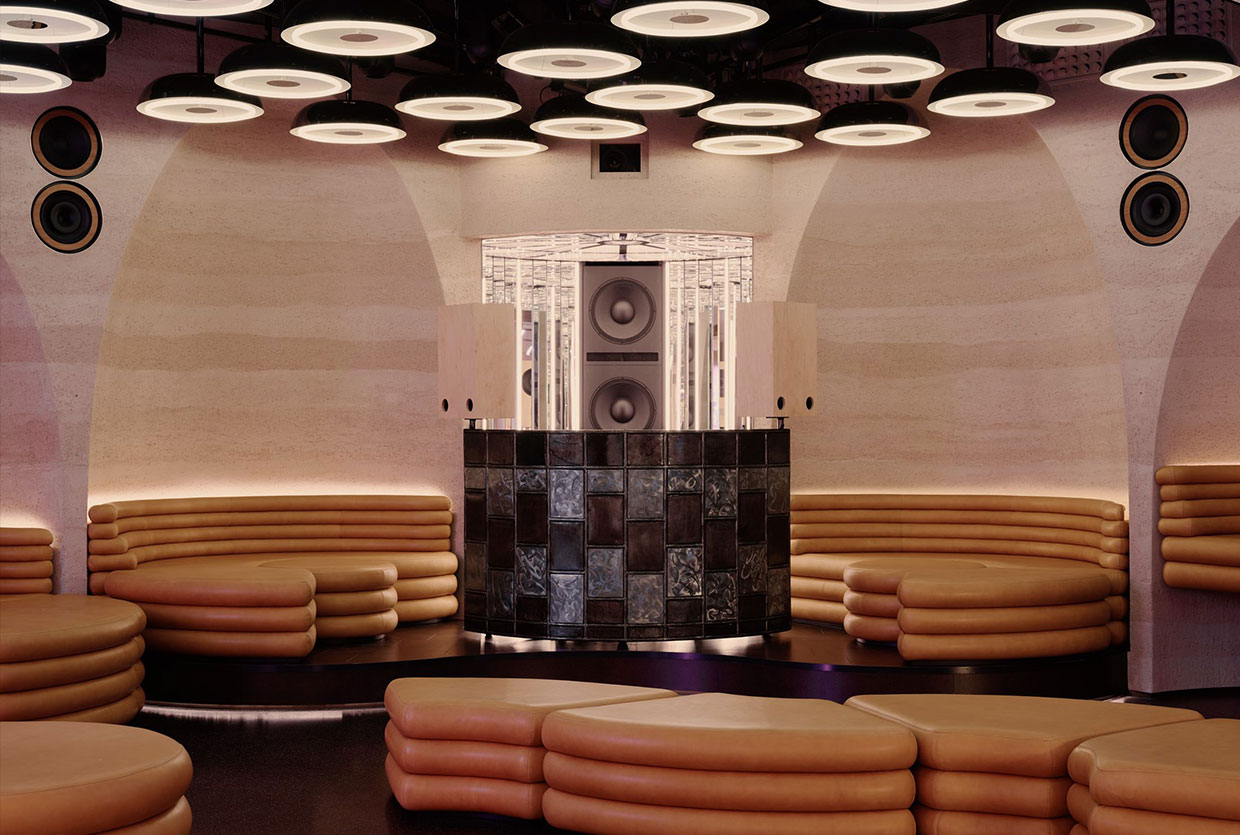
Imagine waking up to the soft, rhythmic rustle of organic linen curtains catching a morning breeze, the sunlight filtering through a well-placed rattan screen to create dancing shadows on a terracotta-tiled floor. For years, we treated our homes as places to "recover" from the world, and our vacations as the only time to truly live. But as we move toward 2026, that boundary is dissolving. The modern homeowner is no longer content with a temporary escape; they are demanding a permanent "at-home resort" experience.
To create the ultimate vacation vibe at home, you must treat your outdoor space as a series of sophisticated 'rooms' with specific functions, lean into a warm, neutral color palette dominated by terracotta and clay, and integrate whimsical elements like fringed umbrellas or outdoor daybeds that mimic the effortless luxury of a Mediterranean boutique hotel. This shift is backed by significant data: design industry surveys indicate that 82% of homeowners now prioritize 'wellness zones' and outdoor lounge areas over traditional guest rooms in 2026 home renovations. We are witnessing a monumental pivot toward the "Wellness Home," where every corner is curated to provide a restorative, staycation environment.
1. Design Outdoor Areas as Functional 'Rooms'
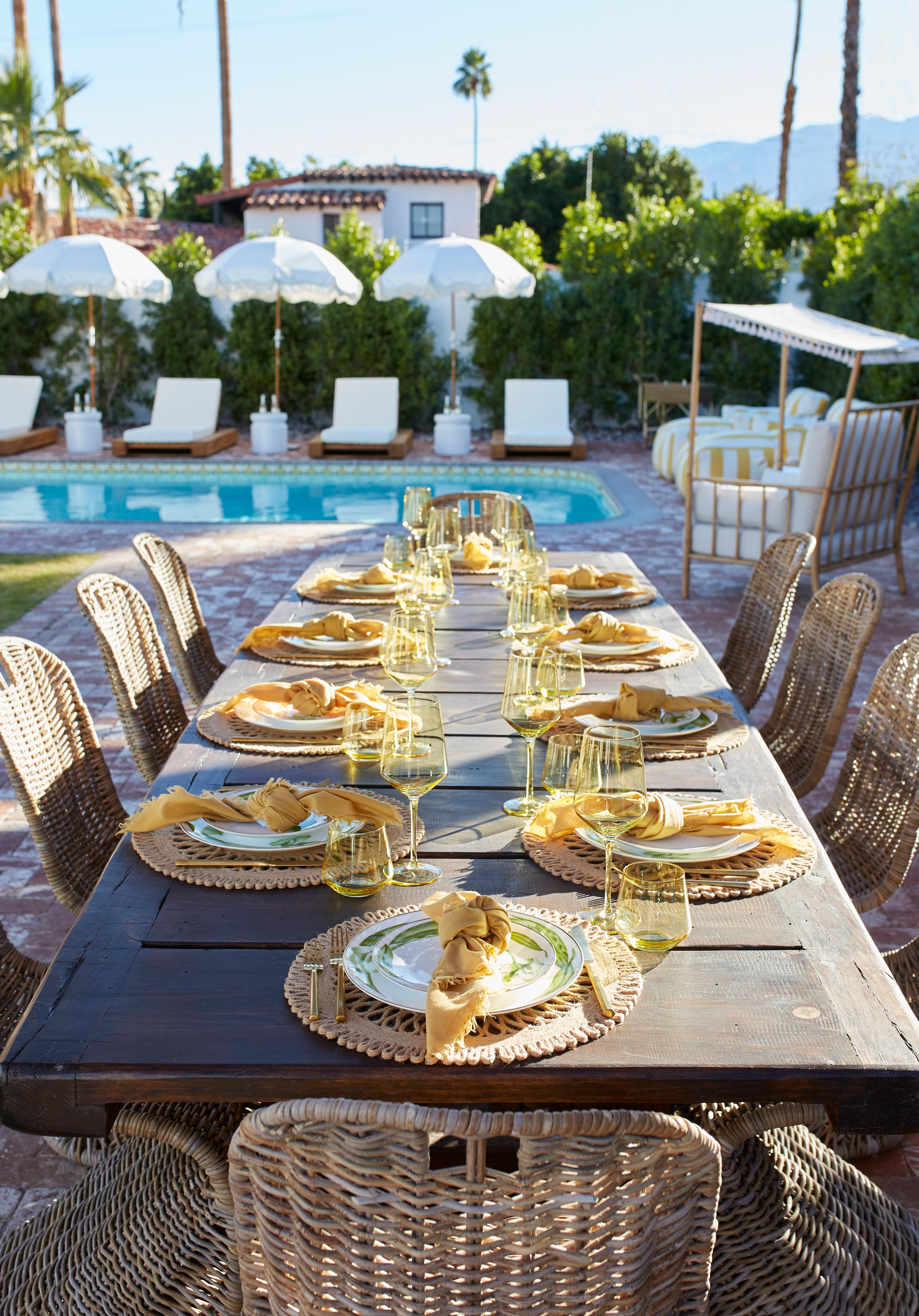
The first step in achieving a resort-like atmosphere is to stop viewing your backyard or balcony as merely "the outside" and start treating it as an extension of your floor plan. The most successful vacation-inspired homes utilize an intentional indoor-outdoor 'room' layout, which can increase the perceived functional square footage of a residential property by up to 30% without the need for structural additions or permits.
Instead of a scattered collection of folding chairs, curate distinct zones. A "Morning Nook" might feature two comfortable armchairs and a small bistro table positioned to catch the sunrise. A "Sunset Lounge" could be defined by a low-profile sectional sofa anchored by a weather-resistant rug and a central fire element.
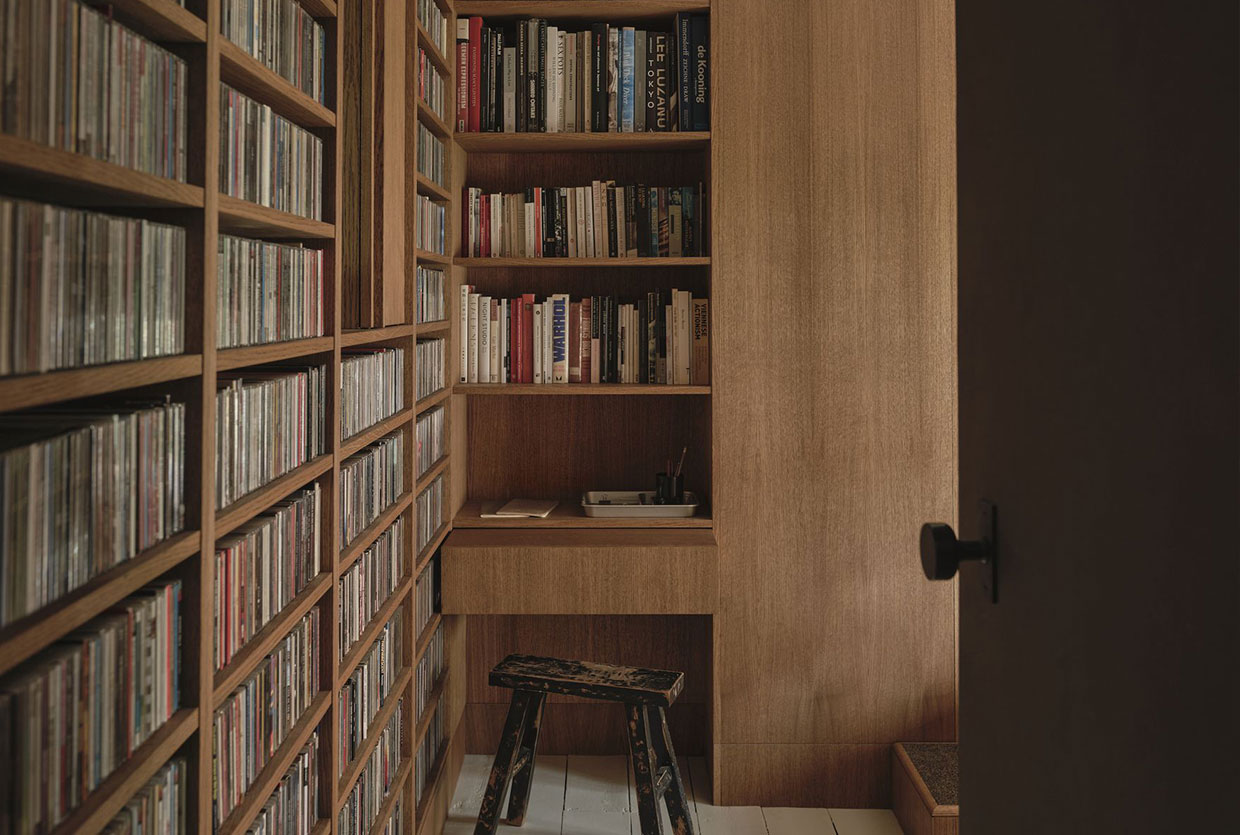
Trend Spotlight: The Al Fresco Library One of the most exciting 2026 trends is the outdoor reading room. By using weather-shielded shelving and deep-seated loungers, designers are creating quiet "analog zones" where residents can disconnect from digital noise—a hallmark of the true vacation experience.
Editor’s Tip: When selecting furniture, look for "indoor-looking" outdoor pieces. Think upholstered sofas with high-performance fabrics like Perennials or Sunbrella, which offer the tactile richness of indoor velvet but are built to withstand the elements.
2. Master the Seamless Indoor-Outdoor Flow
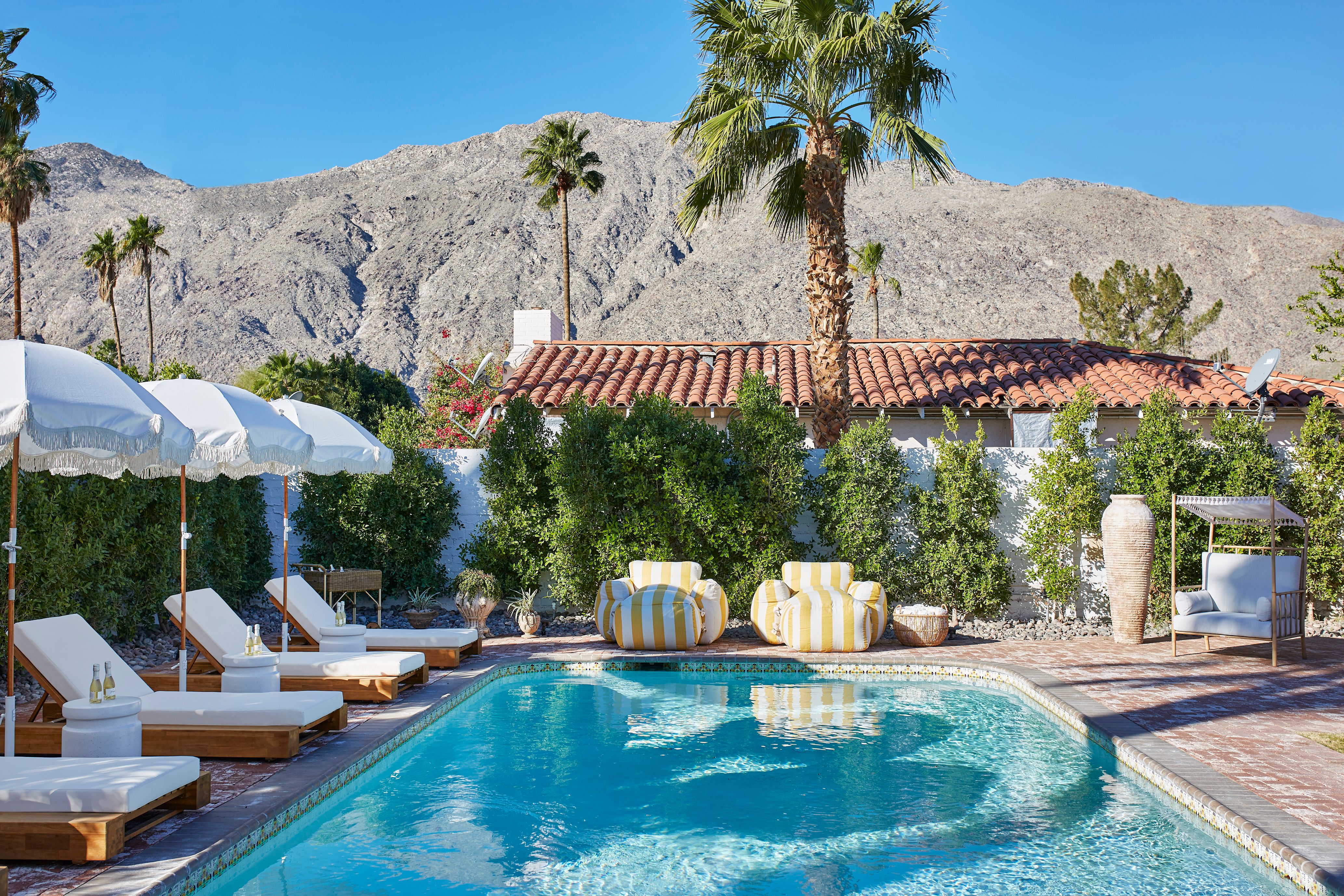
A vacation vibe is often about the feeling of boundlessness—the sense that you can drift from your bed to the pool without ever feeling like you’ve "left" the house. Achieving this requires matching your interior’s energy with your exterior’s aesthetic.
The secret lies in "Transition Zones." Use consistent flooring materials—such as a honed limestone that continues from the kitchen through a set of bi-fold glass doors onto the patio. If changing the flooring isn't an option, use consistent textures to blur the boundaries. A rattan rug in the living room paired with natural wood tones can find its echo in the wicker furniture and teak decking outside.
Key Elements for Continuity:
- Visual Sightlines: Ensure that your most beautiful outdoor feature (a sculptural tree, a water fountain, or a curated lounge) is visible from your main indoor seating area.
- Acoustic Transitions: Integrate hidden outdoor speakers that sync with your indoor system, allowing a curated "vacation playlist" to follow you throughout the property.
- Consistent Greenery: Bring the outside in by placing large-scale potted palms or olive trees near the thresholds of your home.
3. Embrace 2026’s Warm Earthy Palette & Bold Stones
The era of the "cool gray" minimalist home is officially behind us. To mimic the world’s most exclusive luxury resorts—from the hills of Tuscany to the coast of Baja—we are seeing a dramatic shift toward "Edible Brown Tones." We’re talking about deep chocolate, warm rust, merlot, and sandy ochre.
Using a neutral palette of terracotta and clay provides an instant grounding effect, making a space feel established and sun-drenched even on a cloudy day. To elevate this look, incorporate statement stones. Emerald quartzite or Viola marble (with its deep purple veining) are becoming the focal points of outdoor bars and kitchen islands, providing a "wow factor" that feels like a high-end hotel lobby.
Sustainable Luxury Material Comparison
| Material | Aesthetic Vibe | Sustainability Factor | Best Use Case |
|---|---|---|---|
| Terracotta | Rustic, Earthy, Warm | Low carbon footprint, natural clay | Flooring and planters |
| Reclaimed Teak | Tropical, Weathered | Salvaged from old structures | Outdoor dining tables |
| Organic Linen | Breezy, Sophisticated | Biodegradable, low water usage | Curtains and throw pillows |
| FSC-Certified Wood | Modern, Clean | Responsibly managed forests | Decking and pergolas |
| Recycled Glass Tile | Glimmering, Ethereal | Redirects waste from landfills | Pool lining or backsplashes |
4. Curate 'Pocket-Sized Retreats' & Wellness Zones
In 2026, the home isn't just a place to live; it's a place to heal. The trend of "Confidence Zones"—small rooms or nooks used for big creative and restorative statements—is taking over. These are "pocket-sized retreats" specifically designed for meditation, yoga, or simply a moment of stillness.
To create your own retreat, find an underutilized corner—perhaps a landing at the top of the stairs or a quiet spot in the garden—and dedicate it to a single wellness activity. Utilize polished metals like unlacquered brass (which patinas beautifully over time), organic linen, and as much natural light as possible.
Biophilic Design Integration: Biophilic design is the practice of connecting humans more closely to nature through architecture. In a wellness zone, this might look like a "living wall" of ferns, or a window placed specifically to frame the movement of clouds. The goal is to provide a restorative environment that mimics the physiological benefits of being in the wild while maintaining the comfort of your home.
Expert Insight: "A wellness zone doesn't need to be a full-scale gym," says Ivy Chen. "Sometimes, it’s just a beautifully lit corner with a high-quality cork mat, a single piece of art that inspires you, and a view of the sky. It's about the intention of the space, not the size."
5. Add Whimsical & Sustainable Luxury Accents
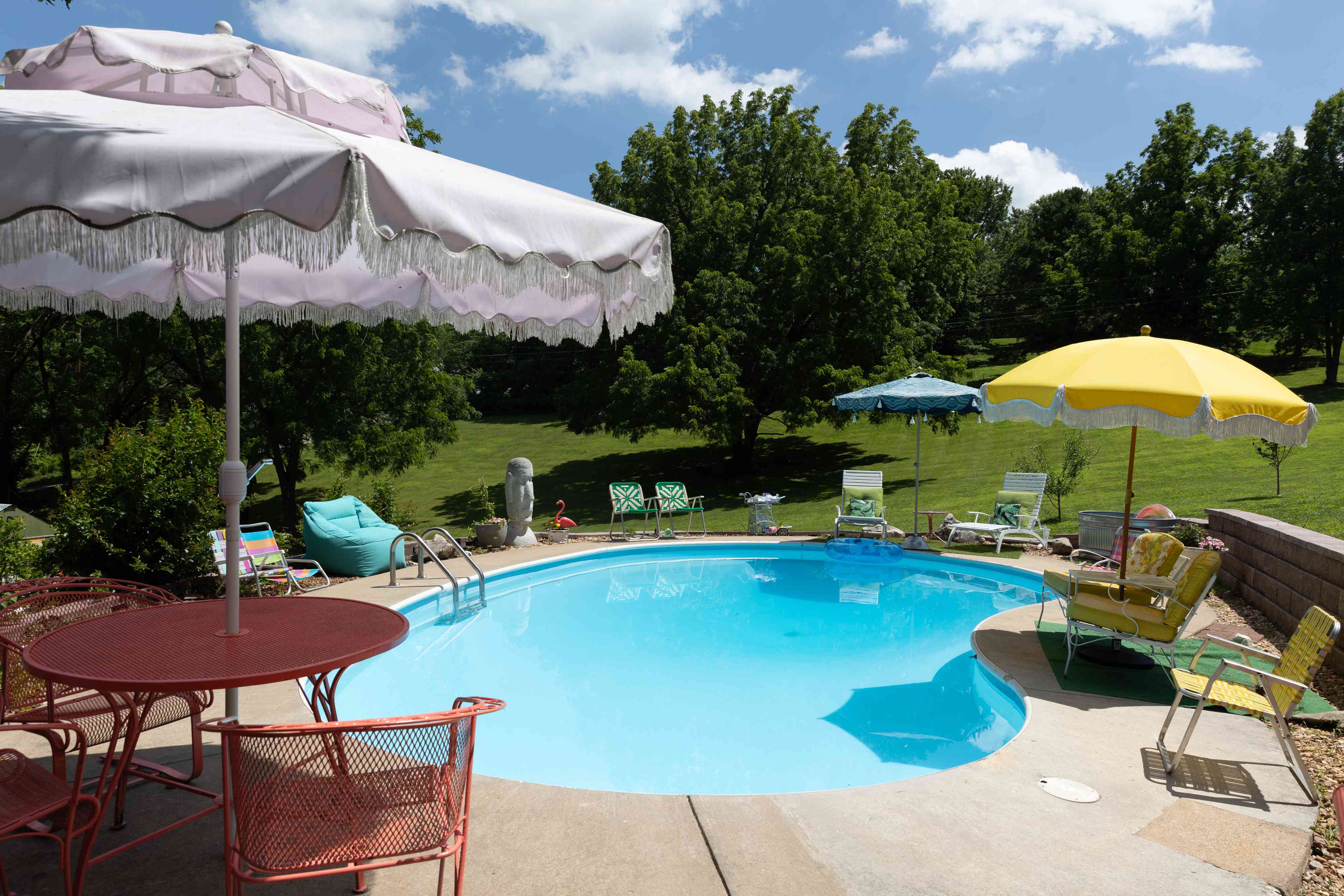
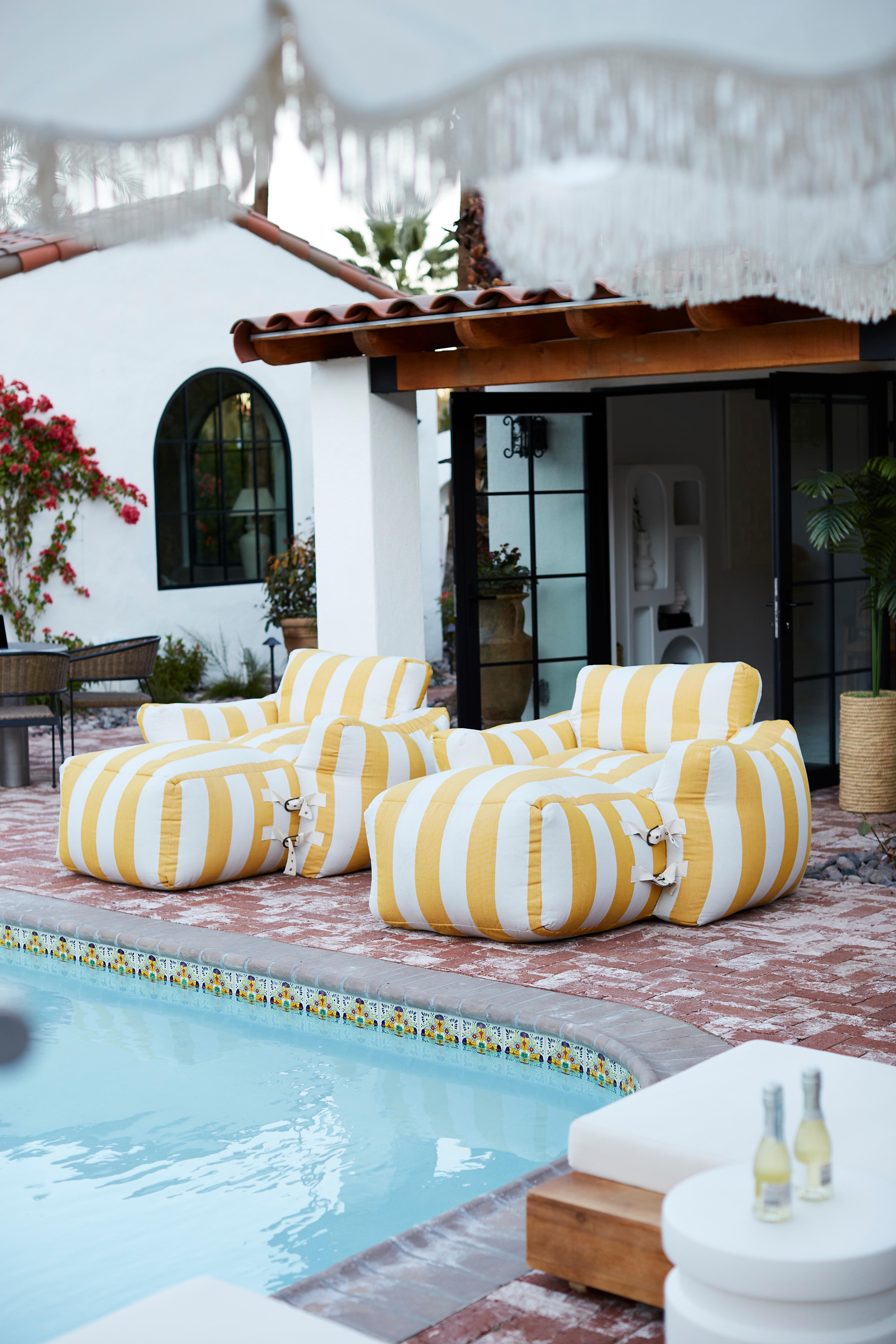
Finally, every great vacation spot has a touch of the unexpected—something that makes you smile and reminds you that you aren’t in "work mode." This is where the "Whimsical Luxury" trend comes in. Think fringed umbrellas in bold stripes, oversized outdoor daybeds with plenty of bolsters, and sculptural lighting that looks more like art than a utility.
However, the 2026 definition of luxury is inseparable from sustainability. Readers are increasingly looking for brands that focus on reclaimed materials and non-toxic textiles. When you choose a handcrafted clay bowl or a hand-woven rattan chair, you aren't just buying furniture; you’re supporting a lineage of craftsmanship. This "soulful" approach to decorating creates a deeper emotional connection to your home, which is the ultimate goal of any vacation.
Essential Accents for the At-Home Resort:
- The Statement Parasol: Move away from the basic beige umbrella. Opt for something with tassels, fringe, or a vintage-inspired pattern.
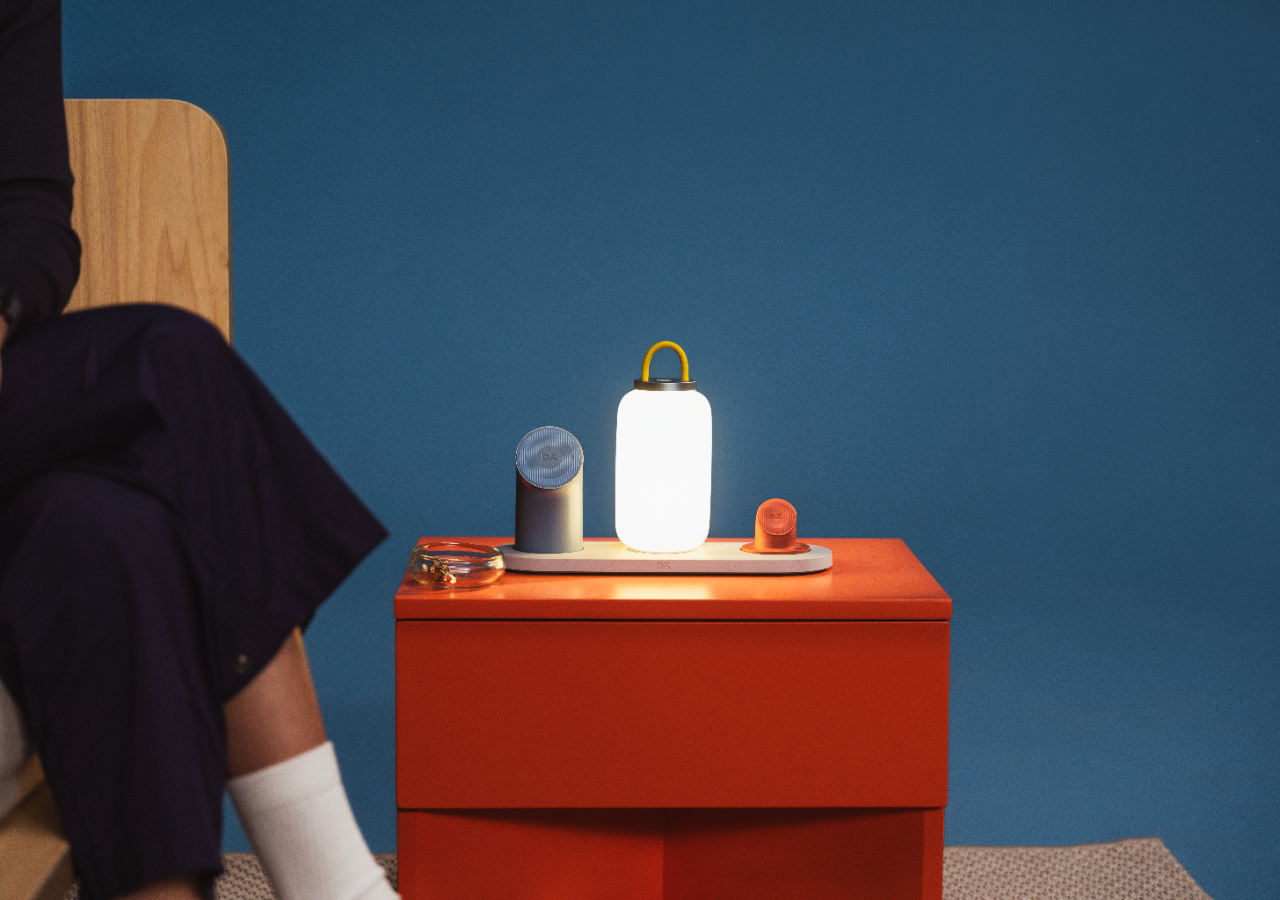
- Sculptural Lighting: Use oversized lanterns or portable LED lamps that mimic the glow of candlelight to create a "cocooning" effect after dark.
- Tactile Layers: Even in summer, a lightweight waffle-weave throw in organic cotton can make an outdoor lounge feel more inviting and "finished."
As we look toward the future of home design, it’s clear that the most luxurious thing we can own is a sense of peace. By intentionally designing our homes to reflect the ease and beauty of our favorite travel destinations, we don't just create a house; we create a sanctuary.
FAQ
Q: How can I create a vacation vibe if I have a very small outdoor space, like a balcony? A: Focus on verticality and sensory details. Use a living wall or hanging planters to surround yourself with greenery without taking up floor space. Invest in one high-quality, incredibly comfortable chair rather than three mediocre ones. Finally, add a small water feature—the sound of trickling water is a powerful psychological trigger for relaxation.
Q: Is the "Edible Brown" palette too dark for small rooms? A: Not at all. Darker, warmer tones like chocolate or rust can actually make a small room feel more expansive by blurring the corners and creating a "cocoon" effect. The key is to use varied textures (leather, linen, velvet) so the color doesn't feel flat.
Q: How do I maintain an indoor-outdoor flow during the winter months? A: Transition your "resort" vibe by focusing on the "indoor" part of the flow. Keep large plants near windows to maintain the green sightlines, and swap lightweight linens for heavier textures in the same earthy palette. Fire elements—whether an indoor fireplace or an outdoor pit visible through glass—keep the energy alive year-round.