Your entryway is the first impression your home makes—so why not make it a good one? As we move through 2026, the philosophy of home organization has shifted. We are no longer looking at the foyer as a mere pass-through or a gallery for art; we are viewing it as a critical "perceptual threshold." This is the space that dictates your transition from the chaotic outside world into your private sanctuary.
In the modern home, particularly in urban environments where square footage is at a premium, the entryway must work harder than any other room. Recent spatial analysis from 2026 interior design benchmarks reveals a significant shift in homeowner behavior: 82% of homeowners now prioritize "drop zone" efficiency over purely decorative elements. We are craving systems that eliminate visual friction the moment we step through the door. If your current entry feels like a cluttered bottleneck, it’s time to rethink the layout through the lens of high-utility styling.
1. Master the Vertical Plane with Smart Hooks and Shelving
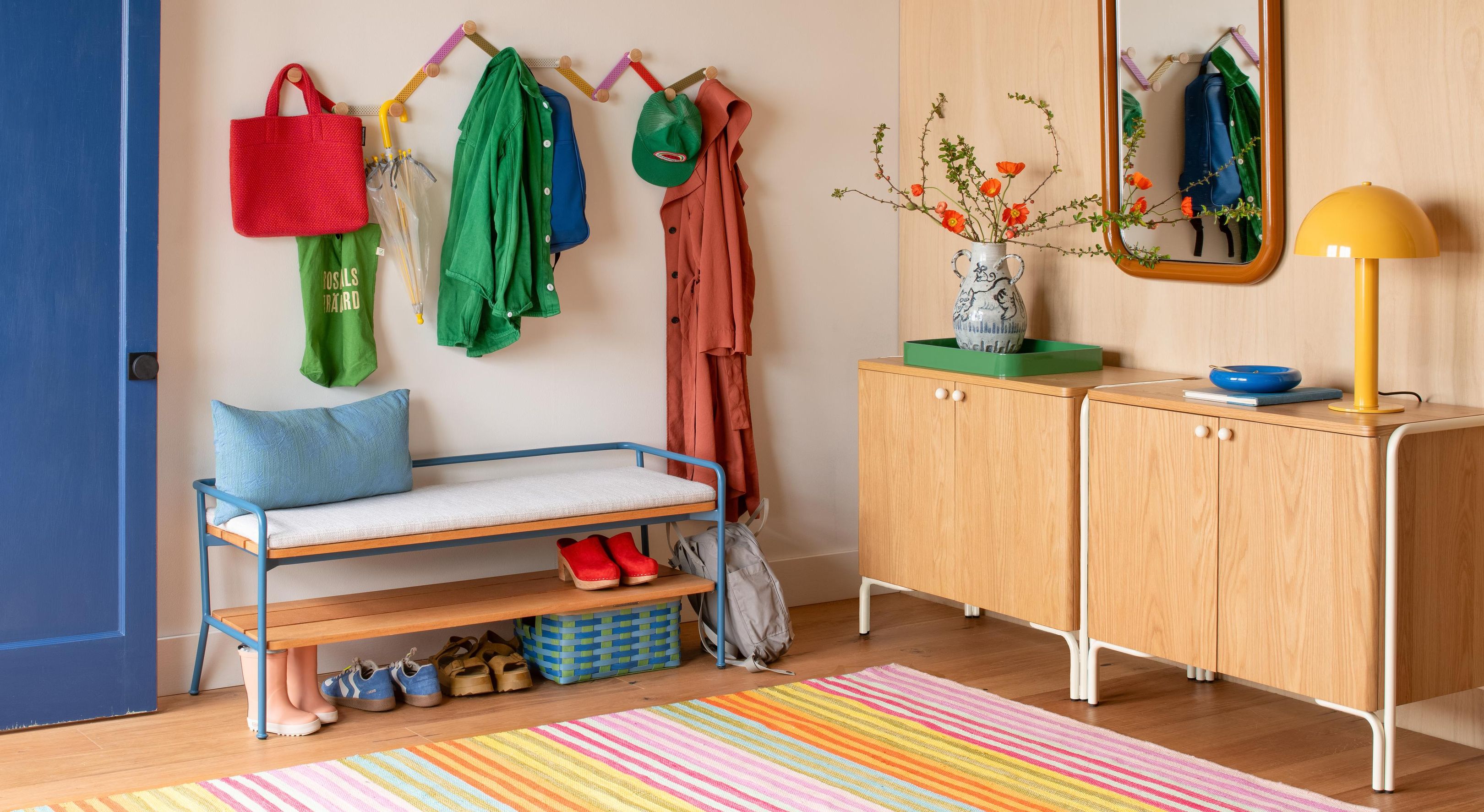
When floor space is non-existent, the walls are your greatest asset. In narrow corridors, the primary goal is to reclaim the "walking path" while still providing ample storage for the items that usually end up in a heap on the floor. To maximize a small entryway, you must look upward. By utilizing vertical space with staggered hooks and floating shelves, you can keep the floor clear and the visual line uninterrupted.
Data shows that implementing vertical storage can reclaim up to 40% of usable floor area in narrow residential corridors. This isn't just about hanging a few coats; it’s about creating a multi-tiered system. Start with a high-mounted shelf for out-of-season items or decorative baskets. Below that, install a series of hooks at varying heights. Low-level hooks are perfect for children’s backpacks or heavy grocery bags, while eye-level hooks accommodate daily-wear jackets.
Pro Tip: The Staggered Method Avoid mounting hooks in a straight horizontal line. By staggering hooks vertically and horizontally, you prevent "bulk overlap," where three coats on a single plane make the hallway feel two feet narrower.
Floating shelves serve as the perfect "landing strip" for smaller items. A slim shelf with a lip can hold framed photos, a small plant, and your outgoing mail without the footprint of a traditional table. This approach creates a sense of "spatial clarity," where everything has a designated home that doesn't impede your movement.
2. Select Slim-Profile Furniture for Unobstructed Flow
The most common mistake in small entryway styling is choosing furniture that is too deep. In a narrow hallway, every inch matters for "flow"—the ability to move through a space without sidestepping or bumping into sharp corners. For 2026, the gold standard for entryway furniture is the "slim-profile" console.
Look for tables with a depth of 12 to 16 inches. These pieces provide a surface for essentials while maintaining a low profile. If your space is exceptionally tight, consider a wall-mounted console that lacks legs entirely. This creates an illusion of more floor space, making the area feel airier and less cramped.
Beyond the console, multi-functional pieces like storage benches or hall trees can be game-changers. A bench provides a necessary spot to sit while putting on shoes, and the hollow core offers a place to hide unsightly footwear.
When selecting furniture, prioritize materials that don't add "visual weight." Acrylic or glass tops, thin metal frames, and light-toned woods are preferable over heavy, dark oaks or chunky mid-century designs that can swallow a small room.
3. Implement the 'Landing Strip' Organization System
How do you organize an entryway table effectively? The secret lies in the "landing strip" system—a term coined to describe a high-efficiency zone where your daily carry items are processed the moment you enter. This system prevents the "catch-all" phenomenon where keys, sunglasses, and mail migrate to the kitchen island or dining table.
To set up a landing strip, you need to categorize your items based on their "dwell time."
- Immediate Access: Keys, wallet, and transit cards. Use a small tray or a dedicated bowl.
- Action Required: Incoming mail, bills, and school forms. A slim vertical bin or leather wall pocket works best.
- Tech Zone: A small, discreet charging station for earbuds or phones that need a quick boost.
| Storage Type | Ideal Items | Why It Works |
|---|---|---|
| Shallow Trays | Keys, Wallets, Sunglasses | Keeps small items from rolling away and defines boundaries. |
| Deep Baskets | Umbrellas, Reusable Bags | Corrals bulky, "soft" items that don't stack well. |
| Opaque Bins | Winter Gear (Gloves/Hats) | Hides visual clutter while keeping essentials accessible. |
| Tech Bowls | Charging cables, AirPods | Prevents "wire tangle" and creates a dedicated tech home. |
Maintaining the system requires a "Quick Reset" routine. Every Sunday evening, clear the landing strip. Toss junk mail, move shoes to the bedroom closet, and ensure the trays are ready for the coming week. This prevents "clutter creep," where one stray receipt turns into a mountain of paper.
4. Apply 2026 Color Codes to Boost Space Perception
Color is perhaps the most potent tool in an editor's kit for manipulating spatial perception. In 2026, we are moving away from the stark, clinical "hospital white" of the previous decade. Instead, we are embracing "warm neutrals" that offer both light reflection and a sense of coziness.
What colors make a small entryway look bigger in 2026? Light neutrals like warm whites, soft greige, and pale taupe are the winners. These hues reflect both natural and artificial light effectively, but they also possess enough "undertone" to feel sophisticated. By painting the walls, trim, and even the ceiling in the same low-saturation hue, you eliminate the visual "breaks" that tell your brain where a wall starts and ends. This creates an expansive, seamless environment.
Pro Tip: Monochromatic Depth To prevent a neutral entryway from looking flat, play with finishes. Use a flat or eggshell finish on the walls and a semi-gloss on the trim and doors. The subtle difference in light reflection adds depth without adding "visual noise."
Reducing visual noise is key to a calm arrival. When the color palette is cohesive, your brain doesn't have to "process" as many competing elements, allowing you to feel an immediate sense of relief the moment you step inside.
5. Define the Zone with Strategic Rugs and Lighting
The final layer of styling involves two elements often overlooked in small entries: textiles and illumination. A well-placed runner rug does more than protect your floors; it establishes a visual path and defines the entryway as its own "zone" within an open-concept layout.
Choose a low-pile runner with a subtle pattern to hide the inevitable wear and tear of foot traffic. The rug should be long enough to draw the eye forward, creating a sense of continuity and flow.
Lighting, meanwhile, should be layered. A single overhead light often creates harsh shadows that make a small space feel like a closet. Instead, incorporate:
- Sculptural Sconces: Wall-mounted lights don't take up table space and provide a warm, inviting glow at eye level.
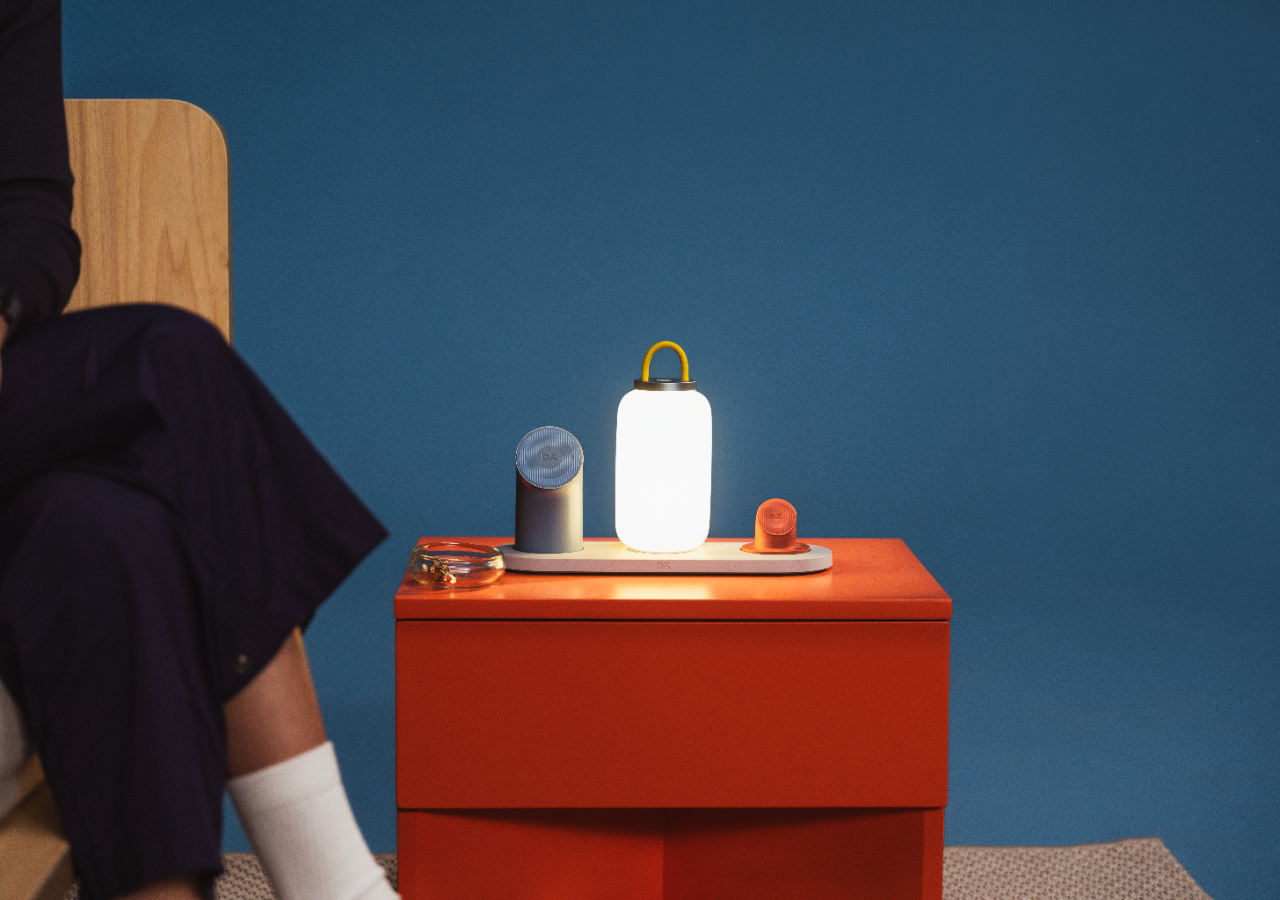
- Portable Lamps: Small, cordless LED lamps are trending in 2026. They can be placed on a slim console to provide "accent" lighting without the need for an outlet.
- The Mirror Trick: Always place a mirror in a small entryway. Positioned opposite a light source or a window, it doubles the visual space and provides a functional spot for a final "look check" before you head out.
Maintaining the System: The Weekly Purge Habit
Even the most perfectly styled entryway will fail without a maintenance system. The entryway is a high-traffic transition zone, meaning it is naturally prone to accumulation. To keep your "landing strip" functioning, you must be ruthless about what belongs there.
Seasonal gear is the biggest culprit of entryway clutter. As the weather shifts, move heavy coats and umbrellas to secondary storage. If you haven't worn a pair of shoes in three days, they don't belong in the entry; move them back to your primary closet. By treating the entryway as a "high-priority real estate" zone, you ensure that only the most essential, high-utility items remain.
FAQ
What are the best storage solutions for narrow hallways? Focus on "low-profile" and "wall-hung" solutions. Floating shelves, staggered wall hooks, and ultra-slim consoles (under 12 inches deep) allow you to store essentials without blocking the walking path.
How do I keep my entryway from becoming a catch-all? Implement the "Landing Strip" system with specific containers for specific items (keys, mail, tech). Most importantly, perform a "Weekly Reset" to clear out items that have migrated from other parts of the house.
Can dark colors work in a small entry? While light neutrals are best for making a space feel larger, dark colors can work if you are aiming for a "jewel box" effect. If you go dark, ensure you have excellent layered lighting and a large mirror to prevent the space from feeling subterranean.
Creating a functional, beautiful entryway isn't about having more space; it's about making smarter choices with the space you have. By focusing on verticality, slim silhouettes, and a rigorous organizational system, you can transform your front door from a point of stress into a source of calm.