For decades, the standard for a "perfect" yard was a monochromatic expanse of manicured turf—a thirsty, high-maintenance status symbol that often required a chemical cocktail to stay green. But as we move toward 2026, the tide has officially turned. Today’s homeowners and renters are increasingly trading in their lawnmowers for trowels, embracing what we call "purpose-driven" landscapes. These are spaces that prioritize ecological health, climate resilience, and authentic beauty over rigid symmetry.
To create a naturalistic garden at home, the strategy is simple but profound: soften hardscape edges with trailing plants, prioritize native species to support local biodiversity, and utilize dense planting to mimic wild growth patterns, which naturally reduces your need for mulch and weeding. This shift isn't just about aesthetics; it’s a response to a changing climate. Leading landscape designers for 2026 report a significant shift in client demand toward "authentic" and "low-intervention" landscapes that prioritize salt and wind tolerance over traditional manicured aesthetics.
1. Soften Hardscape Edges with Trailing Plants
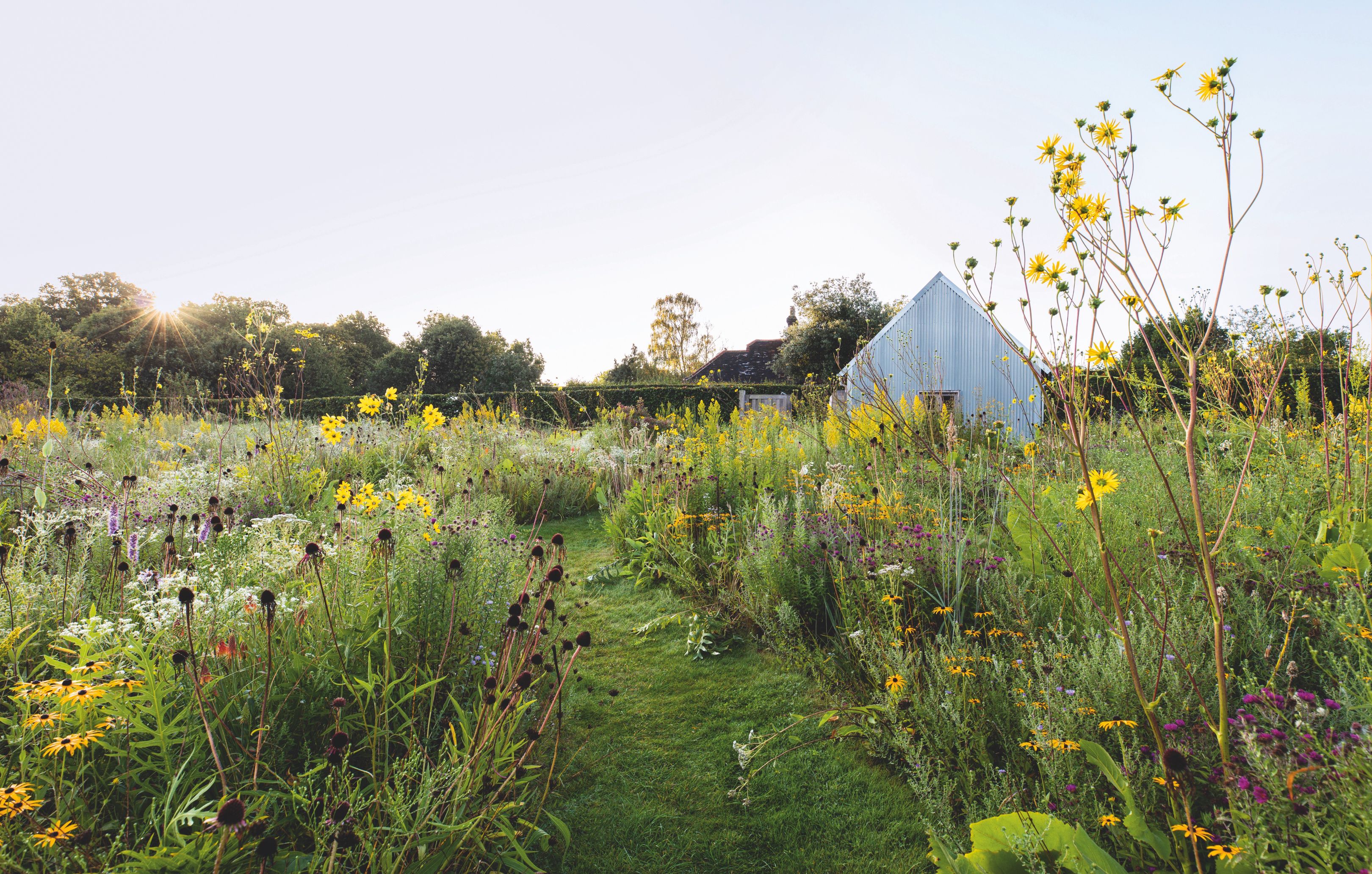
One of the most effective ways to transition from a formal garden to a naturalistic one is to blur the boundaries. In traditional landscaping, there is often a sharp, clean line between a stone patio and the garden bed. Naturalistic design seeks to erase that line. By allowing plants to spill over paths and patios, you soften the borders where construction ends and nature begins.
This technique creates a sense of "emergence," as if the garden is slowly reclaiming the built environment. It’s also a practical win: plants that "creep" or "trail" act as a living mulch, suppressing weeds at the very edge of your walkways where they often take root.
- Low-growing Sedum: Perfect for sun-drenched stone paths, these succulents are virtually indestructible and provide late-season blooms for pollinators.
- Cranesbill Geranium: A hardy perennial that forms lush mounds and "walks" over the edges of garden beds with delicate, notched leaves.
- Creeping Thyme: Not only does it soften edges, but it also releases a pleasant aroma when stepped on, making it a functional choice for high-traffic patio borders.
Lucas’s Tip: If you have a concrete driveway or a modern porcelain patio, don't be afraid to let the plants touch the stone. The contrast between the rigid, man-made material and the soft, organic foliage is the hallmark of 2026’s "Soft-Modern" aesthetic.
2. Prioritize Native Species for Local Biodiversity
The heart of any wild garden is its connection to the local ecosystem. For 2026, "native plant landscaping" has moved from a niche hobby to a mainstream requirement. Native species are the ultimate sustainable choice; they are adapted to your local rainfall patterns, soil types, and temperature swings. Because they’ve evolved alongside local insects and birds, they provide the specific nutrients these creatures need to survive.
Prioritizing native species supports local biodiversity and requires significantly fewer pesticides and fertilizers. However, we are seeing a specific evolution in this trend: the rise of "Dwarf Sizing." For those with smaller suburban lots or urban balconies, dwarf sizing and disease resistance have become top-requested plant traits for 2026. This allows for layered, high-density naturalistic gardens in domestic spaces that previously felt too small for "wild" growth.
| Plant Type | Sun Requirement | Native Benefit | 2026 Trend Note |
|---|---|---|---|
| Milkweed (Asclepias) | Full Sun | Essential for Monarch butterflies | Look for 'Hello Yellow' for smaller spaces |
| Oak Sedge (Carex) | Shade/Part Shade | Drought-tolerant lawn alternative | Excellent for "Mohican" mowing styles |
| Wild Bergamot | Full Sun | High nectar producer for bees | High mildew resistance in newer cultivars |
| Serviceberry | Part Sun | Edible berries for humans and birds | Multi-stemmed forms are 2026's "Statement Tree" |
3. Embrace the 'No-Deadhead' Strategy for Winter Interest
In the past, the "good gardener" was the one who spent every Saturday morning snipping off faded blooms. In a naturalistic garden, we do the opposite. We embrace the "standing garden."
Avoid deadheading plants like coneflowers (Echinacea), Black-eyed Susans (Rudbeckia), and Sedums in the fall. While traditional gardening views brown stalks as "messy," the naturalistic perspective sees them as sculptural visual interest during the bleak winter months. More importantly, these spent flower heads are vital. They provide essential food sources for birds—like goldfinches—during the off-season and offer hollow stems for solitary bees to overwinter.
Trend Alert: The 2026 aesthetic celebrates the "Golden Period." This is the transition from late autumn to mid-winter where the garden turns various shades of toasted amber, silver, and charcoal. Designers are now selecting plants specifically for how they look when they are dead, focusing on the structural integrity of seed pods and skeletons.
4. Naturalize the Lawn with 'Mohican' Mowing
If you aren't ready to remove your lawn entirely, you can still participate in the rewilding movement through "Mohican" mowing. This technique involves leaving certain patches of the lawn completely unmowed—often in curved, organic shapes or along the perimeter—while maintaining shorter paths for walking.
This creates a "layered" effect that mimics a meadow. The tall grass areas become micro-habitats for frogs, lizards, and ground-nesting insects. To make it look intentional rather than neglected, create "curved edges" around the long grass and overseed these areas with clover or spring ephemerals like crocus and scilla.
The beauty of this approach is its flexibility. You can mow the "Mohican" strips down twice a year to prevent woody saplings from taking over, but for the rest of the year, you’re saving on fuel, reducing noise pollution, and watching your yard come to life with biodiversity.
5. Implement High-Density Planting to Reduce Maintenance
One of the biggest misconceptions about wild gardens is that they are "zero maintenance." While they require less intervention than a lawn, they still need a thoughtful setup. The secret to a low-maintenance naturalistic garden is high-density planting.
In nature, you rarely see bare soil. Bare soil is an invitation for weeds. By utilizing dense planting to mimic wild growth patterns, you cover the exposed earth, which naturally prevents weed colonization and reduces the need for expensive wood mulch.
- Self-Seeding Varieties: Incorporate plants like Columbine, Coreopsis, and Lupine. These plants "move" around the garden, dropping seeds that fill in gaps over time.
- The Matrix Approach: Plant a "matrix" of grasses (like Little Bluestem or Prairie Dropseed) and intersperse them with "emergent" flowers. The grasses act as a living carpet that holds the soil and provides a backdrop for the blooms.
- Layering: Think in vertical tiers. Use groundcovers, then mid-height perennials, then taller shrubs. This dense vertical structure leaves no room for opportunistic weeds to catch the light.
6. Design for Wildlife: The 'Think Like a Beaver' Philosophy
A naturalistic garden is a functional ecosystem, not just a picture on a screen. To truly succeed, we must "think like a beaver"—a keystone species that creates habitats for others. This means moving beyond just plants and considering the "infrastructure" of wildlife.
- Micro-Ponds: You don't need a massive lake. A simple half-barrel or a shallow stone basin with a small solar pump can provide water for birds and dragonflies. Even a "puddling station" (a shallow dish with wet sand and salt) helps butterflies get the minerals they need.
- Eliminate Chemicals: To support natural predators like ladybirds and lacewings, you must stop using synthetic pesticides. In a balanced naturalistic garden, "pests" are just bird food.
- Lighting Etiquette: Light pollution is a major threat to nocturnal pollinators. For 2026, the trend is moving toward low-intensity, warm-hued solar lights (below 3000K). Avoid "cool white" or blue-toned LEDs, which can disorient moths and other night-flying insects.
2026 Spotlight: Warm Palettes & Functional Containers
As we look toward the 2026 season, the color palette of the naturalistic garden is shifting. While "Cloud Dancer" (a crisp, pure white) dominated the early 2020s, we are now seeing a return to warmth. Think salmons, sunset oranges, deep rusts, and terracottas. These colors harmonize beautifully with the "Golden Period" of late-season grasses.
Furthermore, for those with limited space, the "functional container" is the 2026 solution. Rather than keeping your vegetables in the backyard and your flowers in the front, designers are mixing them. A naturalistic container might feature a native grass, a trailing tomato plant, and a rust-colored marigold—all in one pot. It’s about maximum ecological and caloric output from the smallest possible footprint.
FAQ
Q: Won't a naturalistic garden look "messy" to my neighbors or HOA? A: The key to "intentional wildness" is the "Frame of Neatness." By maintaining a clean, mowed edge (about 12 inches wide) next to a sidewalk or using a well-defined fence, you signal to your neighbors that the wild growth is a deliberate design choice. Adding a "Certified Wildlife Habitat" sign can also educate neighbors on the purpose of your garden.
Q: How do I control pests without chemicals? A: Diversity is your best defense. When you plant a wide variety of species, you attract a wide variety of insects. Eventually, the "good bugs" (like ladybugs and parasitic wasps) arrive to eat the "bad bugs" (like aphids). This is the "Low-Intervention" philosophy: let nature find its own balance.
Q: I have very little sun. Can I still have a naturalistic garden? A: Absolutely. Naturalistic design isn't just for sun-drenched meadows. A woodland-style naturalistic garden uses native ferns, sedges, and shade-loving groundcovers like Wild Ginger or Foamflower to create a lush, cool sanctuary that mimics the forest floor.
Start Your Rewilding Journey
Creating a naturalistic garden doesn't mean you have to dig up your entire yard this weekend. Start small. Choose one native plant this spring. Replace one small patch of lawn with a "Mohican" strip. Or simply stop deadheading your flowers this autumn. By making these small, "climate-forward" shifts, you aren't just gardening; you’re participating in a global movement to restore the resilience and beauty of our planet, one backyard at a time.