Tucked away in the rugged, poetic landscape of Snowdonia, a 1929 bungalow has undergone a transformation that defies the conventional limitations of its 689-square-foot footprint. This isn't just a renovation; it is a masterclass in intentionality. When we talk about "living small," the conversation often drifts toward compromise. But in this handcrafted home, designed with a meticulous Japandi soul, every square inch feels like a luxury.
The Japandi aesthetic—a seamless fusion of Japanese wabi-sabi and Scandinavian minimalism—is the heartbeat of this project. It’s a design philosophy that prioritizes functionality, clean lines, and natural materials while embracing the beauty of imperfection. In a compact 689-square-foot house design, this translates to an environment that feels both grounded and ethereal. By focusing on quality over quantity and structural transparency over closed-off rooms, this home proves that you don't need more space; you need better-utilized space.
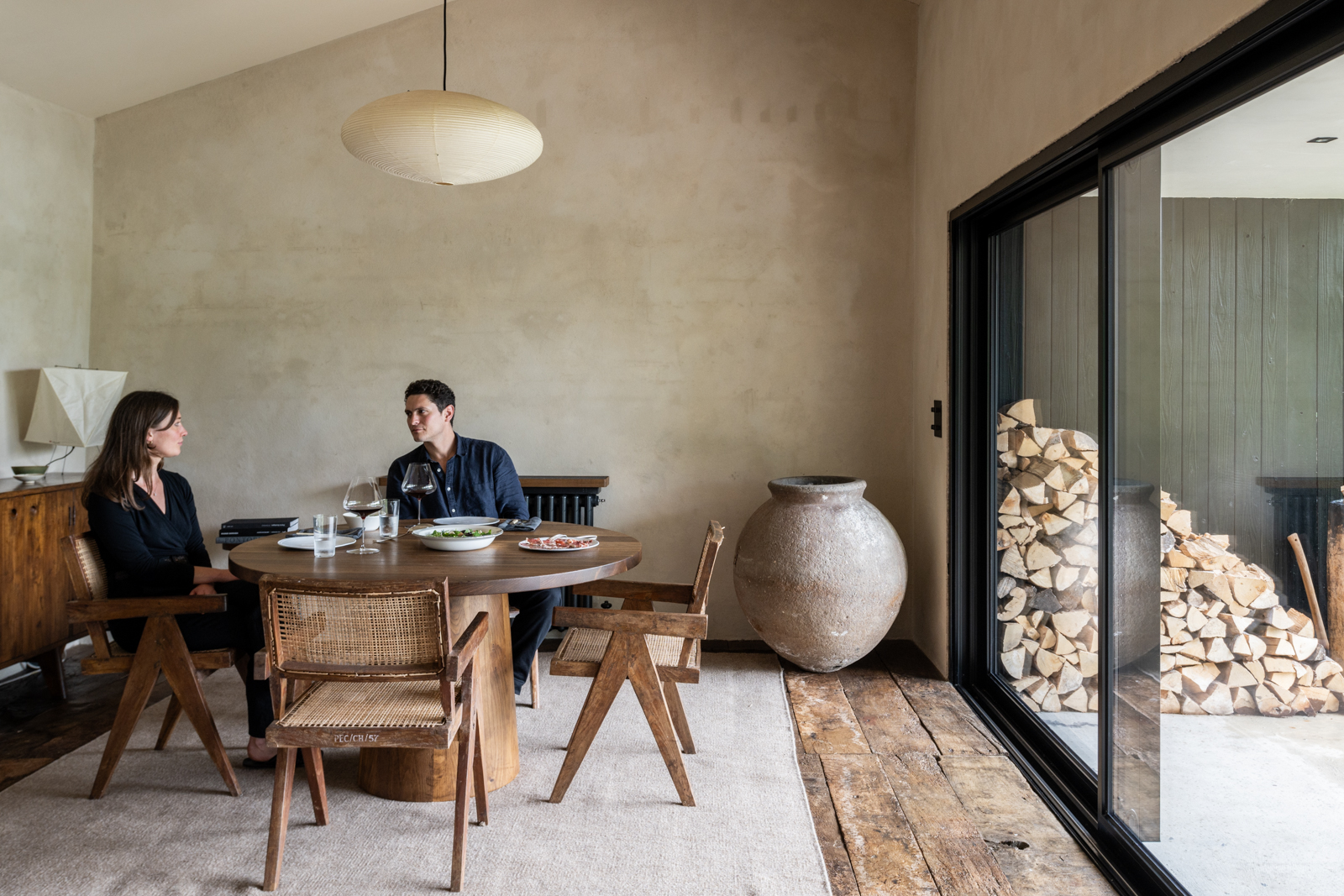
1. Maximize Visual Volume with Oversized Windows
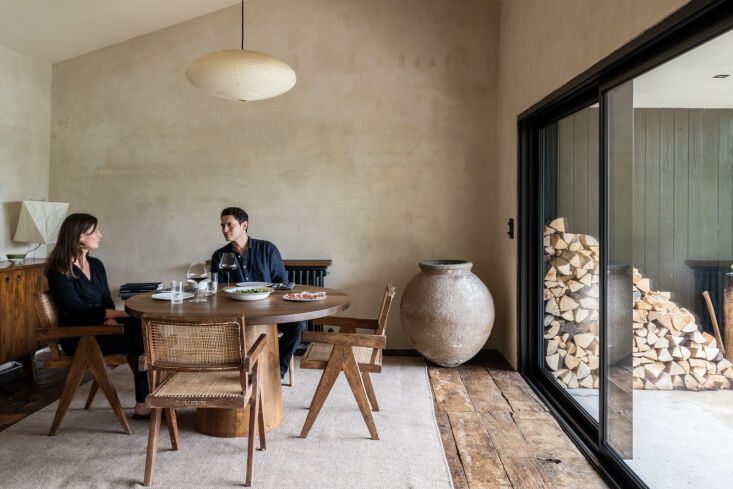
In interior design, we often distinguish between actual square footage and "perceived volume." One of the most effective small-space solutions is to manipulate how the eye perceives the boundary of a room. In this Snowdonia retreat, the standard, cramped window openings of the original 1920s structure were replaced with oversized, floor-to-ceiling picture windows.
The science behind this is compelling: integrating oversized picture windows in a compact layout can increase the perceived visual volume of a 689-square-foot space by approximately 25%. By drawing the eye outward toward the verdant Welsh landscape, the "walls" of the living room effectively become the horizon.
Ivy’s Pro Tip: When installing large glass panels in a small home, align the top of the window with your ceiling height. This eliminates the visual "break" of a header, drawing the eye upward and making the ceilings feel significantly loftier than they actually are.
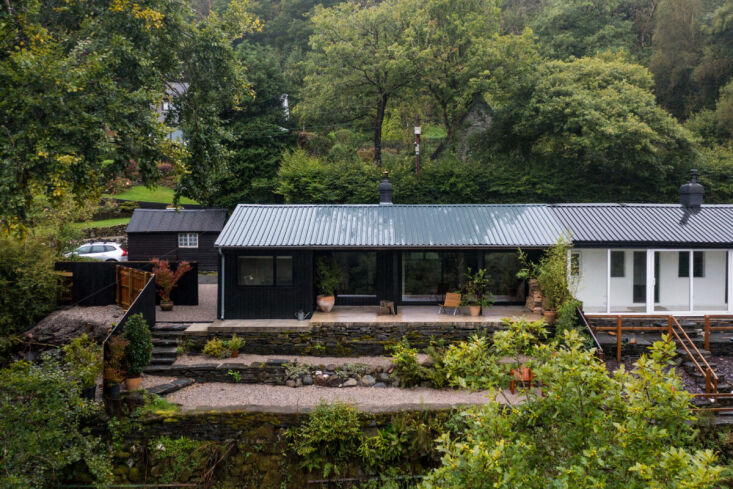
2. Structural 'Invisible' Dividers
The quickest way to make a small home feel like a series of claustrophobic boxes is to use traditional stud walls to separate functions. Instead, this Japandi home utilizes what I call "invisible dividers." The centerpiece of the floor plan is a stunning dual-sided fireplace.
This architectural element serves three distinct purposes without blocking a single ray of sunlight:
- Zoning: It creates a clear psychological boundary between the public lounge area and the private hallway leading to the bedrooms.
- Climate Control: It radiates heat 360 degrees, efficiently warming the entire 689-square-foot footprint.
- Visual Flow: Because you can see "through" the hearth and around its sides, the air and light passage remain uninterrupted, maintaining an open-concept feel while providing the privacy of defined zones.
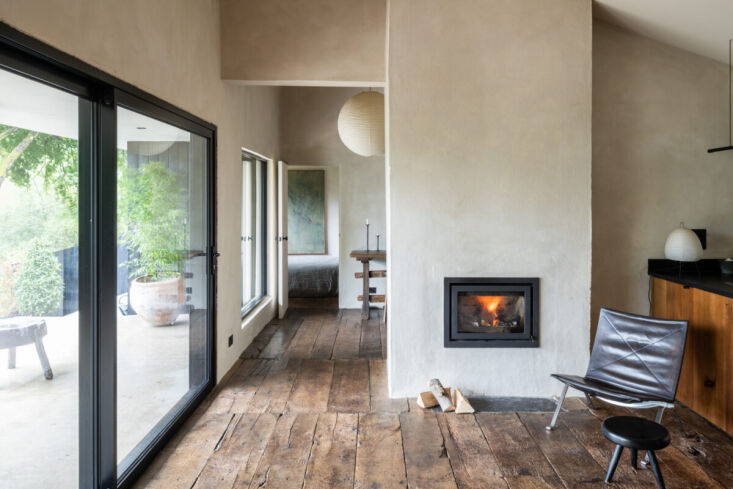
3. The Power of Salvaged Craftsmanship
There is a soulfulness in this home that comes from its history. Rather than buying all-new materials, the renovation relied heavily on the "pureness" of reconditioned elements. Utilizing salvaged materials, such as 15th-century oak and original cedar cladding, contributed to an impressive 40% of the total interior surface finishes.
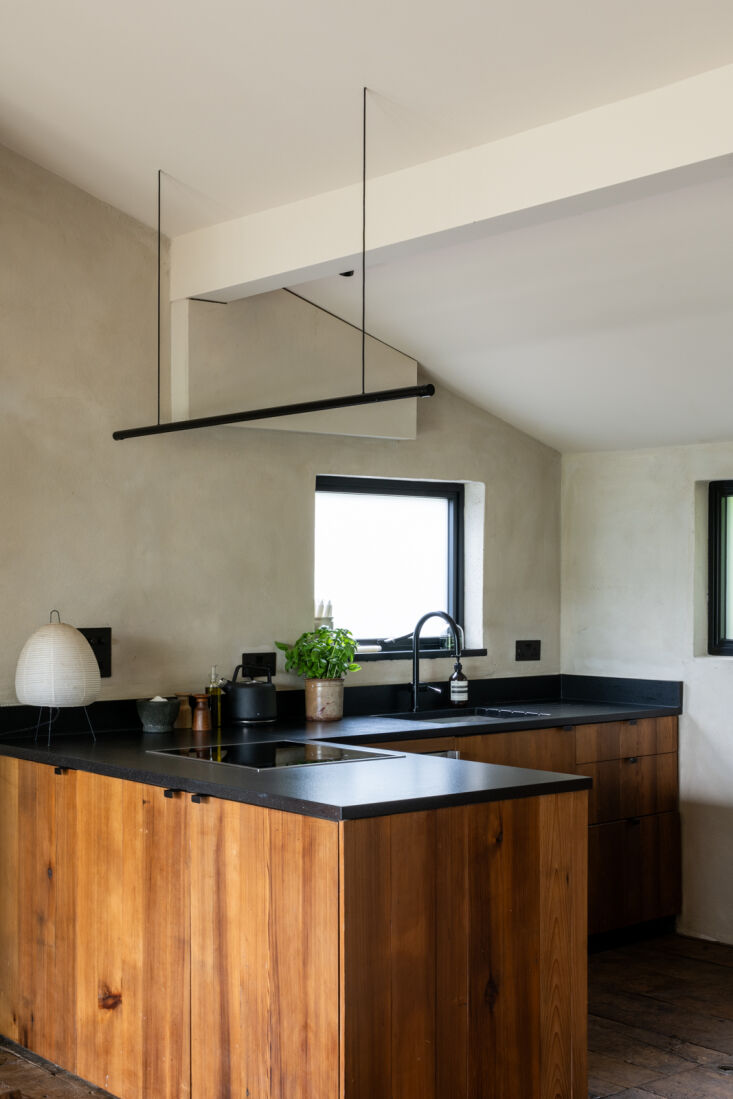
The kitchen is perhaps the best example of this handcrafted approach. The cabinets were bespoke-crafted using timber salvaged from the home’s original exterior cladding. This creates a rhythmic continuity—the history of the house is literally folded into its modern utility. In small spaces, using a limited palette of high-quality, tactile materials prevents the "visual noise" that often occurs when too many different finishes are used in a tight area.
4. Multi-Functional Seating: The Ottoman & Stool Strategy
One of the biggest mistakes in small-space living is choosing "fixed" furniture. In a 689-square-foot house, every piece of furniture must earn its keep. The owner transitioned away from bulky, deep-seated armchairs in favor of flexible seating like Otto Stools and storage ottomans.
Storage ottomans are the ultimate "invisible" storage hack. They provide a place to rest your feet, an extra seat for guests, and a hidden compartment for linens or seasonal items. When not in use, small stools can be tucked under tables or moved to the periphery, keeping the central floor place clear for movement.
| Furniture Type | Space-Saving Benefit | Multi-functional Use |
|---|---|---|
| Otto Stool | Low visual weight; easy to tuck away. | Side table, extra seating, or footrest. |
| Storage Ottoman | Hidden cubic footage for clutter. | Seating, storage, and coffee table (with a tray). |
| Bespoke Bench | Utilizes "dead" wall space. | Dining seating and under-bench storage. |
5. Elevated Work-from-Home: Wall-Mounted Solutions
In the post-pandemic era, a home office is non-negotiable, even in a compact bungalow. The solution here was to look at the walls, not the floor. Wall-mounted desks and "floating" Murphy stations provide a dedicated workspace without occupying a single inch of floor footprint.
By utilizing "dead space"—such as the end of a hallway or a shallow corner—the home integrates a secondary utility that disappears when the workday is over. This is essential for mental health in small spaces; being able to "close the office" helps maintain the distinction between work life and home sanctuary.
6. Living 'Vertically' with High Ceilings and Limewash Walls
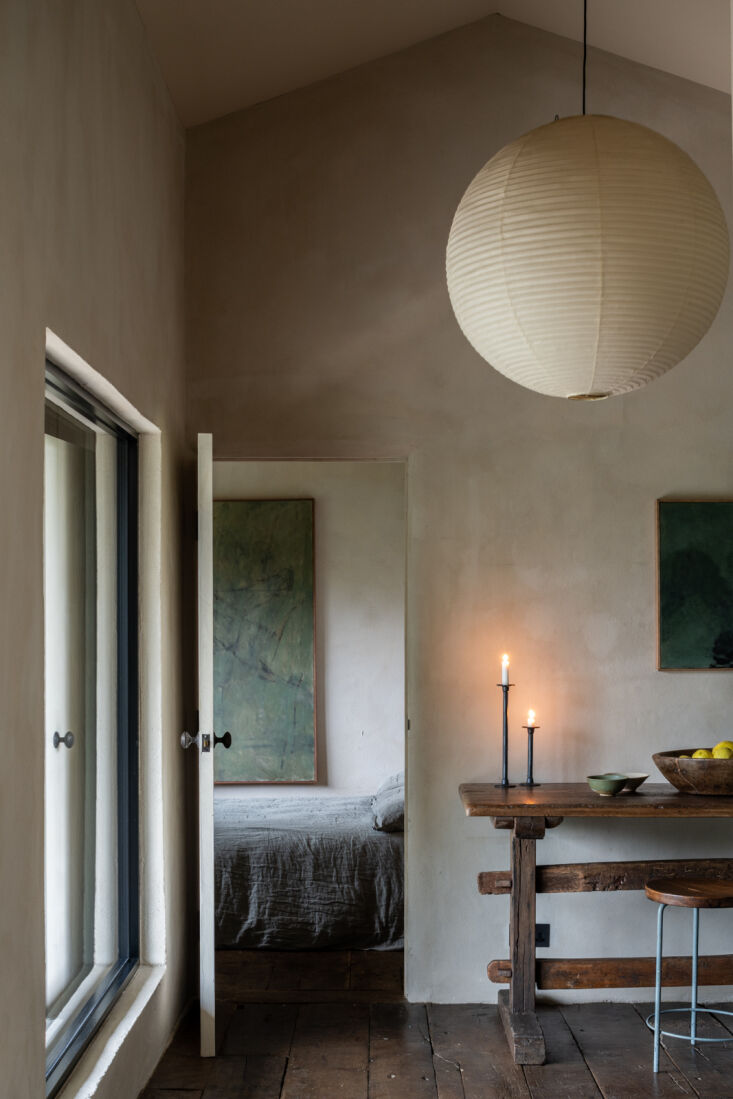
When floor space is at a premium, you must design vertically. This home leverages its original high ceilings to create a sense of grandeur. To enhance this, the walls were treated with Bauwerk’s "Seed" limewash. This traditional process involving layers of hemp and lime creates a soft, textured finish that adds incredible depth.
Unlike flat latex paint, which can make a small room feel "boxed in," limewash reacts with light, creating subtle shadows and highlights. This organic texture makes the walls feel like they are "breathing," providing a minimalist comfort that is never sterile.
7. The Lift-Top Coffee Table: The Studio Essential
If you only invest in one piece of space-saving furniture, make it a lift-top coffee table. In a 689-square-foot home, you often don't have room for a dedicated dining room, a coffee lounge, and a home office.
The lift-top table is the "Jack of all Trades." It functions as a standard coffee table for morning tea, but the top lifts forward to a comfortable height for dining or laptop work. It’s a mechanical solution that respects the fluidity of modern life.
Ivy’s Pro Tip: When shopping for a lift-top table, look for models with "raised legs" rather than a solid base. Seeing the floor underneath the furniture creates an illusion of more space, making the room feel airier.
Strategic Layout: How to Measure for Real Life
Before you rush out to buy modular furniture for your compact renovation, you must understand the rules of clearance. A beautiful room is useless if you can't walk through it.
- The 30-Inch Rule: Aim for at least 30–36 inches of "clearance" for primary walkways. In a 689-square-foot house, you might have to drop this to 24 inches in secondary areas, but never compromise on the main paths of travel.
- Check the "Swing": Before purchasing a storage bed or a lift-top table, measure the "arc" of the movement. There is nothing more frustrating than a drawer that hits the wall before it’s fully open.
- Balance Visual Weight: Mix "heavy" pieces (like a sofa that goes to the floor) with "light" pieces (like chairs with slim, tapered legs). This balance prevents the room from feeling bottom-heavy or cluttered.
FAQ
Q: Is Japandi style expensive to achieve in a small renovation? A: Not necessarily. While the aesthetic prizes "handcrafted" elements, you can achieve the look by focusing on a few high-quality natural materials (like wood and linen) and decluttering. The "salvaged" approach used in the Snowdonia home is actually a very budget-friendly way to get high-end results if you’re willing to put in the sweat equity to recondition old timber.
Q: How do I keep a 689-square-foot home from feeling cluttered? A: The secret is "hidden storage." Every piece of furniture should have a secondary purpose. Use storage beds, ottomans, and vertical shelving. Most importantly, follow the Japandi rule of "intentionality"—if an object doesn't serve a function or bring you peace, it doesn't belong in the space.
Q: Can I use dark colors in a small space? A: Yes, but use them as accents. In this home, the limewash walls are light and airy, while the salvaged dark oak provides the "grounding" contrast. The key is to have a high-contrast palette that allows the eye to move around the room rather than getting stuck on a single dark wall.
Transform Your Small Space
Living in a compact home doesn't mean living a "small" life. It means living a more curated, thoughtful one. By focusing on light, reclaimed materials, and multi-functional furniture, you can turn any modest footprint into a handcrafted sanctuary.
Are you ready to embrace the Japandi way? Start by identifying one "dead" corner in your home and reimagining it with a floating shelf or a piece of salvaged history. The beauty is in the details.