Quick Facts
- Location: Maury Island, Washington (connected to Vashon Island via a 1913 man-made isthmus).
- Original Structure: A shipbuilder’s residence built in 1898.
- Renovation Firm: Seattle-based Hoedemaker Pfeiffer.
- Square Footage: 1,900 square feet of restored living space.
- Design Ethos: Eradicating 1960s modifications to restore 19th-century coastal charm.
- Sustainability: Features 100% salvaged Douglas fir flooring and reclaimed vintage 1920s fixtures.
- Access: Accessible exclusively by ferry, preserving a secluded, rural atmosphere.
The Hidden Gem of Puget Sound
There is a specific kind of magic found only at the end of a ferry line. In the heart of Washington’s Puget Sound, Maury Island sits as a quiet, rural sentinel. While its larger neighbor, Vashon Island, often garners the headlines, Maury offers a deeper sense of isolation and history. Connected to Vashon by a man-made isthmus built by local residents in 1913, the island remains a place where time seems to move to the rhythm of the tides rather than the tick of a clock.
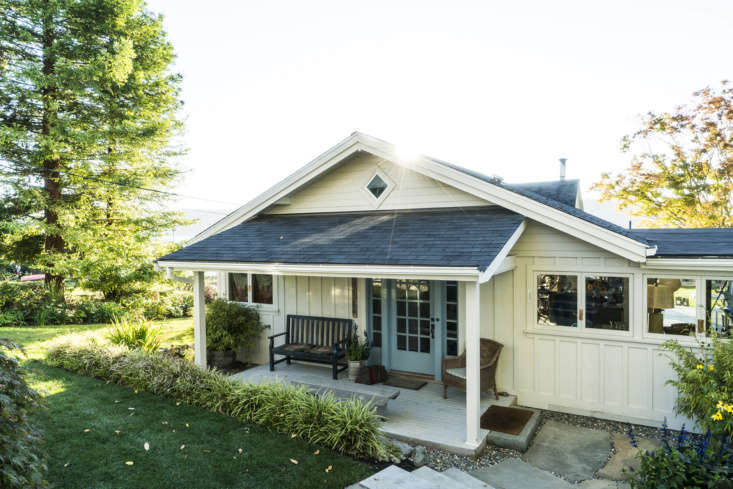
It was here, tucked away on a prime piece of waterfront, that a historic 1898 shipbuilder’s cabin sat waiting for a second act. Originally built with the sturdy, functional bones required of a maritime craftsman, the home had unfortunately succumbed to the aesthetic whims of the mid-20th century. By the time the current owners enlisted the expertise of Seattle-based architecture firm Hoedemaker Pfeiffer, the cabin was a muddle of 1960s "rambler" vibes, characterized by pink plywood, peeling linoleum, and a layout that turned its back on the breathtaking water views.
The transformation was nothing short of a complete gut renovation. The goal was clear: return the 1,900-square-foot structure to its 1898 aesthetic roots while introducing the functionality and refined comfort of a modern coastal retreat.
The Design Philosophy: Eradicating the 1960s Vibe
To move forward, the design team had to look backward. The first phase of the renovation involved "eradicating" the layers of 1960s modifications. Out went the dated plywood and the cramped, dark corridors. In their place, Hoedemaker Pfeiffer envisioned an open, airy floor plan that prioritized natural light and sustainable materials.
One of the most impressive aspects of this renovation is its commitment to environmental stewardship through salvaged materials. Rather than opting for new-growth timber, the team sourced 100% salvaged Douglas fir planks from 'Second Use,' a local salvage yard known for preserving Pacific Northwest history. These planks, bearing the patina of a previous life, were used throughout the flooring, instantly grounding the home in a sense of permanence that new materials simply cannot replicate.
The design philosophy wasn't just about restoration; it was about "curated sourcing." Every choice, from the wall paneling to the hardware, was selected to feel as though it could have been part of the original 1898 build, even if the modern application was entirely fresh.
Nautical Interior Details: A Masterclass in Subtle Marine Styling
In my years as a decor editor, I’ve seen many "nautical" homes that fall into the trap of being too literal—think anchors on every pillow and "Life is Better at the Beach" signs. This Maury Island retreat avoids those cliches entirely. Instead, it offers a masterclass in subtle marine styling, using texture, color, and repurposed hardware to suggest the sea without shouting about it.
The Living Room & Library
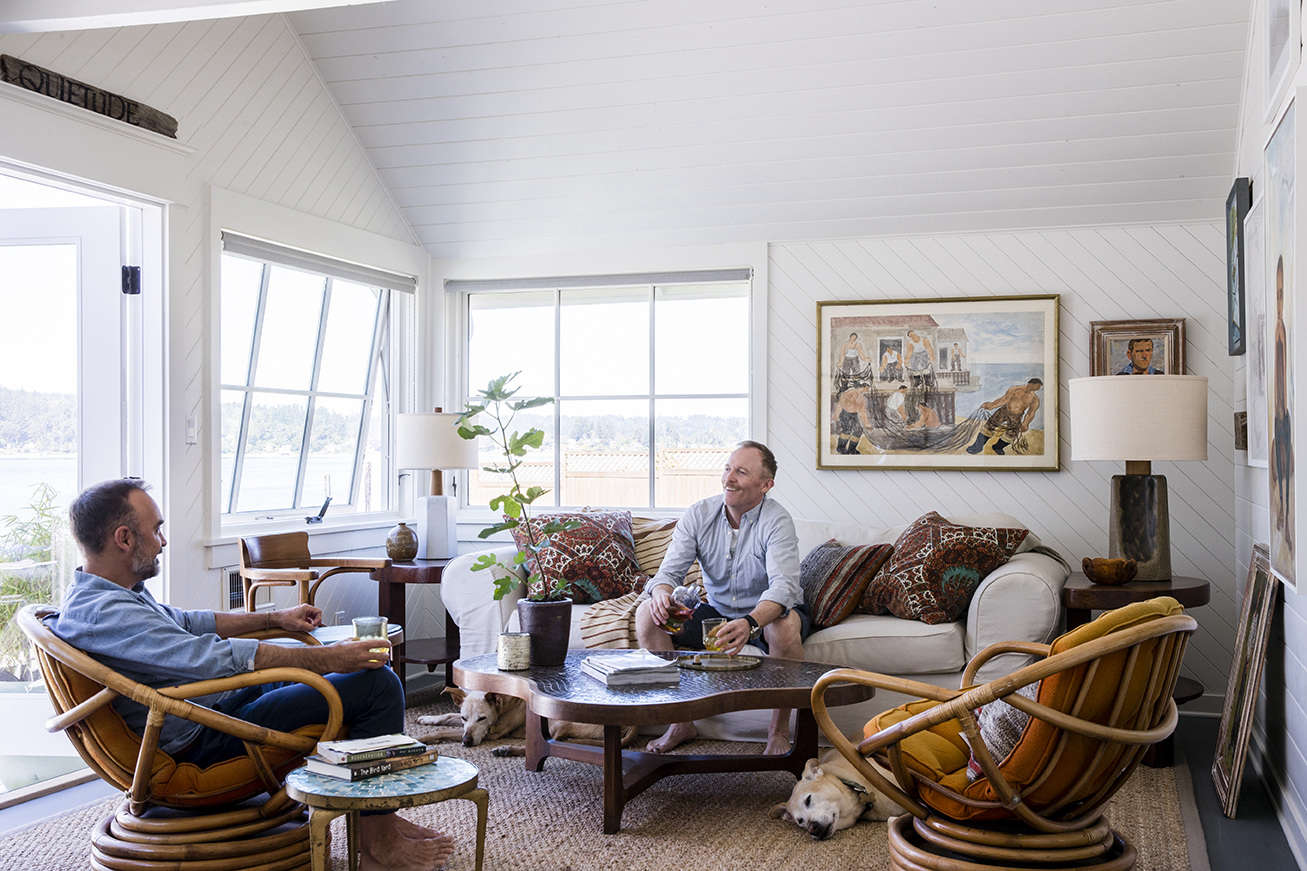
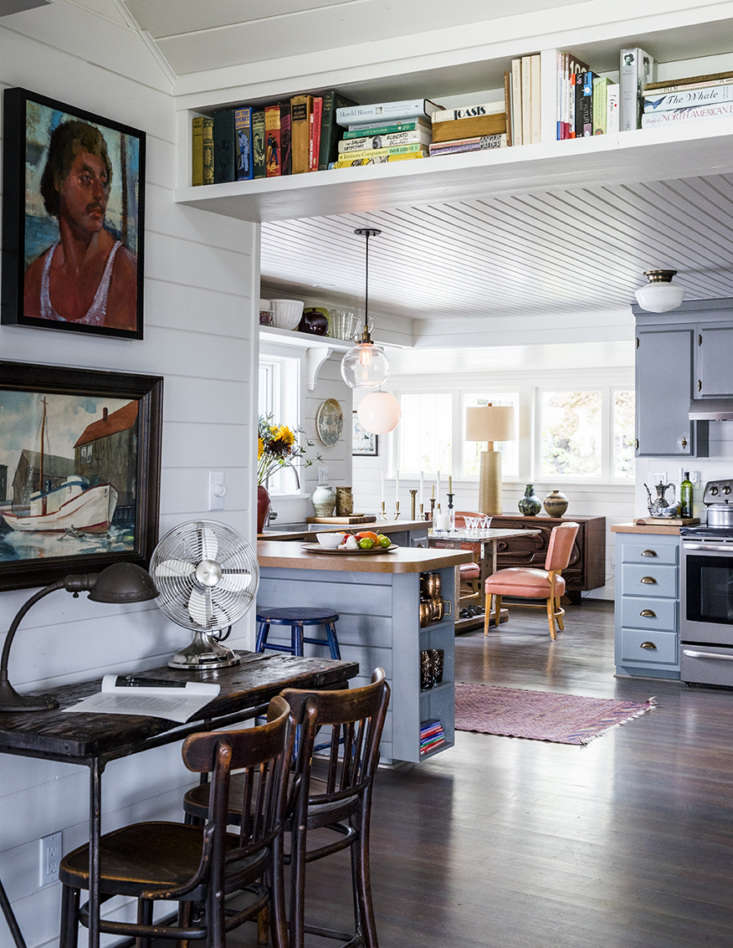
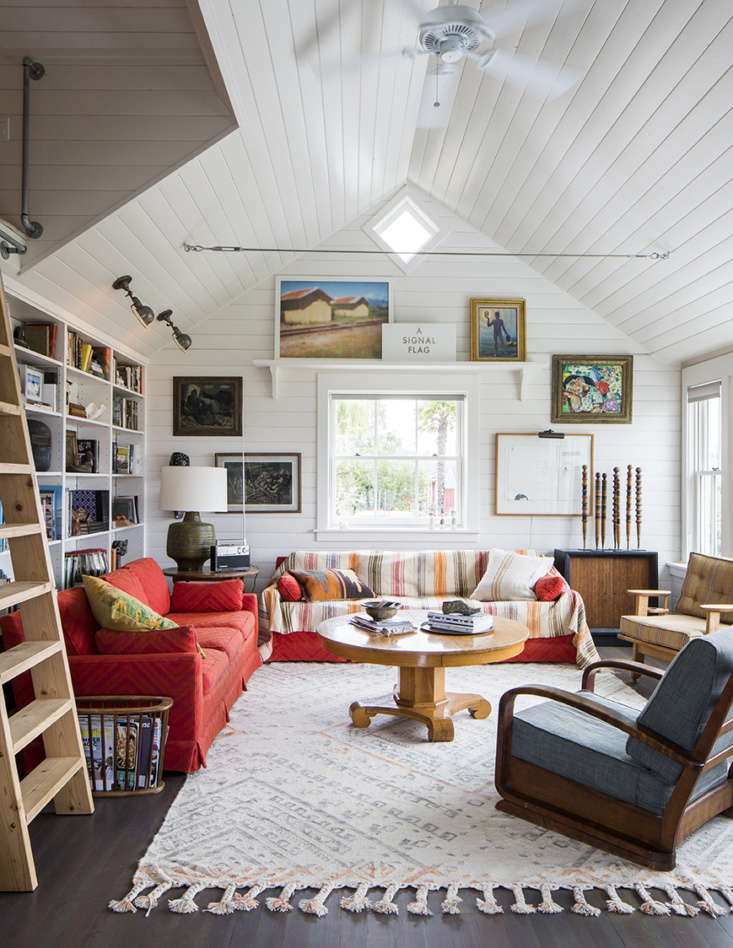
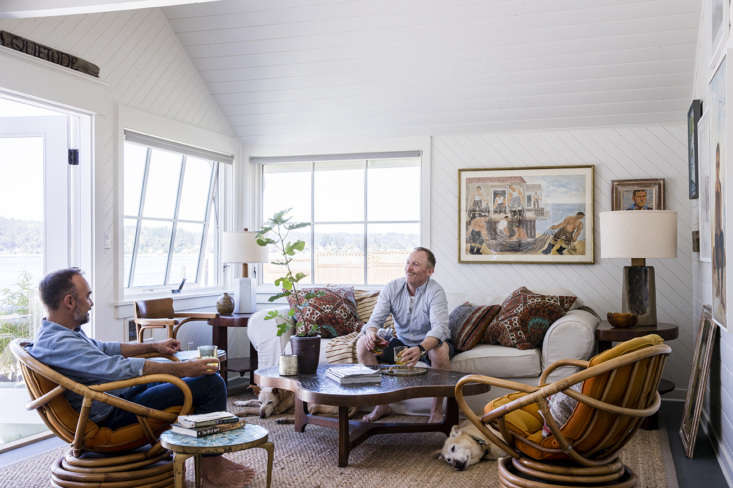
The living room serves as the heart of the home, where soft white cedar-paneled walls create a cohesive, bright backdrop. This isn't the stark, sterile white of a modern gallery, but a warm, milky tone that catches the coastal light and makes the space feel expansive yet cozy. The library wall is particularly striking, featuring a curated blend of antiques and primitive nautical objects that feel like a collection gathered over decades of world travel.
The Nautical Kitchen
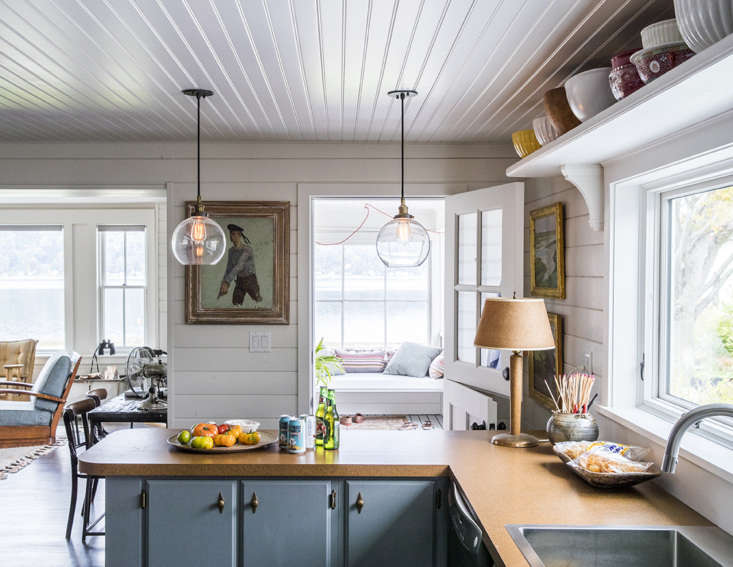
In the kitchen, the designers made a brilliant choice to preserve the existing 1950s cabinets. While the rest of the 1960s "rambler" elements were tossed, these cabinets had "good bones." They were refreshed with a sophisticated gray-blue finish and outfitted with heavy brass hardware. This combination of vintage structure and high-end finishes creates a "working kitchen" vibe that feels both historic and highly functional.
| Element | Material/Source | Design Impact |
|---|---|---|
| Cabinets | Reclaimed 1950s wood | Preserves character while reducing waste. |
| Hardware | Solid Brass | Adds a touch of industrial nautical luxury. |
| Flooring | Salvaged Douglas Fir | Provides warmth and historical continuity. |
| Palette | Gray-Blue & Soft White | Mimics the Puget Sound sky and water. |
The Mudroom: Functional Whimsy
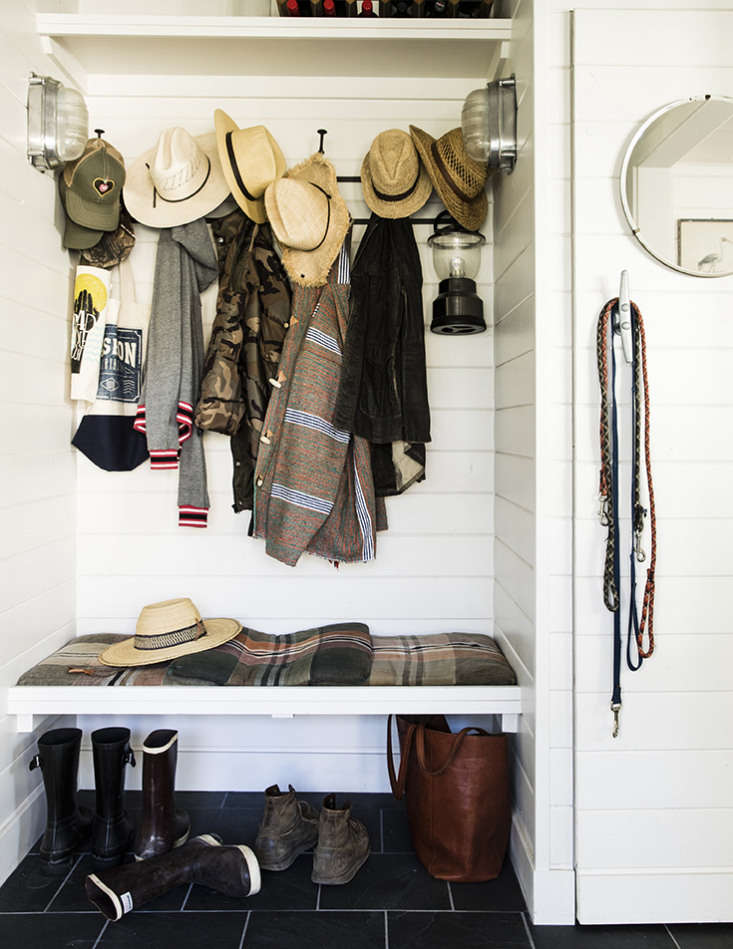
Even the most utilitarian spaces in this home received the designer touch. In the mudroom, Hoedemaker Pfeiffer used maritime cleats—the kind usually found on docks—repurposed as door handles and coat hooks. Paired with industrial nautical sconces, these small details reinforce the "shipbuilder" narrative in a tactile, everyday way.
Private Sanctuaries: Reclaimed History in the Bath and Bed
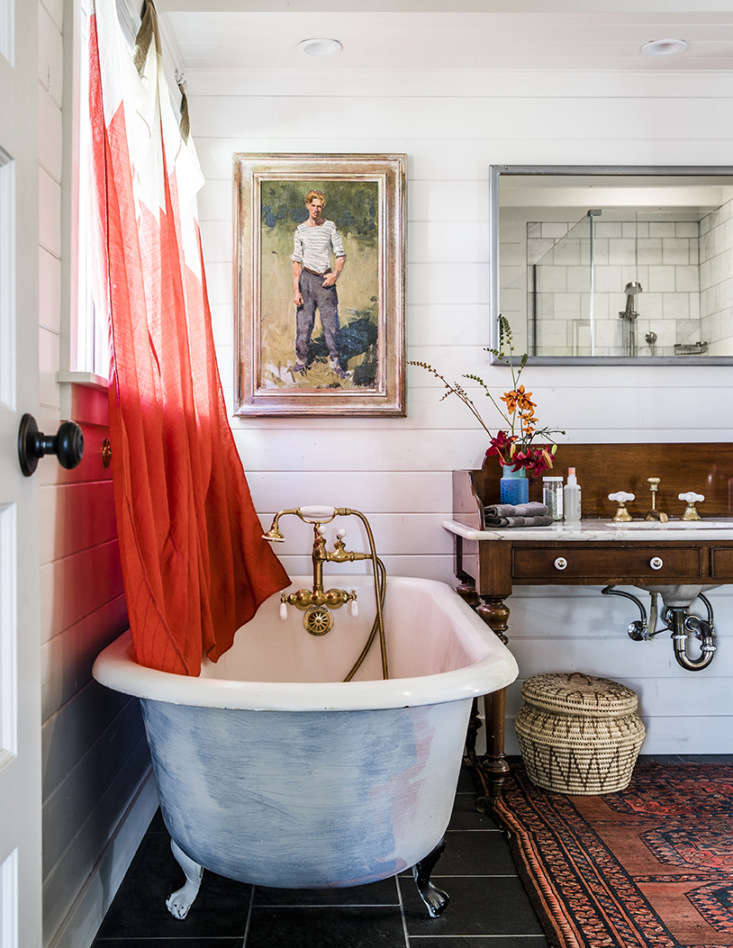
Moving into the private quarters, the narrative of "salvaged luxury" continues. The primary bathroom is perhaps the most evocative space in the home. Rather than installing a modern soaking tub, the team sourced vintage 1920s porcelain fixtures. The result is a room that feels like a sanctuary pulled straight from a classic seaside inn.
The window treatments throughout the bedrooms and bathrooms offer one of the most clever DIY-style takeaways for readers. Repurposed nautical signal flags were used as curtains. These flags, traditionally used for ship-to-ship communication, provide a pop of primary color and graphic interest without feeling heavy. They filter the light beautifully, casting a soft, colored glow into the rooms during sunset.
Throughout the 1,900-square-foot space, salvaged doors and primitive objects are integrated seamlessly. Nothing feels "brand new" or out of place; instead, the home feels as though it has simply been very well-cared for since 1898.
Outdoor Integration: Living with the Puget Sound
In a location like Maury Island, the transition between indoors and outdoors is paramount. The renovation sought to maximize the home’s relationship with the water at every turn.
The Sunroom
The sunroom is a feat of architectural detail. To maximize the play of coastal light, wood panels were laid at unique angles on the ceiling and walls. This creates a dynamic, textured environment that changes throughout the day as the sun moves across the Sound. It’s the perfect spot for morning coffee, offering panoramic views while remaining protected from the often-brisk Pacific Northwest winds.
Year-Round Living
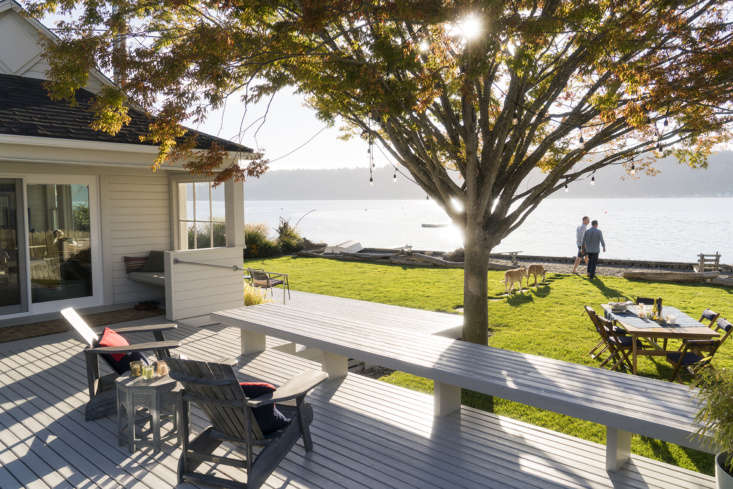
The original porch was upgraded with high-efficiency windows, transforming it into an all-season living space. Outside, a multi-tiered deck was constructed to provide ample space for entertaining. Whether it’s a summer crab boil or a quiet evening by a fire pit, the deck serves as a front-row seat to the tides, the eagles, and the occasional passing ferry.
Conclusion: The Ferry-Only Lifestyle
Reclaiming a historic shipbuilder’s cabin is no small feat, especially on an island accessible only by boat. However, for the owners of this Maury Island retreat, the "inconvenience" of ferry schedules is exactly what makes the property so special. It acts as a natural filter, preserving the island’s rural charm and ensuring that the only sounds you hear at night are the lapping waves and the distant hum of a boat engine.
Through the thoughtful work of Hoedemaker Pfeiffer, this 1898 structure has been reborn. It is no longer a neglected relic of the past or a confused 1960s rambler. It is a modern coastal retreat that honors its history while providing a sustainable, stylish sanctuary for generations to come. It serves as a reminder that with a clear vision, a commitment to salvaged materials, and a respect for the local landscape, we can breathe new life into even the most "dusty" of historical treasures.
FAQ
What are the best colors for a modern nautical interior?
For a sophisticated look, move beyond navy blue and bright white. Consider a palette of gray-blues, soft creams, and sand-toned neutrals. Using "milky" whites on cedar or wood paneling helps reflect light without feeling cold.
How can I incorporate nautical elements without it feeling like a theme?
Focus on materials and hardware rather than literal symbols. Use brass kitchen hardware, maritime cleats for door handles, or industrial-style sconces. Natural textures like jute, salvaged wood, and linen also evoke a coastal feel more subtly than anchors or seashells.
Is Maury Island difficult to visit?
Maury Island is connected to Vashon Island, which is only accessible by ferry from West Seattle (Fauntleroy), Southworth, or Tacoma (Point Defiance). Because it is a ferry-only destination, it remains much quieter and more rural than other coastal communities in Washington.
Where can I find salvaged materials for my own renovation?
In the Pacific Northwest, "Second Use" and "The ReStore" are excellent resources for salvaged Douglas fir, vintage doors, and historic fixtures. Exploring local salvage yards is a great way to find high-quality, sustainable materials that add immediate character to a project.