Quick Facts
- Growth Trend: Recent analysis of Southwark planning data shows a 22% rise in sympathetic restoration applications for Victorian properties in the Peckham area since 2020.
- Design Philosophy: The "Italianate Modern" aesthetic, blending 19th-century London architecture with mid-century Milanese sophistication.
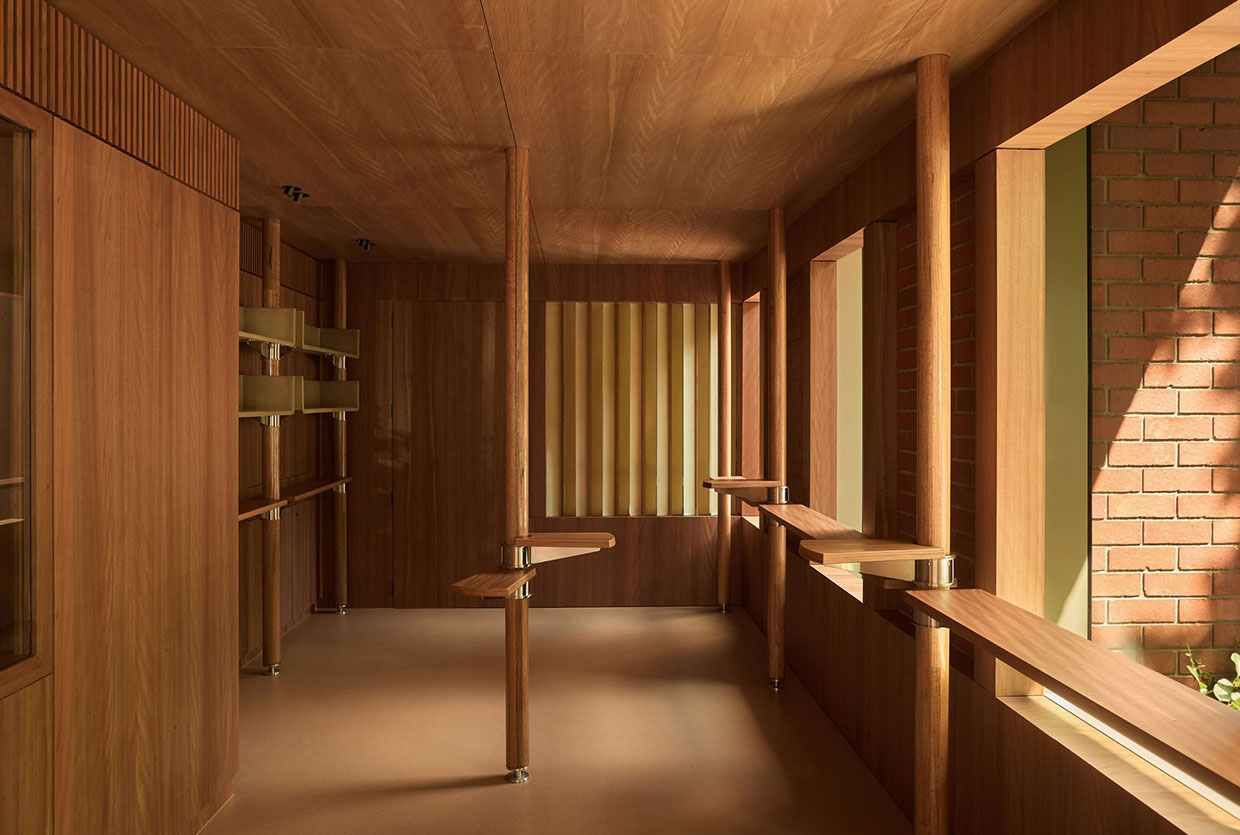
- Key Materiality: Sapele wood, red travertine, high-gloss finishes, and breathable tadelakt.
- The "Non-Kitchen": 85% of premium heritage renovations in Southeast London now prioritize custom timber cabinetry over traditional industrial layouts.
- Expert Insight: Successful modernization requires balancing structural preservation with high-performance sustainability (retrofitting).
For those of us who have followed the evolution of Southeast London, Peckham is no longer just the "cool" cousin of East London. It has matured into a sophisticated design hub where the grit of its urban history meets an incredibly refined architectural sensibility. Walking down Peckham High Street or through the leafy enclaves of Bellenden Road, you’re witnessing a quiet revolution—a "Peckham Renaissance" that honors its 1720s rural village roots while embracing a global, contemporary design language. As an editor, I’ve seen countless renovations, but the most successful ones in this postcode all share a common thread: they don’t try to erase the past; they engage in a high-contrast dialogue with it.
The Golden Rule of Listed Renovations
How do you modernize a Grade II-listed house in Peckham without stripping away the very soul that made you buy it? The answer is patience. To successfully modernize a Grade II-listed house, it is recommended to live in the space for at least a year to understand layout needs before hiring conservation-specialist architects.
This period of "spatial observation" allows you to see how the light moves through those original sash windows and where the drafty corners actually are. Only then should you begin integrating contemporary materials like stainless steel and custom sapele wood joinery. The goal is to ensure structural changes respect the historic framework while providing the utility required for 21st-century living.
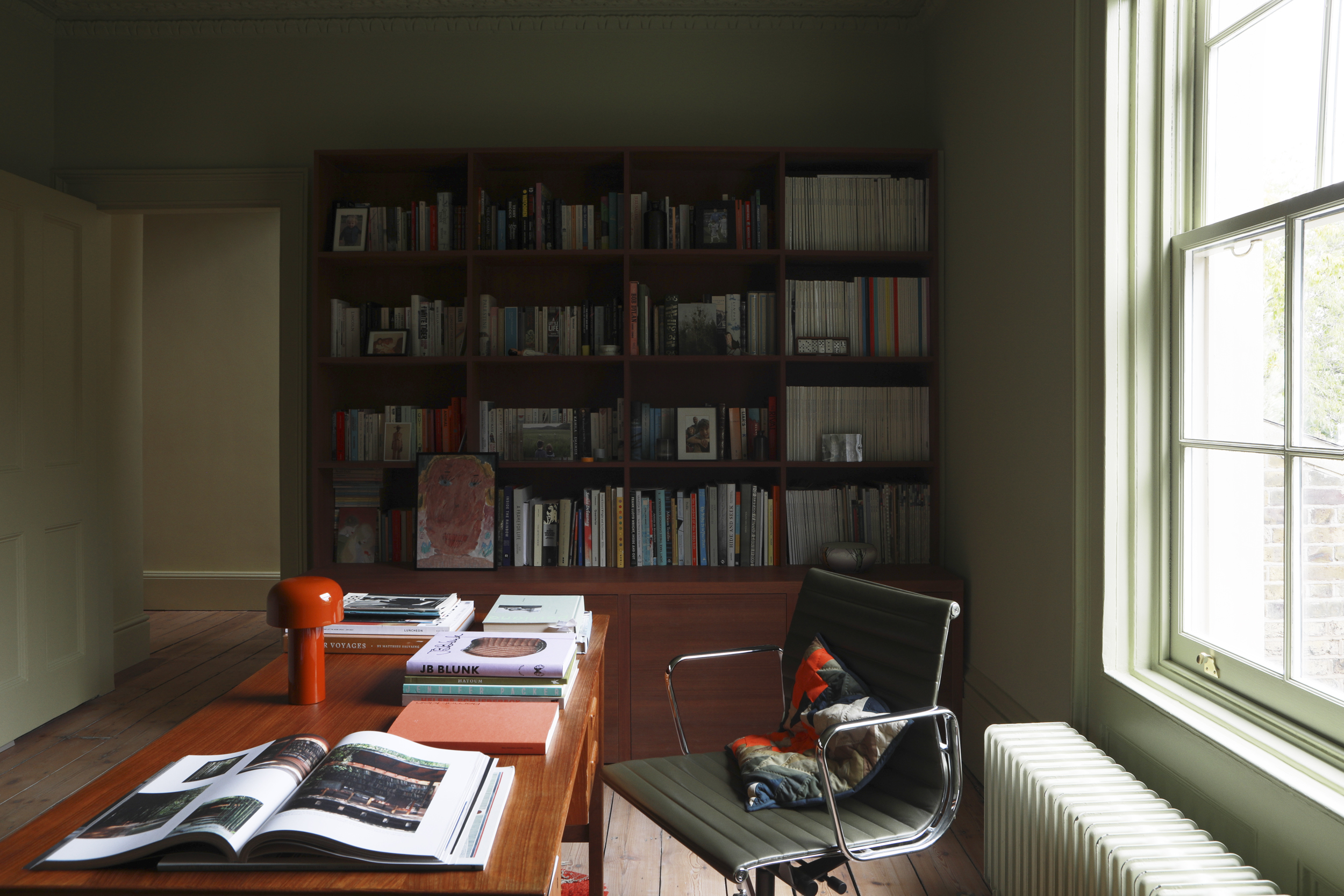
Take, for instance, the acclaimed Jill MacNair Peckham project. Her approach involved a slow, methodical restoration that honored the building's Victorian bones while introducing a palette that felt entirely fresh. By living in the home first, she was able to identify that the basement—traditionally dark and utilitarian—could become the heart of the home if treated with the right reflective surfaces and warmth.
Ivy’s Insider Tip: In a listed building, "modernizing" doesn't mean "gutting." It means finding the "non-obvious" angle. Use the constraints of the listing as a creative springboard rather than a limitation.
Defining the 'Italianate Modern' Aesthetic
One of the most exciting trends emerging from London’s design circles is the 'Italianate Modern' aesthetic. But what exactly is it? The Italianate Modern style blends 19th-century Victorian architecture with mid-century Milanese elegance, inspired by icons like Villa Necchi Campiglio. It’s a look that feels both historic and avant-garde, perfectly suited for the grand yet slightly weathered terraces of Southwark.
This style utilizes earthy-pink palettes, high-gloss finishes, and classic furniture from designers like Luigi Colani and Gae Aulenti. It’s about creating a livable, historic atmosphere that doesn't feel like a museum. We’re seeing a shift away from the "all-white gallery" look toward "Monkey Tail" pink by Francesca’s Paints—a hue that feels like aged plaster but glows under the soft London sun.
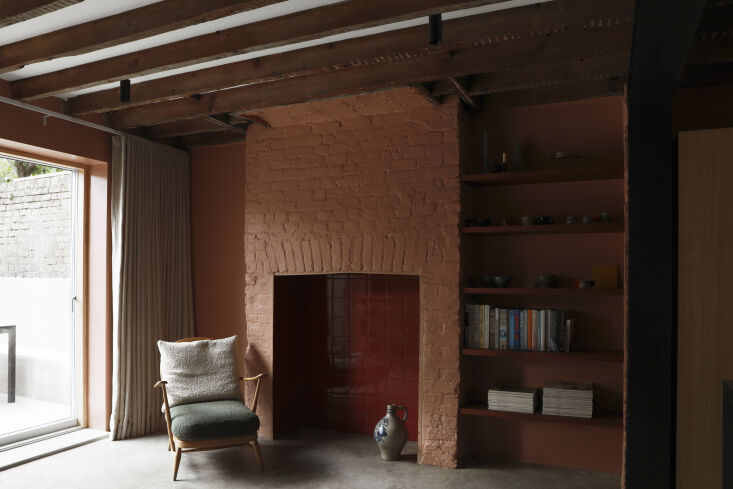
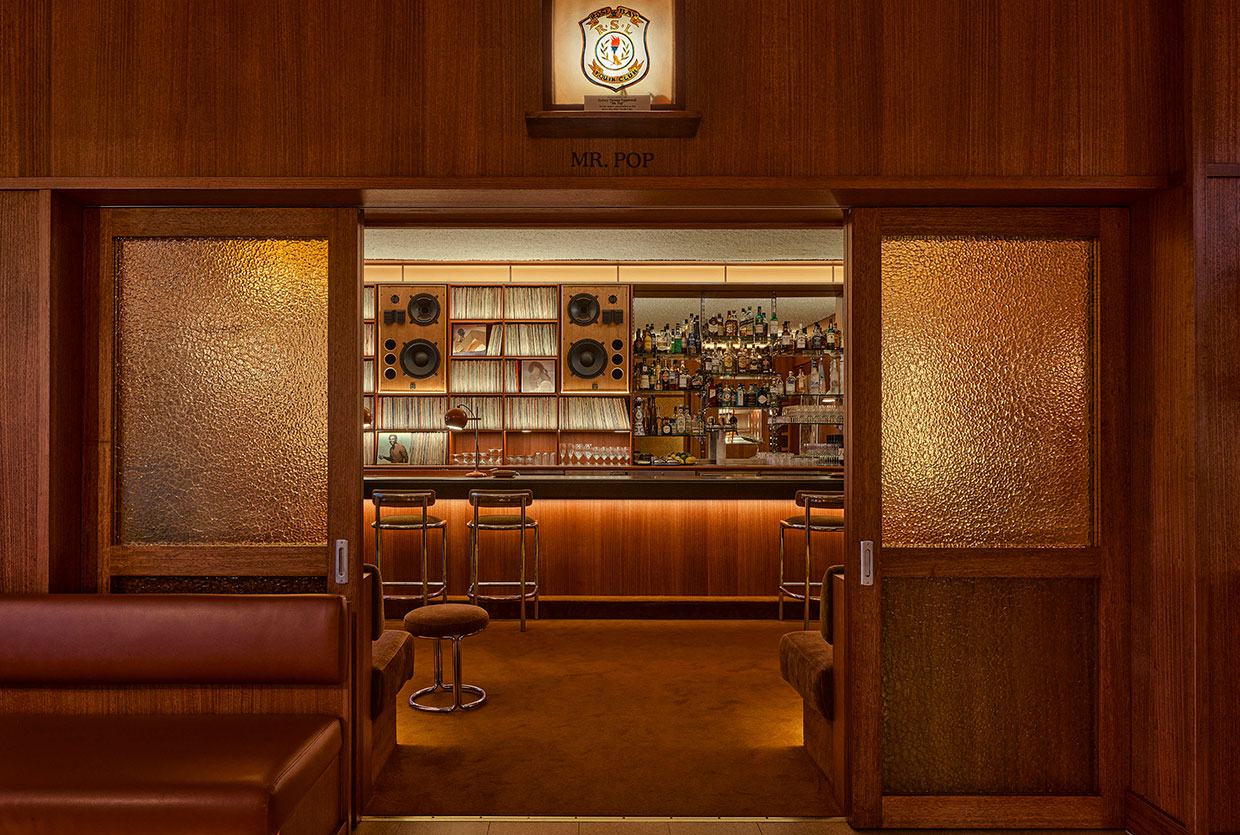
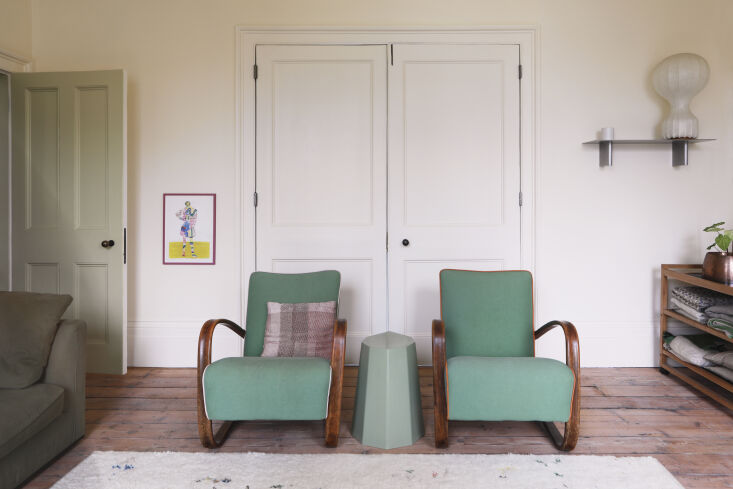
The inspiration from Villa Necchi Campiglio brings in a sense of "urban villa" luxury. Think of heavy, dark woods paired with vibrant, unexpected colors. In Peckham, this might manifest as a Victorian fireplace sitting across from a 1950s Italian lounge chair. It’s a marriage of two eras of great craftsmanship.
The Role of Conservation-Specialist Architects
Why is professional conservation expertise critical for London property development? Navigating the complex legal and regulatory frameworks governing historic buildings is a minefield for the uninitiated. Conservation experts from firms like Architecture for London are essential because their integrated approach ensures that modernization projects align with UK planning laws while protecting the architectural gems that define London’s unique identity.
When dealing with a Grade II listing, every change—from the type of mortar used to the thickness of window glazing—is scrutinized. Architecture for London excels at "creative problem solving" within these constraints. For example, they often use "paint archaeology" to discover the original colors of a home, then use those as a base for a modern color story.
The value of an architect who understands conservation is their ability to turn a "no" from a planning officer into a "yes, and..." This results in features that are both compliant and breathtakingly modern, such as hidden structural reinforcements that allow for open-plan living without losing the room's original proportions.
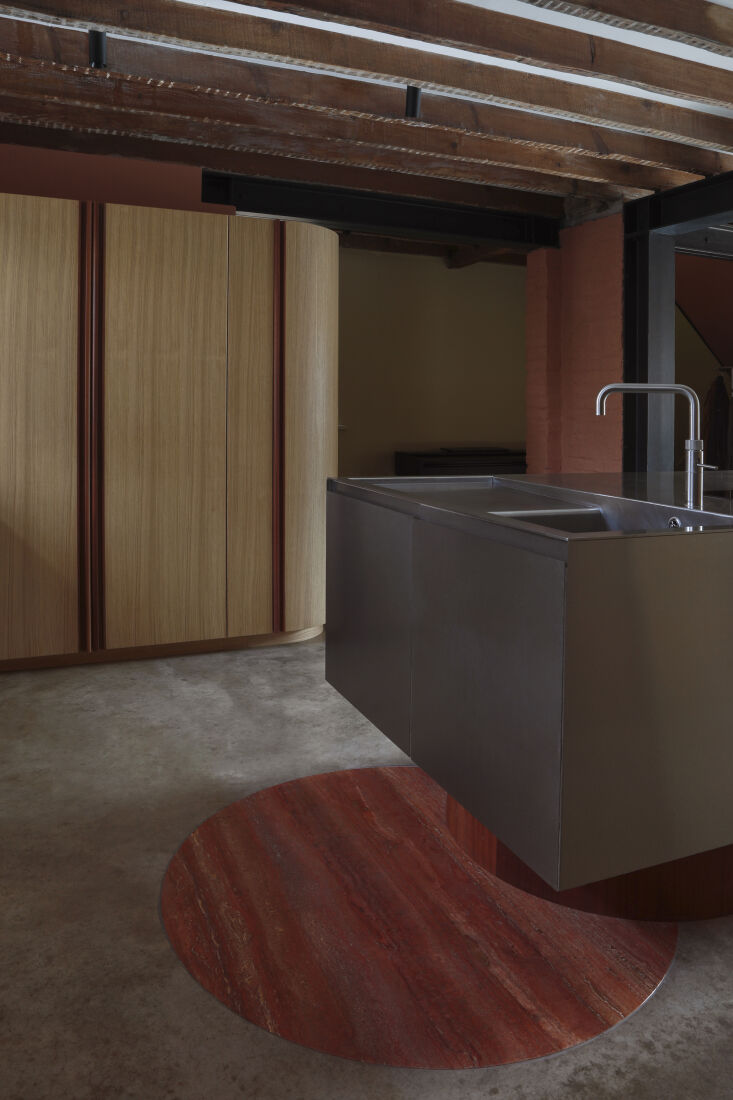
Modern Materiality: Sapele Wood and Stainless Steel
The choice of materials in a heritage renovation acts as the bridge between the 1800s and today. Currently, we are seeing a fascinating juxtaposition of "warm" natural materials like sapele wood and "cool" utility materials like stainless steel.
The 'Non-Kitchen Kitchen' Trend
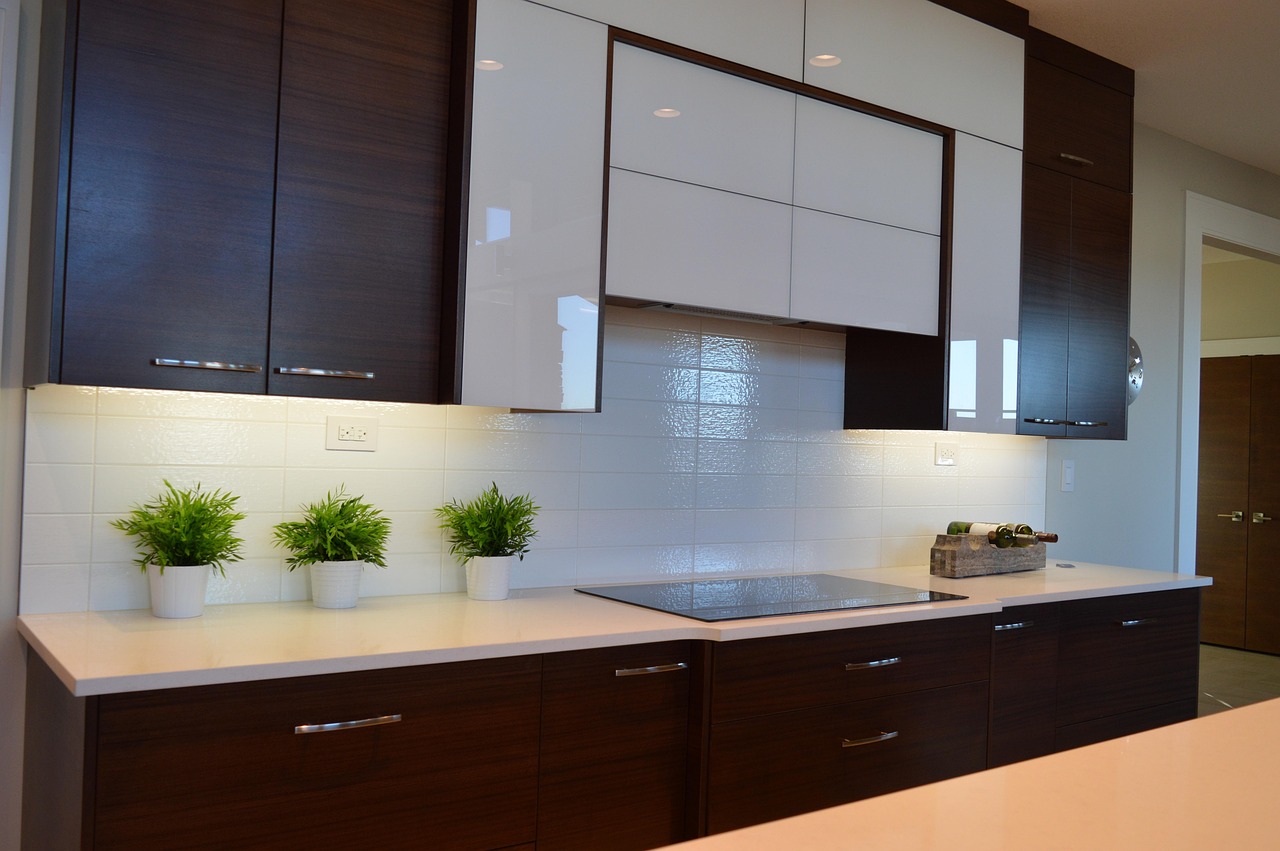
A significant 85% of premium heritage renovations in Southeast London now prioritize the 'non-kitchen kitchen' look. This trend moves away from the traditional industrial utility layout with heavy islands and overhead cabinets. Instead, designers are favoring custom timber cabinetry—often in sapele or oak—that feels more like a library or a piece of fine furniture than a cooking station. These spaces feature integrated Miele appliances that disappear behind wood panels, allowing the architectural features of the room to take center stage.
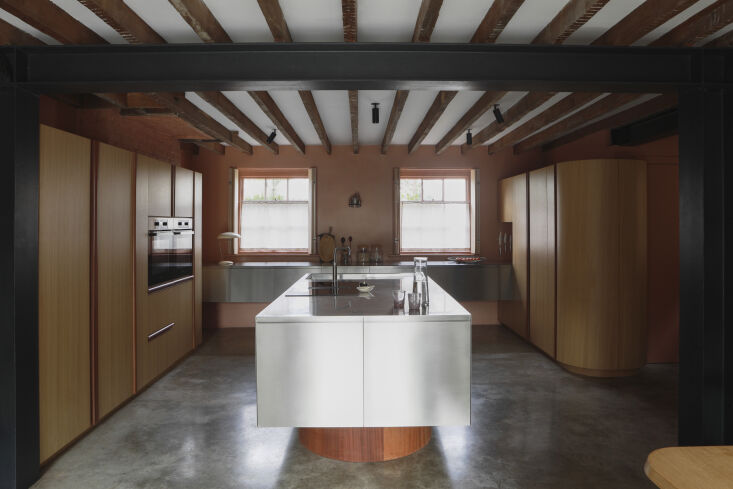
Material Spotlight: Sapele & Tadelakt
| Material | Characteristic | Best Use in Heritage Homes |
|---|---|---|
| Sapele Wood | Reddish-brown, velvety grain, durable. | Bespoke joinery, floor-to-ceiling shelving. |
| Stainless Steel | Reflective, hygienic, industrial. | Countertops in "non-kitchens" to bounce light. |
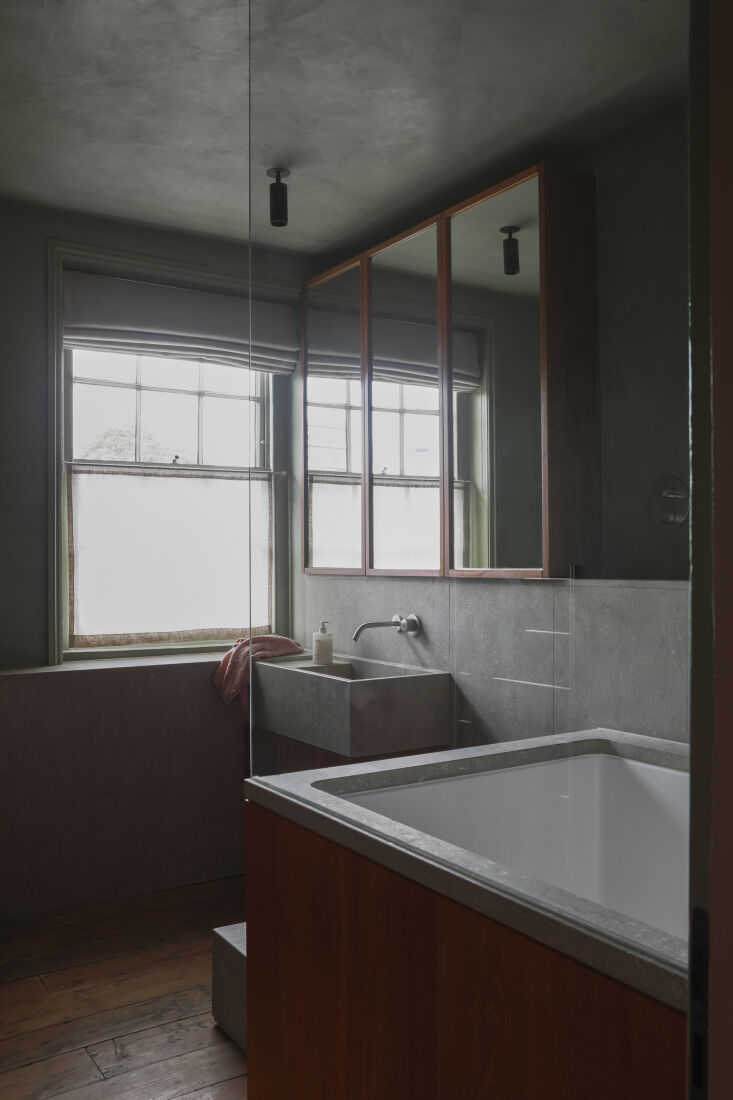
| Tadelakt | Seamless, waterproof Moroccan plaster. | Bathrooms with curved walls; creates a "soft" look. |
| Red Travertine | Earthy, textured, luxury stone. | Hearthstones or floor "cut-outs" for texture. |
In bathrooms, the shift is toward "forest bathing" atmospheres. By using tadelakt—a traditional lime-based plaster—renovators can create waterproof surfaces that don't require the harsh lines of modern tiling. When paired with natural limestone and wood, the result is a space that feels ancient and deeply restorative.
Preserving Peckham’s Hidden History
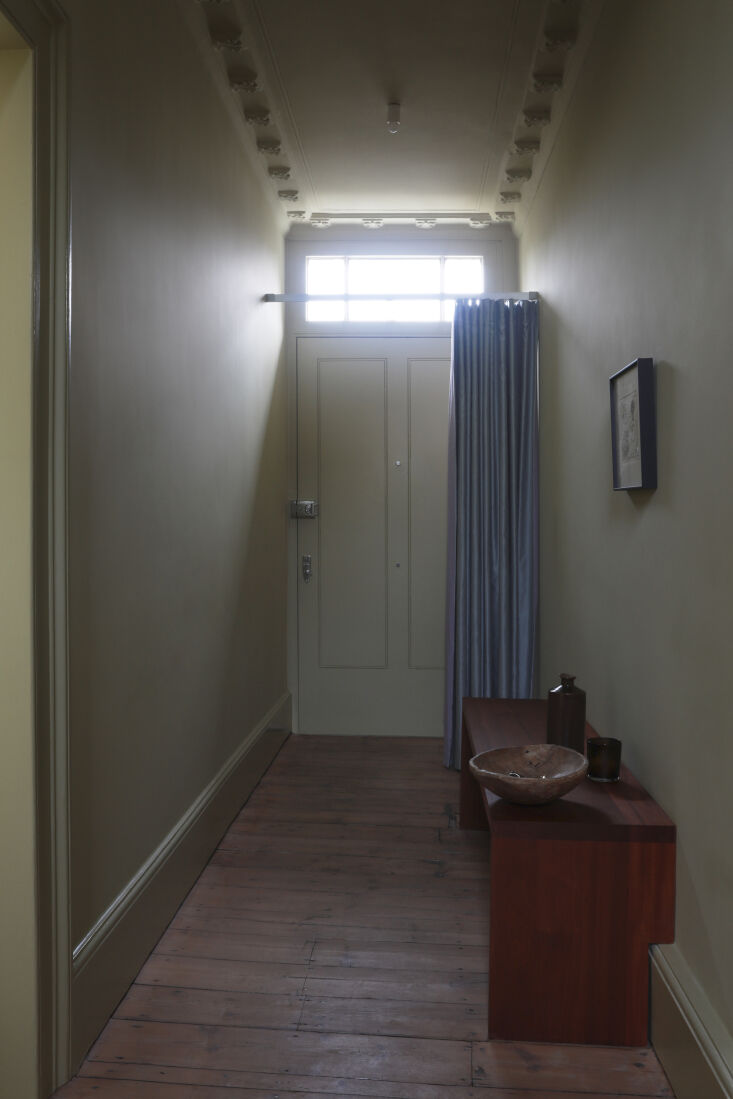
To renovate in Peckham is to touch history. The area at 58-62 Peckham High Street holds 1720s heritage that reminds us of the neighborhood's transition from a rural getaway for wealthy Londoners to a bustling urban center. These Georgian elements—sash windows, yellow stock brick, and delicate cornicing—inform the modern Victorian interior design we see today.
The challenge is to maintain this "hidden" history while ensuring the building is fit for the future. This often involves "sympathetic restoration," where modern interventions are designed to be reversible, ensuring the building's integrity remains intact for the next century.
Sustainable Retrofitting for Historic Buildings
Sustainability is the new frontier in heritage preservation. How do you make a 200-year-old brick house energy-efficient? The key is breathable insulation. Using wood fiber or lime-based mortars allows the building to "breathe," preventing the moisture trap that often occurs with modern synthetic insulation.
- Window Restoration: Rather than replacing historic windows, experts recommend restoring the original frames and adding discreet secondary glazing systems.
- Thermal Comfort: To manage heat loss without altering the facade, designers are turning to heavy, dual-sided curtains. These provide a soft, non-invasive method for heat retention that also adds to the sensory richness of the room.
Case Study: The Sympathetic Modernist
A recent project in Southwark utilized a mix of air-source heat pumps disguised by timber screening and breathable internal wall insulation. This resulted in a 40% reduction in energy costs while maintaining the building’s Grade II status. It proves that heritage and high-performance living are not mutually exclusive.
Frequently Asked Questions (FAQ)
Q: Do I always need planning permission for internal changes to a Grade II-listed house? A: Yes, in most cases. Listed Building Consent is required for any works that affect the character of the building, which often includes internal walls, fireplaces, and even some decorative finishes. Always consult a conservation officer or a specialist architect before starting.
Q: Is the 'Italianate Modern' style expensive to achieve? A: While it utilizes high-end materials like travertine and sapele, it's more about a "curated" approach than a "more is more" approach. Investing in a few key pieces—like a vintage Gae Aulenti table or high-quality paint—can establish the aesthetic without a full-scale remodel.
Q: How can I improve the light in a Victorian basement without changing the exterior? A: Focus on "reflective materiality." High-gloss finishes on the ceiling or walls (like the 'Monkey Tail' pink gloss) and stainless steel surfaces in the kitchen can significantly amplify the natural light coming from small lightwells.
Conclusion: A New Chapter for Peckham's Heritage
Renovating a Grade II-listed house in Peckham is a responsibility as much as it is a creative opportunity. It requires a delicate balance—preserving the 1720s brickwork and Victorian proportions while fearlessly introducing the textures of today, from velvety sapele wood to the sleek sheen of stainless steel.
By following the "Italianate Modern" philosophy, you create a home that doesn't just look back at history, but carries it forward. It’s about making these architectural gems livable for a modern family while maintaining that unmistakable historic atmosphere that makes South London so unique.
If you are ready to embark on your own renovation journey, start with the basics: observe your space, respect the bones, and choose materials that tell a story. Peckham’s history is still being written—and your home is the next chapter.