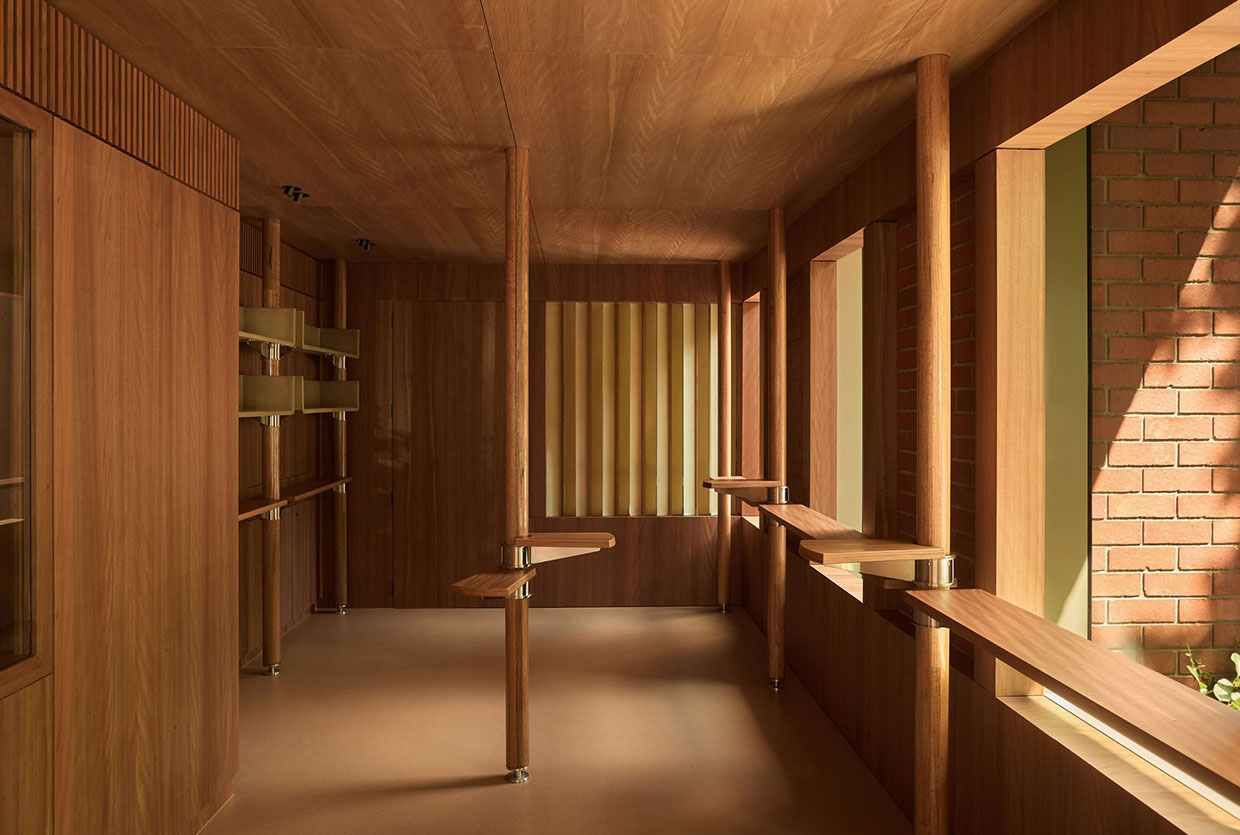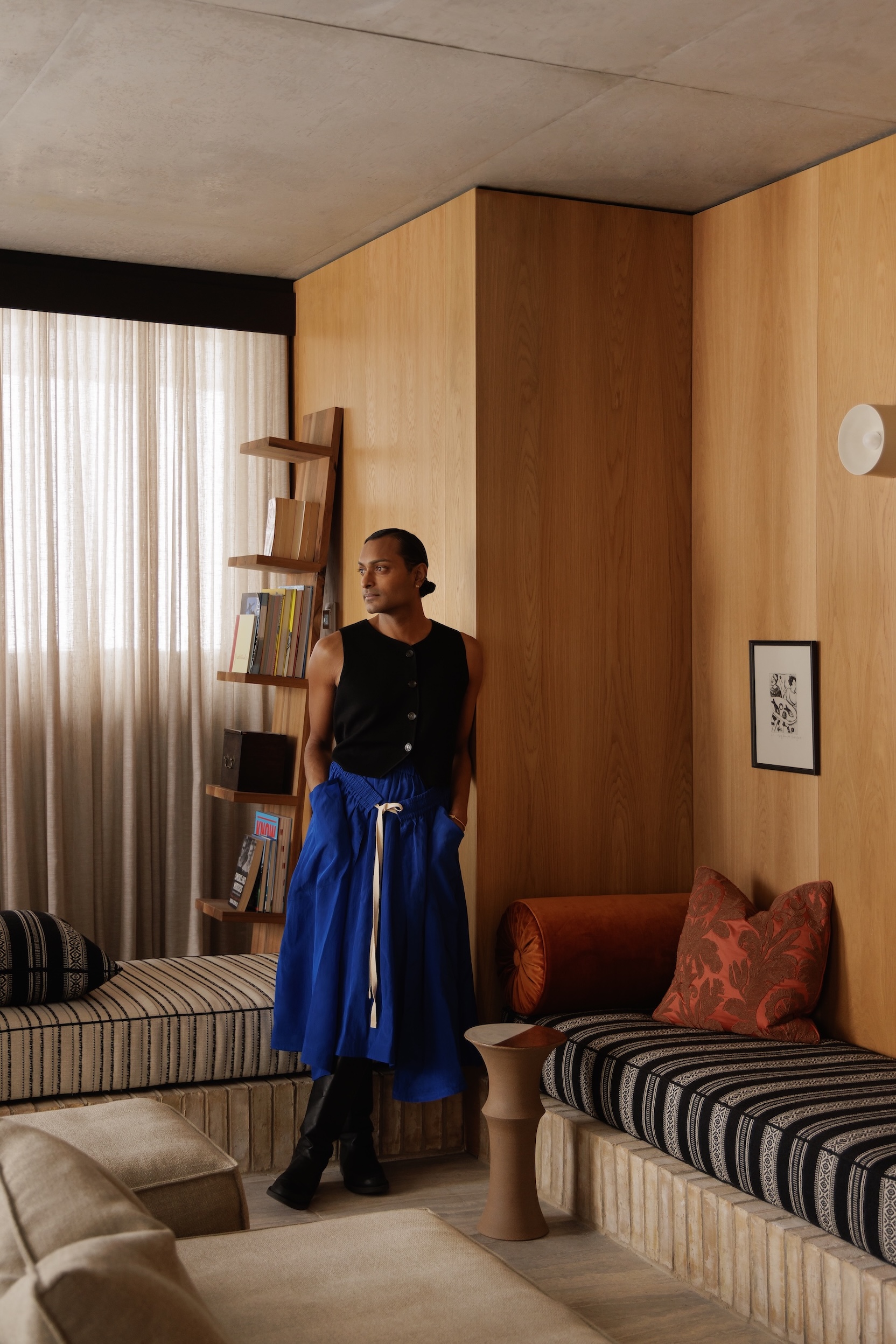
High in the snow-dusted peaks of Mount Buller, Australia, sits a structure that epitomizes the modernist ideal: a bold, disciplined retreat designed by Cera Stribley with original interiors by Hecker Guthrie. While its architectural pedigree was undeniable, the reality of living within its stark, industrial lines felt a little too much like inhabiting a gallery and not enough like a home. For a family seeking refuge from the biting alpine wind, the "coldness" of the concrete slabs and white linoleum presented a unique design dilemma.
In 2024, designer Brahman Perera was tasked with a "glow up" that didn't involve demolition, but rather a sophisticated "humanizing" of the space. His approach? Additive layering. Instead of correcting the architecture, Perera softened it, proving that the most successful modernist ski chalet renovations aren't about erasing the past, but about introducing organic warmth, tactile materiality, and a sense of "quiet domesticity."
1. The Material Palette: From Industrial to Organic
The primary strategy for softening a cold modernist interior is to shift the material conversation from industrial to organic. In this Mount Buller project, the transition began with a critical look at the surfaces that meet the eye and the hand. The original white linoleum—while functional—felt clinical in the alpine context. Perera replaced these surfaces with birch plywood cabinetry and joinery.
Birch plywood offers a pale, consistent grain that brings a rhythmic warmth to a room without the heavy, rustic "log cabin" aesthetic. This choice creates what designers call "quiet domesticity"—a background hum of comfort that doesn't compete with the mountain views.
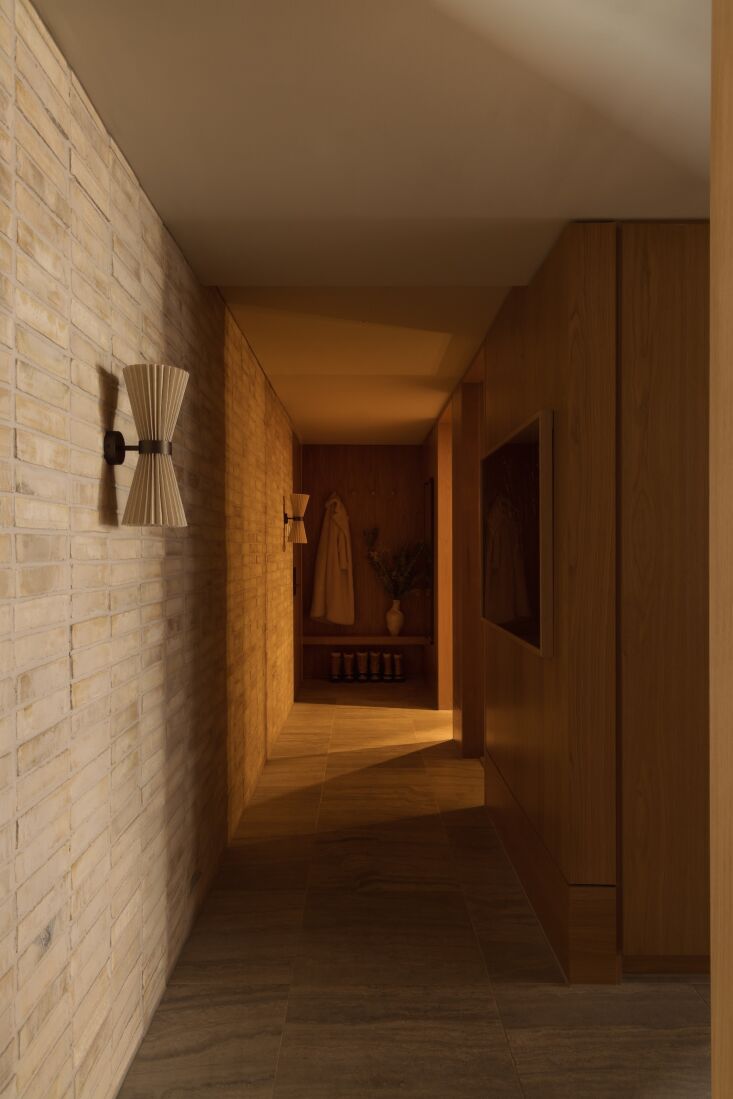
Beyond wood, the renovation introduced matte-glazed bricks to re-face the existing flagstone mantels. Where stone can sometimes feel jagged and cold, the uniform texture and soft sheen of glazed brick offer a more refined, tactile experience. This was grounded by the strategic use of travertine in high-traffic entryways and the kitchen. Travertine, with its natural pits and honeyed tones, acts as a visual anchor, bridging the gap between the raw concrete structure and the new, softer interior layers.
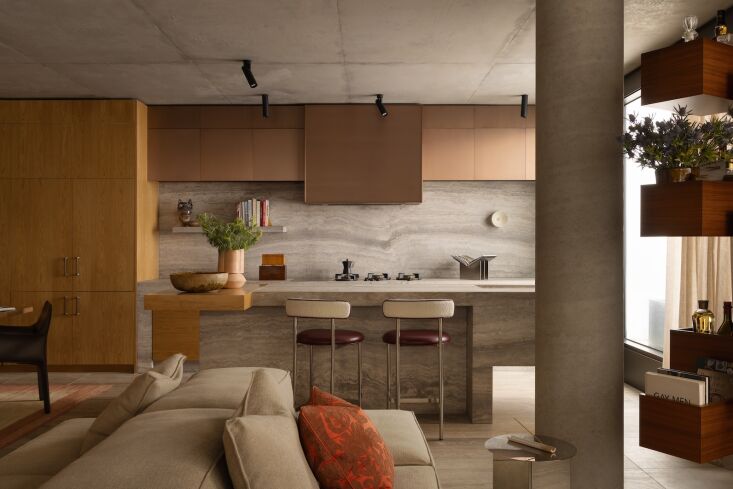
Importantly, Perera chose to preserve the exposed concrete slab ceilings. By keeping this industrial edge, the new organic materials feel intentional rather than decorative. It’s the contrast between the hard "shell" and the soft "heart" that makes the design successful.
2. Strategic Lighting: Creating Pockets of Warmth
In alpine interior design, lighting is often the difference between a space that feels like a bunker and one that feels like a sanctuary. The common mistake in modernist homes is an over-reliance on harsh overhead downlights, which flatten the architecture and create unwanted glare on snowy windows.
Perera’s solution was to move the light source down from the ceiling to the "human level." This involves a mix of wall sconces, sculptural floor lamps, and ambient pendants to create pockets of light at different heights.
Designer Tip: High-end aesthetics don't always require a high-end budget. In this project, the use of the $129 AUD Amore 2 bracket demonstrates that you can achieve a sophisticated alpine look with a lighting budget of less than 2% of the total renovation costs.
To achieve a truly cozy alpine feel, avoid cool-toned bulbs. Instead, utilize warm-hued wall sconces with pleated linen shades. These shades diffuse the light, casting soft shadows that highlight the textures of the brick and wood.
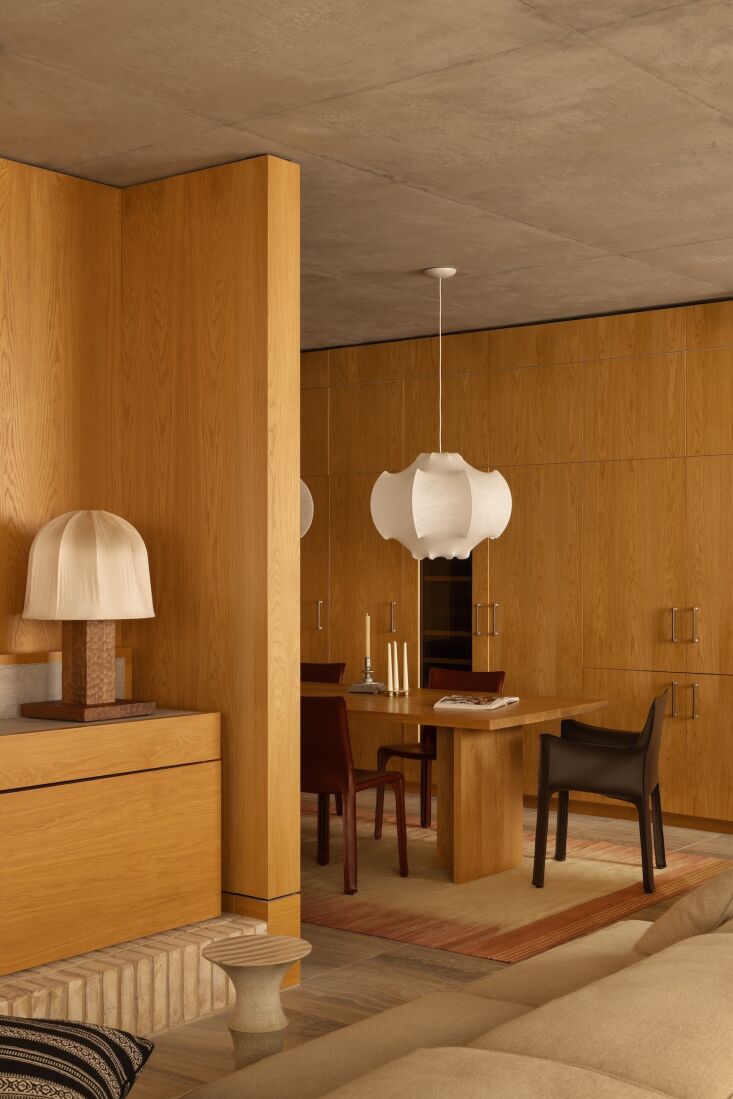
For the dining area, a sculptural pendant—like the iconic Flos Viscontea—serves as a focal point. Its organic, cloud-like form provides a necessary counterpoint to the sharp angles of the modernist structure, drawing the eye inward during the long mountain nights.
3. Sensory Layers: Textiles and Acoustics
One of the most overlooked aspects of modernist renovations is the acoustic environment. Large expanses of concrete and glass create "echo chambers" that can make even a quiet conversation feel sharp. To address this, Brahman Perera utilized textiles not just for comfort, but as architectural tools.
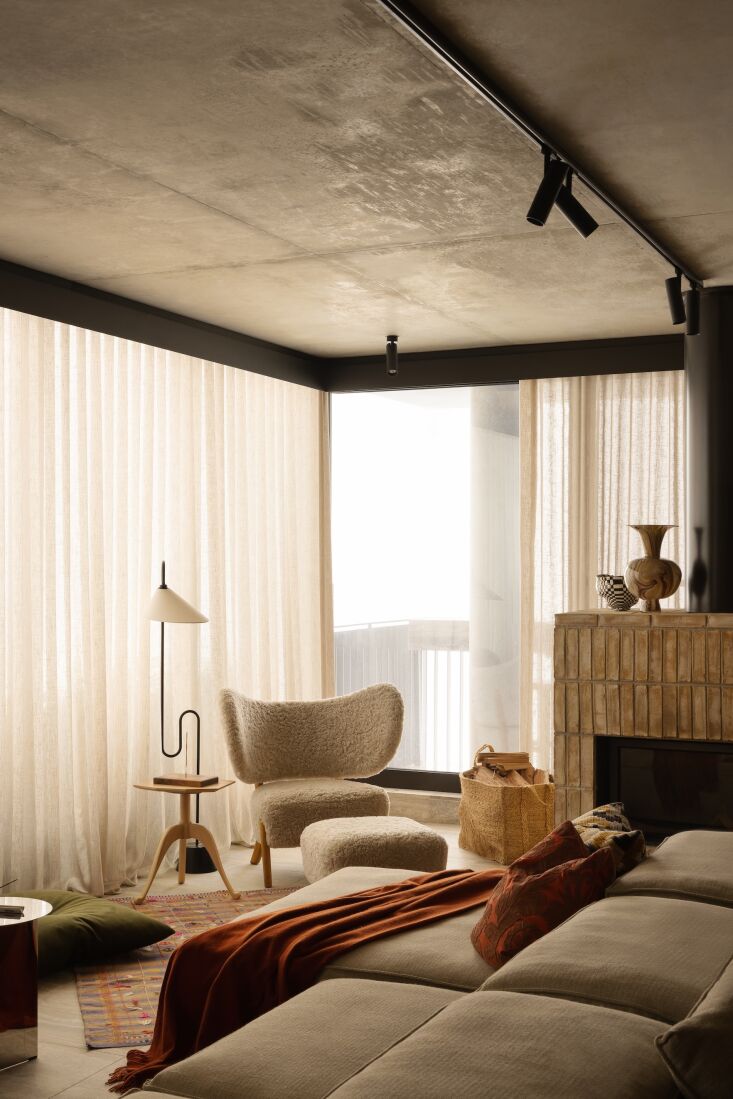
The installation of custom, floor-to-ceiling linen sheers (using fabrics like Flusso Haze and Mokum Eternal linen) serves two purposes. Visually, they diffuse the harsh, high-altitude alpine light. Functionally, they are acoustic powerhouses. Incorporating these heavy-weight linen sheers can improve acoustic softness by an estimated 35% in open-plan modernist chalets, absorbing the "ping-pong" effect of sound hitting hard surfaces.
The furniture choices further this sensory mission. A modular Extrasoft sofa provides a low-slung, inviting landscape for the family to gather, while sheepskin-covered pieces, such as the TMBO chair, provide immediate tactile warmth. This "additive layering" of textiles—linen, wool, sheepskin—creates a rich patina of comfort that invites you to stay a little longer.
4. Architectural Repurposing for Modern Living
In many modernist structures, there are "dead zones"—areas that look beautiful on a blueprint but lack daily utility. A key part of this glow-up was the creative repurposing of these spaces to better serve family life.
For example, lone window benches that were previously underutilized were extended into full lounges and finished with the same matte-glazed bricks seen on the fireplace. This unified the architectural language while providing more "flop-down" space for guests.
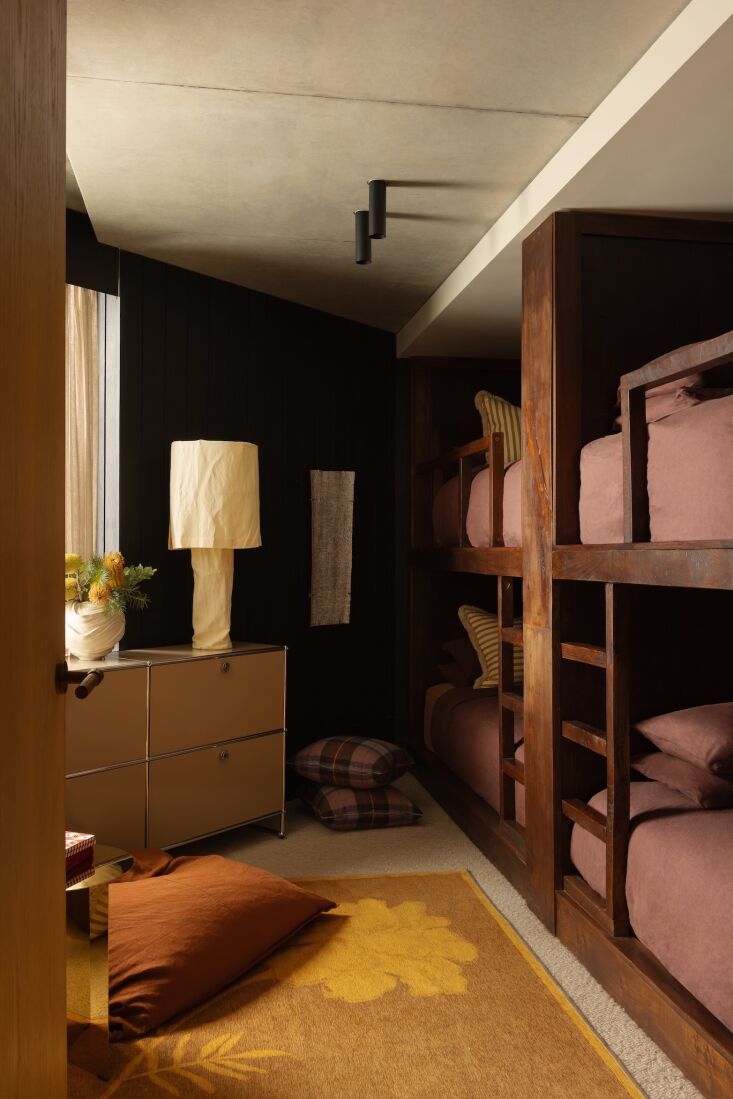
Perhaps the most ingenious move was the transformation of the home’s awkward triangular rooms. In a ski house, bed count is often king, but standard furniture rarely fits these jagged footprints. Perera designed deep, custom bunks that fit perfectly into the triangular alcoves, featuring integrated step-shelves for books and personal items. This turned a design "flaw" into a cozy, highly functional sleeping nook.
Additionally, the common challenge of the "TV over the fireplace" was solved by integrating the screen into a full-height fireplace surround. By using verticality and dark, textured materials, the technology recedes into the background when not in use, allowing the architecture to remain the star.
5. The Alpine Sanctuary: Finishing Touches
The final layer of the Brahman Perera Mt Buller project is the sensory finish. To truly "soften" a home, you must look beyond the visual. In an alpine sanctuary, scent plays a pivotal role in grounding the experience. Perera suggests incorporating mountain-inspired scents like pine, cedar, and balsam fir through high-quality candles or diffusers to reinforce the connection to the outdoors.
The use of patterns also required a delicate touch. While "plaid" is an alpine staple, overusing it can lead to a "themed" look that feels dated. Instead, use heritage patterns sparingly—perhaps on a single cushion or a throw—to provide a nod to tradition while maintaining the modernist integrity of the home.
The result is a residence that respects its rigorous architectural bones while embracing the messy, warm reality of family life. It is a masterclass in how "humanizing" a space through thoughtful materiality and lighting can turn a cold modernist chalet into a glowing, textural sanctuary.
FAQ
Q: Can I achieve this look without changing my flooring? A: Absolutely. While Perera replaced linoleum with travertine, you can achieve a similar softening effect by using large-scale, high-pile wool rugs or layering cowhides and sheepskins over existing hard floors. The goal is to break up the visual and physical coldness of the surface.
Q: How do I choose the right "warm" white for a modernist space? A: Avoid whites with blue or green undertones, which can look grey in alpine light. Look for whites with a "stone" or "parchment" base. However, as this project shows, sometimes the best way to warm up a room is to move away from white entirely and embrace the natural tones of birch plywood or matte brick.
Q: Is birch plywood durable enough for a high-traffic kitchen? A: Yes, provided it is sealed correctly with a high-quality matte polyurethane. It is a resilient material that develops a beautiful patina over time, making it ideal for the "quiet domesticity" sought in family-oriented renovations.