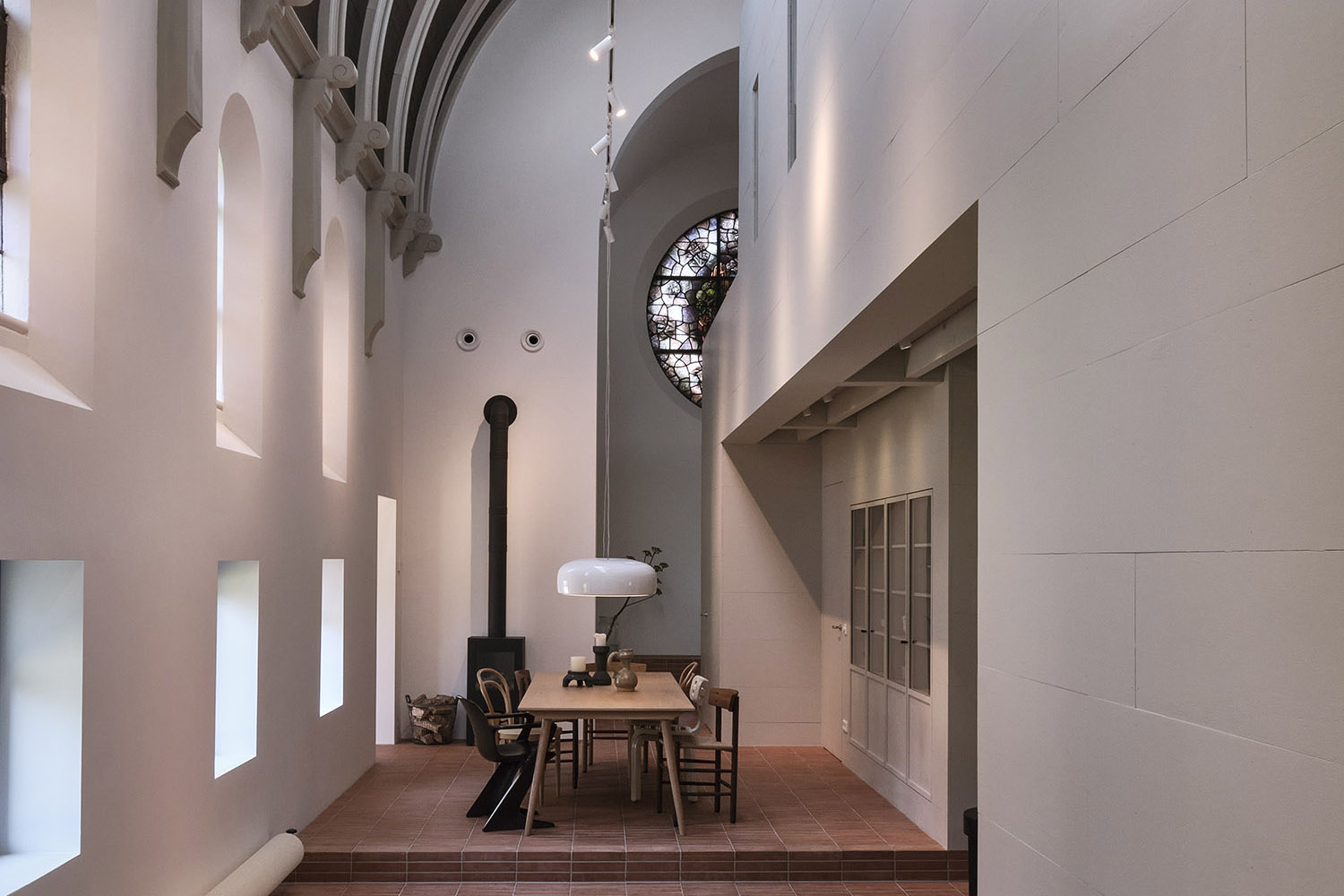
There is something inherently cinematic about a 1920s seminary. The towering brickwork, the echoing silence of a former chapel, and the weight of history that hangs in the air like dust motes in a shaft of light. But for a designer, these buildings are as much a challenge as they are a dream. Often cold, damp, and cavernously dark, they require more than just a fresh coat of paint—they require a radical reimagining.
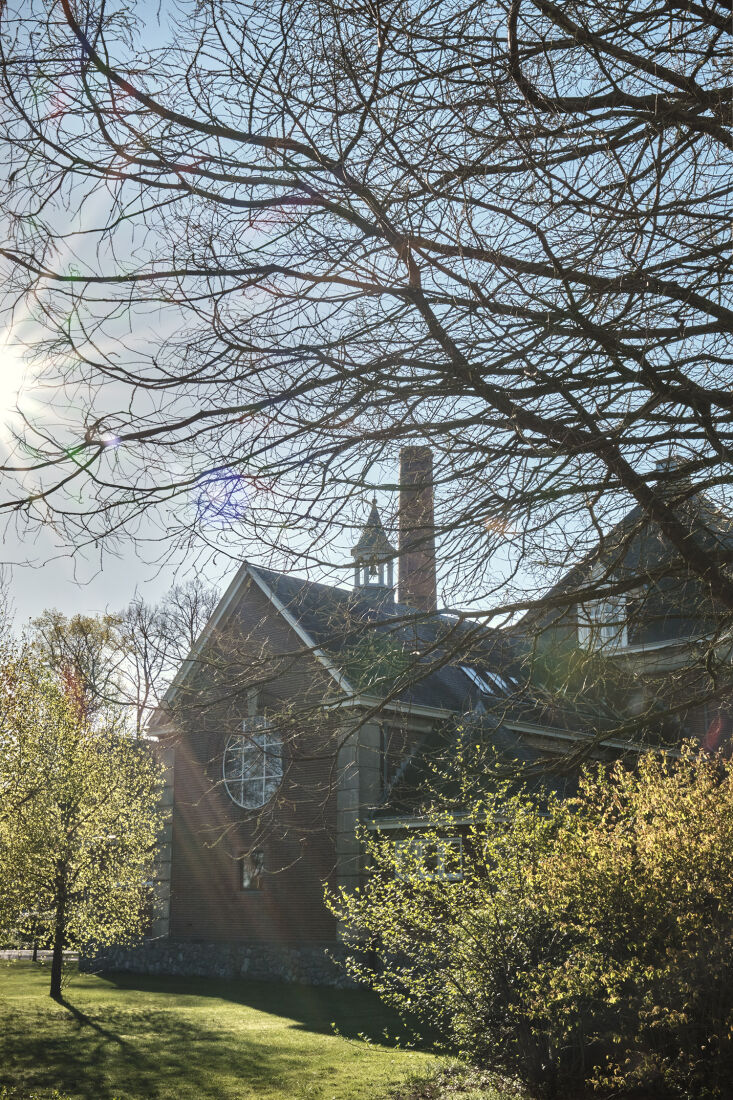
In the Dutch town of Heemstede, the Hageveld seminary complex has undergone such a metamorphosis. This isn't just a renovation; it’s a masterclass in adaptive reuse. Under the careful eye of Studio Ina-Matt, a 1923 chapel has been transformed from a dilapidated religious annex into a high-end, 2,260-square-foot residence. The result is a home that balances the monumental scale of its past with the intimate, tactile needs of modern living.
Solving the Light Problem in Historic Chapels
One of the greatest hurdles in church-to-home renovations is the inherent darkness of the original architecture. Designed for prayer and contemplation, 1920s chapels often feature high, small windows that prioritize atmosphere over illumination. When converting the Heemstede chapel, the primary question was: How can natural light be increased in a church conversion without compromising the historic facade?
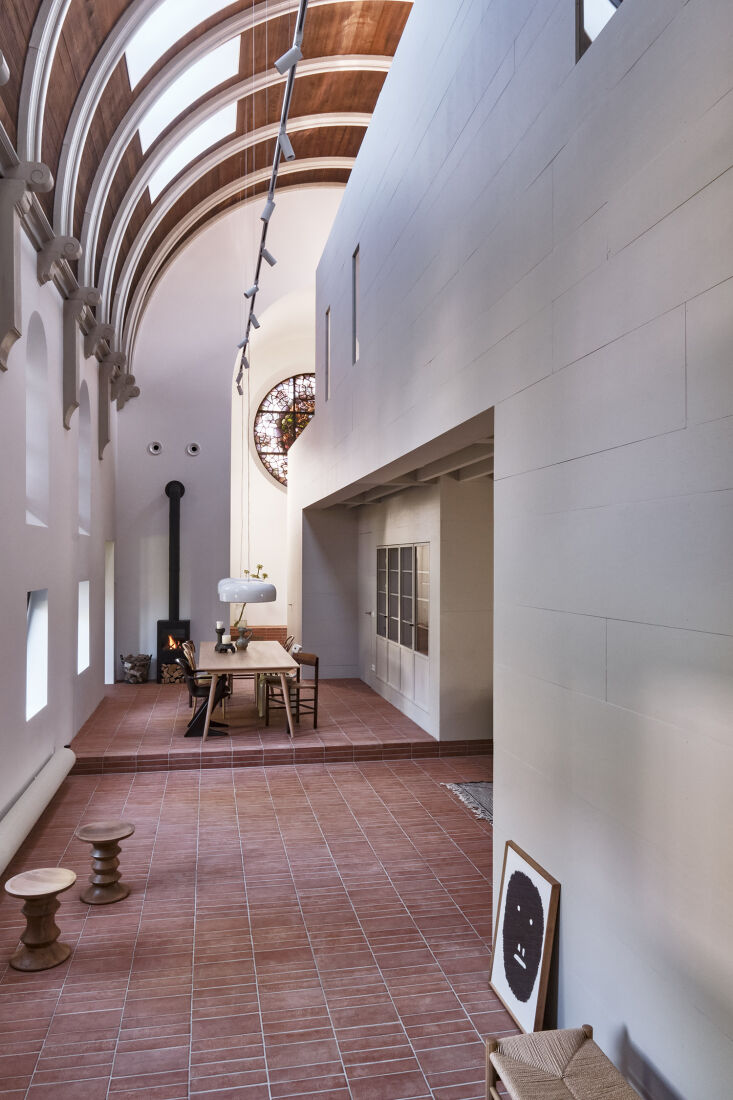
The solution by Studio Ina-Matt was two-fold and surgically precise. First, the architects installed rooftop skylights along the construction rim, allowing light to pour down from the highest point of the structure. Second, they introduced new, minimalist square windows directly beneath the existing stained-glass windows. This strategic placement preserves the "holy glow" of the original glass while bringing functional, eye-level light into the living spaces.
Ivy’s Tip: When working with historic glazing, don't try to replace it. Instead, "frame" it with modern, clear glass interventions nearby. This creates a dialogue between the old craftsmanship and modern utility.
Architectural Strategy: The 'Box-in-a-Box' Approach
To make a 100-year-old stone building habitable, you have to solve for more than just aesthetics—you have to solve for physics. Historic masonry is notoriously difficult to insulate. The strategy used here is what architects call a "box-in-a-box" conversion strategy.
This approach involves scooping out the dilapidated interior and shoring up the outer walls to grow a new, modern building inside the original historic shell. By doing this, the designers were able to maintain over 80% of the building's historical exterior massing while creating a thermally efficient, 2,260-square-foot residence that meets 21st-century standards for comfort. This "inner house" acts as a protective layer, shielding the residents from the humidity of the original Dutch red brickwork while allowing the exterior to remain untouched by intrusive insulation panels.
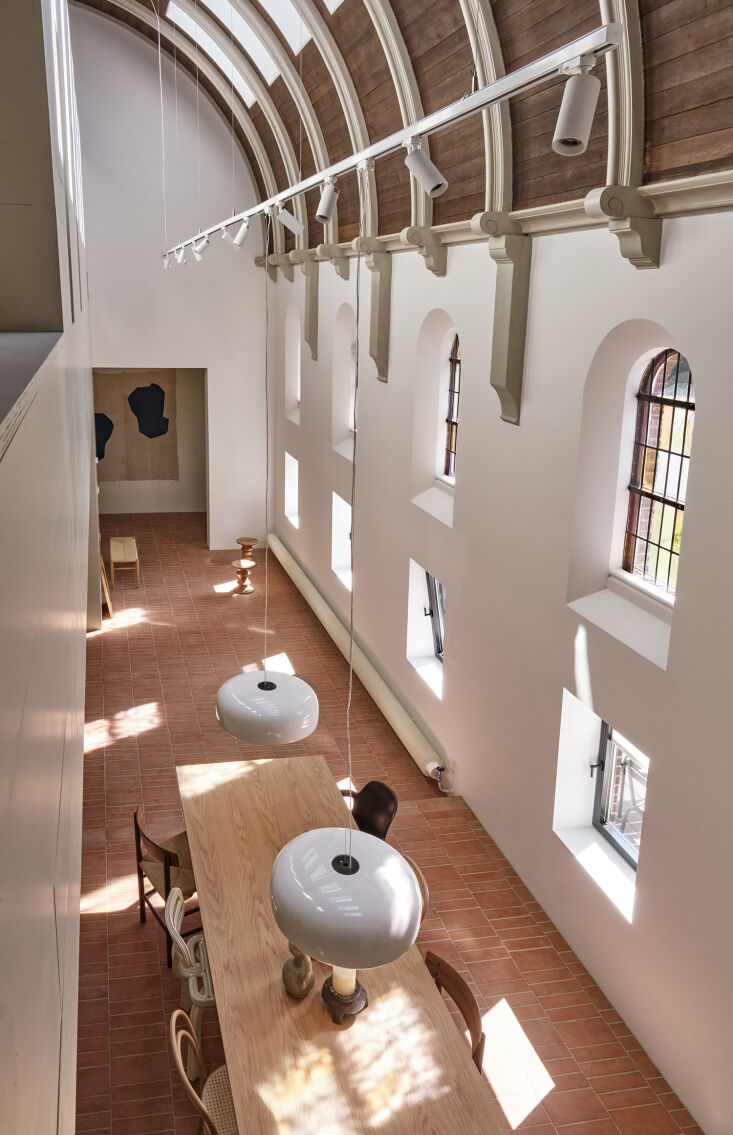
Selecting the Right Materials for Sacred Spaces
Materiality is where the soul of this project truly resides. In a space this large, cold materials like concrete or steel can feel unwelcoming. To counter this, Studio Ina-Matt leaned into a palette of warm, "honest" materials.
When renovating old chapels, the choice of paint is actually a technical necessity rather than just an aesthetic one. The architects utilized breathable mineral paints on the original interior walls. Unlike standard latex paints, mineral paints have an open structure that allows moisture to pass through, which is essential for preventing humidity buildup in century-old stone and brick.
| Material | Application | Design Benefit |
|---|---|---|
| Ash Veneer | Interior walls & cabinetry | Provides warmth and a "sculptural" finish |
| Terracotta Tiles | Flooring | Grounds the space with earthy, tactile texture |
| Mineral Paint | Original Masonry | Allows walls to "breathe" and prevents damp |
| Dutch Red Brick | Exterior | Preserves the 1923 historic character |
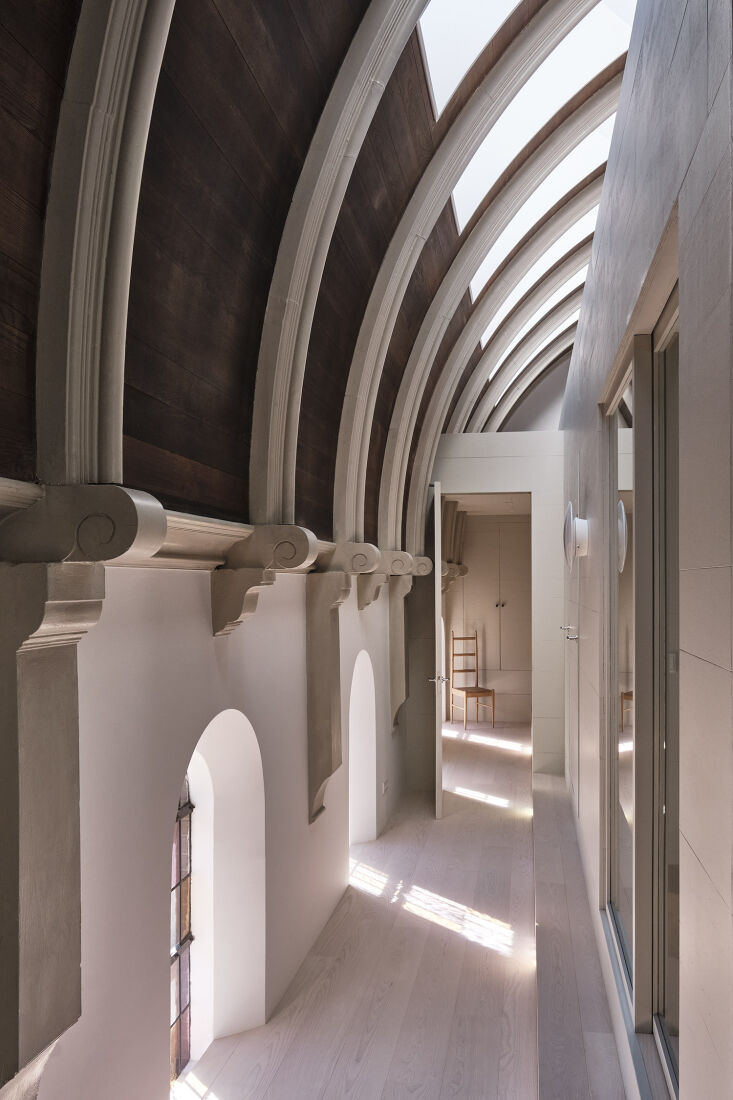
From Altar to Living Room: A Tour of the Heemstede Residence
Walking through the Heemstede residence feels like an exclusive tour through a gallery that just happens to be a home. The architects treated the highest-ceilinged areas as "indoor-outdoor" transition zones, maintaining the cathedral-like volume while carving out smaller, more intimate pockets for daily life.
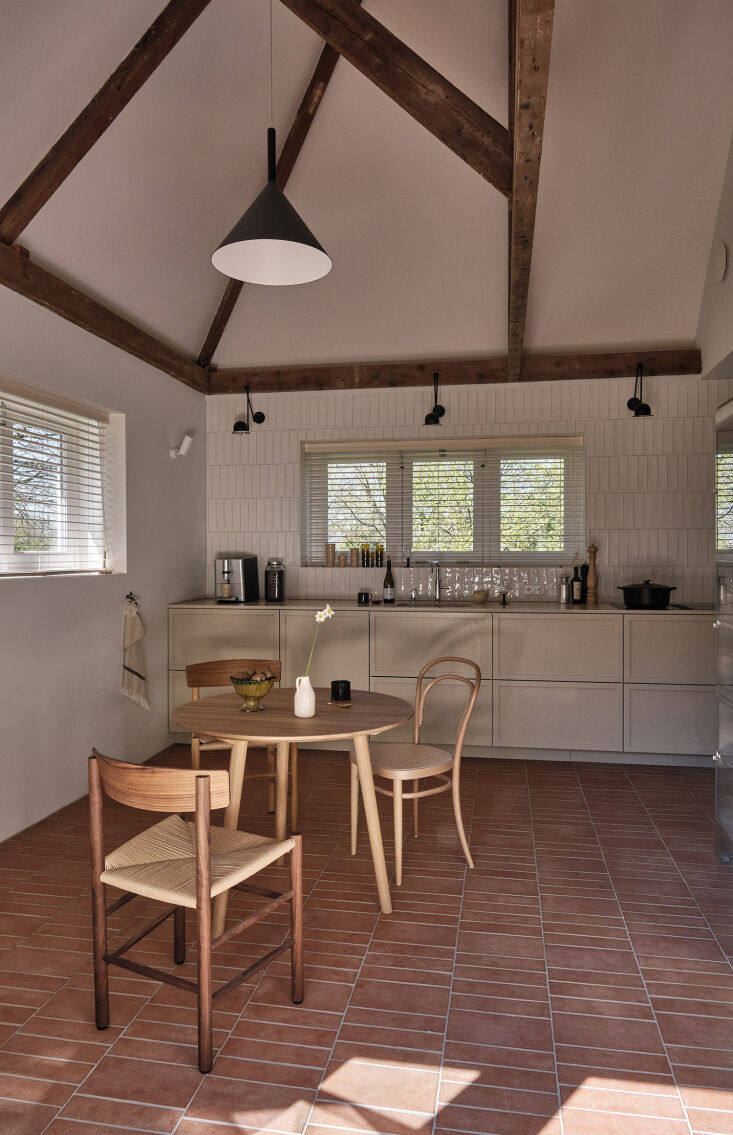
The Kitchen and Dining Hub
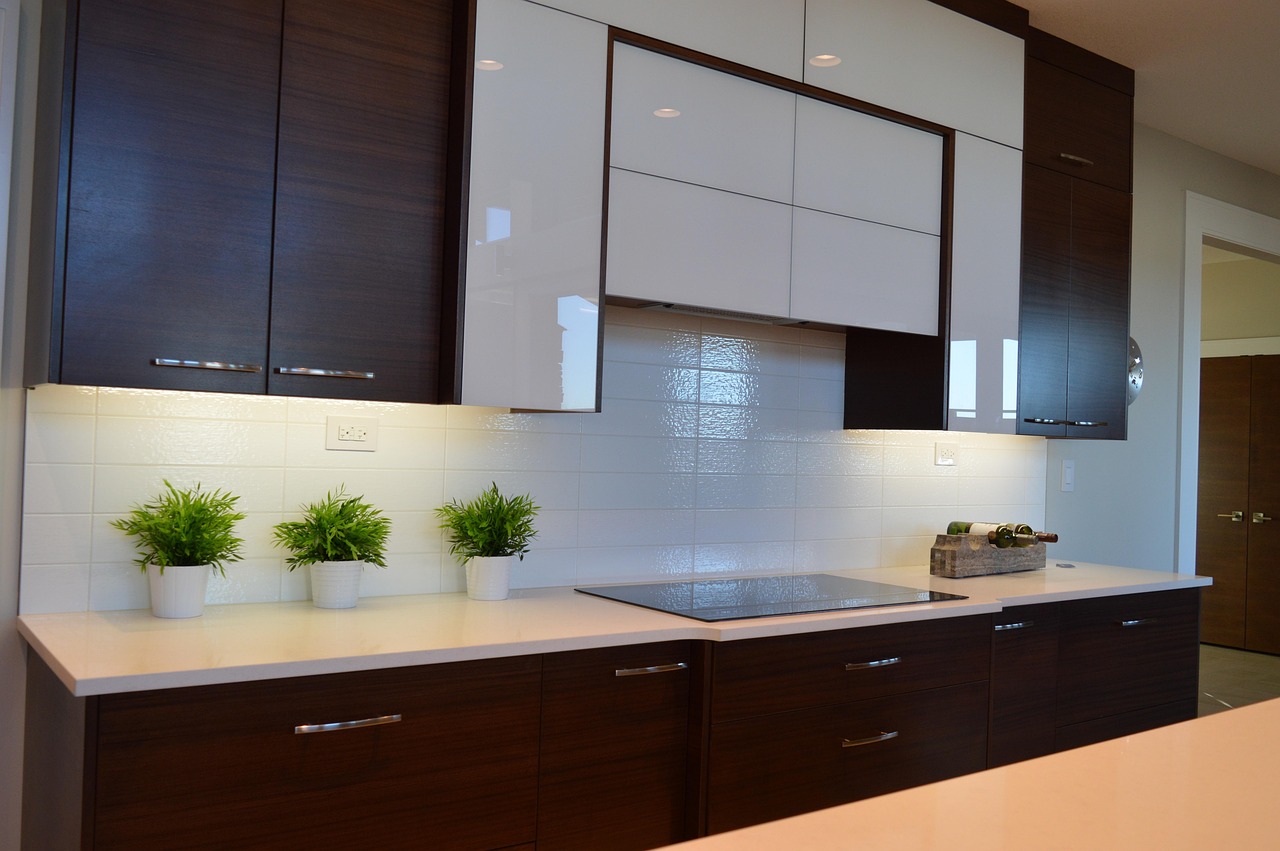
The heart of the home is the kitchen, where the scale of the chapel is most apparent. Here, industrial elements meet domestic warmth. The custom kitchen features deep wood cabinetry that contrasts beautifully with the monumental heights of the nave. To soften the acoustics of the high ceilings, the designers mixed vintage Moroccan rugs with iconic furniture pieces from &Tradition, creating a space that feels curated yet lived-in.
The Private Quarters
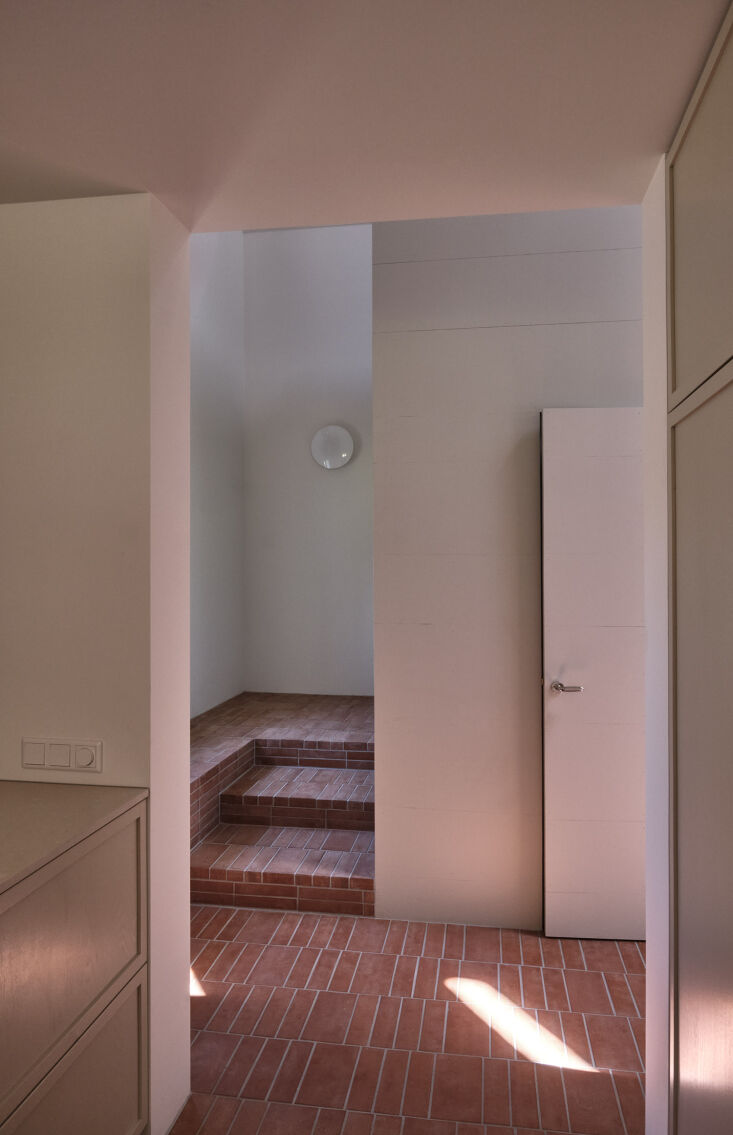
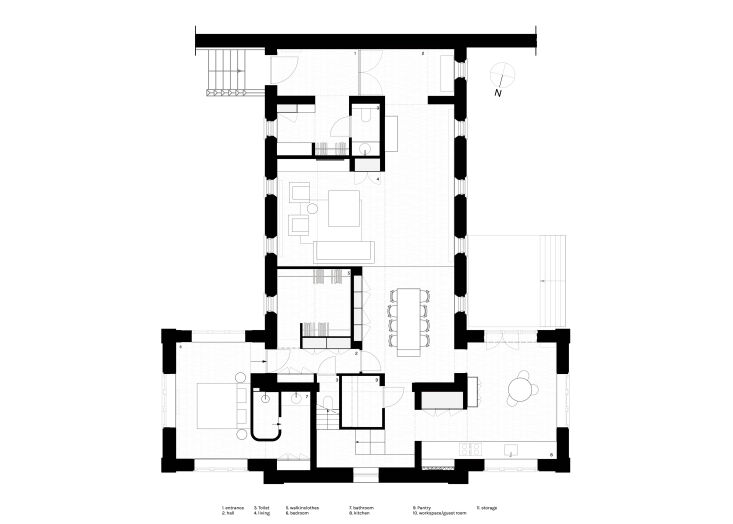
The "box-in-a-box" strategy is most evident in the private quarters. The residence features an efficient 3-bedroom layout that utilizes every square inch of the footprint. A highlight of the space-saving design is the "scullery" and laundry area tucked neatly under the staircase—a clever use of what would otherwise be dead space.
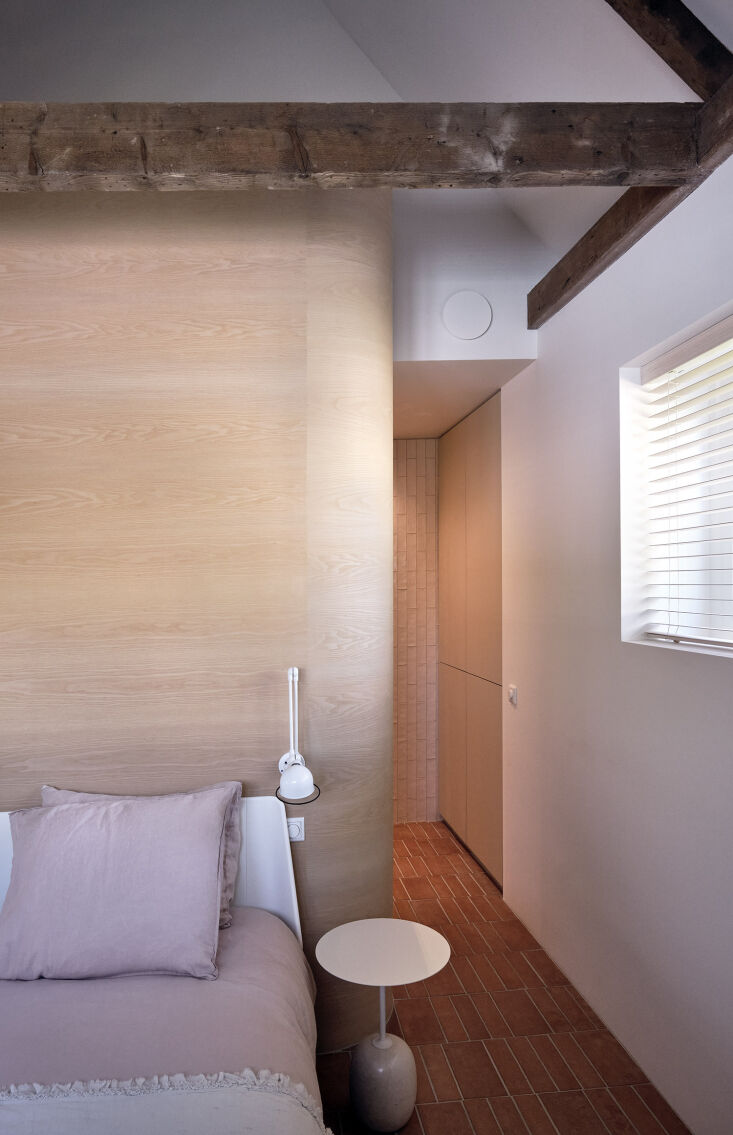
The bedrooms are enclosed within curved ash veneer walls. These curves serve a dual purpose: they break up the rigid geometry of the original chapel and create a "sculptural" interior that feels soft and protective. It is a house within a house, a sanctuary within a sanctuary.
The Logistics: Converting Surplus Church Property
The success of the Heemstede chapel conversion isn't just a win for design; it's a win for urban planning. As religious attendance shifts, many communities are left with surplus church property. Navigating the conversion of these buildings involves complex site control and "Option Agreements" for developers who must prove they can respect the heritage of the site.
Adaptive reuse like this creates what is known as the "Economic Halo Effect." By repurposing a dilapidated 1923 seminary into high-end housing, the project revitalizes the surrounding neighborhood, increasing property values and preserving the architectural fabric of the community.
Navigating the 'Landmark' Status: Preservation vs. Demolition
When dealing with a building from 1923, you are inevitably dealing with Historic District Commissions and a mountain of bureaucracy. Many developers see preservation as a hurdle, but the Heemstede project proves it is an opportunity.
The "Third Choice"—the path between total demolition and stagnant preservation—is Adaptive Reuse. By keeping the shell and inserting a modern core, the project achieves sustainability. It uses less carbon than a new build and provides a level of architectural character that modern construction simply cannot replicate.
The transformation of the Hageveld seminary is more than a "before and after" story; it is a blueprint for the future of our historic cities. It reminds us that with enough light, the right materials, and a "box-in-a-box" strategy, even the coldest ruins can become the warmest homes.
FAQ
How do you insulate a church conversion without ruining the look? The most effective method is the "box-in-a-box" approach. Instead of insulating the exterior walls directly, a new, self-supporting timber or steel frame is built inside the original stone shell. This creates a thermal break and allows the historic exterior to remain untouched.
Is it expensive to maintain a converted seminary? Initially, yes. However, using breathable materials like mineral paints and ensuring proper ventilation can prevent costly moisture and structural issues in the long run. Modernizing the HVAC systems during the "box-in-a-box" phase is crucial for energy efficiency.
Can any church be converted into a home? Most can, but the ease of conversion depends on the building's landmark status and local zoning laws. It is essential to work with architects experienced in "adaptive reuse" to navigate the specific structural and bureaucratic challenges of religious architecture.