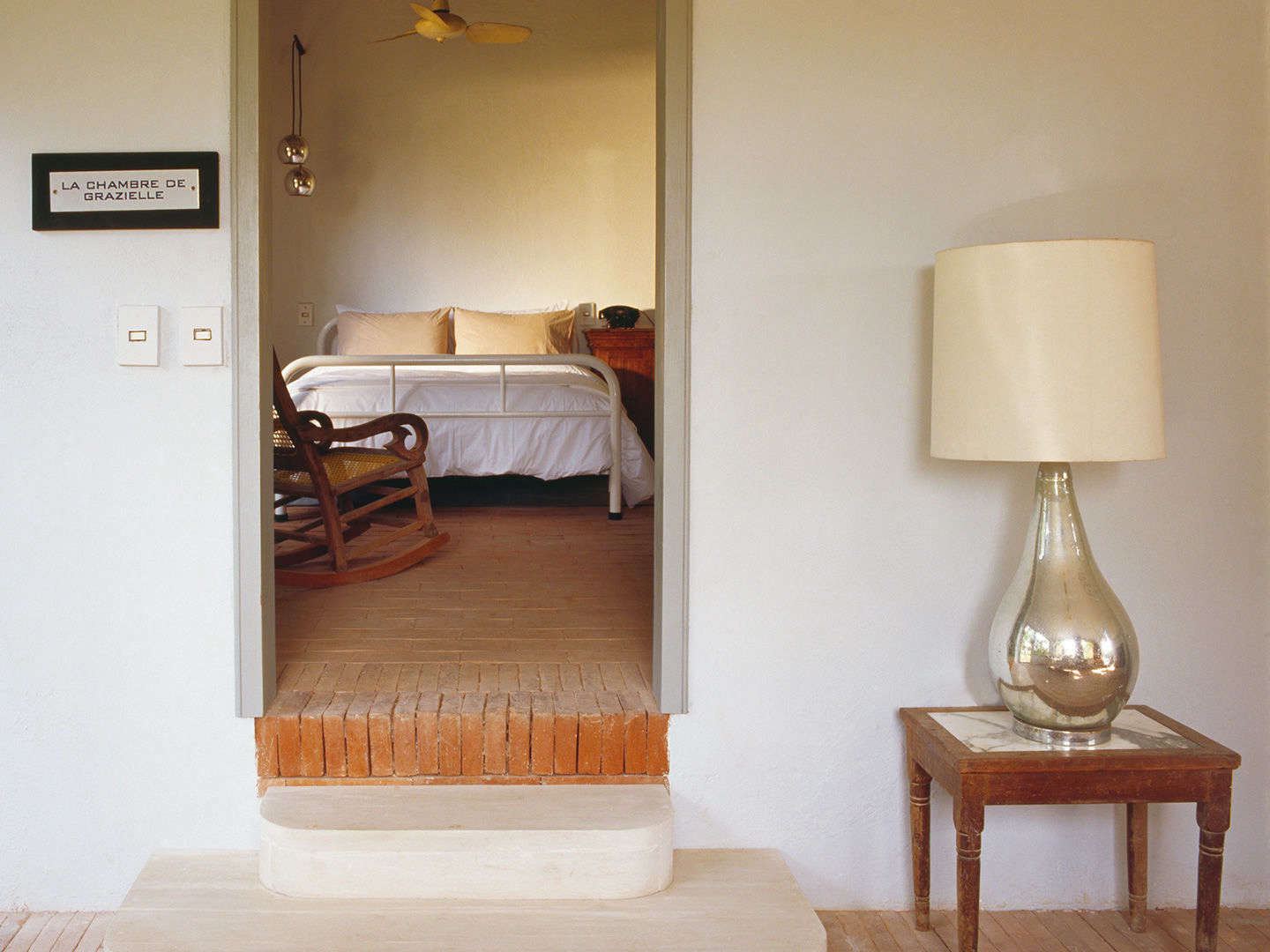
Imagine waking up in a room where the scent of salty Gulf air mingles with the faint, sweet aroma of aged wood and sun-warmed lime. In the town of San Rafael, Veracruz, history isn’t just kept in books; it lives within the walls of estates that bridge two worlds. In 1833, French immigrants settled in this lush Mexican landscape, bringing with them the refined silhouettes of 19th-century Europe and adapting them to the vibrant, humid climate of the tropics.
Today, this "Historical Fusion" is more than a niche architectural curiosity. Market analysis for 2026 interior trends reveals a staggering 45% increase in consumer demand for decor that blends European heritage with regional Latin American textures. This aesthetic—defined most famously by the breathtaking Maison Couturier—is a masterclass in restrained elegance. It is a style that favors the "honest" over the "perfect," utilizing limewashed walls, original brick flooring, and iron bed frames to create a sanctuary that feels both centuries-old and refreshingly modern.
To recreate a Veracruz-inspired bedroom with French heritage charm, one must embrace the tension between French Provincial sophistication and rustic Mexican utility. It is a dance between the hard (wrought iron, brick) and the soft (washed linen, alpaca wool), all bathed in a palette of warm, sun-kissed neutrals.
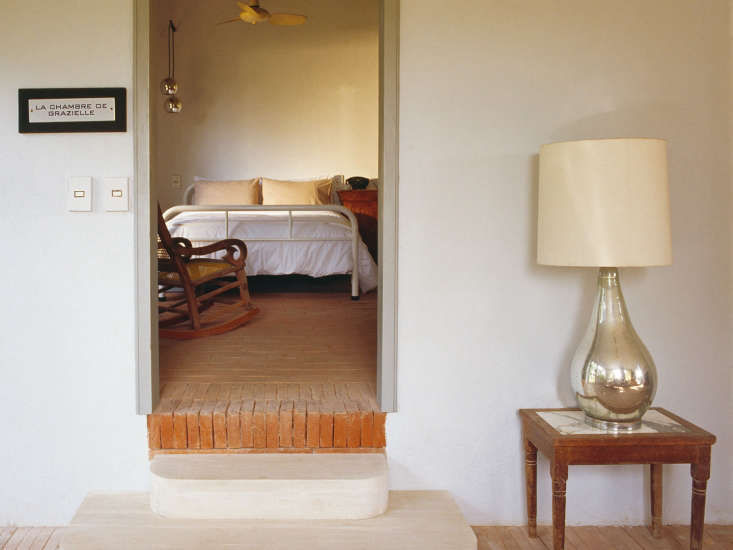
The Architectural Foundation: Limewash and Brick
The soul of a Veracruz-inspired room lies in its "breathability." In coastal climates, traditional latex paint often feels suffocating and can trap moisture. It’s no surprise, then, that 62% of high-end coastal renovations now prioritize authentic limewash finishes over standard paint. Limewash isn't just a color; it’s a living texture that develops a beautiful, mottled patina over time.
Creating the Maison Couturier Patina
To achieve that sought-after Maison Couturier look, avoid stark whites. Instead, opt for "bone," "tallow," or "oyster." The goal is a wall that looks like it has been bleached by the sun for a hundred years.
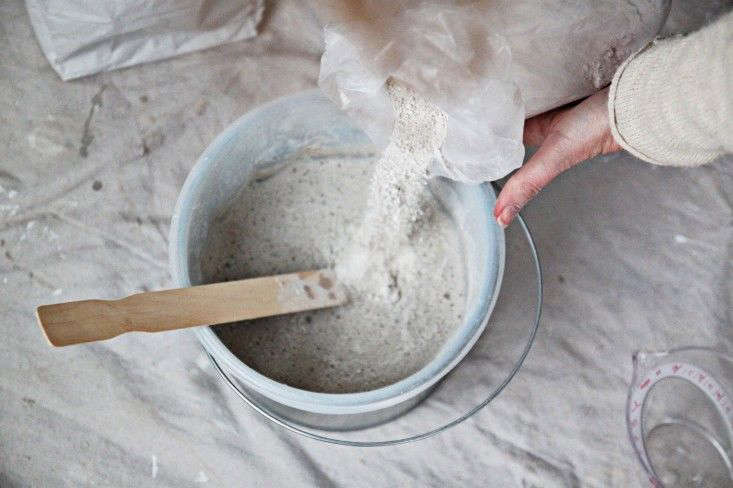
- Material Choice: Use a mineral-based lime paint. It reacts with the CO2 in the air to create a hard, breathable surface that resists mold—a must for any coastal-inspired space.
- Application Technique: Use a large masonry brush in "X" patterns. This creates the depth and movement characteristic of old-world European estates.
- The Flooring: Underneath, nothing grounds the space quite like reclaimed brick. If original brick isn't an option, look for thin-brick veneers in terracotta tones. The earthy red of the floor provides a stunning visual anchor for the airy, light walls above.
Pro Styling Tip: Don't feel the need to cover every inch of your brick floor with rugs. Leaving large swaths of raw, exposed brick helps regulate the room's temperature and maintains that rustic, "indoor-outdoor" Mexican estate feel.
Furniture: Wrought Iron Meets French Provincial
The furniture in a Veracruz-French bedroom should tell a story of immigration and adaptation. Imagine a French family arriving in the 1800s: they brought their refined sensibilities but had to use local materials and sturdy designs to survive the tropical humidity.
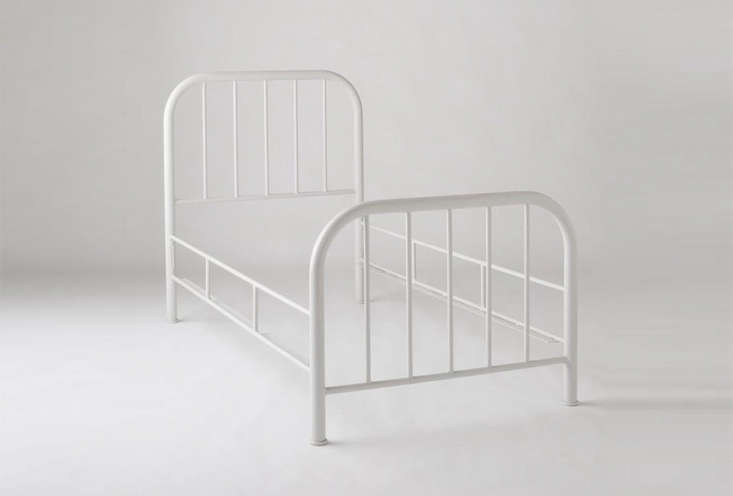
The undisputed centerpiece is the iron bed frame. While wood can warp or feel heavy in a coastal setting, wrought iron offers a sense of transparency and lightness.
- The Finish: While matte black is classic, "Factory White" or a distressed pewter finish adds a softer, more romantic French touch.
- The Silhouettes: Look for frames with simple, rounded finials or subtle scrollwork. You want the bed to feel architectural, not ornate.
To balance the industrial feel of the iron, introduce pieces with French Provincial curves. A bedside table with cabriole legs or a chest of drawers with scalloped carvings provides the necessary "heritage" element. The key is the finish—avoid high-gloss veneers. Instead, look for "weathered" or "scrubbed" wood that shows the grain.
Comparison: Traditional Coastal vs. Veracruz Heritage
| Element | Traditional Coastal | Veracruz Heritage (French Fusion) |
|---|---|---|
| Primary Material | Wicker & Whitewashed Wood | Wrought Iron & Reclaimed Brick |
| Wall Finish | Flat Latex Paint | Limewash or Raw Plaster |
| Furniture Style | Modern Minimalist | 19th-Century Provincial |
| Textile Focus | Cotton & Synthetics | Washed Linen & Alpaca |
Lighting: Mercury Glass and Tropical Airflow
In a Veracruz-inspired bedroom, lighting is less about "brightness" and more about "glow." The French influence brings a love for reflective surfaces that capture the flickering light of a candle or the soft amber of a vintage bulb.
Mercury glass (or silvered glass) is your secret weapon here. It possesses a double-layered wall with a silvering formula between the layers, creating a mottled, metallic finish that feels salvaged from an old chateau.
- Table Lamps: Place mercury glass lamps on either side of the iron bed. The "distressed" silver finish will catch the light even when the lamp is off, adding a touch of faded glamour.
- Ceiling Fans: In a tropical-inspired room, airflow is non-negotiable. To stay true to the aesthetic, avoid plastic blades. Look for the Minka Aire Artemis or fans with a hand-carved maple finish. They provide modern efficiency while mimicking the look of traditional wooden fans found in old Mexican haciendas.

Textiles and Linens: The Tactile Layer
Because the architectural elements of this style (brick, iron, lime) are inherently "hard," the textiles must do the heavy lifting to make the room feel like a cozy retreat. This is where you layer in the luxury.
- The Base: Start with washed linen sheets in "Blister Beige," "Slate Blue," or "Antique White." Linen is naturally antimicrobial and moisture-wicking, making it the gold standard for coastal living.
- The Layer: Add an alpaca wool blanket. While it might seem counterintuitive for a "coastal" room, alpaca is lighter and more breathable than sheep's wool. It adds a fuzzy, organic texture that contrasts beautifully with the smooth iron of the bed frame.
- The Prints: Incorporate botanical-print pillows that bridge the gap between Mediterranean flora (olive branches, lavender) and Mexican tropicals (palms, hibiscus). Stick to muted, sun-faded tones rather than bright neons.
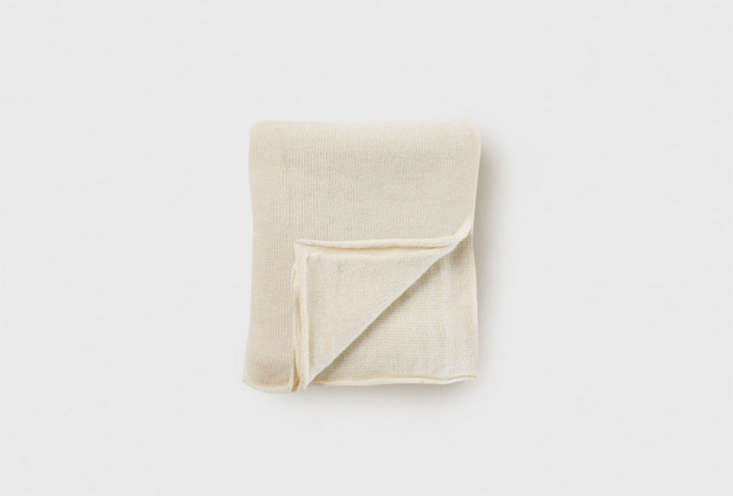
Historical Note: The use of alpaca and linen in these San Rafael estates wasn't just a style choice; it was a practical adaptation. French settlers preferred the durability of linen, while the proximity to Andean trade routes introduced them to the incredible thermal properties of alpaca wool.
Decor Accessories: The Final Curation
The "Veracruz-French" look is defined by a sense of "collected over time." You want the room to look as though it has been inhabited by a family for generations.
- Vintage Accents: A vintage rotary telephone on a bedside table or a 19th-century mercury glass mirror leaned against a wall adds immediate soul. These pieces act as "anchors" that prevent the room from feeling like a generic showroom.
- Color Palette: While the walls and bed are neutral, use your accessories to pull in the colors of the Veracruz landscape. Think seafoam green, slate blue, and terracotta.
- Natural Fibers: A single rattan chair in the corner or a cane headboard can soften the transition between the iron bed and the brick floor, providing that "breezy" tropical finish.

FAQ: Achieving the Look on a Budget
Q: I can't afford real reclaimed brick. How can I get the look? A: Look for high-quality "thin-brick" porcelain tiles. They are much cheaper, easier to install, and when grouted correctly, are almost indistinguishable from the real thing. Alternatively, a large, jute rug in a terracotta hue can mimic the warmth of a brick floor.
Q: Limewashing seems complicated. Can I just use matte paint? A: Standard matte paint lacks the reflective depth and "mottled" look of lime. If you're on a budget, look for "limewash-effect" paints. They are acrylic-based but formulated to dry with the streaky, chalky appearance of real lime.
Q: How do I keep the room from feeling too 'cold' with an iron bed? A: The secret is in the "High-Low" balance. Surround the "hard" iron bed with "soft" textures: gauzy floor-to-ceiling curtains, a thick alpaca throw, and plenty of plush linen pillows. The contrast is exactly what makes the style work.
Bringing the Estate Home
Creating a Veracruz-inspired bedroom isn't about perfectly replicating a 19th-century museum; it’s about capturing a specific feeling. It’s the feeling of a slow afternoon where the boundaries between the indoors and the outdoors blur. By focusing on breathable materials like limewash and linen, and grounding the space with the historical weight of iron and brick, you create more than just a bedroom—you create a retreat with a story to tell.
Whether you're in a city apartment or a beachside cottage, this blend of French heritage and coastal Mexican charm offers a timeless blueprint for sophisticated, soulful living.