The Urban Space Dilemma: Rethinking the Guest Room
We’ve all been there: the holiday season is approaching, or a close friend is visiting for the weekend, and you’re suddenly faced with the "small apartment puzzle." In the era of high-density urban living, the luxury of a dedicated, perennially empty guest room is becoming a thing of the past. As we transition our spare rooms into functional home offices or creative studios, the need for flexible, high-quality sleeping solutions has never been more urgent.
Market data shows a 35% increase in consumer interest for modular furniture like stackable beds among urban residents living in apartments under 600 square feet. It’s no longer just about "making do" with a dusty air mattress; it’s about choosing pieces that elevate our homes while respecting our square footage.
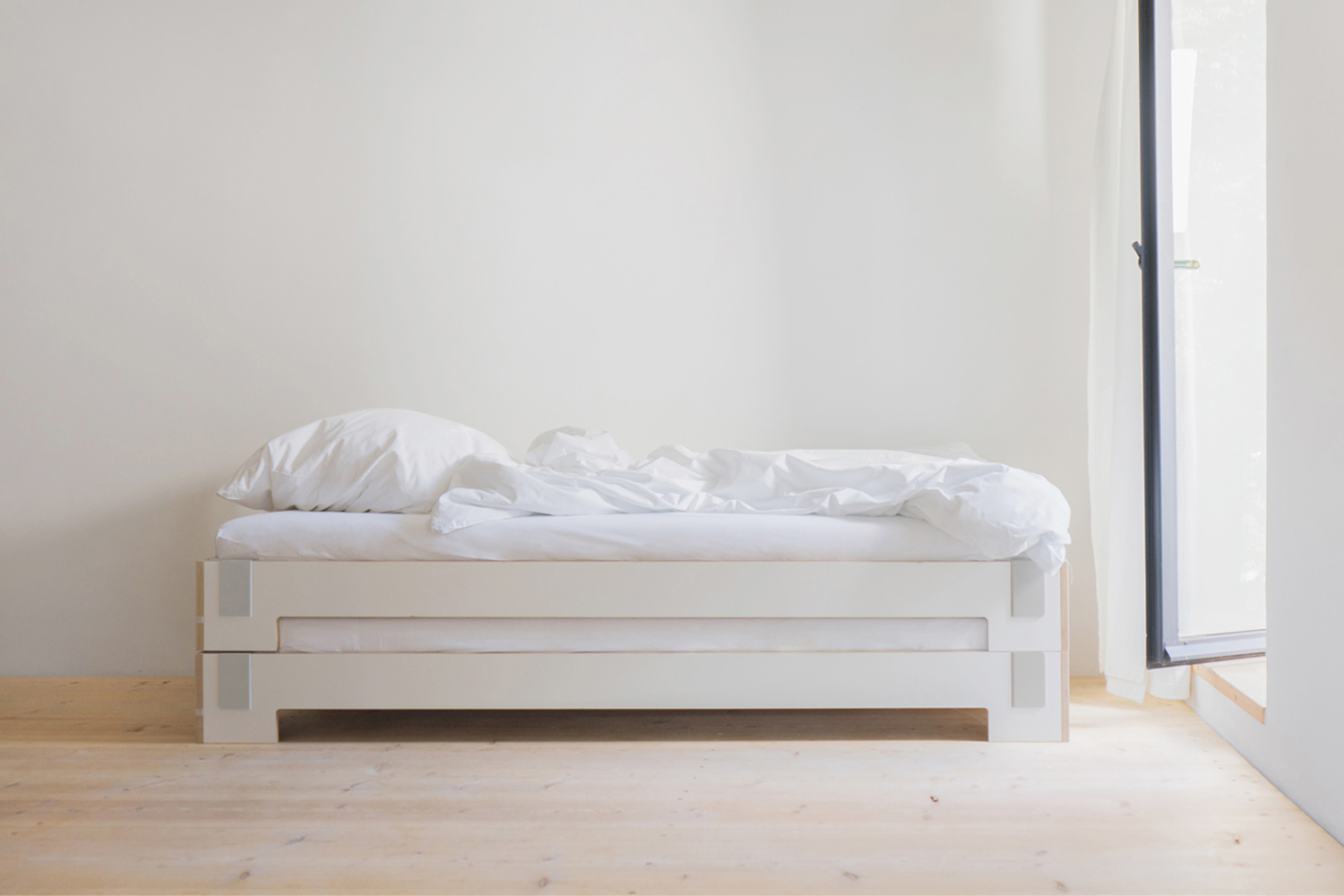
A stackable bed system is perhaps the most elegant answer to this dilemma. It consists of two identical bed frames designed to sit securely one on top of the other. When stacked, they function as a single twin bed or a sophisticated daybed/sofa. When guests arrive, they can be separated into two twin beds or pushed together to create a side-by-side double bed. This allows you to reclaim your floor space during the week while providing a permanent, high-comfort sleep solution that far surpasses the experience of a folding cot.
Why Stackable Beds Are the Ultimate Small-Home Hack
For the modern dweller, space is the ultimate currency. Expert product testing indicates that high-quality stackable beds can reduce the physical footprint of guest sleeping quarters by up to 50% when in their stored configuration. Unlike sofa beds, which often have thin, uncomfortable mattresses and heavy mechanical frames, stackable beds use standard (albeit low-profile) mattresses, ensuring your guests wake up refreshed rather than aching.
These systems are particularly transformative for home offices and children's rooms. In a home office, a stacked set of beds acts as a minimalist reading nook. In a child's room, it provides an instant solution for sleepovers without the permanent bulk of a trundle or bunk bed. By choosing a design-forward frame, you aren't just adding a bed; you're adding a piece of architectural furniture that adapts to your life.
10 Best Stackable Beds for Small Homes: Stylish Space-Saving Solutions (2025)
| Model | Material | Price (Approx.) | Best For |
|---|---|---|---|
| IKEA UTÅKER | Solid Pine | $447 (Set) | Budget-conscious DIYers |
| Müller Stacking Bed | Birch Plywood | $1,075 (Single) | Design purists & collectors |
| Toro Bed | Anodized Aluminum | $1,200+ | Minimalist, modern interiors |
| Zeitraum Guest | Solid Hardwood | $2,100+ | Luxury guest suites |
| Tagedieb Bed | Birch Plywood | $950 | Industrial/Tool-free aesthetic |
| Lönneberga Bed | CPL Coated Plywood | $800 | Contemporary European style |
| Hasena Amigo | Solid Beech | $600 | Natural, eco-friendly homes |
| Klara Frame | Engineered Wood | $350 | Temporary/Short-term use |
| Modern Twin Metal | Powder-coated Steel | $400 | Industrial lofts |
| Habitat Hanna | Solid Oak/Pine | (Vintage Only) | Sustainable second-hand finds |
1. The Budget Icon: IKEA UTÅKER Stackable Bed
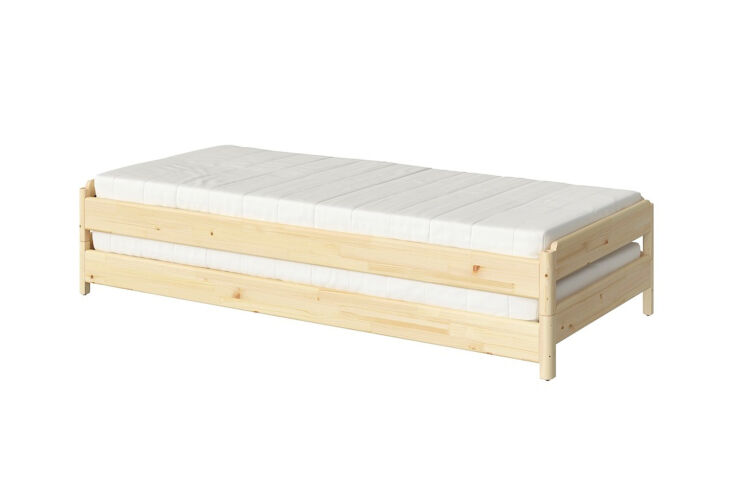
The UTÅKER has become a cult favorite for a reason. Crafted from solid, unfinished pine, it offers a sturdy foundation that you can easily customize with paint or stain to match your decor. It includes safety straps to keep the frames secure when stacked.
Ivy’s Tip: Don't leave the pine raw. A light white-wash or a sophisticated charcoal stain can make these $447 frames look triple their price.
Pros & Cons: IKEA UTÅKER
- Pros: Incredible value for a two-frame set; highly customizable; lightweight and easy to move.
- Cons: Basic aesthetic; requires assembly; pine is a softer wood and may show "character" (dents) over time.
2. The Design Classic: Müller Stacking Bed (Rolf Heide, 1966)
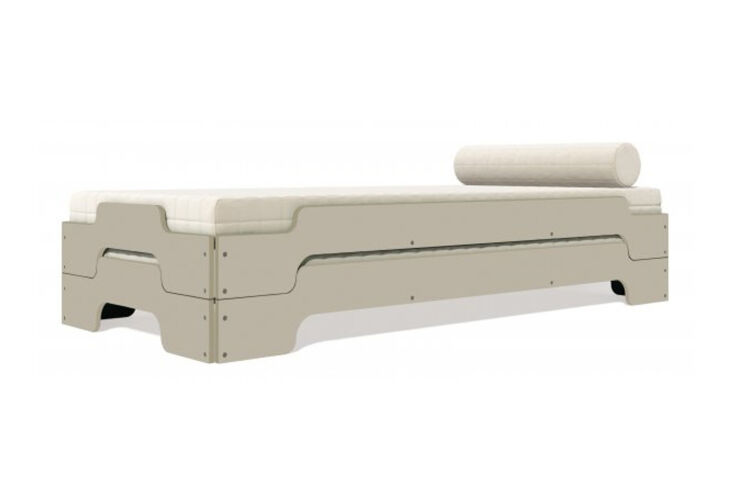
Designed by Rolf Heide in 1966, this is the design that launched the category. Its iconic curved edges and high-quality birch plywood construction make it a museum-worthy piece that remains incredibly practical. It’s so stable it can be stacked up to 10 units high in storage.
Pros & Cons: Müller Stacking Bed
- Pros: Timeless mid-century design; exceptional durability; available in a wide range of vibrant colors.
- Cons: High price point per frame; shipping from Europe can be costly.
3. The Lightweight Modernist: Toro Bed by Gil Coste
If wood feels too heavy for your space, the Toro Bed is a revelation. Utilizing anodized aluminum, it is incredibly lightweight and features a design where the bottom frame nearly disappears when stacked, creating a sleek, monolithic look.
4. The Luxury Timber Choice: Zeitraum Guest Stacking Bed
For those who appreciate the tactile beauty of solid hardwood, the Zeitraum Guest bed—designed by Hertel & Klarhoefer—is the pinnacle of craftsmanship. Available in solid ash, oak, or walnut, the joinery is so precise that the beds lock together with satisfying clicks.
Pros & Cons: Zeitraum Guest
- Pros: Heirloom quality; stunning natural wood grains; no visible hardware.
- Cons: Significant investment; requires specific low-profile mattresses to maintain the "stacked" look.
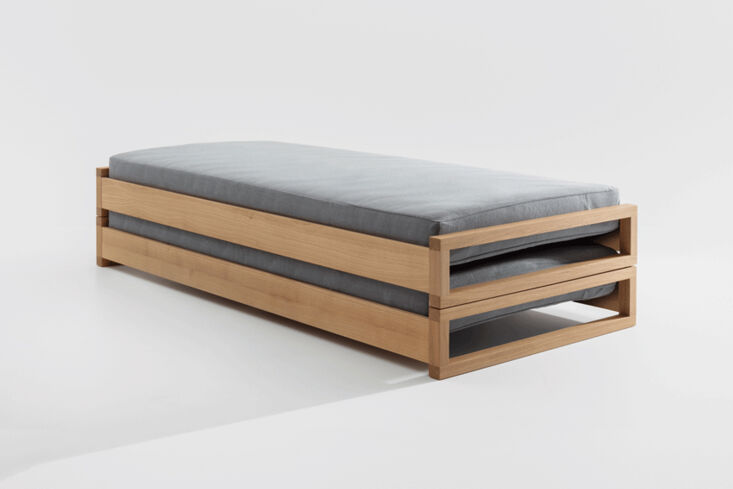
5. The Plywood Innovator: Tagedieb Stacking Bed (Nils Holger Moormann)
The Tagedieb (German for "daythief") is a masterclass in clever engineering. It uses a tool-free visual aesthetic where the components slot together, celebrating the raw edges of birch plywood. It’s perfect for a creative professional’s home.
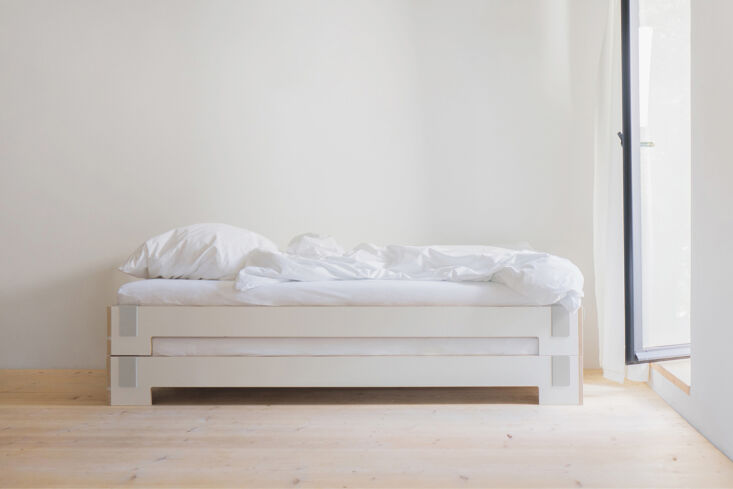
6. The European Favorite: Lönneberga Stacking Bed
Designed by Alexander Seifried, the Lönneberga offers a slightly more contemporary, "boxy" look compared to the Müller. It’s often used in high-end European hostels and boutique hotels because of its rugged durability and clean lines.
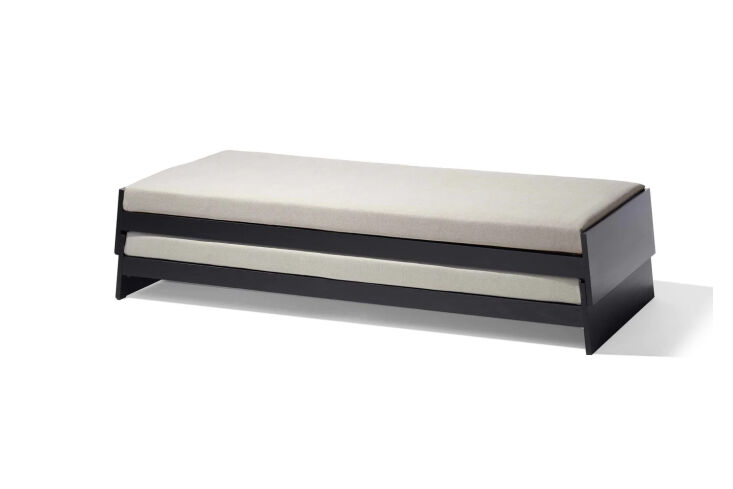
7. The Natural Choice: Hasena Amigo
If you prefer the warmth of solid wood but find the Zeitraum out of budget, the Hasena Amigo in white-stained beech is a fantastic middle ground. It offers a soft, organic feel that works beautifully in Scandinavian-inspired rooms.
8. The Budget Expansion: Klara Expandable Frame
While technically an expandable system, the Klara functions on the same principle of nested frames. It's a great choice for those who want a single-bed look that can "grow" into a double without needing to lift one frame off the other.
9. The Industrial Look: Modern Twin Metal Stacking Frames
Often found on sites like Wayfair or Amazon, these powder-coated steel frames provide a more industrial, utilitarian look. They are excellent for teenage boys' rooms or basement guest areas where durability is the priority.
10. The Second-Hand Gem: Habitat Hanna
The Habitat Hanna was a staple of UK design for years. While currently discontinued, it is a highly sought-after gem on the secondary market (eBay/Facebook Marketplace). Its solid oak construction and simple, sturdy lines make it a vintage win.
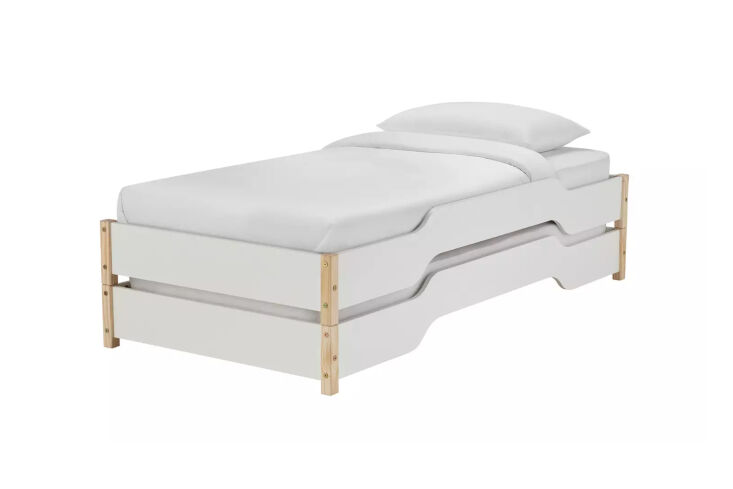
Buyer’s Guide: How to Choose Your Stacking System
When you're ready to invest in a stackable bed, don't just shop for looks. Here are the technical details that separate a good night’s sleep from a frustrating experience:
Safety Features
The most critical aspect is stability. High-quality beds will feature purpose-drilled holes where the legs of the top bed nest into the frame of the bottom bed. Others use safety straps or anti-slip pads. If the beds are for a children's room, ensure they meet local safety standards for entrapment and stability.
Material Matters
- Solid Wood: Best for longevity and a "warm" feel. Oak and walnut are durable but heavy; pine is affordable but softer.
- Aluminum/Metal: Lightweight and modern. Best for rooms where you’ll be moving the beds frequently.
- Plywood: Offers a great balance of strength and flexibility. Look for birch plywood for the best structural integrity.
The "Mattress Trap"
This is the most common mistake I see. Most stackable beds are designed for low-profile mattresses, typically between 4 to 5 inches thick. If your mattresses are too thick, the top frame will not sit securely on the bottom frame, or the "stacked" configuration will look awkwardly tall and unstable. Always check the manufacturer's recommended mattress height before buying.
Small Space Styling Tips: From Bed to Sofa
The magic of a stackable bed is its dual identity. Here is how I suggest styling them in a standard 12' x 14' multi-functional room:
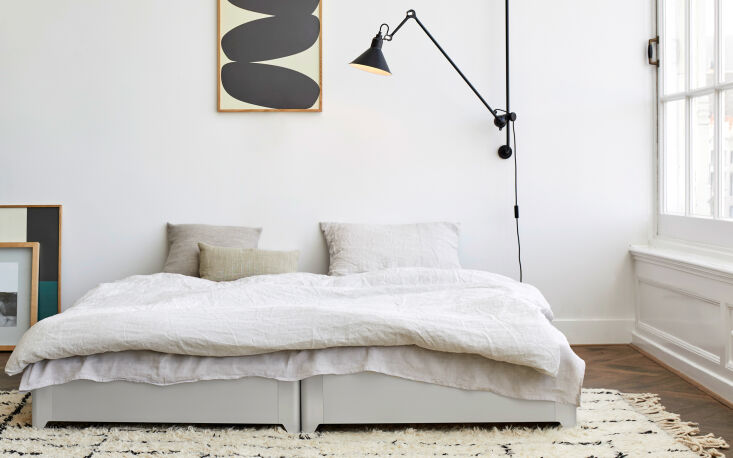
- The Daybed Transformation: When stacked, push the bed against a long wall. Use large, firm "Euro" pillows (26x26) against the wall to act as a sofa back. Add a textured throw to hide the seam between the two frames.
- Corner Placement: If the room is tight, placing the stacked bed in a corner creates a cozy "nook" feeling. Use a small, movable side table that can act as a nightstand when the beds are separated.
- The "L" Configuration: For guest rooms, you don't always have to put the beds side-by-side. Placing them in an "L" shape in a corner creates a more social lounge area and keeps the center of the room open.
Expert Insight: "By treating the stacked bed as a primary piece of lounge furniture rather than 'stored bedding,' you elevate the entire room's aesthetic." — Ivy Chen
FAQ
Are stackable beds comfortable for adults? Absolutely. Because they use real mattresses and slatted bases (rather than the "trampoline" effect of a folding bed), they provide the same support as a standard twin bed. The only limitation is the weight capacity of the frames, which should be checked for each model.
Can I use any mattress with a stackable bed? No. You must use a low-profile mattress (usually 4–6 inches) so that the frames can stack properly. Standard 10-inch mattresses will prevent the top frame from locking into the bottom one.
Do I need a box spring? No. Stackable beds almost always come with built-in wooden slats or a solid base, making a box spring unnecessary.
Conclusion
The shift toward modular living isn't about making our lives smaller; it's about making our furniture smarter. A well-chosen stackable bed is a testament to the idea that functionality and high design can coexist. Whether you opt for the budget-friendly IKEA UTÅKER or the iconic Müller Stacking Bed, you're investing in a piece of furniture that respects your space and your guests.
Ready to reclaim your floor? Start by measuring your room and choosing a material that speaks to your personal style.