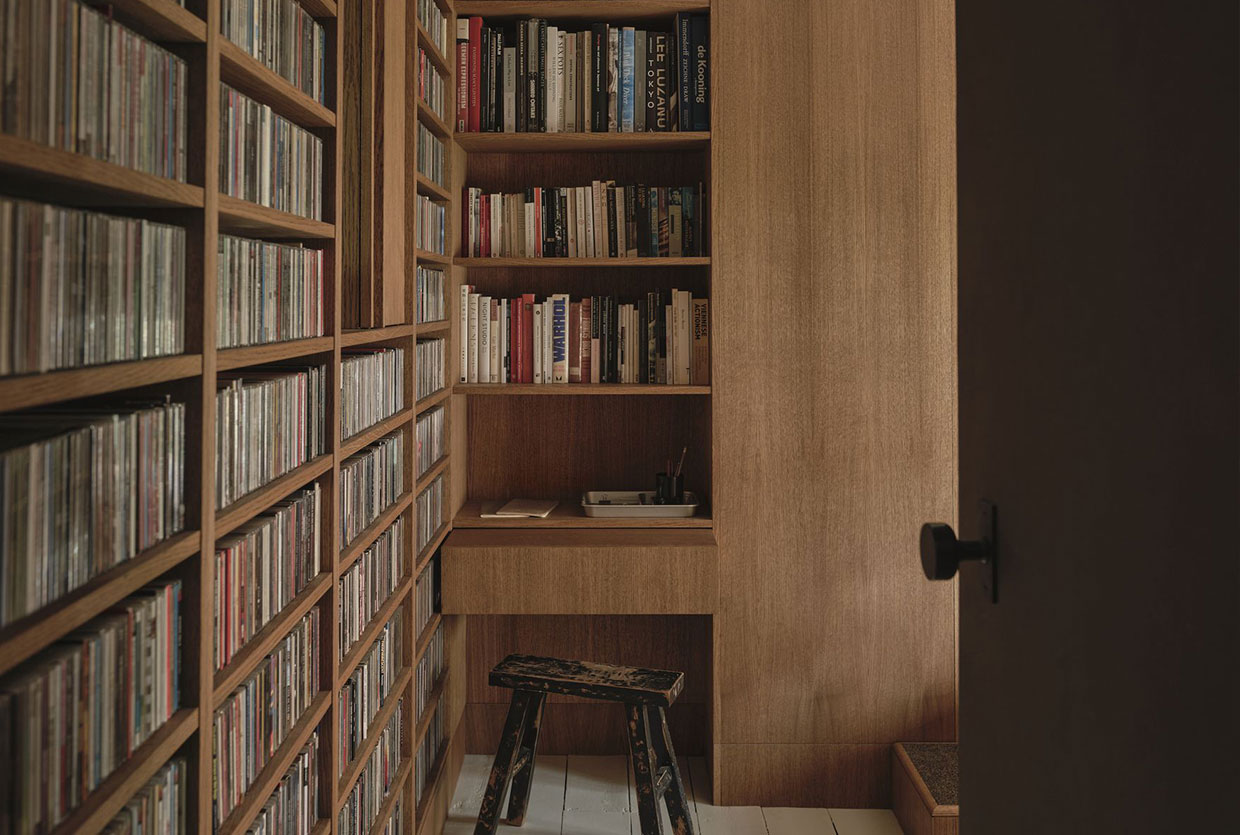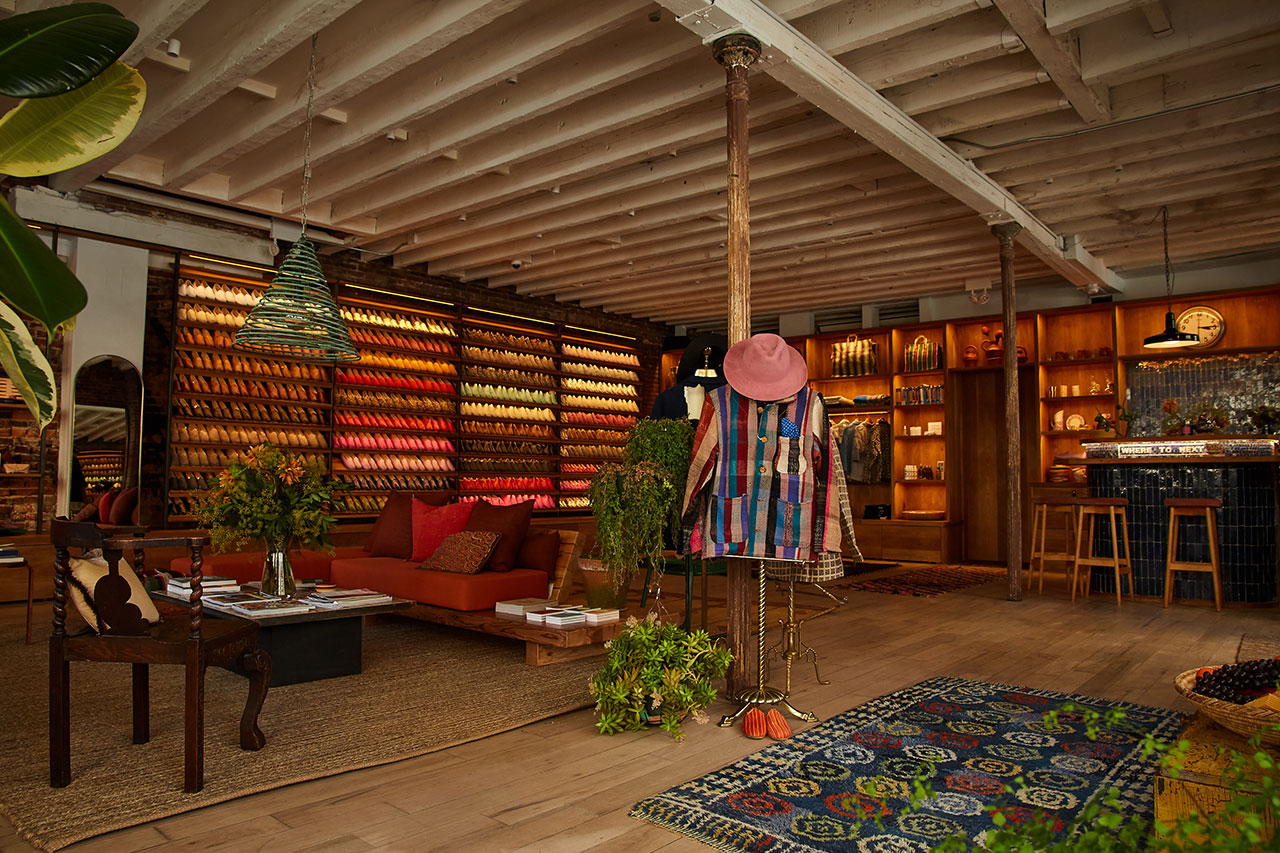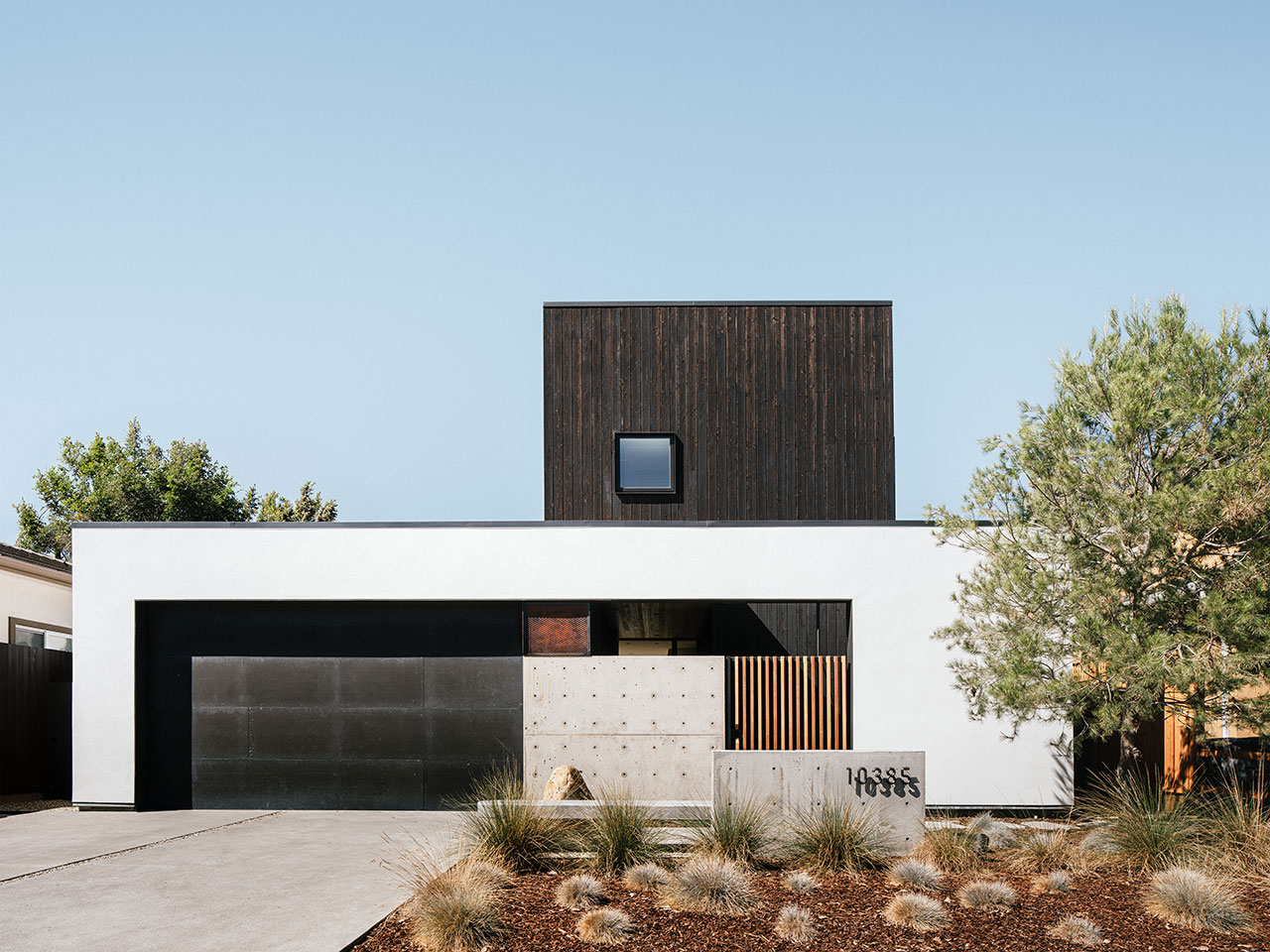
In the quiet, sun-drenched neighborhoods of Palo Alto and the coastal bluffs of Santa Monica, a quiet architectural rebellion is taking place. For decades, the California home was defined by the sprawling backyard—a private, often underutilized patch of lawn tucked behind a suburban fortress. Today, that paradigm is shifting. As urban density increases and the desire for restorative "wellness spaces" grows, homeowners are looking inward. The rise of the modern California courtyard house represents more than just an aesthetic trend; it is a sophisticated response to the need for privacy, sustainability, and a deeper connection to the natural world.
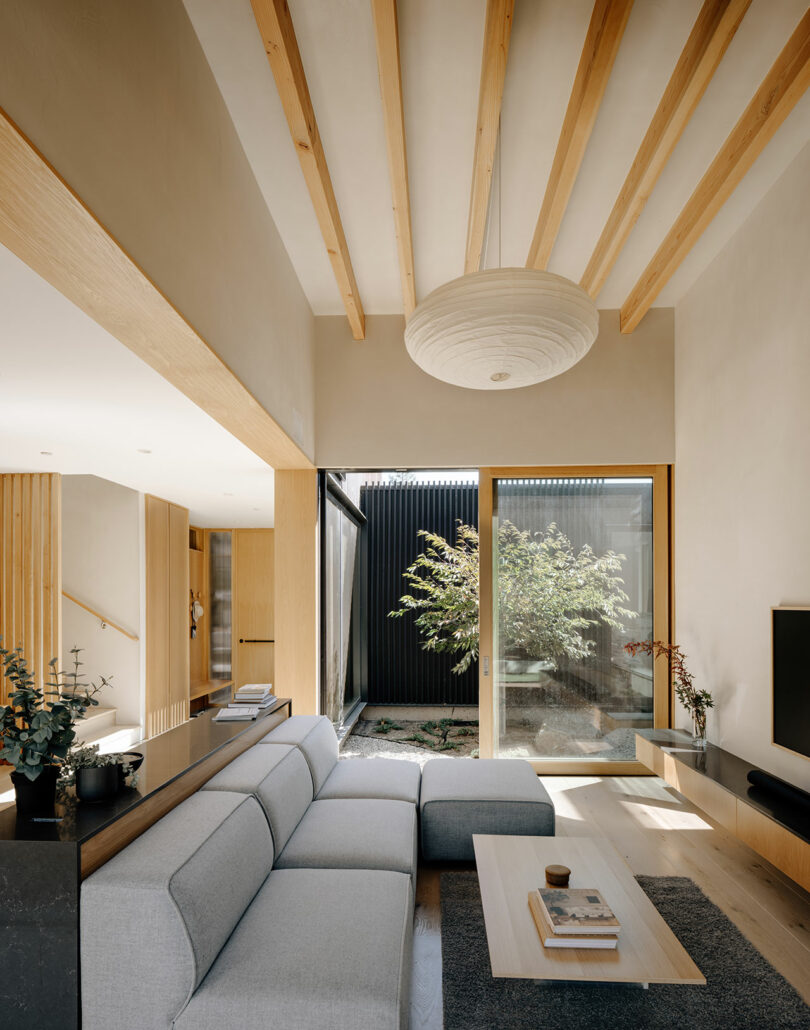
The modern California courtyard house focuses on 'seamless transitions' by blurring the lines between interior and garden. By using floor-to-ceiling glass doors, traditional Japanese elements like the engawa (porch), and a palette of natural materials like oak, clay plaster, and slate, these homes create a sanctuary that feels miles away from the street. Interestingly, industry analysis indicates a 45% surge in homeowner interest for front-entry courtyards. This reflects a significant shift toward utilizing the front of the property as a semi-private social sanctuary—a buffer zone that offers both security and a sense of community.
The Japanese Influence: Serenity Meets Silicon Valley
The current evolution of California architecture owes a profound debt to Japanese design philosophy. It’s a marriage of "Serenity and Silicon Valley," where high-tech efficiency meets low-tech, ancient wisdom. This isn't just about "Zen" aesthetics; it’s about the functional integration of the home into its environment.
One of the most prominent features making a comeback in 2026 is the genkan—a traditional Japanese threshold designed for shoe removal. Beyond its cultural roots, the genkan serves a modern sustainable purpose: keeping pollutants and allergens out of the living space, thereby improving indoor air quality. Complementing this is the use of shou sugi ban (charred wood) siding. This ancient Japanese technique of charring cypress or cedar creates a facade that is naturally resistant to fire, rot, and insects—making it an ideal choice for the drought-prone, fire-conscious landscape of California.
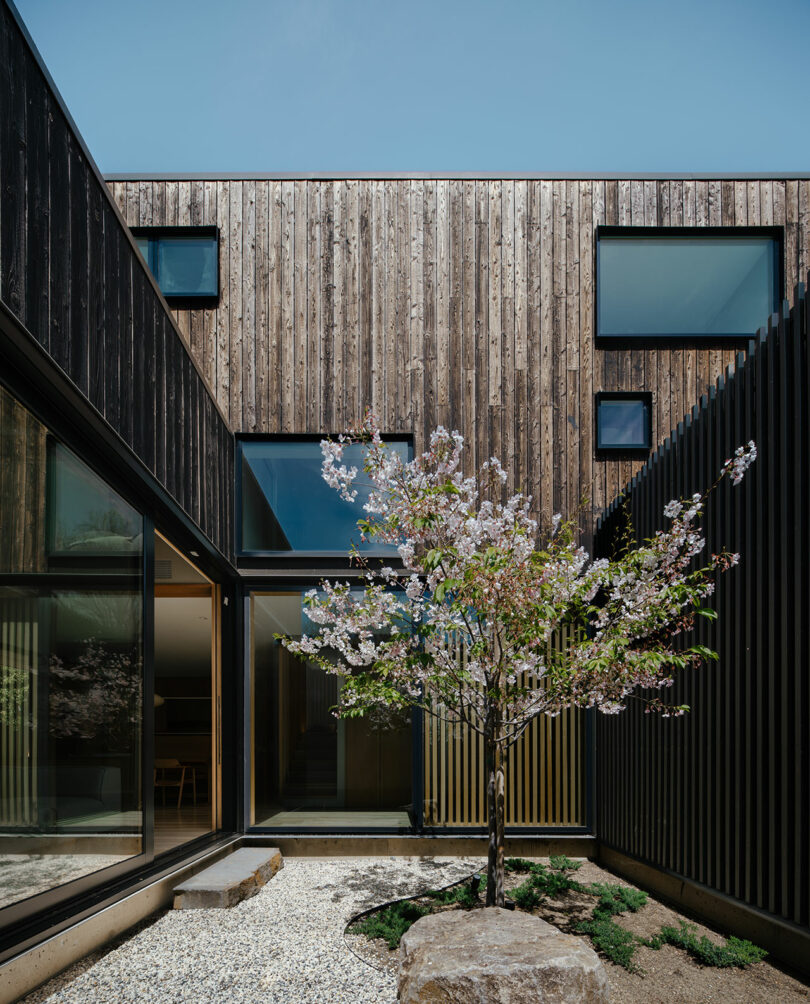
Lucas’s Eco-Take: The Tactile ROI of Natural Materials From a sustainability perspective, moving away from synthetic finishes toward clay plaster and white oak isn't just about "the look." Clay plaster is hygroscopic—it naturally regulates indoor humidity—while white oak provides a carbon-sequestering thermal mass. These materials age gracefully, reducing the need for chemical-heavy repainting or renovations every decade. Investing in "living materials" is a long-term play for both the planet and your property value.
2026 Trend Spotlight: The Fully Covered Outdoor Room
If the 2010s were the era of the "outdoor kitchen," the 2026 trend is the "Fully Covered Outdoor Room." We are seeing a definitive shift from simple, exposed patios to sophisticated, solid-roof structures that function as true extensions of the indoor floor plan. These aren't just pergolas; they are engineered spaces featuring integrated lighting, concealed sound systems, and advanced climate control.
The goal is year-round functionality. In the height of a California summer, motorized louvers or Renson-style pergolas provide essential shade and passive cooling. In the cooler winter months, integrated radiant heaters and phantom screens keep the space usable. This evolution allows homeowners to effectively increase their usable square footage without the environmental footprint (or the permit headaches) of a full interior addition.
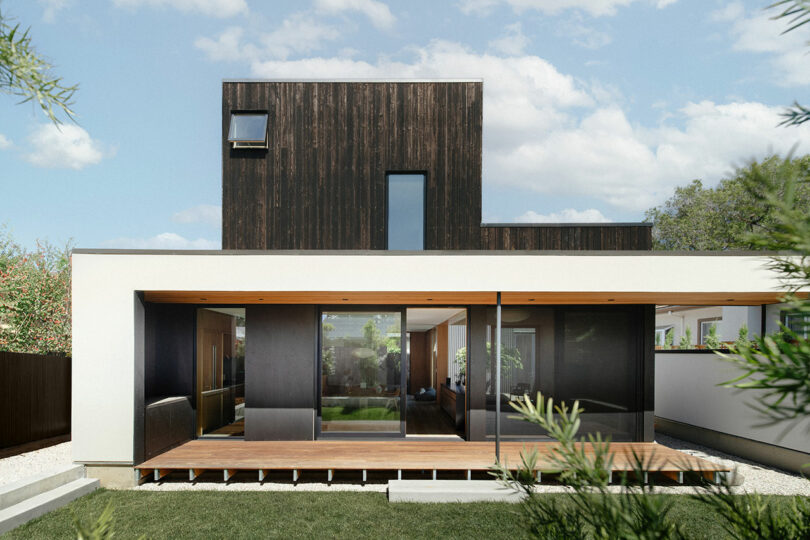
Traditional Patio vs. 2026 Outdoor Room
| Feature | Traditional Patio (1990-2015) | 2026 Outdoor Room |
|---|---|---|
| Roofing | Open-air or basic pergola | Solid roof with motorized louvers |
| Climate Control | Standalone fire pit | Integrated radiant heat & misting systems |
| Lighting | Wall-mounted sconces | Zoned, dimmable LED architectural lighting |
| Connectivity | Basic Wi-Fi reach | Hardwired smart-home integration & hidden audio |
| Surface | Concrete or pavers | Seamless transition of interior slate or hardwood |
Sustainable Luxury: The Net-Zero Standard
As an editor focused on energy-efficient solutions, I find the performance of modern courtyard homes particularly compelling. A courtyard isn't just a garden; it’s a thermal chimney. By strategically placing a courtyard in the center of a home, architects can leverage passive ventilation. As heat rises in the courtyard, it pulls cooler air through the surrounding rooms, drastically reducing the reliance on mechanical air conditioning.
High-performance California courtyard homes are now frequently exceeding net-zero standards. Recent data shows that these integrated designs can generate up to 112% of their total energy consumption. This is achieved through a combination of high-efficiency rooftop solar arrays—often hidden behind parapet walls to maintain the home’s sleek profile—and the inherent thermal mass of the building materials.
The landscaping within these sanctuaries is also evolving. The thirsty English gardens of the past have been replaced by "Mediterranean-Modern" aesthetics. Think ancient olive trees that require minimal water, fragrant lavender to support local pollinators, and permeable paving that allows precious rainwater to recharge the local aquifer rather than running off into the storm drain.
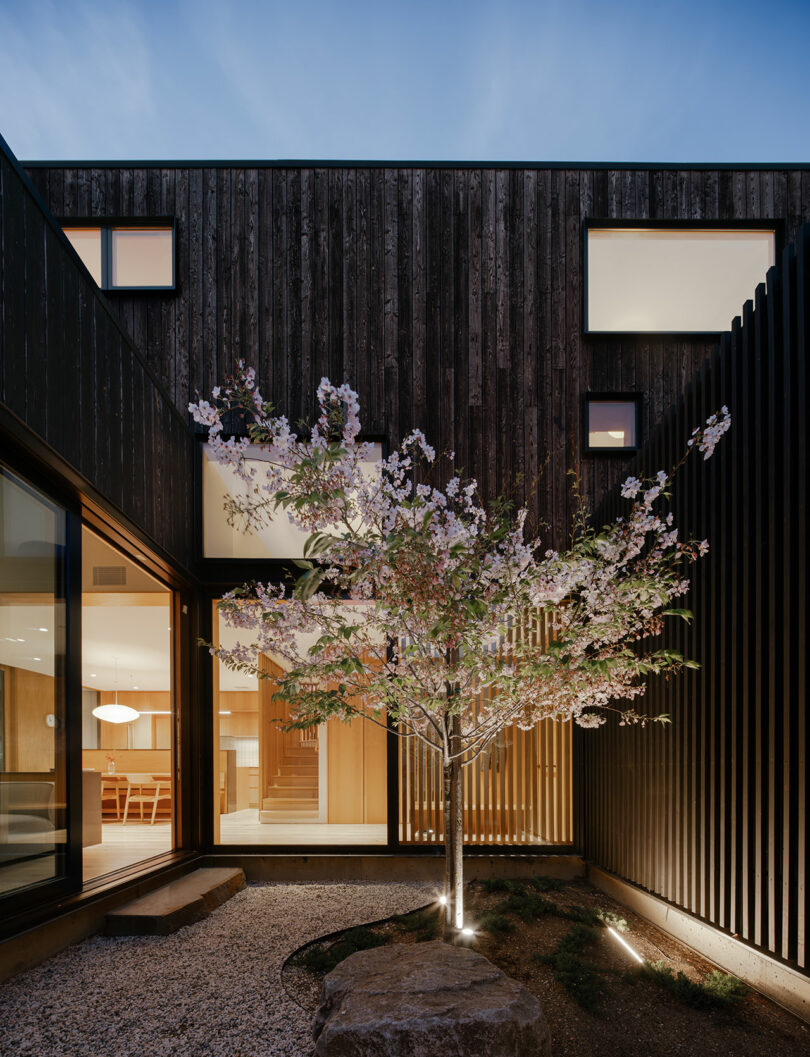
Architecture-Led Planning: Maximizing the Lot
In dense urban environments like Los Angeles or the Bay Area, the courtyard is a strategic tool for maximizing the lot. When you can’t build "out," you build "around." An internal courtyard allows for floor-to-ceiling glass on the interior walls of the house, bringing in a flood of natural light while maintaining absolute privacy from neighbors.
This architectural approach has paved the way for "Wellness Zones." In 2026, we are seeing a massive trend toward the integration of recovery elements directly into the courtyard design. We’ve moved beyond the standard pool to more intentional features:
- Meditation Gardens: Soft-scaped areas with the gentle trickle of a recirculating stone fountain.
- Cold Plunges: Architecturally integrated basins that match the home’s stone palette.
- Cedar Soaking Tubs: Using the natural scent of cedar and the tactile warmth of the wood to create a spa-like atmosphere.
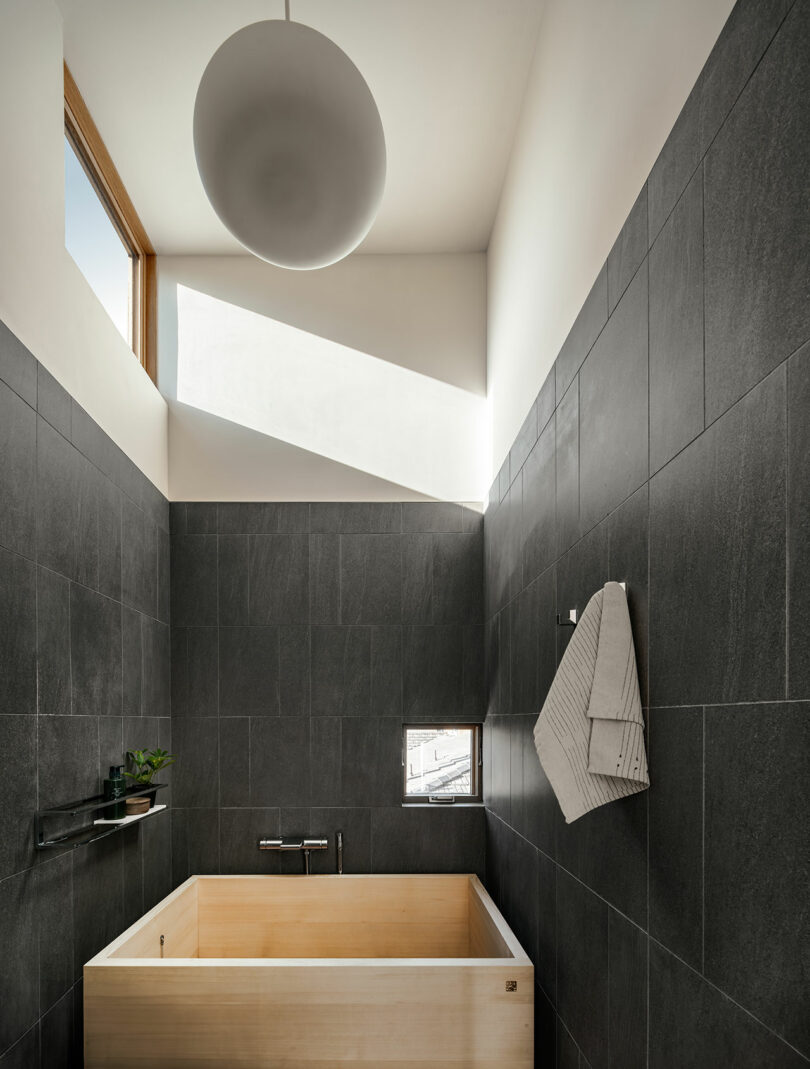
Smart Systems: Subtle Tech for Effortless Living
The final layer of the modern sanctuary is technology, but it’s not the flashy tech of a decade ago. The 2026 trend is "Invisible Technology." The goal is to enhance the sensory experience without cluttering the visual field.
- Adaptive Irrigation: Smart systems that don't just work on a timer, but adjust in real-time based on soil moisture sensors and local weather forecasts, saving thousands of gallons of water annually.
- App-Controlled Fire Features: Natural gas or bio-ethanol fire pits that can be ignited with a phone tap, designed with clean-burning technology to meet California’s strict air quality standards.
- Layered Lighting: Moving away from "bright" to "ambient," with smart systems that shift the color temperature of the courtyard lighting from a cool daylight to a warm, sunset amber as the evening progresses.
This technological integration ensures that the "seamless transition" isn't just a visual trick, but a functional reality. When the glass doors slide into the wall pockets, the indoor and outdoor environments share the same audio, the same light levels, and the same tranquil energy.
FAQ
1. How does a courtyard house improve energy efficiency? Courtyards act as natural light wells and thermal chimneys. They allow for daylight to reach the center of the home, reducing the need for artificial lighting. More importantly, they facilitate cross-ventilation; as warm air rises in the courtyard, it draws cooler air from the shaded sides of the house, reducing the load on your HVAC system.
2. Is a Japanese-style courtyard high maintenance? Quite the opposite. By using materials like shou sugi ban (which requires no staining or painting) and drought-tolerant Mediterranean or native California plants, the maintenance requirements are significantly lower than a traditional lawn-and-siding home. The focus is on materials that age beautifully and landscapes that thrive with minimal intervention.
3. Can I convert a traditional backyard into a 2026-style outdoor room? Yes. The key is to focus on a permanent roof structure and a seamless floor transition. By replacing standard sliding doors with "disappearing" glass walls and extending the interior flooring material (like slate or tile) to the exterior, you can create the courtyard feel even in a traditional lot layout.
Conclusion
The art of California courtyard design is ultimately about reclaiming the home as a place of restoration. In a world that feels increasingly loud and fast, these modern sanctuaries offer a quiet, energy-efficient, and profoundly beautiful alternative. By embracing the lessons of Japanese architecture, the innovations of green technology, and the 2026 shift toward integrated outdoor living, homeowners can create spaces that aren't just lived in, but experienced.
Whether you are building from the ground up or looking to renovate, remember that the most sustainable luxury is a home that works in harmony with its climate. The courtyard is the heart of that harmony.