There is a specific kind of tragedy in seeing a masterpiece of modernism stripped of its soul. For decades, a 58-square-metre apartment within Le Corbusier’s iconic Molitor building sat in a state of architectural limbo. Having been "gutted" during a heavy-handed 1970s renovation, the space had lost the very "free plan" principles that once made it a radical experiment in residential living. It was a shell of its former self, its historical narrative silenced by drywall and standardized finishes.
In 2024, however, this narrative was rewritten. The restoration of this historic apartment was led by heritage architects Léa Cottreel and Rosalie Robert of the firm RREEL. Their mission was not merely to renovate, but to perform a meticulous architectural resurrection, bridging a 90-year gap between the building's 1934 completion and its contemporary revival. By treating the project as a detective story—part archival research, part physical excavation—RREEL has successfully returned a piece of Le Corbusier’s vision to the world.
The Legend of the Molitor Building: A Modernist Icon
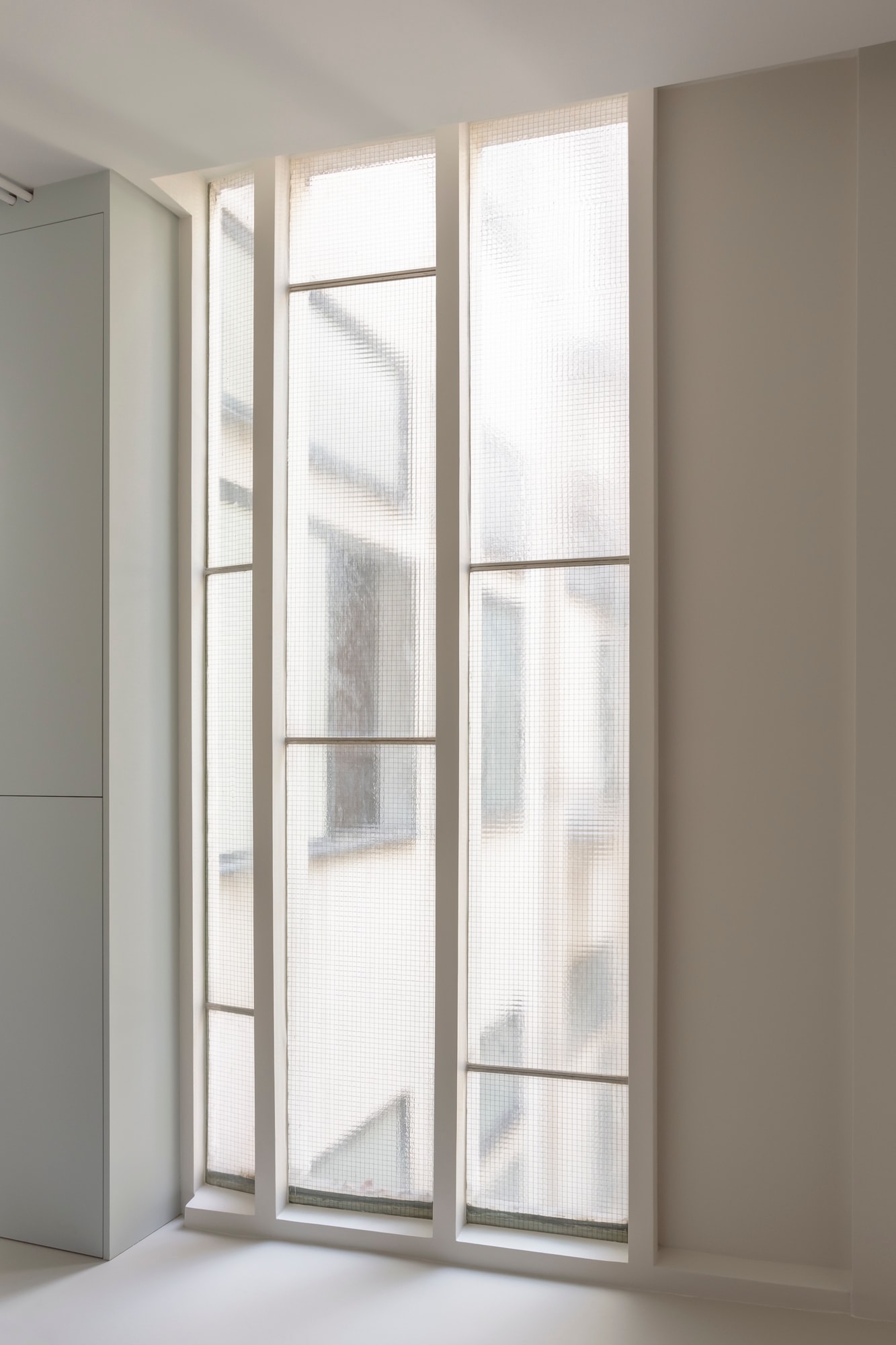
To understand the stakes of this restoration, one must first understand the building itself. Designed by Le Corbusier and Pierre Jeanneret between 1931 and 1934, the Immeuble Molitor (located on the border between Paris and Boulogne-Billancourt) was a manifesto in glass and steel. It was the first residential building in history to feature a fully glazed facade, a daring application of industrial technology to the domestic sphere.
Perhaps most significantly, the Molitor building served as Le Corbusier’s own residence and studio until his death in 1965. It was here that he lived out the "Five Points of Architecture" he had championed. The building’s "free plan" system (plan libre) was revolutionary; by using a reinforced concrete frame, Le Corbusier liberated the interior walls from their load-bearing duties. This allowed for fluid, adaptable spaces that could be tailored to the rhythms of modern life.
The 58-square-metre apartment in question was a microcosm of these grander ideals. It was designed to maximize light and movement, proving that even a compact footprint could feel expansive through clever spatial logic.
From Destruction to Discovery: The RREEL Archaeological Approach
The primary challenge facing RREEL was the damage done during the 1970s. During that era, the apartment’s original 1930s layout was essentially erased. The fluid transitions were blocked, the original materials were discarded, and the historical "clues" were buried under layers of modern intervention.
Architects Léa Cottreel and Rosalie Robert chose to bypass standard renovation techniques in favor of an "archaeological" approach. This involved two distinct phases:
- Archival Interrogation: The team spent weeks at the Fondation Le Corbusier, studying original blueprints, sketches, and correspondence from the 1930s to understand the precise dimensions and intent of the original design.
- Physical Excavation: On-site, the team carefully stripped back the 1970s additions. Like detectives at a crime scene, they searched for "scars" on the floor and ceiling—shadows of where the original partitions had once stood.
This process was less about construction and more about uncovering. "We had to listen to the building," the architects noted during the process. By finding the original anchor points of the walls, they were able to verify the archival data and begin the process of reconstruction with absolute historical accuracy.
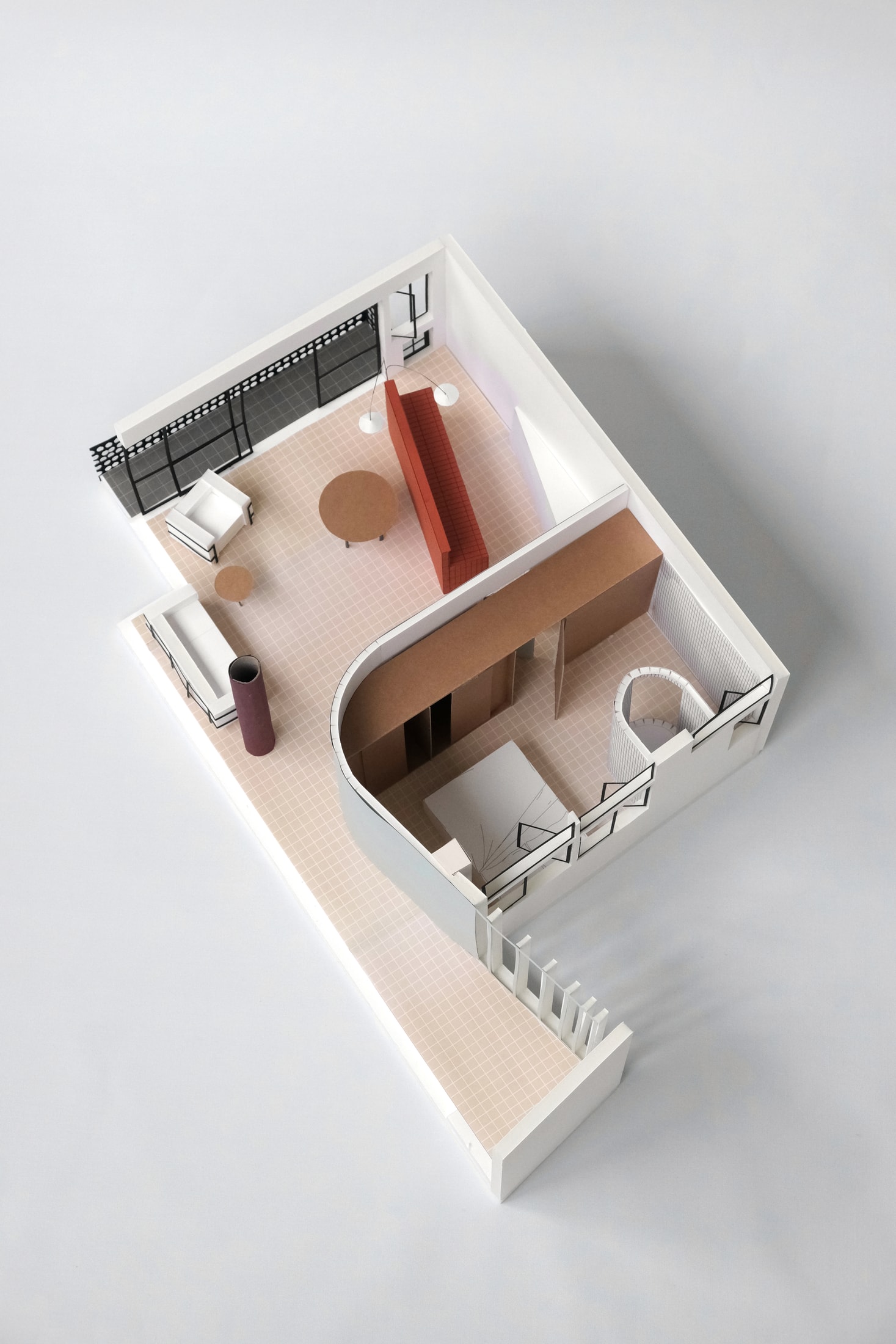
Restoring the Free Plan: Layout and Spatial Continuity
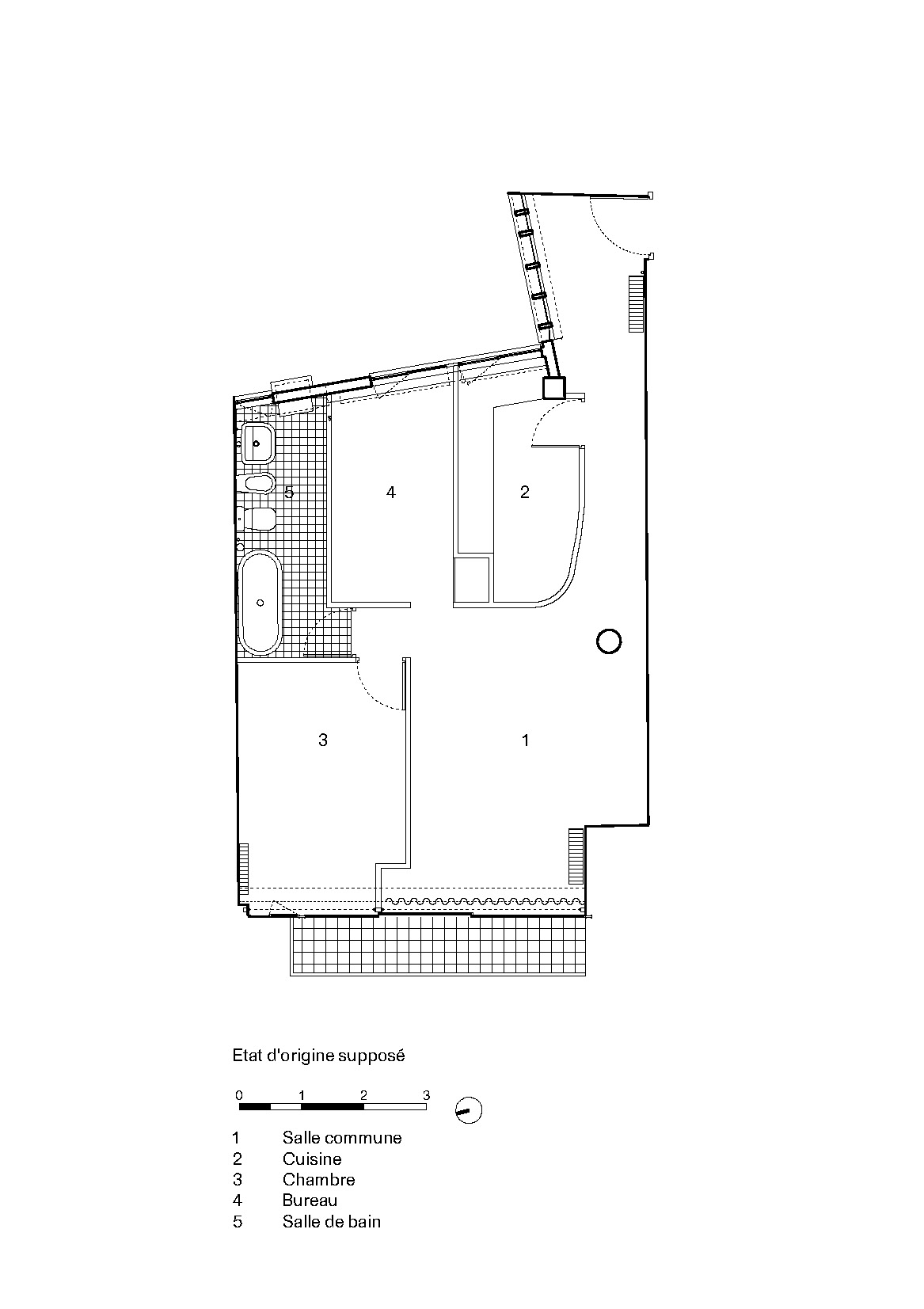
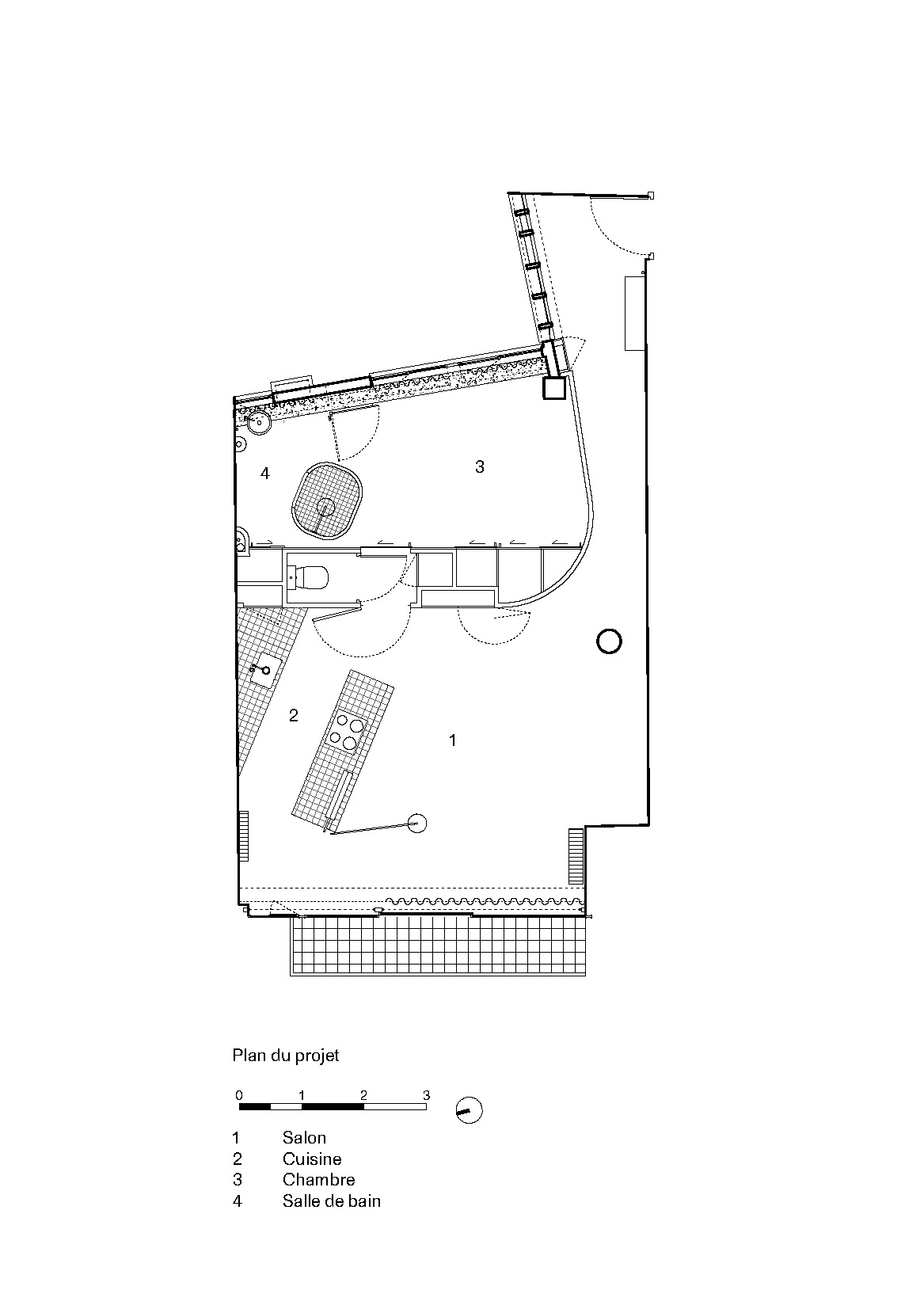
The 2024 restoration successfully restored the "free plan" philosophy that had been lost for fifty years. RREEL focused on reinstating the three-room system originally established by Le Corbusier: a bedroom, a living room, and an office/studio space.
One of the most radical aspects of the restoration was the implementation of the "Inverted Plan." In traditional 19th-century Parisian apartments, the service areas (kitchens and bathrooms) were tucked away in the dark center, while the living spaces faced the street. Le Corbusier inverted this logic. By moving communal spaces to the periphery and using glass walls, he allowed light to penetrate deep into the 58-square-metre footprint.
| Feature | 1970s State (Post-Gutting) | 2024 Restored State (RREEL) |
|---|---|---|
| Spatial Flow | Fragmented, closed rooms | Fluid "Free Plan" continuity |
| Natural Light | Obstructed by partitions | Maximized via "Inverted Plan" |
| Historical Accuracy | Zero (Standardized materials) | High (Based on archival research) |
| Core Philosophy | Utilitarian containment | Modernist liberation |
By removing the restrictive walls of the 1970s, the architects bridged the 90-year gap between the building’s birth and today, proving that Le Corbusier’s spatial theories remain the gold standard for small-space optimization.
Materiality and the Salubra Palette: A Poetic Echo
A restoration of a Le Corbusier interior is incomplete without an interrogation of color. Le Corbusier didn't just choose colors; he developed "Polychromie Architecturale," a system of color keyboards designed to affect the occupant's mood and the perception of space.
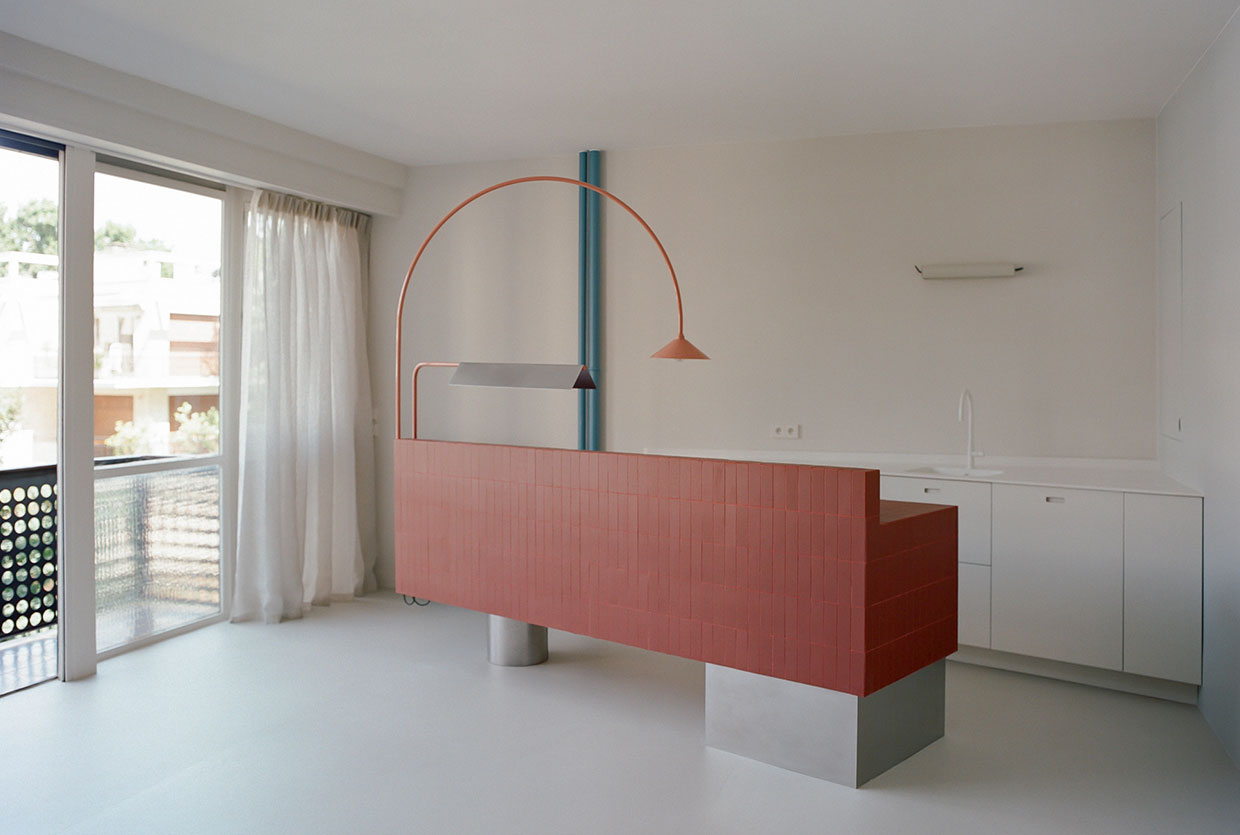
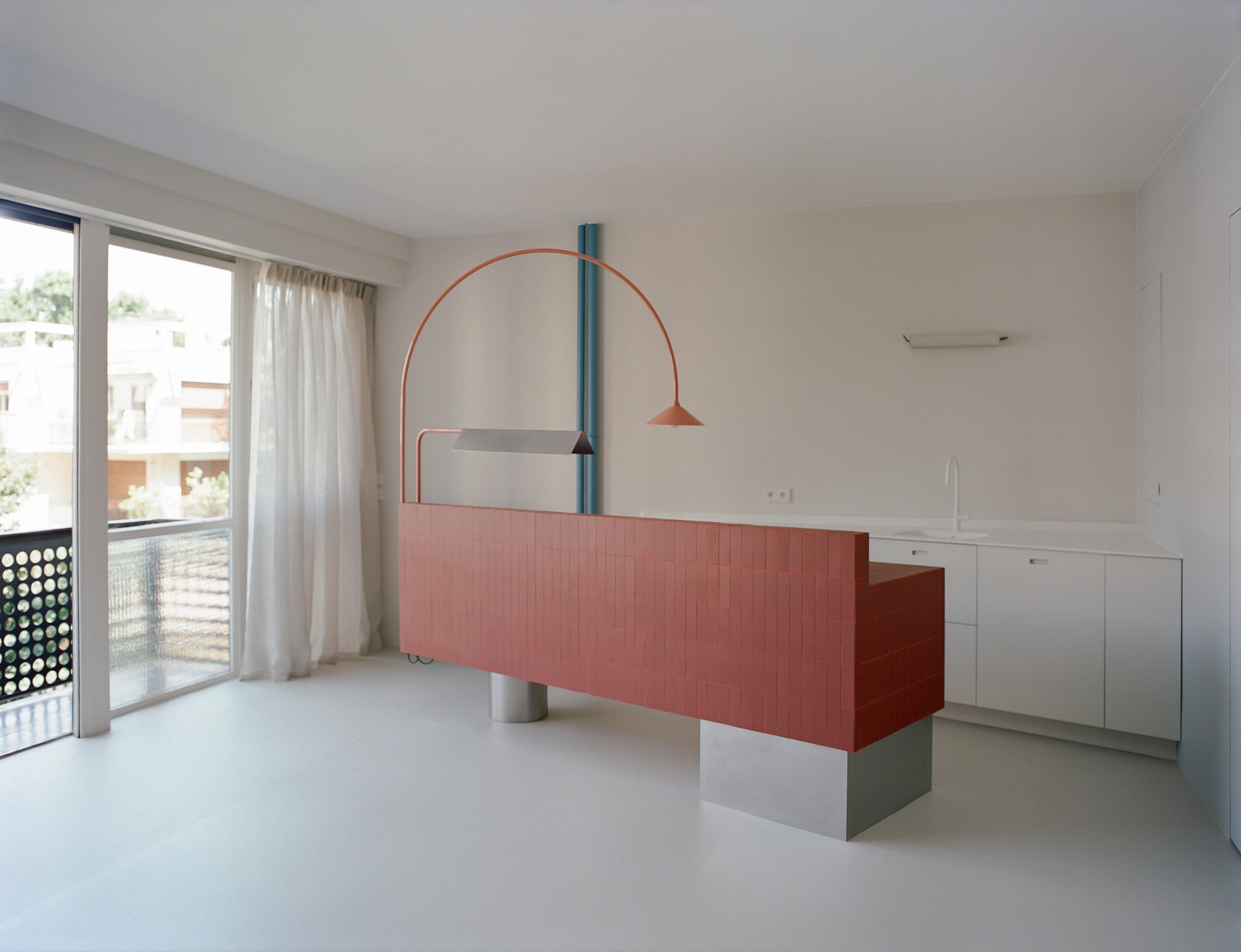
RREEL utilized the 1931 and 1959 Salubra wallpaper palettes to bring the apartment back to life. They selected a sophisticated blue-grey and a vibrant pastel blue, which serve to define different zones of the apartment without the need for physical walls.
To ground these abstract historical colors in the 21st century, RREEL selected a palette of high-end, tactile materials:
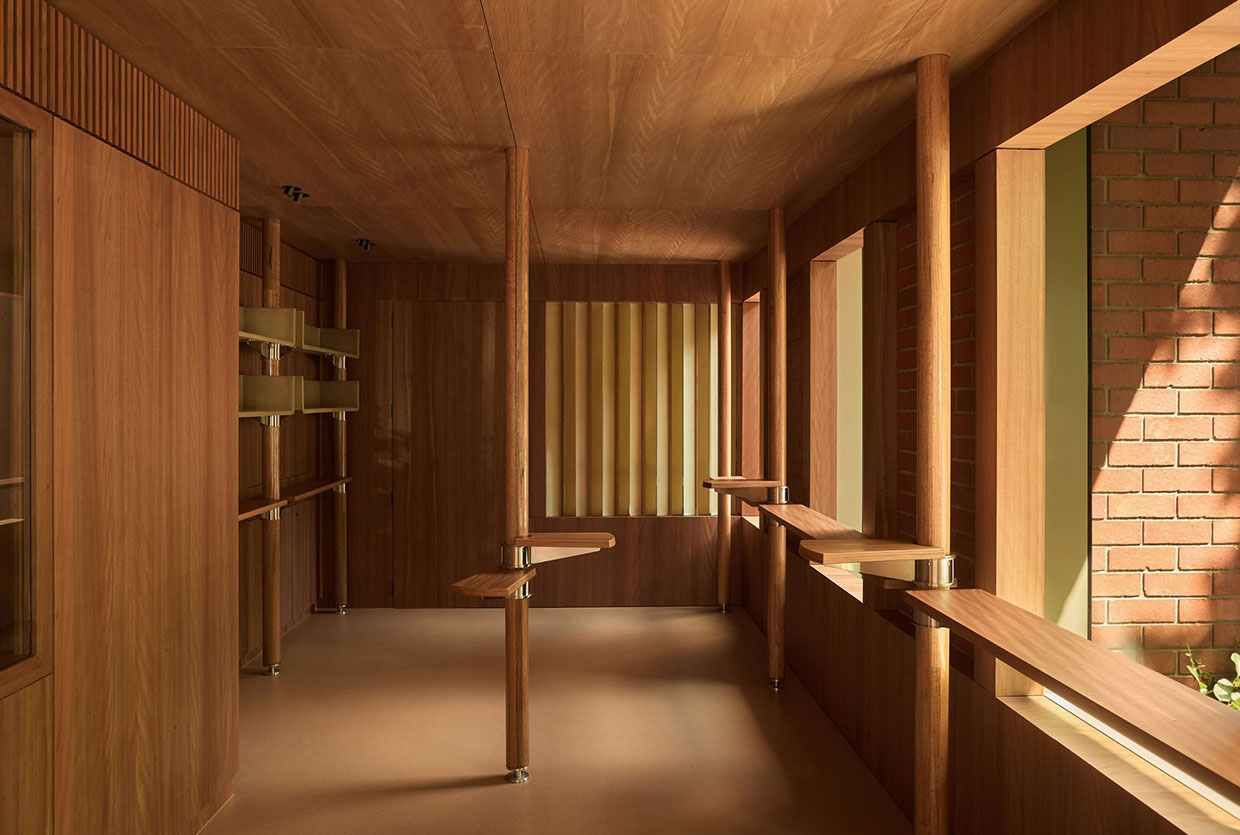
- Marine Okoume Wood: Used for cabinetry and partitions, providing a warm, organic contrast to the industrial glass.
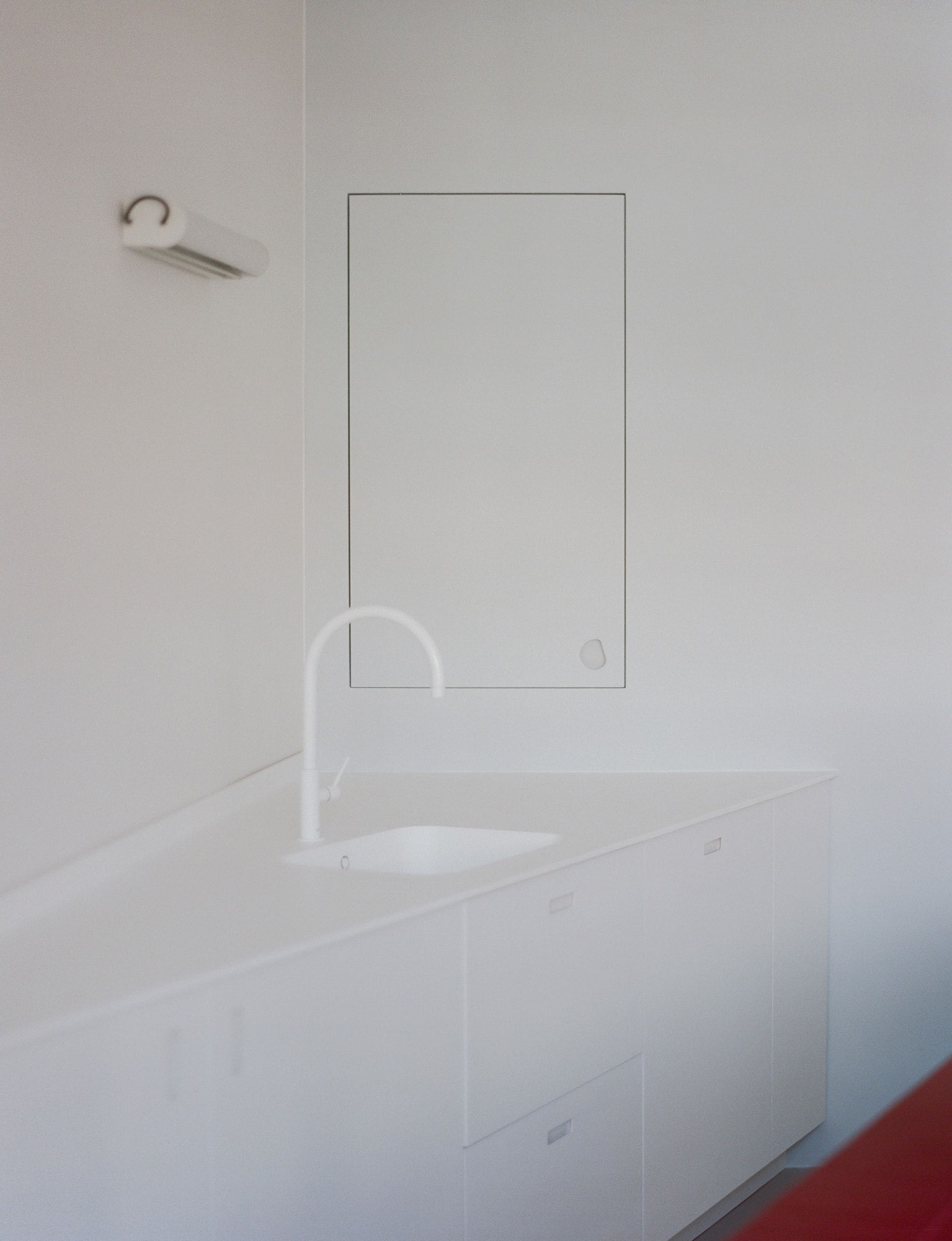
- Corian Countertops: Chosen for their seamless, sculptural quality in the kitchen area.
- Thonet Furniture: Iconic bentwood seating that mirrors the curves of the modernist era.
- Villeroy & Boch Fixtures: Bringing contemporary luxury to the restored "service" zones.
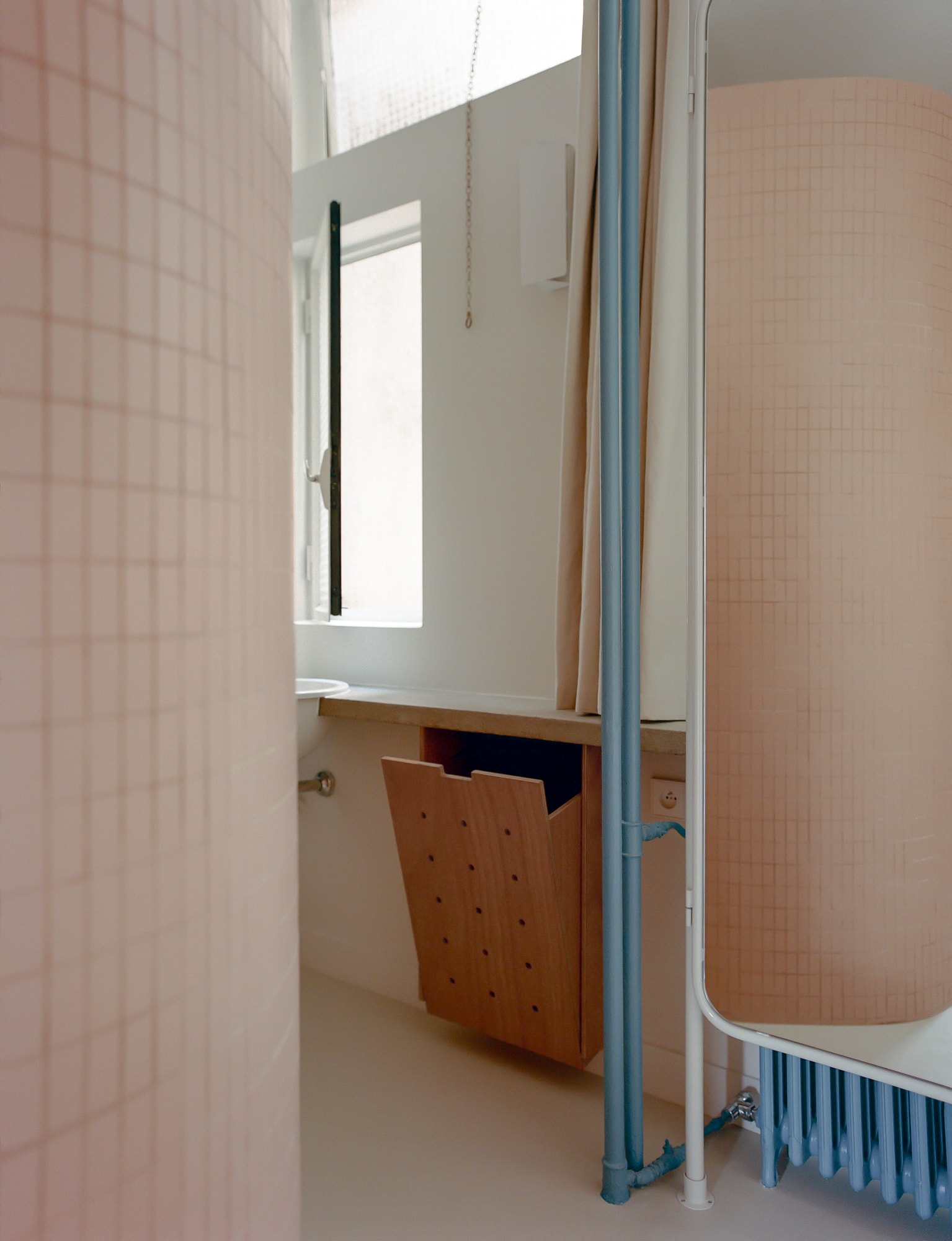
The dialogue between these "distinct objects"—the furniture and fixtures—and the historical textures of the walls creates a space that feels like a lived-in home rather than a cold museum exhibit.
Balancing Heritage with Contemporary Performance
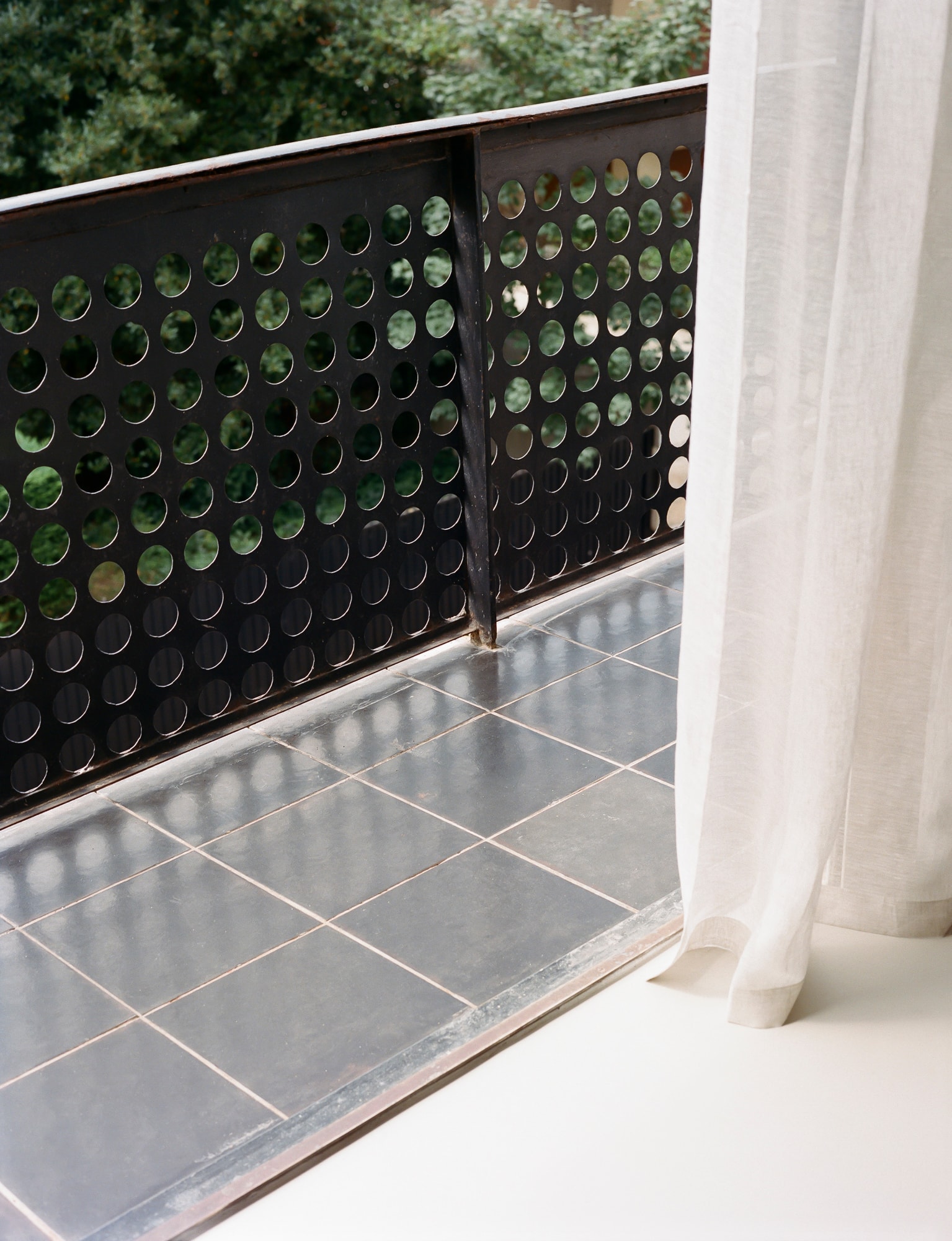
Restoring a 1930s heritage site in Paris requires more than just aesthetic fidelity; it requires a commitment to 21st-century performance. Modernist buildings, particularly those with extensive glass facades like the Molitor, are notoriously difficult to climate-control.
The intervention by RREEL carefully integrated contemporary comfort without compromising the building’s "glass house" integrity. This included:
- Thermal Upgrades: Invisible insulation and high-performance glazing that respects the original steel frame profiles.
- Energy Efficiency: Updated electrical and heating systems hidden within the "free plan" partitions.
- Acoustic Treatment: Managing the sound flow in an open-plan 58sqm space to ensure it remains a functional residence.
What makes the Molitor architecture truly unique is this very tension: the combination of industrial, often "cold" materials (glass, steel, concrete) with the intimate, warm requirements of daily living. RREEL’s work ensures the apartment is not just a tribute to the past, but a viable home for the future.
Key Takeaways for Modernist Conservation
The Molitor restoration serves as a masterclass for architects and homeowners alike. It reminds us that conservation is not about freezing a building in time, but about understanding the intent of the original creator.
- Design Intent Over Replication: RREEL didn't just copy old photos; they used Le Corbusier’s logic to solve modern problems.
- Small-Space Optimization: The 58sqm footprint proves that spatial continuity and light are more valuable than square footage.
- The Value of Research: Without the "archaeological" phase, the restoration would have been a mere approximation. The deep dive into the Fondation Le Corbusier archives was the project's foundation.
As we look toward the future of urban living, the lessons of the Molitor building—flexibility, light, and the liberation of the floor plan—remain as relevant today as they were in 1934.
FAQ
Who can visit the Le Corbusier studio flat today? While this specific 58-square-metre apartment is a private residence restored by RREEL, the "Appartement-Atelier de Le Corbusier" (his personal penthouse on the top floors of the same Molitor building) is managed by the Fondation Le Corbusier and is open to the public for guided tours.
What are the core principles of Le Corbusier’s 'Five Points of Architecture'? The five points featured in the Molitor building include: Pilotis (load-bearing columns), the Plan Libre (free plan), the Façade Libre (free facade), the Fenêtre en Longeur (horizontal windows), and the Toit-Terrasse (roof garden).
How did RREEL find traces of the original 1930s walls? Through a process called "architectural archaeology." By stripping away 1970s flooring and plasterwork, the architects identified physical markings, drill holes, and structural variations in the concrete slab that indicated where the original 1934 partitions were anchored.