There is a specific morning in late August when the mountain air loses its heavy, humid pulse and replaces it with a crisp, expectant stillness. While the coastal cities are still sweltering through the final weeks of the "official" summer, the high peaks are already whispering a different story. For those of us who live for the trail, the transition isn't just a date on a calendar; it’s a visceral shift in the landscape’s temperament.
The Debate of the Equinox
In the lowlands, fall is a leisurely descent, marked by pumpkin lattes and the eventual shedding of sweaters. In the mountains, however, autumn is an intense, brief, and often volatile season. There is a long-standing debate among hikers: does fall begin with the autumnal equinox on September 22nd, or is it a state of mind that arrives whenever the first leaf turns?
In my experience, the mountains don't wait for the calendar’s permission. By September 1st, the higher elevations have already begun their transformation. This "true start" is characterized by a sudden drop in overnight temperatures and a sharpening of the light. While the official season might suggest a slow fade, mountain autumn is a sprint toward winter. You’ll notice the shift not just in the temperature, but in the urgency of the wildlife and the changing acoustics of the forest as the canopy begins to thin.
The Subtle Signs: Reading the Mountain Landscape
Navigating the seasonal shift requires a keen eye for "environmental tells." If you are trekking through the Catskills or the Adirondacks, the first signs of fall are often biological rather than purely meteorological. By the first of September, look for the blooming of goldenrod in the meadows—a vibrant yellow herald that the heat is breaking.
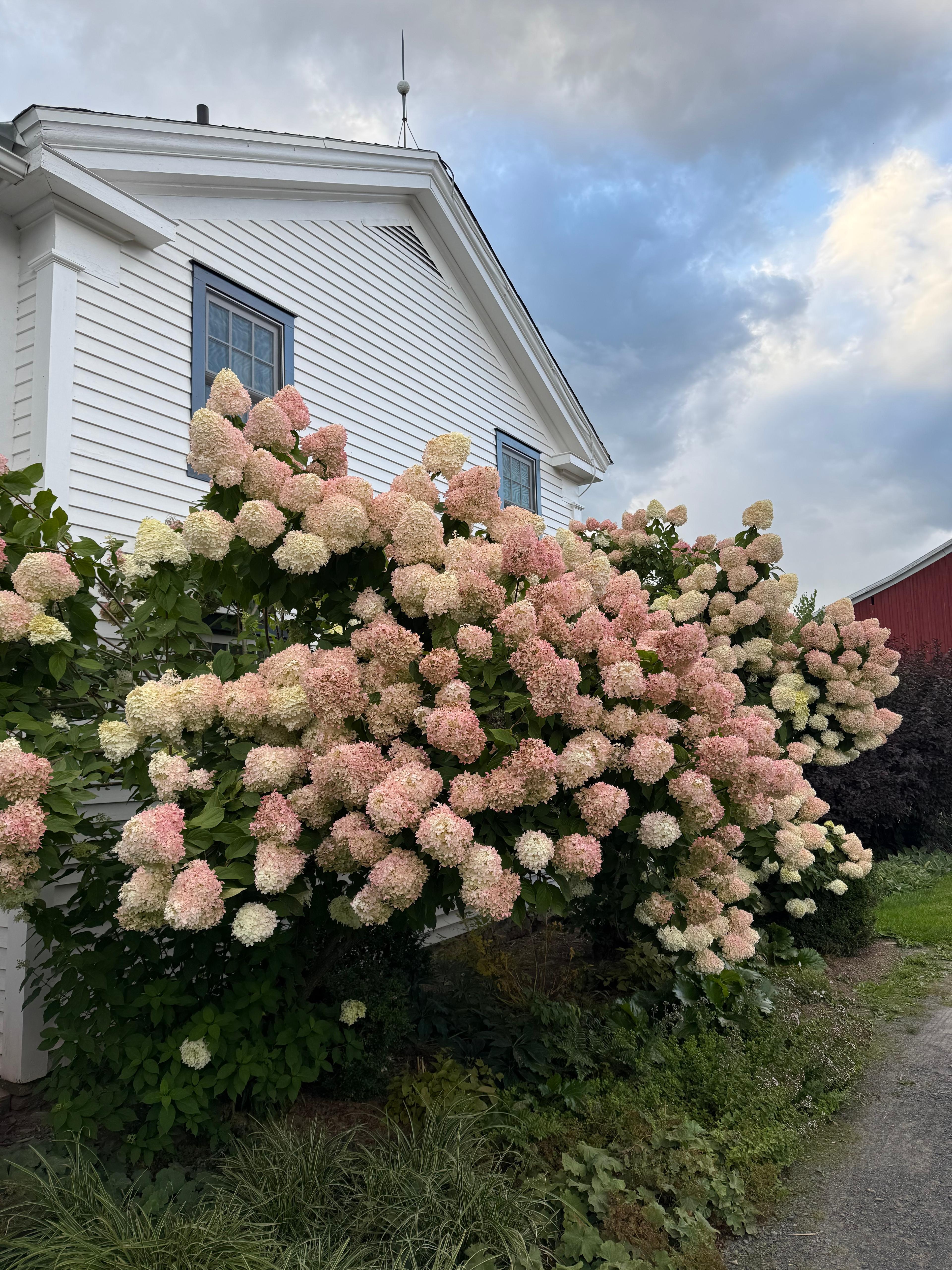
You will also notice the hydrangeas in mountain gardens and trailheads beginning their slow transition from white or blue to a deep, dusty pink. It’s a reliable early indicator that the internal chemistry of the local flora is preparing for the freeze.
Perhaps the most palpable sign is the "light-out" time. By late August, the days have shortened significantly, with darkness settling into the valleys by 8 p.m. This loss of daylight isn't just a mood; it’s a safety factor. For the mountain hiker, the early sunset means the "golden hour" is shorter and the descent often happens in the cooling twilight.
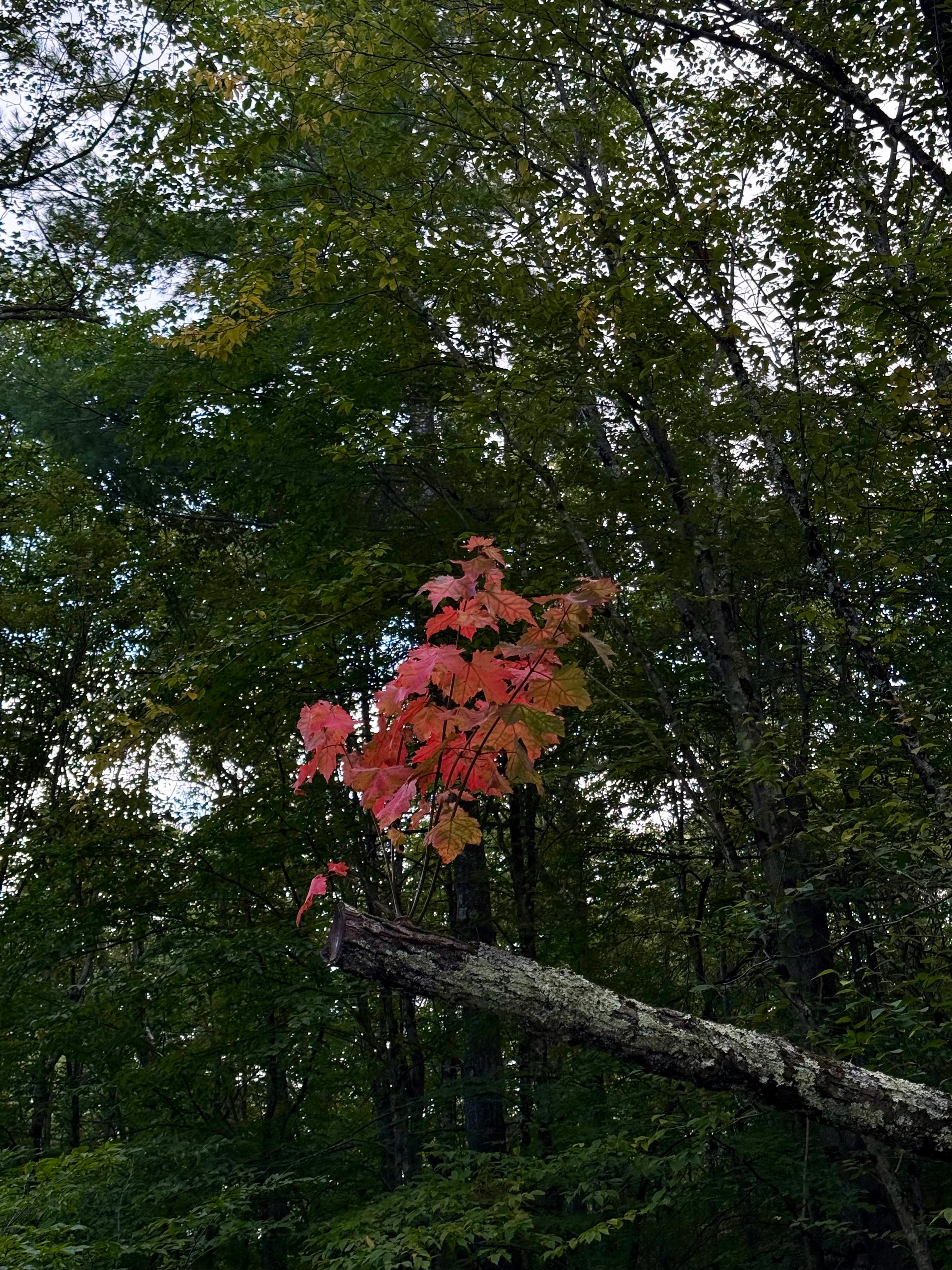
By the time September 1st rolls around, keep your eyes on the upper canopy. You will start to see the first rogue patches of red and orange leaves, particularly in the maples at higher elevations. These aren't just anomalies; they are the scouts of a coming army.
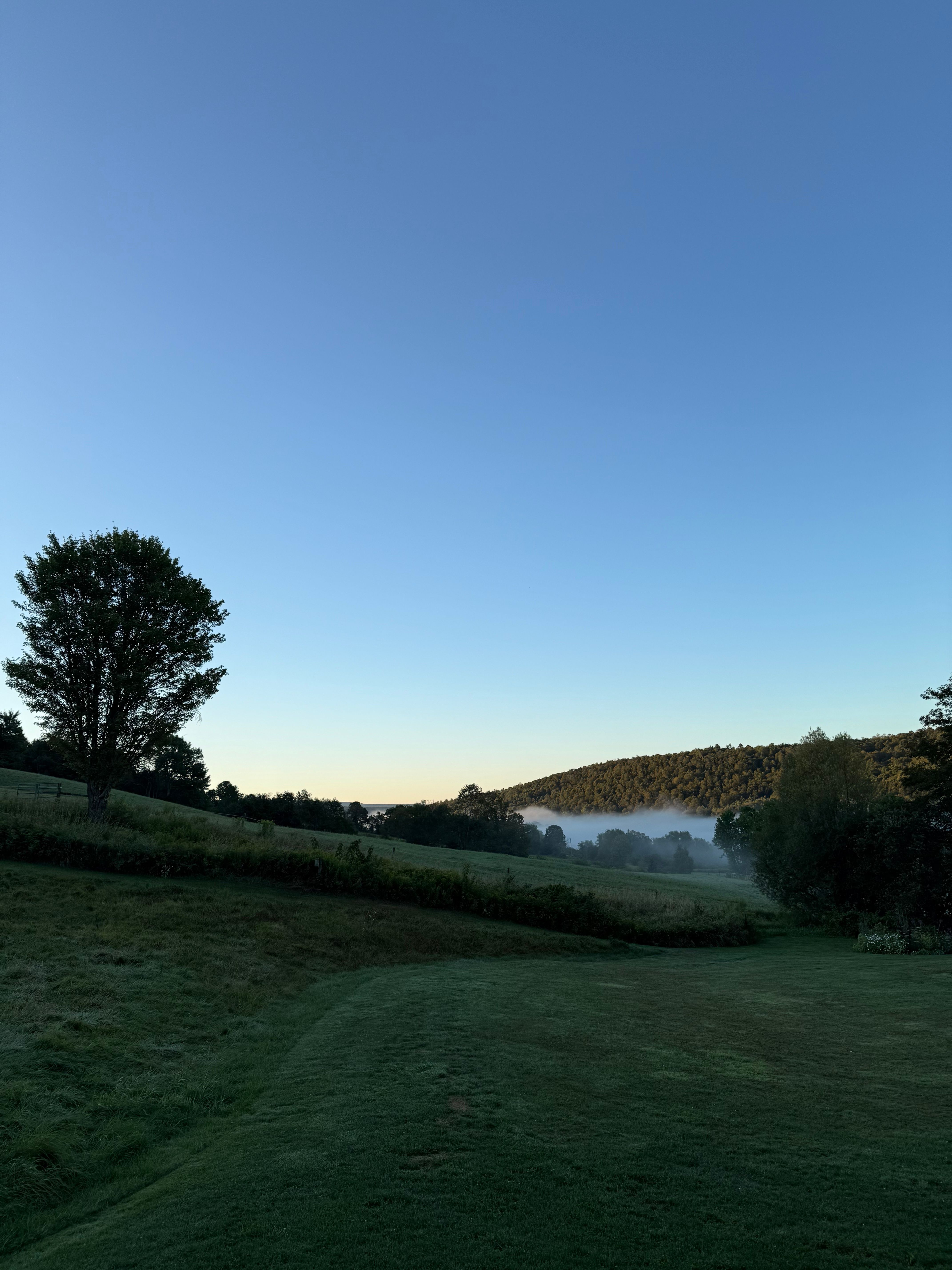
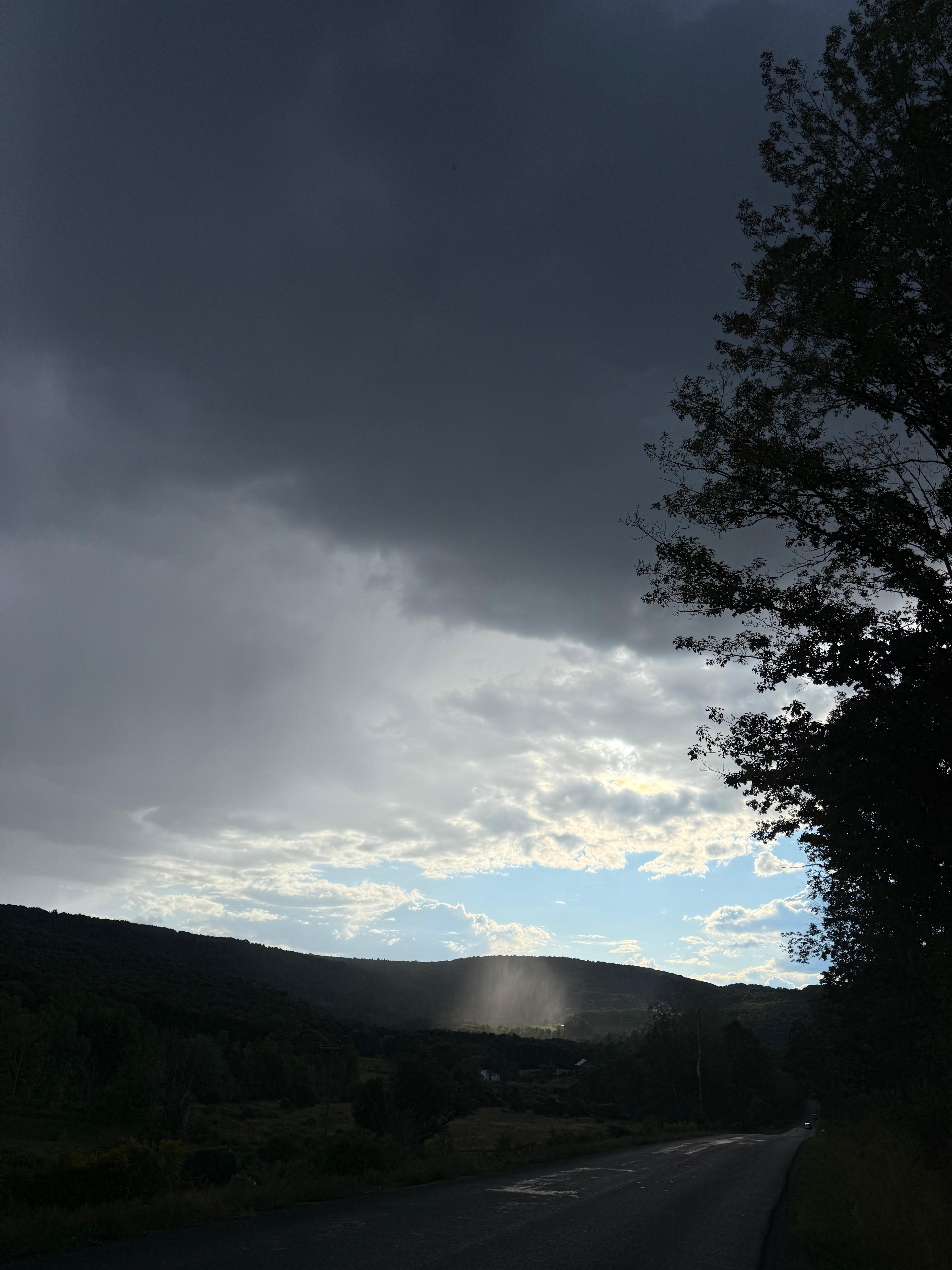
The atmosphere itself becomes moody. One moment you are basking in a clear, high-pressure sun; the next, dramatic cloud formations roll over the ridge, bringing sudden rain and those iconic, moody morning fogs that cling to the hollows.
The Calculus of Comfort: 2026 Layering Principles
Managing your body temperature in the mountains during this shift is often described as "the calculus of comfort." It is no longer about just staying warm; it’s about active temperature management. As we look toward the 2026 season, the industry has moved decisively away from "bulk" and toward "smart" insulation—fabrics that breathe when you’re ascending a 30-degree grade and trap heat the moment you stop to check your map.
The foundational strategy remains the Three-Layer Principle, but with a 2026 twist:
- Wicking (Base Layer): Moving moisture away from the skin is paramount. If you get sweaty on the climb and the wind picks up at the summit, you are at risk of hypothermia even in 50-degree weather.
- Insulation (Mid-Layer): This layer must be highly compressible and breathable. We are seeing a shift toward "active insulation" that allows air exchange during movement.
- Weatherproofing (Shell): Your "armor" against the sudden atmospheric shifts mentioned earlier. For 2026, the focus is on weight reduction and the elimination of harmful chemicals.
The Foundation: Best 2026 Technical Base Layers
In 2026, the focus for technical apparel is the weight-to-warmth ratio. We’ve moved past the days of heavy, itchy wool. Modern base layers are precision-engineered to be almost weightless while maintaining incredible thermal properties.
The standout performer for the 2026 season is the Artilect Flatiron 185 Crew. It has been ranked as the best technical base layer for a reason. Utilizing a 91% merino wool composition reinforced with a nylon core for durability, it provides the natural odor resistance and thermal regulation of wool with the strength of a synthetic.
Performance testing of 2026 technical base layers reveals that top-tier merino blends like the Artilect Flatiron 185 now achieve a weight of just 177g. This is a significant milestone—retaining over 90% wool content while coming in under 200g allows for a "set it and forget it" experience on the trail.
| Feature | Artilect Flatiron 185 (Merino Blend) | Standard Synthetic Base Layer |
|---|---|---|
| Weight | 177g | 210g - 250g |
| Wool Content | 91% Nuyarn Merino | 0% |
| Drying Speed | 5x faster than standard merino | Fast, but retains odors |
| Durability | High (Nylon Core) | Medium to High |
| Best Use | Multi-day backcountry trekking | High-intensity day runs |
Pro-Tip: GSM (Grams per Square Meter) When shopping for base layers, look at the GSM. A 150-185 GSM is the "sweet spot" for mountain autumn—light enough to wear during a steep climb but substantial enough to provide a thermal buffer when the sun dips behind a ridge.
Weather Armor: High-Performance Hardshells for Autumn
The most significant shift in mountain gear for 2026 isn't just about performance—it's about chemistry. New environmental regulations have pushed the industry to move away from PFAS (per- and polyfluoroalkyl substances), the "forever chemicals" traditionally used in DWR (Durable Water Repellent) coatings.
For the 2026 season, hikers should prioritize PFAS-free Gore-Tex shells. These new membranes offer incredible breathability without the environmental baggage. Leading the charge are the Salomon S/Lab Scrambler and the Stio Objective Pro. These jackets are designed for backcountry use where weight reduction is as critical as weather protection.
Market data for these premium 2026 mountain hardshells indicates a standard price range of $750 to $800 for elite, professional-grade jackets and bibs. While the price point is high, the investment covers a piece of equipment designed to survive years of granite-scraping and torrential downpours.
What to look for in a 2026 Hardshell:
- Articulated Fit: Ensure the jacket doesn't lift at the waist when you reach for a handhold.
- Helmet-Compatible Hood: Essential for high-alpine scrambles.
- Pit Zips: Even the most breathable Gore-Tex needs mechanical venting during a heavy ascent.
Essential Accessories: Beyond the Shell
While the base layer and shell get the most attention, your "micro-adjustments" often happen with accessories and mid-layers. For 2026, we are seeing a battle between hybrid mid-layers.
- Outdoor Research Deviator: This is for the hiker who moves fast. It uses "grid fleece" in high-heat zones and synthetic insulation in the core. It’s the ultimate "Goldilocks" layer—not too hot, not too cold.
- Rab Ascendor Summit: A more rugged option for those heading into the high peaks where the wind is a constant companion. It’s slightly heavier but offers much better wind resistance.
Don't neglect your extremities. In the mountains, a 50-degree day can become a 30-degree night in an hour. Carrying a pair of Gore-Tex Alti Mitts might seem like overkill in September, but if a sudden storm rolls in, they become the most valuable items in your pack.
Safety and Ethics: Navigating 2026 Mountain Rules
As mountain corridors become more crowded, the 2026 season sees a push toward stricter management. In many high-peak regions, permits are no longer optional "suggestions" but strictly enforced digital checkpoints.
- GPS and Comm's Discipline: With 2026 satellite tech becoming standard in smartphones, there is a "Comm's Discipline" movement. While having a GPS is vital, the "Earn It" mentality—relying on map-reading skills and environmental awareness—is being championed by mountain clubs to prevent "rescue-me" culture.
- Stricter Permits: Expect more "Limited Entry" zones. Check local forest service sites at least 30 days before your trip.
- The "LNT" Evolution: Leave No Trace has evolved into "Positive Impact" hiking. Carry out not just your own trash, but any micro-plastics you find along the trail.
The seasonal shift in the mountains is a reminder of our own adaptability. By pairing a deep respect for the subtle signs of nature with the precision of 2026 technical gear, you don't just survive the autumn—you become a part of its rhythm.
FAQ
When is the best time to see the "Peak" fall foliage in the Catskills in 2026? While it varies by year, peak color usually hits the high elevations between September 25th and October 5th. However, the first signs—the "early reds"—are visible as early as September 1st.
Why is PFAS-free gear more expensive in 2026? The transition to PFAS-free membranes and DWR coatings required a massive R&D overhaul for major brands. The $750-$800 price point reflects the use of these new, sustainable materials that maintain high-performance standards without the environmental cost.
Is 177g too light for a winter base layer? For active movement in fall and early winter, 177g (like the Artilect Flatiron) is ideal. However, for stationary activities or sub-zero temperatures, you might want to move up to a 250 GSM base layer.