Quick Facts
- Original Architect/Builder: Sibbel Builders (1960s)
- Retrofit Architect: Nüüd Studio (Brad Mitchell and Kerli Valk)
- Location: Melbourne, Australia
- Footprint: 100 Square Meters (1,076 Square Feet)
- Sustainability Achievements: 100% Electrification, 2023 Houses Award for Sustainability
- Key Materials: Spotted Gum, Blackbutt, Tadelakt, Low-VOC natural hard wax oils
- Thermal Upgrades: Double glazing, high-performance ceiling/wall insulation, heat-pump hot water
There is a specific kind of magic found in the "Bush Modernist" homes of the 1960s. Scattered throughout the leafy suburbs of Melbourne, these structures—often the work of the legendary Sibbel Builders—represented a quiet revolution. They weren't just houses; they were manifestos of "enoughness," characterized by modest footprints, honest materials, and a profound respect for the Australian landscape. However, as any resident of a mid-century home will tell you, that poetic connection to nature often comes with a literal connection to the elements: drafty windows, lack of insulation, and inefficient energy systems that belong in the past.
The Monty Sibbel project by Nüüd Studio isn't just a renovation; it is a masterclass in the "sensitive retrofit." It proves that we do not need to demolish our heritage to meet modern climate standards. By leaning into the original design's strengths and surgically upgrading its thermal envelope, Nüüd Studio has transformed a freezing, gas-dependent relic into a high-performance, all-electric sanctuary.
The Legacy of Sibbel Builders: Defining Bush Modernism
To understand why this retrofit is so significant, one must first appreciate the DNA of a Sibbel home. Founded by Dutch immigrants, Sibbel Builders became synonymous with a localized version of Modernism that prioritized the environment long before "sustainability" was a buzzword.
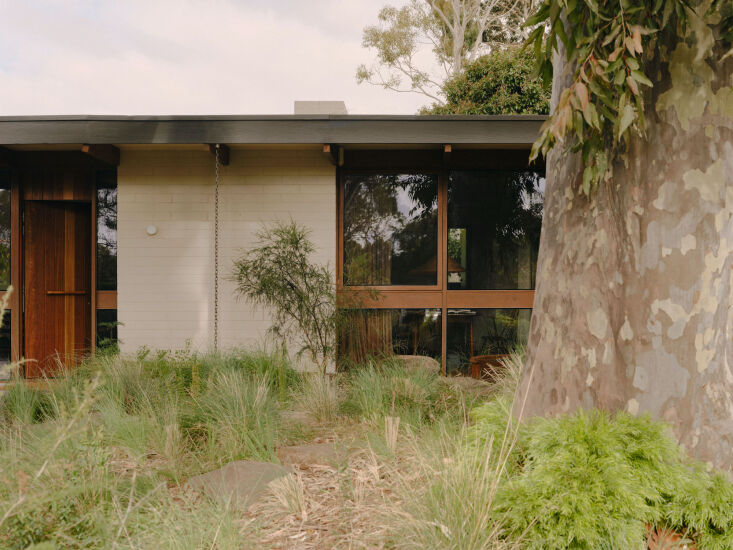
Original Sibbel homes are defined by their eco-conscious approach, featuring smaller footprints, modernist lines, handcrafted design, and passive solar siting. Unlike the mass-produced tract housing of the era, a Sibbel home was often "sited" rather than just built, with large windows oriented to capture the sun and eaves designed to provide shade. They used a palette of "honest" materials—clinker bricks, western red cedar, and exposed timber beams—to blur the line between the interior and the rugged bush outside.
However, the 1960s lacked the glass technology and airtightness we demand today. The challenge for modern homeowners is preserving this aesthetic while fixing the "leaky sieve" reality of mid-century construction.
Restoration Over Rebuild: The Nüüd Studio Philosophy
When architects Brad Mitchell and Kerli Valk of Nüüd Studio took on the Monty Sibbel project, they faced a choice common to many Melbourne renovators: expand or refine? In an era where the average Australian home size has ballooned, they chose the path of restraint.
The award-winning renovation maximized utility within a compact 100-square-meter (1,076 square feet) footprint to avoid unnecessary expansion. By keeping the original footprint, the project significantly reduced the "embodied carbon"—the energy required to produce new building materials like concrete and steel. Instead of adding a second story, the architects reconfigured the internal layout to create a sense of volume and flow, proving that 100 square meters is more than enough for modern living if designed with intention.
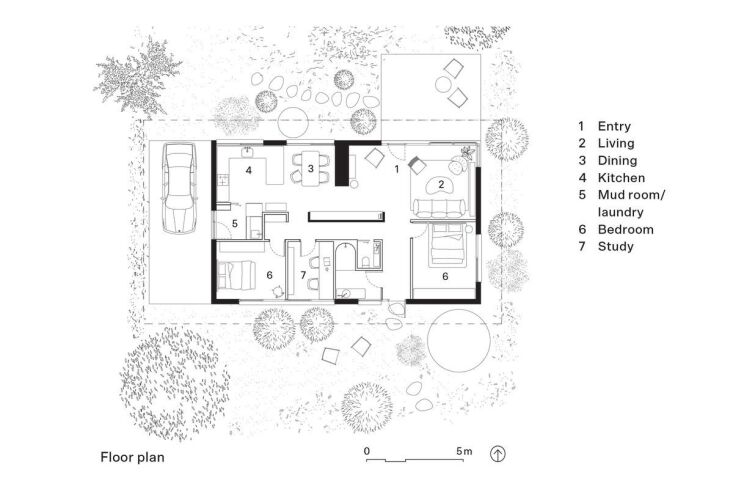
The design philosophy focused on "surgical interventions." Rather than gutting the space, Nüüd Studio identified the core architectural elements that gave the house its character—the exposed beams, the brickwork, and the connection to the garden—and worked around them.
The Sustainability Overhaul: From Drafty to Award-Winning
Achieving the 2023 Houses Award for Sustainability required more than just a fresh coat of paint. It required a complete reimagining of the home's energy profile. The goal was simple but ambitious: 100% electrification and a drastic improvement in thermal comfort.
Sustainable retrofitting involves converting to all-electric power, adding insulation to walls and ceilings, installing heat-pump hot water systems, and replacing single-paned windows with double glazing. In the Monty Sibbel project, this was a painstaking process. The original cedar window frames, a hallmark of the Sibbel style, were deep-cleaned and meticulously retrofitted to hold high-performance double-glazed units. This preserved the visual "rhythm" of the facade while cutting heat loss by more than 50%.
| Upgrade Category | Original State (1960s) | Modern Retrofit (Nüüd Studio) |
|---|---|---|
| Energy Source | Gas heating & cooking | 100% Electric (Induction & Heat Pump) |
| Glazing | Single-pane 3mm glass | High-performance double glazing |
| Hot Water | Standard electric tank | Sanden Heat-pump system |
| Insulation | Minimal or degraded | R6.0 in ceiling, R2.5 in walls |
| Appliances | High-energy vintage | Integrated Fisher & Paykel (High Efficiency) |
The project successfully achieved 100% electrification, removing the gas connection entirely—a crucial step for any homeowner looking to future-proof their property and reduce their carbon footprint.
Materiality and Craft: Bringing the Australian Bush Inside
In a sensitive renovation, materials must do double duty: they must be durable and sustainable, but they must also harmonize with the original structure. Nüüd Studio opted for a "tactile" palette that feels grounded and permanent.
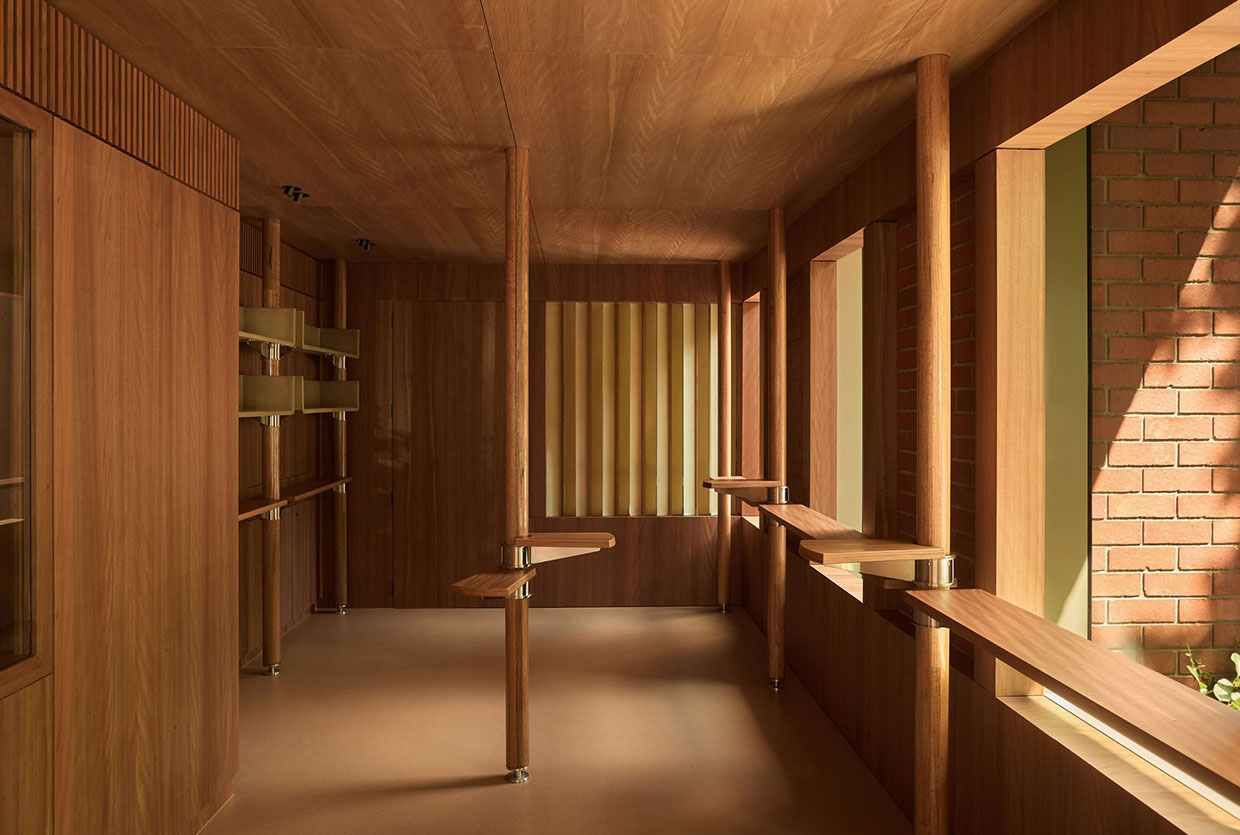
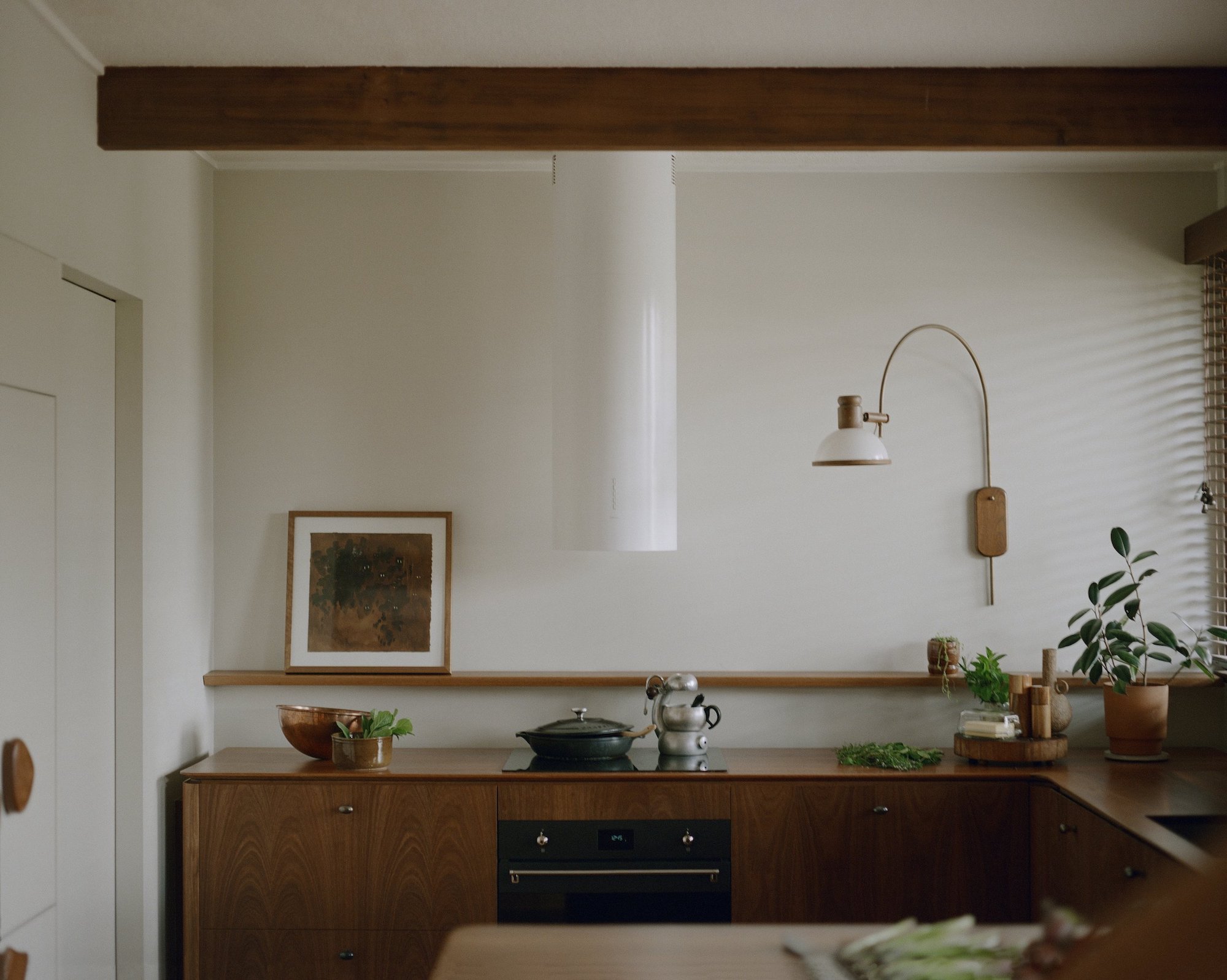
Sensitive restorations often utilize native timbers like spotted gum and blackbutt, low-VOC non-toxic finishes, and traditional materials like Tadelakt for moisture-prone areas. In this home, spotted gum was used extensively for custom joinery, creating what I like to call "furniture-quality" interiors. Unlike cheap MDF or laminate, these native timbers are carbon sinks and can be refinished decades from now, ensuring the home never needs a "landfill renovation."
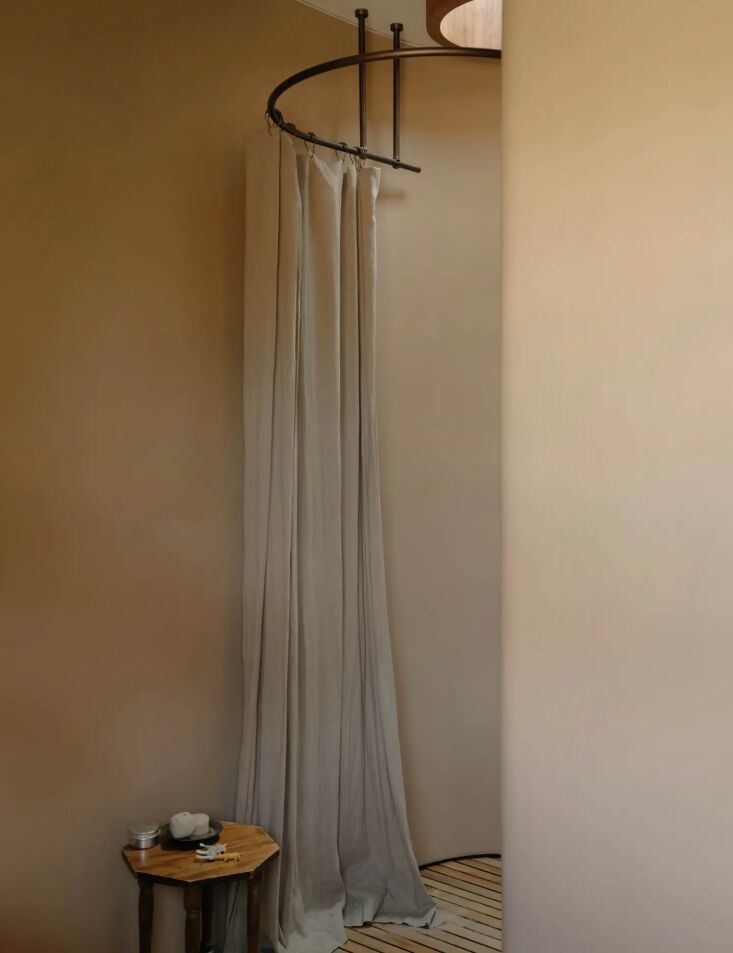
The use of Tadelakt—a traditional Moroccan lime plaster—in the wet areas is a brilliant touch. It is naturally mold-resistant, breathable, and provides a seamless, stone-like finish that complements the home's organic Modernist roots without the need for grout lines and excessive tiling.
Curating the Interior: Where Modernism Meets Comfort
A home’s sustainability isn't just about its R-values; it’s about its longevity. By choosing iconic, well-made furniture, we move away from the "fast furniture" cycle that plagues modern interiors.
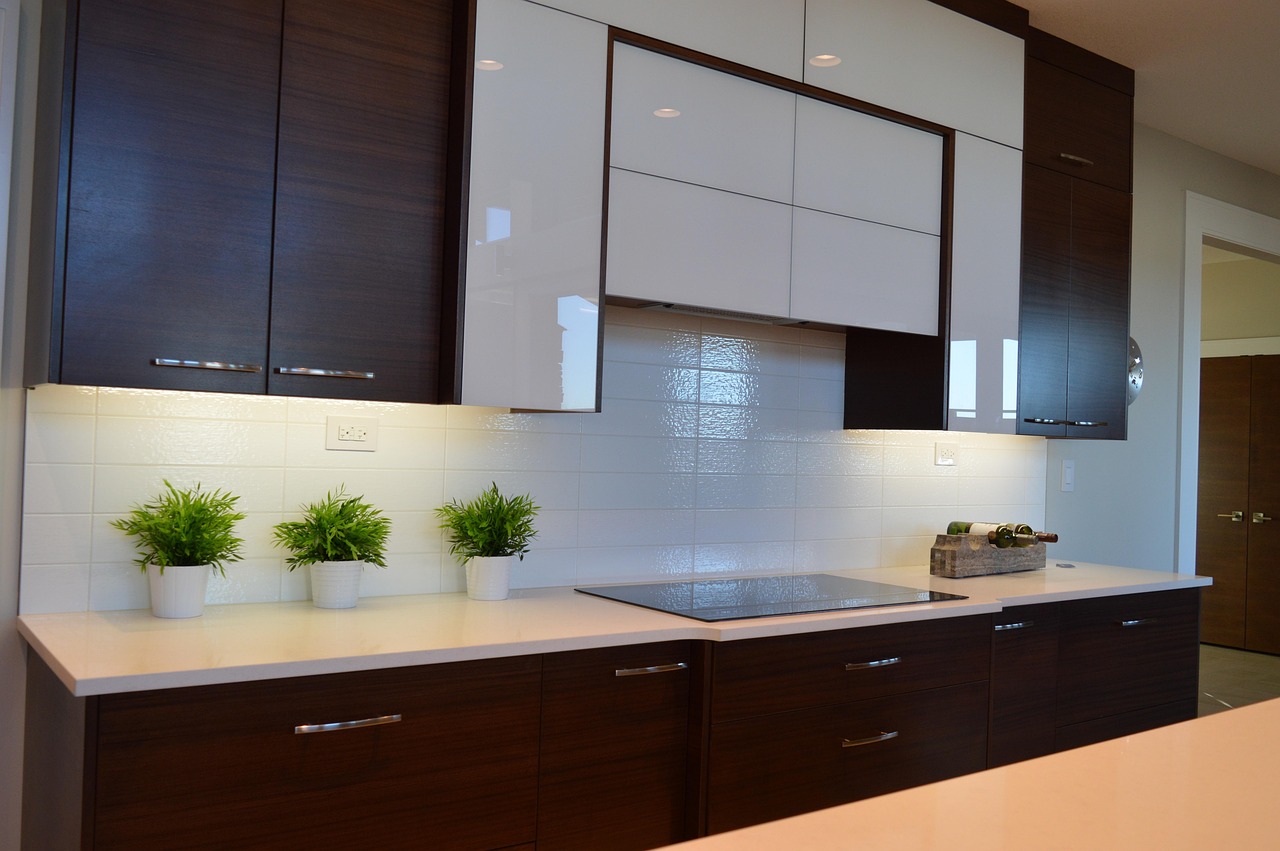
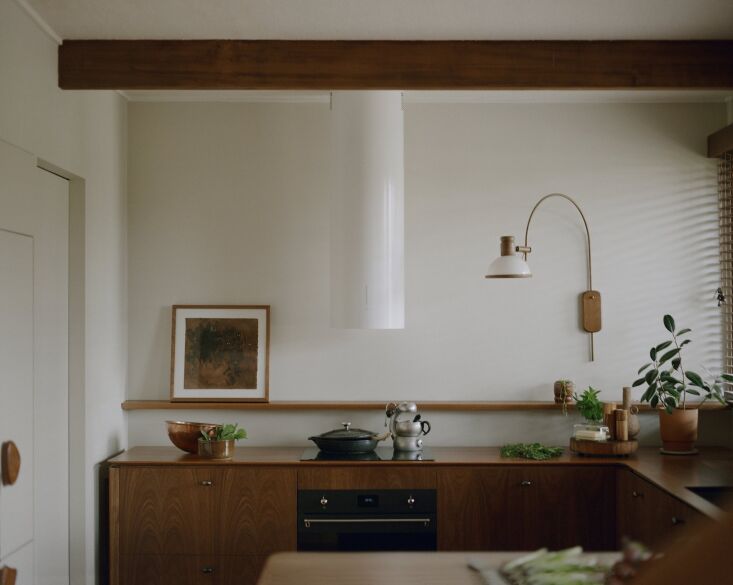
For the Monty Sibbel project, the interior curation focuses on pieces that emphasize form and function over ornamentation. Integrated appliances are key here; brands like Fisher & Paykel provide sleek, high-efficiency induction cooktops and refrigerators that disappear into the custom spotted gum cabinetry, allowing the architecture to remain the star.
When it comes to furnishing an open-plan Bush Modernist home, the goal is to define zones without breaking the visual flow.
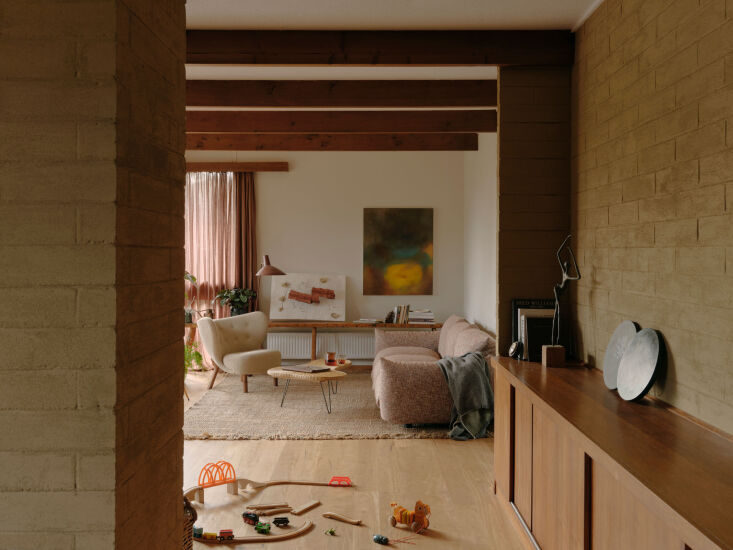
- Seating: Use low-slung, sculptural pieces like the Arflex Marenco sofa to maintain sightlines to the garden.
- Texture: Introduce warmth with wool rugs and tactile fabrics from brands like &Tradition. The Little Petra armchair is a perfect example of mid-century charm meeting contemporary comfort.
- Zoning: Instead of walls, use large rugs and clusters of indoor plants to delineate the lounge from the dining area. This keeps the 100-square-meter footprint feeling airy and expansive.
Maintaining the MCM Aesthetic: Long-term Care for Retrofitted Homes
Once the renovation is complete, the work shifts to stewardship. Maintaining a mid-century modern (MCM) home requires a different approach than a standard contemporary build.
- Timber Care: Native timber floors and joinery should be treated with natural hard wax oils (like Osmo or Whittle Waxes). These are non-toxic and allow the wood to breathe, developing a rich patina over time rather than the plastic look of polyurethane.
- Cedar Frames: The external cedar frames require regular oiling (every 12-24 months depending on sun exposure) to prevent silvering and cracking. This preserves the "Bush Modernist" warmth that defines the facade.
- Preserving Geometry: Don't be tempted to "modernize" unique features. Character-defining elements like the original circular skylights or exposed ceiling beams are what give these homes their soul. In the Monty Sibbel house, the circular skylights were meticulously preserved, acting as light-wells that connect the residents to the changing canopy of the trees above.
Lucas’s Tip: If you’re living in a 1960s home, start with a "thermal leak" audit. Use a thermal imaging camera to find where heat is escaping. Often, the biggest wins aren't the most expensive—sometimes, simply sealing gaps around floorboards and upgrading ceiling insulation can transform your comfort levels before you even touch the windows.
FAQ
Q: Is it always better to retrofit than to build new? A: From a carbon perspective, yes. The "greenest" building is the one that already exists. Retrofitting saves the embodied energy of the original structure. However, it requires a "sensitive" approach—working with the existing architecture rather than fighting against it.
Q: How much does a full sustainable retrofit cost compared to a standard renovation? A: While the upfront cost for high-performance windows and heat-pump systems can be 15-20% higher than standard alternatives, the long-term savings are significant. By eliminating gas bills and drastically reducing heating/cooling loads, these homes often pay for their upgrades within 7-10 years.
Q: Can I achieve 100% electrification in an old home without upgrading the switchboard? A: Usually, a switchboard upgrade is necessary to handle the load of an induction cooktop, electric vehicle charger, and heat-pump systems. It is a foundational investment for any sustainable home.
Your Journey to a Sustainable Haven
The Monty Sibbel retrofit is a powerful reminder that our architectural heritage and our environmental future are not at odds. By respecting the "Bush Modernist" spirit—its humility, its materiality, and its connection to nature—we can create homes that are as efficient as they are beautiful.
Whether you are living in a compact 1960s gem or a modern apartment, the principles remain the same: prioritize quality over quantity, choose materials that age with grace, and always build for the climate we have today, not the one we had fifty years ago.
Are you ready to transform your home into a sustainable sanctuary? Start by focusing on the "Big Three": Insulation, Glazing, and Electrification. Your wallet—and the planet—will thank you.