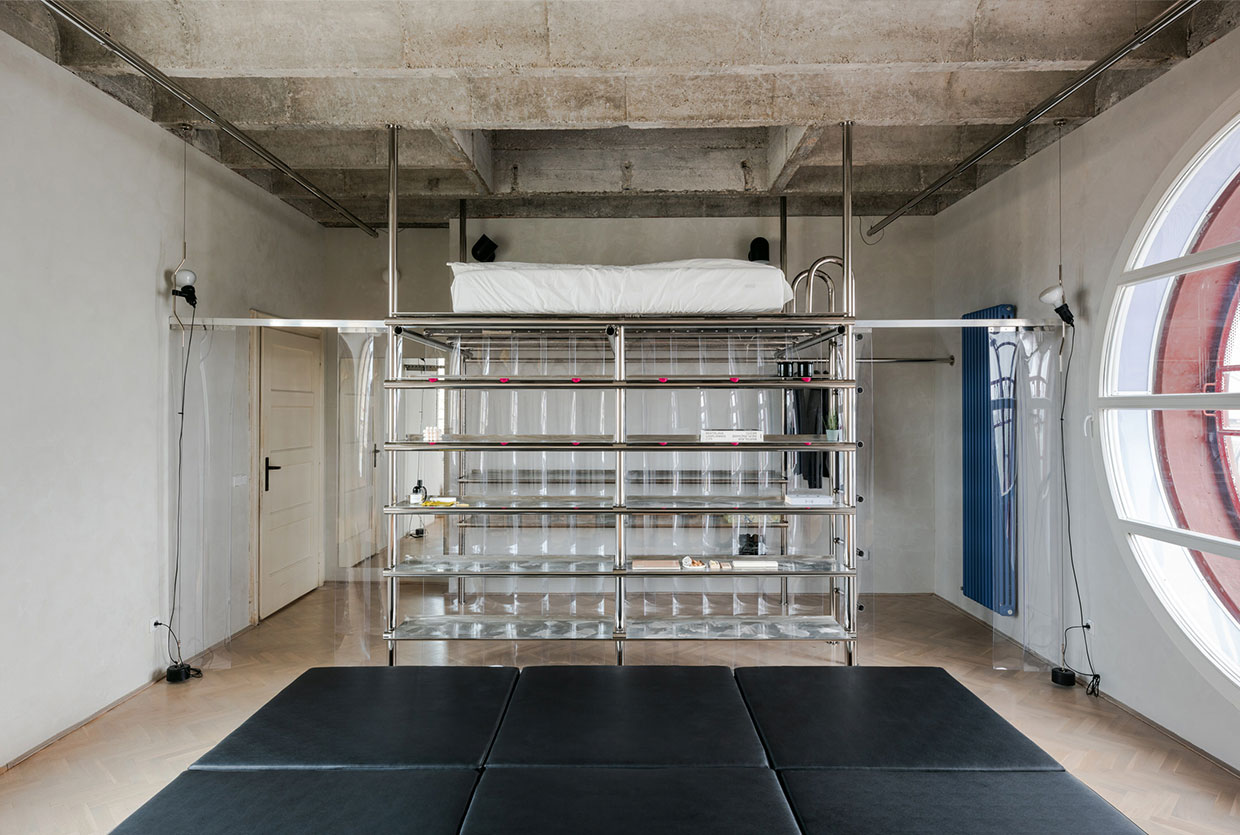
There is a specific, quiet satisfaction that comes from witnessing the rebirth of a neglected space. As a designer, I’ve always believed that the most compelling homes aren’t built from scratch; they are carved out of history. This sentiment is brought to life with breathtaking precision in the Kotva Apartment, located on the sixth floor of the iconic Kotva House in Bratislava.
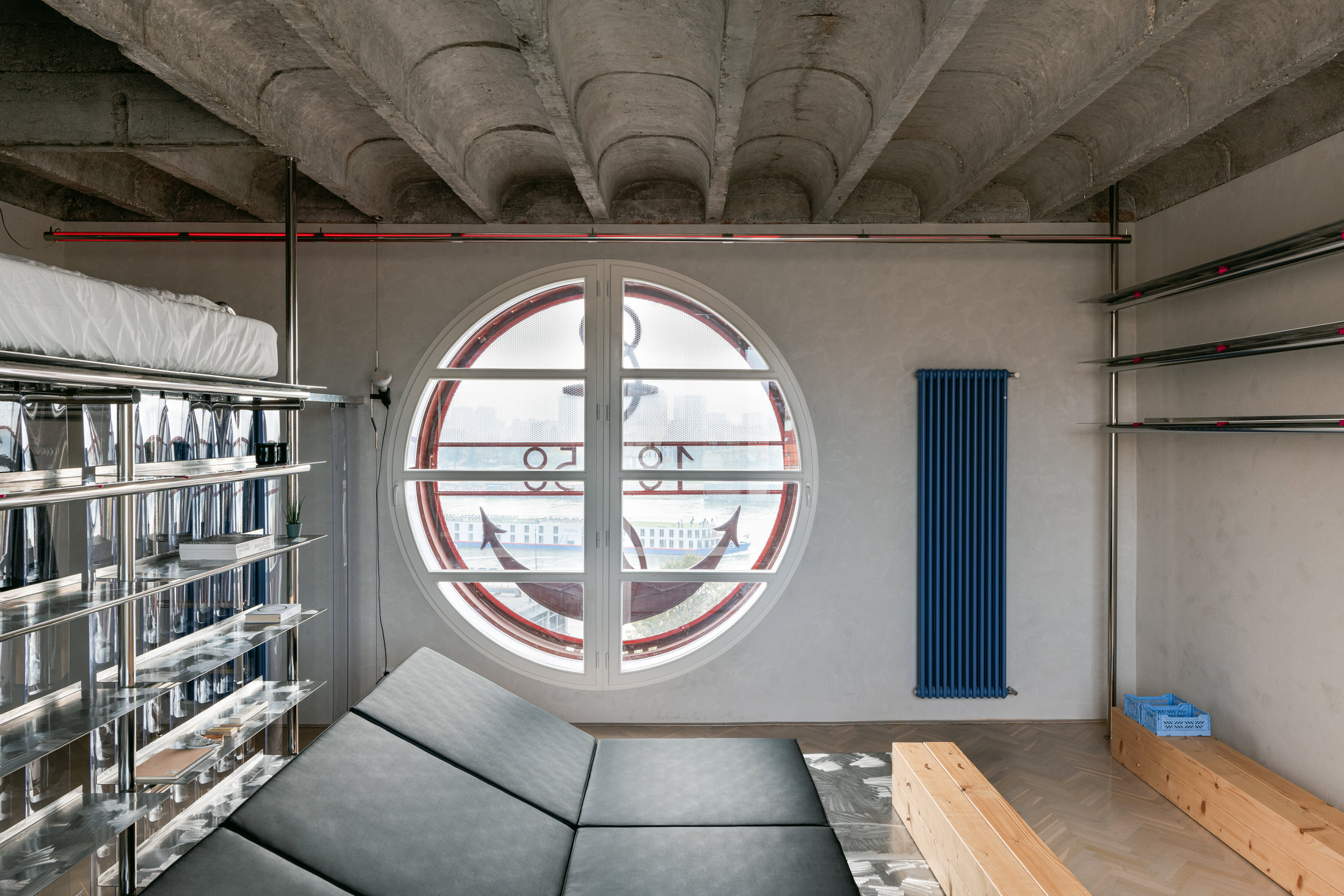
Originally designed in the 1940s as an insurance building, the structure sits as a stoic anchor in the city’s skyline, offering panoramic views of the Danube and the rugged Petržalka district. However, the transition from a rigid, compartmentalized office into a fluid, residential oasis required more than just a fresh coat of paint. It required a radical reimagining of how we define "walls" and "zones." Architect Alan Prekop has achieved this by marrying the building’s industrial heritage with the cutting edge of additive manufacturing, proving that the future of interior design is literally being printed, one joint at a time.
The Design Philosophy: Respecting the Past, Printing the Future
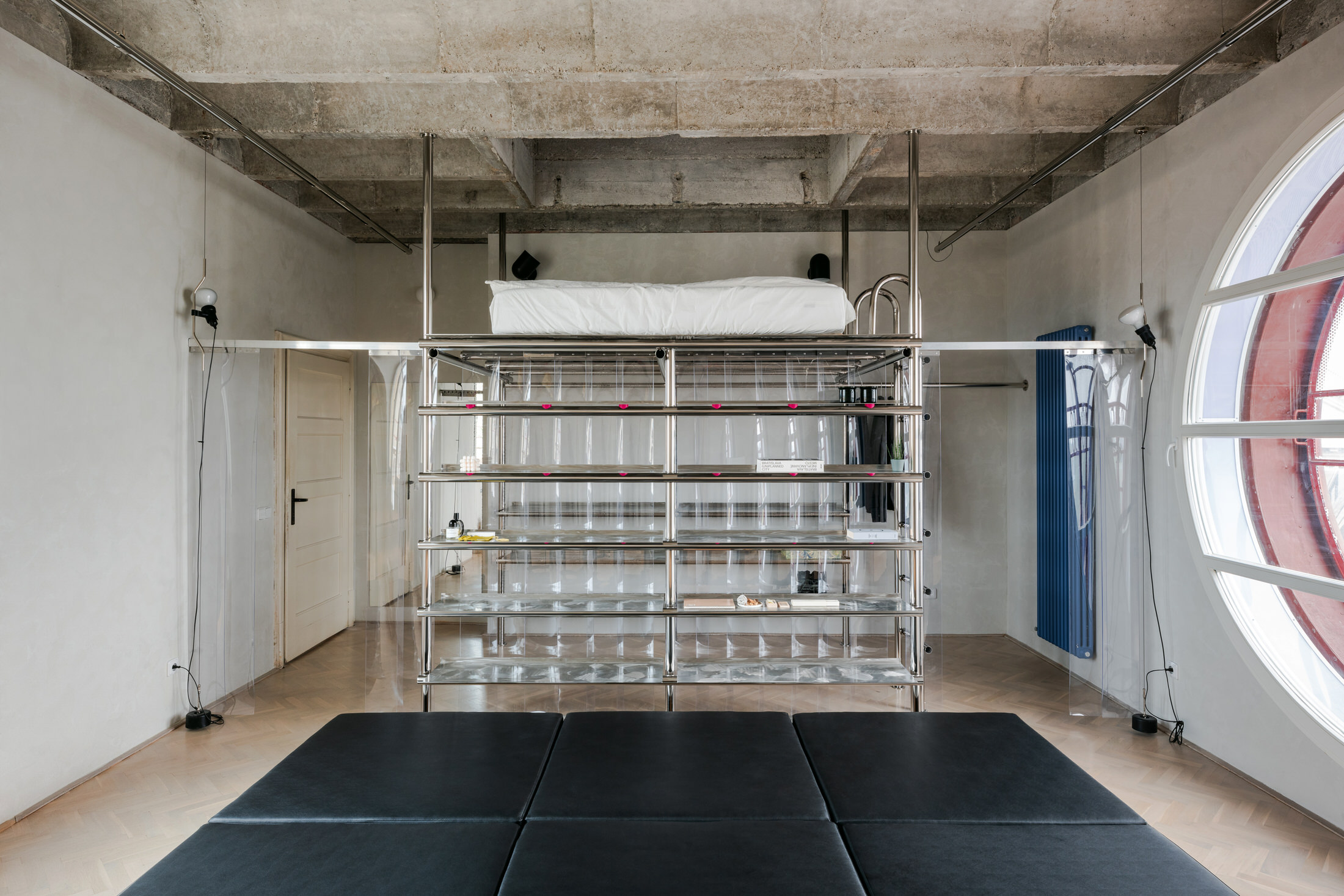
When tackling an adaptive reuse project of this nature, the primary challenge is optimization without erasure. How do you turn a small, former office footprint into a multi-functional home? In the Kotva project, success lies in the use of multifunctional elements, such as the spruce timber platform, and the replacement of rigid walls with sculptural, semi-transparent dividers that organize space into functional zones without closing them off.
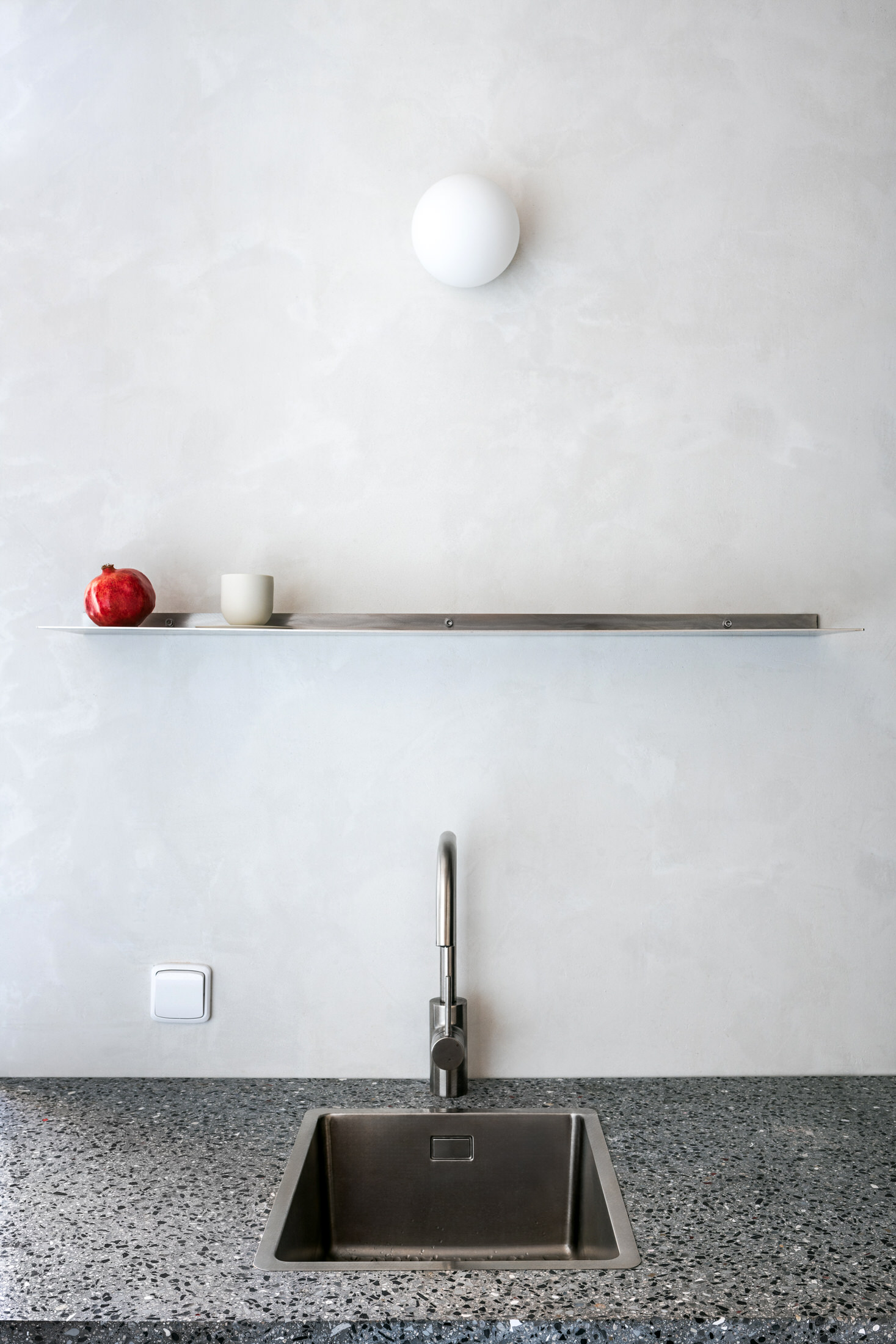
Prekop’s philosophy revolves around a "respectful contrast." The original concrete bones and the building's historic anchor motif—symbolizing stability—are preserved, while the new interventions are unapologetically modern. The material palette serves as the bridge between these two worlds:
- Restored Timber Parquet: Grounding the space in traditional warmth.
- Recycled Plastic Terrazzo: A nod to the circular economy and modern aesthetics.
- Raw Steel and Glass: Maintaining the industrial "office" DNA while elevating it to a residential standard.
- Organic Spruce Wood: Providing a soft, tactile contrast to the harder surfaces.
By stripping the apartment back to its core, Prekop allowed the natural light from the expansive windows to dictate the flow of the home, creating an "oasis" feel that feels remarkably distant from the bustling city streets below.
The 'Star' Element: 3D-Printed Structural Innovation
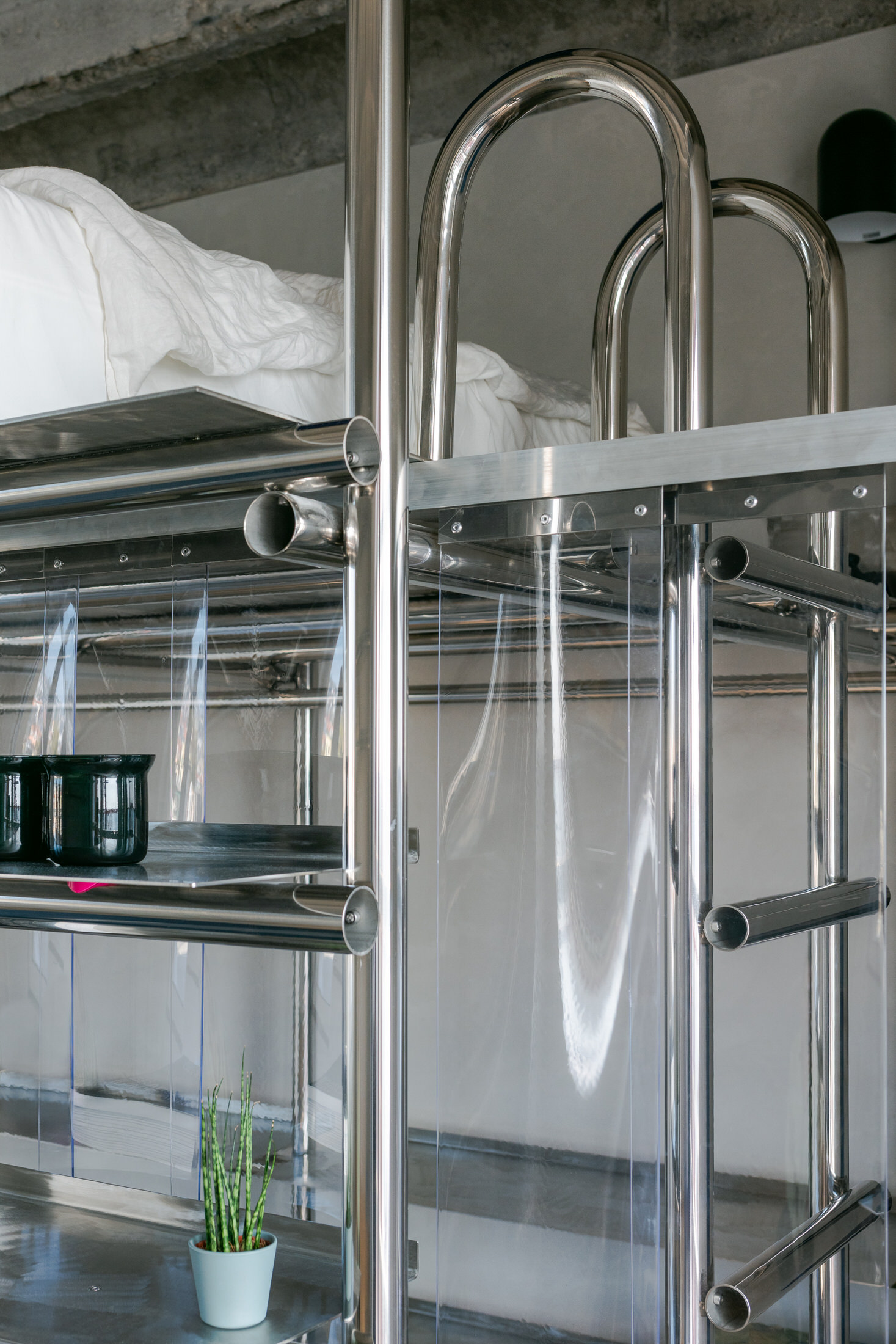
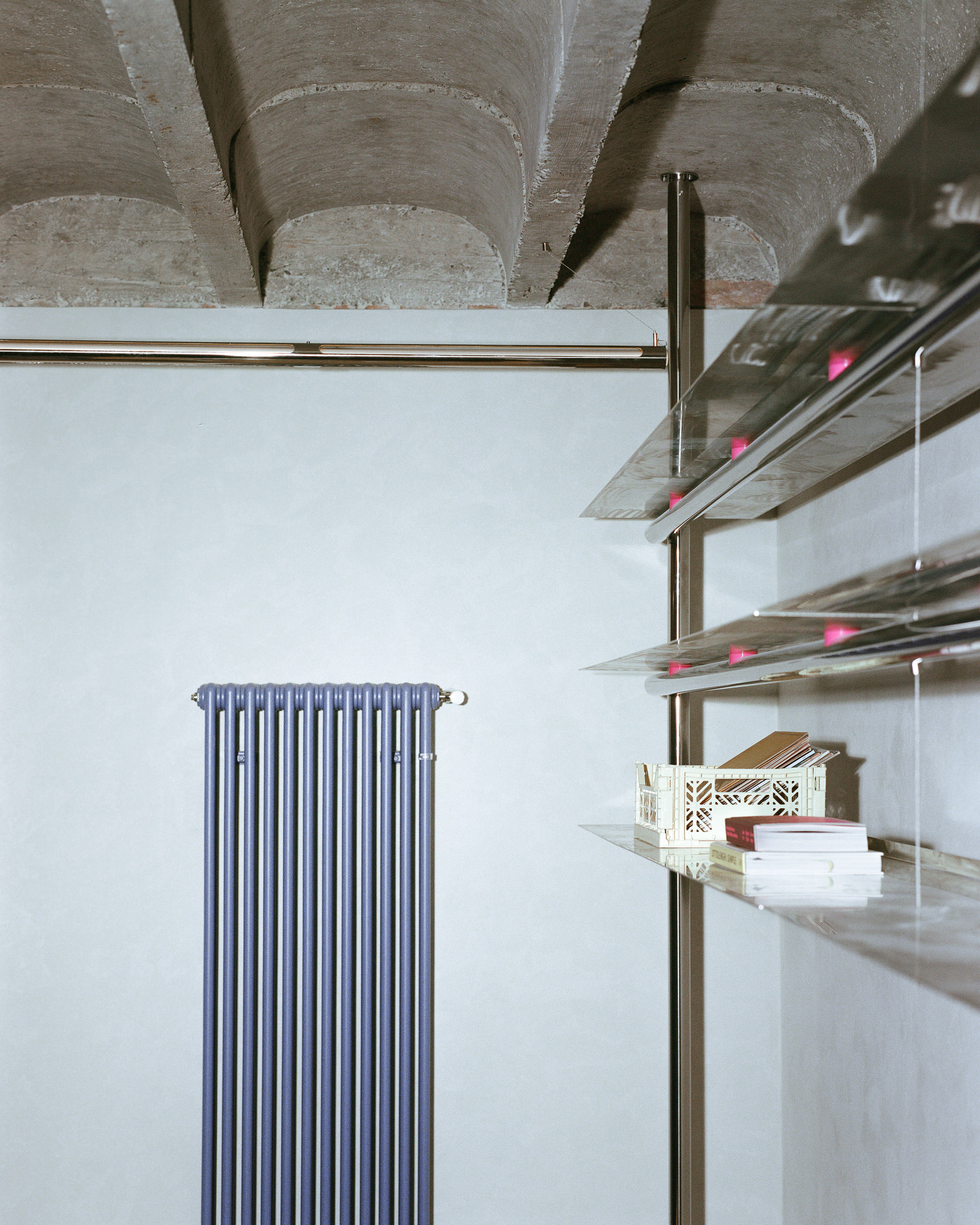
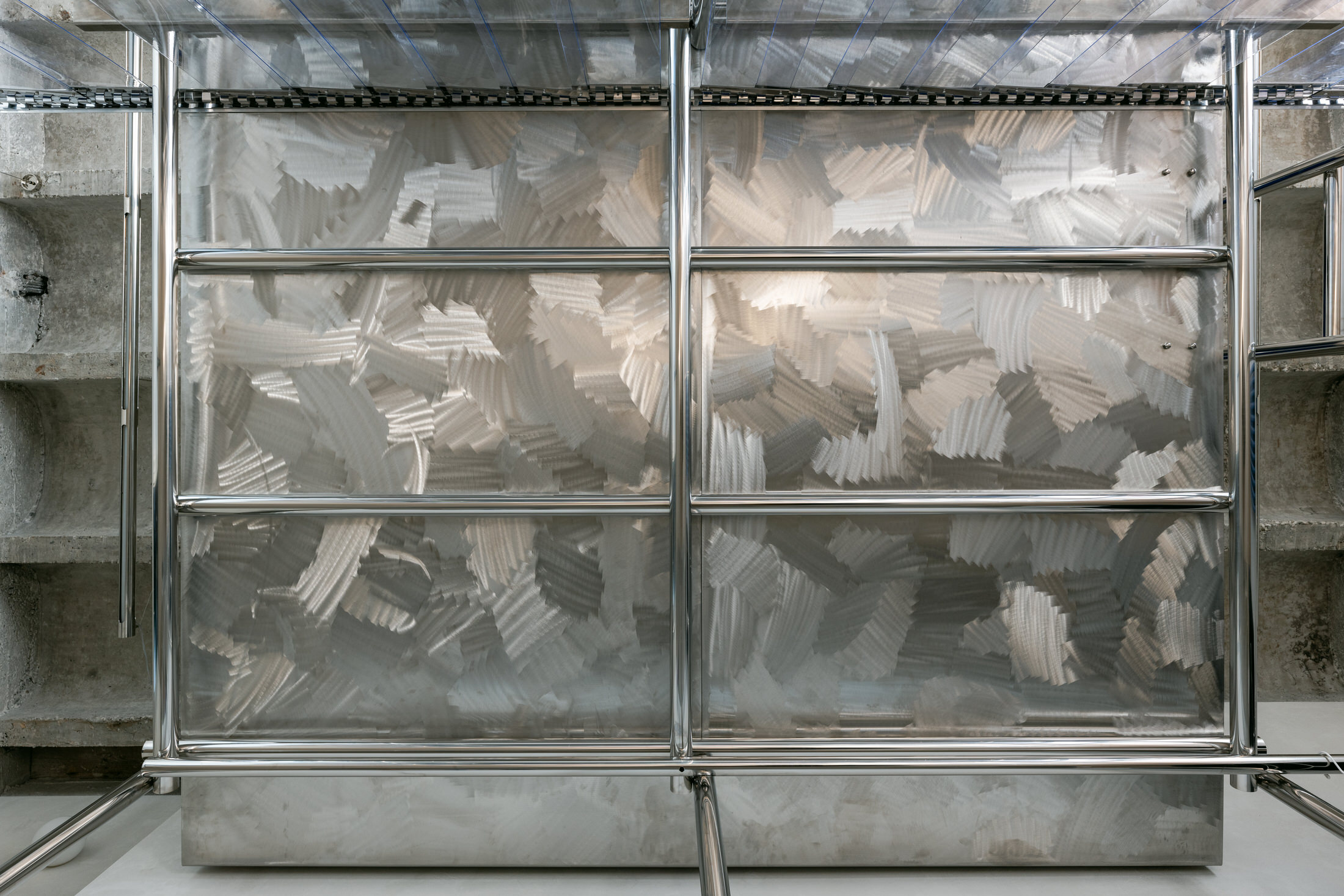
The true centerpiece of this renovation is a custom-engineered steel structure that acts as the apartment's spine. In a space where every square inch matters, traditional masonry walls would have felt like an intrusion. Instead, Prekop designed a lightweight frame that elegantly bifurcates the living, bedroom, and wardrobe zones.
The technical brilliance here lies in the connections. Architect Alan Prekop utilized advanced 3D printing technology to create precise, lightweight connections for this custom steel structure. These joints are not merely functional; they are sculptural artifacts. By using 3D printing for these structural components, the project bypassed the limitations of traditional welding or casting.
Expert Insight: Large-scale 3D printing in interior design can reduce manufacturing lead times for custom structural components by up to 75% compared to traditional molding and casting. This allows architects to iterate designs in real-time and produce bespoke parts that fit perfectly within irregular, historic buildings.
This method allowed for a "plug-and-play" assembly on-site, minimizing the disruption usually associated with heavy renovations. The resulting structure feels skeletal and airy, providing a sense of privacy for the sleeping area while allowing the eye—and the light—to travel the full length of the apartment.
Maximizing Small Footprints: The Multifunctional Stage
In compact urban living, furniture must do more than just occupy space; it must perform. Drawing inspiration from Japanese interiors, Prekop introduced a raised spruce timber platform that serves as the apartment’s social and functional heart.
This isn't just a floor; it’s a "stage" for living. It cleverly incorporates:
- A Lounge Area: Sun-drenched and perfect for morning coffee.
- Integrated Storage: Utilizing the depth of the platform to hide away clutter, a necessity for the "oasis" aesthetic.
- A Guest Bed: The platform is designed to accommodate a mattress, allowing the living room to transform into a guest suite in minutes.
The beauty of this approach is its tailoring. Because 3D printing and parametric design were used throughout the project, every element—from the steel frame to the timber steps—was tailored to the exact spatial dimensions of the Kotva House. This level of customization ensures that no space is wasted, turning what could have been a cramped office into a spacious, thoughtful home.
Sustainability and the Circular Economy in Interiors
Beyond the visual impact, the Kotva project is a masterclass in sustainable renovation. Often, high-end design is synonymous with waste, but additive manufacturing (3D printing) flips this script. 3D printing enables fully customizable designs tailored to exact dimensions, reduces material waste through additive manufacturing, and offers significantly faster turnaround times—often producing in days what takes weeks via traditional methods.
| Feature | Traditional Renovation | 3D-Printed/Adaptive Reuse |
|---|---|---|
| Material Waste | High (Sacrificial molds/cutoff) | Low (On-demand, precise printing) |
| Lead Time | 4-8 Weeks for custom steel | 1-2 Weeks with 3D components |
| Adaptability | Rigid, permanent walls | Modular, demountable structures |
| Sustainability | High carbon footprint | Reduced waste (30-40% less) |
Implementing additive manufacturing for bespoke furniture joints reduces material waste by approximately 30-40% by utilizing precise, on-demand production without the need for sacrificial molds. When paired with the use of recycled plastic terrazzo and the preservation of existing timber, the project sets a high bar for "green" luxury. It’s a reminder that being kind to the planet doesn't mean sacrificing the "wow" factor.
The Future of Bespoke Interiors: Beyond the Kotva Project
As an editor, I am often asked if 3D printing is just a gimmick. The Kotva Apartment is the definitive "no" to that question. This isn't about printing plastic trinkets; it’s about democratizing high-end, bespoke interior design.
In the near future, we will see more integration between parametric modeling and smart technology, allowing homeowners to customize their structural components as easily as they choose a paint color. Alan Prekop has provided a blueprint for how technology can be used to solve the oldest problem in design: how to make a small space feel like a sanctuary.
The Kotva project isn't just a home; it's a testament to the fact that when we stop seeing "offices" and start seeing "potential," and when we trade the sledgehammer for the 3D printer, we can create spaces that are truly transformative.
FAQ
How does 3D printing reduce the cost of custom renovations? While the technology itself is an investment, it significantly reduces labor costs and material waste. By creating precise components that fit perfectly the first time, you avoid the "trial and error" costs associated with traditional custom fabrication. In the Kotva project, the 75% reduction in lead time also translates to lower project management and on-site labor expenses.
Is 3D-printed furniture durable enough for daily use? Absolutely. The structural joints in the Kotva Apartment are printed using high-strength materials (often steel or advanced polymers) that meet or exceed traditional building standards. When engineered correctly, 3D-printed components are just as durable, if not more so, than their traditionally manufactured counterparts.
Can I use 3D printing in a DIY home renovation? While large-scale structural printing requires professional expertise and industrial printers, the concept of "on-demand" design is trickling down. Homeowners can now commission local 3D printing hubs to create custom hardware, lighting fixtures, or even furniture legs based on digital files, allowing for a level of customization previously reserved for high-budget architectural projects.