The most sustainable building is the one that already exists. In an era where the construction industry accounts for nearly 40% of global carbon emissions, the architectural community is undergoing a radical shift in philosophy. We are moving away from the "tear down and replace" mentality toward a "don't build, rework" movement. This is adaptive reuse: the architectural process of repurposing an existing building for a new function—such as converting a rural sheep shed into a modern residential home. By doing so, we preserve not only the structure's historical narrative but also its "embodied carbon"—the energy already spent to create its original materials.
The scale of this movement is staggering. Nationwide architectural developments have reached a record-breaking 181,000 apartment units in the adaptive reuse pipeline by 2026, a surge largely driven by the conversion of vacant office spaces and industrial shells. In 2024 alone, adaptive reuse produced approximately 25,000 new apartments across the United States, representing a 50-percent increase year-over-year. Whether it’s a Manhattan skyscraper or a derelict barn in the countryside, the blueprint for our future homes is already written in the ruins of our past.
Case Study: Ben Daly’s Shearing Shed Transformation
To understand the true potential of this movement, we look to the work of architect Ben Daly. His project, a transformation of a 1980s operational sheep run into an 860-square-foot family home, serves as a masterclass in how to treat a humble agricultural shell with the reverence of a cathedral.
Daly’s approach was rooted in a "hands-on" philosophy. He performed nearly 95% of the construction work himself, a process he believes is essential for understanding the "soul" of a structure. This wasn't just a renovation; it was an archaeological dig into the building's potential. The original shed was a utilitarian tin box, designed for livestock and heavy machinery, not for human comfort. The challenge lay in retaining that rugged, agricultural identity while creating a high-performance, thermally efficient living space.
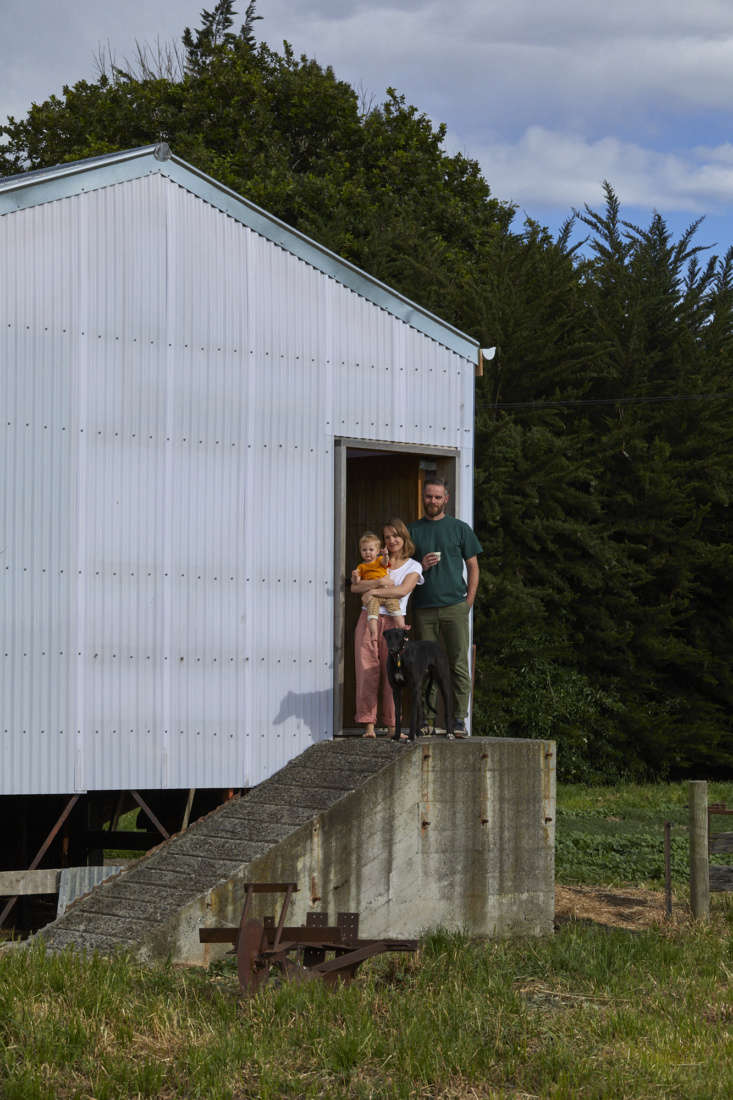
The design keeps the building's humble origins front and center. For instance, the original concrete sheep ramp wasn't demolished; it was repurposed as the primary entry point, grounding the new home in its former life as a place of labor and movement.
Technical Blueprint: Turning a Tin Box into a Thermal Haven
The primary obstacle in any metal-clad conversion is the "thermal bridge." Corrugated steel is an excellent conductor of heat and cold, meaning a standard shed can feel like an oven in the summer and a freezer in the winter. For Lucas Reed, this is where the real work of sustainable living begins: in the "invisible" layers of the walls and floors.
Solving the 'Tin-Lined' Problem
To insulate a corrugated steel shed for residential use, Daly utilized a sophisticated "insulation sandwich." Because the original structure was essentially just a single skin of steel, the new interior had to be built from the inside out.
| Component | Material Used | Function |
|---|---|---|
| Outer Shell | Original Corrugated Steel | Weather protection & Aesthetic |
| Wall Cavity | Batt Insulation + Recycled Foam | Thermal resistance & Sound dampening |
| Flooring | Kuring Plywood | Structural durability & Warmth |
| Sub-Floor | Double Insulation Layer | Preventing ground cold transference |
| Glazing | High-Performance Double Glazing | Solar gain management |
By combining traditional batt insulation with layers of recycled foam, Daly created a thermal break that prevents the exterior steel's temperature from leaching into the interior framing. Furthermore, the home is elevated 1.2 meters off the ground, a design choice that uses air as a natural insulator and prevents moisture from rising through the foundation.
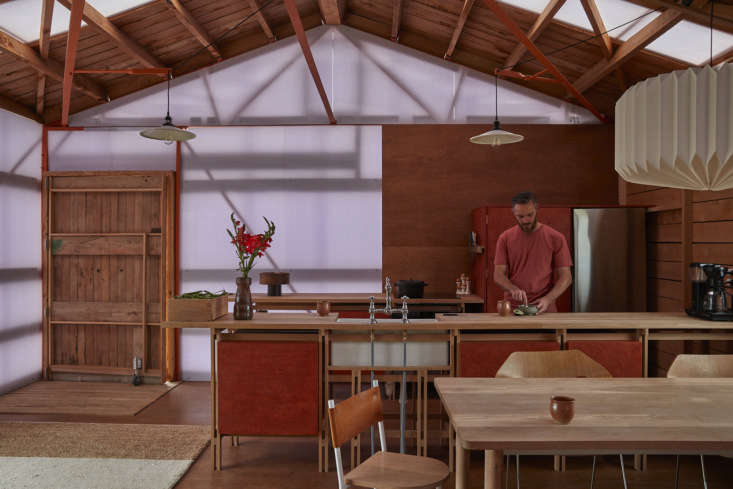
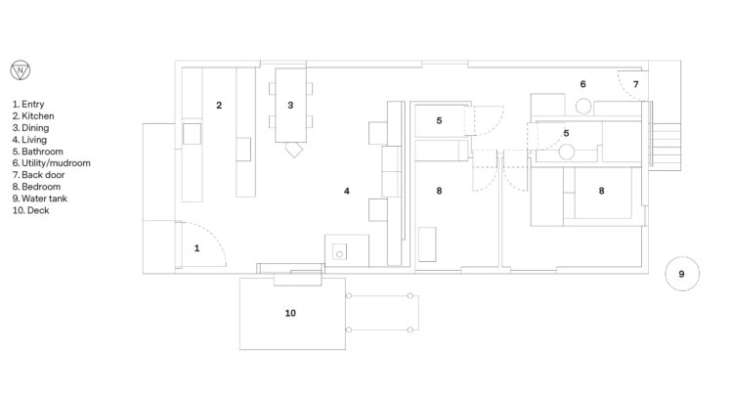
The interior was treated as a single, large volume. Instead of partitioning the space with traditional dry-walled rooms, Daly created internal "pods" or "boxes" that house the private functions of the home. This maintains the soaring height of the original barn while making the living areas easier to heat and cool.
Materiality and Craftsmanship: The Interior Aesthetic
Sustainable living isn't just about energy efficiency; it’s about the materials we touch and see every day. In this shed conversion, the choice of materials was dictated by what was local, salvaged, and low-impact.
Japanese Joinery and Salvaged Narratives
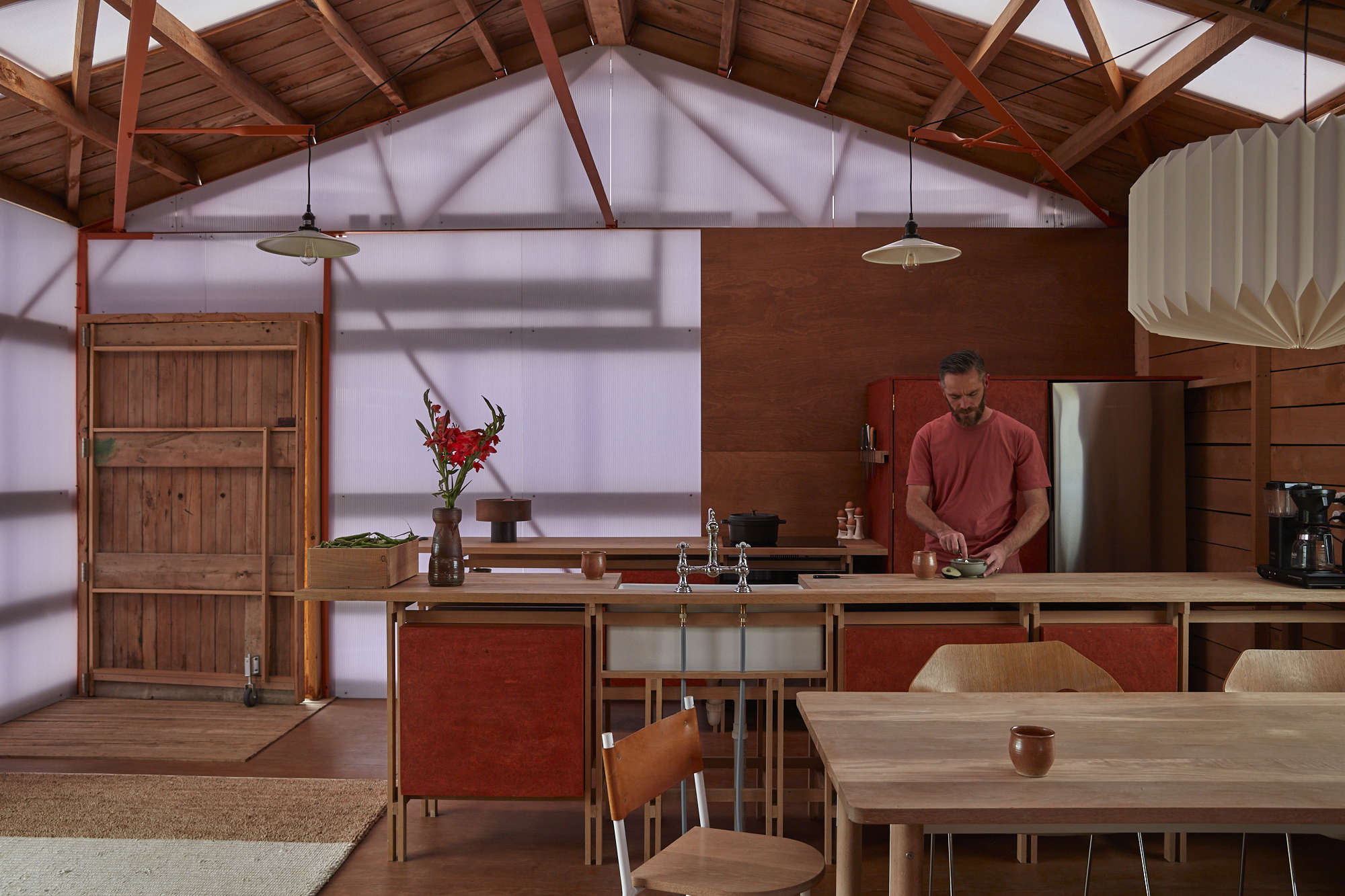
The kitchen and cabinetry are heavily influenced by Japanese joinery, described by Daly as "boxes hung within a frame." This method allows for flexibility and minimizes the use of permanent, heavy-duty fasteners.
One of the most poetic elements of the interior is the wall paneling. Following a local storm, a single felled macrocarpa tree was harvested and milled. The entire home’s wall paneling was sourced from this single tree, ensuring a perfect consistency in grain and color while eliminating the carbon footprint of transport. For the structural framing of the kitchen, Daly repurposed rimu wood—a prized native timber—salvaged from old stables on the same property.
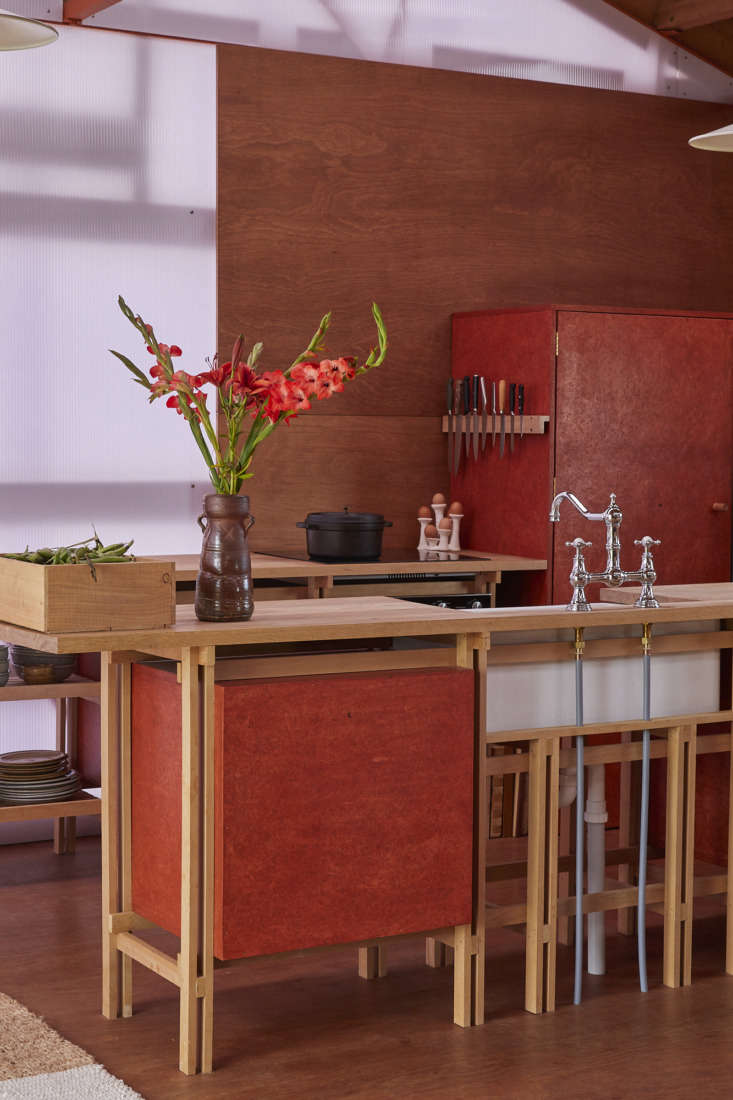
To keep the indoor air quality high, Daly opted for low-VOC (Volatile Organic Compound) strand board, finished with white oil. This combination allows the wood to "breathe" while providing a durable, modern finish that reflects natural light, making the 860-square-foot space feel significantly larger than its footprint suggests.
Repurposing with Purpose: Creative Agricultural Upcycling
Adaptive reuse shines brightest in the small details—the moments where a functional farm tool is reimagined as a domestic luxury. This is where "upcycling" transcends its DIY-craft roots and enters the realm of high design.
In Daly's home, the former sheep chutes—once used to guide livestock—have been transformed into built-in bookshelves. The narrow, vertical geometry of the chutes provides the perfect frame for a home library, turning a ghost of the building’s past into a focal point of its future.
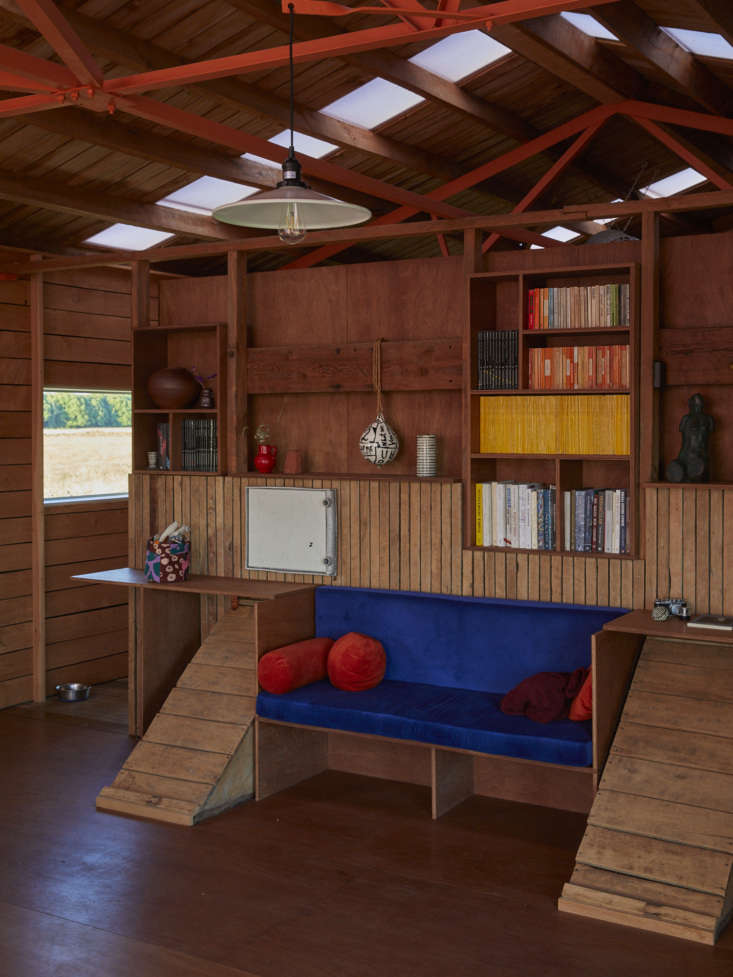
The innovation extends to the exterior as well. Rather than pouring a new concrete patio—a carbon-intensive process—Daly converted an old hay trailer into a modular deck. This mobile outdoor space can be positioned to catch the sun or provide shade, offering a flexible indoor-outdoor connection that respects the site's agricultural heritage.
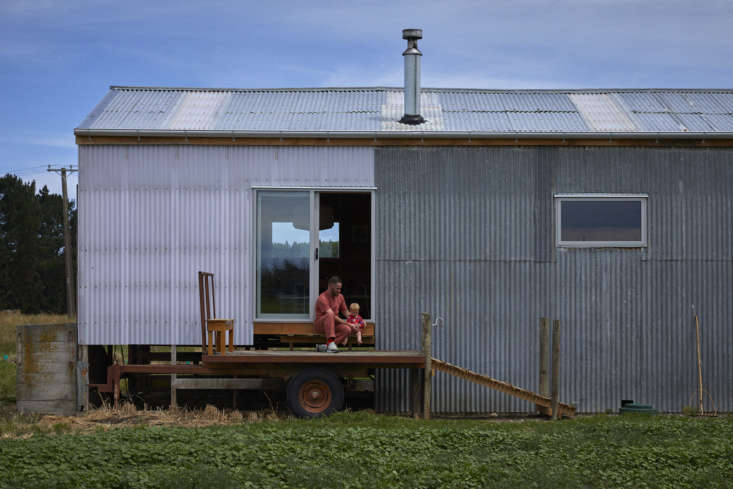
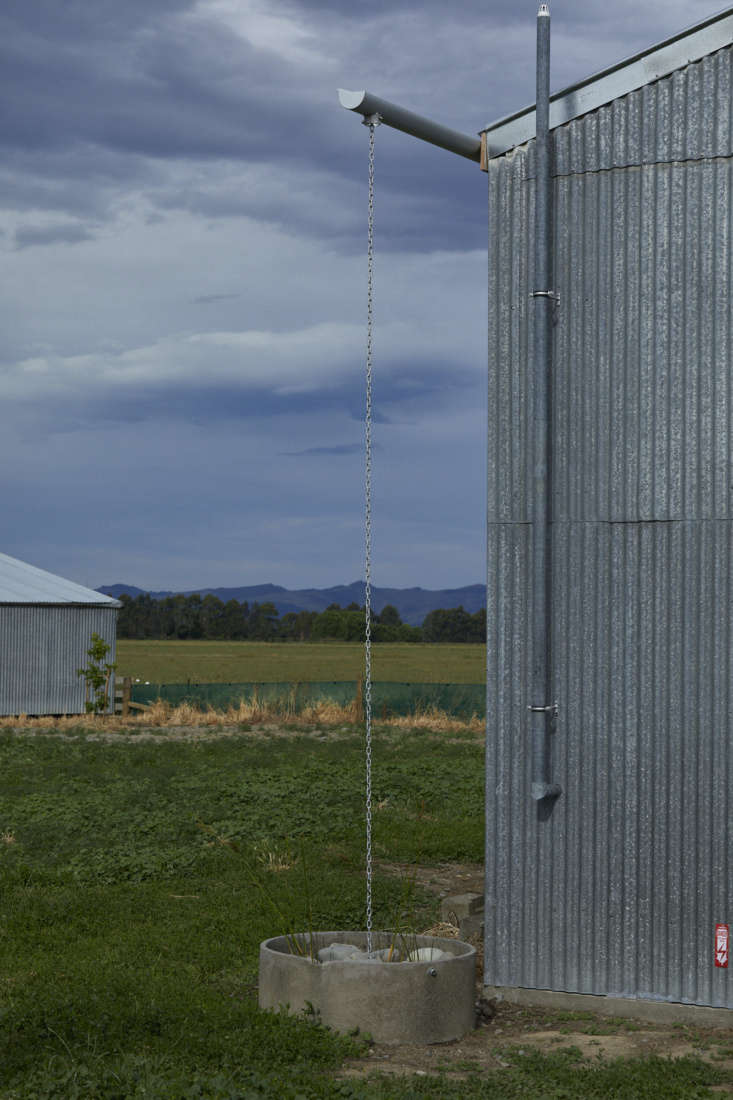
Even water management was reconsidered through the lens of reuse. Traditional gutters were replaced with rain chains, and old concrete feeding trays were positioned at the base to serve as natural filtration systems. As the water fills the trays, sediment settles, and the overflow feeds the surrounding landscape.
The Sustainable Outlook for 2026
As we look toward 2026, the tools for adaptive reuse are becoming more sophisticated. We are seeing the rise of Digital Twins—3D digital replicas of existing structures—which allow architects to simulate thermal performance and material stress before a single nail is pulled. AI is now being used to catalog salvaged materials from demolition sites, creating a "circular economy" marketplace for high-quality, reclaimed timber and steel.
Beyond the environmental benefits, there is a strong economic incentive. Many local governments are now offering tax credits and streamlined permitting for projects that revitalizing older structures. In many cases, the cost-savings of utilizing an existing foundation and frame can be redirected into higher-quality insulation and sustainable energy systems, like solar arrays or geothermal heat pumps.
Conclusion
The transformation of a rural sheep shed into a designer home is more than just a clever renovation; it is a blueprint for a more responsible way of living. By embracing the "Don't build, rework" philosophy, we can create homes that are rich in history, high in performance, and low in environmental impact. As Lucas Reed, I believe that our most beautiful future lies in how well we can reimagined our past.
Adaptive reuse teaches us that every structure has a second life—if we are willing to listen to what the building wants to become.
FAQ
What is the biggest challenge in sheep shed conversions? The primary challenge is thermal management. Most agricultural sheds are "thin-skinned," meaning they lack the insulation and airtightness required for residential comfort. Addressing thermal bridging—where heat escapes through the metal frame—is the most critical technical step.
Is adaptive reuse cheaper than building new? Not always. While you save on the "skeleton" of the house (foundation and frame), the costs of retrofitting modern plumbing, electrical, and high-performance insulation into an old shell can be significant. However, the long-term environmental "cost" is much lower, and the architectural character is often irreplaceable.
How do I find materials for a sustainable renovation? Look for local "architectural salvage" yards or use digital marketplaces specialized in reclaimed timber. Many sustainable projects, like Ben Daly’s, also look to the land itself—using storm-felled trees or repurposing existing farm equipment found on-site.