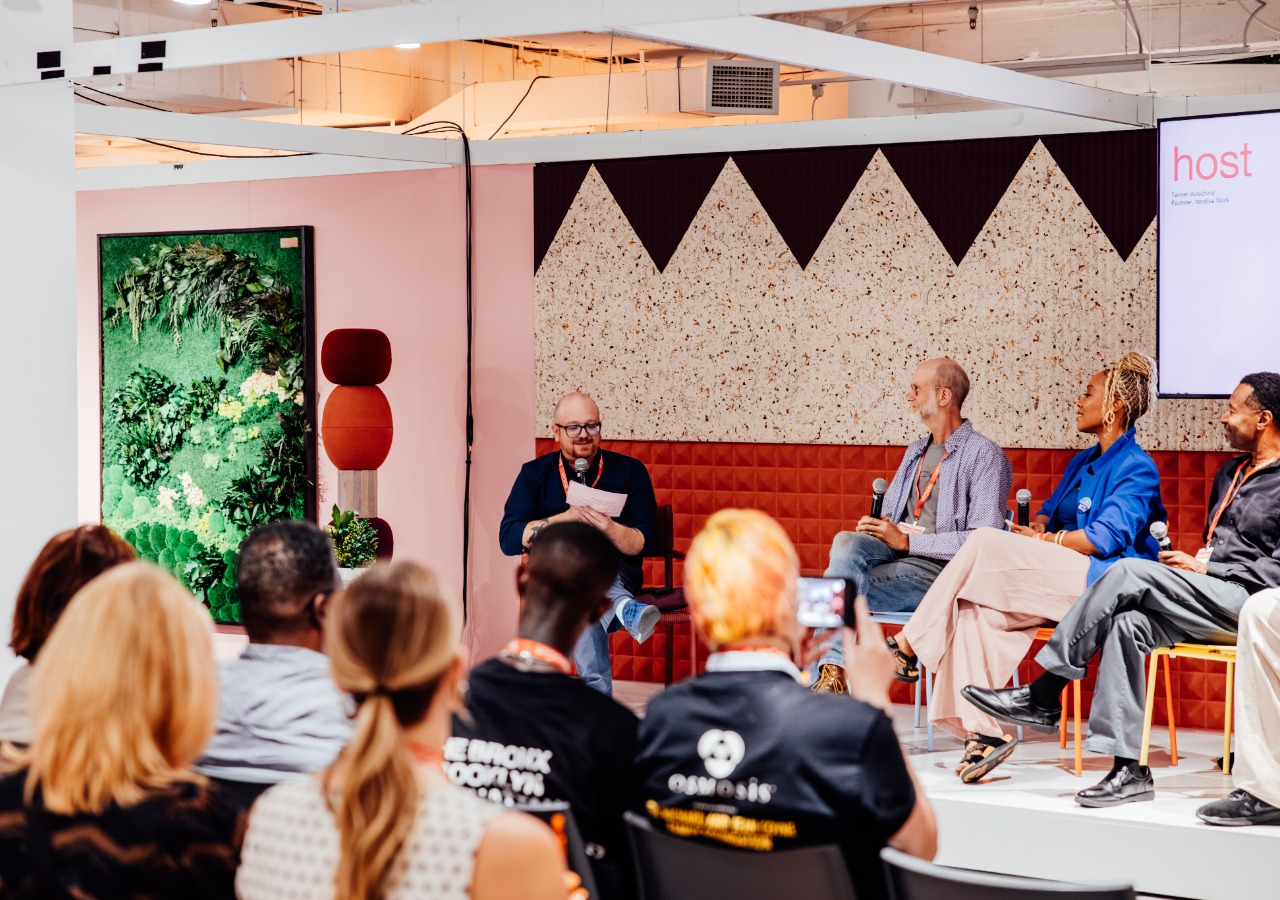
Walking through the halls of the Merchandise Mart during NeoCon 2025, one thing became immediately clear: the era of the "perk-laden" office is over. We are no longer talking about foosball tables or beer taps. Instead, the design world has pivoted toward something far more essential—the Sensorial Escape. As I explored the latest installations, it was evident that the modern workspace is undergoing a radical transformation. We are shifting away from tech-first environments that prioritize efficiency at all costs and moving toward human-first "office ecosystems" that prioritize neuroaesthetics and sensory restoration.
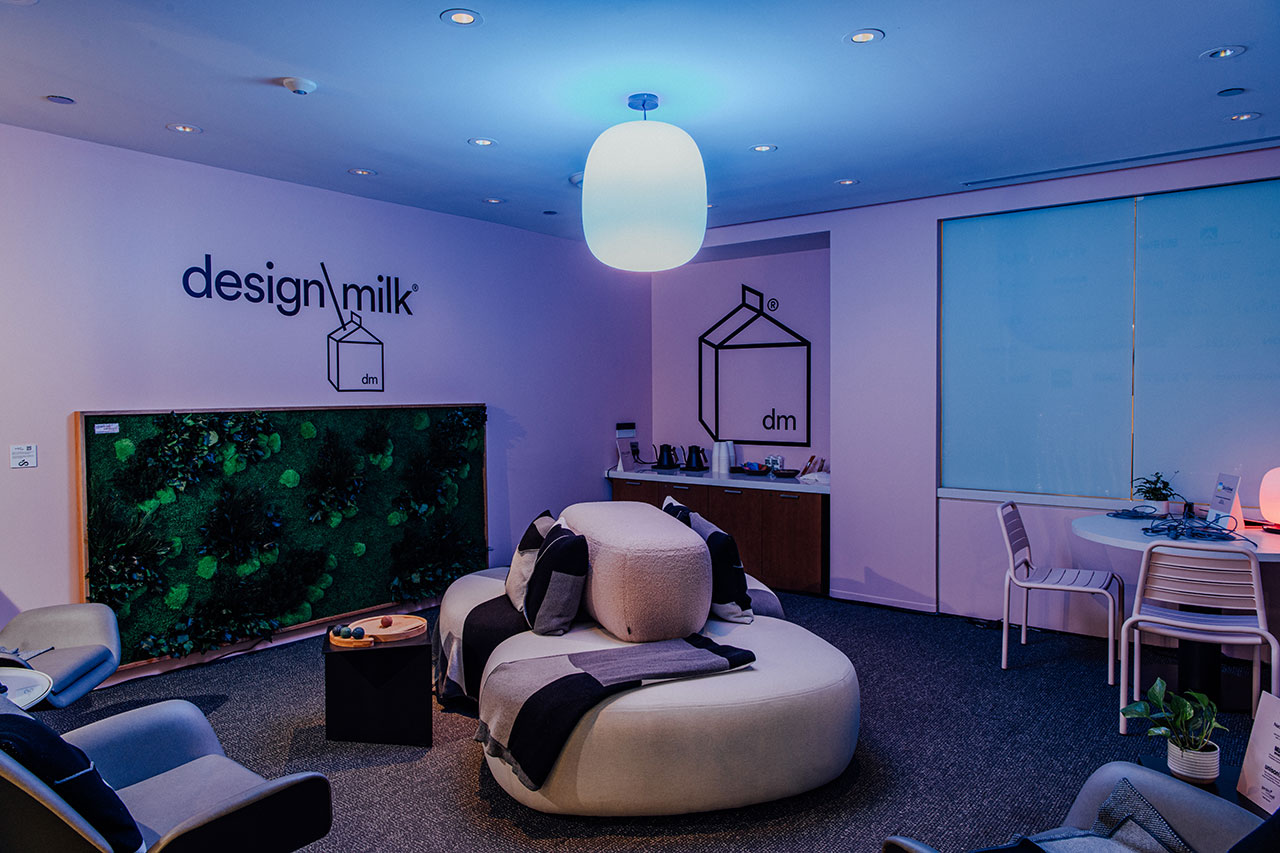
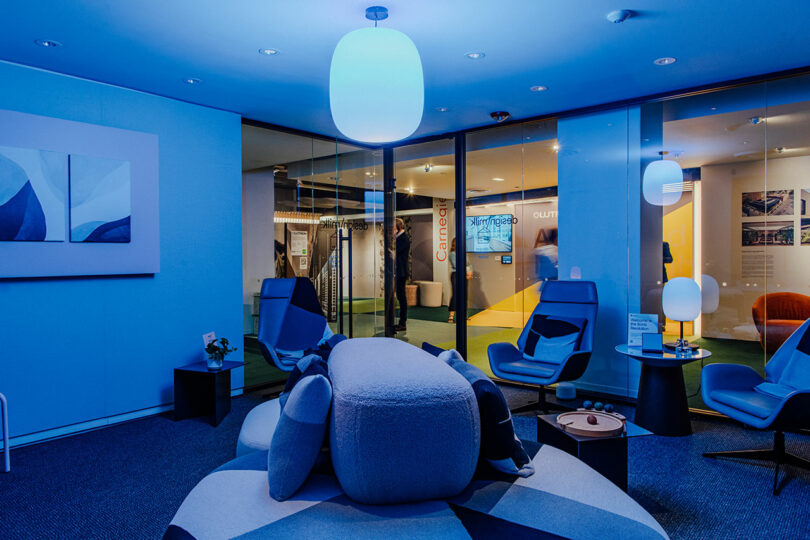
The standout feature of this year’s show was undoubtedly the Designer Wellness Lounge. This isn't just a breakroom; it is a curated, multi-sensory environment designed to help employees regulate their nervous systems in real-time. According to the Aflac 2025 WorkForces Report, nearly 75% of U.S. workers report experiencing moderate to very high stress levels at work. In response, the design trends for 2026 are moving toward a "Design for Dignity" approach, where the workspace becomes a destination for well-being rather than a source of burnout.
What is a Modern Office Wellness Lounge?
A wellness lounge in a modern office is a dedicated, multi-sensory zone designed specifically for restoration and sensory comfort. Unlike traditional office layouts that are static and mono-functional, these lounges are "interoperable." They integrate biophilic elements, adaptive lighting, and acoustic management to provide employees with a necessary reprieve from high-stress work environments.
From my perspective as an editor, what makes these lounges successful is their ability to offer "sensory grounding." By utilizing flexible seating and modular privacy solutions, companies can create a "quiet node" within a busy floor plan. These spaces allow for a quick transition from a high-energy collaborative session to a moment of deep, reflective solitude.
Ivy’s Pro Tip: When planning a wellness lounge, think beyond the furniture. The most effective spaces address the "invisible" elements of design—acoustics, air quality, and light temperature. If your team feels "drained" by 3 PM, it’s likely a sensory issue, not just a workload issue.
The Business Case: Why 2026 Demands In-Office Recovery Spaces
Investing in high-end wellness design is no longer a "nice-to-have" luxury; it is a business imperative. The shift from static layouts to modular office ecosystems is a direct response to the fact that 3 out of 4 modern professionals are struggling with sensory overload. When employees are stressed, cognitive function drops, and creativity halts.
Design thinking for 2026 suggests that by creating specific zones for recovery, organizations can actually increase overall productivity. By incorporating biophilic design—the practice of re-establishing a connection to nature—employers can reduce cortisol levels and enhance mental clarity.
| Feature | Traditional Office (Pre-2024) | Modern Office Ecosystem (2026+) |
|---|---|---|
| Layout | Static, assigned desks | Modular, interoperable zones |
| Lighting | Standard overhead fluorescent | Adaptive, circadian-synced (SkyView) |
| Wellness | A gym membership or a snack bar | Dedicated multi-sensory restoration lounges |
| Privacy | Glass-walled conference rooms | Acoustic "Quiet Nodes" and plug-and-play pods |
| Focus | Efficiency and output | Sensory comfort and psychological safety |
5 Key Trends Redefining the Workspace for 2026
1. The Multi-Sensory Environment
The most sophisticated designs at NeoCon 2025 moved beyond aesthetics to embrace the full human experience. We are seeing a surge in "sensory workplace wellness," which includes adaptive lighting systems that mimic the movement of the sun and sonic augmentation to mask distracting office chatter. Lavender and eucalyptus diffusion are even being integrated into HVAC systems to create a subtle, calming olfactory backdrop.
2. Biophilic Design 2.0
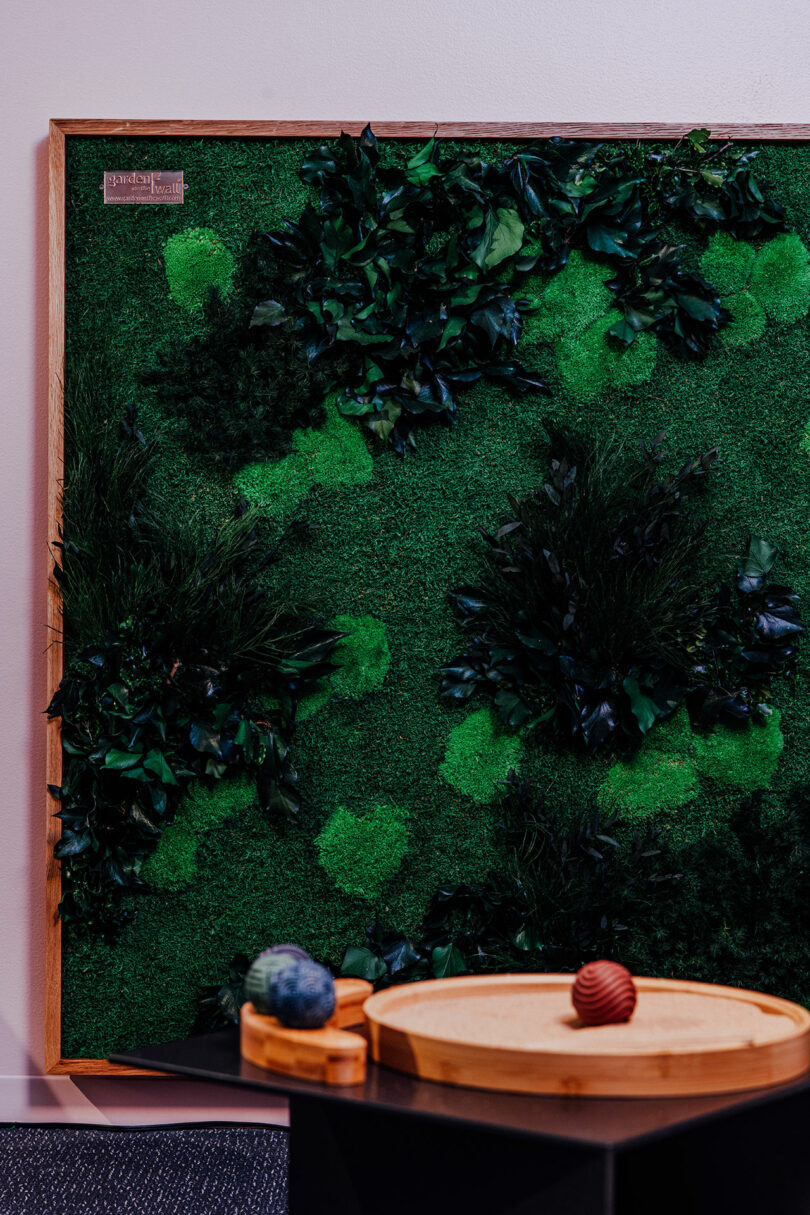
We have moved past the "potted plant in the corner" phase. Biophilic Design 2.0 is about total integration. Think preserved green walls that act as acoustic buffers and "Garden on the Wall" installations that serve as architectural art. These elements don't just look good; they improve air quality and provide a visual "soft fascination" that helps the brain recover from intense focus.
3. Modular and Interoperable Zones
The hallmark of the 2026 office is flexibility. Using modular, plug-and-play pods, designers are creating environments that can be reconfigured in hours, not months. These pods allow for seamless transitions between social interaction and solo deep work. For facility managers, this means the office can evolve alongside the team’s needs without costly renovations.
Design Checklist for Interoperable Zones:
- Moveable Acoustic Screens: For instant privacy in open layouts.
- Plug-and-Play Power: Ensuring every corner of the wellness lounge is functional.
- Variable Seating Heights: Offering ergonomic variety from lounge chairs to standing perches.
4. Community-Centric 'Hospitality' Features
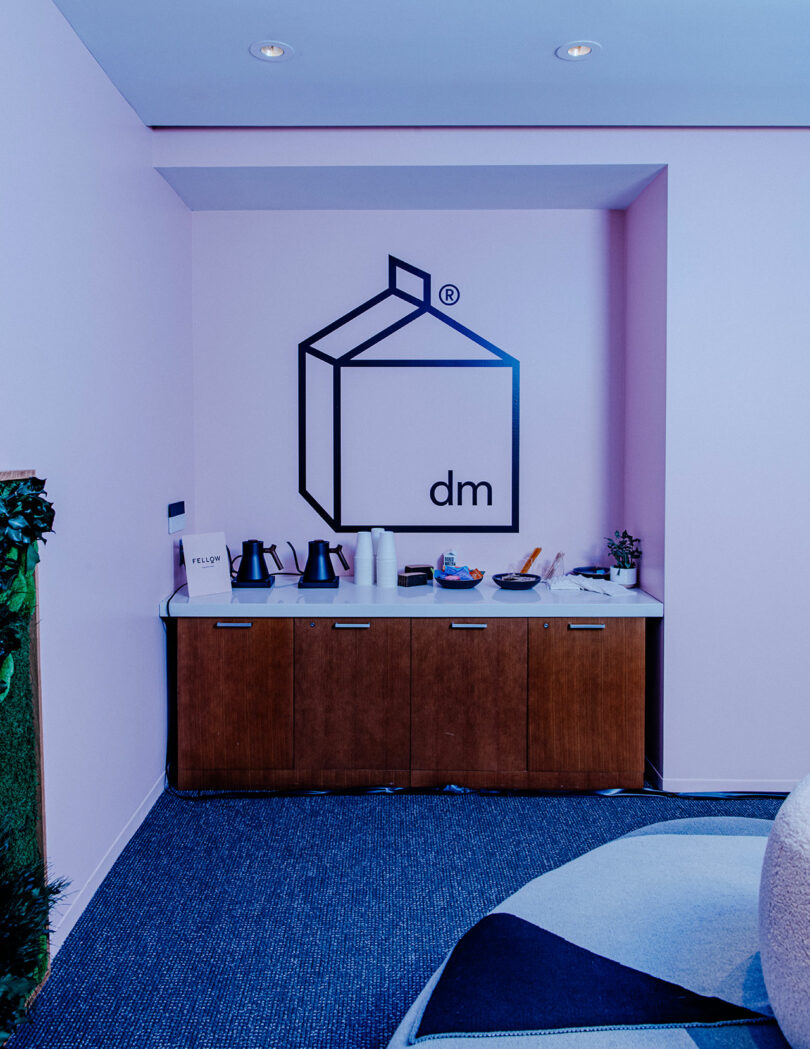
To compete with the comfort of working from home, the office is borrowing cues from boutique hotels and high-end spas. We are seeing the rise of hot tea bars, plush residential-style textiles (like bouclé and velvet), and "Unplug" zones where technology is banned. These features foster a culture of community and psychological safety, making the office a place where people want to be, rather than have to be.
5. AI-Human Synergy Spaces
As AI begins to automate routine tasks, the "work" left for humans is becoming more collaborative, creative, and judgment-heavy. Consequently, workspace design is evolving to support these specific human functions. We are seeing cozier, human-focused zones that prioritize comfort over "desk time," allowing for the kind of relaxed state that sparks innovation.
Designing for Dignity: Inclusivity and Neurodiversity
One of the most moving themes at NeoCon 2025 was the concept of Design for One, Design for All. By designing for neurodivergent individuals—those who may be more sensitive to light, sound, or texture—we create better environments for everyone.
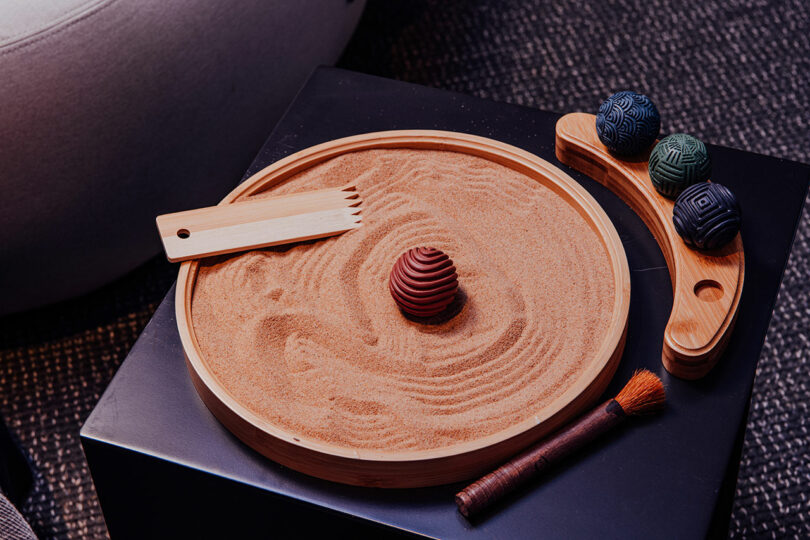
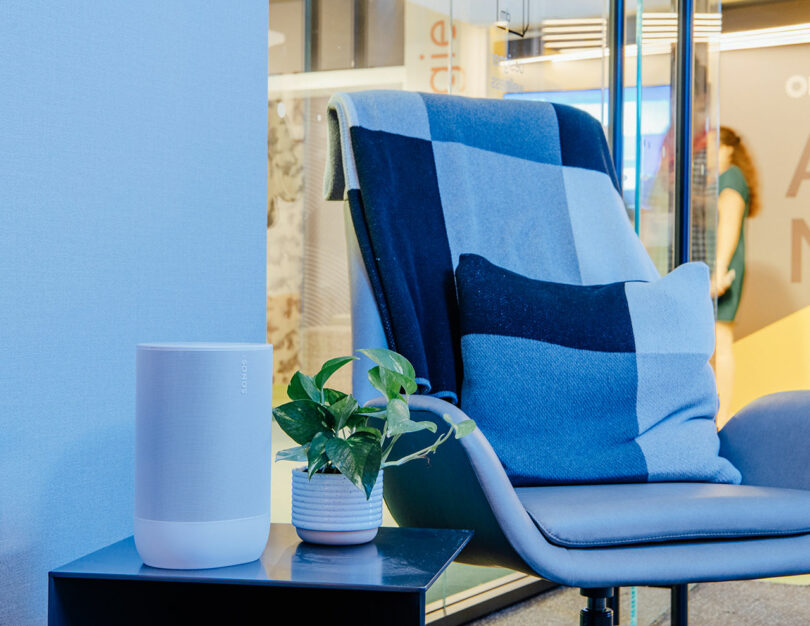
Using sensory grounding points, such as textured wall coverings or weighted blankets in quiet nodes, helps employees regulate their stress levels throughout the day. When we provide employees with the agency to control their environment—choosing their light level, their noise level, and their seating style—we are designing for their dignity. This approach reduces the "friction" of the modern workday and builds a foundation of long-term retention and loyalty.
Conclusion: The Office as a Destination for Well-being
The shift toward wellness lounges and multi-sensory office ecosystems isn't just a trend; it's a necessary evolution of the workplace. As we look toward 2026, the most successful commercial interiors will be those that treat employees not just as workers, but as biological beings with complex sensory needs. By integrating biophilic art, modular privacy, and hospitality-inspired amenities, we can transform the office from a source of stress into a destination for restoration and high-level creativity.
Your workspace is a silent partner in your team's success. Is it helping them thrive, or is it holding them back?
FAQ
Q: How much space is required for a dedicated wellness lounge? A: You don't need a massive footprint. Even a 100-square-foot "Quiet Node" can be effective if it is acoustically treated and designed with sensory comfort in mind. The key is quality over quantity—prioritize high-end textures and adaptive lighting over square footage.
Q: Is biophilic design expensive to maintain? A: Not necessarily. "Biophilic Design 2.0" often utilizes preserved greenery, like moss or stabilized plants, which requires zero watering or sunlight while providing the same psychological benefits as living plants.
Q: How does a wellness lounge differ from a standard breakroom? A: A breakroom is often high-energy and social (think coffee machines and refrigerators). A wellness lounge is designed for down-regulation. It typically features lower light levels, softer acoustics, and furniture designed for relaxation rather than eating.