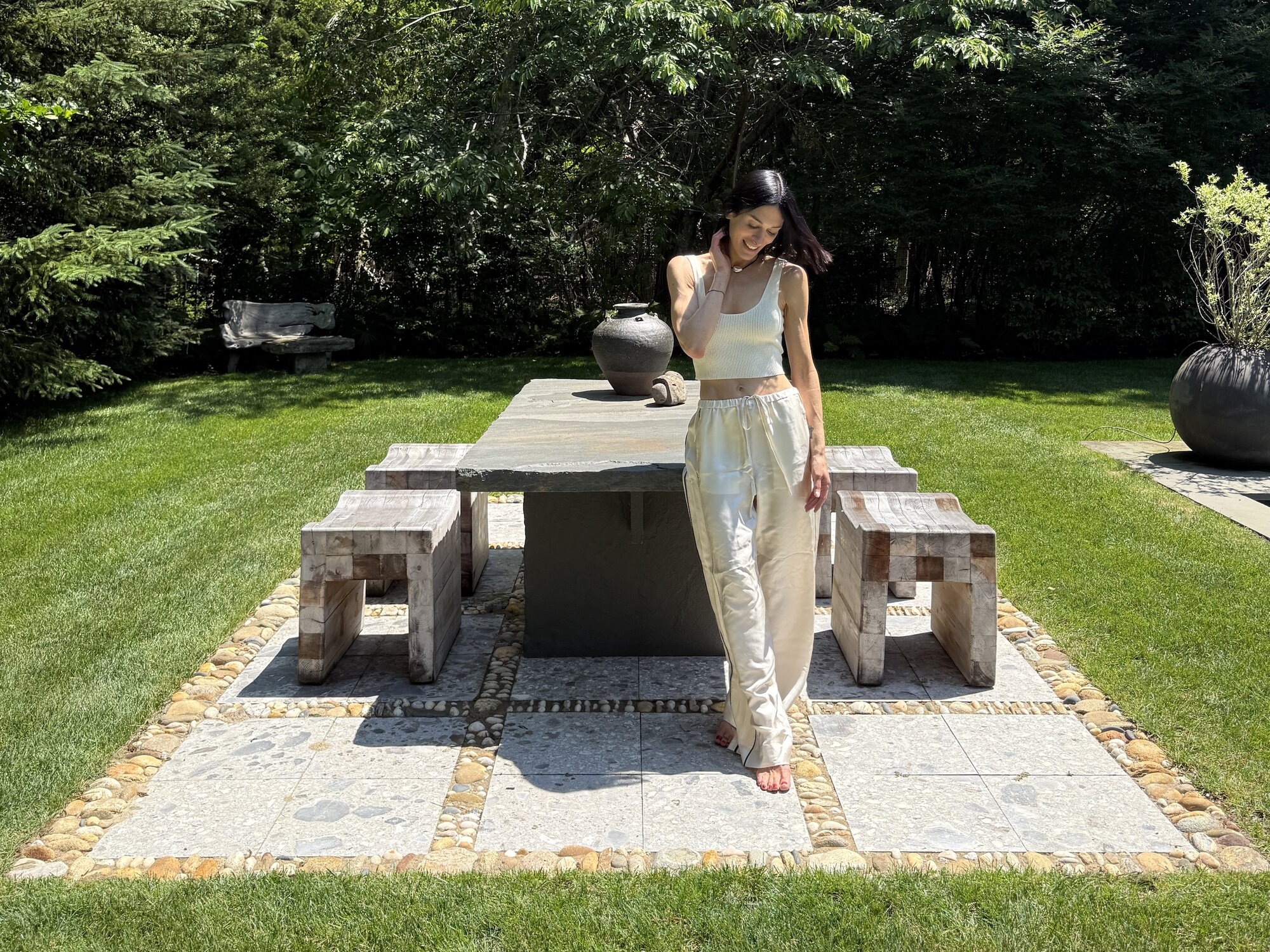
To step into Athena Calderone’s Amagansett sanctuary is to witness a masterclass in the "casual elegance" that has come to define modern outdoor living. It is a space where the threshold between the interior and the landscape doesn’t just blur—it disappears. As an editor, I am often asked how to replicate this "Eye-Swoon" magic without the benefit of a Hamptons estate. The secret lies not in the scale, but in a specific philosophy of harmony: blending refined, architectural materials with the raw, untamed beauty of nature.
Creating a harmonious backyard retreat requires a shift in perspective. To achieve Athena's signature look, one must blend refined materials like Ceppo di Gré marble with hand-set natural stones, creating a "wild yet grounded" aesthetic that honors the environment. This sense of peace is furthered by layering foliage heights—from towering trees to lush ground covers—to provide an immersive, rainforest-like privacy. As we look toward 2026 landscaping trends, the focus has shifted toward simplicity and longevity, prioritizing native, low-maintenance flora and sleek, minimal water features like narrow reflecting pools that act as liquid mirrors for the sky.
1. Defining the 'Wild Yet Grounded' Aesthetic
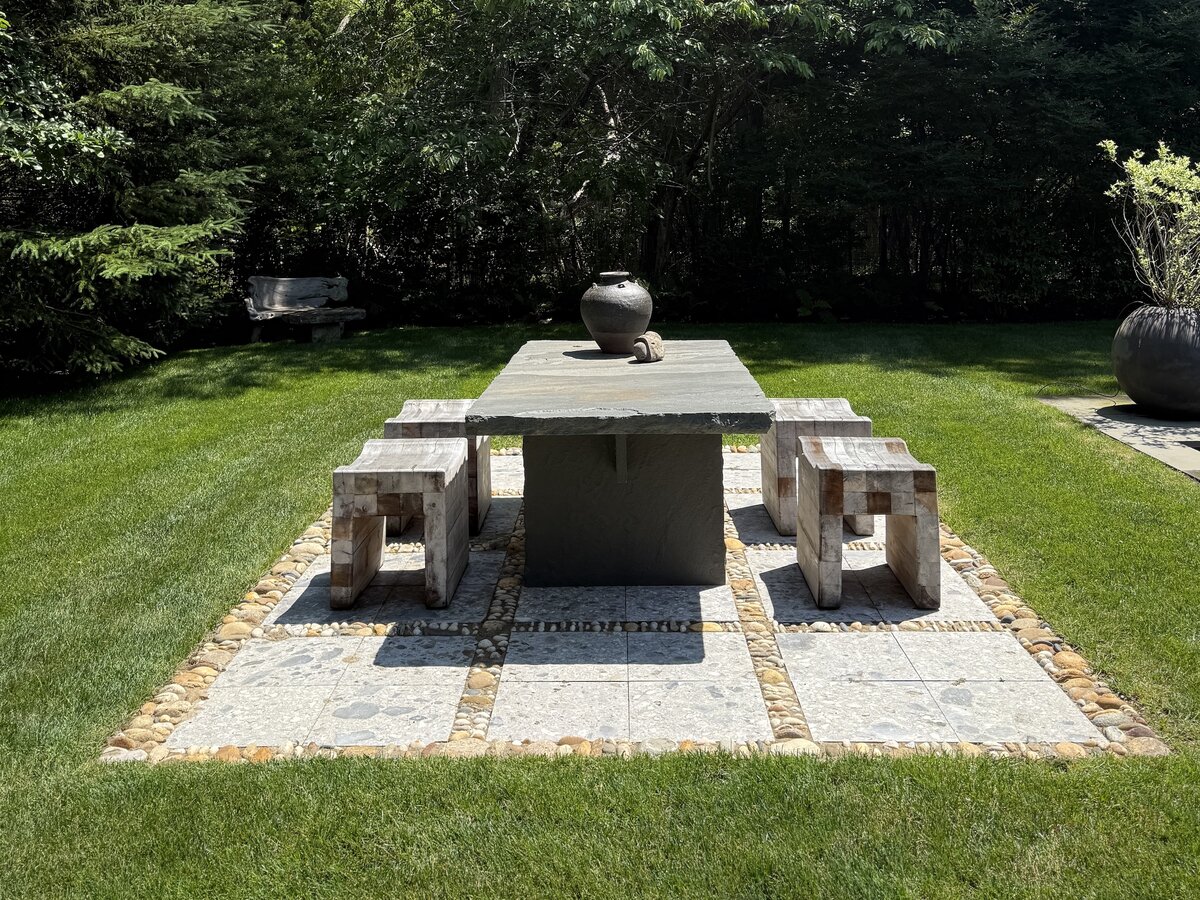
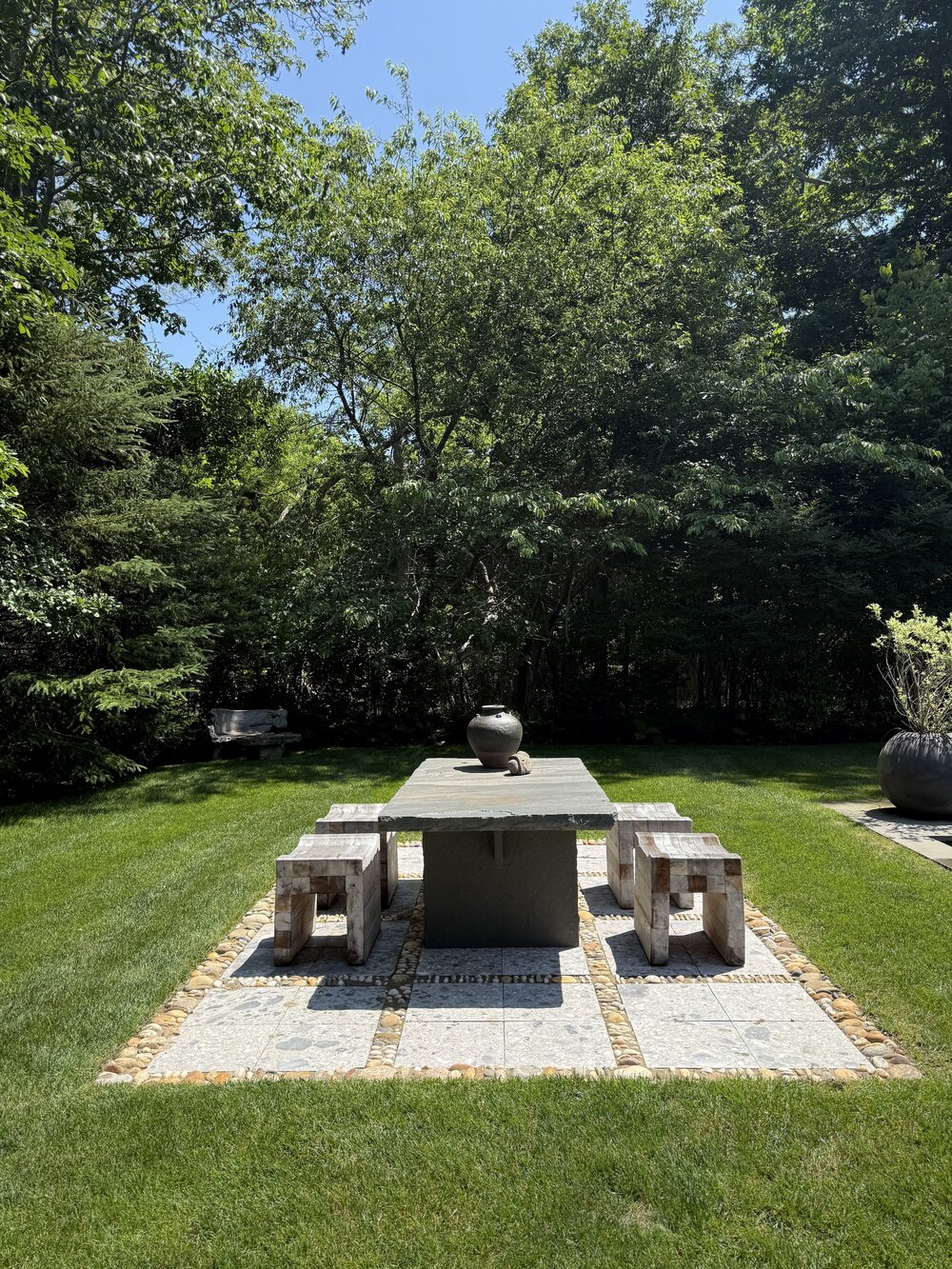
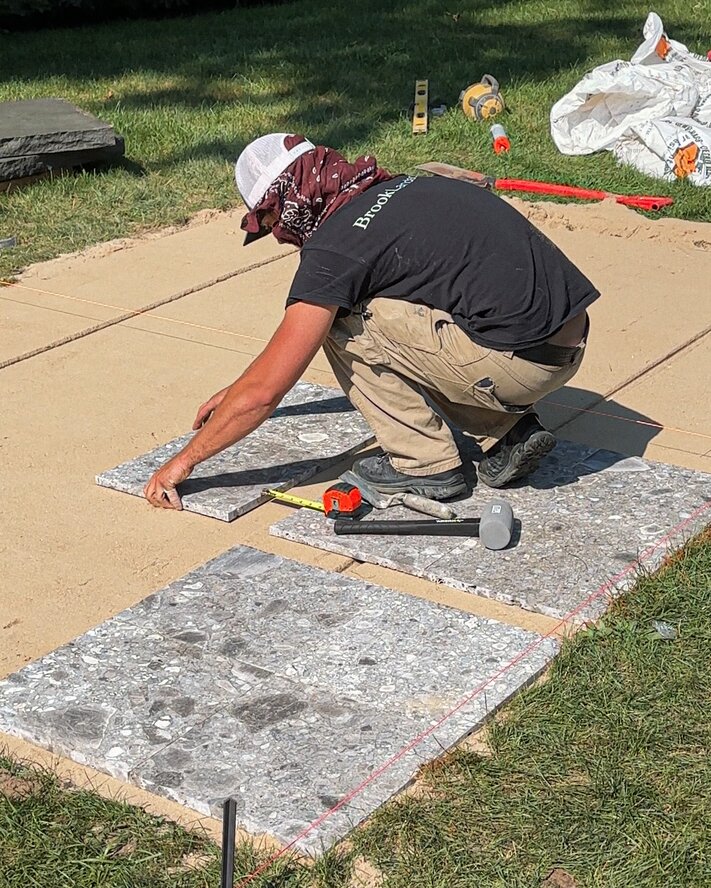
The foundation of any Athena Calderone-inspired space is the tension between the polished and the primitive. In her Amagansett backyard, this is most evident in the patio design—a collaboration with Brook Landscape that redefined how we think about stone. Instead of uniform pavers that feel "ordered" and sterile, she opted for a "Yin and Yang" approach.
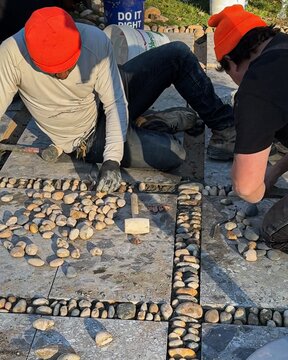
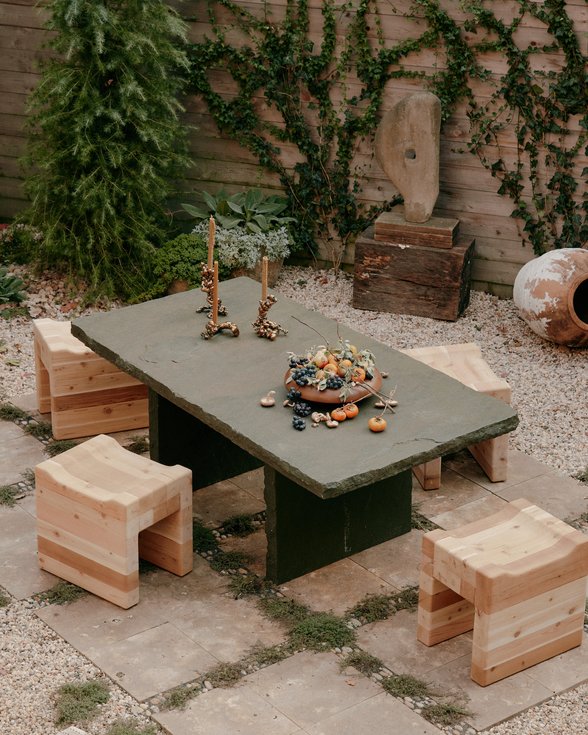
Refined materials, such as the distinctively pebbled Ceppo di Gré marble, provide a sharp, mid-century architectural line. This is then softened by hand-set natural stones and pavers that allow moss or creeping thyme to grow in the crevices. This intentional imperfection makes the patio feel as though it was discovered rather than built. It anchors the house to the earth, creating a "grounded" sensation even as the surrounding greenery feels "wild."
Design Secret: The Material Mix When selecting stone, look for "Site-Specific" integration. Industry analysis for 2026 indicates that 78% of luxury landscape projects now favor this approach over standardized paving. By using stones native to your region or those that mimic the local geology, you enhance the environmental continuity of your home.
2. Architecture-Led Planning and Functional Zoning
A common mistake in backyard design is treating it as a collection of "features"—a grill here, a chair there—rather than a cohesive framework. Athena treats her outdoor space as a series of rooms, each with a clear purpose and a distinct visual "sightline."
Architecture-led planning means using the lines of your home to dictate the movement of the garden. By creating zones for cooking, lounging, and wellness, you provide a sense of order that actually encourages relaxation. Recent design studies show that incorporating built-in custom furniture solutions—such as a concrete bench that emerges from a retaining wall—can improve the perceived functionality of outdoor living areas by approximately 35%.
When the furniture feels like part of the architecture, the space feels larger and more intentional. It removes the "clutter" of standalone pieces and replaces it with a streamlined, utilitarian sophistication.
3. The 2026 Secret: Layered Planting for Privacy
If the stone is the bones of the retreat, the planting is its soul. The 2026 trend is moving away from the manicured English garden and toward "Immersive Greenery." To achieve this, you must think in layers.
| Layer | Purpose | Recommended Varieties |
|---|---|---|
| The Canopy | Provides shade and a sense of enclosure. | Tall Palms, Silver Birch, or Olive trees. |
| The Mid-Story | Creates privacy at eye level; softens hard edges. | Japanese Maples, Boxwood (cloud-pruned), or Bamboo. |
| The Ground Cover | Fills gaps; adds texture and a "carpet" feel. | Creeping Thyme, Pachysandra, or Dichondra. |
By layering foliage heights, you create a "rainforest vibe" that feels lush and private without the need for an unsightly fence. Athena often mixes tones—deep emeralds, lime greens, and even hints of burgundy—to provide visual dimension. This multi-tonal approach ensures that the garden feels vibrant even on overcast days. Furthermore, designing for longevity by choosing native, low-maintenance plants ensures that your retreat grows more beautiful with each passing year, rather than requiring a constant struggle against the climate.
4. Materiality: Mixing the Refined with the Raw
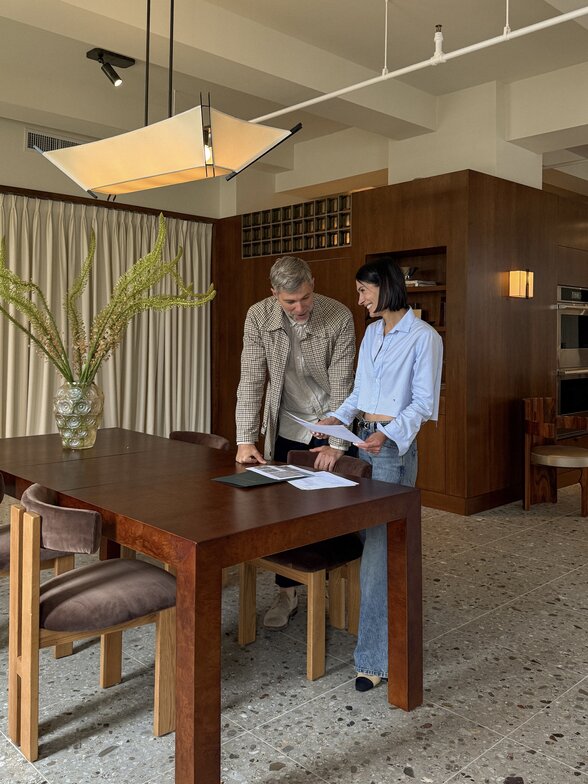
In Athena’s world, materiality is the catalyst for visual cohesion. She famously used mariner rope as a design element to bridge the gap between indoor and outdoor spaces. It is a "utilitarian" material, yet when applied to a custom outdoor sofa or a hanging chair, it becomes sophisticated and tactile.
Wood also plays a vital role in softening the coldness of stone. Whether it’s a weathered teak table or a cedar fence that has silvered over time, the organic warmth of timber is essential for a harmonious retreat. The goal is a seamless indoor-outdoor transition. This is best achieved by using continuous flooring—perhaps a limestone that runs from the kitchen out onto the terrace—and floor-to-ceiling retractable walls that invite the breeze inside.
5. Sustainable Luxury and Modern Water Features
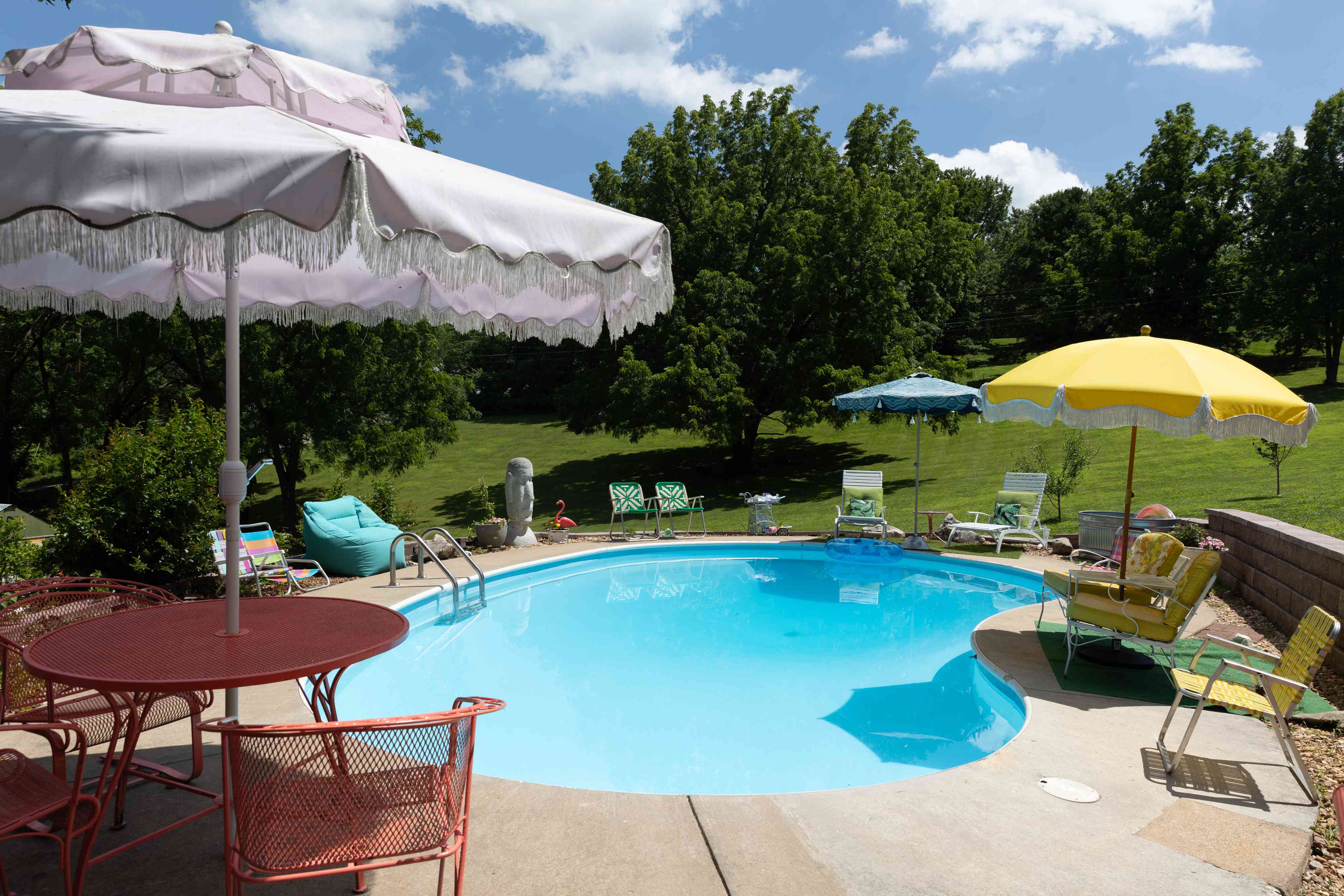
Sustainability is no longer an afterthought; it is the new standard of luxury. For 2026, top landscape designers are moving away from traditional, high-maintenance swimming pools in favor of sleek, minimal water features. A narrow reflecting pool, for instance, requires significantly less water and maintenance while providing a profound sense of serenity. It acts as a sculptural element, catching the light and reflecting the movement of the clouds.
The modern retreat also prioritizes eco-conscious choices. Permeable paving allows rainwater to return to the earth, and drip irrigation systems ensure that water is used with precision. As the 78% statistic regarding "site-specific" stone integration suggests, the most luxurious spaces are those that feel deeply connected to their specific plot of land, rather than imposed upon it.
6. Lighting and Ambiance: The Nighttime Retreat
A truly harmonious backyard must function as beautifully at midnight as it does at noon. The key to outdoor lighting is layering different intensities to avoid the "stadium light" effect.
- Path Lights: Low-voltage LED lights tucked into the ground cover to guide movement.
- Uplighting: Placing lights at the base of architectural trees (like an ancient Olive or a sculptural Maple) to create drama and depth.
- Warm String Lights: Use these sparingly—perhaps over a dining area—to mimic the glow of a bistro.
The most successful lighting systems are those that "disappear" into the architecture during the day, only revealing themselves when the sun goes down to create a warm, golden envelope around the retreat.
7. Hosting with Ease: The Casual Dining Experience
Finally, a backyard retreat is a place for connection. Athena’s approach to hosting is rooted in "casual ease." This is why she often favors bench seating, such as her Oscar collection, over traditional dining chairs. Benches encourage informality; people squeeze in, lean back, and stay longer.
For the tablescape, skip the formal arrangements. Instead, opt for a "foraged" look. A few branches clipped from a nearby shrub, placed in a heavy ceramic vase, can be more striking than a store-bought bouquet. It’s about letting nature inform the decor, ensuring that the meal feels like an extension of the garden itself.
FAQ
How can I achieve a "layered" planting look in a small urban backyard? In smaller spaces, use verticality to your advantage. Combine tall, slender plants (like clumping bamboo or Italian Cypress) with mid-height potted shrubs and trailing ground covers in raised planters. This creates the same "immersive" feeling without requiring a large footprint.
What is the best material for a seamless indoor-outdoor transition? Natural stones like limestone, travertine, or certain types of porcelain tile are excellent choices. Ensure the outdoor version has a slightly more slip-resistant finish while maintaining the same color and texture as the interior flooring.
How do I choose "native" plants for my region? Consult a local nursery or a landscape architect who specializes in "xeriscaping" or native flora. Native plants are adapted to your local climate and soil, meaning they require less water and fewer pesticides, making them a sustainable and low-maintenance choice.