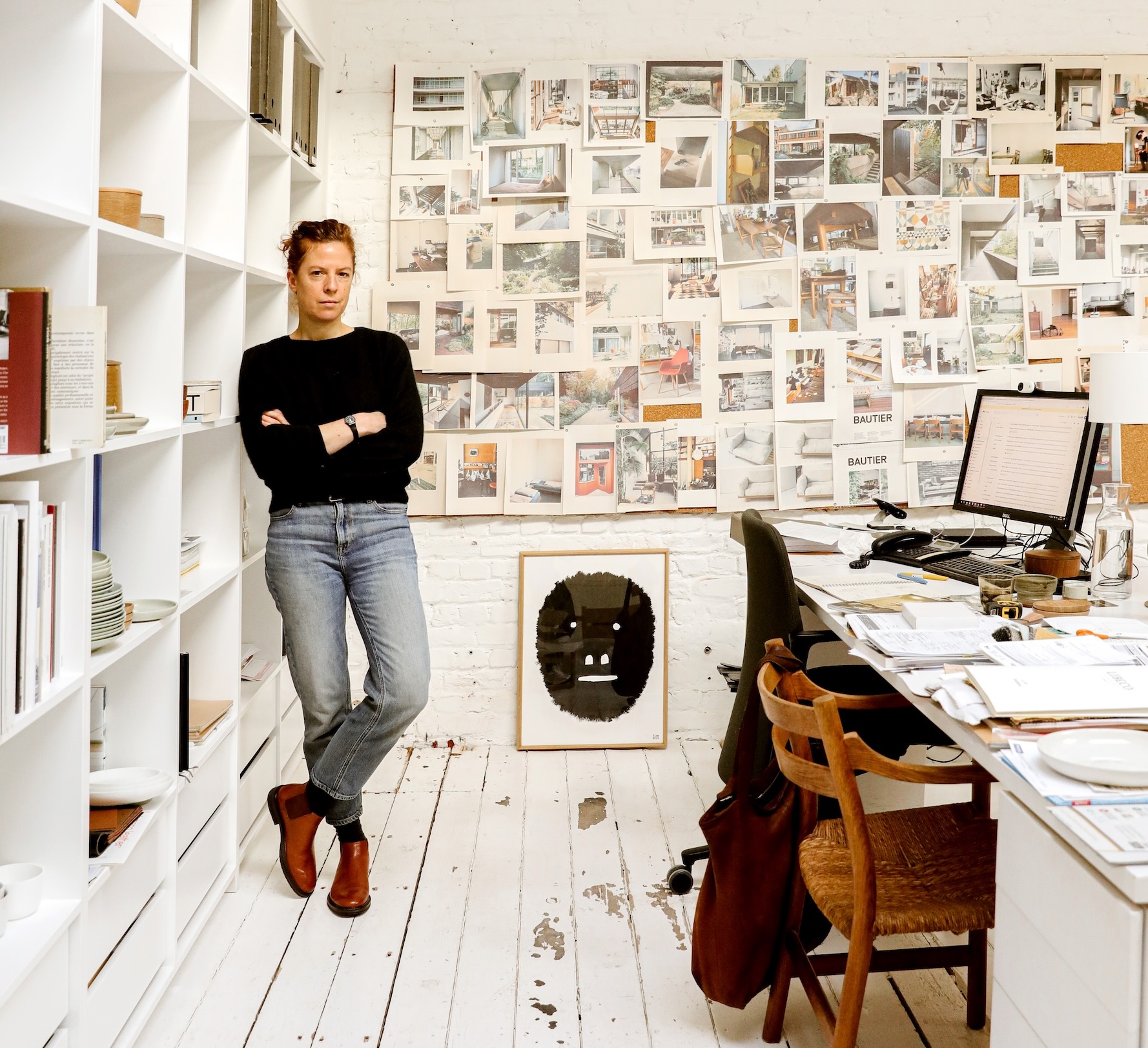
To step into Marina Bautier’s world in Brussels is to experience a collective exhale. There is a specific, quiet magic in how the Belgian designer handles space—a refusal of the superfluous that never feels clinical. In an era where "minimalism" often translates to stark white galleries, Bautier offers a compelling alternative: Warm Minimalism. Her approach to guest apartment design isn’t about what is missing, but rather the profound presence of what remains.
To design a truly serene guest apartment, one must prioritize "essential formats" over decorative flourishes. This involves utilizing natural materials like waxed oak and textured cement plaster to add soul to a minimalist layout. Bautier’s signature philosophy focuses on simplicity, genuineness, and comfort, distilling furniture into its purest form to ensure a space feels hospitable and uncluttered. By shifting the focus from "decorating" to "spatial editing," we can create environments that don't just look good on camera but feel deeply restorative to inhabit.
1. The Foundation: Prioritizing 'Essential Formats' and Materials
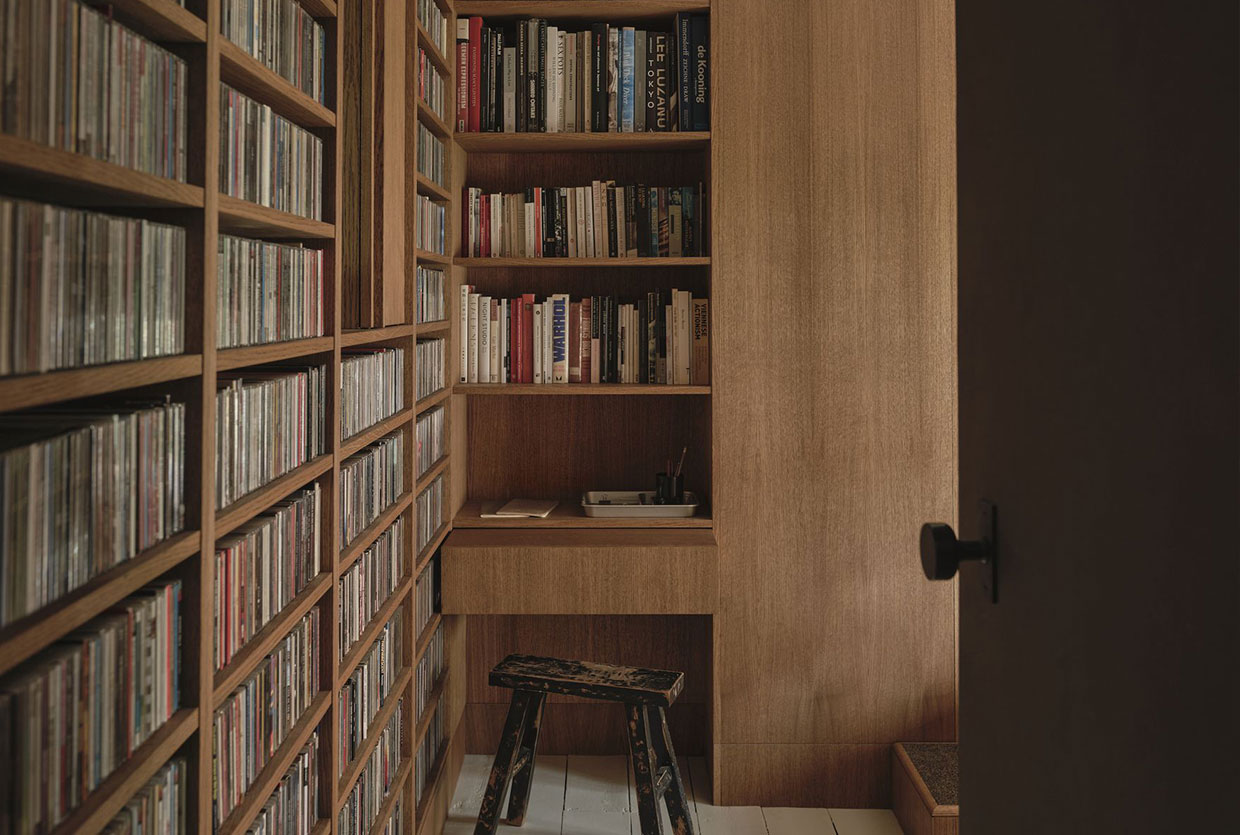
In the Bautier lexicon, "essential formats" refer to the fundamental pieces a human needs to feel at home—a place to sleep, a surface to eat upon, and a corner to rest. The backbone of this serenity is almost always solid waxed oak. Unlike lacquered or stained woods, waxed oak retains a breathable, tactile quality. It invites the touch and ages gracefully, developing a patina that tells the story of the home.
However, wood alone can feel one-dimensional. To create "Material Depth," Bautier often employs textured cement plaster applied with a trowel. This technique creates an uneven, hand-finished surface that catches the light in soft gradients. It provides a brutalist honesty that contrasts beautifully against the warmth of the timber.
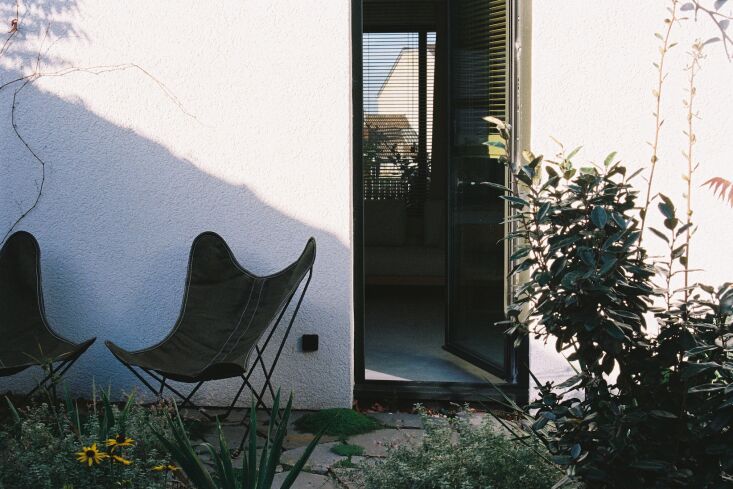
Material Highlight: The Oak & Plaster Dialogue
- Solid Waxed Oak: Provides structural warmth and a natural scent.
- Textured Cement Plaster: Offers a tactile, matte backdrop that absorbs sound.
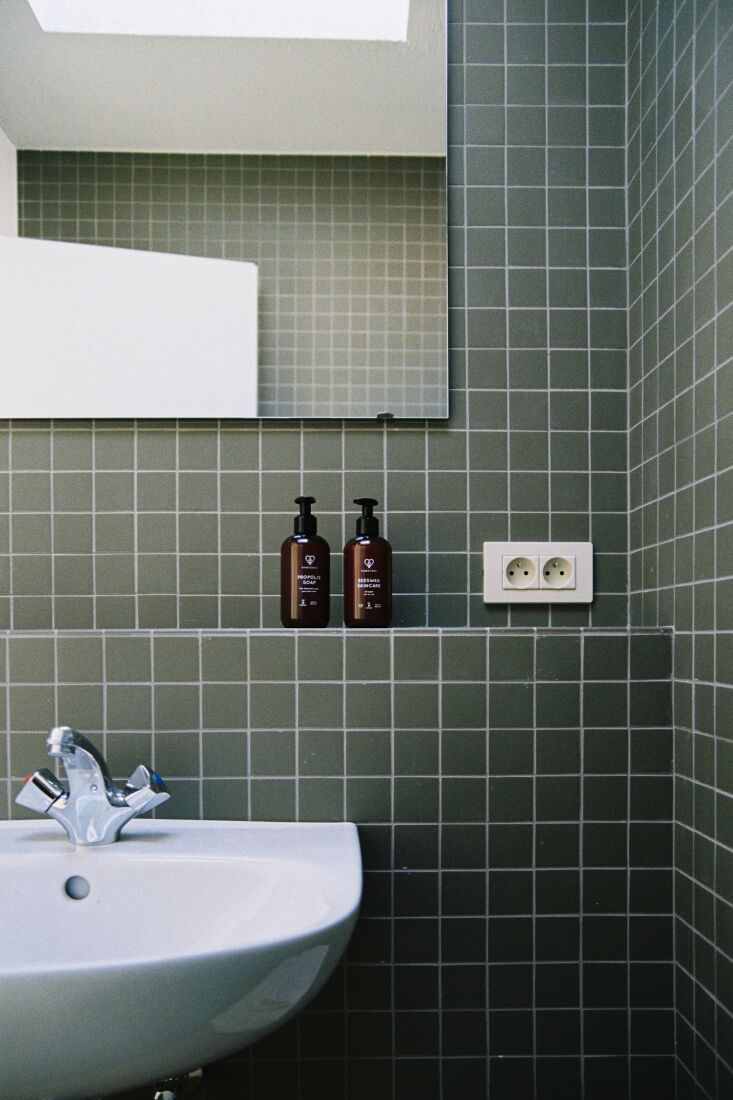
- Unglazed Tiles: Used in wet areas to maintain a raw, earthy connection throughout the apartment.
2. Functional Zoning: Maximizing Small Apartment Layouts
Designing for guests often means working with limited square footage. The instinct is frequently to build walls or use room dividers, but Bautier demonstrates that serenity is found in "Zoning" through furniture placement. By using rugs, lighting, and low-slung furniture to define areas, the eye is allowed to travel to the furthest corners of the room, making the space feel significantly larger.
A key player in this strategy is the multifunctional piece. For instance, the Bautier Day Bed (€2,530) is a masterclass in versatility. During the day, it serves as an elegant sofa for reading; at night, it transitions seamlessly into a guest bed. By choosing pieces that perform double duty without looking "mechanical," you preserve the domestic peace of the room.
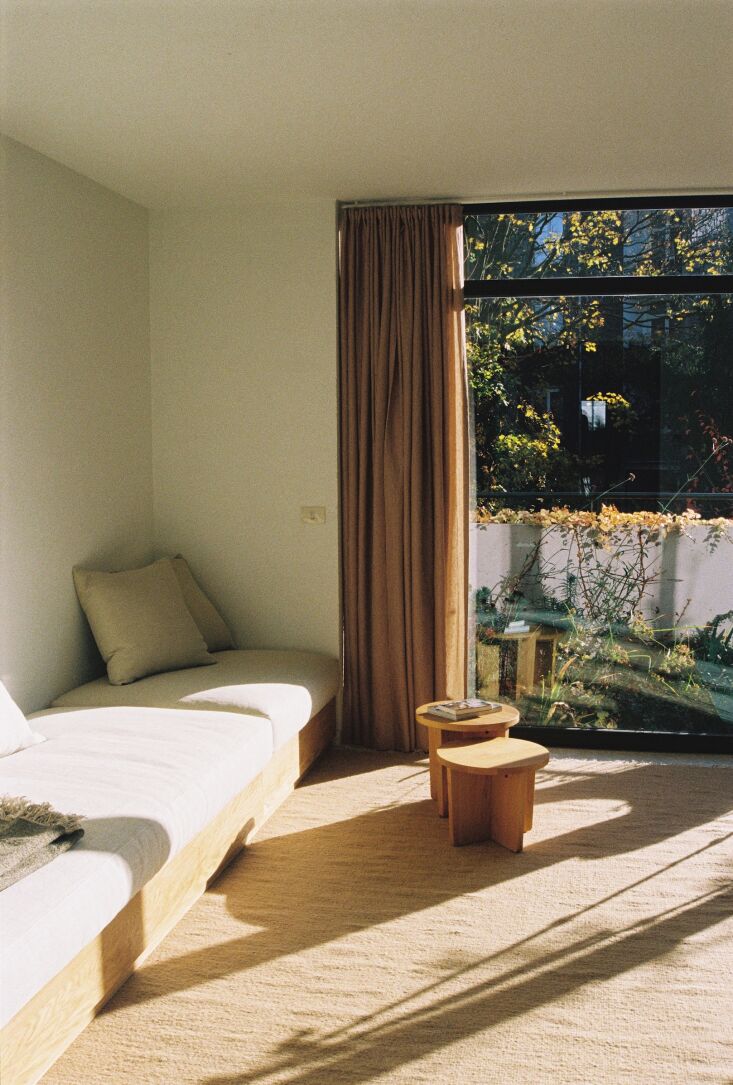
Style Comparison: Cold Minimalism vs. Warm Minimalism
| Feature | Cold Minimalism | Warm Minimalism (Bautier Style) |
|---|---|---|
| Color Palette | Stark White, Black, Chrome | Warm White, Clay, Greige, Oak |
| Textiles | Synthetic, Flat, Hidden | Linen, Wool, Exposed Weaves |
| Lighting | Recessed Spotlights, Cold LEDs | Rice Paper Lanterns, Warm Indirect Light |
| Furniture | Sharp Angles, Glossy Finishes | Softened Edges, Matte Natural Wood |
| Atmosphere | Like a Gallery (Don't Touch) | Like a Sanctuary (Stay Awhile) |
3. The 'Discreetly Equipped' Kitchen and Dining
A guest apartment should never feel like a hotel room, nor should it feel like a cluttered primary residence. Bautier’s solution is the "discreetly equipped" kitchen. This involves reducing visual noise by hiding small appliances and using portable induction tops that can be tucked away when not in use.
The dining area follows a "Friend of the Family" approach. It’s about mixing signature, heirloom-quality pieces like the Bautier Dining Table (€2,470) with mid-century classics, such as Børge Mogensen’s J39 chairs. This blend of contemporary craftsmanship and historical design creates a sense of permanence and "genuineness"—one of Bautier’s core pillars.
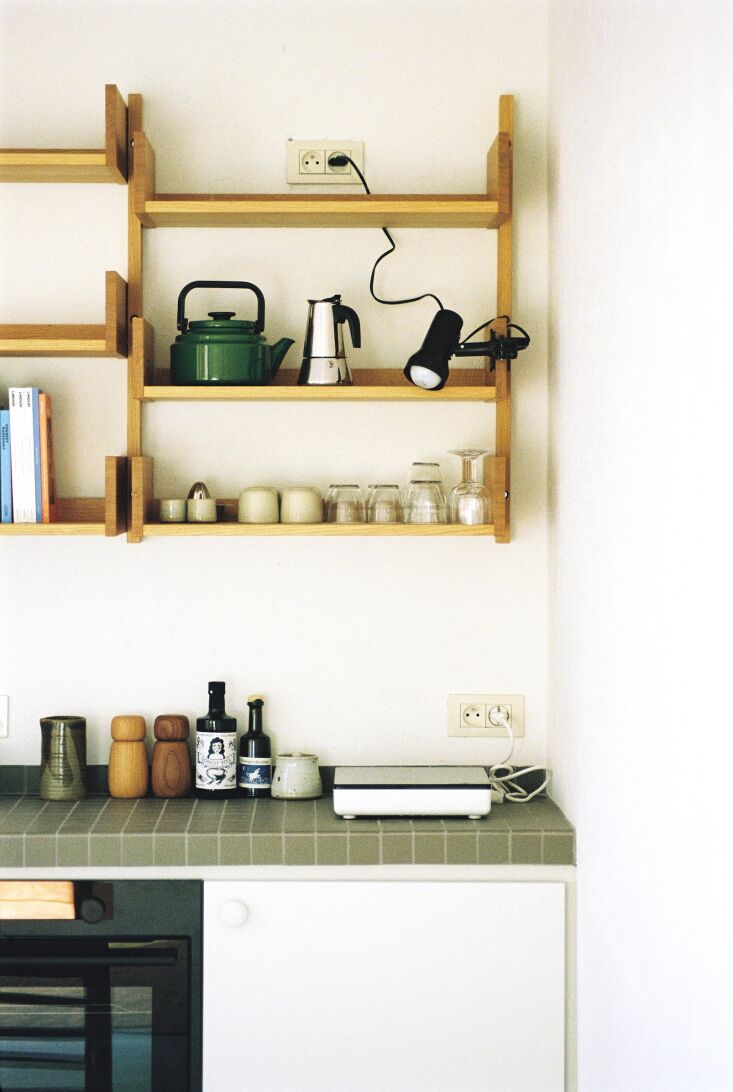
4. Sensory Comfort: Lighting, Linen, and Negative Space
To achieve the "Exhale" effect, one must look beyond the furniture. Sensory comfort is the invisible layer of design. Natural light should be maximized, perhaps filtered through sheer linen curtains or invited in via plant-filled balconies that blur the line between indoors and out.
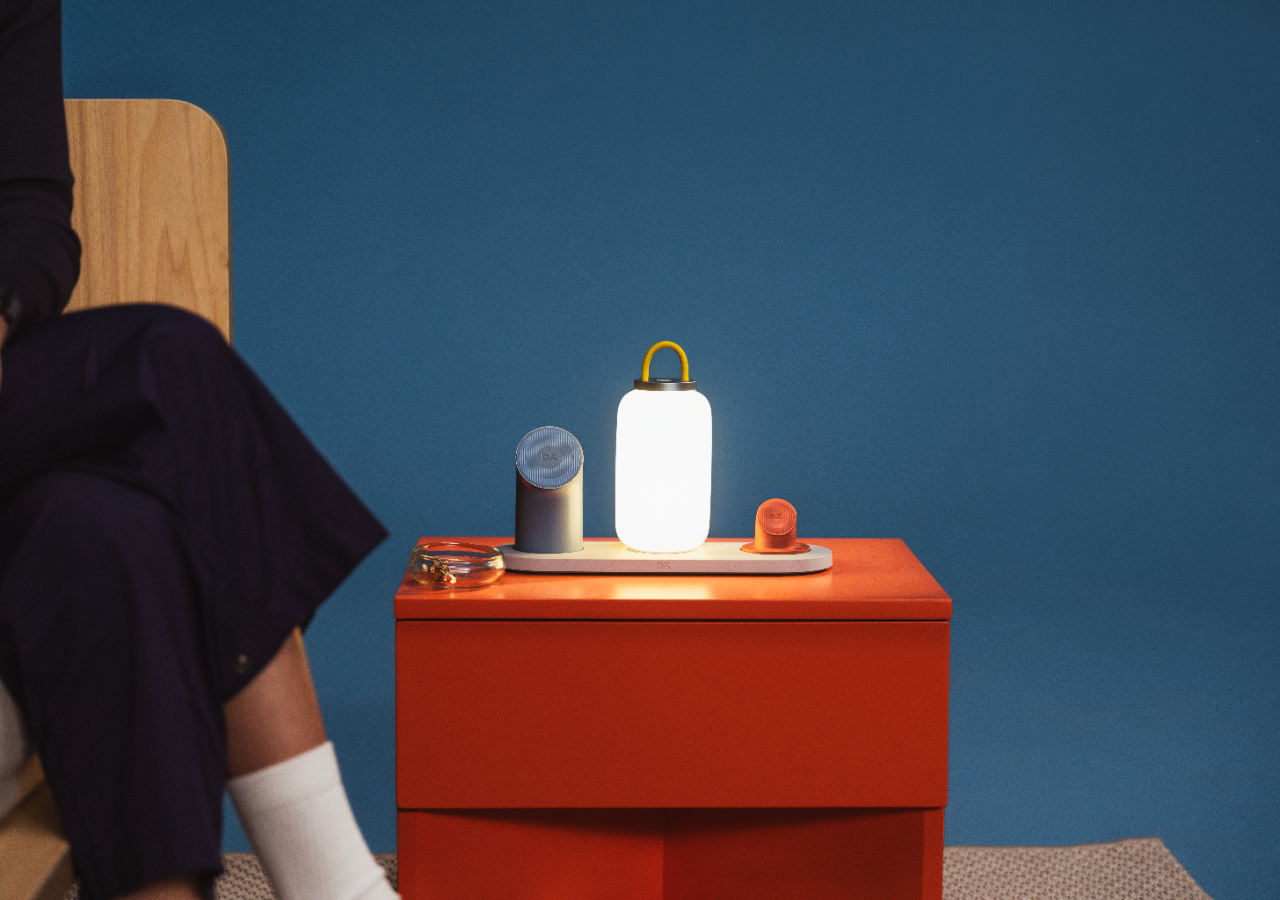
Lighting should be layered to avoid the "interrogation" feel of overhead fixtures. Bautier frequently uses rice paper lanterns, such as the Hotaru Marker Light (€420), which casts a soft, diffused glow reminiscent of traditional Japanese interiors. When paired with 100% white Belgian linen bedding and undyed New Zealand wool rugs, the result is a space that feels soft to the eyes and the skin.
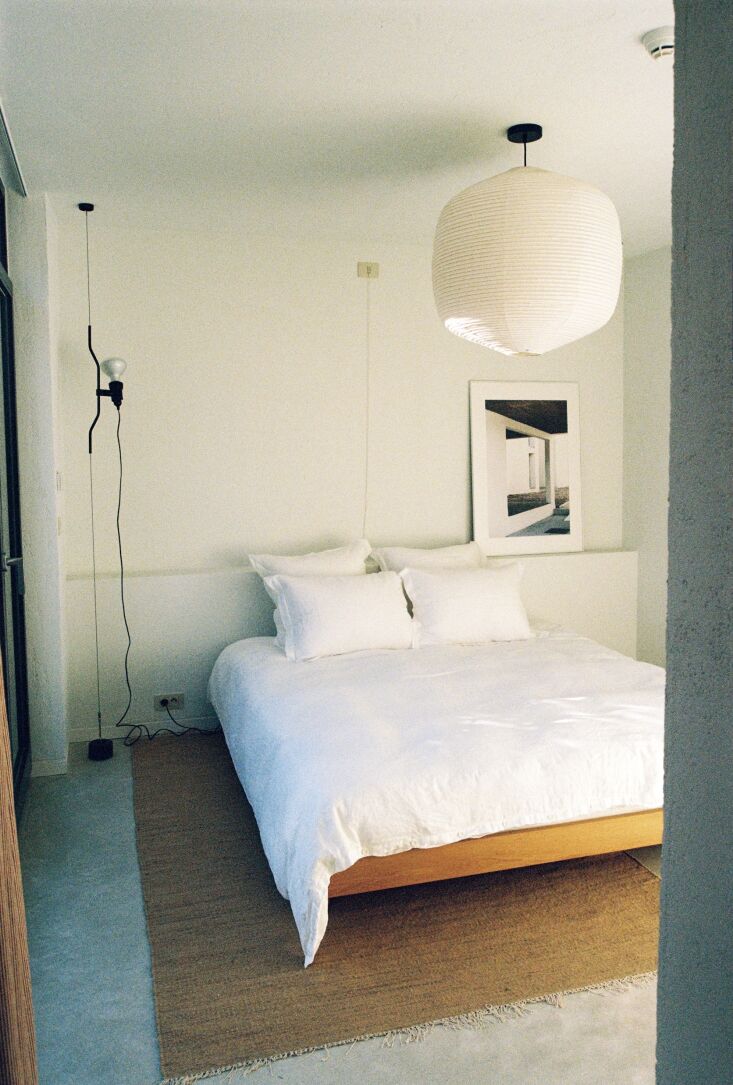
5. Sustainable Craftsmanship: The Future of Eco-Conscious Design
What makes Bautier’s serene guest apartments truly modern is their commitment to the planet. Serenity, after all, is hard to achieve if the environment is neglected. The recent addition to Bautier’s Brussels studio is a model for carbon-neutral urban living. The facility is powered by 20 high-efficiency solar panels and a sophisticated heat pump system, providing clean energy for both the café and the guest units.
The sustainability story extends to the furniture itself. In a world of globalized mass production, 100% of Bautier furniture is manufactured by a small, family-run carpentry located within a 3-hour radius of the Brussels studio. This drastically reduces the carbon footprint associated with shipping and ensures that every joint and finish meets artisanal standards. Even water is managed thoughtfully, with rain barrels installed to handle irrigation for the lush, green balconies.
6. The 2026 Checklist for Guest Apartment Perfection
As we look toward the future of interior styling, the trend is moving further away from "show home" aesthetics and toward "lived-in" tranquility. If you are planning a guest space for 2026, keep this checklist in mind:
- Neutral Color Base: Focus on "earth-bound" tones like warm white, clay beige, and greige.
- Storage Balance: Use a 70/30 rule—70% hidden storage to reduce clutter, 30% open shelving to display curated, meaningful objects.
- Living Decor: Ditch the plastic; use indoor plants like Snake plants or Rubber plants to purify the air and add organic movement.
- Honest Hardware: Choose unlacquered brass or blackened steel that will age and show its history.
FAQ
How can I achieve the Marina Bautier look on a tighter budget? Focus on the "Essential Formats." You don't need a full suite of designer furniture. Invest in one high-quality solid wood piece (like a dining table or daybed) and complement it with vintage finds. Use linen textures and warm-toned paint (like Farrow & Ball’s "School House White") to mimic the atmosphere.
Is warm minimalism practical for guests with children or pets? Surprisingly, yes. Because warm minimalism relies on high-quality, natural materials like solid oak and stone, it is often more durable than "cheap" modern furniture. Waxed wood can be buffed to remove scratches, and linen is naturally hard-wearing and washable.
What is the most important element for a "serene" guest experience? Lighting. Even the most beautifully designed room will feel cold if lit by harsh, 5000K overhead bulbs. Switch to warm-toned bulbs (2700K) and ensure every room has at least three different light sources at different heights.
Call to Action
Ready to transform your spare room into a sanctuary? Start by editing. Remove one piece of furniture that doesn't serve a clear purpose, and replace a synthetic textile with a natural one. Serenity isn't a destination; it's a practice of choosing better, not more.