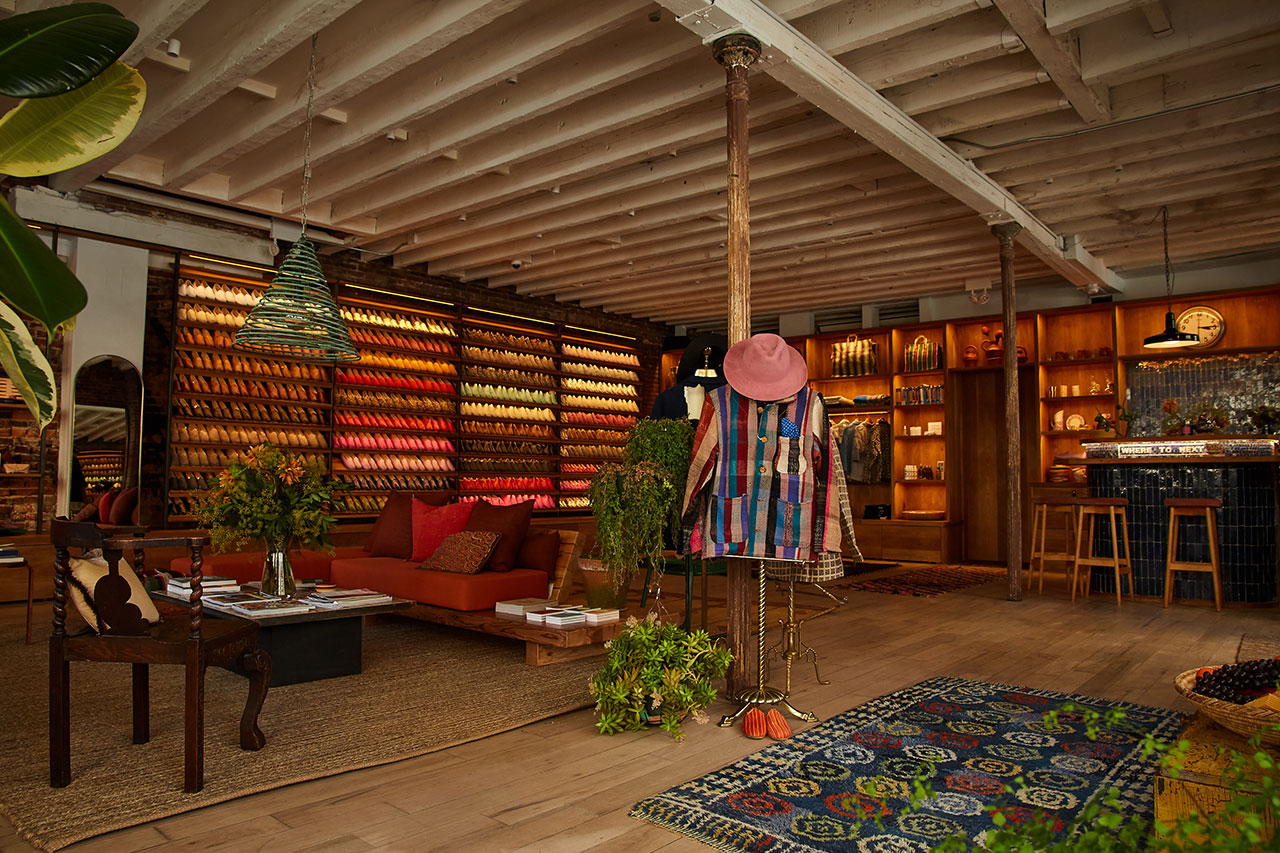
There is a certain quiet magic that happens when a home transitions from a "showroom" to a sanctuary. You know the feeling—it’s the difference between a space that looks beautiful in a photograph and one that invites you to kick off your shoes and stay a while. As we look toward 2026 interior design trends, the industry is seeing a profound shift away from the "look but don't touch" aesthetic of cold minimalism. We are entering the era of Livable Luxury, where the goal isn’t just visual symmetry, but tactile resonance.
To master the art of layering textures for a cozy home, you must look beyond the surface. It’s about mixing varied materials—think nubby wool throws, intricate patterned quilts, and deep-pile tactile rugs—at different levels of the room to create physical and visual depth. This approach creates that coveted "lived-in" feel that suggests a home has been curated over time rather than purchased in a single weekend. By swapping harsh, flat surfaces for rich materials like boucle, velvet, and grasscloth, you can transform even the most clinical space into a grounded retreat.
The SS26 Texture Forecast: What’s Trending?
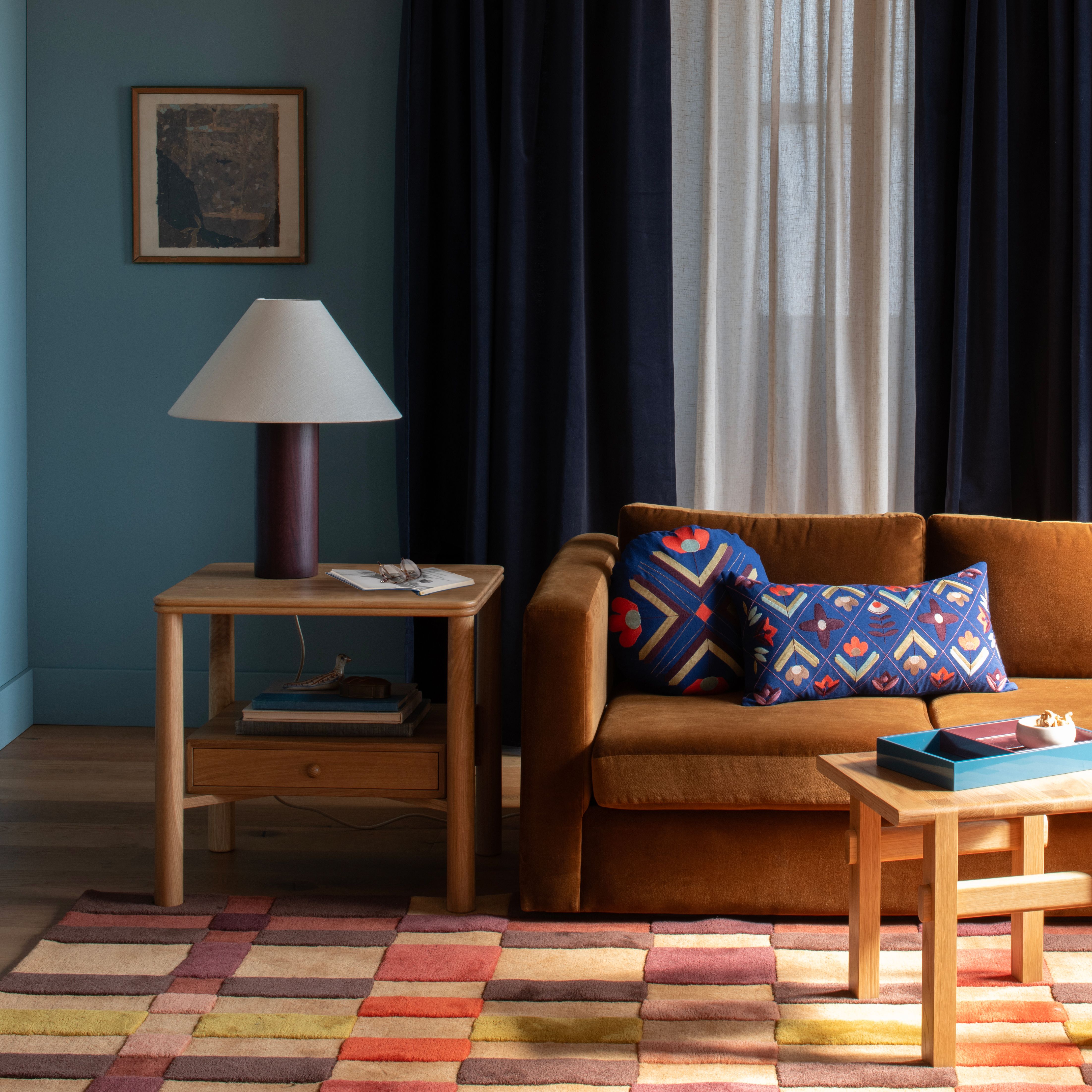
The design landscape for Spring/Summer 2026 is decidedly soft. Market forecasts for the upcoming season indicate a 65% increase in the adoption of tactile soft goods, such as sherpa, boucle, and marled yarns. This surge is a direct response to our increasingly digital lives; the more time we spend staring at glass screens, the more we crave the "hand" of a heavy linen or the grit of a 3D-raised weave in our physical environments.
We are also seeing a significant departure from the cool grays and stark whites that dominated the last decade. Designers report that 78% of modern homeowners now prefer "grounded" palettes—think warm chestnuts, deep mossy greens, and burnt umbers. These earthy home color palettes for SS26 aren't just trendy; they provide a sense of emotional permanence and warmth that flatter, cooler tones simply cannot achieve.
| Feature | Flat Minimalism (2010s) | Layered Luxury (2026) |
|---|---|---|
| Primary Texture | Polished concrete, glass, smooth leather | Boucle, marled wool, brushed velvet |
| Color Palette | Cool grays, stark white, navy | Warm browns, deep greens, terracotta |
| Wall Treatment | Flat matte paint | Grasscloth, lime wash, upholstered panels |
| Lighting | Recessed LEDs, cold white light | Table lamps, sconces, warm candle-light |
Step 1: Start with a Grounded Foundation
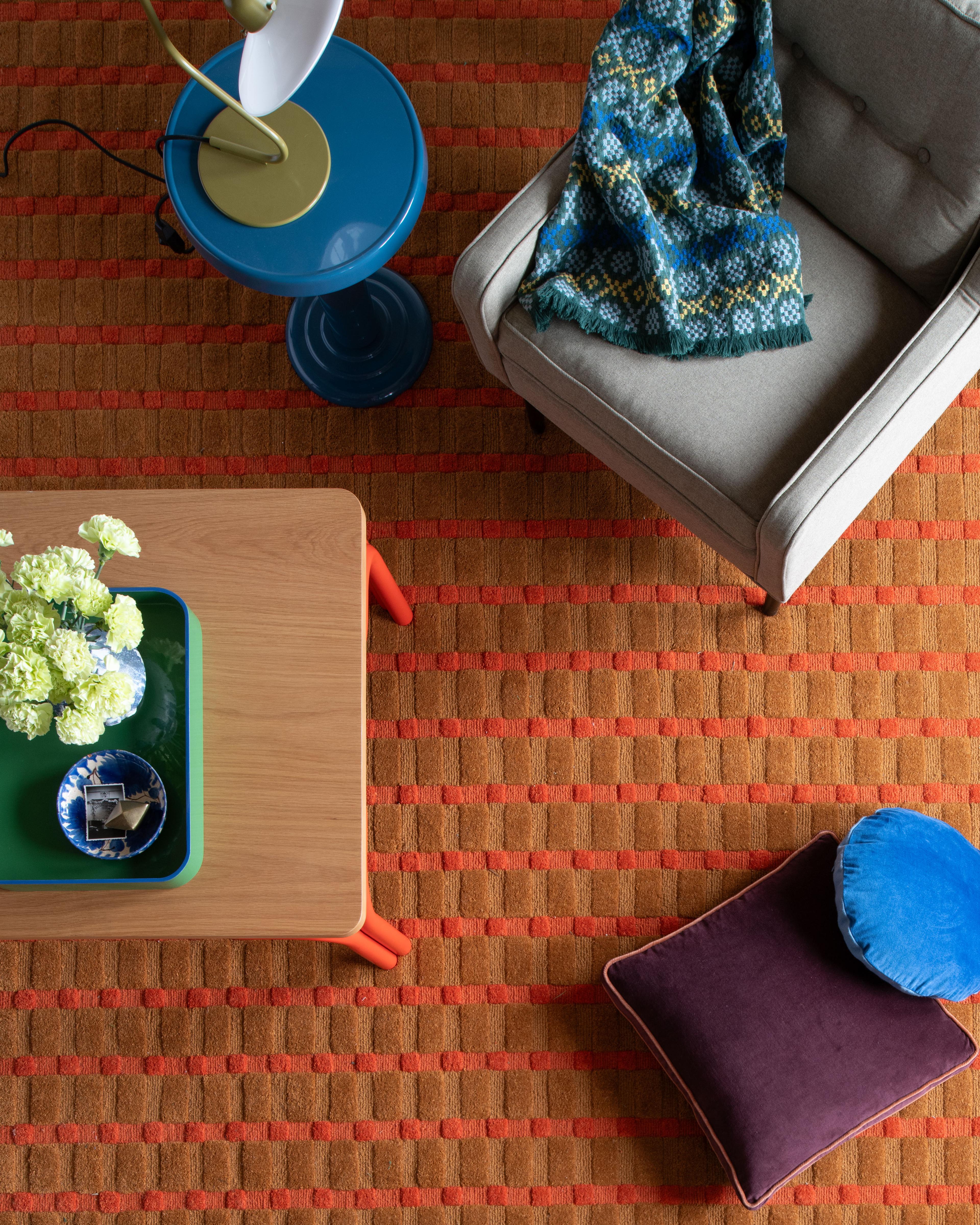
Before you can layer, you must anchor. The foundation of any cozy room begins at the floor. In the SS26 aesthetic, we are moving away from wall-to-wall carpeting in favor of high-quality "anchor" textures. Think of your floor as the canvas for your tactile home decor styling.
Start with a large-scale neutral rug made of natural fibers like jute, sisal, or high-twist wool. These materials offer a subtle "grit" that feels substantial underfoot. From there, you can introduce your earthy home color palettes by incorporating warm wood tones. Whether it’s a walnut coffee table or chestnut-toned flooring, wood provides a sense of visual stability.
Ivy’s Pro-Tip: To make a home feel lived-in instantly, don't be afraid to layer rugs. A smaller, plush Persian or sheepskin rug placed diagonally over a larger jute rug adds immediate dimension and tells the eye that this space is built for comfort.
Step 2: The Art of Intentional Layering on Furniture
Once your foundation is set, it’s time to dress your furniture. This is where the "3-Texture Rule" comes into play. To avoid a room feeling flat, ensure every "zone" (your sofa, your bed, your reading nook) contains at least three distinct tactile elements.
- Rough and Refined: Pair a crisp linen sofa with a brushed velvet cushion and a nubby wool throw. The contrast between the smooth linen and the tactile wool creates a sensory experience that draws you in.
- Weight Matters: Especially in bedrooms, layering textures for a cozy home involves varying the weight of your fabrics. Start with high-thread-count cotton sheets, add a medium-weight coverlet, and finish with a heavy, oversized marled yarn throw at the foot of the bed.
- The Utility Shift: A rising trend for 2026 is the use of "utility canvas" and heavy twills. Mixing these rugged, durable fabrics with softer elements like silk or mohair creates a sophisticated "high-low" balance.
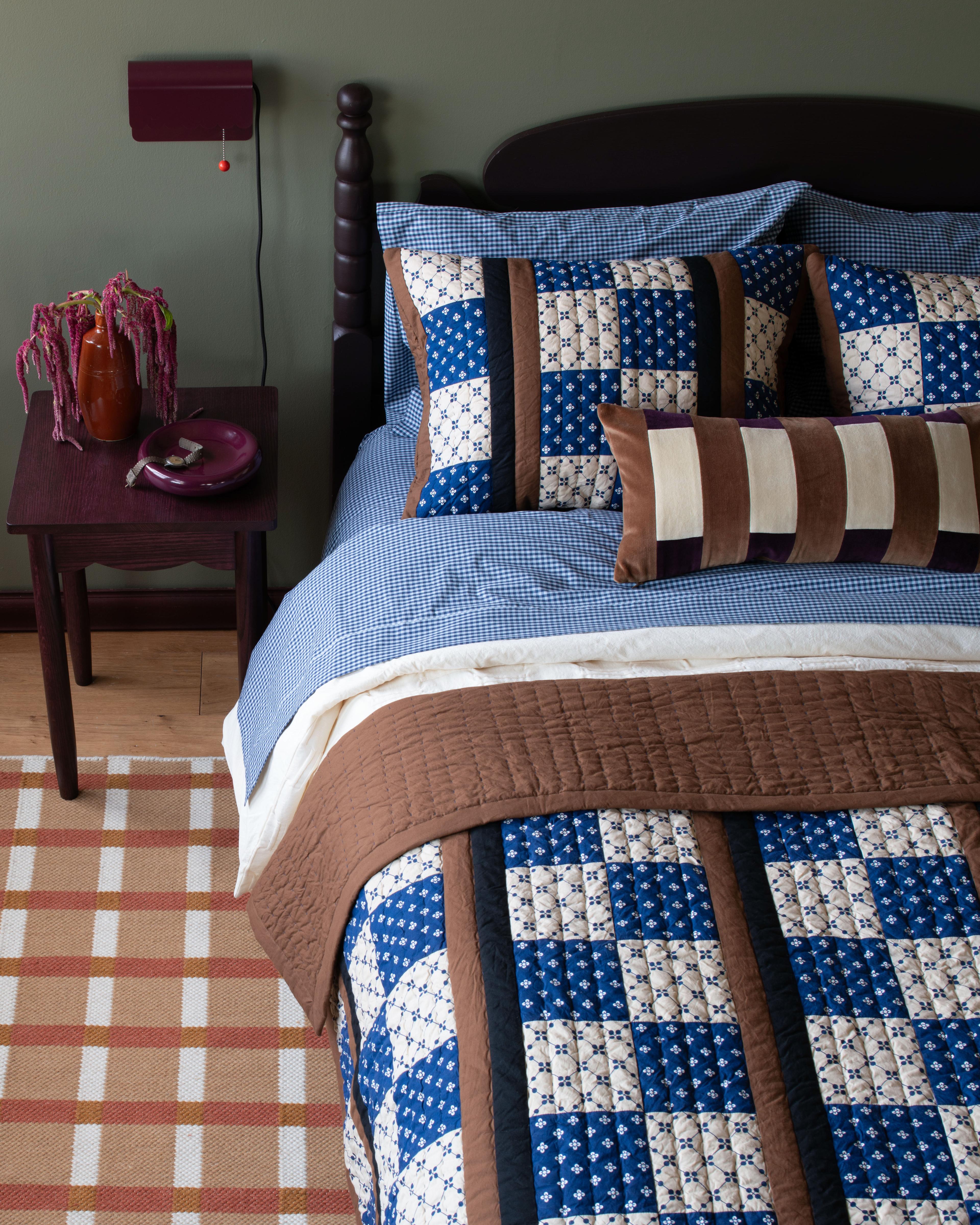
Step 3: 'Soft Architecture' – Transforming Windows and Walls
We often think of texture as something we can move, but for a truly immersive "Livable Luxury" feel, we must consider the fixed elements of a room. This is what I call "Soft Architecture." In 2026, we are seeing a massive move away from flat paint.
Grasscloth wallpaper is making a significant comeback, offering a rhythmic, organic texture that paint simply can't replicate. If wallpaper feels like too much of a commitment, look to your windows. The trend for 2026 focuses on "Ripple-fold" waves—heavy drapes that run floor-to-ceiling. These don't just block light; they act as soft walls, dampening sound and adding sculptural depth to the room's perimeter.
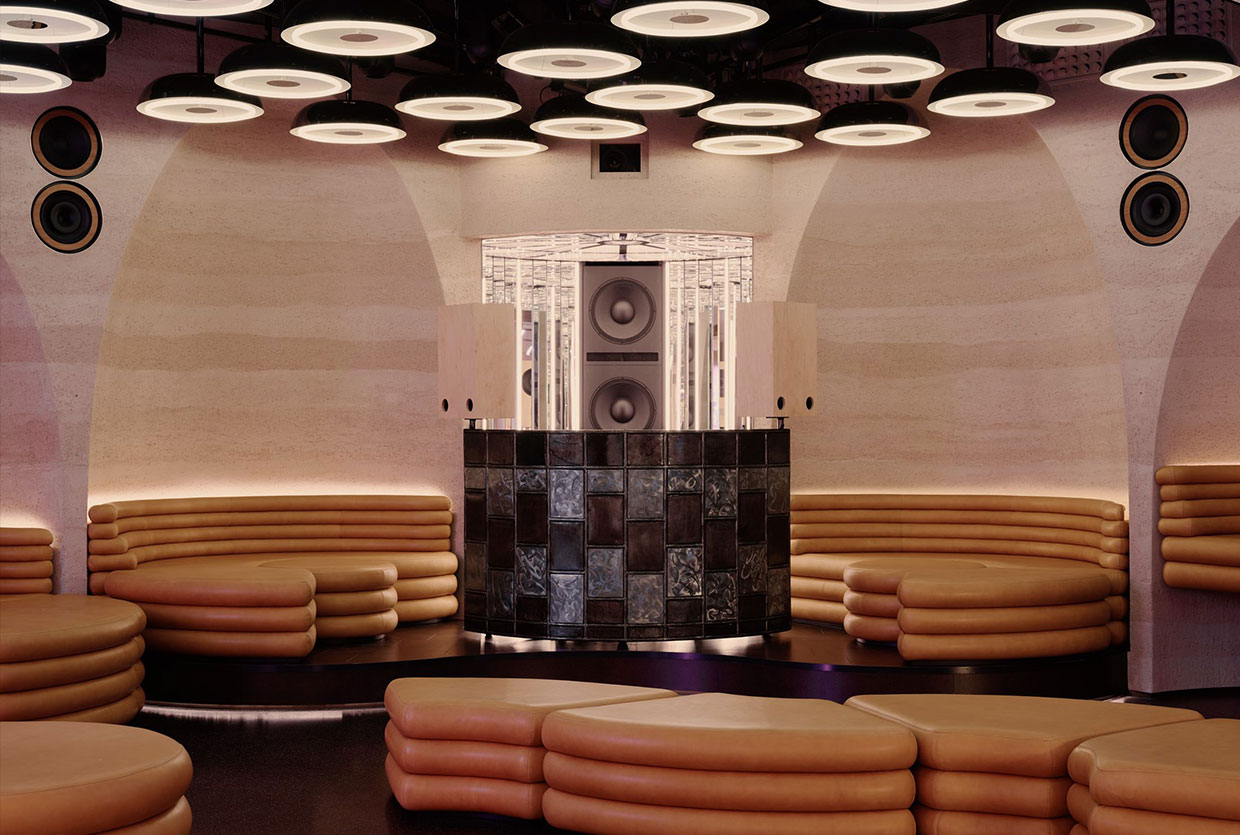
Upholstered wall panels and fluted wood detailing are also key players. By adding these vertical textures, you create a room that feels "wrapped" rather than just decorated.
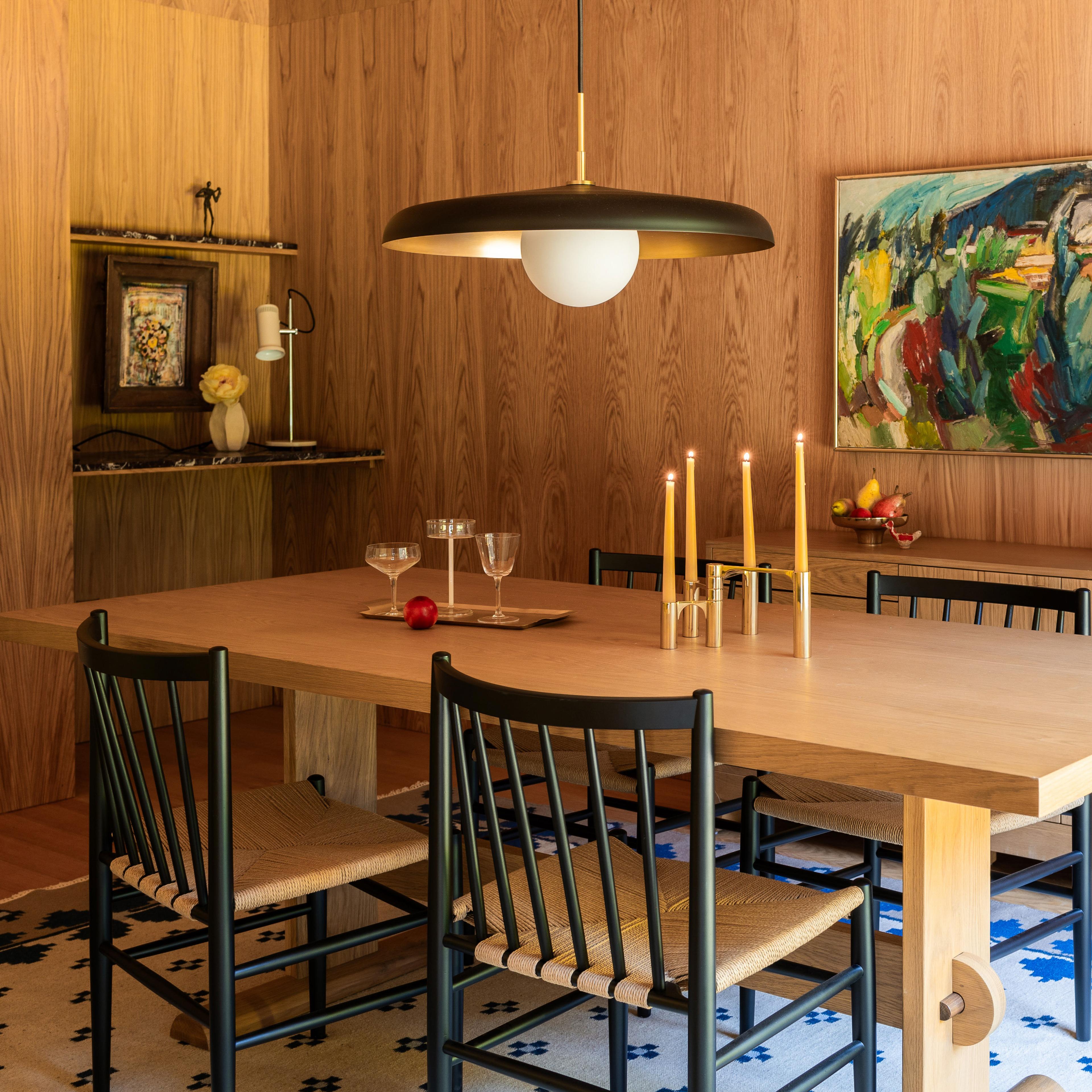
Step 4: Highlighting Texture through Layered Lighting
You can have the most beautiful velvet sofa in the world, but under a harsh overhead fluorescent light, it will look flat and uninspired. The secret to mastering texture is understanding how light interacts with it.
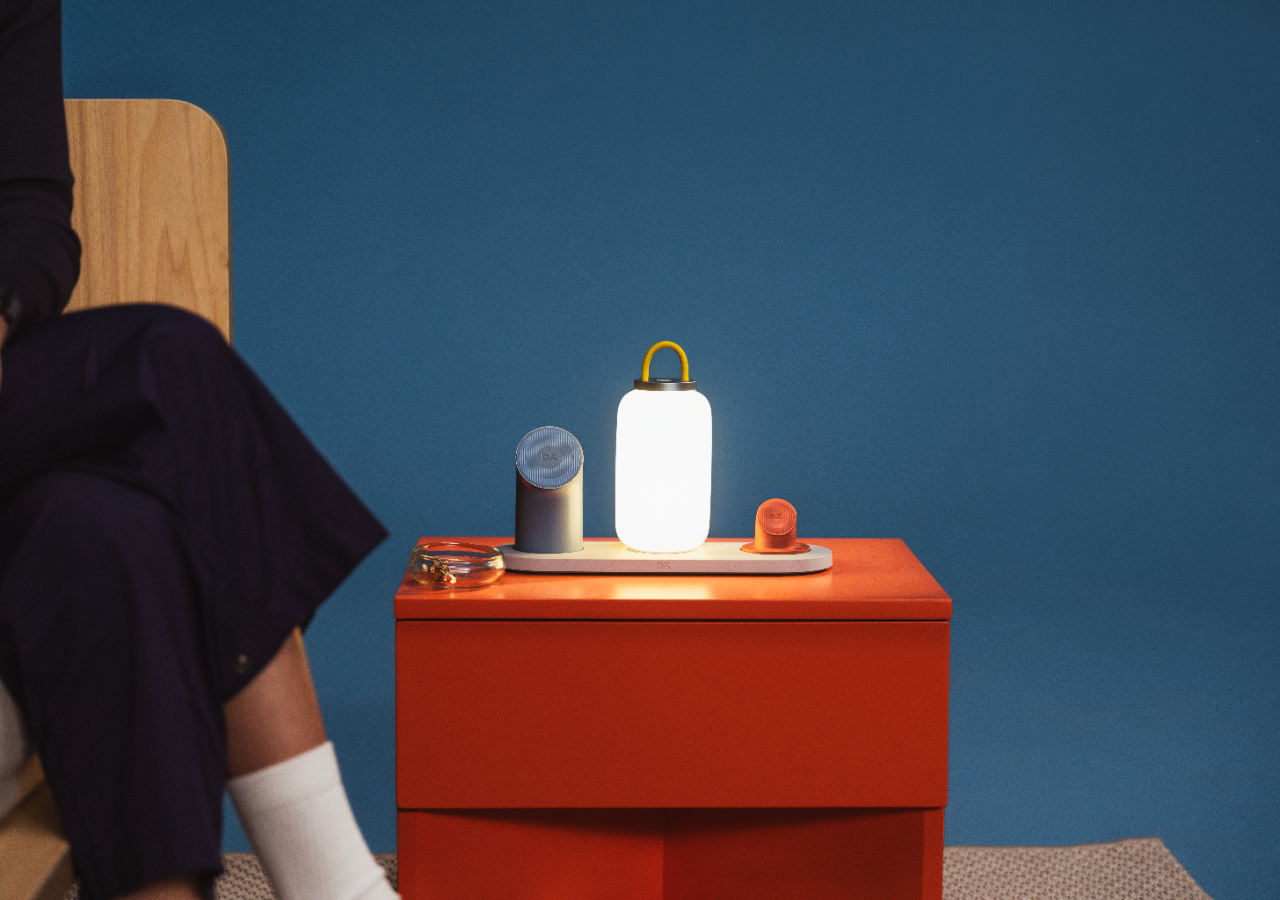
To highlight the physical depth of your decor, you must swap harsh overheads for layered soft light sources. Table lamps, wall sconces, and candles create "pools" of light. When light hits a textured surface from the side—rather than from directly above—it creates tiny shadows within the fabric's grain. This is what makes a boucle chair look so inviting or a grasscloth wall look so rich.
Furthermore, consider the "glow" effect. Integrating warm metallic accents like antique brass, bronze, or hammered copper allows light to bounce softly around the room. These metals provide a "hard" texture that contrasts beautifully with the "soft" goods, creating a balanced, professional-looking space.
SS26 Lighting Trend: Look for lampshades made of pleated linen or perforated metal. These materials filter light in ways that create intricate patterns on your walls, adding another layer of visual texture without taking up physical space.
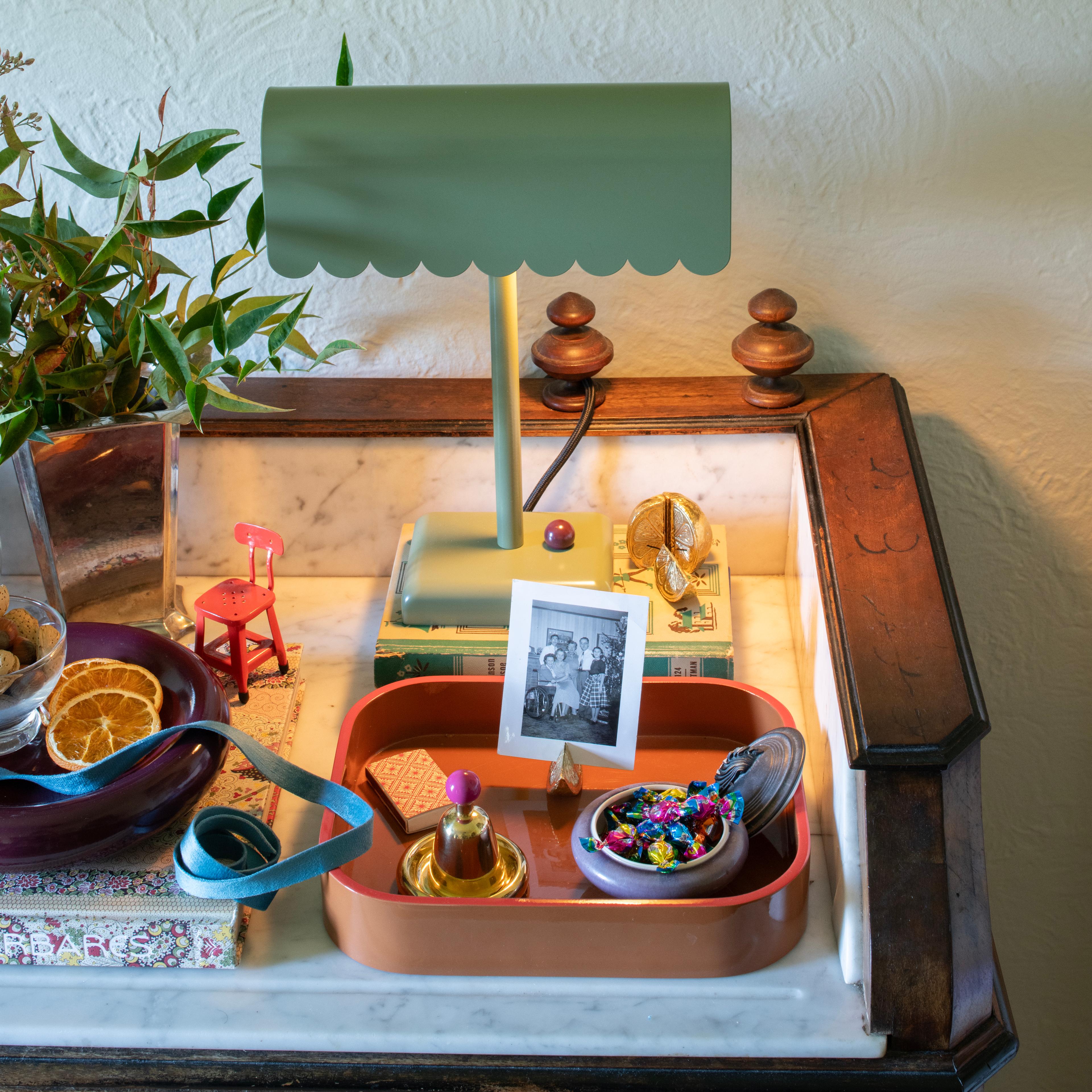
Step 5: Personalization and the 'Lived-In' Soul
The final layer of any home should be its soul. Avoid the "cookie-cutter" catalog look by integrating pieces that have a history. This is essential for a home to feel truly lived-in.
Personalization in 2026 is about the "Human Touch." This means incorporating handmade ceramics with visible thumbprints, hand-knotted textiles with slight "imperfections," and antique wooden stools that show a century of wear. These items provide a narrative texture—a story that the eye can read.
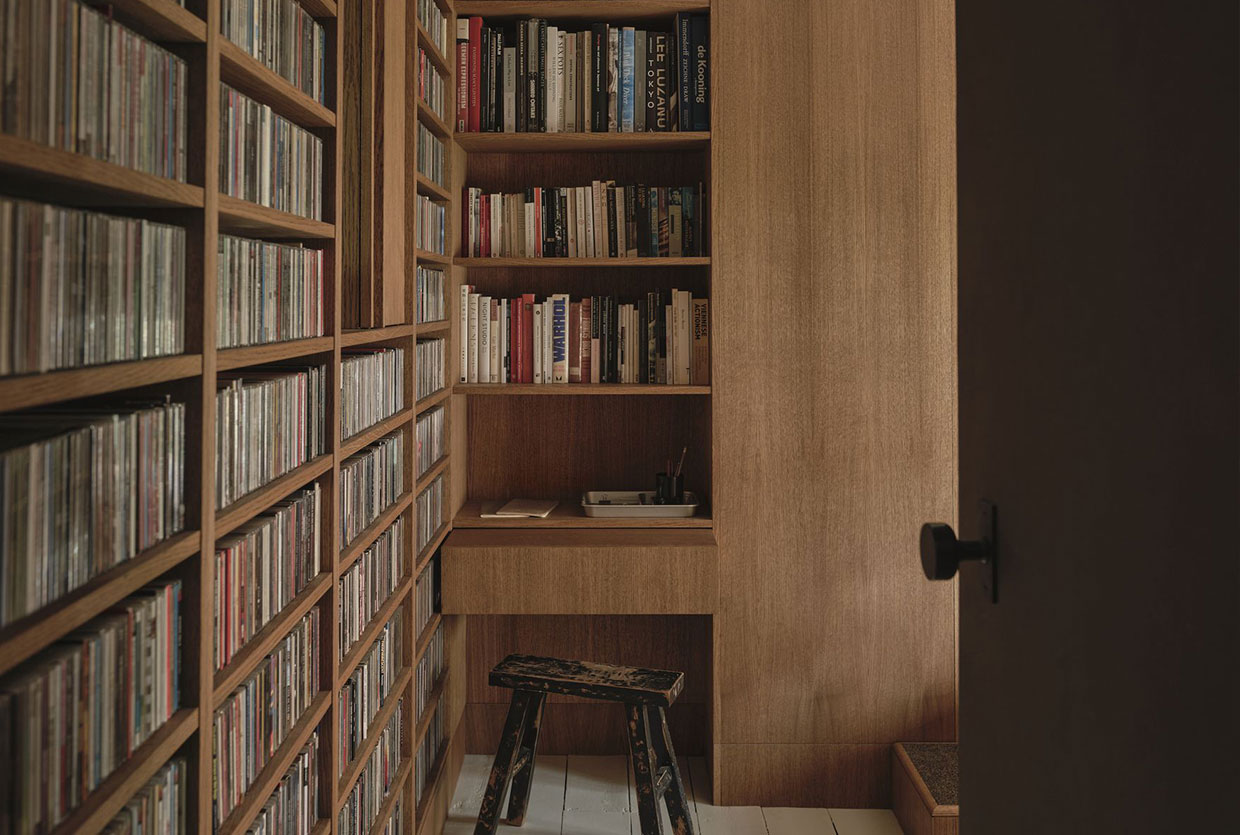
Create "usable nooks" throughout your home. A window seat isn't just a place to sit; it’s an opportunity to pile up patterns and textures. A curated bookshelf shouldn't just hold books; it should house a mix of paper, stone, and glass. These small moments of intentional clutter are what make a house feel like a home.
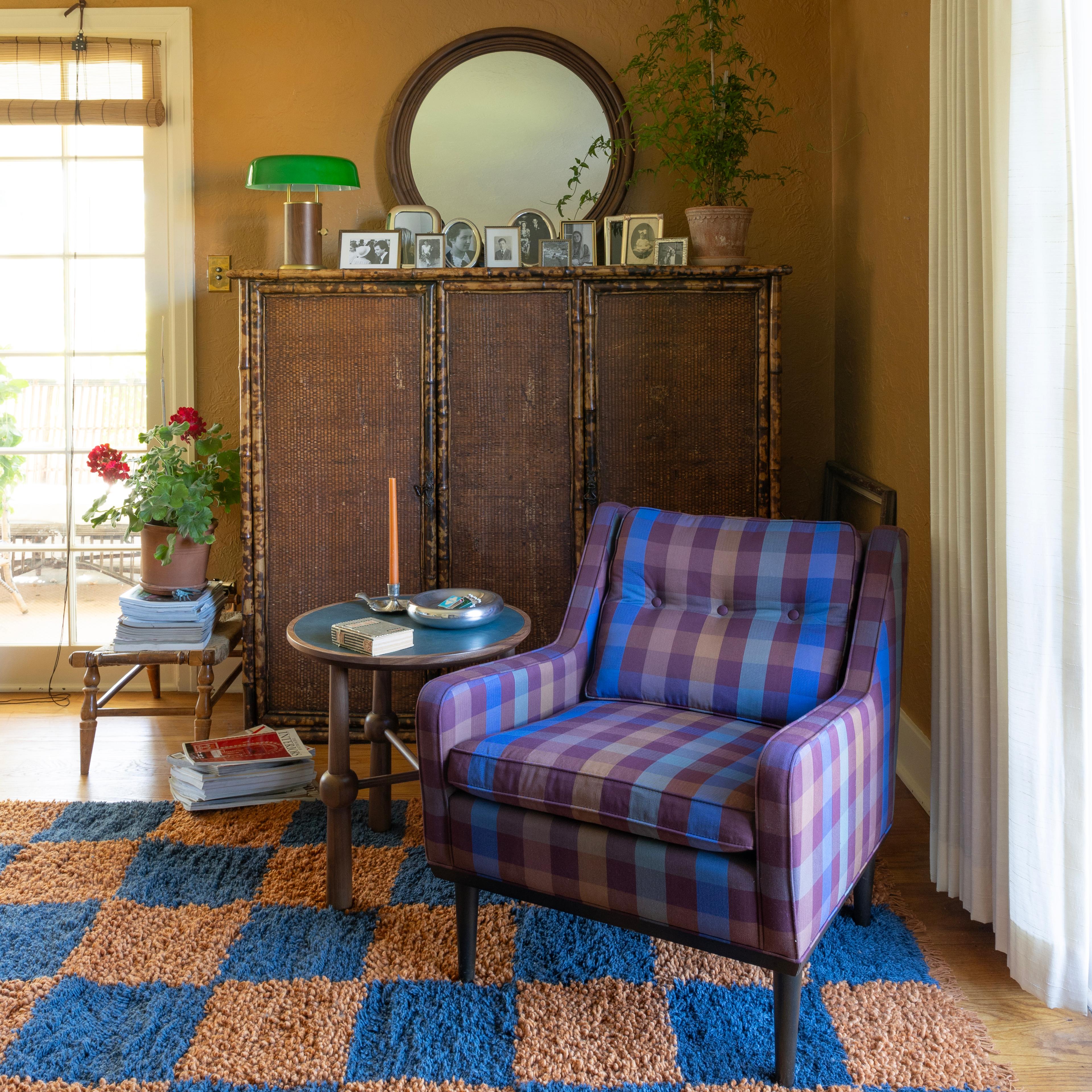
Balancing Expression with Home Resale Value
While layering textures is about personal comfort, it also has a practical side. High-quality textures communicate longevity and care to potential buyers. A home that feels "grounded" and well-constructed through its materials often perceives a higher value than one that feels flimsy or trendy.
If you are concerned about resale, keep your "commitments" (like flooring and large furniture) in neutral, earthy home color palettes. Use your "accents" (throws, pillows, and small décor) to experiment with bolder patterns and SS26 trends. This allows you to express your personality while maintaining a timeless foundation that appeals to a wide audience.
FAQ
How do I layer textures without making the room feel cluttered? The key is a cohesive color palette. If you keep your materials within the same color family (e.g., various shades of cream, beige, and tan), you can mix as many textures as you like without the room feeling chaotic. The shared color provides the "red thread" that ties the different materials together.
What is the best way to clean tactile fabrics like boucle or sherpa? Tactile fabrics do require a bit more maintenance. I recommend a high-quality fabric shaver for any pilling and a handheld steam cleaner for refreshing the fibers. Always check the manufacturer's label, but for most high-end soft goods, "spot clean only" is the golden rule to maintain the integrity of the weave.
Can I use these layering techniques in a small apartment? Absolutely. In fact, layering is even more important in small spaces because it adds "visual square footage." By adding depth through textures, you prevent the walls from feeling like they are closing in, making the room feel more intentional and expansive.
Ready to Transform Your Space?
Embracing the Livable Luxury of 2026 starts with a single touch. Whether it's adding a nubby wool throw to your favorite chair or finally swapping that overhead light for a soft table lamp, every layer brings you one step closer to a home that feels as good as it looks.