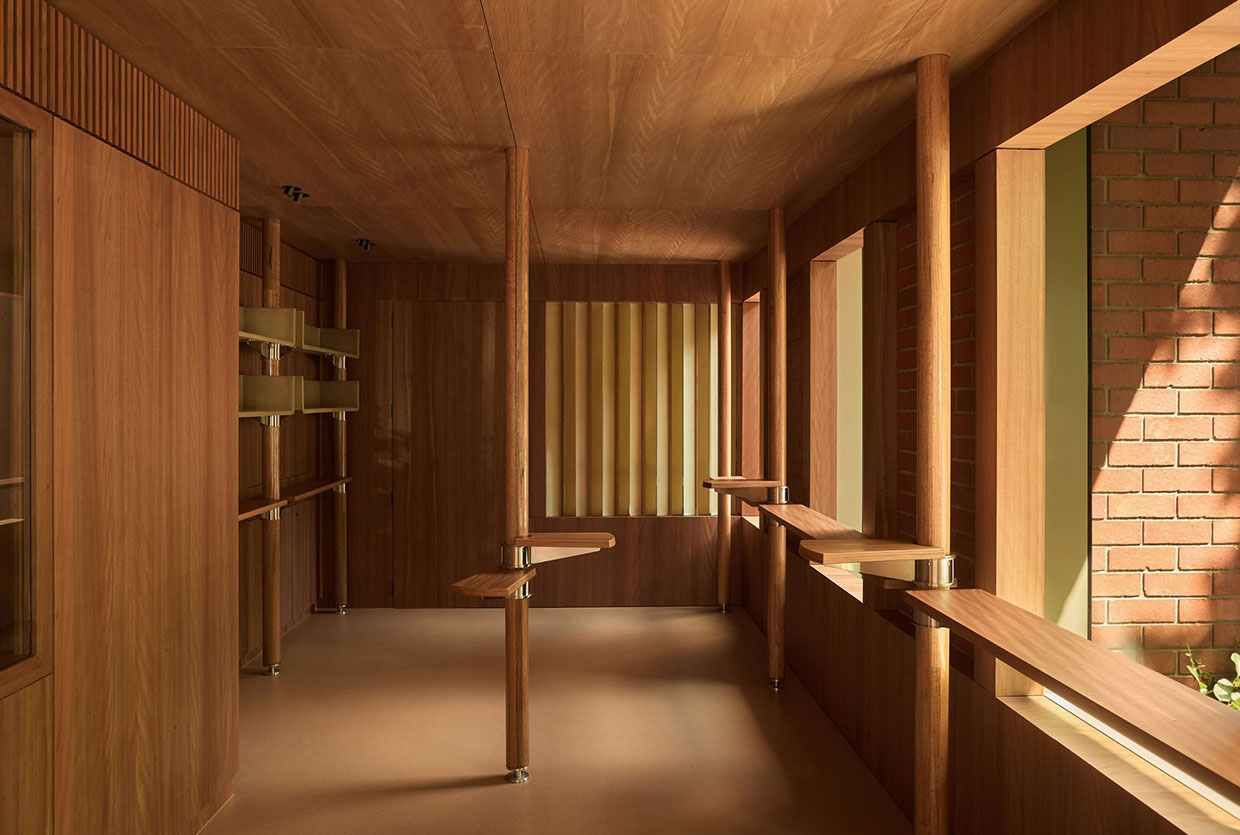
The creak of a century-old floorboard is more than just a sound; it is a love letter from the past, a tactile reminder of the craftsmanship that defined a different era. As an editor, I often see homeowners face a daunting crossroads: how do you introduce the sleek efficiency of modern life into a space that breathes history? The fear is always the same—that in the pursuit of a chef’s kitchen or an open-concept living room, the "soul" of the house will be stripped away, leaving behind a hollow shell that could be anywhere.
The reality is that modernizing a historic home is not a compromise; it is a dialogue. By prioritizing "sympathetic restoration," you aren't just renovating; you are stewarding. This philosophy focuses on preserving original woodwork, moldings, and windows while routing new electrical and plumbing systems through existing wall cavities to minimize structural disruption. This isn't just a matter of aesthetics; it’s a sound financial strategy. Properties that retain 80% or more of their original architectural features see a 12-15% higher valuation in historical districts compared to those with fully "gut-renovated" interiors.
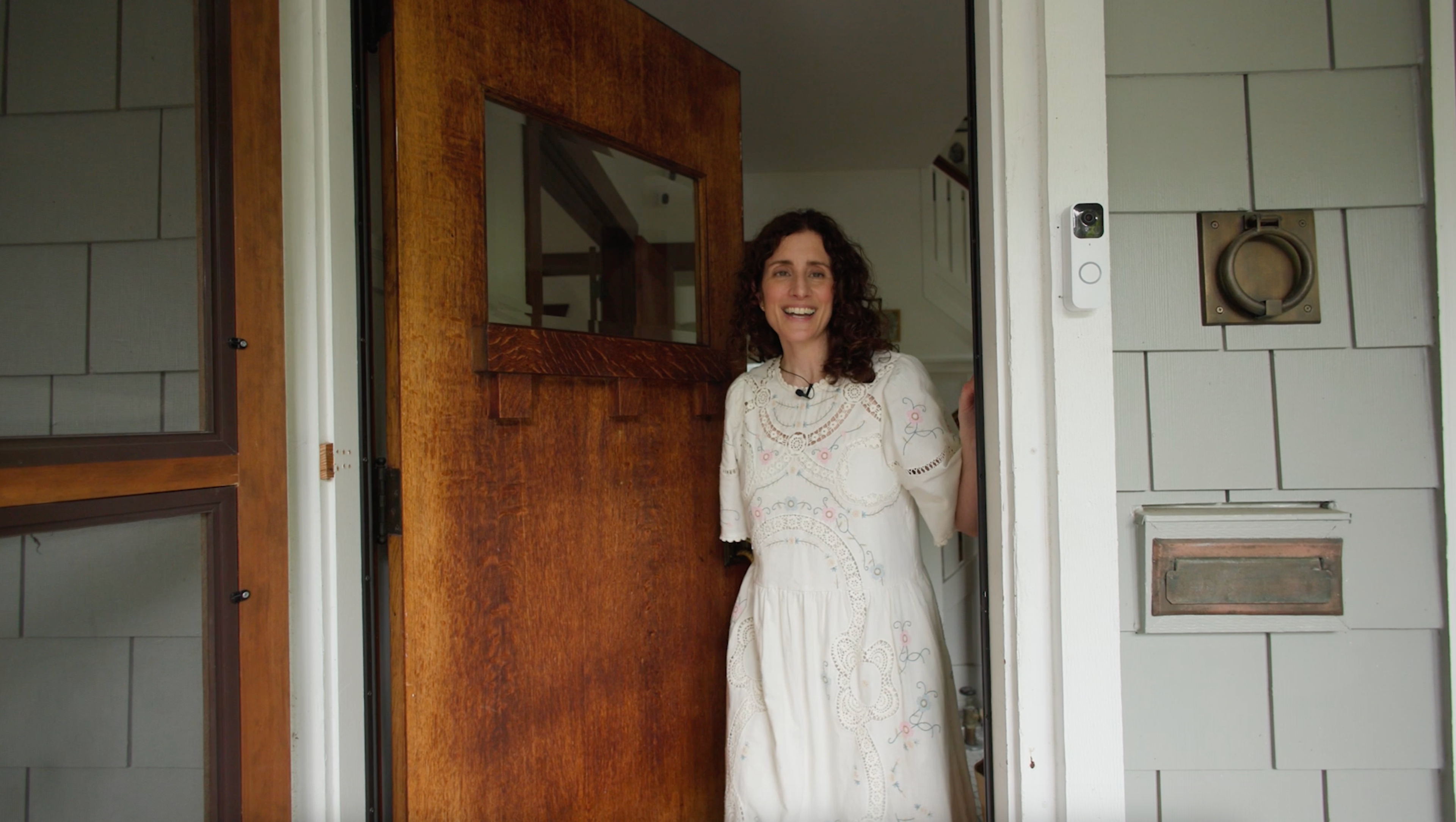
The Six-Month Rule: Why Observation is Your Best Tool
In an era of instant gratification and "flip-ready" renovations, the most radical thing you can do is wait. A survey of high-end renovation experts indicates that 70% of successful historic updates include a mandatory six-month "observation phase." During this time, the owners live in the home without making any major structural changes.
Why six months? Because you need to see how the light moves through original wavy-glass windows in every season. You need to identify which "quirks" are charming and which are genuine layout bottlenecks. Often, what feels like a cramped hallway in July becomes a vital light-well in the dark days of November. By living with the original footprint, you differentiate between the home's inherent character and the poor, late-20th-century additions that should be removed. This period of architectural silence allows the house to tell you what it needs.
Preserving the 'Soul': Identifying Architectural Anchors
Before the first sledgehammer swings, you must identify your "anchors"—the elements that define the home’s era. These are the non-negotiables that give a space its weight and history.
The Preservation Checklist:
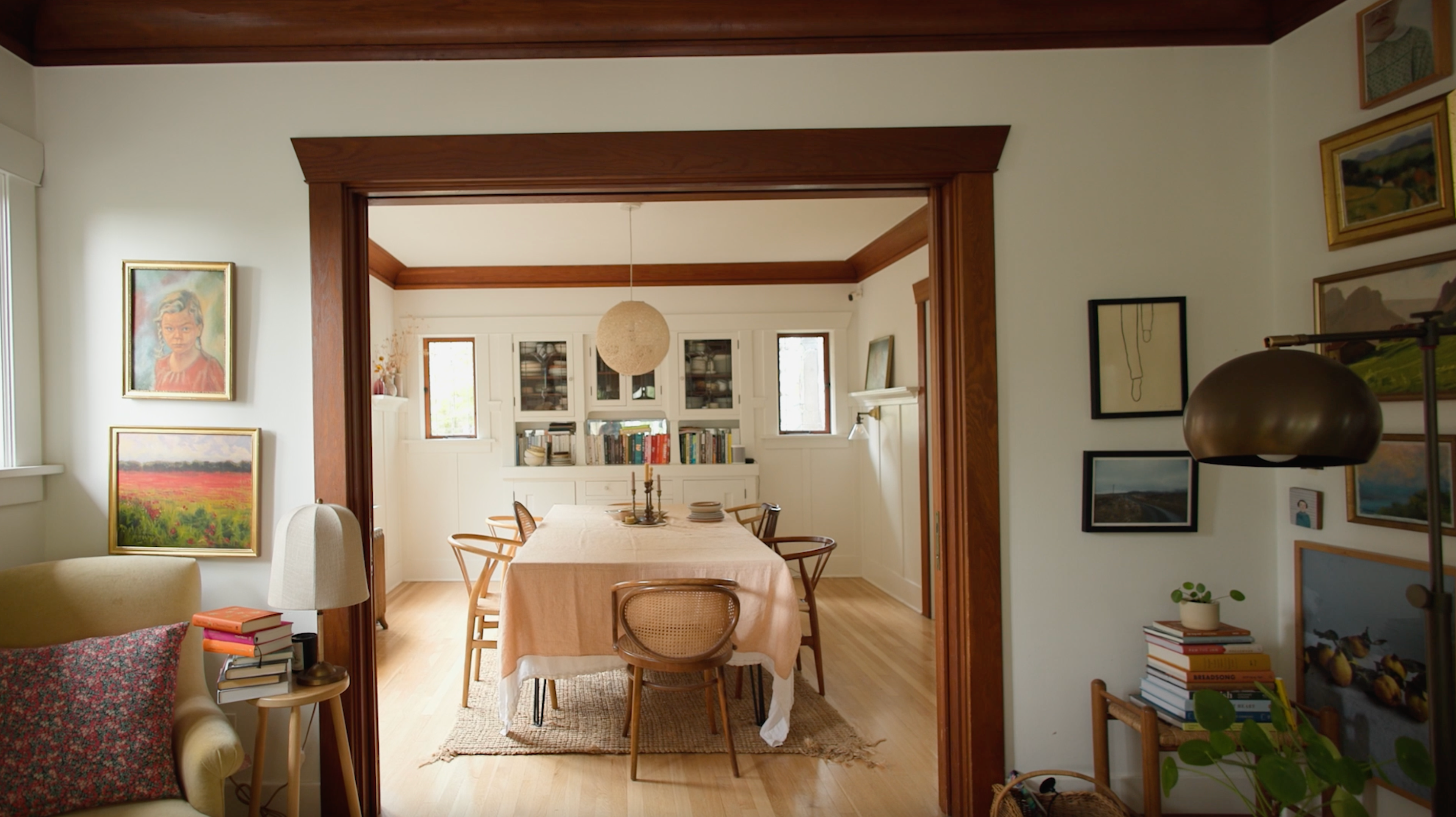
- Original Millwork: Baseboards, crown moldings, and picture rails. Even if they are caked in layers of paint, they are often made of superior old-growth wood that is impossible to replicate today.
- Wavy Glass & Casements: Original windows are the "eyes" of the home. Modern double-pane windows often lack the correct proportions and character. Consider storm window inserts for efficiency instead of total replacement.
- Built-ins and Masonry: Butler’s pantries, fireplace surrounds, and original niche shelving are the functional fingerprints of the original builder.
- The Fifth Wall: Don’t ignore the ceilings. Whether it’s original plaster medallions or exposed structural beams, the ceiling provides a rhythm and warmth that modern drywall cannot achieve.
When it comes to flooring, the choice is often between refinishing original hardwood or replacing it. If the boards are thick enough, always choose to refinish. If the floors are too uneven for modern furniture, consider using high-quality engineered wood only in the new additions, bridging the gap with a transition strip that acknowledges the change in era.
Open Layouts Without the 'Gut-Renovate' Feel
The biggest challenge in historic homes is the desire for an "open floor plan." Older homes were traditionally "cellular," with rooms serving specific, private functions. To achieve a modern flow without erasing the home's original architectural footprint, avoid the temptation to knock down every interior wall.
Instead, create strategic sightlines. This is best achieved through rear additions or by using LVL (Laminated Veneer Lumber) beams to support wide openings between the kitchen and dining areas. This allows for a "broken-plan" feel—where spaces are connected visually and socially but still retain their distinct architectural boundaries.
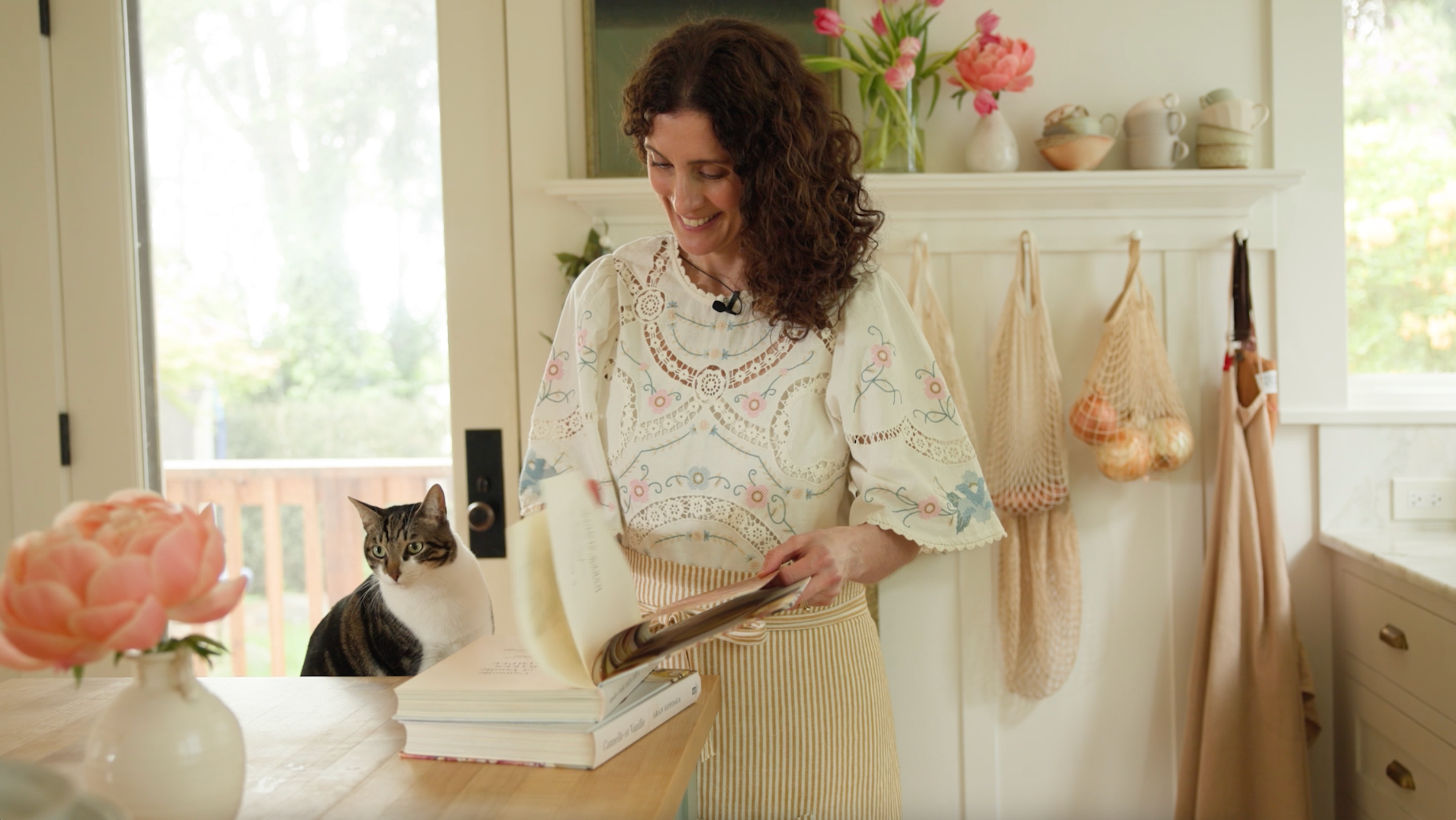
Influential designers like Aran Goyoaga have mastered this approach, creating "kitchen-gathering" zones that feel airy and light-filled but still respect the original proportions of a Craftsman or Victorian layout. By keeping the kitchen at the heart of the home but nestled within its original zone, you maintain the "sense of place" that makes historic homes so desirable.
The Invisible Upgrade: Integrating Modern Systems
Modern comfort shouldn't be seen; it should be felt. The most successful renovations are those where the high-tech elements are invisible.
HVAC and Air Quality Rather than dropping ceilings to accommodate bulky ductwork—which ruins the proportions of a room—consider high-velocity mini-duct systems or zoned mini-splits. These can be tucked into closets or crawlspaces, keeping the original ceiling heights intact.
The Philosophy of Lighting Lighting design in historic properties should treat fixtures as accents rather than centerpieces. Avoid a "grid" of recessed LED cans in a lath-and-plaster ceiling; it feels clinical and out of place. Instead:
- Use warm color temperatures (2700K) to enhance the patina of old wood and stone.
- Layer your lighting with sconces, floor lamps, and picture lights.
- Treat the few ceiling fixtures you do have as sculptural elements—period-appropriate brass or hand-blown glass that bridges the gap between old and new.
2026 Design Trends for Historic Homes: The Return of Gravity
As we look toward 2026, the design world is moving away from "fast interiors" and back toward "intentional craftsmanship." In historic homes, this manifests as a trend I call "The Return of Gravity." We are seeing a shift away from all-white, airy minimalism toward richer, more grounded materials.
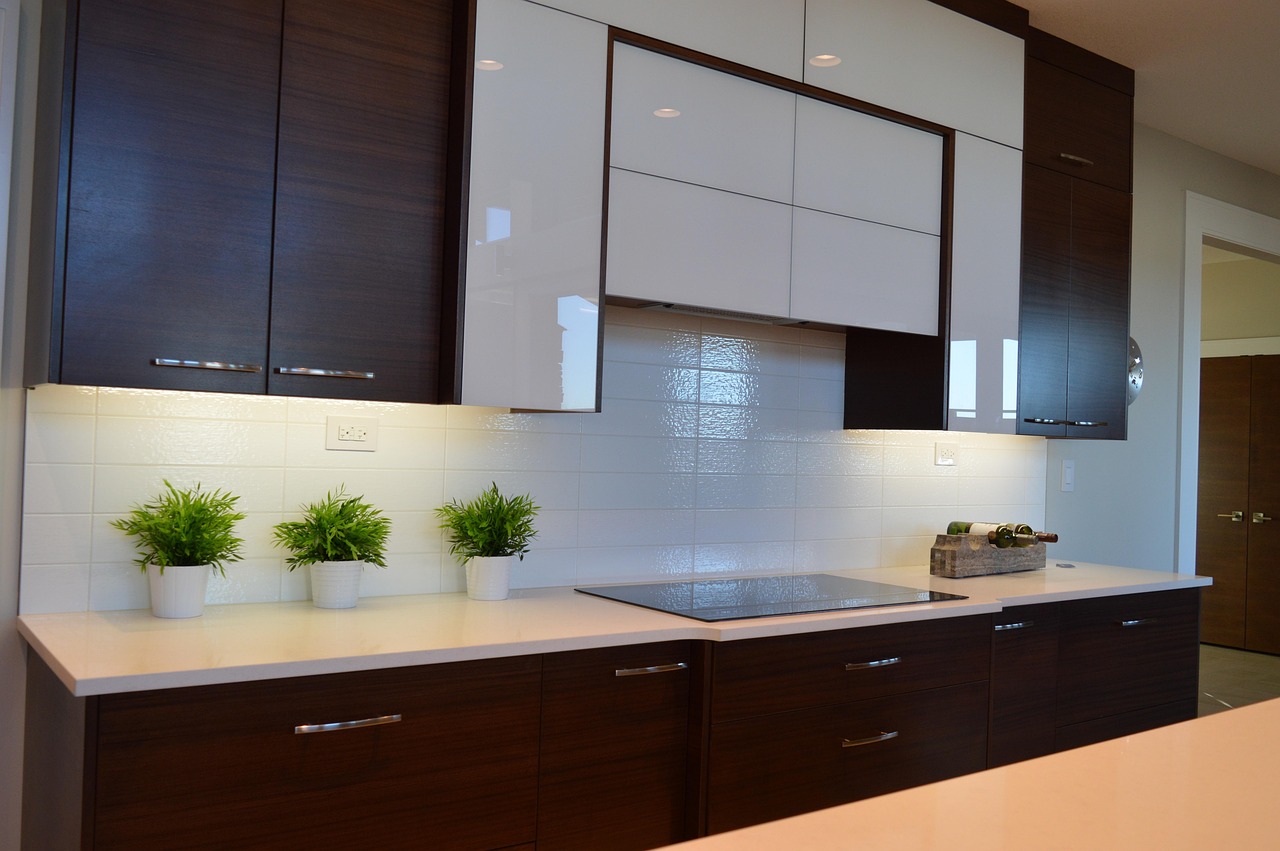
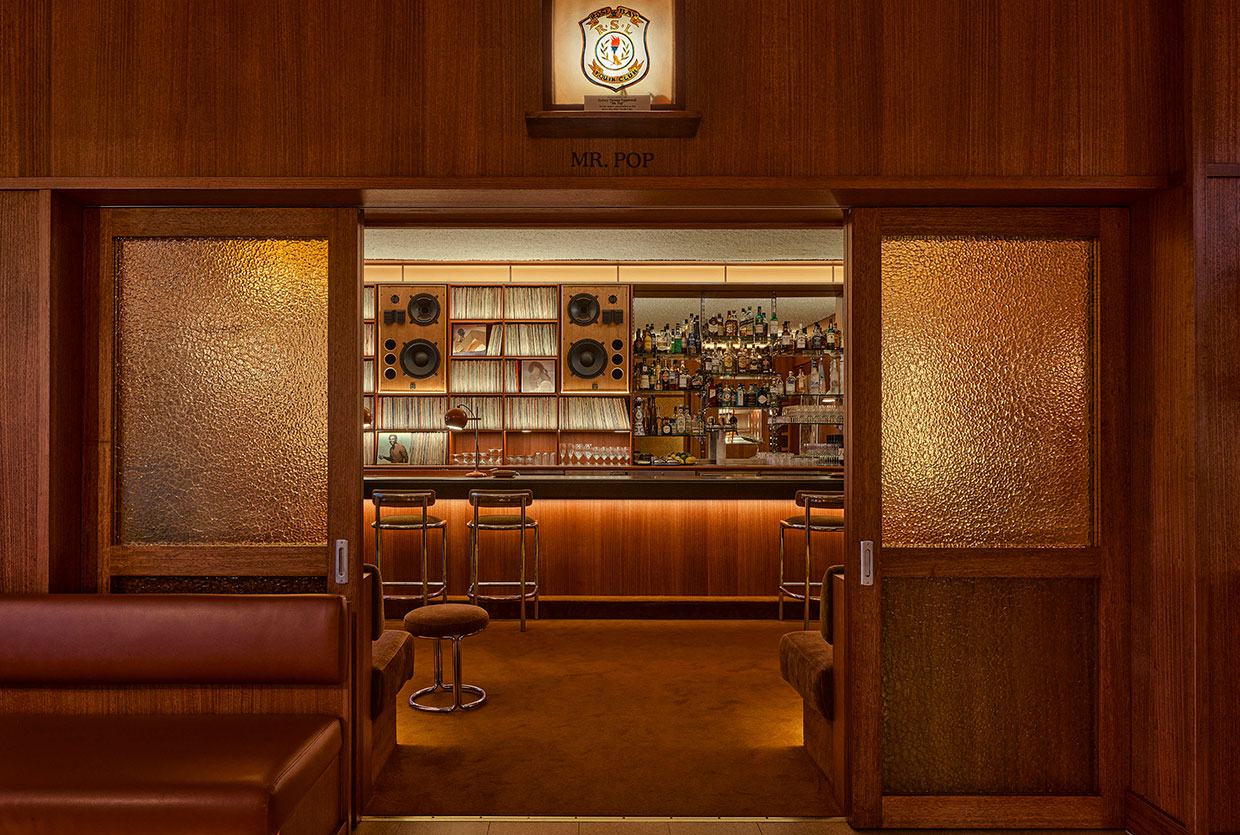
- Dark Wood & Custom Millwork: Walnut and dark-stained oak are making a massive comeback. When used in custom library shelving or kitchen cabinetry, these dark tones provide a sense of permanence that honors the home’s history.
- Architectural Anchors in the Kitchen: The trend for 2026 is the oversized, plaster-clad or stone hood vent. These massive, tactile structures act as a modern hearth, grounding the kitchen in a way that feels ancient yet clean.
- Architectural Silence: This is the art of concealing the "clutter" of modern life. We are seeing a rise in hidden sculleries and integrated appliances that disappear into bespoke cabinetry, allowing the architecture of the room to be the star.
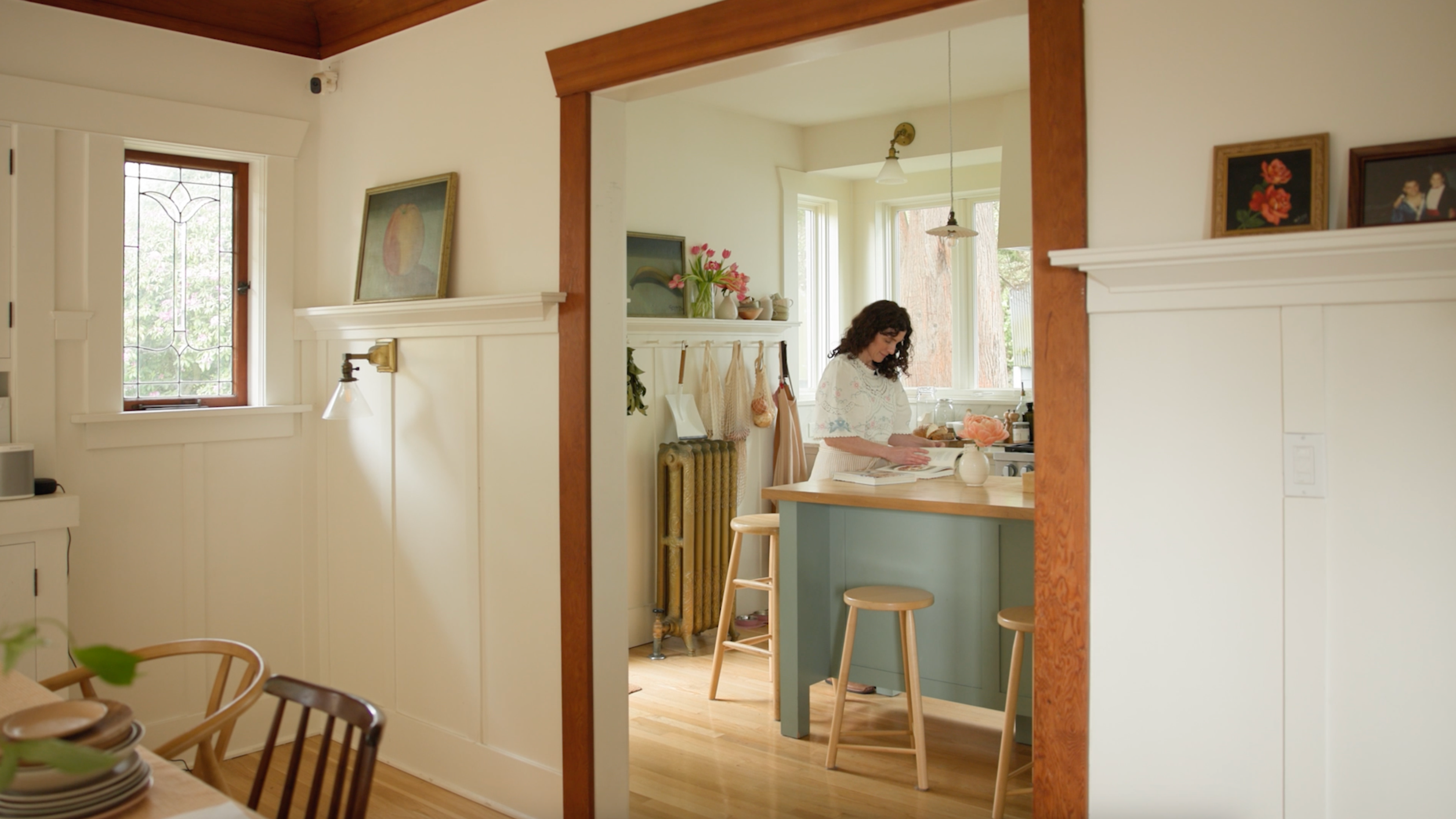
The integration of stone—whether it’s a thick-veined marble backsplash or a soapstone countertop—next to dark wood millwork creates a bridge between old-world weight and modern minimalism. It’s about choosing materials that will age as gracefully as the house itself.
Expanding the Footprint: Sympathetic Additions
Sometimes, the original footprint simply isn't enough for a growing family. When adding on, the goal is to make the addition look like the "best friend" of the original house, not a twin and certainly not a stranger.
Editor’s Tip: Ensure exterior rooflines, materials, and proportions align with the original structure. If your home has a 12-pitch roof, your addition should not have a flat roof unless it is a very intentional, high-contrast modern "glass box" design.
For maximum value, focus on "lifestyle additions" like screened-in porches, Accessory Dwelling Units (ADUs), or garage-to-studio conversions. Using reclaimed materials—like salvaged brick or antique timber—to bridge the gap between the old and new structures helps create a seamless narrative.
Conclusion: Designing for Permanence
Modernizing a historic home is a journey of stewardship. It requires us to move away from the "disposable" nature of modern trends and toward a more intentional form of craftsmanship. By respecting the original materials, observing the home’s natural rhythm, and integrating technology with a light touch, you create a space that is both a sanctuary for the present and a gift for the future.
In the end, the goal isn't to make an old house look new; it's to make a historic home feel timeless.
FAQ
Q: Is it always more expensive to restore rather than replace? A: Initially, yes. Specialized labor for plaster repair or window restoration can cost more upfront. However, the longevity of these materials (often lasting another 100 years) and the 12-15% increase in property valuation mean that restoration is a significantly better long-term investment.
Q: Can I have a smart home in a historic house? A: Absolutely. The key is "invisible tech." Use wireless switches to avoid cutting into lath and plaster, and hide speakers and hubs inside original built-ins or behind decorative grilles.
Q: How do I know if a wall is original or a later addition? A: Look at the floorboards and the trim. Original walls will have seamless flooring running up to them and matching baseboards. If the flooring is interrupted or the trim is a different profile, it’s likely a later addition.